2026 Best Sewage Wastewater Treatment Solutions for Global Buyers?

Time:2026-07-18 Author:Henry
0%

The global demand for effective sewage wastewater treatment solutions is accelerating. According to the latest report by the International Water Association, wastewater treatment plants must improve their efficiency by 50% by 2030 to meet growing urbanization needs. Solutions that prioritize sustainability and innovation are crucial. Industry expert Dr. Emily Carter emphasizes, “Innovative treatment methods will define the future of sewage wastewater management.”

As countries face increasing challenges in managing wastewater, the urgency for advanced treatment technologies becomes clear. The World Health Organization predicts that untreated wastewater can lead to health risks for over 2 billion people worldwide. Despite advancements, many existing systems remain outdated, resulting in environmental degradation. This presents both an opportunity and a challenge for global buyers seeking the best solutions in sewage wastewater treatment.

Navigating this complex landscape requires expertise. Many businesses struggle to differentiate between available options. It is essential to reflect on practices that not only treat sewage effectively but also protect the environment. In pursuing innovative solutions, stakeholders must remain vigilant about sustainability and resilience in sewage wastewater treatment systems.
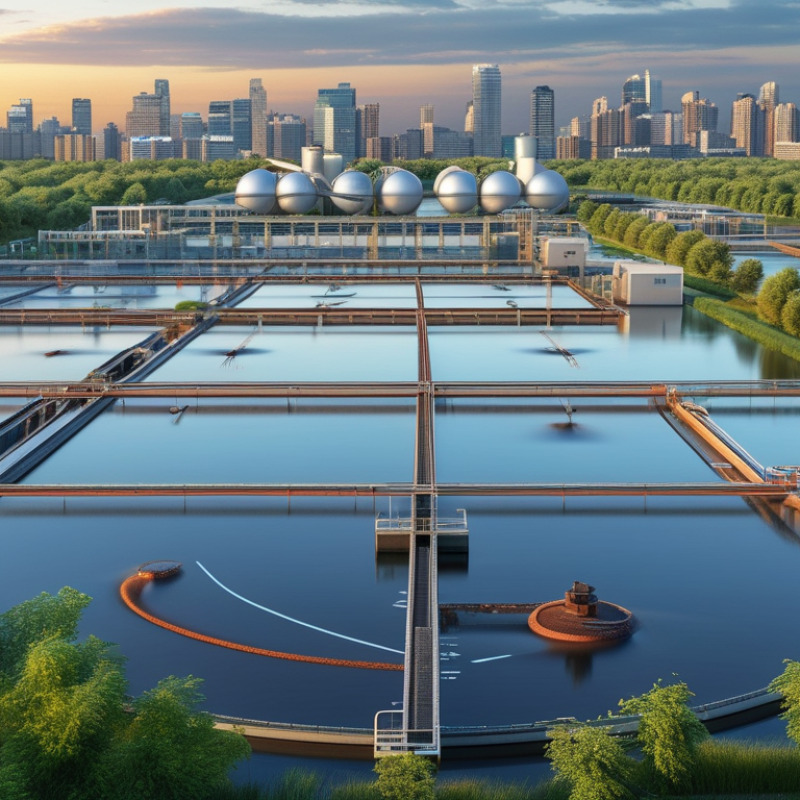
2026 Best Sewage Wastewater Treatment Solutions for Global Buyers?

Overview of Sewage Wastewater Treatment Technologies for 2026

As the world grapples with water scarcity, sewage wastewater treatment technologies are at the forefront of sustainable solutions for 2026. Innovative processes like membrane bioreactors (MBRs) are gaining traction. They combine biological treatment with membrane filtration. Reports indicate MBRs can reduce space requirements by up to 50% while enhancing effluent quality. However, these systems often come with high operational costs and require skilled operators.

Another emerging technology is advanced oxidation processes (AOPs), which effectively eliminate contaminants. AOPs utilize ozone, UV, or hydrogen peroxide to break down pollutants. These methods show promise in treating industrial wastewater, with some studies suggesting a reduction in harmful substances by over 90%. However, these technologies often face challenges related to byproduct management and energy consumption.

Key industry reports highlight that global wastewater treatment is projected to grow significantly. The market is expected to reach USD 500 billion by 2026. Yet, achieving sustainable practices remains an ongoing struggle. Many facilities still rely on outdated methods that do not meet modern efficiency standards. The move towards smarter, integrated solutions is crucial but often hindered by regulatory frameworks and financial constraints. This reality prompts vital discussions on balancing technology adoption and operational feasibility.

Top Global Buyers: Key Considerations in Selecting Treatment Solutions

When selecting sewage and wastewater treatment solutions, global buyers face numerous considerations. Understanding local regulations is crucial. Different regions have unique compliance demands. A solution must meet these to avoid legal issues. Buyers should research the environmental impact of their choices. Sustainable practices not only benefit the planet but can also improve public image significantly.

Cost is a primary concern for many buyers. Initial investment is only part of the equation. Long-term operational costs can greatly affect overall budgeting. Some advanced technologies might offer better efficiency but come with higher upfront costs. Buyers should analyze return on investment thoroughly.

Integration with existing infrastructure is another vital factor. Compatibility can determine a solution's success. Systems that require extensive modifications may lead to project delays. Communication with suppliers is essential. This helps clarify any ambiguities or concerns about the proposed technology. Ensuring reliable after-sales support is also important. Buyers need partners who can provide ongoing assistance. This helps in adapting to any emerging challenges in wastewater treatment.

Innovative Treatment Methods: Emerging Technologies in Wastewater Management

Innovative treatment methods are revolutionizing wastewater management. Emerging technologies focus on efficiency and sustainability. These methods address environmental challenges while ensuring safe discharge.

One promising approach is membrane bioreactor (MBR) technology. MBR combines biological treatment and membrane filtration. This results in high-quality effluent and reduced footprint. However, membrane fouling poses a significant challenge. Regular maintenance and monitoring are essential for maintaining performance.

Another exciting development is the utilization of advanced oxidation processes (AOP). AOP effectively degrades pollutants and pathogens. It offers rapid treatment in various conditions. Yet, the energy consumption can be substantial. It’s crucial to balance efficiency and operational costs. Overall, these innovative solutions could reshape wastewater treatment but require careful implementation and ongoing evaluation.

2026 Best Sewage Wastewater Treatment Solutions for Global Buyers

Treatment Method Technology Type Efficiency (%) Cost ($/m³) Environmental Impact
Membrane Bioreactor (MBR) Biological Treatment 95 3.50 Low
Activated Sludge Process Biological Treatment 85 2.00 Medium
Constructed Wetlands Natural Treatment 80 1.50 Very Low
Ultraviolet (UV) Disinfection Physical Treatment 99 0.75 Low
Electrocoagulation Electrochemical Treatment 90 4.00 Medium

Cost Analysis: Comparing Sewage Treatment Solutions in 2026

As global water scarcity intensifies, effective sewage treatment solutions are vital. In 2026, the costs of these solutions vary significantly. On average, advanced filtration technologies can range from $0.50 to $2.00 per cubic meter. Traditional methods like activated sludge may cost between $0.25 and $1.00 per cubic meter. While cheaper options exist, they often compromise efficiency.

A recent report indicates that energy consumption is a crucial factor. Systems with high energy demand can increase operational costs. For example, energy-intensive processes may lead to overall costs reaching 30% higher than expected. Additionally, maintenance protocols often require frequent adjustments. This unpredictable aspect leads to budget overruns, making careful planning essential.

Analyzing regional trends reveals disparities. Some countries invest heavily in newer technologies. Others rely on outdated methods, resulting in inefficiencies. For instance, regions struggling with infrastructure may face higher costs due to frequent equipment failure. Global buyers must weigh initial capital investment against long-term operational risks. The journey toward sustainable wastewater management is often convoluted, demanding robust solutions that balance cost and efficiency.

Environmental Impact: Sustainability in Sewage Treatment Practices

Sustainable sewage treatment practices are crucial for reducing environmental impact. According to recent reports, approximately 80% of the world's wastewater is released into the environment without adequate treatment. This poses significant risks to ecosystems and public health.

Effective solutions focus on resource recovery and energy efficiency. Advanced technologies, such as membrane bioreactors and anaerobic digestion, help reclaim valuable resources. These processes not only reduce waste but also produce biogas as a renewable energy source. It's estimated that utilizing biogas can reduce greenhouse gas emissions by up to 50%.

Despite these advancements, challenges remain. Many regions lack proper infrastructure for wastewater treatment. In developing countries, financial limitations hinder the adoption of sustainable technologies. Education and investment in capacity building are essential for facilitating better practices. As the global population grows, innovative approaches to sewage treatment must become a priority to ensure a sustainable future.

FAQS

: What are membrane bioreactors (MBRs)?

: MBRs combine biological treatment with membrane filtration. They reduce space needs while improving wastewater quality.

What are advanced oxidation processes (AOPs)?

AOPs use ozone, UV light, or hydrogen peroxide to break down pollutants. They can reduce contaminants by over 90%.

Why is understanding local regulations important for buyers?

Local regulations vary widely. Compliance is necessary to avoid legal issues and ensure successful project implementation.

What should buyers consider regarding cost?

Buyers must evaluate both initial investments and long-term operational expenses. Advanced technologies may have higher upfront costs.

How does integration with existing systems affect treatment solutions?

Compatibility with current infrastructure is crucial. Extensive modifications can lead to project delays and increased costs.

What impact does energy consumption have on sewage treatment costs?

High energy demands can raise operational costs. Some methods may end up 30% more expensive than initially planned.

Why is reliable after-sales support important?

Ongoing assistance helps adapt to challenges in wastewater treatment. It ensures smooth operation and long-term success.

What challenges do buyers face in wastewater treatment?

Many facilities still use outdated methods. Balancing technology adoption and operational feasibility can be tough.

How do regional trends affect cost analysis in wastewater treatment?

Investment in technologies varies by region. Some areas face higher costs due to inefficiencies from outdated infrastructure.

What is a common oversight in sewage treatment solutions?

Many overlook the importance of efficient maintenance protocols. Unpredictable maintenance needs can lead to budget overruns.

Conclusion

The article "2026 Best Sewage Wastewater Treatment Solutions for Global Buyers" offers a comprehensive overview of the latest technologies and strategies in sewage wastewater treatment. It discusses the key considerations for global buyers in selecting the most suitable treatment solutions, emphasizing the importance of efficiency, cost-effectiveness, and sustainability. The piece highlights innovative treatment methods that are emerging in the field of wastewater management, showcasing how these advancements can improve treatment efficacy and reduce environmental impact.

Additionally, a cost analysis is presented, comparing various sewage treatment solutions available in 2026, giving buyers critical insights into their financial implications. The article ultimately underscores the significance of sustainable practices in sewage wastewater treatment, urging stakeholders to prioritize environmentally friendly approaches in their decision-making processes. This focus on sustainability aligns with global efforts to enhance water quality and resource management, making it a relevant read for industry professionals.

Henry

Henry

Henry is a dedicated marketing professional with a profound expertise in the company's offerings. With years of experience in the industry, he possesses an impressive understanding of the market dynamics and consumer behaviors that drive success. Henry is committed to sharing his insights through......