Engineered high-molecular weight polymers manufactured to stabilize wastewater systems and maximize solid-liquid separation.
Unlocking industrial separation efficiency via molecular structure optimization and precise polymer classification.
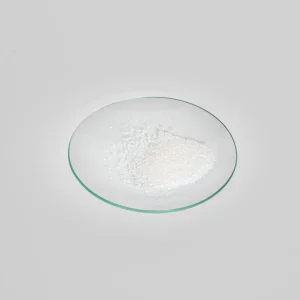
Anionic Polyacrylamide polymers feature a negative charge configuration generated by co-polymerization of acrylamide with acrylic acid or hydrolysis. Ideal for neutral and alkaline pH profiles, APAM is the standard flocculant choice for heavy mineral processing, mining sedimentation, and municipal drinking water treatments where bridging mechanism dominates.
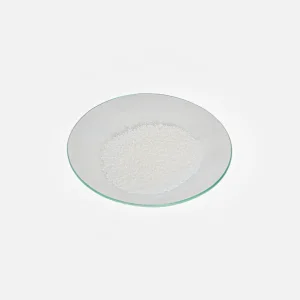
CPAM copolymers carry positive functional charges derived from DAC or DMC monomer integration. CPAM behaves excellently in highly organic slurry systems. Sludge dewatering from biological municipal wastewater, papermaking retention systems, and brewery processing plants demand the fast charge-neutralization and high shear-resistance provided by CPAM.
Nonionic PAM exhibits a neutral configuration with minimal hydrolysis. Possessing a highly stable linear polymer chain, NPAM is predominantly deployed in acidic environments, selective flocculation processes, and civil engineering applications where precise hydrogen-bonding facilitates clay particles structural adhesion.
Industrial solid-liquid separation relying on Polyacrylamide operates through two fundamental physical-chemical mechanisms: Charge Neutralization and Macromolecular Bridging. When selecting chemicals from a primary manufacturer, matching the molecular weight (MW) and charge density (CD) to the specific zeta potential of the target colloidal suspension is critical for optimal performance.
Colloidal particles in industrial wastewater typically possess a negative surface charge, stabilizing them in suspension. Cationic Polyacrylamide (CPAM) introduces positively charged quaternary ammonium groups that attract to these negative surface sites. Upon contact, the net electrostatic potential (zeta potential) approaches zero, collapsing the electrical double layer and allowing Van der Waals forces to aggregate the destabilized colloids into microflocs.
For high-molecular-weight Anionic Polyacrylamide (APAM) and Nonionic Polyacrylamide (NPAM), the polymer chain extends significantly into the liquid phase. Individual polymer molecules adsorb onto multiple colloid particles simultaneously, creating a physical network or "bridge." This bridging effect produces large, high-density flocs capable of rapid sedimentation and withstanding high shear rates in filter presses and decanter centrifuges.
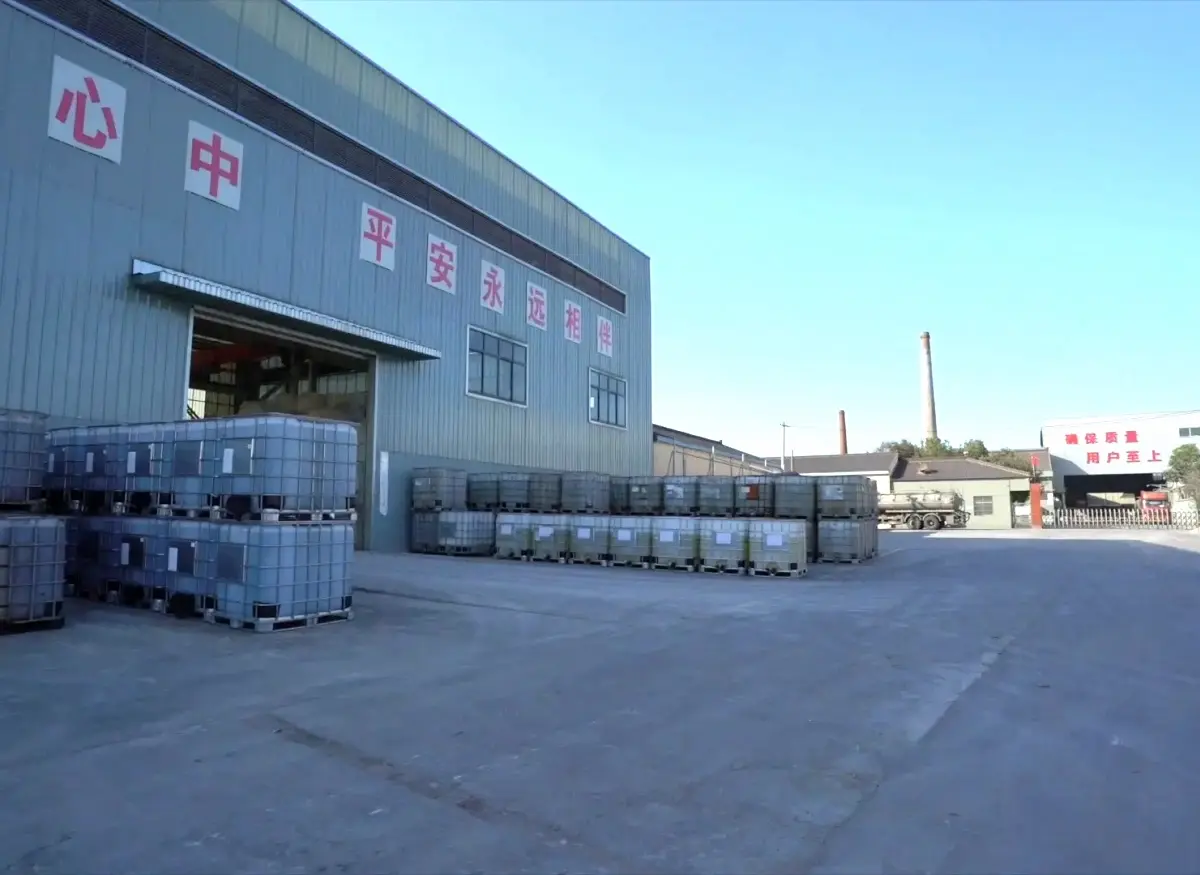
Founded in 1998, Wuxi BS Water Treatment Chemicals Co., Ltd. possesses advanced production technology and rich management experience. We specialize in producing a series of water treatment products for the treatment of drinking water and various types of domestic and industrial wastewater. Our 27 years of expertise place us as a globally reliable manufacturing hub.
With a state-of-the-art chemical facility in Jiangsu Province, Wuxi BS continues to lead research in the structural synthesis of polyacrylamide, polyaluminium chloride, and poly-DADMAC, exporting high-performance water processing solutions to over 50 countries.
How our synthesized Polyacrylamide products serve as critical process additives across heavy industrial operations.
In the petroleum sector, high-molecular-weight APAM acts as a displacement agent for tertiary oil recovery (EOR). It modifies water rheology, enhancing sweep efficiency in rock formations. Additionally, it serves as a critical additive in water-based drilling muds to maintain viscosity and prevent fluid loss.
Our industrial flocculants accelerate settling and filtration kinetics in mineral slurries. Whether separating coal tailings, concentrating copper/gold leach ores, or handling red mud residues in alumina refining, our custom-tailored polymers optimize thickener throughput and recycle water clarity.
To maximize paper machine speed and fiber recovery, cationic polymers are deployed as retention and drainage aids. Wuxi BS formulations bridge fine fibers and mineral fillers to the sheet, improving overall tensile strength while reducing biological loading in white water systems.
Decarbonization, molecular precision, and intelligence-driven dosing control systems.
By transitioning from chemical hydration of acrylonitrile to microbiological enzyme-catalyzed synthesis using Rhodococcus rhodochrous, our factory achieves a high-purity acrylamide monomer with extremely low residual toxicity. This process minimizes the formation of undesirable byproducts and significantly lowers the carbon footprint of the manufacturing facility.
To prevent the formation of "fish-eyes" (insoluble gel particles) during makeup, Wuxi BS is engineering automated, high-shear wetting units. These systems ensure uniform hydration of ultra-high-molecular-weight dry powders, protecting polymer chains from premature shear degradation and ensuring full activation prior to dosing.
Tracing our evolutionary timeline from local production into a global chemical manufacturer.
Wuxi Bisheng Chemical was established as a localized polymer factory, concentrating on basic coagulants and coagulant aids for domestic municipal sewage plants.
Officially renamed to Wuxi Bisheng Water Treatment Agent Co., Ltd., upgrading synthesis lines to produce modern high-molecular-weight Polyacrylamide emulsion polymers.
Acquired comprehensive export certifications. Began distribution across Asia, Europe, and Latin America through global logistics partnerships.
Annual sales revenue exceeded $10 Million. Upgraded industrial synthesis facilities to integrate automated DCS control systems, ensuring batch-to-batch molecular weight stability.
Established a dedicated Foreign Trade Department to manage direct enterprise procurement and provide remote engineering support globally.
Get answers to critical technical questions regarding Polyacrylamide selection, usage, and logistics.
Stay updated with the latest technological developments and innovations at Wuxi BS.
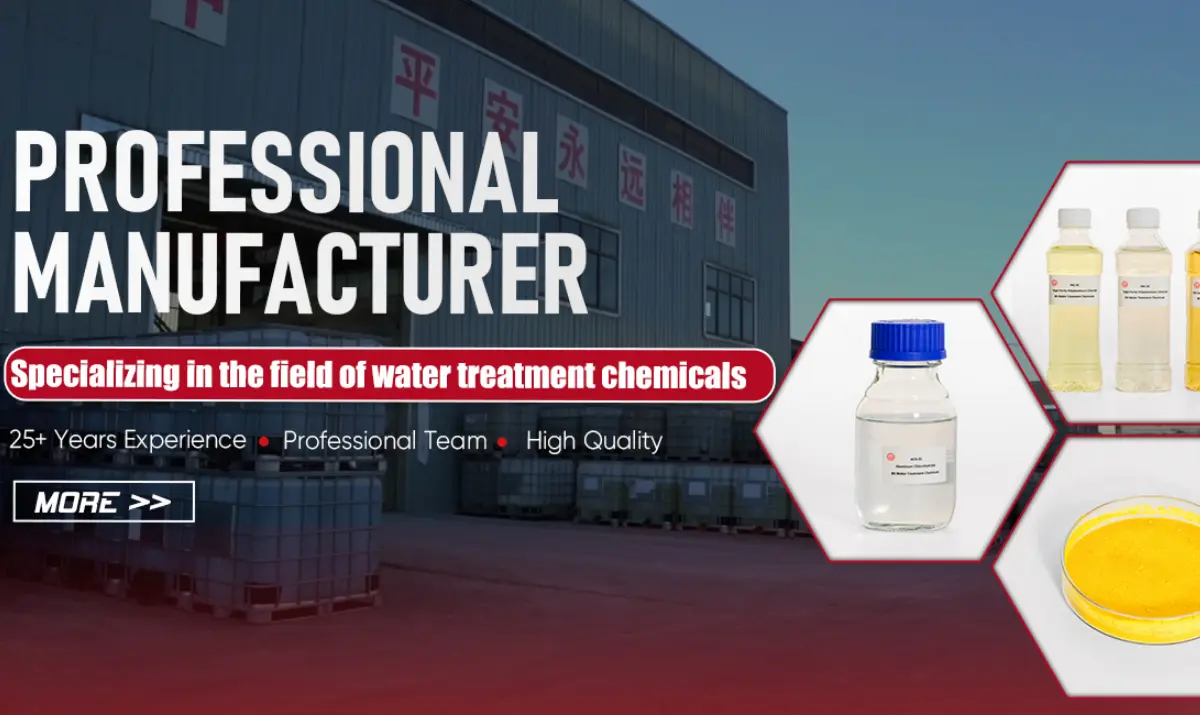
Explore our long-term global expansion strategy. We are establishing decentralized distribution hubs across primary industrial zones to cut logistics transit times by 35%.
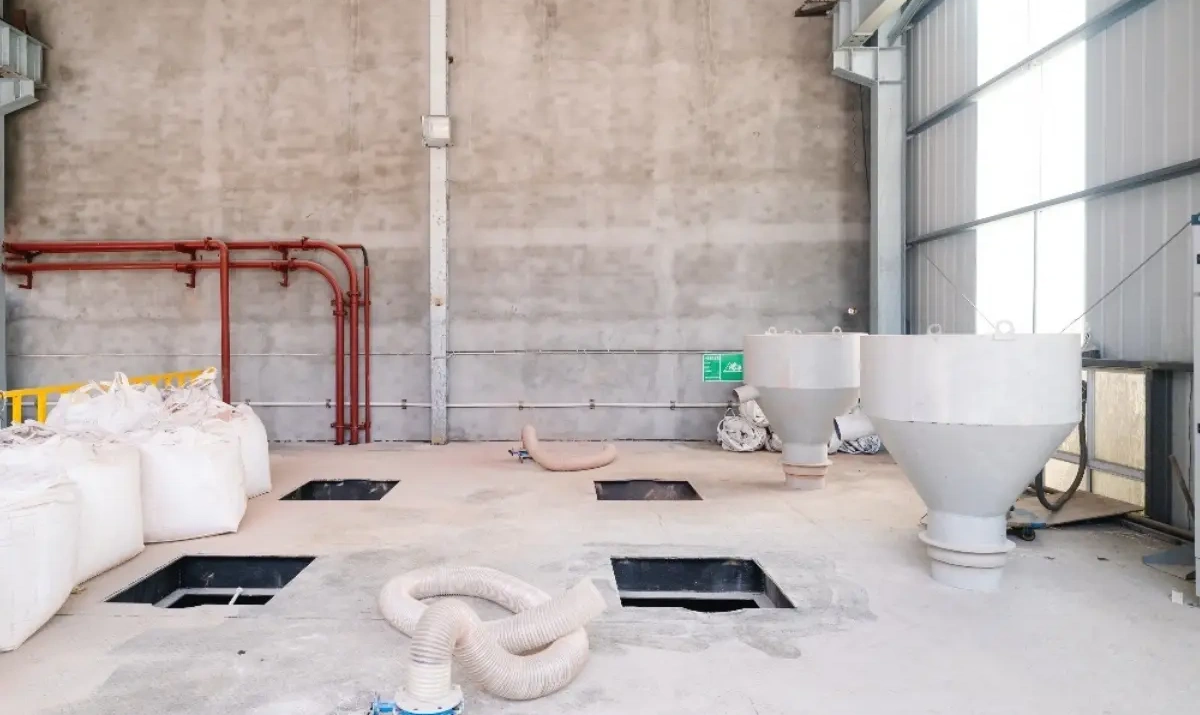
Our engineering team has introduced an automated polymer preparation unit designed to prevent chemical clumping and improve dry powder dissolution efficiency in municipal wastewater installations.
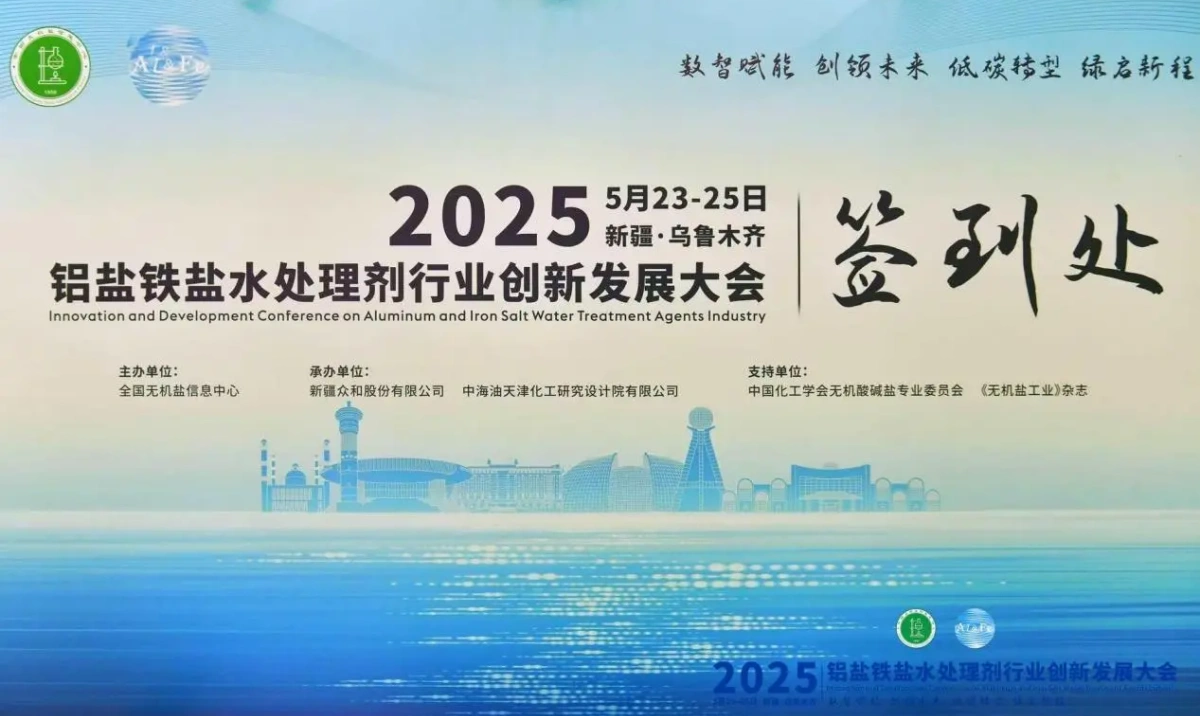
Wuxi BS presented key research on using polymeric ferric salts alongside APAM to optimize red mud settling and minimize dissolved organic compounds in recycling streams.
Have questions about finding the right polymer grade, calculating dosages, or requesting customized product packaging? Our technical support team is ready to assist you.
Explore our complete portfolio of inorganic coagulants and high-charge polymers designed to enhance PAM performance.
 BS Water