Deploying high-molecular-weight agents, inorganic coagulants, and organic polymers designed to eliminate color intensity, break emulsifications, and drop chemical oxygen demand (COD).
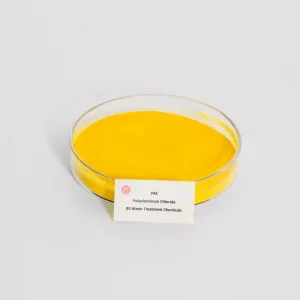
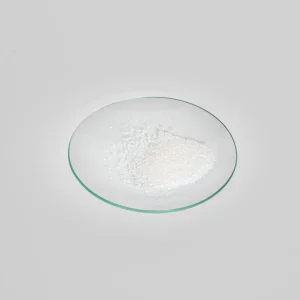
Modern industrial operations face mounting pressure from environmental protection agencies (EPAs) globally. The purification of highly colored wastewater streams—primarily generated by textile dye houses, paper manufacturing, printing, chemical synthesis, and landfill leachates—remains a core priority in corporate Environmental, Social, and Governance (ESG) mandates. Residual chromophores in discharged wastewater block sunlight penetration in aquatic bodies, stopping photosynthetic cycles and degrading biological oxygen levels.
Regional policies such as the EU Water Framework Directive and Zero Liquid Discharge (ZLD) regulations require factories to run their water treatment cycles at peak color removal efficiency, avoiding heavy municipal non-compliance penalties.
Global procurement teams favor high-activity liquid cationic polymers (like Wuxi BS's proprietary Dicyandiamide Formaldehyde resins) that remain stable across broad temperatures, avoiding chemical crystallization during long shipping transits.
Reducing sludge generation rates is a massive operational saving. High-efficiency polymeric decoloring agents neutralize negative charges of dissolved color molecules faster than inorganic salts, cutting sludge disposal costs by up to 45%.
Founded in 1998, Wuxi BS Water Treatment Chemicals Co., Ltd. has grown into a leading developer of water purification solutions. We specialize in producing comprehensive water treatment products for the reclamation of drinking water, domestic municipal sewage, and industrial processes.
Using digital feeding technologies and chemical synthesis lines, our factory delivers reliable performance batch-after-batch. Our technical team works alongside global industrial operators to customize dosing plans according to chemical oxygen demand (COD) levels, pH variance, and chromophore classifications.
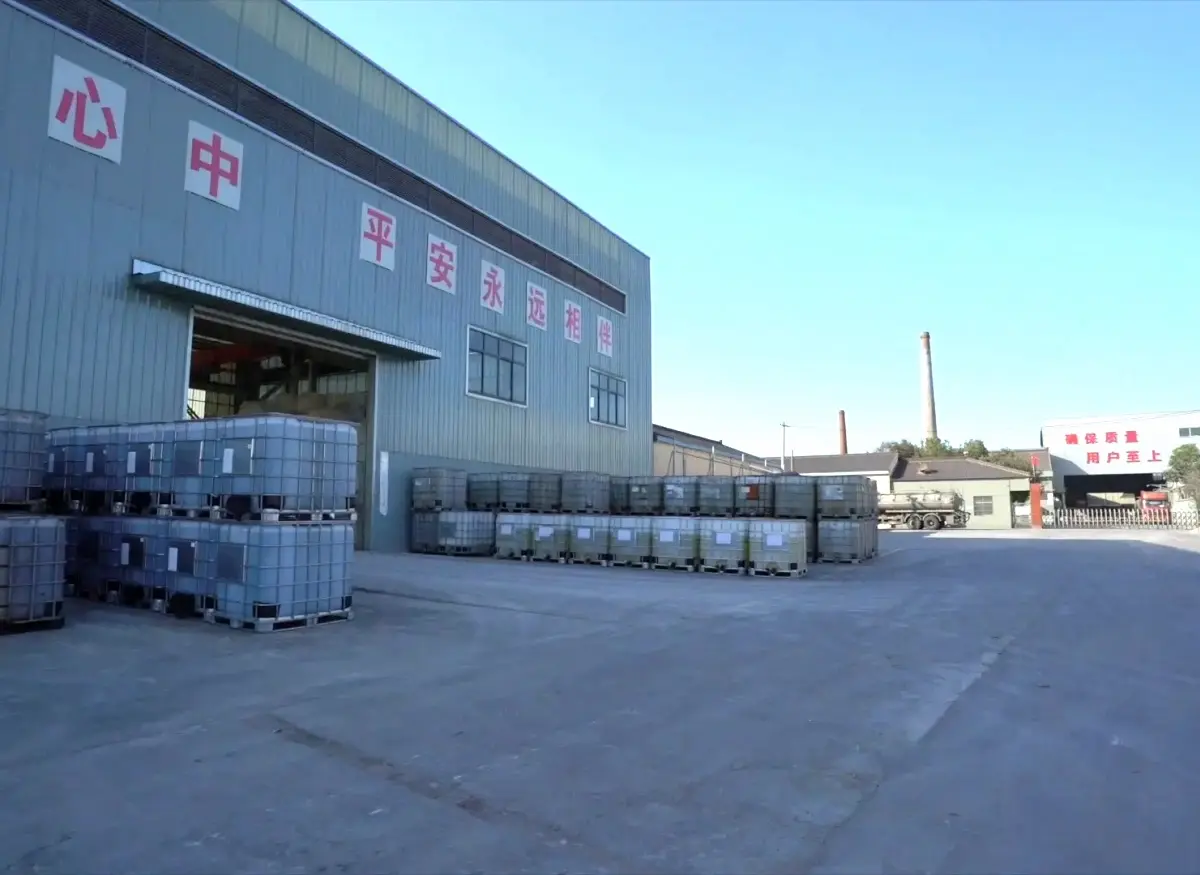
With an annual sales volume exceeding 500,000 tons and our centralized inventory hubs containing over 20,000 tons of finished chemicals, we keep supply chains moving for our industrial partners in over 40 countries.
Different industrial effluents present unique chemical profiles. Discover how our customized chemical programs achieve maximum decolorization and COD reduction across key sectors.
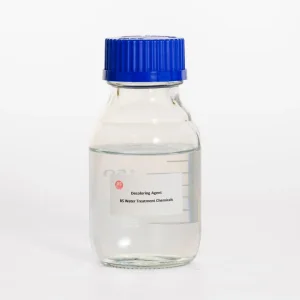
Textile wastewater contains highly stable reactive, acid, and disperse dyes. Our Water Decoloring Agent (WDA) neutralizes these negative charges, forcing rapid color coagulation and settling. It provides clean discharge streams without building excessive iron or aluminum sludge.
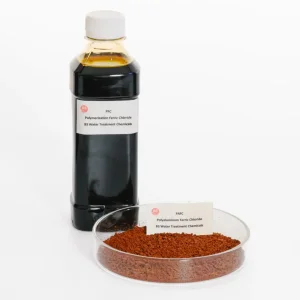
Bleaching and pulping processes release lignins, hemicellulose, and organic fibers, causing dark brownish wastewater. Incorporating polyaluminum chloride (PAC) alongside WDA helps break down these organic compounds, boosting recycled process water quality.
Landfill leachates carry high humic substance loads, heavy metals, and refractory COD. Our high-charge cationic polymers work together to decolorize complex humic acids, prepping the stream for membrane systems and protecting RO membranes from premature fouling.
Our product line targets everything from rapid coagulation to floc strengthening. Use the classifications below to navigate our primary chemistry lines:
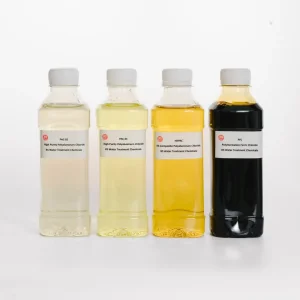
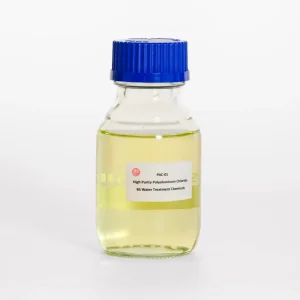
Available in solid spray-dried powder and high-purity liquid formats (10%-15% active Al2O3). Excellent for raw water clarification and municipal wastewater treatment.
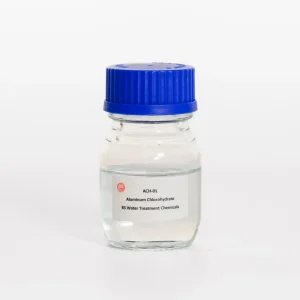
A highly concentrated inorganic coagulant with high basicity. Excellent for drinking water treatment and demanding industrial processes where minimal pH alteration is needed.
Featuring Cationic (CPAM) and Anionic (APAM) variants with customizable molecular weights. Perfect for rapid sludge dewatering, mechanical filtration processes, and solid-liquid separations.
Our flagship cationic copolymer designed to decolor wastewater containing hydrophilic dyes (reactive, acid, disperse) with high color removal rates (>95%).
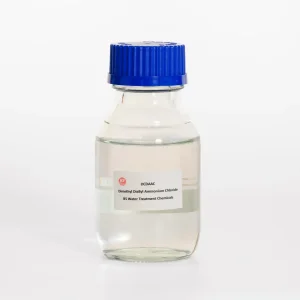
A strong cationic polymer used in papermaking, sludge dewatering, and drinking water purification to neutralize anionic trash and improve floc stability.
Understanding which chemistry fits your process parameters is essential for operational efficiency. The table below details the performance profiles of our primary water treatment agents:
| Agent Category | Primary Reaction Mode | Color Removal Rate | COD Removal Range | Sludge Generation | Recommended Applications |
|---|---|---|---|---|---|
| Water Decoloring Agent (WDA) | Cationic charge neutralization & absorption bridging | 90% – 99% (Excellent for soluble dyes) | 50% – 80% | Very Low | Textile dyeing, ink printing, chemical wastewater processing |
| Polyaluminum Chloride (PAC) | Inorganic coagulation & sweep flocculation | 50% – 70% (Mainly particulate color) | 40% – 60% | Moderate to High | Municipal sewage, drinking water treatment, paper process pulp retention |
| Cationic Polyacrylamide (CPAM) | Polymeric bridging & macromolecular settling | 20% – 40% (Co-flocculant helper) | 20% – 40% | Low (Aids compaction) | Centrifugal sludge dewatering, filter press, flotation treatment |
| PDADMAC | High charge-density cationic neutralizing polymer | 60% – 85% | 30% – 50% | Low | Papermaking anionic charge neutralizing, drinking water pretreatment |
How does a Water Decoloring Agent work at a molecular level? Most industrial dyes carry anionic charges to make them water-soluble. Our WDA, a synthesized dicyandiamide formaldehyde copolymer, features a high density of cationic active groups. When introduced into the wastewater stream:
Cationic active molecules rapidly bond with the anionic chromophores (dyes) in the wastewater, neutralizing negative surface charges and breaking their water-soluble structure.
The organic polymer chains wrap around the destabilized dye molecules, building dense particle groupings called micro-flocs.
These micro-flocs join together with help from inorganic coagulants (like PAC) or organic flocculants (like APAM), creating larger flocs that settle out of suspension quickly.
Adding WDA in a 1:1 or 2:1 ratio alongside Polyaluminum Chloride (PAC) often yields superior results. PAC initiates rapid micro-coagulation, and WDA follows to destabilize soluble dyes. This approach reduces overall chemical consumption by 20% to 35% compared to running WDA alone.
We provide customized chemical configurations based on your operational conditions, effluent profile, and system limitations.
Our technical team provides "water quality evaluation & customized dosing programs" to ensure high-efficiency performance with your local water parameters.
With an annual sales volume exceeding 500,000 tons and 20,000+ tons of storage, we maintain reliable chemical supply lines even during raw material shortages.
We test raw materials and finished products under ISO-compliant management protocols to ensure uniform molecular weights and active ingredient density.
Exporting since 2007, our products serve plants, municipal facilities, and water treatment distributors worldwide via international logistical hubs.
Our facility operates under strict global standards, ensuring safety, quality, and supply continuity.
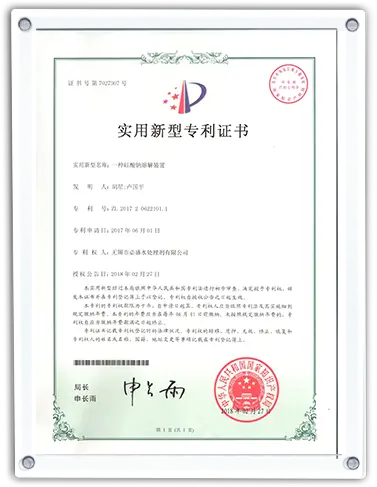
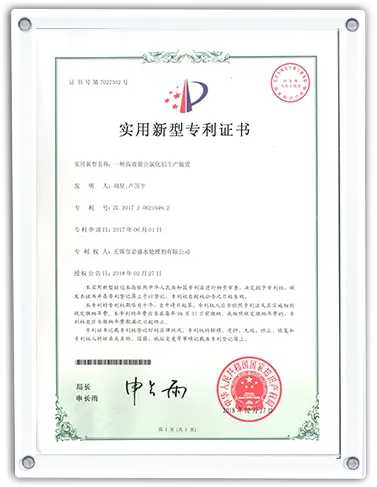
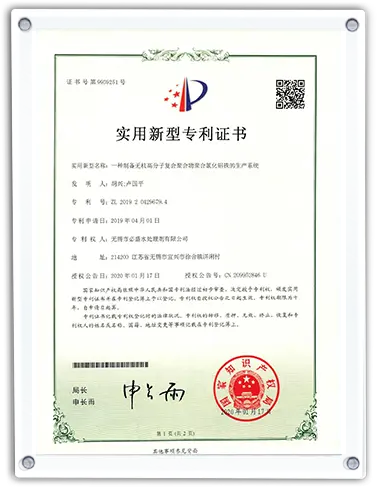
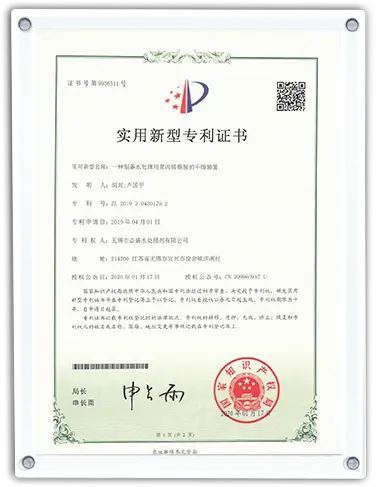
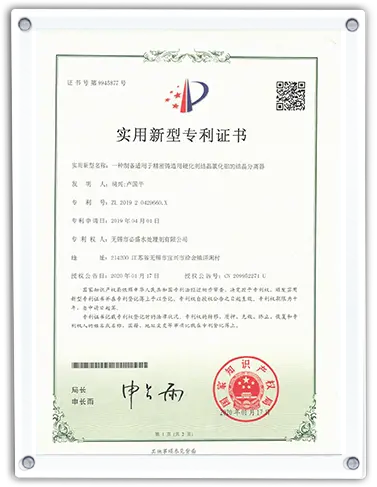
For nearly three decades, we have continuously optimized product formulations and production processes, scaling from a local factory to a global exporter.
Our production plant was established in Wuxi, specializing in early-generation polymer synthesis for local industrial facilities.
The enterprise renamed to Wuxi Bisheng Water Treatment Agent Co., Ltd. and upgraded its polymer reaction tanks to increase capacity.
Launched our global division, exporting our water decoloring agents and polymer flocculants to international markets.
Annual sales revenue exceeded $10 Million USD as global demand for eco-friendly industrial decoloring solutions expanded.
Established our dedicated foreign trade department to offer direct, localized support and technical service to global industrial clients.
We answer common questions from procurement managers, chemical engineers, and plant operations directors.
WDA performs best within a pH range of 6.0 to 9.0. If the raw wastewater is outside this range, adjust the pH using caustic soda or sulfuric acid prior to dosing. Optimal pH allows the cationic active sites to efficiently neutralize the anionic dyes.
We recommend performing a simple laboratory jar test using the actual wastewater sample. Generally, the standard dosage ranges from 50 to 500 ppm (50-500g per ton of wastewater), depending on dye concentration and color intensity.
Yes, WDA reduces COD levels by 50% to 80% when treating industrial dyeing effluent. It aggregates soluble organic dye complexes and precipitates them, removing them from the chemical oxygen demand cycle.
WDA is specialized for removing soluble color. Rather than replacing inorganic coagulants, it is best used in combination with them. Combining WDA with PAC improves coagulation speed and floc stability while lowering overall treatment costs.
Wuxi BS Water Treatment Chemicals Co., Ltd. continues to grow its international presence, delivering high-efficiency polymers and technical services to clients globally.
Wuxi BS has introduced digital intelligent feeding systems to help processing plants accurately dose decolorizing agents, optimizing chemical consumption.
Presenting our latest high-basicity ACH formulations designed to meet modern environmental protection standards for wastewater treatment.
Get in touch with our engineers for a custom quotation, chemical dosage analysis, or a product sample. Our technical team is available to help design a solution for your wastewater system.


Address: Wuxi City, Jiangsu Province, China
Browse our complete range of raw materials, inorganic coagulants, and organic polymers for heavy industrial operations.
 BS Water