As global populations grow, the demand for efficient sewage treatment facilities increases. These facilities play a crucial role in managing waste and protecting the environment. Innovative technologies are shaping the future of sewage treatment. They promise enhanced efficiency and reduced costs. Trends in 2026 reveal a shift towards sustainability.
Some facilities now utilize advanced filtration systems. Others explore bioenergy solutions. These innovations not only treat sewage but also produce renewable energy. However, the implementation of new technologies poses challenges. Not every facility can afford these upgrades. The balance between cost and efficiency is delicate.
Investors and municipal planners must navigate these complexities. Understanding the latest trends is vital for informed decisions. Sewage treatment facilities are at a crossroads. The upcoming years hold potential for transformation, but careful consideration is essential. Embracing change while addressing practical challenges will define success in this critical sector.
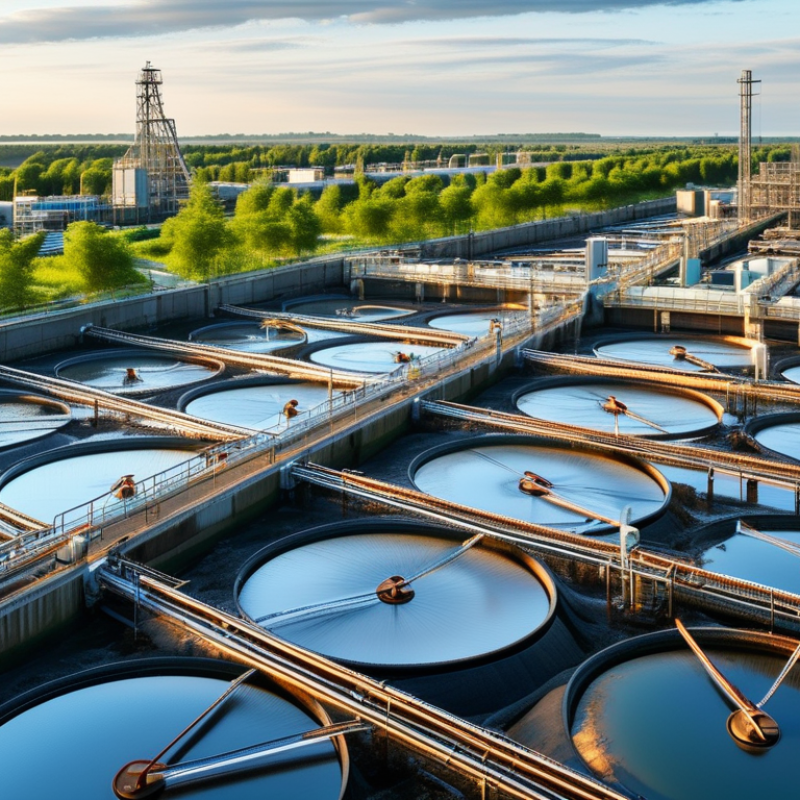
As we approach 2026, sewage treatment facilities face challenges and opportunities driven by emerging technologies. According to a report by the Global Water Intelligence, the sewage treatment market is projected to grow by 6.3% annually. This growth is largely fueled by innovations in waste-to-energy practices. Facilities are increasingly harnessing anaerobic digestion processes to convert sewage sludge into renewable energy.
Emerging technologies such as membrane bioreactors (MBRs) promise greater efficiencies in both space and resource usage. MBRs enable higher quality effluent, reducing the need for further treatment. They also minimize land requirements for treatment plants. However, the initial costs of MBRs can deter investment in some regions.
Tips: Consider the long-term benefits of investing in advanced technologies. Conduct feasibility studies to assess the economic viability of new systems. Additionally, monitor regulations closely. They can shift rapidly and impact technology adoption. As the industry evolves, keeping abreast of these changes is vital for future-proofing investments.
| Trend | Description | Impact | Implementation Year |
|---|---|---|---|
| Membrane Bioreactor (MBR) Technology | Combines biological treatment and membrane filtration for enhanced effluent quality. | Higher efficiency in nutrient removal and water reclamation. | 2026 |
| Smart Sewage Treatment | Integration of IoT and AI for real-time monitoring and management. | Improved operational efficiency and reduced maintenance costs. | 2026 |
| Decentralized Treatment Systems | Localized treatment facilities to reduce transportation costs and energy consumption. | Increased resilience and flexibility in wastewater management. | 2026 |
| Resource Recovery from Wastewater | Technologies for extracting nutrients and generating energy from sewage. | Enhanced sustainability and reduced environmental impact. | 2026 |
| Advanced Oxidation Processes (AOP) | Chemical treatment methods for breaking down pollutants. | Effective in treating complex wastewater contaminants. | 2026 |
: The sewage treatment market is expected to grow by 6.3% annually.
Facilities are increasingly using anaerobic digestion processes for this conversion.
MBRs provide higher quality effluent and reduce land requirements for treatment.
The initial costs of MBRs can deter investment in certain areas.
Advanced oxidation processes are being used to break down pollutants efficiently.
These systems use less energy and significantly lower chemical usage.
Smart sensors and IoT technology allow real-time monitoring and reduce maintenance costs.
Cybersecurity is a significant concern when relying on advanced technology.
Regulations can shift quickly and impact the adoption of new technologies.
They should conduct feasibility studies to assess economic viability.
The article titled "2026 Top Trends in Sewage Treatment Facilities for Global Buyers" explores key developments shaping the future of sewage treatment technologies. It highlights emerging technologies that promise to enhance the efficiency and effectiveness of sewage treatment facilities. Sustainability practices are increasingly influencing the design and operation of these facilities, ensuring that environmental considerations are integrated into wastewater management.
Moreover, the article discusses cost-effective innovations that are making wastewater management systems more accessible and practical for global buyers. Regulatory changes are also outlined, shedding light on how they impact sewage treatment standards worldwide. Finally, collaborative efforts among international stakeholders are emphasized, showcasing a collective drive towards advancements in wastewater treatment that prioritize both functionality and environmental stewardship. Overall, the landscape of sewage treatment facilities is set to evolve significantly by 2026, driven by these critical trends.

 BS Water