The global demand for clean water underscores the importance of effective Water Treatment Plant solutions. These facilities are essential for ensuring safe drinking water and protecting public health. However, the complexity of water treatment processes can present challenges. Each region faces unique water quality issues and regulatory requirements.
Choosing the right technology for a Water Treatment Plant can be daunting. Factors such as cost, scalability, and recovery rates must be considered. Innovative solutions may offer great potentials but come with their risks. The balance between reliability and innovation can often be tricky. Stakeholders must weigh the benefits against the potential for unanticipated drawbacks.
Reliable Water Treatment Plant solutions must be adaptable. Emerging technologies can enhance treatment efficiency, yet they might also require significant investment. It's crucial to engage with experienced professionals during the planning phase. Their insights can help guide effective decision-making. Ultimately, the goal remains simple: to provide safe and adequate water resources for all.
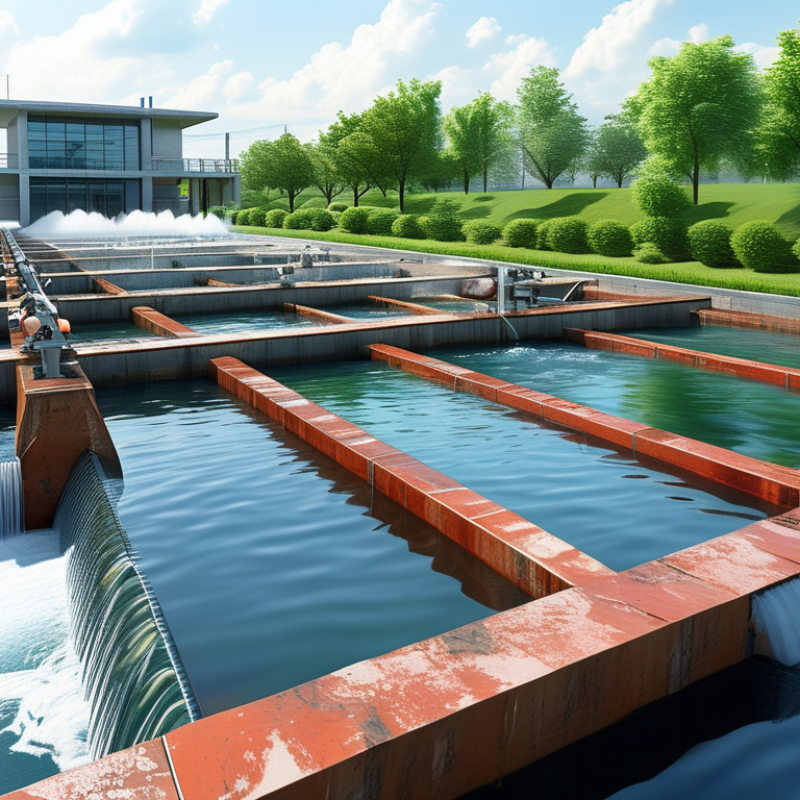
Water treatment plants play a crucial role in ensuring access to clean water worldwide. Different regions face unique challenges due to their specific environmental conditions and water sources. For instance, areas with high industrial waste may require advanced filtration technologies to address toxic substances. Conversely, regions relying on surface water may benefit from more straightforward sedimentation and chlorination methods.
Several key factors influence the selection of water treatment solutions. Local regulations demand compliance with safety standards. Additionally, budget constraints can limit available options. Therefore, stakeholders often grapple with striking a balance between efficiency, cost, and regulatory requirements. The need for expertise in water chemistry and environmental science is paramount in navigating these challenges. However, there are instances where managers may overlook emerging technologies that could provide better outcomes.
The global market offers a range of innovative water treatment solutions, yet the application of these technologies varies significantly. Each location has its specific needs, making it essential for decision-makers to assess their local context. Despite extensive research, there are still gaps in knowledge and effective strategies. Where innovation meets practicality, the future of water treatment could evolve dramatically, fostering a healthier planet.
Water treatment systems are evolving rapidly, driven by the increasing need for clean water. Key technologies in this field include membrane filtration, UV disinfection, and advanced oxidation processes. These methods help to manage impurities and pathogens effectively. The integration of these technologies can improve efficiency and reduce costs significantly.
Tip: Consider the local water sources. Each region has unique contaminants. Understanding these helps select the right treatment technology.
Innovations such as IoT-based monitoring systems are transforming how plants operate. Real-time data collection enhances decision-making and maintenance. Such technology can preemptively identify issues before they escalate. However, implementing these systems can be challenging and requires staff training.
Tip: Analyze existing infrastructure. Upgrading systems is often more effective than complete overhauls. Incremental improvements can yield substantial benefits.
While innovations promise great potential, the challenges remain. Regulatory compliance can be complex. Keeping up with environmental standards demands constant vigilance. Evaluating technological choices closely is essential. Balancing innovation with practicality is key to long-term success in water treatment.
| Technology | Innovation | Benefits | Application |
|---|---|---|---|
| Reverse Osmosis | Energy-efficient membranes | Higher water quality, lower energy costs | Drinking water, desalination |
| Ultraviolet Disinfection | Low-pressure UV lamps | Effective pathogen inactivation, chemical-free | Wastewater treatment, drinking water |
| Activated Sludge | Nutrient removal technology | Reduced nitrogen and phosphorus levels | Municipal wastewater treatment |
| Membrane Bioreactor (MBR) | Integrated filtration system | High effluent quality, small footprint | Industrial wastewater, municipal applications |
| Electrodialysis | Improved ion exchange membranes | Lower operational costs and energy use | Brackish water treatment, desalination |
When considering water treatment solutions, cost-effectiveness is crucial. Evaluating various technologies helps stakeholders make informed decisions. Each solution poses unique challenges and benefits. Understanding the nuances of these options allows for better alignment with specific needs.
Tips: Prioritize features that directly reduce operational costs. A solution that minimizes energy consumption can offer long-term savings. Additionally, consider the maintenance needs and replacement parts. A lower initial investment might lead to higher long-term expenses if not chosen carefully.
Furthermore, some technologies might seem efficient initially but may lack reliability over time. It's essential to assess long-term data and performance metrics. Poorly chosen solutions can lead to costly outages or compliance issues. Regular audits of chosen systems can expose unforeseen weaknesses. Addressing these vulnerabilities is key to maintaining cost-effectiveness in water treatment management.
The implementation of effective water treatment plants is crucial for a sustainable future. Various global case studies showcase successful projects that have significantly improved water quality. For instance, a recent report by the World Health Organization indicates that nearly 2 billion people lack access to safely managed drinking water. This highlights the urgency for efficient water treatment solutions.
Consider the transformation seen in a developing city in South Asia. By integrating advanced membrane filtration technology, the local government increased potable water availability by 40%. Such case studies underline the need for innovative approaches. Moreover, these projects often face challenges. Limited funding and technical expertise can hinder progress in implementing modern solutions.
In Europe, a city managed to reduce its wastewater treatment costs by 30% using smart monitoring systems. Real-time data collection allows for immediate adjustments in operations. Yet, these systems require continuous investment and training. Balancing cost, efficiency, and community involvement remains a significant challenge for many municipalities. Each successful project offers valuable lessons and highlights areas requiring further reflection.
The landscape of water treatment solutions is evolving rapidly. As global populations grow, so do challenges. Climate change, pollution, and aging infrastructure pose significant threats. Cities face unprecedented demands for clean water. Innovative technologies are crucial to meet these needs.
Emerging trends include smart water systems. These systems use IoT and AI to monitor water quality efficiently. They can detect contaminants in real-time. Additionally, decentralized water treatment units are gaining traction. This approach allows for localized processing, reducing transportation and energy costs. However, the implementation can be challenging. Training and maintenance are often overlooked but are vital for success.
Tips: Embrace technology. Invest in training staff regularly. Regular assessment of infrastructure is essential. Always plan for future growth and sustainability. Addressing the challenges in water treatment requires collaboration and commitment. There is no one-size-fits-all solution. Each community has unique needs that must be understood deeply.
: Cost-effectiveness helps stakeholders make informed decisions and optimize resource allocation.
Prioritize features that directly lower operational costs and energy consumption for long-term savings.
Factors like maintenance and replacement parts can influence the overall cost and reliability of a solution.
Poor choices can lead to costly outages, compliance issues, and reduced reliability over time.
Regular audits can reveal weaknesses in systems, helping to maintain cost-effectiveness and reliability.
Advanced membrane filtration technology in a South Asian city increased potable water availability by 40%.
They reduced treatment costs by 30% using smart monitoring systems for real-time data collection.
Limited funding and technical expertise can hinder the implementation of modern solutions.
Balancing cost, efficiency, and community participation remains a significant challenge for municipalities.
Continuous investment, training, and innovative approaches are essential for sustainable success.
The article "Best Water Treatment Plant Solutions for Global Purchasing Needs" provides a comprehensive overview of the various solutions available in the global markets for water treatment plants. It explores key technologies and innovations that are driving advancements in water treatment systems, highlighting their significance in addressing the growing demand for clean water. Evaluating the cost-effectiveness of these solutions is crucial, as it directly impacts decision-making for municipalities and industries investing in water treatment plants.
Additionally, the article presents case studies of successful implementations from around the world, showcasing best practices and the positive impact of modern water treatment solutions. Looking ahead, it discusses future trends and challenges that the global water treatment industry may face, emphasizing the need for ongoing innovation and sustainability in water treatment plant operations. Overall, the insights provided aim to guide stakeholders in making informed purchasing decisions to meet their water treatment needs effectively.

BS Water