Excessive Water Drinking is often mistaken for a healthy habit taken too far. Many people carry large bottles, refill them repeatedly, and worry whenever their urine is not nearly clear. However, excessive fluid intake can dilute blood sodium and cause water intoxication. In severe cases, this imbalance may trigger headache, vomiting, confusion, seizures, or loss of consciousness.
Dr. Tamara Hew-Butler, a hydration researcher and exercise physiologist, explains, “The kidneys can only excrete so much water at a time.” Her warning highlights an important principle: more water is not automatically safer. Excessive Water Drinking may develop from anxiety, compulsive habits, intense exercise, certain medicines, dry mouth, or medical conditions such as diabetes. Some people drink constantly because thirst feels difficult to interpret. That experience is real, but the solution should not rely on guesswork.
Safer hydration begins with measured changes. Drink when thirsty, and increase intake during heat, illness, or prolonged exercise. Avoid forcing water to reach perfectly clear urine. Pale yellow urine can offer a rough guide, but it is not a perfect test. People who urinate frequently, wake repeatedly to drink, or feel unable to stop should seek medical advice. A clinician may review medications, blood glucose, kidney function, and electrolyte levels. Severe nausea, confusion, weakness, or seizures require urgent care. This topic deserves humility. Hydration advice is not one-size-fits-all, and even sensible habits can become harmful when followed rigidly.
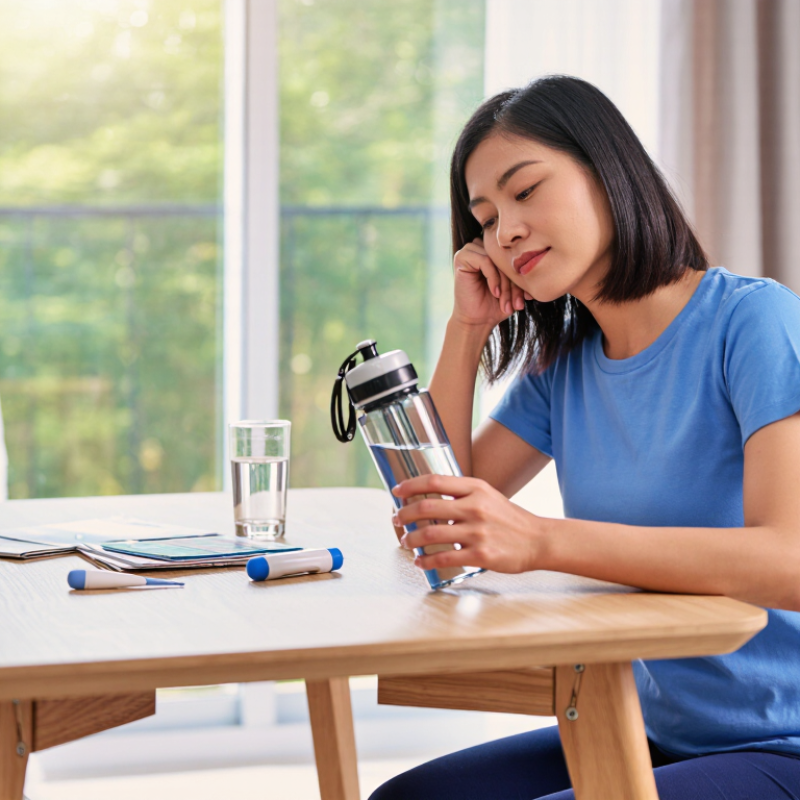
Excessive water drinking is often confused with healthy hydration. Needs vary with body size, climate, exercise, pregnancy, illness, and diet. The National Academies’ 2005 report suggests about 3.7 liters daily for men and 2.7 liters for women. These figures include water from food and all beverages, not just plain water. The European Food Safety Authority estimates 2.5 liters for men and 2.0 liters for women under average conditions.
Needs vary. A person sweating outdoors may require more. Someone sitting in a cool office may need less. Frequent thirst can follow salty meals, intense exercise, dry air, or certain medicines. It can also signal diabetes or other medical problems. Persistent thirst deserves clinical assessment, especially with frequent urination, fatigue, or unexplained weight loss.
Too much water can dilute blood sodium and cause headache, nausea, confusion, or seizures. Rarely, it becomes life-threatening. A safer approach is drinking steadily, using thirst and urine color as practical clues, and replacing fluids during prolonged sweating. Do not force water to reach a fixed daily number. People with kidney, heart, or liver conditions need individualized advice. The numbers appear exact, but real hydration is less tidy. That is where many online recommendations fail.
Excessive thirst often begins with ordinary habits, not a rare disease. A salty takeaway meal, hot commute, or long workout can increase fluid needs. Caffeine and alcohol may worsen dry-mouth sensations and encourage repeated drinking. Some people sip water when stressed, bored, or unable to focus. The bottle becomes a comfort object. This habit can continue after the original thirst has passed.
Track drinks for two or three days, including tea, energy drinks, and water consumed with meals. Note urine color, nighttime waking, exercise, weather, and salty foods. Pale-yellow urine usually suggests adequate hydration, although color is not a perfect test.
Drink to thirst during normal activity. Increase fluids gradually during heat or exercise. Do not force large amounts quickly. Excess water can dangerously dilute blood sodium.
Keep water accessible, but choose smaller servings. Replace automatic sipping with a brief walk or slow breathing. Rinse a dry mouth, and consider mouth breathing or heated indoor air. Tracking can reveal patterns, but it may be incomplete and cannot replace medical care.
Persistent thirst needs attention, especially with frequent urination, blurred vision, fatigue, vomiting, or weight loss. These symptoms can occur with diabetes, medication effects, or kidney and hormone problems. A clinician can review medicines and order suitable blood or urine tests. Sudden, severe thirst with confusion requires urgent help.
Excessive thirst and frequent urination can signal more than hot weather or salty food. Diabetes mellitus is a common medical cause. High blood glucose pulls water into the urine, leaving people thirsty, tired, and sometimes unexpectedly lighter. Some notice repeated nighttime trips to the bathroom.
Diabetes insipidus is different. It involves insufficient antidiuretic hormone or poor kidney response to it. Urine may be very pale, plentiful, and difficult to control, even when blood glucose is normal. Kidney disease can also disrupt water balance. High calcium levels, certain hormonal disorders, and prescribed diuretics may contribute. The pattern is not always neat.
A clinician may review fluid intake, medications, weight changes, blood glucose, kidney function, electrolytes, and urine concentration.
Keeping a 24-hour record can help: note drinks, bathroom visits, urine color, and nighttime symptoms.
Do not severely restrict water without medical advice. It can worsen dehydration or disturb sodium levels. A common mistake is assuming thirst alone proves diabetes. It does not.
Excessive water drinking is not always healthy.
The National Academies’ Dietary Reference Intakes report recommends about 2.7 liters of total water daily for adult women and 3.7 liters for men. These figures include water from food and other drinks, not only plain water. Individual needs change with heat, exercise, pregnancy, and illness.
The main danger is hyponatremia, when blood sodium falls below 135 mmol/L.
The 2023 International Olympic Committee consensus describes exercise-associated hyponatremia as a potentially life-threatening condition. Drinking beyond sweat losses can dilute sodium and cause headache, nausea, confusion, swelling, seizures, or coma. People with kidney, heart, or liver disease may face greater risk. Some medicines also reduce the body’s ability to remove water. The numbers help, but they are not personal prescriptions. I sometimes see “more is better” advice treated as medical fact.
Tips:
Drink according to thirst during ordinary activity. Take small sips during long exercise, and avoid forced drinking. Check urine color, but do not chase perfectly clear urine.
Stop excessive intake if nausea, bloating, confusion, or severe headache appears. Seek urgent medical care for confusion, seizures, or loss of consciousness.
The National Athletic Trainers’ Association recommends individualized hydration plans, especially for endurance athletes. Salt tablets are not automatically safe, either. Clearance from a qualified clinician matters.
Top Causes of Excessive Water Drinking and Safe Solutions
Safe Assessment, Hydration Strategies, and Medical Support
Excessive thirst can reflect dehydration, heavy exercise, fever, salty meals, or hot weather. It may also signal diabetes, kidney problems, medication effects, or a persistent dry mouth. Drinking constantly is not always harmless. Too much water can dilute blood sodium and cause nausea, headache, confusion, or weakness.
A safe assessment begins with a simple 24-hour record. Note drinks, urination, nighttime bathroom visits, exercise, and new medicines. Urine color offers clues, but it cannot confirm good hydration alone. A clinician may check blood glucose, electrolytes, kidney function, and urine concentration. No checklist is perfect. Context matters more than one symptom.
Drink according to thirst unless a medical professional gives different instructions. Sip steadily instead of forcing large amounts quickly. Replace fluids after prolonged sweating, while avoiding unnecessary overhydration. People with heart, kidney, or liver conditions need individualized guidance. Seek urgent medical care for confusion, repeated vomiting, severe headache, fainting, seizures, or rapidly worsening symptoms. Persistent thirst deserves an appointment, especially with weight loss, blurred vision, unusual fatigue, or frequent urination. It is tempting to blame poor habits, but the underlying cause may need treatment.
The chart shows the National Academies’ adequate intake for total water in healthy adults. This includes water from beverages and food, so it is not a fixed drinking-water prescription. Needs may rise with heat, exercise, fever, vomiting, or diarrhea.
Excessive drinking may be linked to habit, anxiety, medication effects, diabetes, kidney or liver disease, or a condition causing excessive thirst. Avoid forcing large amounts of water quickly. Persistent thirst, confusion, nausea, headache, vomiting, seizures, or unusual fatigue require prompt medical assessment because overhydration can dilute blood sodium.
General estimates include water from food and every beverage. Men may need about 3.7 liters daily, and women about 2.7 liters. These are not personal prescriptions. Needs change with weather, body size, pregnancy, illness, and activity.
Yes. Excess water can dilute blood sodium. Possible symptoms include headache, nausea, weakness, confusion, or seizures. It can become dangerous, although severe cases are uncommon. More water is not always better.
Thirst, dark urine, dry mouth, fever, or heavy sweating may suggest dehydration. Urine color provides a useful clue. It cannot confirm hydration alone. Context matters.
Hot weather, salty meals, exercise, dry air, and some medicines can cause these symptoms. Diabetes, kidney problems, hormonal disorders, and certain treatments may also contribute. The pattern is not always obvious.
Arrange an appointment for persistent thirst or frequent urination. Seek advice sooner if you notice weight loss, blurred vision, fatigue, or repeated nighttime urination. These symptoms deserve attention.
Keep a 24-hour record of drinks, bathroom visits, urine color, exercise, and new medicines. Include nighttime symptoms. A small notebook can reveal patterns. It may still miss something.
Drink steadily according to thirst. Replace fluids after prolonged sweating. Avoid forcing large amounts quickly. A cool office day may require much less fluid than outdoor work.
Not necessarily. These conditions require individualized guidance from a medical professional. Do not severely restrict fluids without advice. That could worsen dehydration or disturb sodium levels.
Excessive Water Drinking can occur when a person consumes far more fluid than the body needs, often because of hot weather, intense exercise, salty foods, dry environments, stress, or habitual sipping. Normal hydration needs vary according to activity, climate, diet, age, and health status, so thirst and urine color can provide useful general guidance. However, persistent thirst combined with frequent urination may indicate an underlying medical condition, such as blood sugar problems, kidney disorders, hormonal imbalance, or medication-related effects.
Drinking too much water too quickly can dilute the sodium in the blood and cause symptoms including nausea, headache, confusion, muscle weakness, or, in severe cases, serious neurological complications. A safe approach is to drink regularly without forcing excessive amounts, increase fluids gradually during physical activity, and replace electrolytes when appropriate. Anyone experiencing ongoing intense thirst, unusual urination, swelling, vomiting, confusion, or other concerning symptoms should seek professional medical assessment. Personalized advice is especially important for people with kidney, heart, or liver conditions.

BS Water