Choosing the right Waste Water Treatment Plant is crucial for effective water management. Not all treatment plants are created equal. Different facilities cater to various needs, making careful selection essential.
Factors to consider include capacity, technology, and compliance with regulations. A plant that works for one facility may not suit another. Understanding specific requirements is vital to ensure proper treatment. Expert advice can clarify the best options available.
Reliability and performance are key. A well-chosen Waste Water Treatment Plant reduces environmental impact. It also supports sustainability efforts. Yet, some plants may appear cost-effective but fail to perform as needed. Evaluating performance data can save future headaches. Make informed choices for long-term benefits.
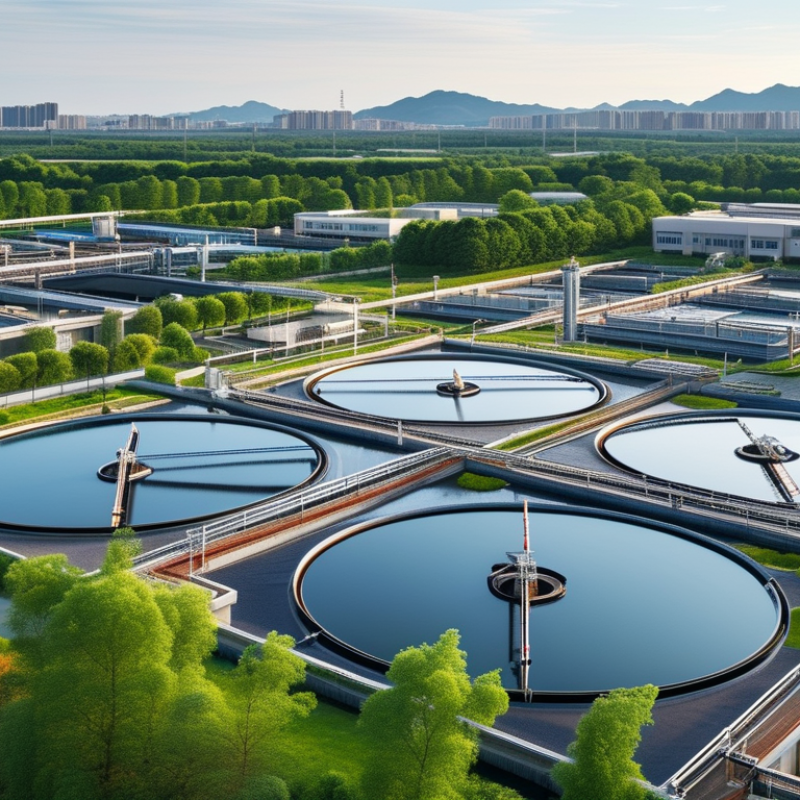
Choosing the right waste water treatment plant for your needs can be challenging. Several key factors play a crucial role in this decision.
Capacity is a primary concern—you need a plant that can handle your specific volume of waste water. Assess the peak loads to ensure your choice is adequate.
Another vital factor is the technology used in the treatment process. Different plants employ varying methods, including biological, chemical, and physical treatments. Understand the benefits and drawbacks of each. Some technologies may offer better efficiency but require more maintenance.
Tips: Always consult with experts in the field. They can provide insights based on experience. Visit existing plants to see operations firsthand. Ask for performance data on treatment efficiency, energy use, and operational costs.
Finally, consider the regulatory requirements in your area. Compliance is not just about avoiding fines; it’s about ensuring your plant meets safety and environmental standards. Look for designs that facilitate easy upgrades to adapt to future regulations. Make your choice with foresight, as retrofitting can be costly.
Choosing the right waste water treatment technology is crucial for effective results. There are several types available, each suited for different needs. Biological treatment, for instance, uses microorganisms to break down organic matter. This method is often preferred due to its low cost and environmental benefits.
Membrane technologies offer advanced filtration processes. They can remove smaller contaminants effectively. According to a report from the International Water Association, membrane bioreactors can achieve effluent quality that meets stringent regulations. However, they can also be costly to maintain.
Chemical treatments utilize various agents to precipitate and eliminate pollutants. While effective, they require careful handling. Many facilities struggle with chemical waste management. This highlights the need for thorough research and planning. Understanding these technologies is vital for making an informed decision. Each option comes with its own set of advantages and challenges.
When selecting a wastewater treatment plant, capacity and scalability are crucial factors. Assess the current volume of wastewater produced by your facility. This helps in determining the plant size you need. A plant that is too small may lead to inefficiencies. Meanwhile, one that is excessively large can be costly and wasteful.
Looking towards future needs is essential. Industrial growth or regulatory changes may demand increased capacity. Evaluate whether the selected plant can accommodate future expansions. Consideration of modular systems offers flexibility. These systems enable easy adjustments as your needs evolve.
As you gather information, it’s vital to consult experts in wastewater management. Seek insights from engineers who specialize in these systems. Their experience can highlight potential challenges you may face after installation. Be mindful that not all plants will meet every requirement. Reflecting on case studies can provide a clearer picture of what to expect.
When selecting a waste water treatment plant, regulatory compliance is crucial. Different regions have unique standards. It's essential to understand the specific regulations that govern waste water management in your location. For example, the Environmental Protection Agency (EPA) in the U.S. sets clear guidelines to protect water quality. Non-compliance can lead to hefty fines and environmental harm.
Conducting environmental impact assessments (EIAs) is equally important. These assessments evaluate potential impacts of a plant on local ecosystems. According to a recent report by the World Health Organization, improper waste water management can lead to severe consequences, including waterborne diseases. Proper assessments help identify risks early, ensuring sustainable practices.
Tips: Always check local laws. Engage with environmental consultants to guide your EIA process. Regularly update your compliance strategies to adapt to changing regulations. By focusing on these essentials, you enhance the reliability of your waste water treatment solution.
| Parameter | Description | Importance Rating (1-5) | Compliance Requirement |
|---|---|---|---|
| Capacity | The maximum volume of wastewater the plant can treat per day. | 5 | Must meet local and national regulations. |
| Technology Type | The specific treatment processes used (e.g., activated sludge, membrane bioreactors). | 4 | Certain technologies may have regulatory approvals. |
| Energy Efficiency | The amount of energy required for the treatment process. | 4 | Energy efficiency standards may apply. |
| Operational Costs | Ongoing costs for running and maintaining the plant. | 5 | Cost must align with budgetary constraints and funding regulations. |
| Environmental Impact Assessment | Study of potential environmental impacts of the plant. | 5 | Mandatory for regulatory approval. |
| Location | Proximity to wastewater sources and sensitive environments. | 3 | Site selection may have regulatory implications. |
When budgeting for wastewater treatment solutions, various factors play a significant role. The initial investment is crucial, but ongoing operational costs are equally important. Identify your needs first. What volume of wastewater will you treat? Understanding this helps in estimating costs. Equipment and technology selection influence both installation and maintenance expenses. More advanced systems might promise efficiency, but they often come with higher price tags.
Consider local regulations, as compliance can add to your budget. Fines for non-compliance can be costly. Searching for grants or available governmental support can provide financial relief. Engaging with professionals in the field can ensure you account for all potential costs. Lay out a financial plan that includes unexpected expenses. Many projects experience setbacks, which can strain budgets.
Reflect on different financing options. Leasing equipment can reduce upfront costs, but it may lead to higher long-term expenses. Assess the trade-offs carefully. Sometimes, opting for less expensive equipment can create hidden costs down the line. Balancing initial outlay with long-term savings is key. Taking the time to evaluate these elements can ultimately lead to a more effective and sustainable wastewater treatment solution.
: Biological treatment uses microorganisms to break down organic matter. It's often low cost and environmentally friendly.
Membrane technologies filter out smaller contaminants. They provide high-quality effluent but can be expensive to maintain.
Chemical treatments are effective but require careful handling. Managing chemical waste can be challenging for many facilities.
Compliance with local regulations is crucial. Non-compliance may lead to fines and can harm the environment.
An EIA evaluates potential impacts of a wastewater plant on local ecosystems. It helps identify risks for sustainable practices.
Consider both initial and ongoing costs. Understanding your needs helps estimate expenses better.
Professionals can help account for all potential costs in your wastewater treatment project. Their expertise is invaluable.
Yes, opting for less expensive equipment can lead to hidden costs. Assess the long-term implications before purchasing.
Leasing equipment can reduce upfront costs but may increase long-term expenses. Evaluate trade-offs carefully.
Compliance strategies should be regularly updated. Regulations change, so staying informed is essential for reliable treatment solutions.
When selecting a Waste Water Treatment Plant, several critical factors must be considered to ensure it meets your specific needs. Key considerations include the type of treatment technology available, which can range from conventional methods to advanced biological processes. It is essential to evaluate the plant's capacity and scalability, as future growth may require adaptability to increased waste flow. Furthermore, ensuring compliance with regulatory standards and conducting environmental impact assessments are vital steps to mitigate any potential negative effects on local ecosystems.
Budgeting and cost analysis play a crucial role in the decision-making process, as operational and maintenance expenses can significantly affect the overall investment. By carefully weighing these factors, you can choose a Waste Water Treatment Plant that not only fits your current requirements but also accommodates future demands while adhering to environmental regulations.

BS Water