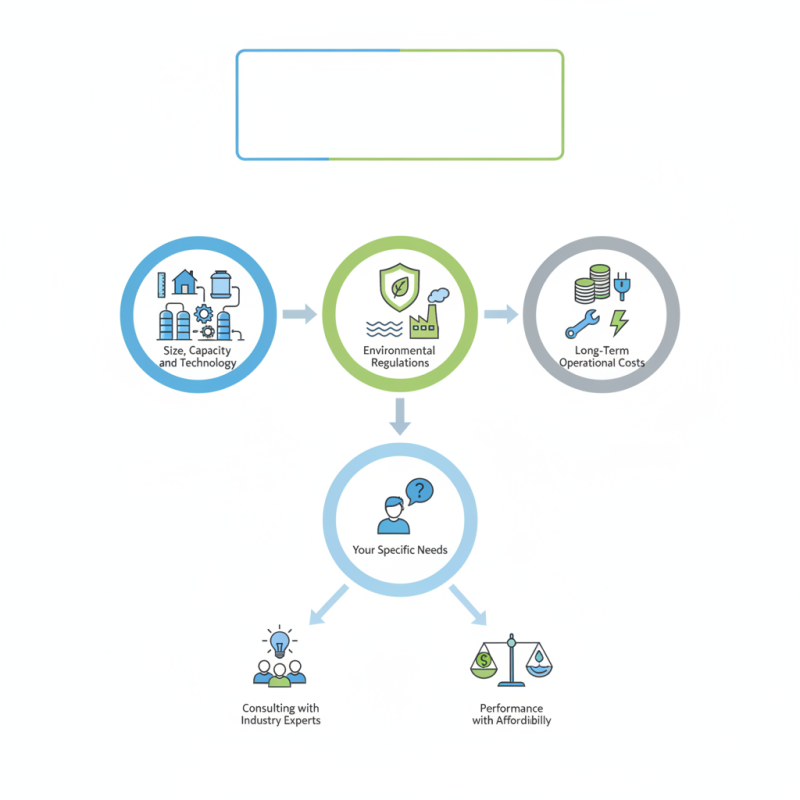
Choosing the right Sewage Treatment Plant (STP) is crucial for effective wastewater management. Many factors influence this decision, including size, capacity, and technology. Each facility is unique, requiring a strong understanding of your specific needs.
Environmental regulations also play a significant role in the decision-making process. An effective STP must comply with local standards to protect public health and the environment. Therefore, consulting with industry experts can provide valuable insights and guidance.
Moreover, consider the long-term operational costs of the STP. Initial expenses are only part of the equation. Maintenance and energy consumption can add up over time. This reflection on overall costs aids in selecting a plant that balances performance with affordability.
When selecting a sewage treatment plant, it's vital to understand the different types available. Each type caters to unique needs and environmental conditions. Primary treatment plants focus on physical processes. They remove solids but do little to eliminate contaminants. For residential areas, these systems can be sufficient. However, they might not be ideal for large municipalities.
Secondary treatment plants use biological methods to break down organic matter. They involve bacteria that thrive on waste. This type requires more maintenance and monitoring but offers better water quality. Tertiary treatment plants take it a step further. They address remaining pollutants and improve effluent quality. They are essential for water reuse applications, especially in water-scarce regions.
Choosing the right type can be challenging. Factors like size, location, and local regulations play a significant role. It's essential to reflect on the long-term goals of the plant. Will it need to expand? What about energy efficiency? These questions are crucial. A poorly chosen plant may lead to higher costs and environmental impacts. Adjusting your choice later can be complex and costly.
When assessing your sewage volume and treatment needs, start by evaluating your daily wastewater production. Consider factors like household size, water usage habits, and the types of wastewater generated. A small family may produce less sewage than a larger household or a commercial establishment. Understanding this volume helps tailor your sewage treatment plant to your specific requirements.
Next, identify the treatment needs based on your wastewater characteristics. Different installations handle solids, grease, and chemicals differently. For instance, if your wastewater contains high organic materials, choose a system designed to process such loads. Conducting a sample analysis can provide crucial data for making an informed decision. It’s common for potential users to underestimate their needs, leading to inefficient treatment systems.
Evaluating the site conditions is vital, too. Consider available space, local regulations, and environmental impact. A proper site assessment goes beyond visuals. It requires understanding how drainage and soil type affect sewage processing. While it might seem tedious, ensuring that the treatment plant fits the environment helps avoid future complications. Users sometimes overlook this, creating obstacles down the line.
| Sewage Volume (m³/day) | Treatment Technology | Power Consumption (kW) | Maintenance Frequency (monthly) | Average Cost (USD) |
|---|---|---|---|---|
| 50 | Activated Sludge | 15 | 2 | 10,000 |
| 100 | Sequencing Batch Reactor | 20 | 1.5 | 20,000 |
| 200 | Membrane Bioreactor | 25 | 1 | 50,000 |
| 500 | Moving Bed Biofilm Reactor | 30 | 1 | 100,000 |
| 1000 | Reverse Osmosis | 40 | 0.5 | 200,000 |
Selecting the right sewage treatment plant is crucial for achieving optimal treatment efficiency. The effectiveness of a plant can directly influence the quality of effluent released into the environment. According to the U.S. Environmental Protection Agency (EPA), effective treatment can reduce harmful pollutants by over 90%. However, not all plants are created equal. Factors like technology type, operational scale, and energy consumption can significantly affect treatment efficiency.
Environmental impact must also be assessed. A study from the World Health Organization (WHO) highlights that poorly managed wastewater affects millions of people globally, leading to health hazards. Advanced treatment technologies, such as membrane bioreactors, can be more efficient but often come with higher operational costs. It's essential to weigh financial implications against the environmental benefits.
Evaluating the long-term effects is another critical aspect. Research indicates that some treatment plants contribute to local ecosystem degradation due to inefficient nutrient removal. This raises questions about sustainability. Decision-makers should gather data from multiple sources and engage with professionals to clarify the trade-offs involved. Comprehensive evaluations can expose flaws and help refine choices, ensuring that selected plants serve both community and environmental health effectively.
When choosing a sewage treatment plant, cost is a primary factor. It's essential to consider both initial and ongoing expenses.
Installation can be costly, but operational costs add up over time. Energy consumption affects your monthly bills.
Factors like local energy prices can influence overall expenses. Understanding your budget is crucial.
Maintenance is another vital aspect. Regular upkeep ensures efficient operation.
Some plants require frequent servicing, while others have minimal needs.
Investigating the long-term maintenance requirements can save headaches later. Make sure you understand how often components need replacing.
This insight informs your decisions.
Operational requirements vary by plant type. Some need advanced monitoring systems, which can complicate use for inexperienced operators.
Others may be more straightforward. Think about who will manage the system. Trained personnel can ensure the plant runs smoothly.
Evaluate the skill level of your team to match it with the plant’s demands. This alignment is critical for successful operation.
When selecting a sewage treatment plant, understanding regulatory compliance is essential. Different regions have varying regulations. These laws often dictate what standards a treatment plant must meet. Non-compliance can lead to significant fines and legal issues. Research local regulations thoroughly before making a choice. Connecting with local environmental offices can provide clarity.
Permits are another critical aspect. Often, a sewage treatment plant requires several permits before operation. These may include discharge permits and construction permits. The application process can be daunting and lengthy. Be prepared for potential delays. Maintaining open communication with regulatory bodies may ease some challenges. Knowing the necessary documentation ahead of time can streamline the process.
It's important to recognize that not all sewage treatment solutions fit every scenario. Some plants may meet regulations but fail to address specific local needs. Conducting a thorough needs assessment can uncover gaps in potential systems. Balancing regulatory requirements with practical applications can make all the difference in your decision-making process.
This chart shows the treatment capacity of various types of sewage treatment plants, which is an important factor to consider when choosing the right solution for your needs. The data reflects different capacities measured in cubic meters per day (m³/day).
: Cost is a major factor. Look at both initial and ongoing expenses.
Energy costs affect your monthly bills. Local energy prices will influence overall expenses.
Regular maintenance ensures efficient operation. Maintenance requirements vary by plant type.
Some plants need advanced monitoring. Others are simpler to operate.
Evaluate your team's skill level. Match it to the plant’s demands for smooth operation.
Regulations vary by region. Non-compliance can lead to fines and legal issues.
You may need discharge and construction permits. The application can be lengthy.
Research local regulations thoroughly. Connect with environmental offices for clarity.
Not all solutions fit every scenario. Conduct a needs assessment to identify gaps.
Advanced monitoring systems can complicate things for inexperienced operators.
Choosing the right sewage treatment plant is crucial for effectively managing wastewater and ensuring environmental compliance. The first step involves understanding the different types of sewage treatment plants available, as they vary in design and suitability based on specific needs. Next, it’s important to assess the volume of sewage generated and the specific treatment requirements to ensure that the selected system can handle these demands efficiently.
Additionally, evaluating the treatment efficiency and environmental impact is essential in making an informed decision. Consideration of costs, maintenance, and operational requirements will also play a significant role in the choice of a sewage treatment plant, as these factors directly affect the long-term viability of the solution. Lastly, verifying regulatory compliance and understanding the necessary permits is critical to ensure that the chosen sewage treatment system adheres to local and federal regulations.

BS Water