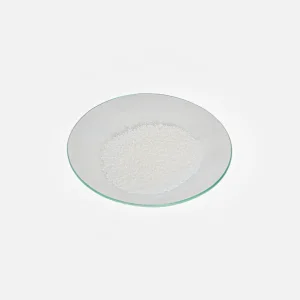
Unveiling the molecular mechanics, rheological profiles, and physical performance indicators that define industrial-grade PHPA polymers.
PHPA contains chains of varying lengths defining its molecular weight, typically spanning from 5 Million up to over 25 Million Daltons. Controlling this weight allows manufacturers to fine-tune flocculation shear resistance and solution viscosity profiles under extreme pressure.
The optimal hydrolysis level (commonly between 20% and 30%) regulates the negative charge density along the polymer backbone. This balance is critical to prevent polymer chain collapse in saline environments and maximize shale hydration inhibition.
As a key shear-thinning fluid modifier, PHPA imparts high viscosity at low shear rates, effectively suspending drill cuttings, while maintaining minimal friction loss during high-velocity pumping in horizontal drill lines.
Partially Hydrolysed Polyacrylamide (PHPA) is a co-polymer of anionic character, synthesized via the copolymerization of acrylamide and acrylic acid or through the controlled alkaline hydrolysis of polyacrylamide (PAM). The structural design of PHPA features a long linear carbon chain with polar amide (-CONH2) and carboxylate (-COO-) functional groups. In aqueous solutions, the electrostatic repulsion between these negatively charged carboxylate groups stretches the molecular chain, resulting in highly viscous, viscoelastic networks even at low concentrations.
In drilling mud systems, PHPA serves primarily as a shale stabilizer, clay encapsulator, and rheology modifier. When drilling through active clay formations, hydration causes swelling, sloughing, and hole instability. PHPA suppresses this swelling by adsorbing onto the clay surfaces via hydrogen bonding and electrostatic interactions, forming a protective, microscopic film that encapsulates cuttings and prevents water infiltration. This encapsulation ensures that cuttings are brought to the surface intact, preventing dispersion into the mud system and protecting key equipment.
Ensuring supply chain security, unmatched chemical purity, and tailored molecular structures for global industrial operations.
China’s chemical sector represents the world's most robust value chain for monomer production. By integrating raw material sourcing (acrylonitrile and acrylamide monomers) with large-scale polymerization systems, Wuxi BS Water Treatment Chemicals Co., Ltd. achieves production efficiencies unmatched by global competitors.
Our advanced production campus in Jiangsu Province employs proprietary polymerization protocols, ensuring tight distribution curves for molecular weight, low unreacted monomer residues, and optimal hydration kinetics. This vertical integration translates directly to stable pricing, guaranteed volume allocations, and precise quality controls that comply with international ISO 9001 and ISO 14001 standards.
| Polymer Grade | Molecular Weight (MDaltons) | Charge Density / Hydrolysis (%) | Key Industrial Applications | Physical Form |
|---|---|---|---|---|
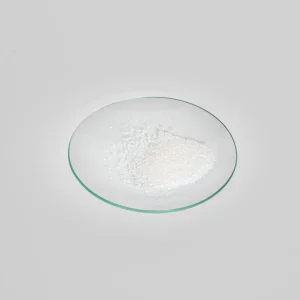
| BS-PHPA 1500 | 12.0 - 15.0 | 20 - 25% | Shale encapsulation, clay inhibition, mining wash flocculation | Granular White Powder |
| BS-PHPA 2000H | 18.0 - 22.0 | 25 - 30% | Enhanced Oil Recovery (EOR), friction reduction, mud viscosifying | Granular White Powder |
| BS-PHPA Emulsion | 15.0 - 20.0 | 22 - 28% | Rapid-dissolution muds, offshore drilling, automated dosing loops | Stable Liquid Emulsion |
| BS-APAM 8100 | 20.0 - 25.0 | 10 - 15% | Mineral tailing settling, coal washing, industrial wastewater flocculation | Granular White Powder |
Deploying high-molecular-weight PHPA across critical global infrastructure operations.
In deep shale reservoirs, hydration leads to clay dispersion and tool jamming. PHPA coats clay particles and inhibits water absorption, preventing cave-ins and drill pipe binding. Additionally, it helps lock cuttings into the fluid flow, maximizing hole cleaning efficacy.
Polymer flooding uses high-viscosity PHPA solutions to alter the water-oil mobility ratio. By restricting bypass channeling through high-permeability zones, PHPA sweeps oil trapped in tight geological formations, increasing recovery factors by up to 20%.
In textile, pulp & paper, and metallurgic processes, suspended solids carry negative charges. PHPA acts as an effective bridge-flocculant, binding particulates into dense flocs. This accelerates settling speeds and reduces sludge volume in clarifying tanks.
Hydratable shales are rich in swelling smectite and illite clays. When exposed to water, these clay minerals draw moisture between their crystalline layers, expanding and building pressure that results in wellbore collapse. High-molecular-weight PHPA functions through multiple adsorption sites. The polar polymer chains align along the clay platelet faces, forming a polymer wrap. This prevents water molecules from inserting into the interlayer spacings. Because the polymer spans multiple particles, it bridges fine clay solids into macro-aggregates, allowing shakers to separate them easily at the surface before the mud recirculates.
In hydraulic fracturing, massive volumes of water must be pumped at high flow rates to crack low-permeability rock formations. The friction of water moving through the casing creates pressure resistance, requiring high horsepower at the surface. By adding low concentrations (100–500 ppm) of high-molecular-weight PHPA, turbulence is suppressed. The linear polymer molecules align parallel to the flow direction, dampening micro-eddies and reducing friction by up to 70–80%. This cuts pumping power requirements, energy consumption, and equipment wear.
A Technology Leader with 27 Years of Expertise in Industrial Water Treatment & Polymer Chemistry.
Founded in 1998, Wuxi BS Water Treatment Chemicals Co., Ltd. is a leading enterprise specializing in polymer manufacturing and chemical solution design. We produce high-purity coagulants, flocculants, and scaling inhibitors used in municipal water supplies, industrial wastewater loops, heavy mineral processes, and oil field exploration globally.
Equipped with fully automated production lines and advanced diagnostic labs, our chemical engineering team provides customized molecular weight and charge density tuning to resolve complex filtration and drilling challenges. From field testing to bulk logistical coordination, we ensure seamless supply security for clients across all continents.
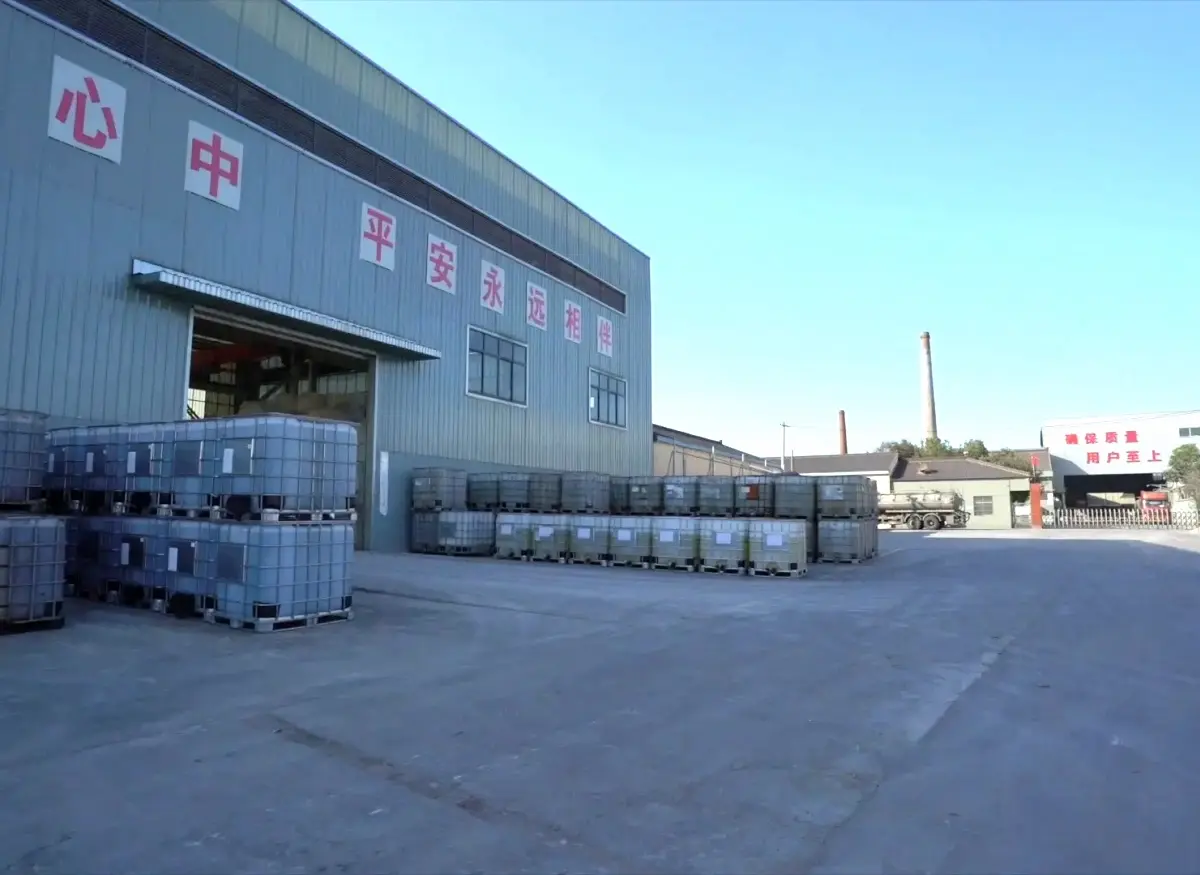
Our dedicated technical support team conducts comprehensive lab reviews, evaluating filtration speed, zeta potential, and shear resistance to recommend optimized chemical formulations.
Essential practices to maintain polymer performance, optimize dissolution, and manage supply chain risks.
Because PHPA molecules possess high molecular weights, dry granular versions require careful dissolution to prevent clumping (often referred to as "fish-eyes"). Fish-eyes occur when the outer layer of a polymer mass hydrates rapidly, creating a gel barrier that prevents water from reaching the dry center.
To avoid fish-eyes, users should introduce dry PHPA powder into the water stream using an eductor or a dry-powder feeder to disperse the granules evenly. The water should be stirred at low speeds (80-120 RPM) using a mechanical impeller. Rapid mixing at high shear rates can break the long carbon chains, reducing the polymer's effectiveness and molecular weight.
Dry PHPA powder is highly hygroscopic and should be stored in cool, dry warehouses with temperature and humidity controls. Keep bags sealed until use. Emulsion polymers require moderate storage temperatures (5°C to 30°C) to prevent freezing or phase separation. Regular mechanical circulation of emulsion drums helps maintain uniform dispersion over extended storage periods.
Direct responses to engineering and logistical queries from global supply chain managers.
Updates from Wuxi BS including process advancements, international trade initiatives, and sustainable polymer innovations.
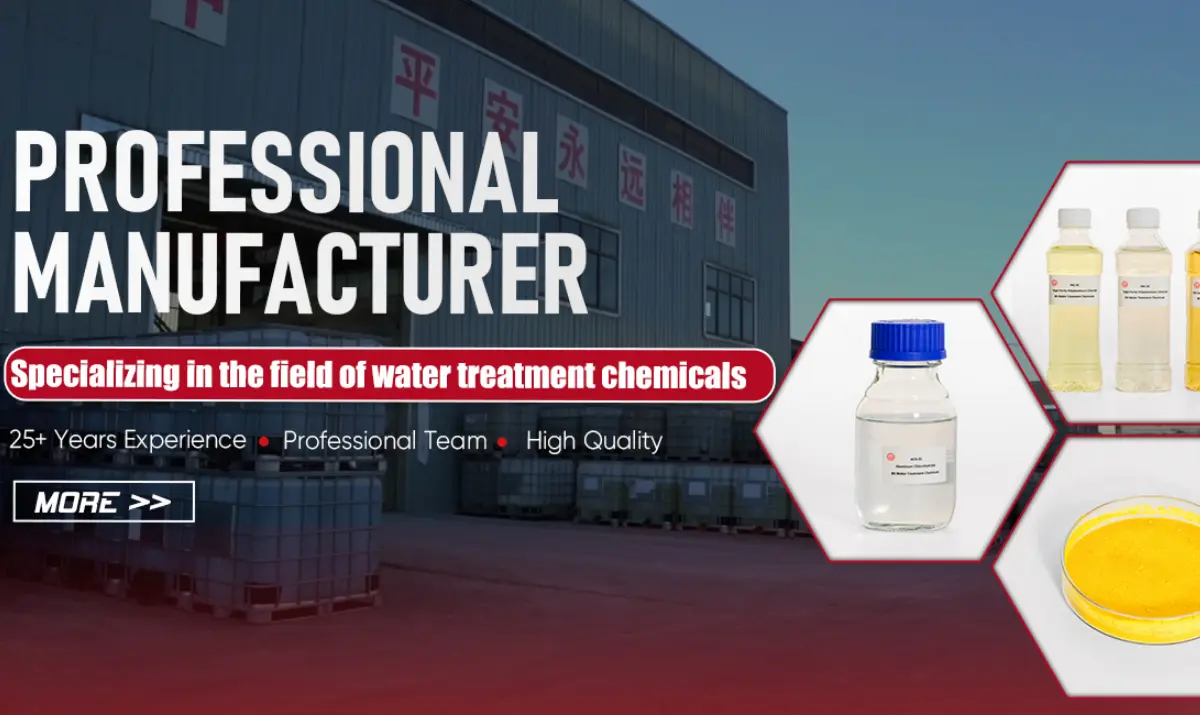
Wuxi BS Water Treatment Chemicals Co., Ltd. continues to expand its global service footprint, optimizing delivery channels and offering customized product packaging configurations to better support our international clients.
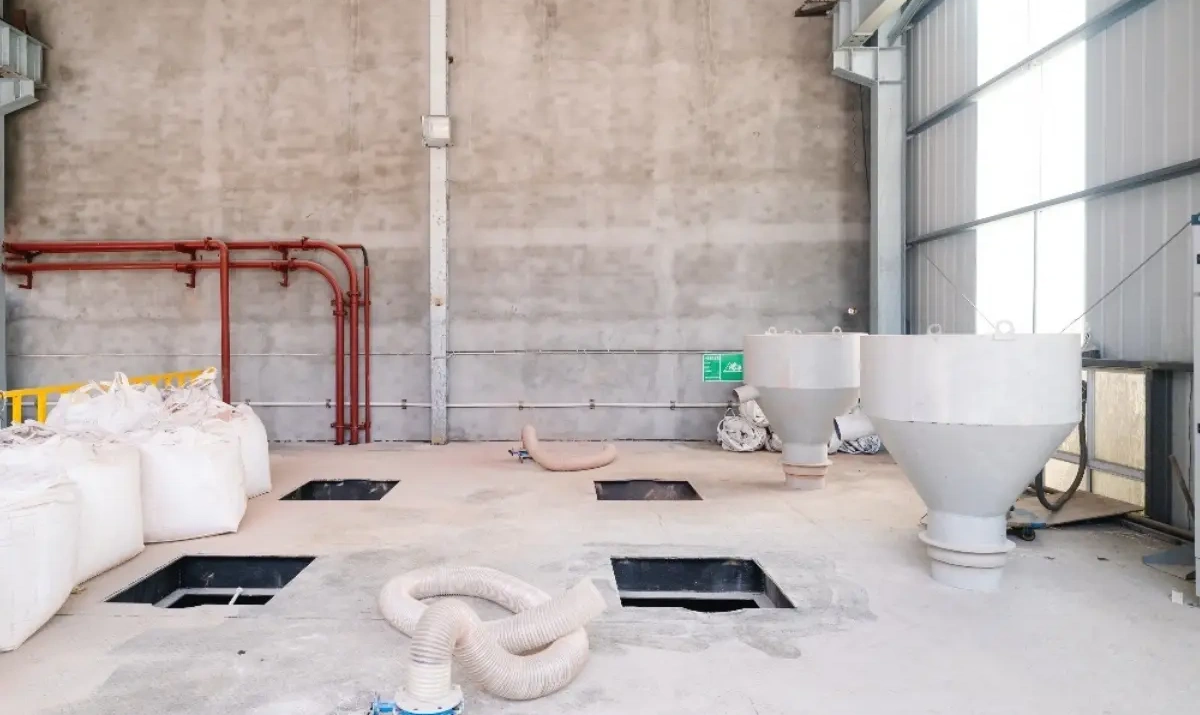
We have introduced digital control systems for our solid chemical feeding systems. These advanced platforms improve dosing precision and dissolve times, ensuring stable downstream concentration levels.
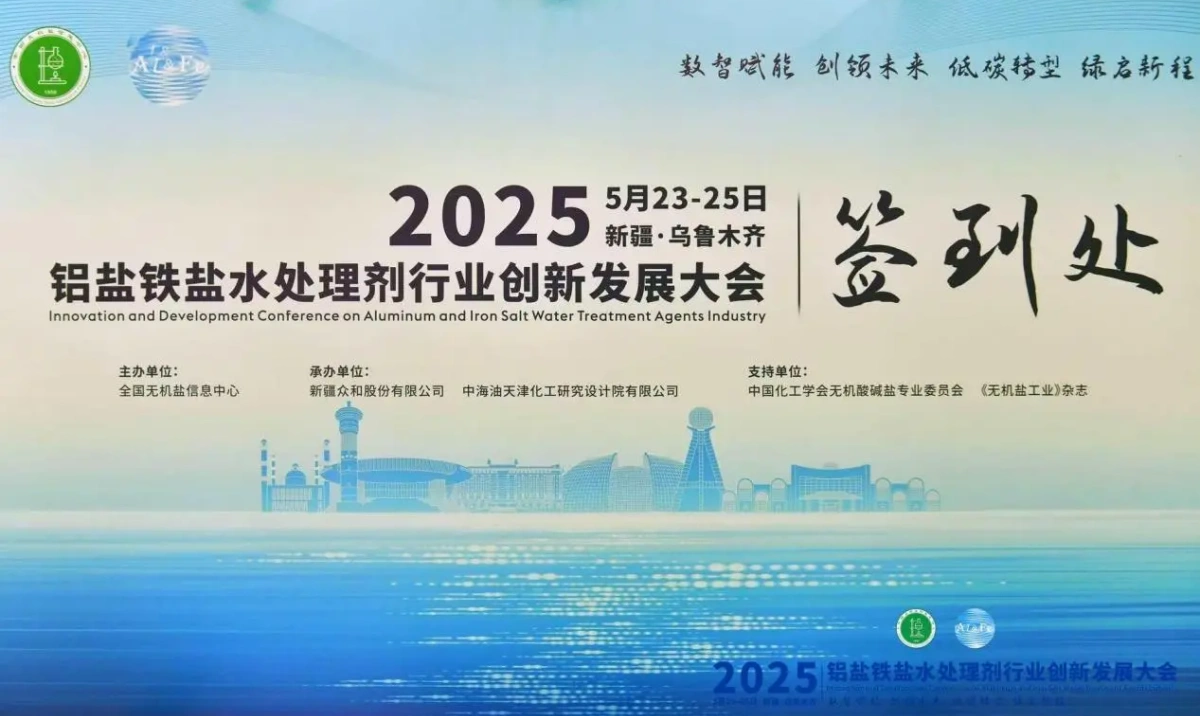
Under environmental objectives like carbon neutrality, Wuxi BS presented high-efficiency water treatment products aimed at lowering energy consumption and process footprint.
Whether you require specific molecular weights, customized hydrolysis parameters, or a quote for bulk shipments, our chemical engineering specialists are here to help.
 BS Water