Explore our premium grade chemical solutions optimized for flocculation, coagulation, and color removal across various sewage water treatment models.
An Analysis of Chemical Coagulation, Molecular Bridging, and System Dynamics in Modern Municipal and Industrial Ecosystems
In the context of the global water crisis and ever-tightening discharge regulations, the designation of a highly optimized Sewage Water Treatment Model has shifted from basic hydraulic settling to precise, molecular-scale chemical conditioning. The goal of this technical whitepaper is to provide global procurement departments, municipal plant managers, and environmental engineers with a deep chemical analysis of flocculation mechanisms. Furthermore, it outlines how Chinese manufacturing facilities, such as Wuxi BS Water Treatment Chemicals Co., Ltd., have established leading-edge production systems to meet these global standards.
A standard water treatment model represents a structured pathway designed to eliminate suspended solids, colloidal particles, dissolved organic matters, heavy metals, and coloring agents. At the core of this pathway lies the primary chemical treatment module. Because colloidal particles in industrial wastewater carry negative surface charges (measured by zeta potential), they repel each other, preventing sedimentation. By introducing highly charged inorganic polymers like Polyaluminium Chloride (PAC) and Aluminum Chlorohydrate (ACH), we can systematically lower this zeta potential. This process is known as charge neutralization.
Standard aluminum sulfate forms simple monomeric Al3+ species in water, which are unstable and highly sensitive to pH variations. Conversely, polyaluminum chloride manufactured under controlled hydrolysis features the Al13 polymer cluster, often referred to as the Keggin structure ([AlO4Al12(OH)24(H2O)12]7+). This complex polymer holds a very high positive charge density, providing significantly stronger charge neutralization compared to simple salts, even at lower dosages.
Analyzing key structural compounds and operational parameters
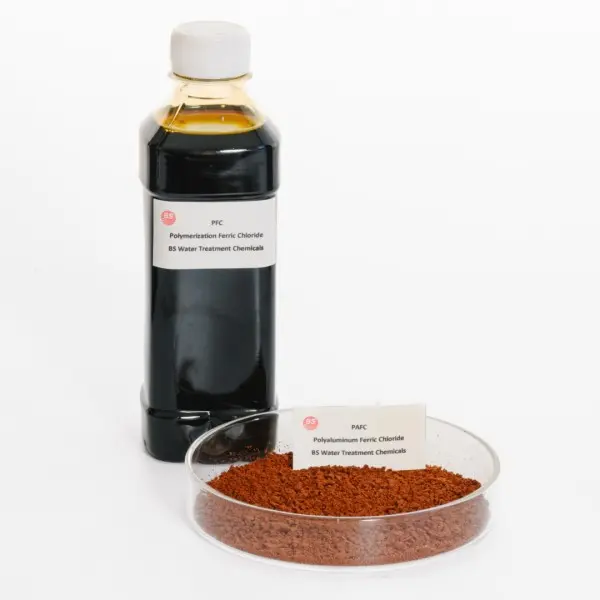
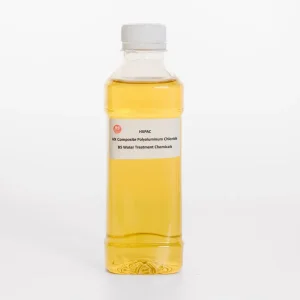
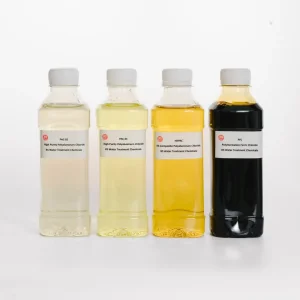
Combines the advantages of aluminum and iron salts for rapid settling and dense flocs.
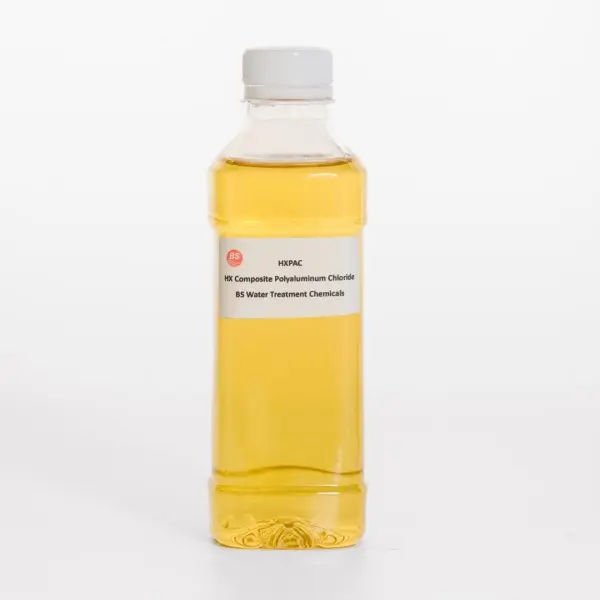
Formulated with specialty organic polymers to boost sedimentation speed in complex industrial runoff.
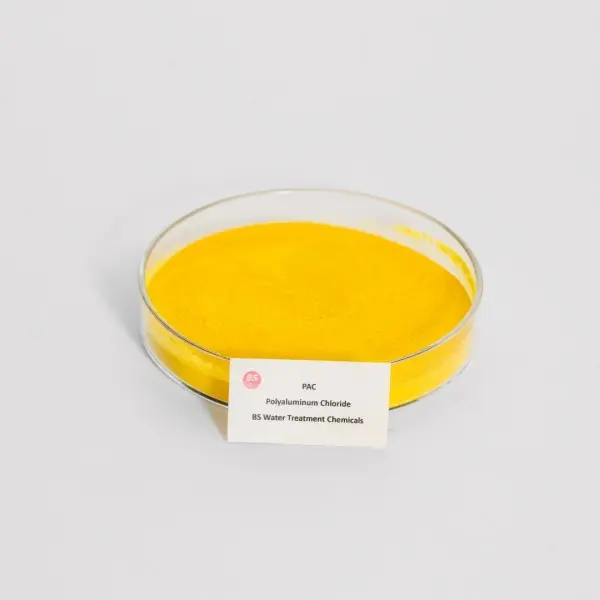
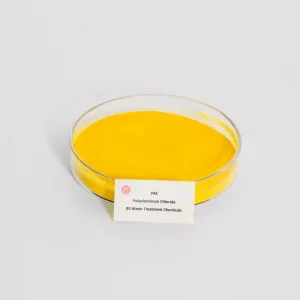
High-purity dry powder with 28%-30% Al2O3 content. Optimized for long-distance transport.
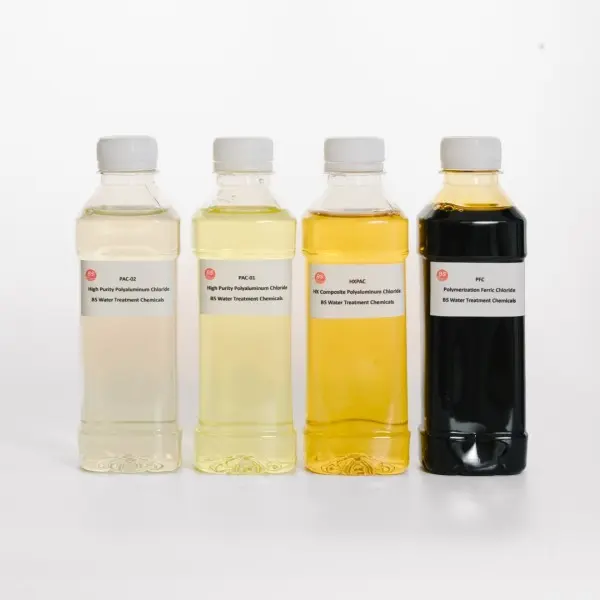
Direct-feed solution designed to reduce handling labor, avoiding dry mixing errors in onsite systems.
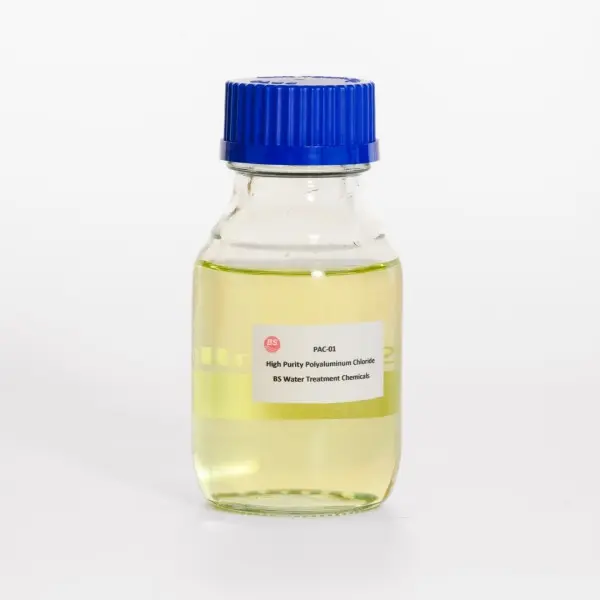
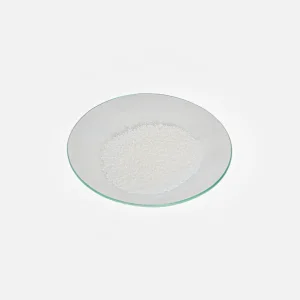
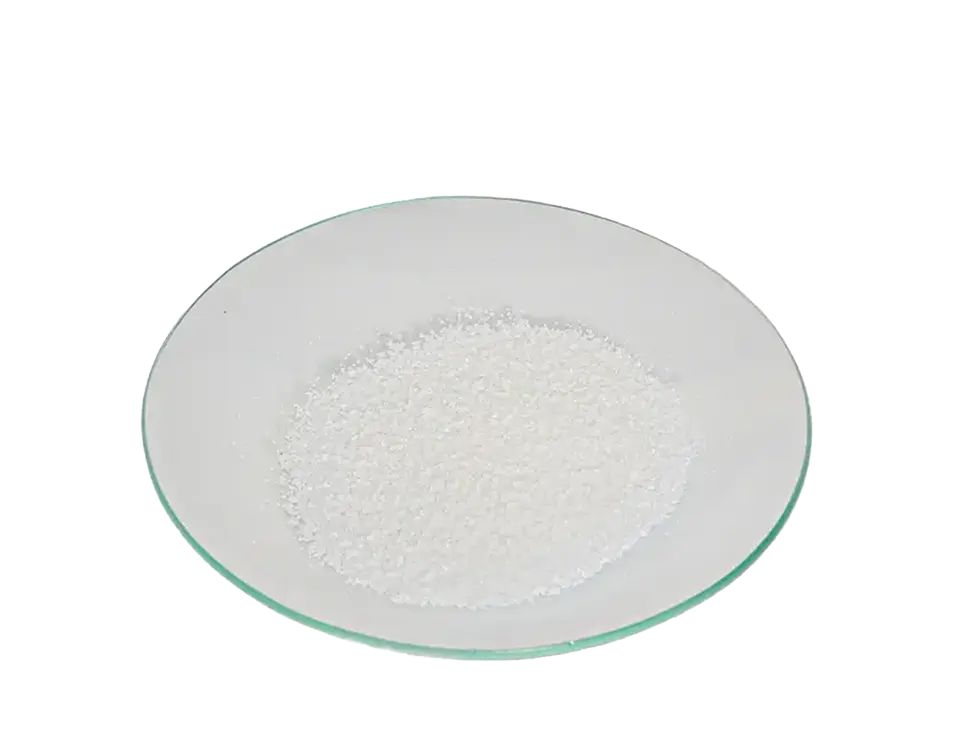
Pure white powder produced via spray drying. Zero heavy metals, fully compliant with drinking water standards.
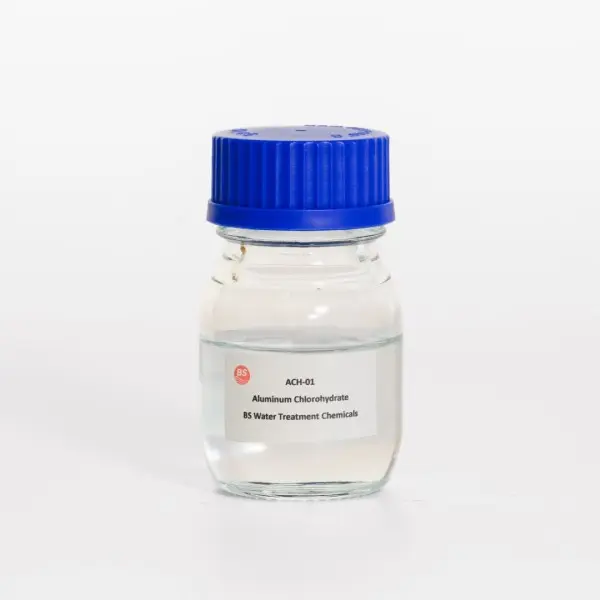
ACH delivers up to 83% basicity. Provides maximum coagulating power with minimal pH drop.
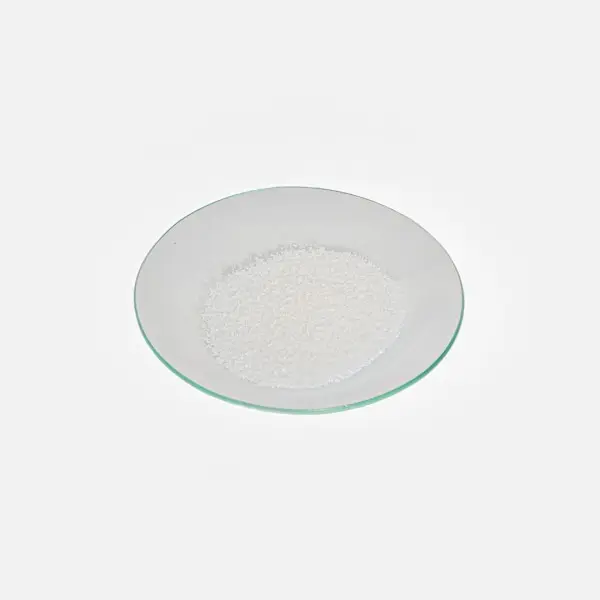
High molecular weight flocculant for rapid organic sludge dewatering in centrifuge applications.
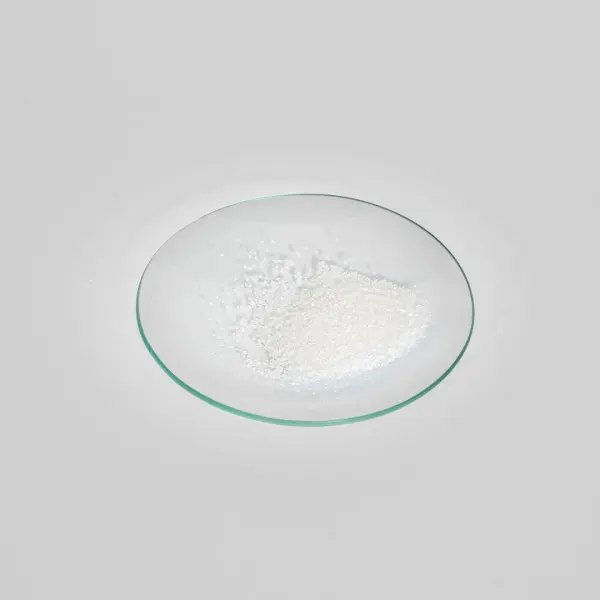
Designed for mineral separation, metal processing, and rapid settlement of inorganic suspensions.
Understanding the micro-mechanics of charge density, molecular weight, and polymer sizing
In any industrial sewage water treatment model, a two-step process—coagulation followed by flocculation—is critical to achieving high efficiency. The choice of chemical reagents depends entirely on the characteristics of the target stream:
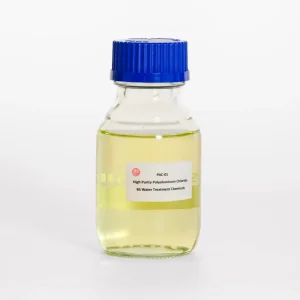
Polyaluminium Chloride (PAC) serves as a middle-tier coagulant, with basicity levels ranging from 50% to 80%. As basicity increases, the polymer chain lengths increase, which improves the settling rate of suspended particles. For high-purity applications, spray-dried PAC-01 is preferred. It generates minimal residue dust and avoids typical caking issues, ensuring stable automated dissolution.
Aluminum Chlorohydrate (ACH) is a highly concentrated inorganic coagulant. With an Al2O3 content of 23%-24% in liquid form (and up to 46% in solid form) and basicity reaching 83%-84%, ACH provides maximum charge neutralization. Because of its high basicity, it consumes very little alkalinity. Consequently, adding ACH typically does not require post-treatment pH adjusters like lime or sodium hydroxide, lowering overall chemical costs.
Once particles are destabilized by coagulants, Polyacrylamide (PAM) is introduced to bind the micro-flocs into larger aggregates through a process called **interparticle bridging**.
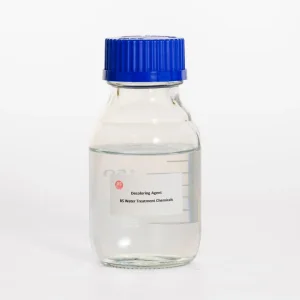
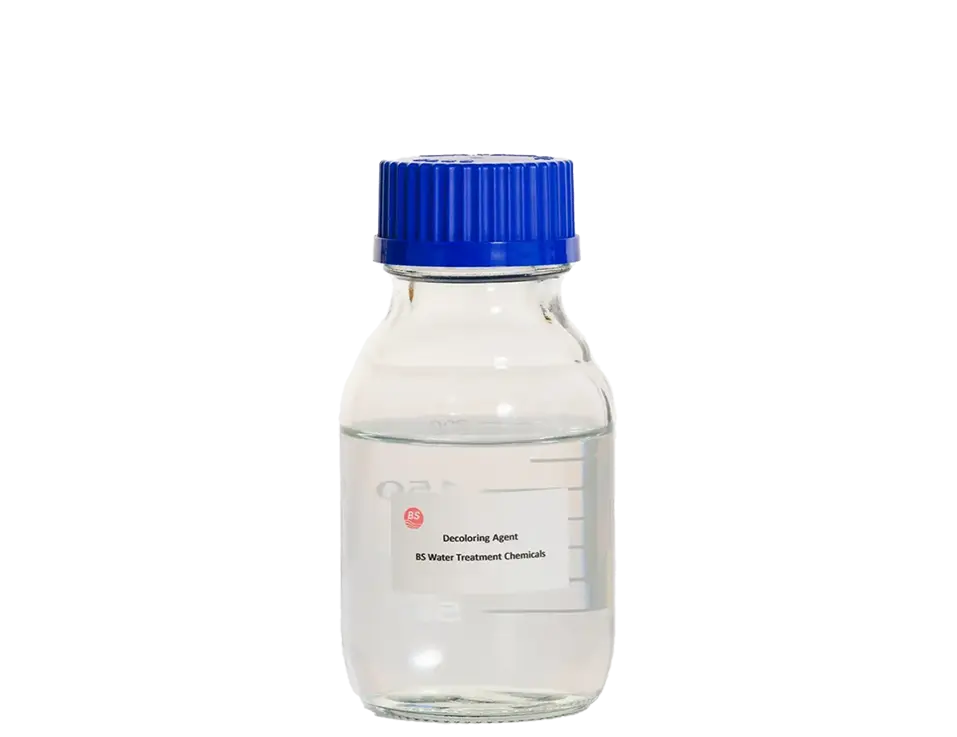
For highly colored industrial wastewater (such as textile dye effluents containing reactive, acid, or disperse dyes), inorganic coagulants often struggle to break down color molecules. WDA is a cationic polymeric resin that reacts chemically with dye molecules. By neutralizing negative charges and forming insoluble complexes, WDA separates color compounds from water, achieving up to 99% decoloration.
A Technology Leader with 27 Years of Expertise in Water Treatment Chemicals
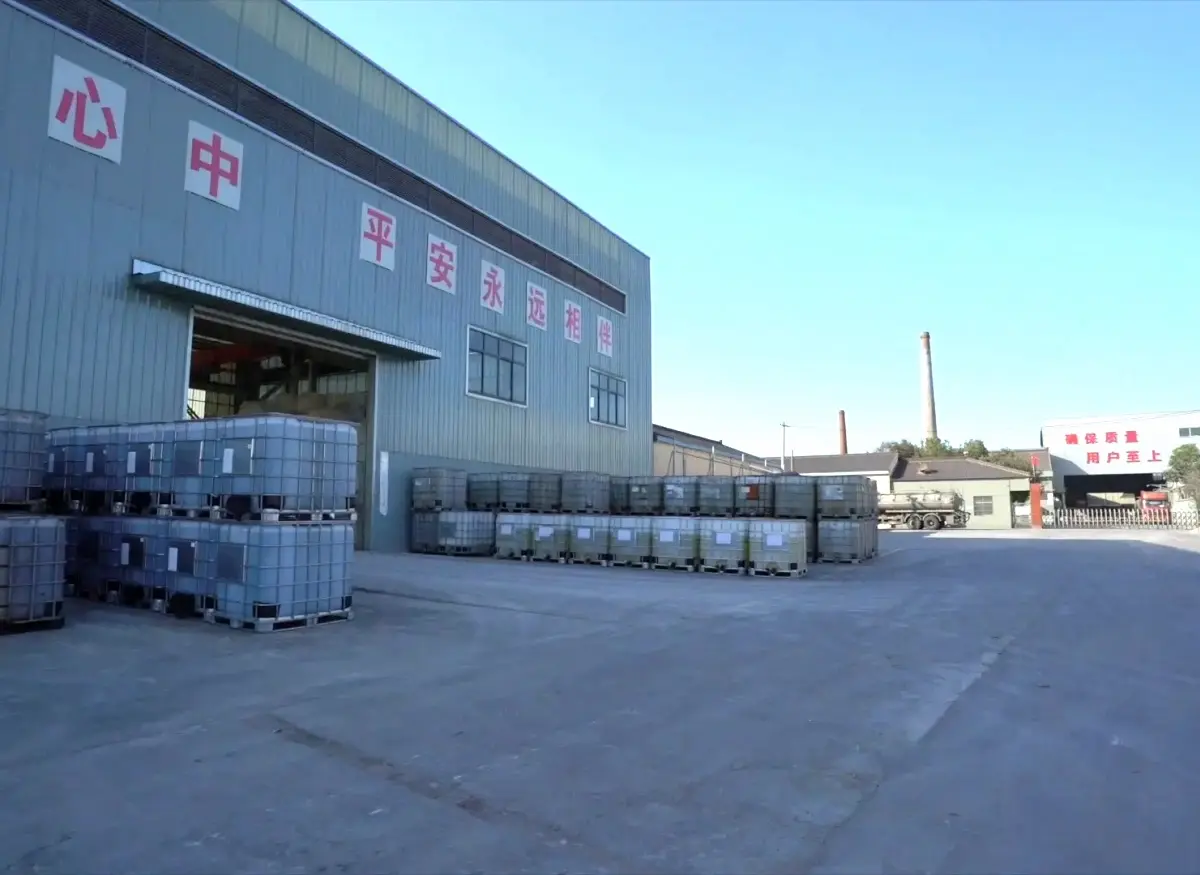
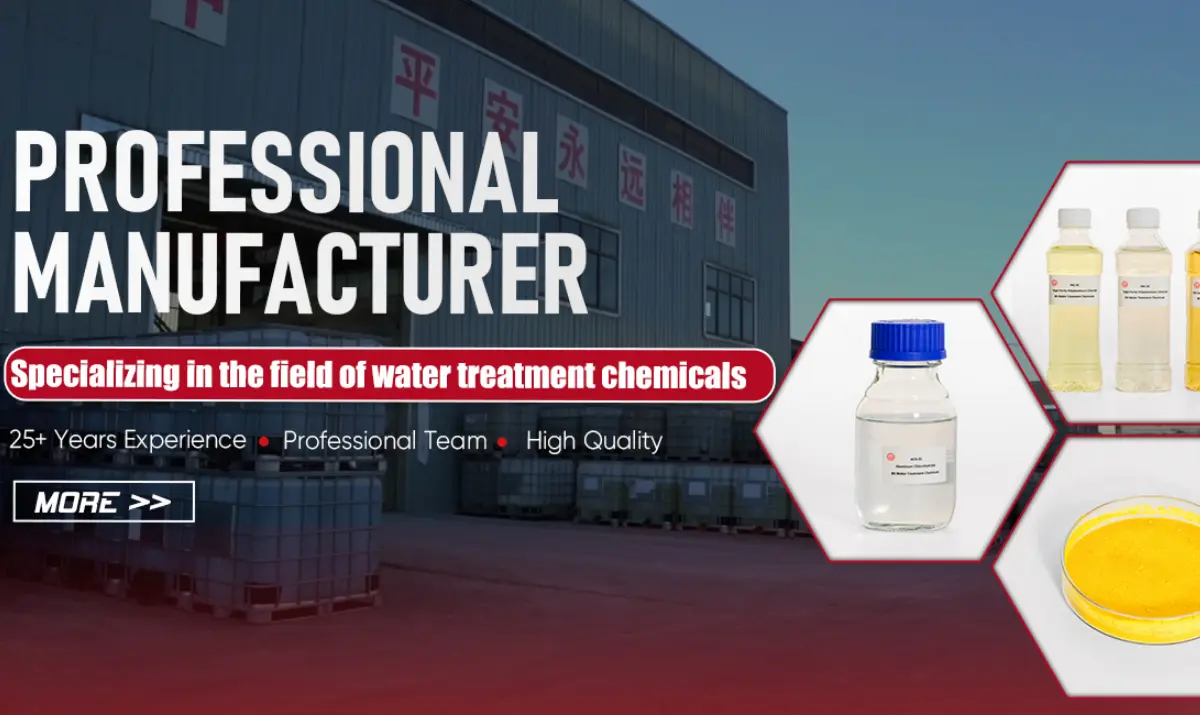
Wuxi BS Water Treatment Chemicals Co., Ltd. possesses advanced production technology and rich management experience. We specialise in producing a series of water treatment products for the treatment of drinking water and various types of domestic and industrial wastewater. Our products are engineered to optimize sewage water treatment models on a global scale.

High-demand chemical formulations engineered for extreme conditions
How Wuxi BS formulations optimize processing across critical sectors

Optimizing municipal and industrial wastewater sedimentation, sludge dewatering, and phosphorus removal models.
View Details →
Treating complex produced water, removing emulsified oil, and providing polymer flooding solutions for enhanced oil recovery.
View Details →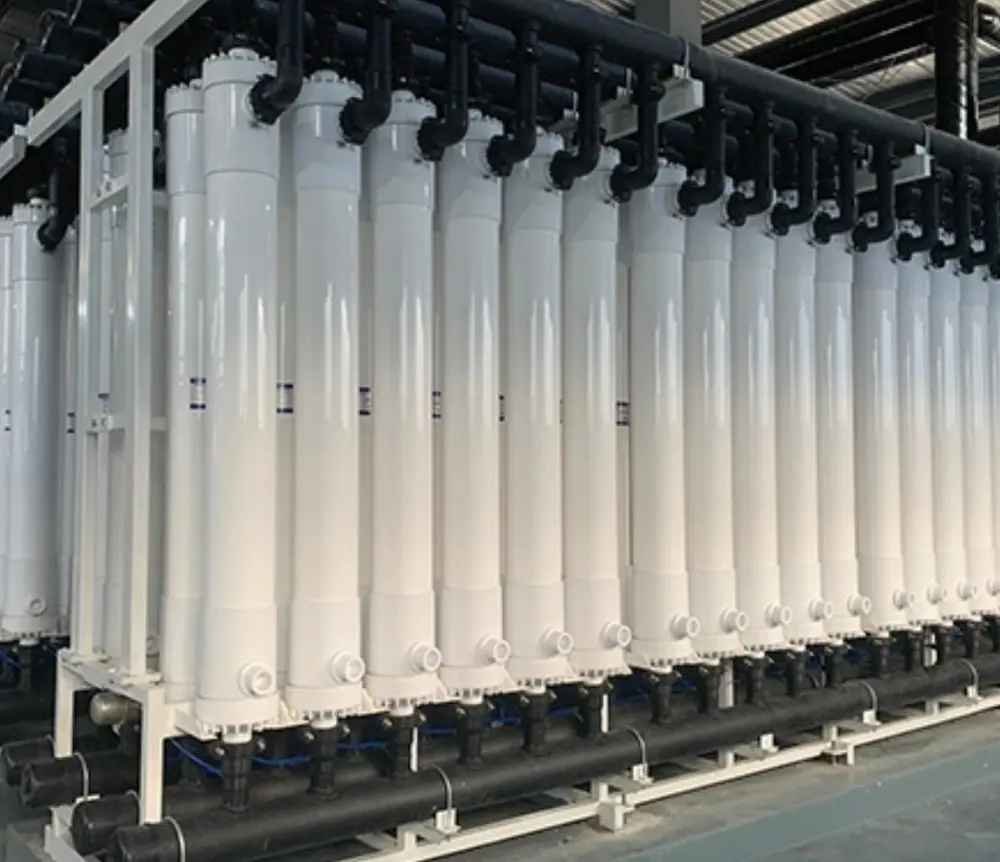
Preventing organic and colloidal fouling in reverse osmosis (RO) systems, extending membrane operational lifespan.
View Details →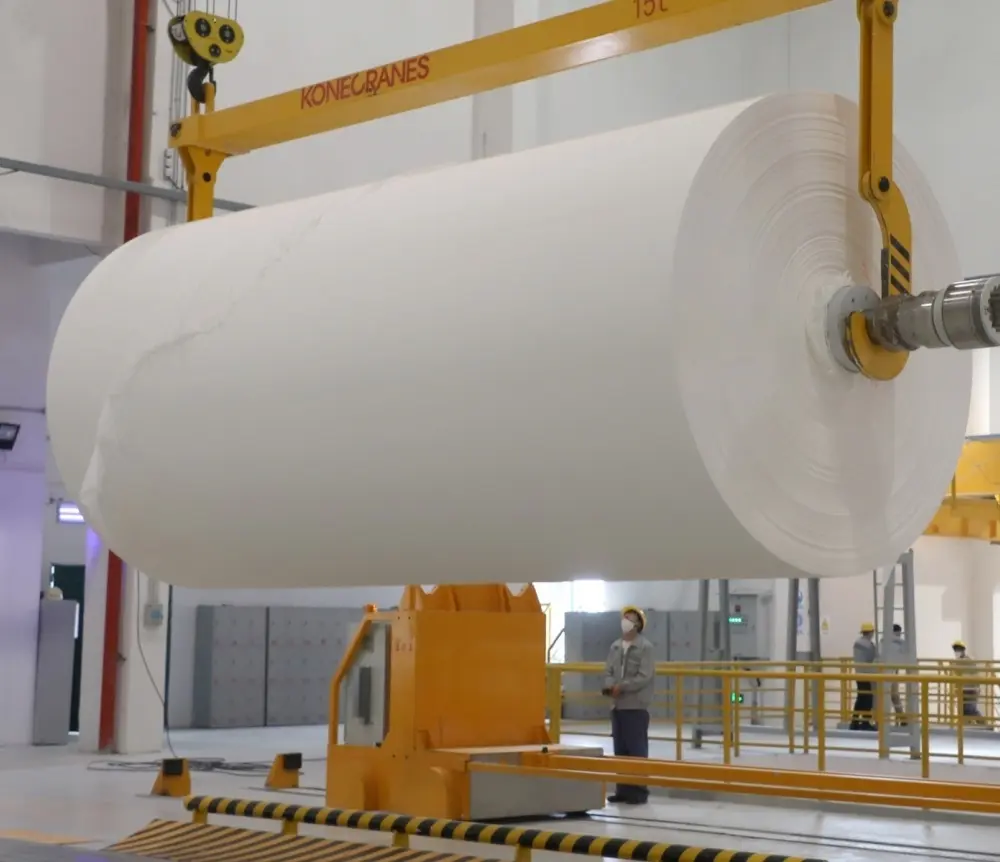
Improving fiber retention and sizing agent efficacy while treating paper mills' white water discharge.
View Details →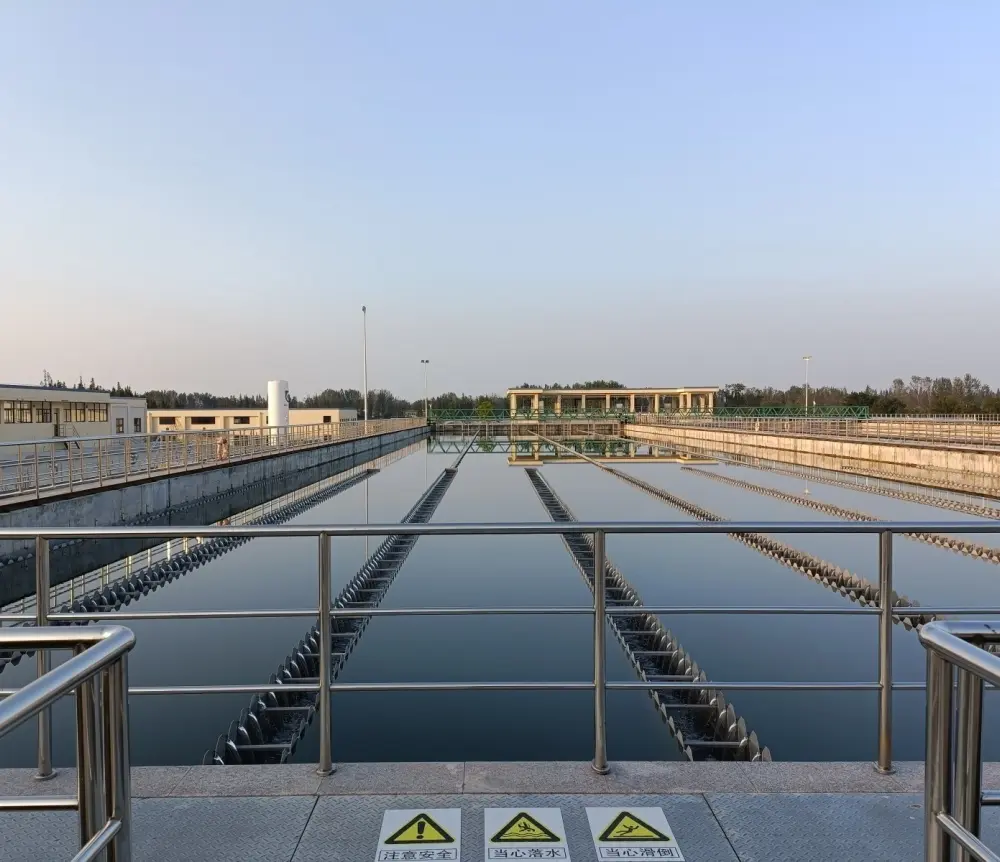
Providing high-purity coagulants (PAC-01 spray dried) that meet international drinking water standards for the removal of organic carbon and suspended colloidal matter.
View Details →How raw material access, process control, and digital logistics deliver global efficiency
In the global water treatment supply chain, Chinese manufacturers offer distinct advantages: raw material access, integrated production, and advanced quality control systems. Wuxi BS leverages this industrial ecosystem in several key areas:
Raw Material Access & Cost Optimization: Our location in Jiangsu province provides direct access to key raw materials, including industrial-grade bauxite, high-purity hydrochloric acid, and chemical monomers. This proximity stabilizes our supply chain and reduces transport costs, allowing us to pass savings on to our clients.
State-of-the-Art Spray Drying: Unlike older drum-drying methods, which can yield uneven particles, Wuxi BS uses modern spray-drying towers. These systems create highly uniform PAC granules that dissolve rapidly, reducing operator handling and preventing clogging in automated dosing systems.
Strict Quality Control & Compliance: Our internal laboratories monitor and document key quality metrics, including basicity, insoluble content, and trace metal levels. This testing ensures our high-purity PAC grades consistently meet strict international municipal regulations, including NSF/ANSI Standard 60.
In 2025, Wuxi BS launched its digital intelligent solid feeding systems. By pairing custom chemical formulations with automated dosing controls, we help plants reduce raw chemical usage by up to 20% while maintaining target discharge water quality.
Supporting your operations with tailored chemistry, stable capacity, and global delivery

Providing full-cycle support, including onsite water analysis and custom dosing profiles.

Annual sales volume exceeding 500,000 tons keeps your operations running without disruption.

Smart production and ample warehouse space ensure prompt domestic and global shipments.

Continuous investment in polymer chemistry delivers high-basicity PAC and high-efficiency WDAs.

Exporting worldwide since 2007 through a trusted network of distributors.
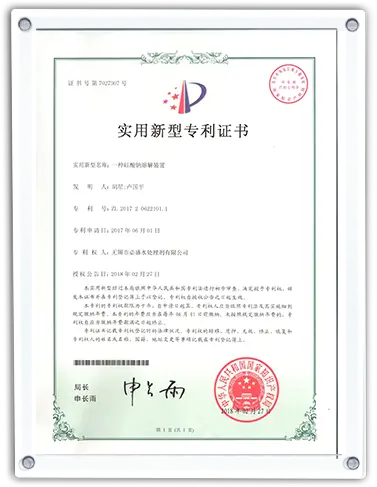
Verified ISO and Quality Management System Certifications

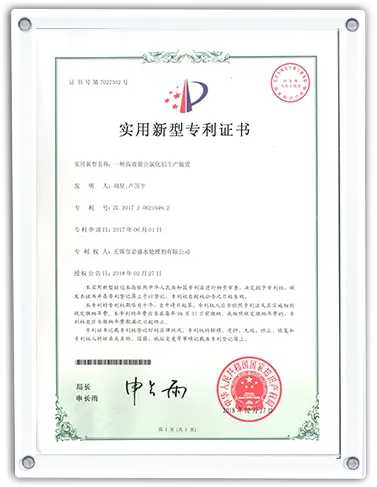
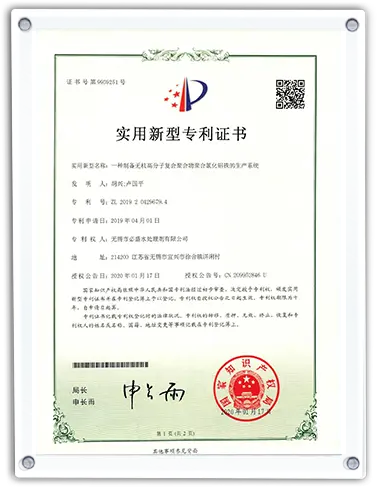
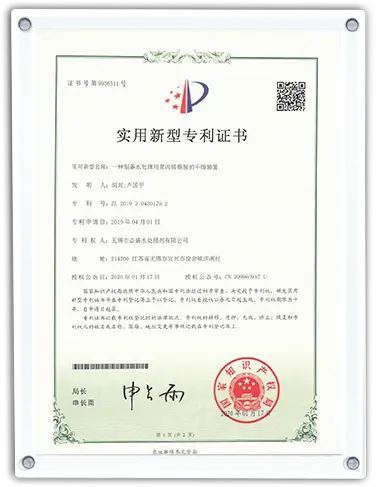
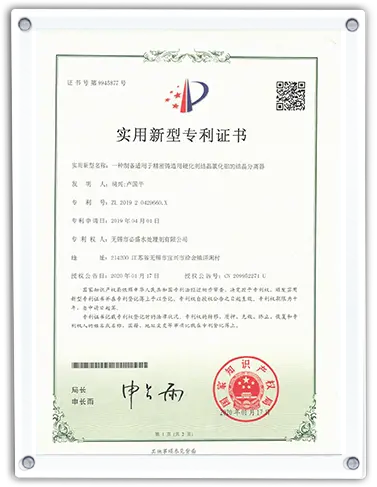
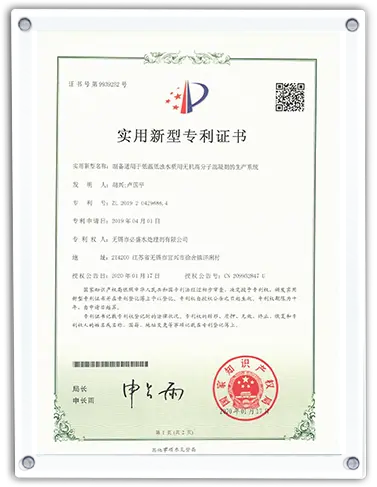
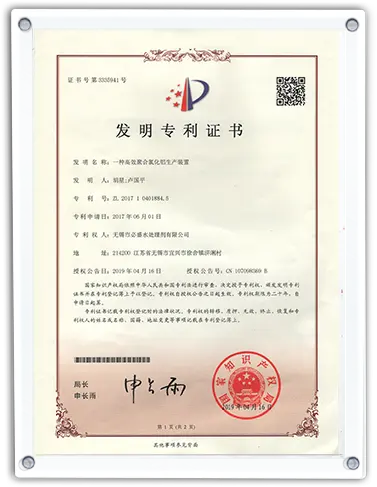
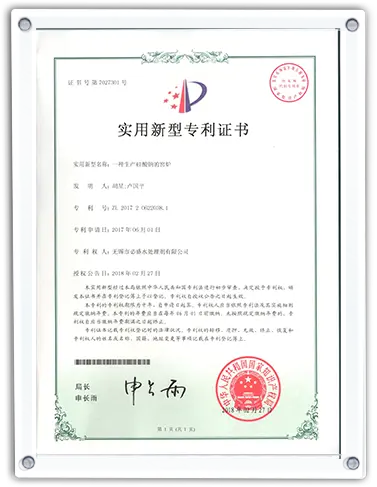
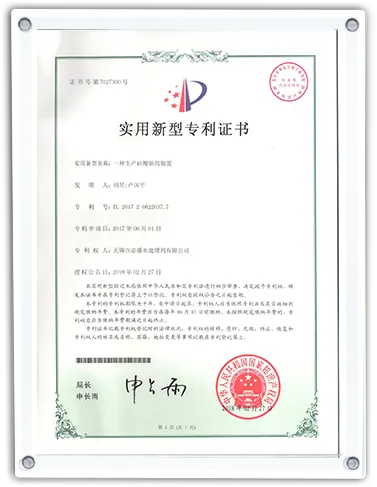
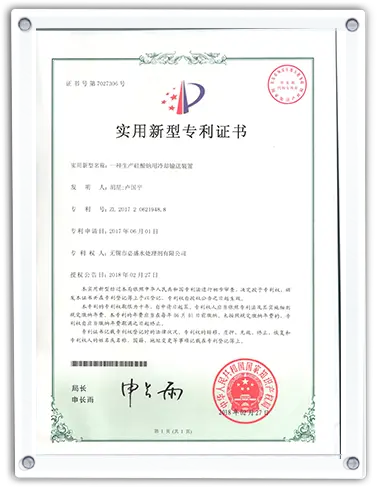
Track our growth from a regional manufacturer to a global player

Wuxi BS Water Treatment Chemicals plant was established, focusing on primary inorganic coagulants.
Officially renamed Wuxi Bisheng Water Treatment Agent Co., Ltd., expanding R&D into synthetic polymers.
Began global exports, supplying water treatment operations across Southeast Asia and Europe.
Annual sales exceeded 10 million USD, demonstrating consistent performance in international markets.
Established our dedicated foreign trade department and introduced smart solid feeding systems to support digital water treatment models.
Key metrics for evaluating chemical performance and managing total cost of ownership
When evaluating water treatment chemical suppliers, global procurement teams should look beyond unit cost per ton. The true metric of efficiency is the Total Cost of Ownership (TCO), calculated as the cost of chemical required to treat a set volume of water (e.g., USD per million gallons treated).
To optimize this metric, consider the following parameters during sourcing:
Technical guidance for common operational challenges
A: While both are aluminum-based coagulants, ACH (Aluminum Chlorohydrate) is more concentrated, with 23%-24% Al2O3 liquid content and up to 83% basicity. PAC typically features 10%-18% Al2O3 liquid content (28%-30% solid) and 50%-75% basicity. ACH requires a lower dosage and minimizes pH drops in low-alkalinity source waters.
A: WDA is a highly cationic quaternary ammonium polymer. It binds to the negative charges on dye molecules in textile and print wastewater, forming insoluble organic flocs that can be easily removed by sedimentation or dissolved air flotation.
A: Basicity represents the degree of polymerization in the aluminum ions. Higher basicity means more highly charged polymer chains, which leads to faster coagulation, larger flocs, and less impact on the pH of the treated water.
A: PAM is hygroscopic and should be stored in dry, cool conditions away from moisture. Once dissolved in water, PAM solutions should be used within 24-48 hours, as the polymer chains will degrade over time, reducing performance.
A: Spray-dried PAC produces highly uniform, low-dust granules that dissolve quickly. It is ideal for automated dosing systems. Drum-dried PAC is a cost-effective alternative for manual dosing setups.
A: Yes, high-purity ACH is widely used in municipal drinking water. It meets strict NSF/ANSI Standard 60 requirements, offering reliable turbidity removal with low residual aluminum levels.
A: APAM is best for mineral suspension and industrial effluents containing inorganic particles. CPAM is designed for organic solids, such as municipal sewage sludge and food processing wastewater.
A: We pack our solid products in double-layer bags (outer woven bag with an inner PE liner) to protect against humidity. Liquid products are shipped in dedicated IBC drums or ISO tanks to prevent leakage and contamination during transport.
Additional products designed for specialized water treatment systems
Updates on digital integration and industry development events
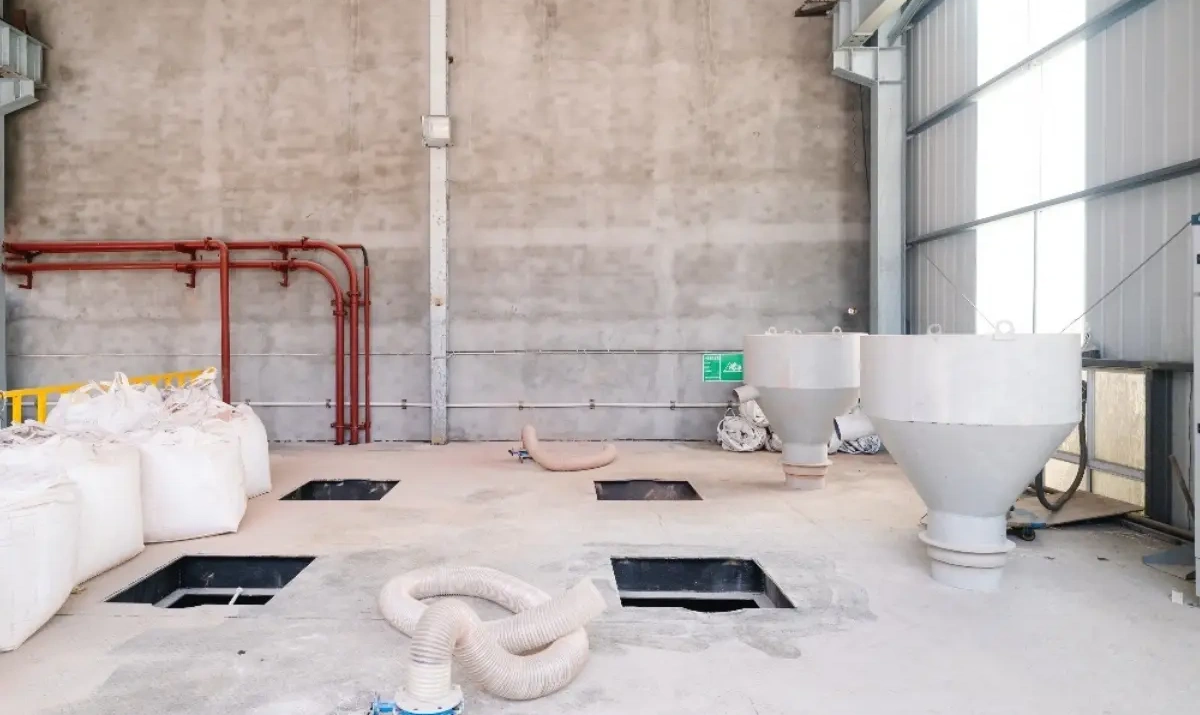
 Aug 21, 2025
In August 2025, Wuxi BS introduced advanced solid feeding systems designed to optimize dosing and reduce chemical waste in processing systems.
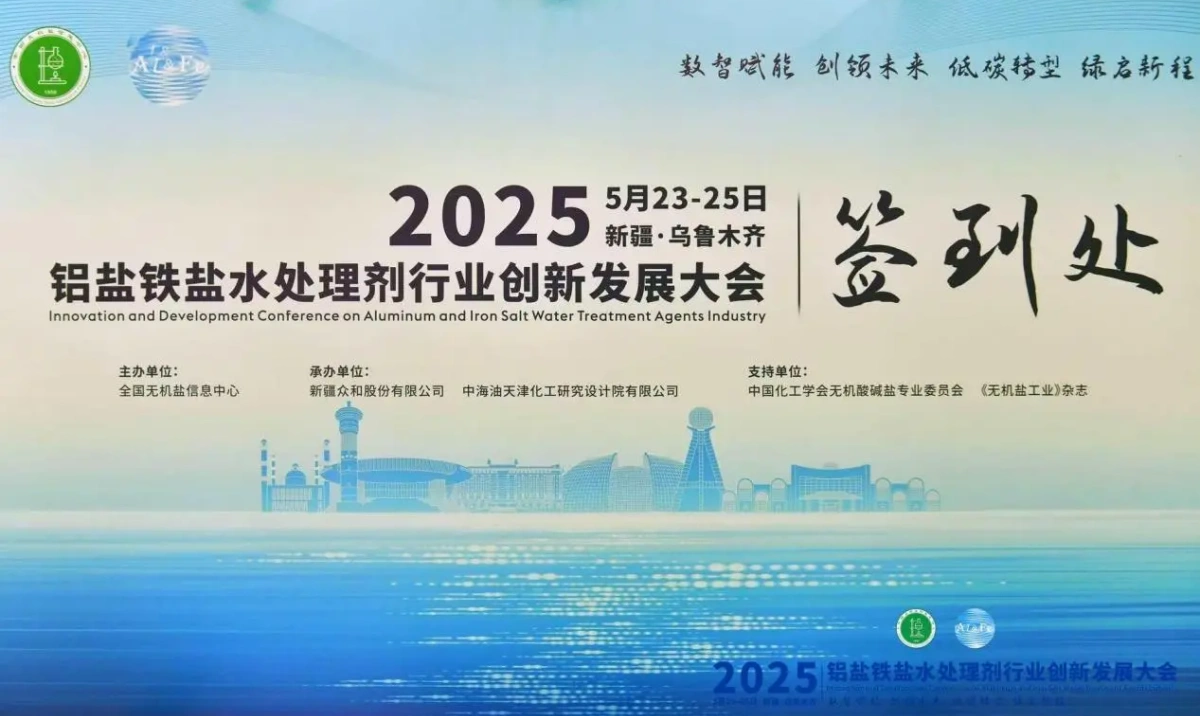 Aug 21, 2025
Under the 'Beautiful China' initiative, industry leaders convened to discuss sustainable chemistry, carbon-neutral manufacturing, and next-generation polymer structures.
Whether you need technical support, custom packaging options, or a quote for high-volume orders, our laboratory team and export coordinators are ready to assist.
Fill out the form below, and our team will get back to you with a detailed technical proposal.
 BS Water