Advanced formulations optimized for solid-liquid separation, molecular binding, and high-efficiency dewatering applications.
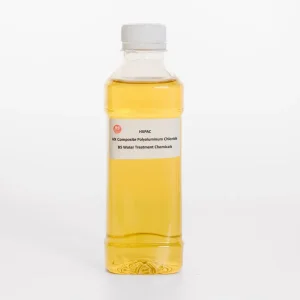
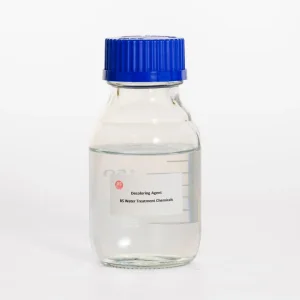
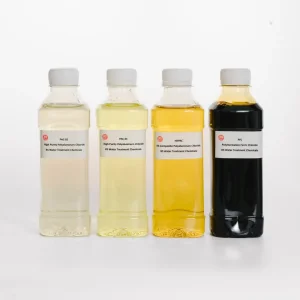
Analyzing current global ecological paradigms, environmental mandates, and operational optimization pathways through chemistry.
Rapid industrialization across the Americas, Asia-Pacific, and EMEA regions has drastically scaled up wastewater volumes. Industrial operations require advanced chemistry to remove heavy metals, suspended solids, and chemical oxygen demand (COD) before discharge. Traditional physical sedimentation is no longer sufficient to comply with stringent regional environmental laws.
Modern enterprises must meet precise Environmental, Social, and Governance (ESG) criteria. The presence of non-biodegradable color compounds, phosphorus, and organic nitrogen forces facilities to design multiple chemical precipitation and coagulation loops. Our specialized polymeric matrices are engineered to capture complex pollutants, preventing downstream ecological damage.
Efficiency in chemical consumption translates directly to lower operational expenses (OPEX). By maximizing cationic and anionic charge densities in polymer architectures, treatment facilities can achieve faster sedimentation kinetics, denser floc formation, and cleaner supernatant streams with up to 30% lower dosage metrics compared to non-optimized coagulants.
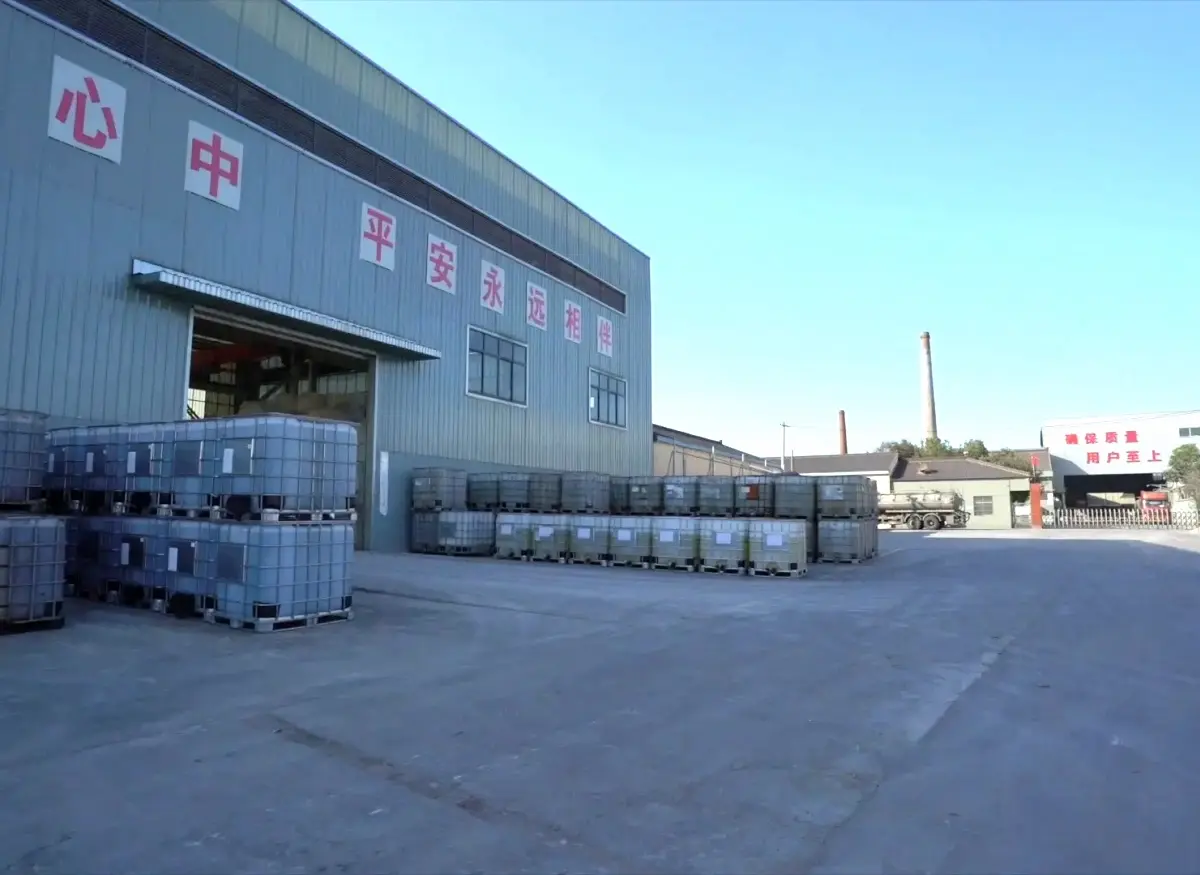
Established in 1998 (formerly Wuxi Bisheng Water Treatment Agent Co., Ltd. in 2005), Wuxi BS has grown over 27 years to become a premier research-oriented manufacturer. We possess advanced automated production technologies and rich chemical application experience. Our state-of-the-art facility produces high-performance municipal and industrial sewage treatment chemicals, exporting worldwide via key regional distributors since 2007.
Through our dedicated technical teams, we provide a full-cycle process optimization program called "Water Quality Analysis & Customized Formulation". This methodology ensures that our PAC, PAM, ACH, WDA, and PDADMAC variants perform at peak efficiency regardless of specific pH, temperature, or heavy turbidity fluctuations.

Understanding the chemical mechanics, molecular weight variants, and optimal application indexes for each chemical class.
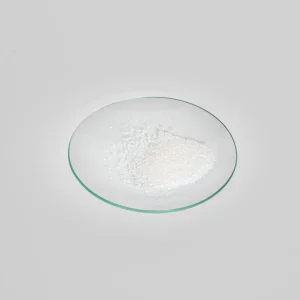
Available in both high-purity spray-dried solid powders (PAC-01) and stabilized liquid variants containing 10%-15% active Al2O3. PAC works by rapid charge neutralization of negatively charged colloidal particulates suspended in wastewater. Higher basicity models provide faster floc formation and lower residual aluminum content in potable water treatment.
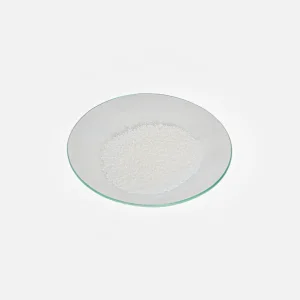
Separated into Cationic Polyacrylamide (CPAM) and Anionic Polyacrylamide (APAM). CPAM is heavily utilized for organic sludge dewatering in municipal sewers due to its high cationic charge density that binds to negatively charged organic sludge. APAM acts as a bridging flocculant for inorganic suspensions, facilitating rapid settlement in mining and mineral processing.
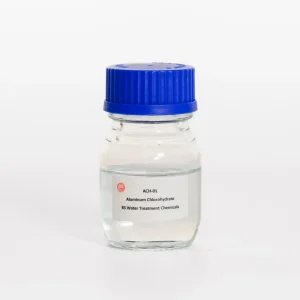
ACH represents the highest basicity aluminum coagulant available (up to 83% basicity). It delivers the maximum concentration of Al2O3 (up to 24% in liquid form) with minimum contribution of chloride ions. Highly favored in municipal drinking water plants and cosmetic manufacturing where high-efficiency clarification without pH reduction is required.
A specialized dicyandiamide formaldehyde cationic copolymer designed to break down color compounds, particularly direct, reactive, and acid dyes in textile mill effluents. By forming strong ionic complexes with color molecules, WDA removes intense industrial coloration and reduces chemical oxygen demand (COD) effectively.
Poly(diallyldimethylammonium chloride) is a high-cationic charge density polymer. Ideal for drinking water purification and paper mills, it functions as a primary coagulant and charge neutralizer, neutralizing anionic trash and improving retention and drainage properties during paper manufacture.
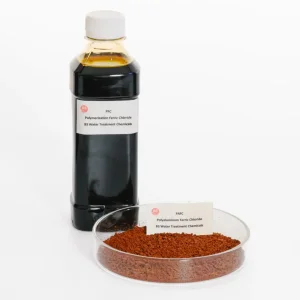
Engineered composites that integrate iron ions into the polymeric aluminum framework. The combination of aluminum's rapid charge neutralization and iron's high density yields heavy, fast-settling flocs even in low-temperature, low-turbidity source waters where single-element coagulants struggle.
Tailoring water chemical profiles to meet localized operational environments and wastewater properties.
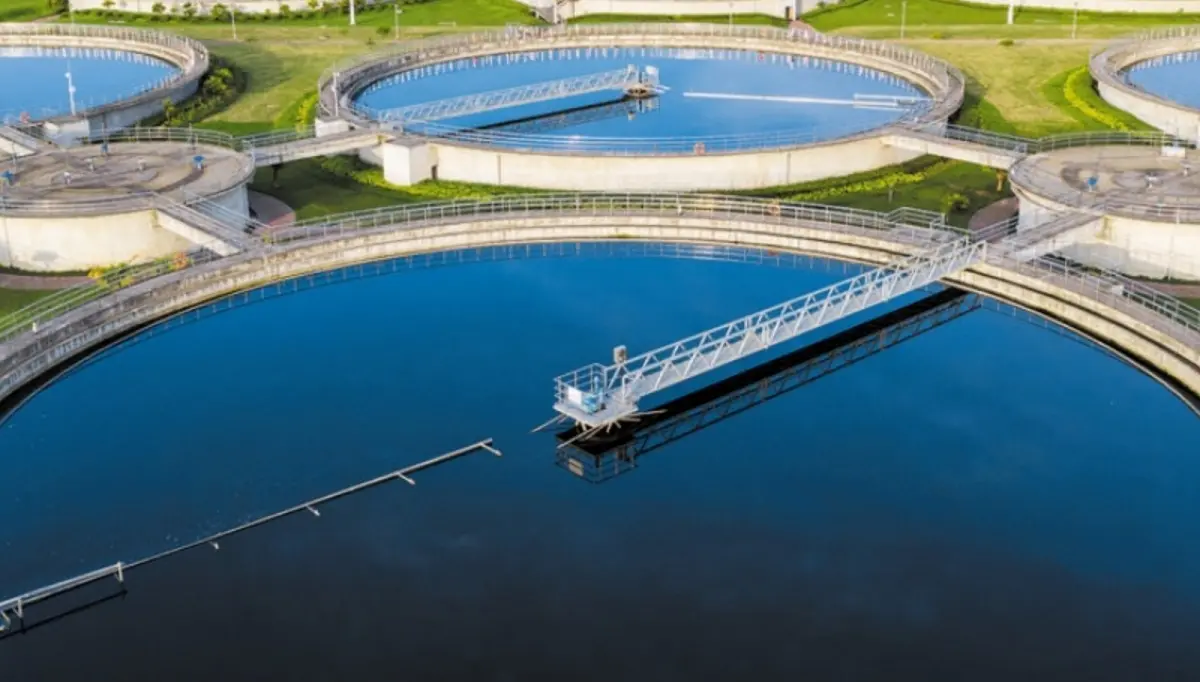
Designed for civil sewage infrastructure. Cationic PAM optimizes sludge belt filters and centrifuge decanting systems by creating structural micro-flocs that withstand high shear forces, increasing cake dryness and reducing disposal volume.

Handling oily wastewaters, produced water, and refinery effluents. Utilizing specialized demulsifiers and cationic polymers helps break water-in-oil emulsions, allowing rapid flotation separation of oils and oil-coated silts.
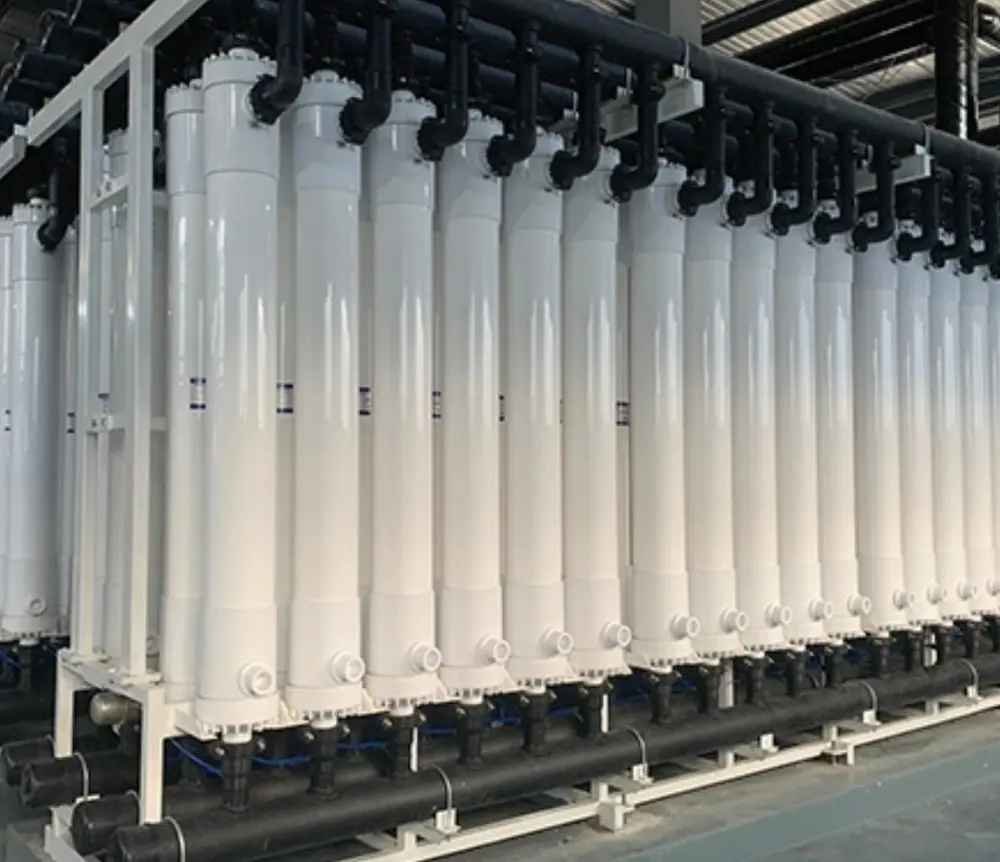
For reverse osmosis (RO) and ultrafiltration (UF) systems. Eliminating organic macromolecular foulants using ultra-pure ACH or PAC prevents irreversible biofouling on membrane surfaces, doubling the membrane lifecycle.
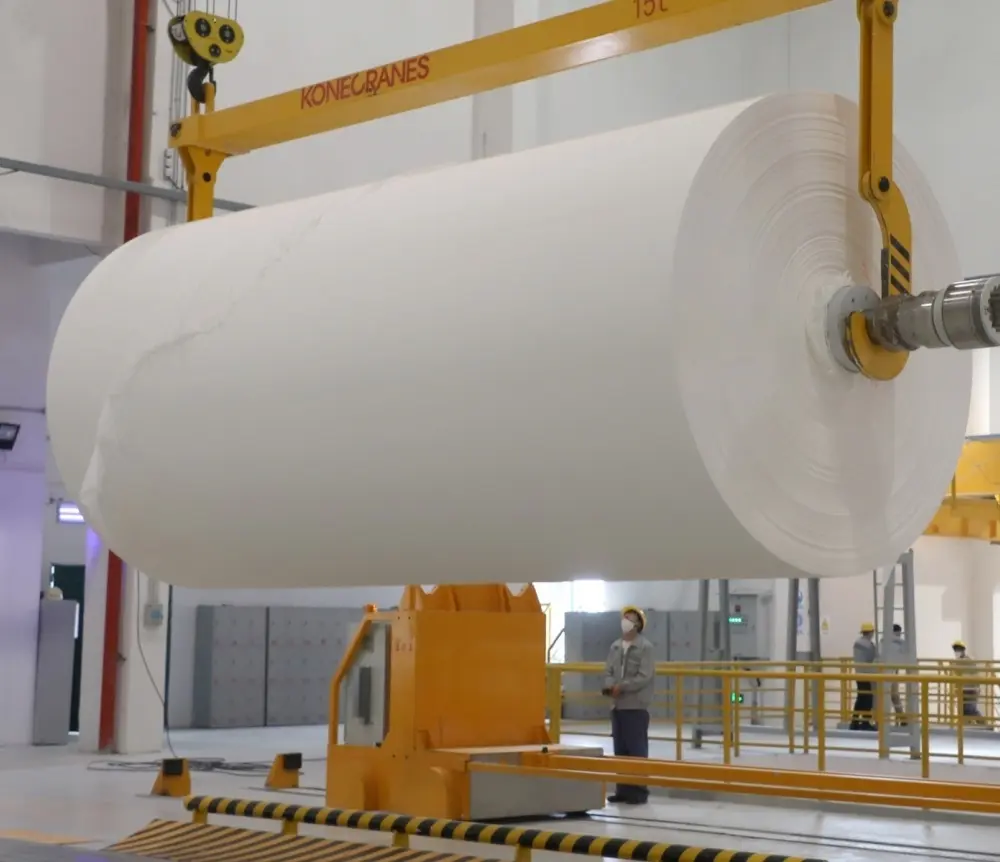
Used as retention aids and drainage promoters. Anionic/Cationic PAM dual polymer systems optimize fiber dispersion, retention of fillers (like calcium carbonate), and expedite water extraction during sheet formation.
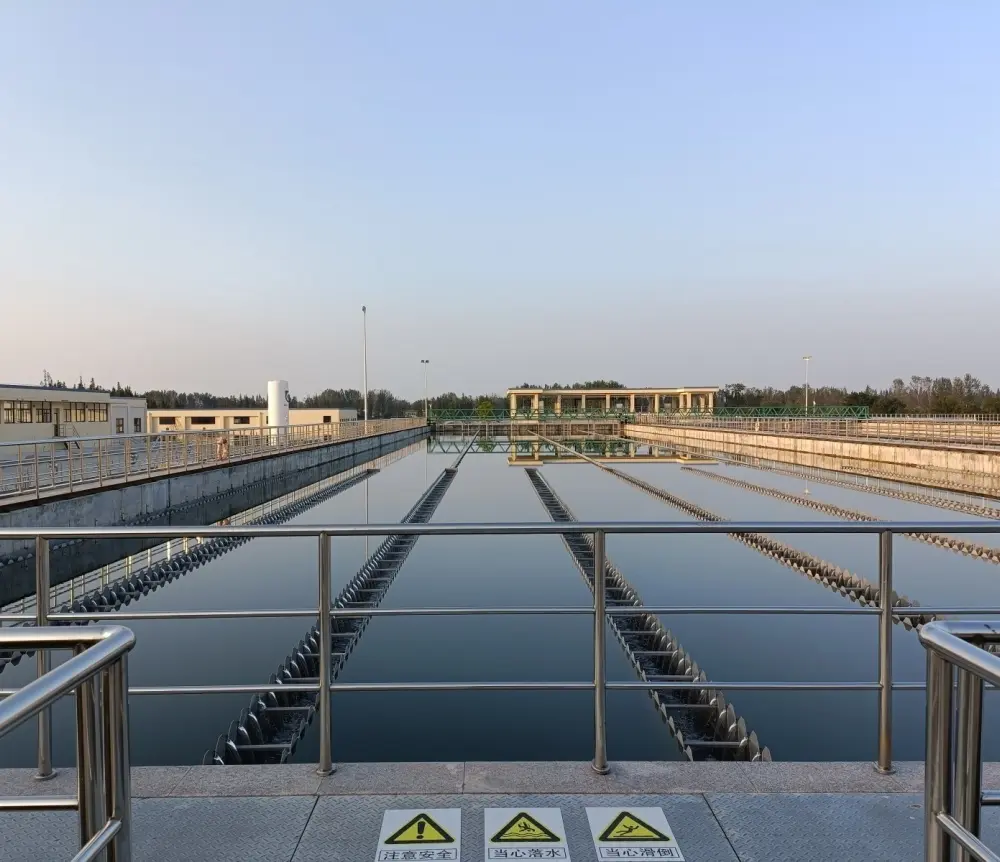
Formulating ANSI/NSF compliant coagulants. High-purity spray-dried PAC and ACH minimize turbidity and remove dissolved organic carbon (DOC) without introducing trace impurities or toxic monomer remainders.
Our structured evolution program towards smart chemical feeding and eco-responsible formulation design.
Inception of chemical synthesis plant in Wuxi, focusing on basic inorganic salts and traditional aluminum coagulants for regional heavy industries.
Renamed Wuxi Bisheng Water Treatment Agent Co., Ltd. Upgraded reactors to glass-lined autoclaves to start industrial synthesis of organic polymers.
Initiated export channels via major international distributors. Attained ISO 9001 and ISO 14001 operational quality standards.
Annual export sales exceeded 10,000,000 USD. Achieved robust supply chain partnerships across SE Asia, Middle East, and Eastern Europe.
Formally launched advanced digital intelligent solid feeding equipment to automate dry polymer preparation, ensuring consistent batch density.
Targeting the development of bio-sourced flocculant matrices to eliminate synthetic acrylic monomer residues, leading ecological transitions.
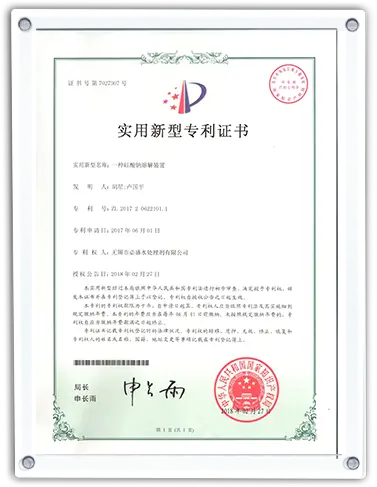
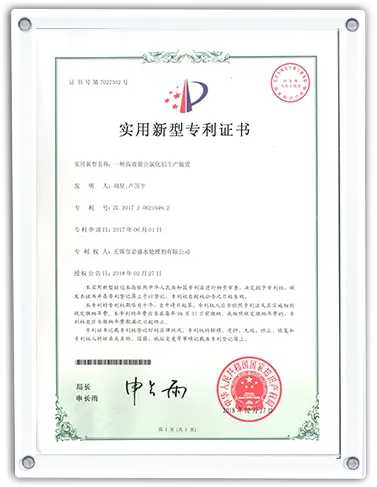
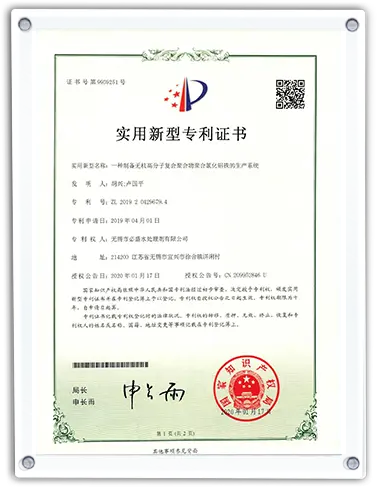
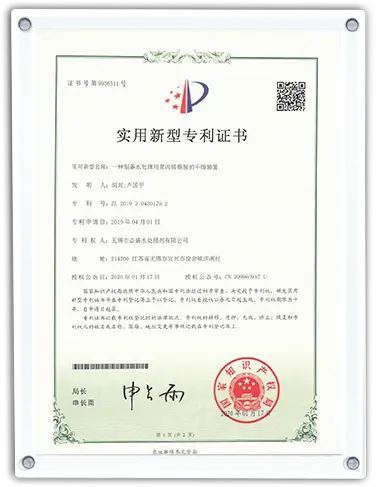
Accredited testing processes and certified quality parameters validated by third-party testing laboratories.
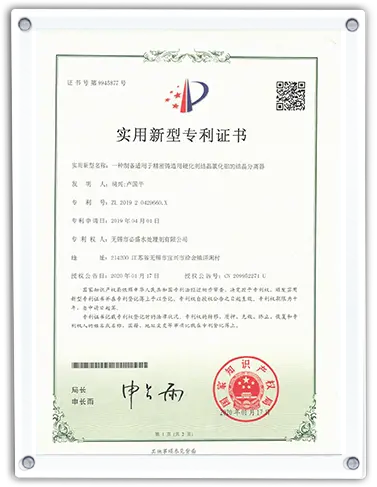
Direct answers from our chemical engineers regarding formulation selection and application methods.
Solid PAC features a higher Al2O3 content (up to 30%) and is highly cost-effective for long-distance transport, requiring dissolution equipment on-site. Liquid PAC (10%-15% Al2O3) removes the preparation step, dosing directly into water streams, avoiding dust pollution issues during mixing.
Selection depends on the electrical charge of the suspended solids. Cationic PAM is ideal for organic solids (e.g., municipal sewage, organic sludge dewatering). Anionic PAM is ideal for inorganic minerals, neutral or alkaline systems (e.g., coal washing, metallurgic processing, sand washeries).
Solid inorganic coagulants (PAC, ACH) possess a shelf life of up to 2 years if kept dry. Solid PAM stays stable for 2 years. Liquid forms (specifically PAC and ACH) should ideally be used within 6 months to prevent natural hydrolytic degradation of active polymer chains.
Our WDA utilizes highly active cationic quaternary ammonium groups that bind with the electronegative sulfonic groups on soluble dye molecules. This disrupts dye resonance structure, causing them to precipitate out as dense flocs for easy skimming or filtration.
Yes. Water at temperatures below 5°C reduces chemical reaction rates and decreases floc density. In these cases, we recommend our Composite Polymeric Aluminium Ferric Chloride (PAFC) or high-basicity ACH, which exhibit superior sedimentation kinetics in cold waters.
Wholesale configurations and bulk-grade industrial agents for high-demand municipal and refinery installations.
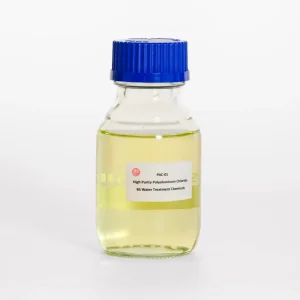
Catch up on our current operational transitions, international conferences, and product advancements.
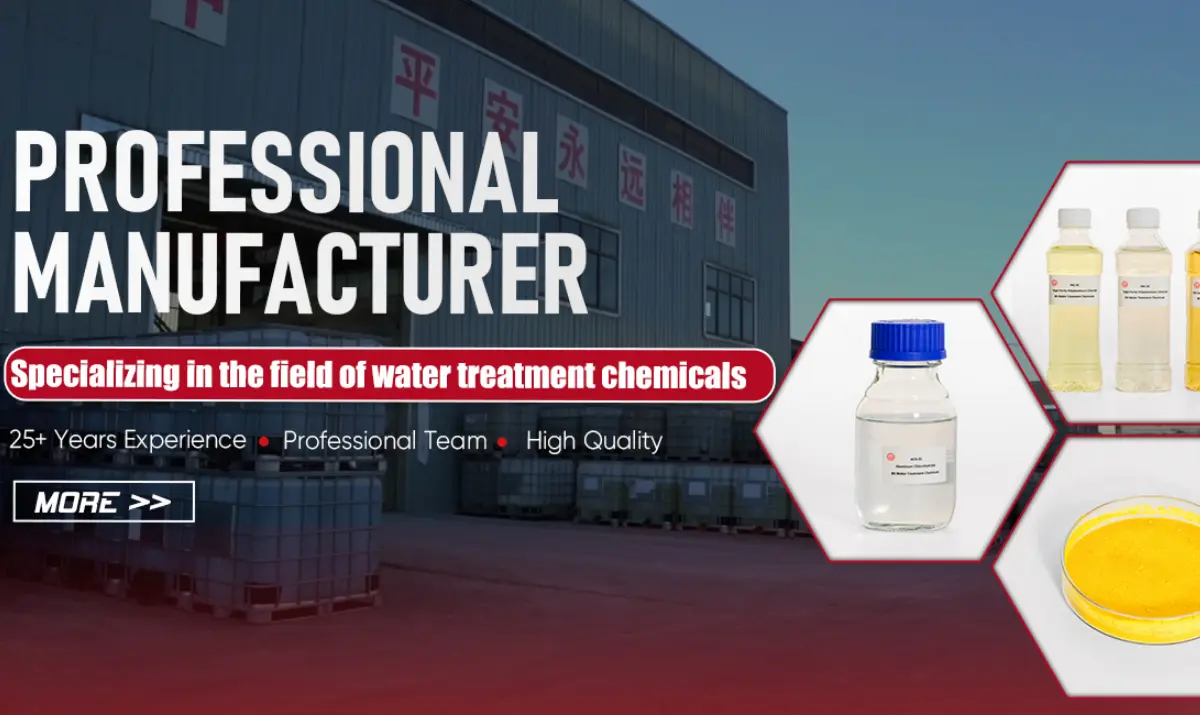
Wuxi BS Water Treatment Chemicals Co., Ltd. has officially launched its global layout, providing customized logistics channels and local support to key distributors in multiple regions.
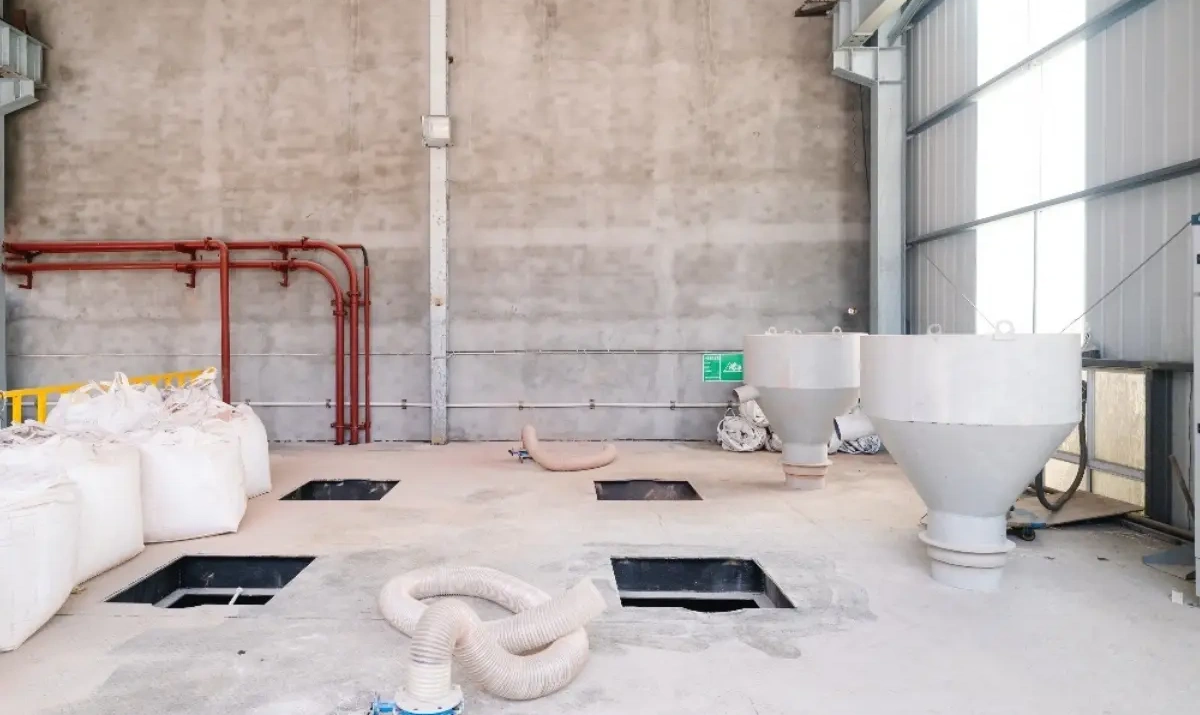
Launch of digital intelligent system upgrades for precise chemical dilution and dosing control.
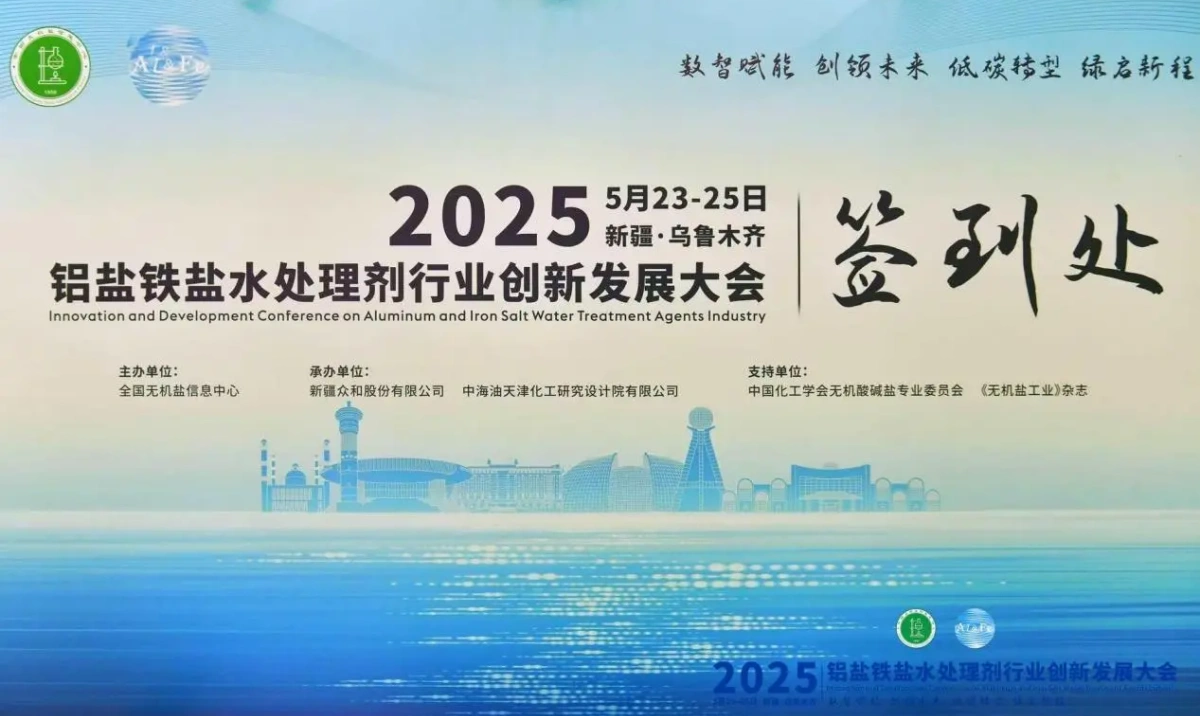
Wuxi BS showcased high basicity PAC formulations at the national technical conference for environmental development.
Request customized jar testing, request certificates of analysis (COA), or receive a high-volume pricing matrix customized for your specific treatment demands.
 BS Water