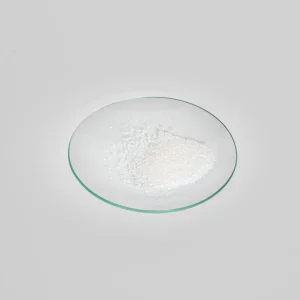
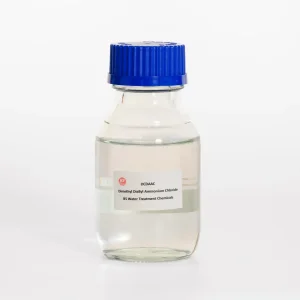
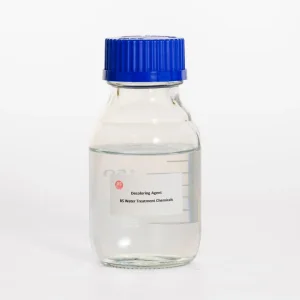
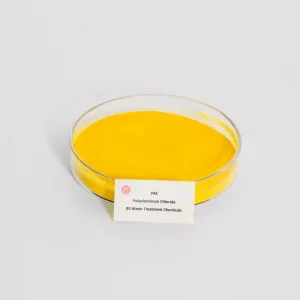
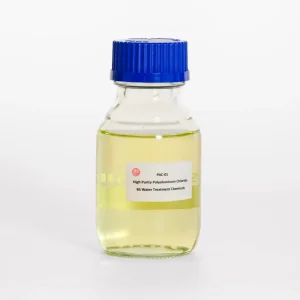
Water security and high-efficiency treatment systems represent the cornerstone of modern industrial scalability and municipal survival. Globally, the demand for water treatment chemical agents and advanced purification systems has scaled exponentially. Driven by strict regulatory frameworks—such as the European Union’s Water Framework Directive, the United States EPA Clean Water Act, and China’s "Beautiful China" ecological initiative—industrial sectors are shifting toward zero-liquid discharge (ZLD) paradigms and sustainable recycling loops.
Chemical coagulation and flocculation represent the front line of solid-liquid separation. Without highly specialized, molecularly engineered polymers, modern filtration membranes would foul rapidly, biological treatment loops would suffer toxic overload, and heavy metallic or pigment effluents would devastate local river basins. As a premier China Water Purification Facility Chemical Manufacturer, Wuxi BS Water Treatment Chemicals Co., Ltd. addresses this massive global need with precision-engineered polymers.
Global standards for COD (Chemical Oxygen Demand), BOD (Biochemical Oxygen Demand), and heavy metal discharges have tightened by over 40% in the last decade. Our specialty coagulants, including high-purity Poly Aluminium Chloride (PAC) and tailored cationic polyacrylamides (CPAM), provide the charge neutralization required to meet these rigorous regulatory standards globally.
Understanding the micro-mechanics of water purification requires a deep look at physical chemistry. Colloidal particles suspended in wastewater typically carry negative electrostatic surface charges, causing them to repel one another and remain stable in suspension. To induce agglomeration, we employ two primary mechanisms:
Cationic agents like PDADMAC and Water Decolorizing Agents (WDA) possess extremely high positive charge densities. Once introduced, they neutralize the negative charges on colloidal surfaces, crushing the electrical double layer and allowing the particles to aggregate via Van der Waals forces.
High-molecular-weight polymers, such as Polyacrylamide (PAM), extend their long carbon chains out into the liquid phase. Individual polymer molecules adsorb onto multiple particles simultaneously, creating large, highly shear-resistant macro-flocs that settle out of suspension rapidly.
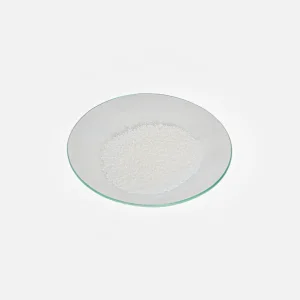
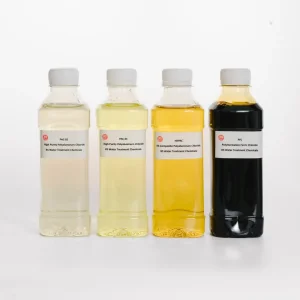
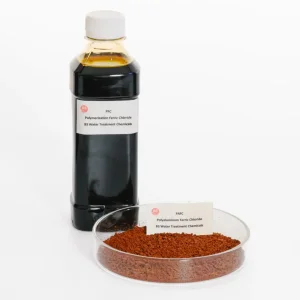
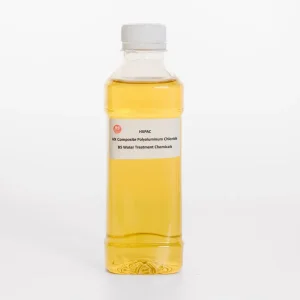
Inorganic coagulants like Poly Aluminium Chloride (PAC) and Polymeric Aluminium Ferric Chloride (PAFC) undergo rapid hydrolysis, forming insoluble aluminum hydroxide precipitates. As these heavy hydroxides settle, they physically sweep out other suspended solids, leaving clarified water above.
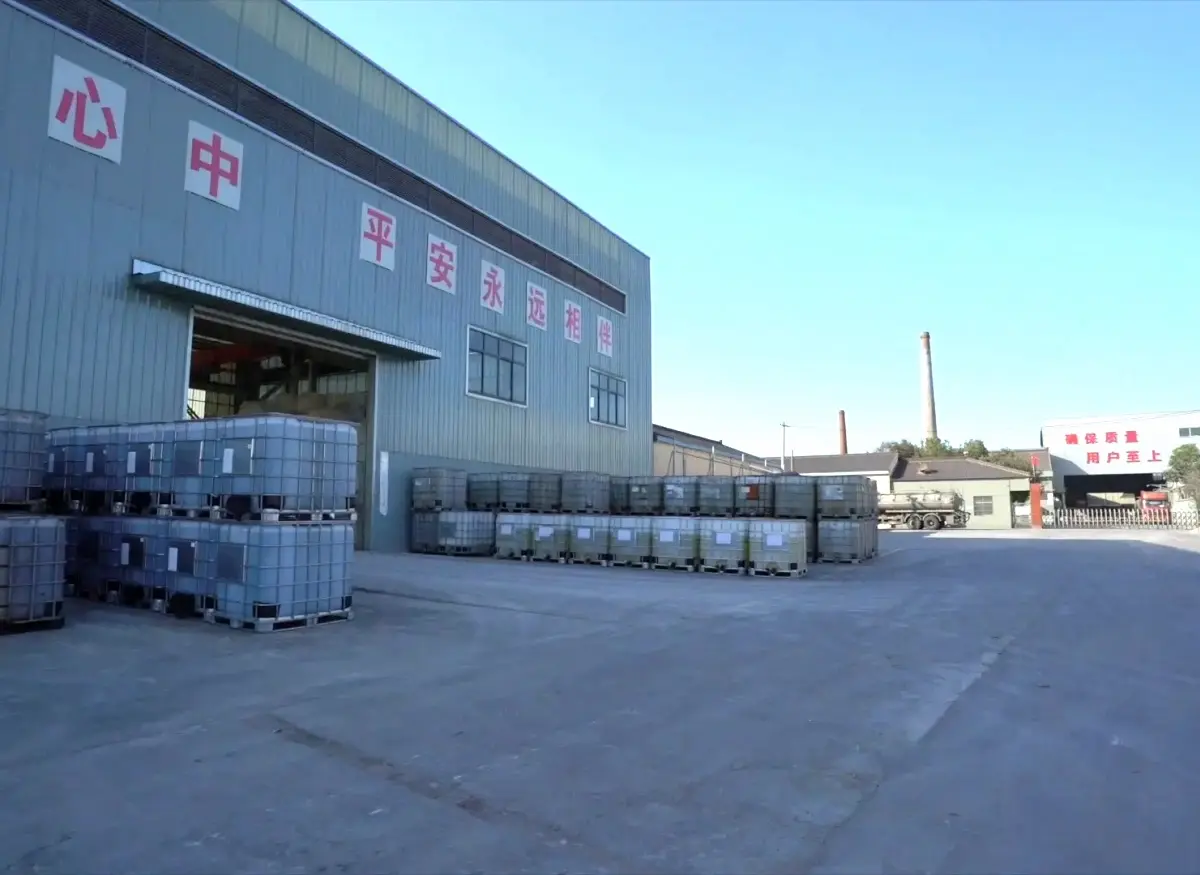
Founded in 1998, Wuxi BS Water Treatment Chemicals Co., Ltd. has established itself as an elite manufacturer and global exporter of high-performance water treatment chemicals. We combine advanced chemical synthesis, digital batching lines, and a state-of-the-art QC laboratory to deliver highly consistent, low-dust, and non-caking chemical formulas.
We serve thousands of enterprises across critical fields, including municipal sewage treatment, pulp and paper, petrochemical complexes, textile dyeing, and raw drinking water filtration. With an annual sales volume exceeding 500,000 tons and a constant inventory of over 20,000 tons in finished warehouses, we assure stability in supply chains worldwide.
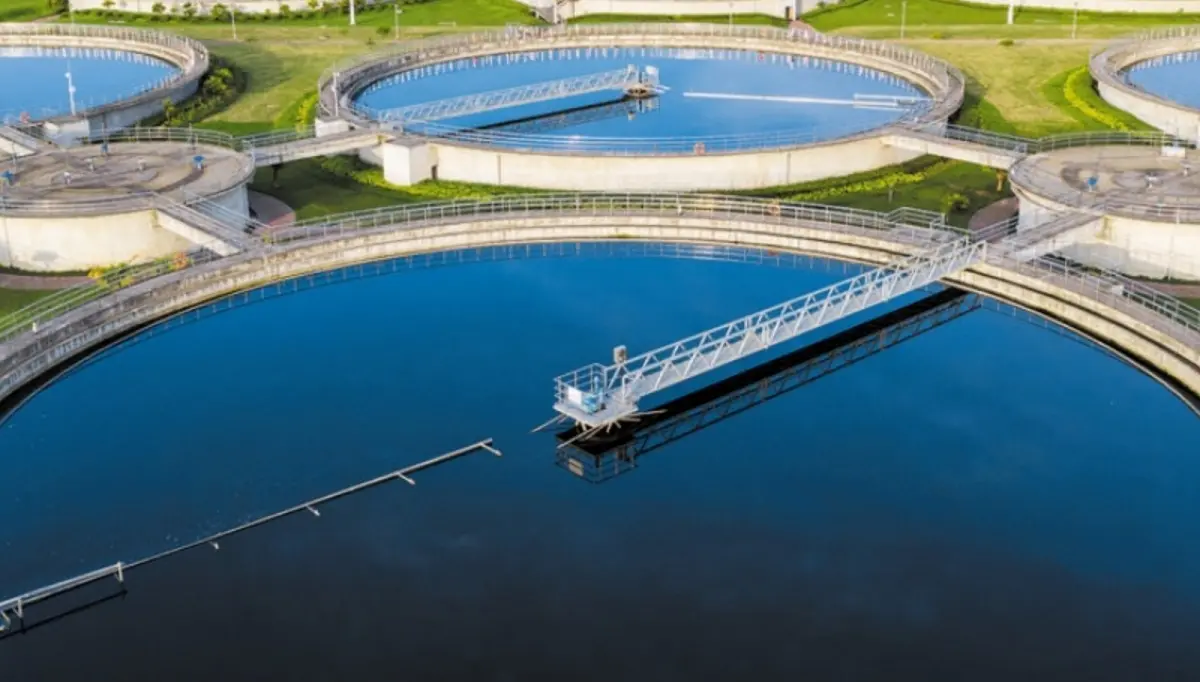
Applying Cationic Polyacrylamide (CPAM) alongside Polymeric Aluminium Ferric Chloride (PAFC) helps municipal sludge dewatering systems achieve high solid cake dryness, lowering transport costs.

In oilfield tertiary extraction and mineral washing processes, our high-viscosity APAM works as an excellent drilling fluid additive and flocculation catalyst to separate sand and heavy silts instantly.
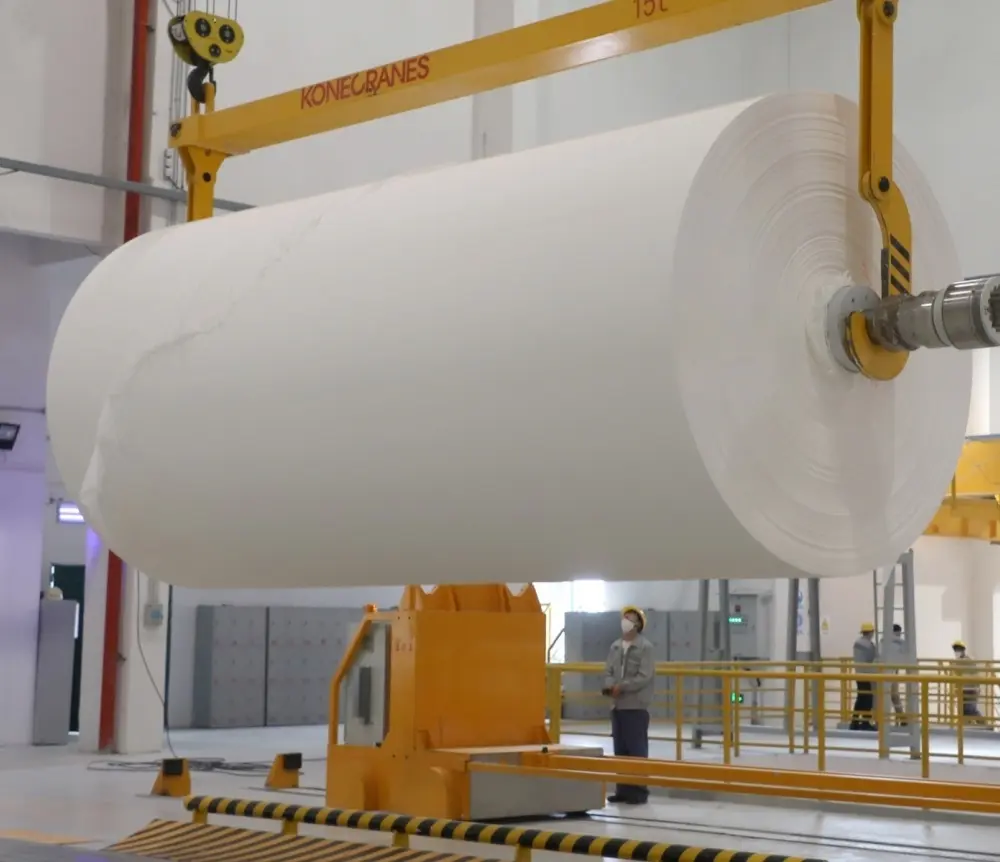
Using PDADMAC and specialized Poly Aluminium Chloride helps paper manufacturers clear fines and filler particles, enhancing fibers retention, paper quality, and closed-loop water reuse rates.
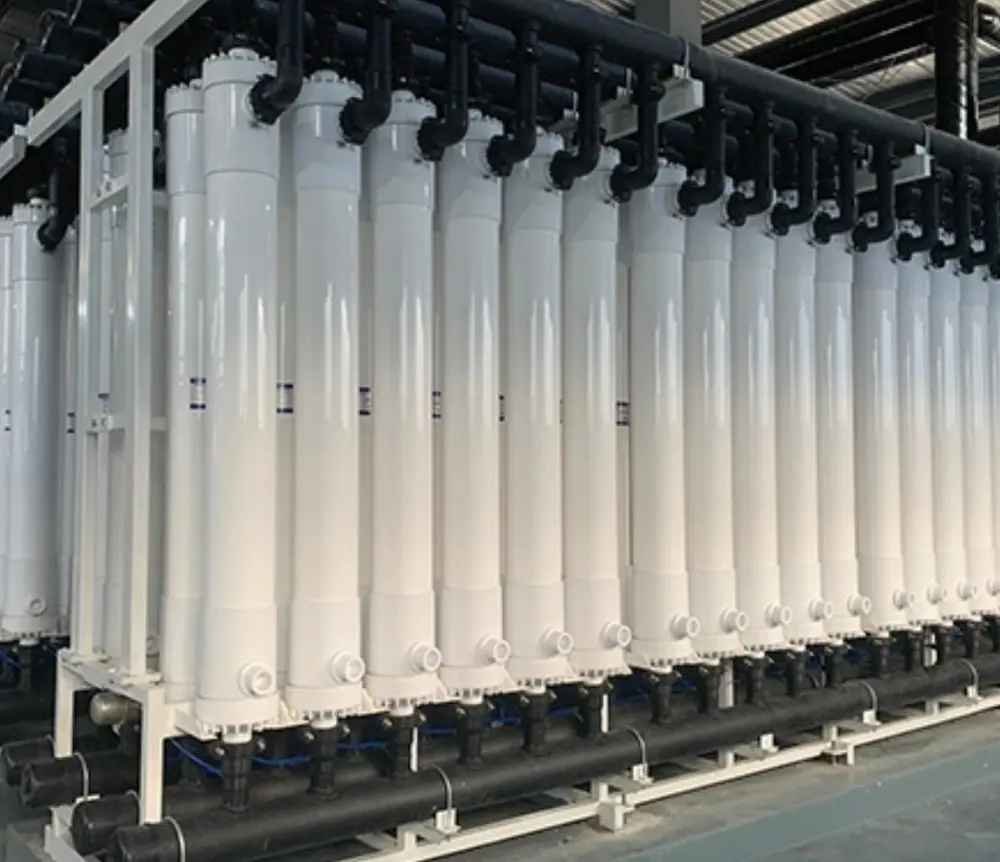
Ultrafiltration (UF) and Reverse Osmosis (RO) systems fail quickly without proper upstream coagulation. Our low-iron, high-purity PAC-01 coagulants remove organic foulants before they reach delicate membranes.
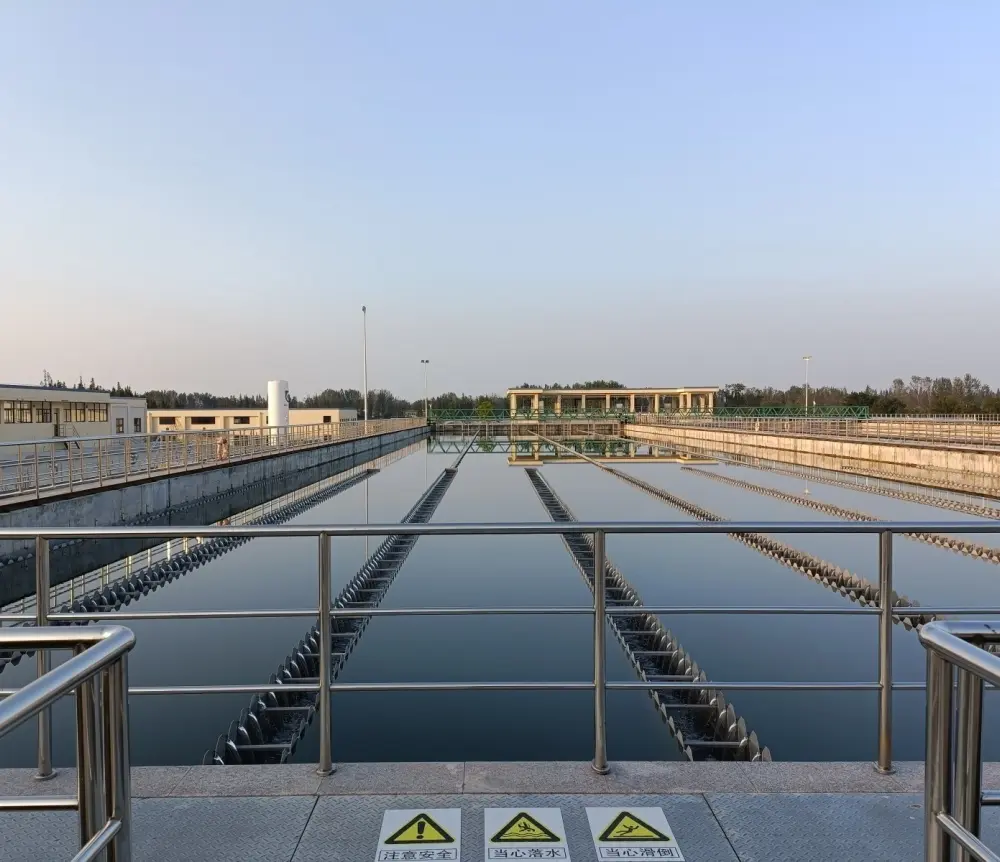
Using NSF-grade, low-dust, low-heavy-metal PAC solid version guarantees the removal of suspended silt, viruses, and natural organic matter (NOM) to generate safe drinking water under global municipal guidelines.
Wuxi BS Water Treatment maintains a research-first culture. As a technological leader, our chemical research teams focus on developing eco-friendly coagulants, hyper-branched polyacrylamides, and digitalized dosing methodologies to support automation in water treatment operations.
| Product Group | Current Active Chemistry | Key Advantage | Future Research Focus (2026+) |
|---|---|---|---|
| PAC Solid/Liquid | Inorganic Polymerized AlCl3 ($[Al_2(OH)_nCl_{6-n}]_m$) | Rapid floc formulation, moderate cost, adjustable basicity (45-85%). | Super-high basicity liquid PAC (>85%) with zero crystalline precipitation under cold storage. |
| Water Decoloring Agent (WDA) | Dicyandiamide-formaldehyde condensation polymer | Excellent destruction of soluble chromophores in dye effluent. | Formaldehyde-free organic decoloring agents utilizing bio-based feedstocks. |
| Cationic PAM (CPAM) | Polyacrylamide copolymerized with cationic monomer | Extremely strong shear-resistant bridging, optimized for sludge press. | Hyper-branched structure polymers to reduce dosage requirements by 25%. |
| PDADMAC | Diallyldimethylammonium chloride polymer | High charge density, pH independent, stable in broad systems. | Ultra-high molecular weight (>1.5 million Daltons) PDADMAC for saline wastewater. |
Basicity indicates the degree of hydroxyl neutralization in the polyaluminum molecule. High basicity (e.g., 75-85%) means the polymer is highly pre-hydrolyzed. When introduced to raw water, it consumes less alkalinity, forms flocs faster, and performs better at low water temperatures compared to alum or low-basicity alternatives. Choosing high-basicity PAC reduces overall chemical dosage costs by up to 30% in highly turbid waters.
Our dicyandiamide-formaldehyde condensation polymer (WDA) remains chemically stable for 12 months under ambient warehouse conditions (10°C to 30°C). It should not be exposed to direct sunlight or extreme sub-zero temperatures, which might cause stratification or micro-gelation. Diluting before use (typically to a 10%-20% aqueous solution) ensures optimal dispersion and contact efficiency in color removal reactors.
No, anionic and cationic polymers should never be fed at the same point because they will react directly with each other to form an inactive salt complex. The correct methodology involves a sequential dosage scheme: first, charge-neutralize using an inorganic coagulant (such as PAC) or a low-dosage cationic polymer (like PDADMAC), followed by an anionic PAM step to bridge the micro-flocs into heavy clumps for settlement or mechanical press filtration.
The optimal dosing configuration depends on the chemical oxygen demand (COD), total suspended solids (TSS), pH level, and zeta potential of the wastewater matrix. We strongly advise carrying out standard jar tests on-site. Wuxi BS's technical department provides global customers with complimentary laboratory evaluation services to analyze and establish correct chemical dosing recipes based on dynamic seasonal variables.
Request chemical data sheets, physical samples for laboratory jar tests, or custom concentration formulations. Our engineering team responds within 12 hours with detailed material safety profiles and pricing models.
 BS Water