Deploying engineered polymer formulations to optimize solids separation, dewatering efficiency, and heavy metal removal in compliance with EPA, EU, and local discharge mandates.
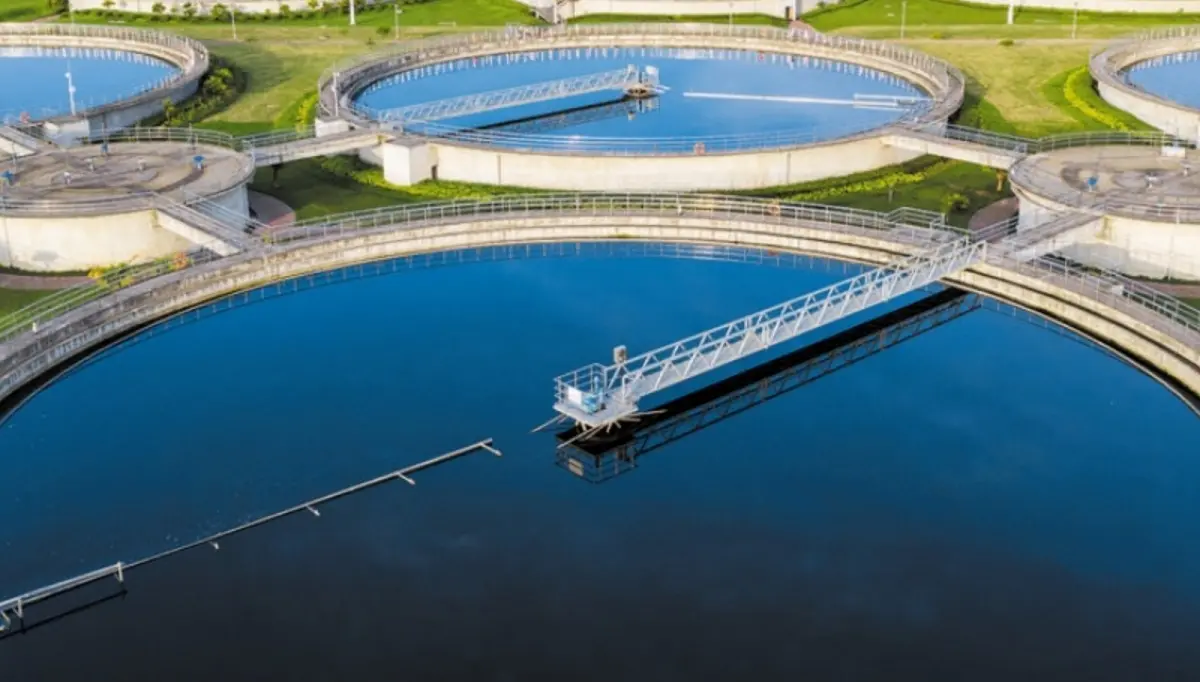
The global industrial and municipal water treatment paradigm is undergoing a historic transformation. Rapid urbanization, declining freshwater reserves, and increasingly stringent environmental mandates—such as the European Union’s Industrial Emissions Directive and the US EPA’s National Primary Drinking Water Regulations—are driving demand for high-efficiency, green chemical additives. Water purification is no longer merely a regulatory compliance measure; it is a critical operational dynamic required to protect processing equipment, optimize resource recycling, and achieve zero liquid discharge (ZLD) goals.
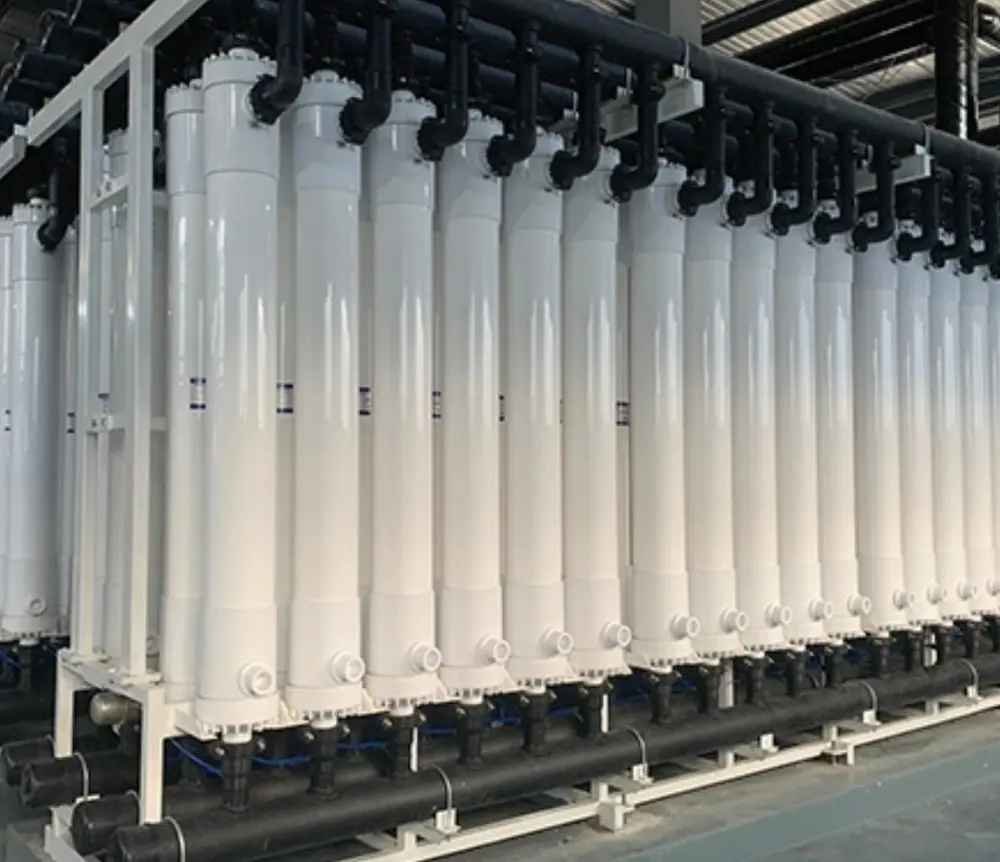
In municipal drinking water systems, contaminants of emerging concern (CECs), microplastics, and trace heavy metals require sophisticated coagulant matrices that can perform under fluctuating raw water parameters. In industrial sectors—such as petrochemicals, paper mills, food processing, and mining—wastewater composition is complex, featuring high chemical oxygen demand (COD), variable biochemical oxygen demand (BOD), and dense colloidal suspensions. Selecting the appropriate chemical treatment sequence (coagulation, flocculation, and decolorization) determines the performance and lifespan of downstream membrane filtration systems (UF/RO).
Years of R&D and Manufacturing Expertise
Annual Production Capacity (Tons)
Tons Finished Product Warehouse Storage
Global Enterprises Served Successfully
Engineered chemical interventions customized for heavy industries, municipal water grids, and specialized processing applications.

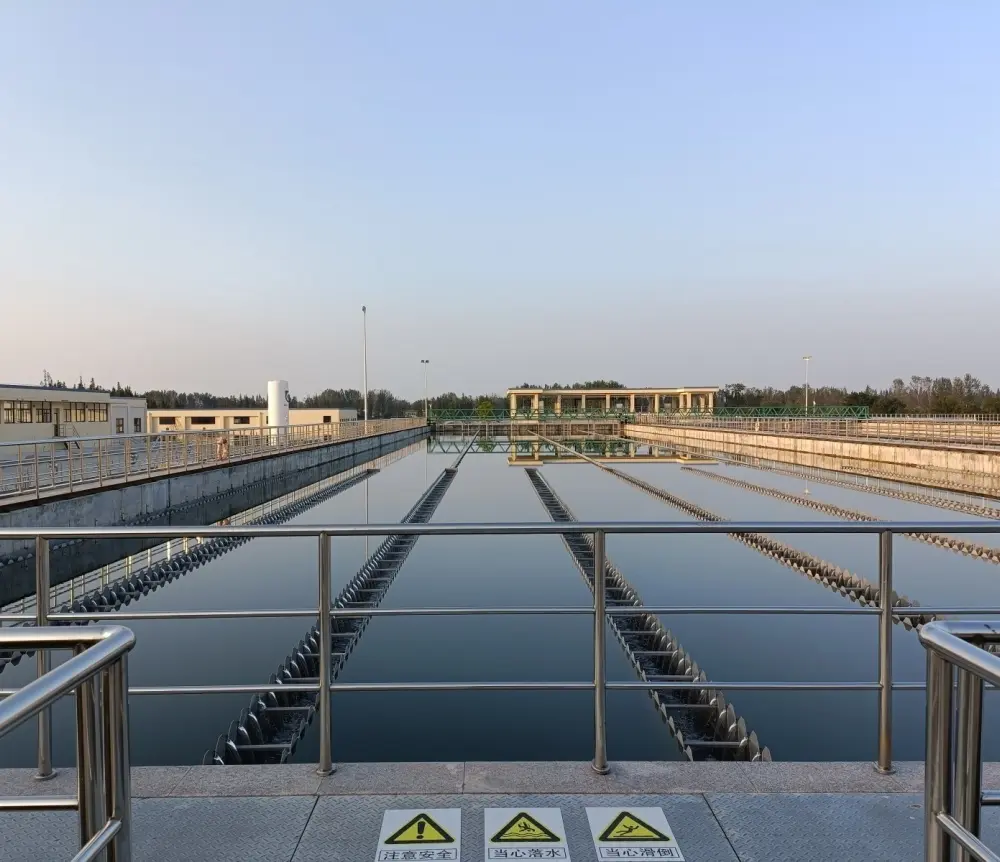
Understanding the molecular dynamics of coagulation and flocculation is key to selecting the right chemicals. Coagulation primarily neutralizes surface charges, destabilizing colloidal suspensions. Flocculation then follows, using polymer bridging to aggregate these destabilized particles into larger, easily settleable flocs.
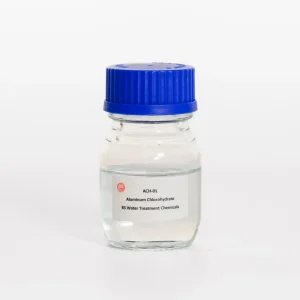
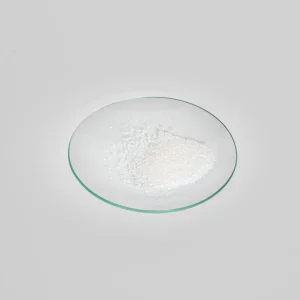
Aluminum Chlorohydrate ($\text{Al}_2(\text{OH})_5\text{Cl}\cdot n\text{H}_2\text{O}$) represents the pinnacle of inorganic polymer chemistry. Characterized by its exceptionally high basicity (typically $\ge 83\%$), ACH exhibits a highly concentrated, pre-polymerized aluminum structure. Unlike conventional aluminum sulfate (alum) which contains simple monomeric aluminum ions, ACH provides stable, highly charged polynuclear aluminum complexes, primarily the $\text{Al}_{13}$ and $\text{Al}_{30}$ Keggin structures.
This high basicity means ACH consumes virtually none of the water's natural alkalinity during hydrolysis. As a result, it eliminates the need for post-treatment pH adjusters like lime or sodium hydroxide. Additionally, ACH functions efficiently across a broad pH range ($5.5 - 9.0$), leaving minimal residual aluminum in the treated water. This makes it ideal for municipal drinking water systems and critical industrial processes.
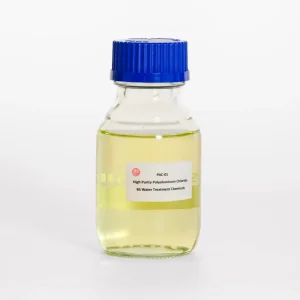
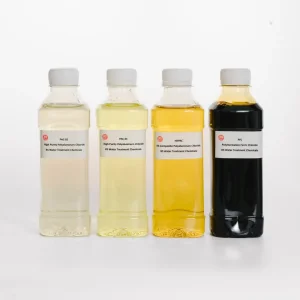
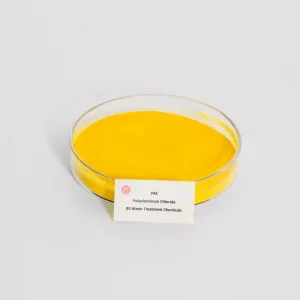
Polyaluminum Chloride (PAC) is a widely used inorganic polymer coagulant. Its effectiveness is determined by its basicity percentage (typically $45\% - 80\%$) and active $\text{Al}_2\text{O}_3$ content. High-purity PAC (such as PAC-01) is produced using high-grade raw materials (aluminum hydroxide and synthetic hydrochloric acid). This minimizes trace heavy metals, making it safe for drinking water clarification.
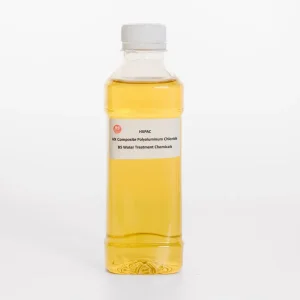
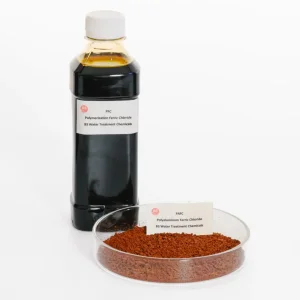
For more challenging industrial wastewater, Polymeric Aluminium Ferric Chloride (PAFC) integrates iron ions ($\text{Fe}^{3+}$) into the polymeric aluminum chain. This composite structure combines the rapid charge neutralization of aluminum with the dense, heavy floc-forming properties of iron. The result is accelerated settling velocities, effective color removal, and improved performance in low-temperature, low-turbidity waters.
Organic polymers play a vital role in flocculation and sludge dewatering. Polyacrylamide (PAM) is available in cationic (CPAM) and anionic (APAM) configurations, featuring high molecular weights (up to 20 million Daltons). Cationic PAM is highly effective at binding negatively charged organic solids, making it ideal for primary municipal sludge conditioning. Anionic PAM excels in mineral processing, tailing treatment, and steel mill wastewater due to its long polymer chains that bridge inorganic colloids.
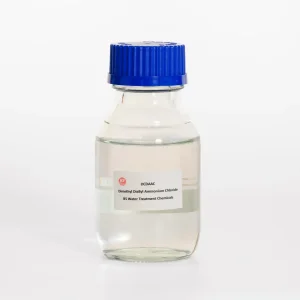
For high-charge applications, Polydiallyldimethylammonium Chloride (PDADMAC) is a linear cationic polymer that acts as an excellent coagulant aid. It destabilizes anionic colloidal particles and neutralizes soluble organic compounds, reducing the required dosage of primary inorganic coagulants.
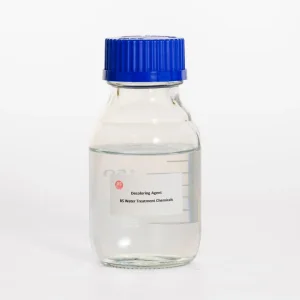
Highly colored wastewater from textile dyeing, printing, and organic chemical manufacturing contains stable, water-soluble anionic dyes (reactive, acid, and disperse dyes). Standard coagulants are often ineffective here. Our Water Decolorizing Agent (WDA) is a dicyandiamide-formaldehyde copolymer. It destabilizes and precipitates dye molecules by neutralizing their sulfonic acid groups, delivering decolorization rates exceeding 95% while reducing overall COD.
Wuxi BS Water Treatment Chemicals Co., Ltd. provides customized chemical synthesis and formulation packaging services designed to meet specific water chemistry profiles.
Custom formulation adjustments based on comprehensive site water analysis and jar testing.
With an annual capacity of 500,000 tons, we ensure a reliable chemical supply for large-scale operations.
Fully trace-back quality assurance protocols, from raw material inspection to final product shipment.
Continuous innovation in polymeric coagulants, focused on improving performance and reducing dosage requirements.
The manufacturing factory was established in Jiangsu Province, specializing in basic inorganic coagulant production.
Renamed as Wuxi Bisheng Water Treatment Agent Co., Ltd. (Wuxi BS), marking a strategic transition toward high-end polymer technologies.
Began exporting products internationally, establishing distributor networks across Southeast Asia, the Middle East, and Europe.
Annual sales revenue exceeded $10 million, fueled by growing international demand for our high-purity PAC and ACH products.
Formally established our dedicated foreign trade department to offer direct, full-service support to international industrial clients.
Expanding our focus to green chemical alternatives, biodegradable flocculants, and intelligent water purification systems.
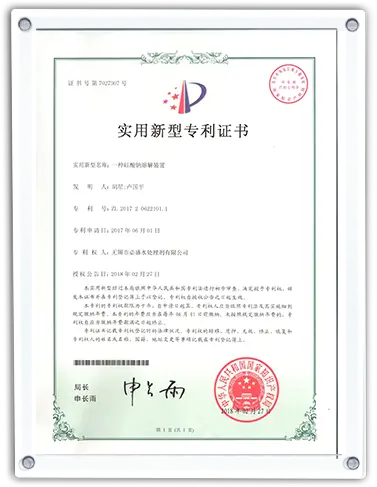
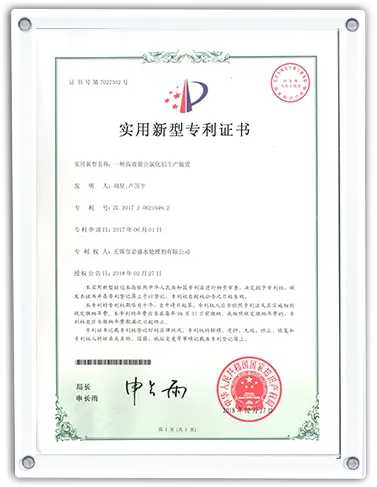
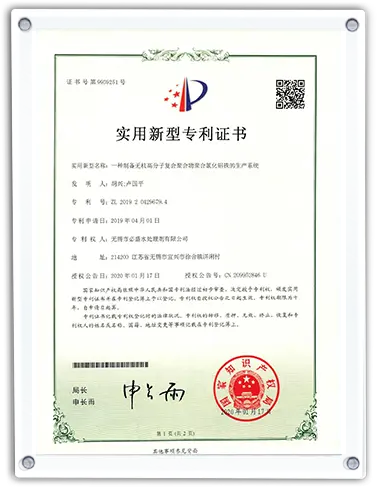
Our production facilities operate in strict compliance with international ISO standards, ensuring consistent, high-quality manufacturing.
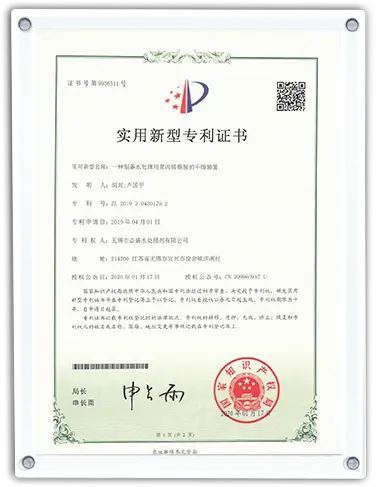
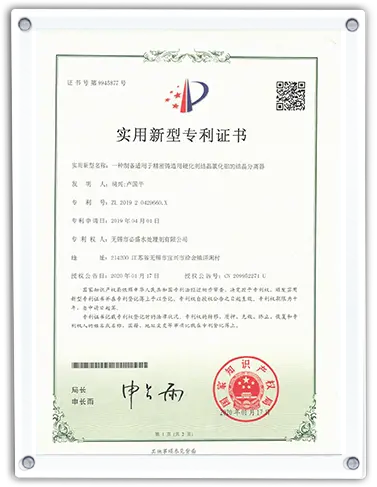
Get in touch with our chemical engineers for custom product formulations, laboratory jar testing, and volume pricing.
Stay informed with the latest updates from our research team and our global industrial operations.
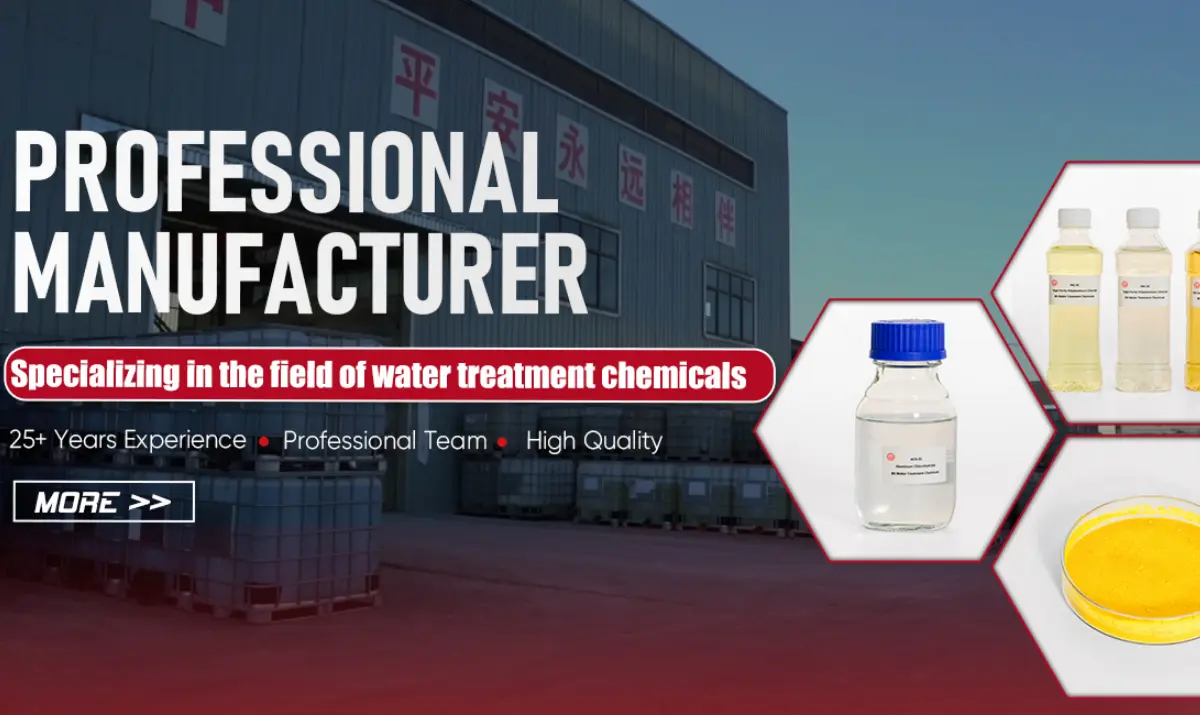
 Sep 09, 2025
Wuxi BS Water Treatment Chemicals Co., Ltd. continues to expand its international footprint, delivering advanced polymer coagulants and custom water treatment solutions to municipal and industrial customers worldwide.
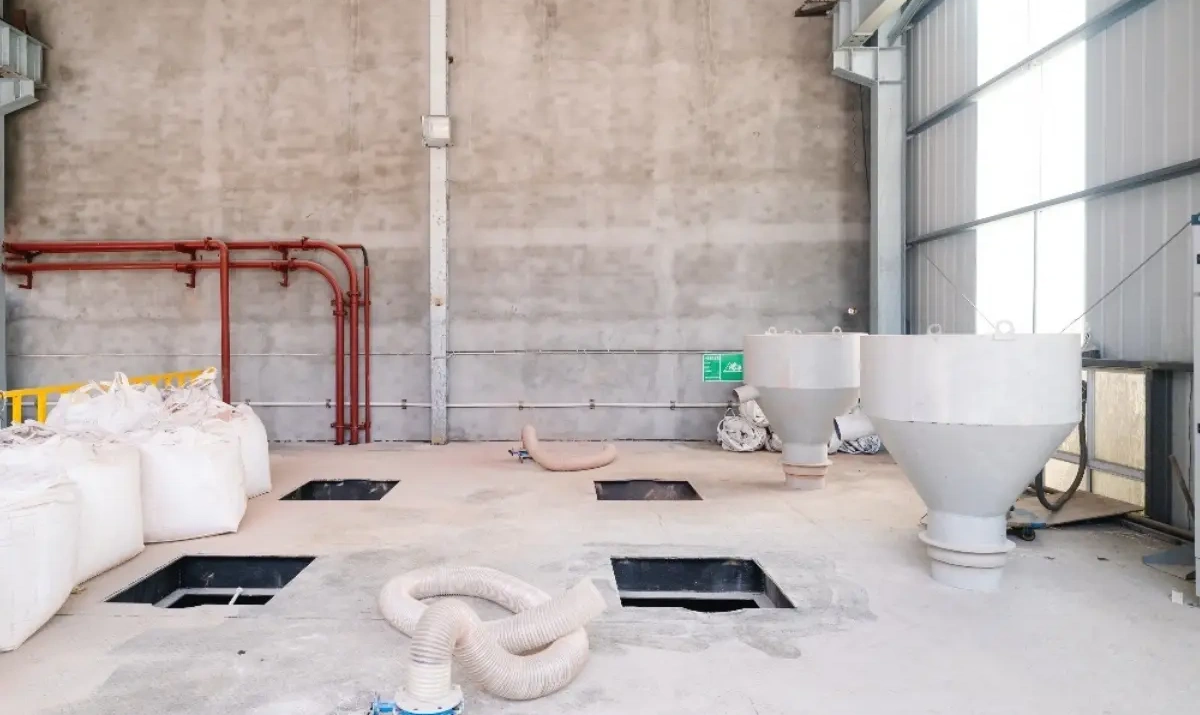 Aug 21, 2025
We have introduced next-generation digital solid feeding systems to ensure accurate chemical dosing and optimize water treatment processes.
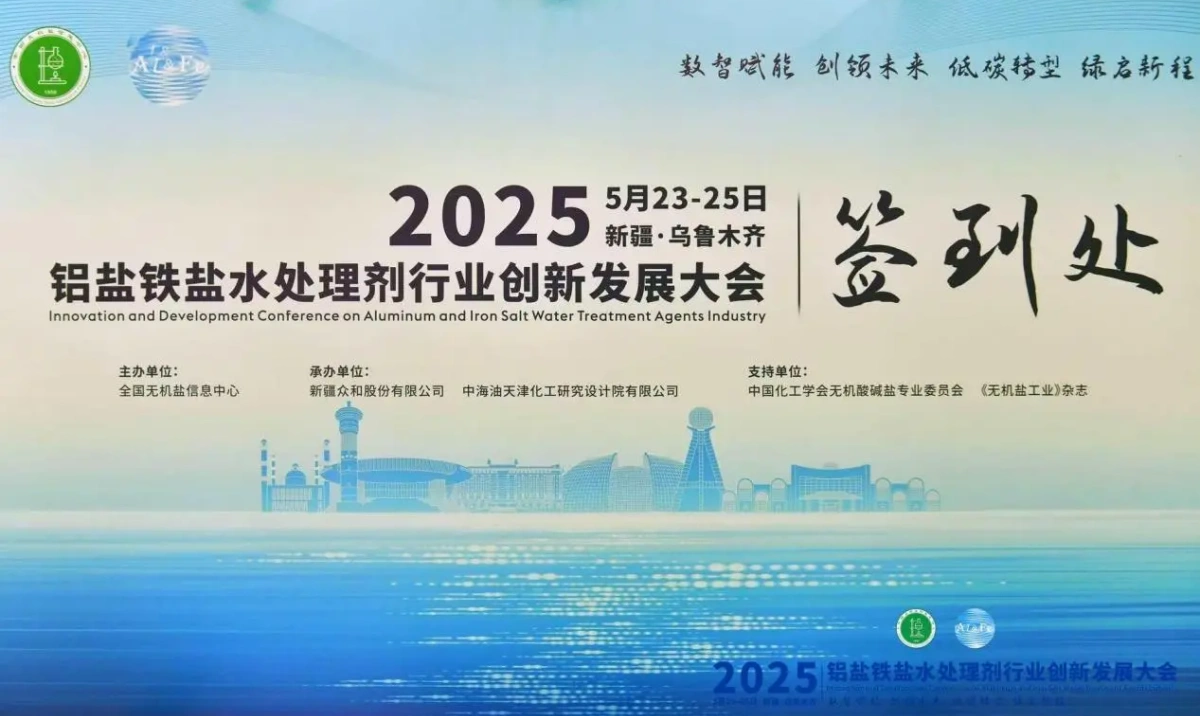 Aug 21, 2025
Key insights from the annual development conference, highlighting green chemistry pathways for industrial waste systems.
High-charge cationic and anionic polymers designed to improve solids settling, clarify wastewater, and enhance dewatering efficiency.
 BS Water

