Direct supply from state-of-the-art chemical synthesis lines, optimized for complex coagulation and flocculation systems.
Hydrolyzed Polyacrylamide (HPAM) is a linear, water-soluble macromolecular polymer characterized by its high molecular weight and variable charge density. Chemically synthesized by the copolymerization of acrylamide (AM) and acrylic acid (AA), or via the post-polymerization alkaline hydrolysis of polyacrylamide (PAM), HPAM contains both hydrophilic amide groups (-CONH2) and anionic carboxylate groups (-COO-). The presence of these carboxyl groups along the polymer backbone induces structural properties that are crucial in industrial flocculation, rheology modification, and hydrodynamic friction reduction.
In aqueous environments, the functionality of HPAM is determined by two main chemical mechanisms:
Commonly applied in wastewater treatment for mineral processing, coal washing, iron and steel works, and municipal sedimentation. APAM has a negative charge and acts as a powerful clarifying agent for positively charged colloidal particles.
Specifically used for dewatering organic sewage sludges, papermaking retention aids, and treating negatively charged industrial effluents. CPAM features quaternary ammonium groups that neutralize organic colloidal charges.
Ideal for acidic wastewater treatment, mineral pulp filtration, and applications under high salt or divalent cation conditions where ionic polymers would otherwise precipitate or lose viscosity.
China has become the global center for polymer manufacturing, representing a significant share of the world's production capacity for Hydrolyzed Polyacrylamide. Sourcing directly from Chinese chemical hubs, particularly factories located in the Yangtze River Delta such as Wuxi BS Water Treatment Chemicals Co., Ltd., offers buyers key structural and technological advantages.
Chinese factories benefit from close integration with upstream suppliers of key raw materials, particularly acrylonitrile (AN) and acrylamide (AM) monomers. This localized supply chain reduces internal shipping costs and protects production schedules from global logistics disruptions. Chinese manufacturers can maintain consistent supply lines and absorb raw material price volatility more effectively than overseas competitors.
Chinese factories utilize automated, DCS-controlled polymerization systems that ensure consistent batch quality. Continuous polymer processing lines reduce molecular weight distribution variances, yielding high solubility rates and low residual monomer content. Additionally, Chinese factories maintain large manufacturing capacities that can produce tens of thousands of metric tons per year, allowing them to support large global municipal contracts and oilfield operations.
Hydrolyzed Polyacrylamide functions differently across various industries. Deploying HPAM requires selecting specific formulas tailored to the chemical conditions of each application.
In the petroleum sector, HPAM is the primary agent used in polymer flooding processes to improve sweep efficiency. The addition of HPAM increases the viscosity of the injected water phase, matching the mobility ratio between water and crude oil. This modification prevents viscous fingering and displaces trapped oil from pore throats within reservoir formations.
Technical Challenge: High temperature, high salinity (HTHS) reservoirs can degrade conventional HPAM chains through thermal oxidation and salt-induced coil collapse. To address this, modern factories produce salt-tolerant copolymer formulations by incorporating hydrophobic or sulfonic monomers (such as AMPS), ensuring stable viscosity under harsh downhole conditions.
HPAM is widely used as a primary flocculant and coagulant aid in municipal sewage plants and industrial wastewater systems. It is highly effective at treating suspended solids, organic matter, and heavy metals in effluent streams.
In sludge dewatering applications, adding HPAM to centrate lines or belt presses helps agglomerate fine colloidal solids. This creates a shear-resistant sludge cake with low moisture content, which reduces subsequent disposal and incineration costs.
In mineral processing facilities (including coal washing, gold cyanidation, copper extraction, and alumina digestion), HPAM accelerates solid-liquid separation in thickeners and clarifiers. The polymer bonds to mineral tailings, promoting rapid settling rates and leaving clean process water that can be recycled back into the mill loop. This reuse reduces external freshwater requirements and ensures compliance with environmental regulations.
During the wet-end papermaking process, HPAM serves as a retention and drainage aid. By flocculating fine fibers, fillers, and sizing agents onto the forming wire, HPAM improves fiber retention, reduces raw material loss, and speeds up water drainage. This increases production speeds and reduces energy consumption in dryer sections.
For B2B procurement managers, sourcing HPAM requires rigorous evaluation to ensure chemical consistency, process compatibility, and long-term supply stability. The following parameters should be assessed when auditing HPAM suppliers:
Qualified manufacturers should hold standard certifications to verify safe production practices, environmental compliance, and product quality:
Wuxi BS Water Treatment Chemicals Co., Ltd. (formerly Wuxi Bisheng Water Treatment Agent Co., Ltd.) has expanded its operations from local chemical production to a global distribution network, delivering high-performance water treatment polymers across continents.
The manufacturing factory was established, initiating the production of primary chemical coagulants and polymer formulas.
Renamed to Wuxi Bisheng Water Treatment Agent Co., Ltd., focusing on high-molecular-weight PAM chemical lines.
Export operations began, supplying industrial water treatment programs through regional B2B distributors.
Annual sales revenue exceeded $10,000,000, driven by the expansion of international municipal wastewater treatment contracts.
Established a dedicated internal foreign trade department to provide direct sourcing, technical support, and logistics for overseas clients.
The global polyacrylamide industry is evolving rapidly in response to environmental regulations, cost pressures, and changing operating conditions across downstream sectors. Three major trends are currently shaping the development of HPAM technology:
As regulatory scrutiny on persistent synthetic polymers increases, particularly in agricultural soil conditioning and oilfield discharges, chemical research is focusing on biodegradable alternatives. Researchers are developing hybrid polymers that graft acrylamide chains onto natural backbones, such as starch, chitosan, or cellulose. These materials degrade more easily in the environment while maintaining the performance of synthetic flocculants.
Advanced synthesis methods, including template polymerization and micro-emulsion technologies, allow factories to produce polyacrylamide with molecular weights exceeding 30 million Daltons. These UHMW polymers form larger bridging structures, enabling operators to achieve effective flocculation at lower dosages, which helps control overall chemical procurement costs.
Flocculant demand in wastewater treatment facilities fluctuates based on changes in influent solids concentration and flow rates. Modern operations are moving away from fixed chemical dosing in favor of automated systems. These setups utilize optical sensors and streaming current detectors to measure real-time zeta potential, adjusting polymer feed rates dynamically to prevent under-dosing or chemical waste.
Standard PAM is a homopolymer containing neutral amide groups. HPAM is modified to contain negatively charged carboxyl groups along the polymer chain. The negative charges cause the polymer molecules to repel one other and stretch out, increasing the viscosity and extending the polymer's reach for bridging flocculation in water treatment and oilfield applications.
High concentrations of dissolved salts, particularly divalent cations like calcium (Ca2+) and magnesium (Mg2+), can shield the negative charges of the carboxyl groups on the HPAM chain. This shielding causes the extended polymer coil to fold and collapse, reducing the solution's viscosity and flocculation efficiency. For saline environments, salt-resistant copolymer formulations must be used.
HPAM is highly hygroscopic and should be stored in dry, cool warehouses. Bulk shipments are typically packaged in multi-ply paper bags or woven plastic bags with an internal PE liner to prevent moisture ingress. Exposing the product to moisture can lead to clumping, which reduces solubility and can cause dosing issues.
Molecular weight is typically determined by measuring the intrinsic viscosity of the polymer solution using a capillary viscometer (such as a Ubbelohde viscometer) in a salt solution (often 1M NaCl). The molecular weight is then calculated using the Mark-Houwink equation. For detailed analytical testing, size-exclusion chromatography (SEC) combined with multi-angle light scattering (MALS) can be used.
Dry PAM requires a careful wetting phase to ensure individual granules disperse before they begin to swell. Standard practice involves using a dry-powder inductor or eductor system to wet the particles. Agitation should be maintained at a moderate speed (200-400 RPM); excessive shear forces from high-speed mixers can break the long polymer chains, reducing their molecular weight and efficiency.
A full range of water soluble polymers, inorganic coagulants, and organic decolorizing agents for municipal and industrial plants.
Get in touch with Wuxi BS Water Treatment Chemicals. Our application specialists can help optimize your chemical dosing and select the right polymer formulations for your project.
 Tel: +86 13584221461
 Email: [email protected]
Keep up with technical updates, product developments, and supply chain updates from our manufacturing facilities.
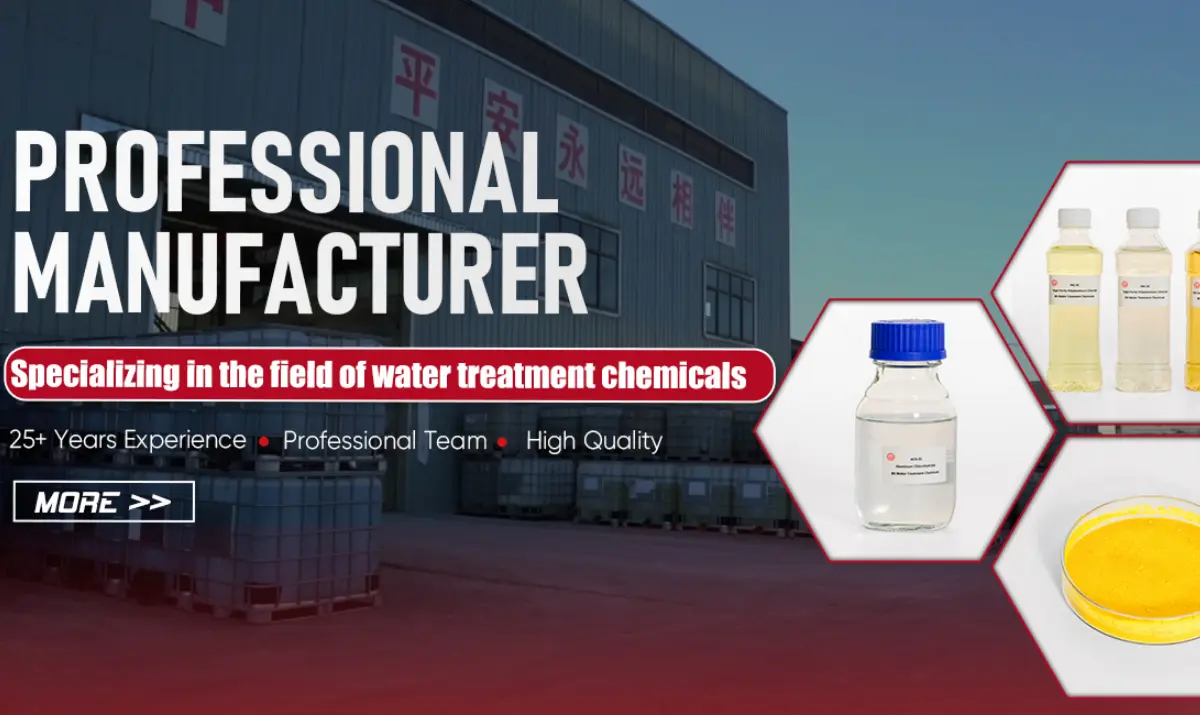
 Sep 09, 2025
Following updates to our regional production lines, Wuxi BS Water Treatment is expanding its distribution network to better serve water treatment projects across Southeast Asia and the Middle East.
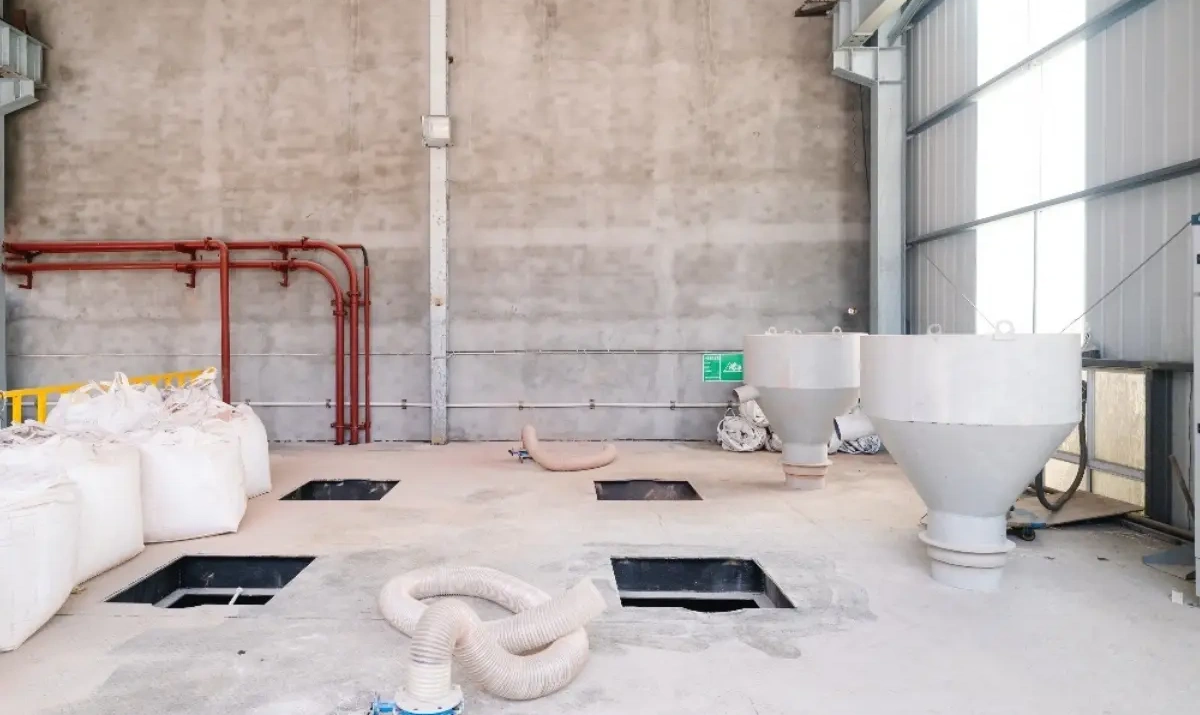 Aug 21, 2025
Our factory has integrated automated dosing and control systems for dry powder feeding. This update reduces batch variances, helping to ensure consistent dissolution rates and viscosity profiles.
 Aug 21, 2025
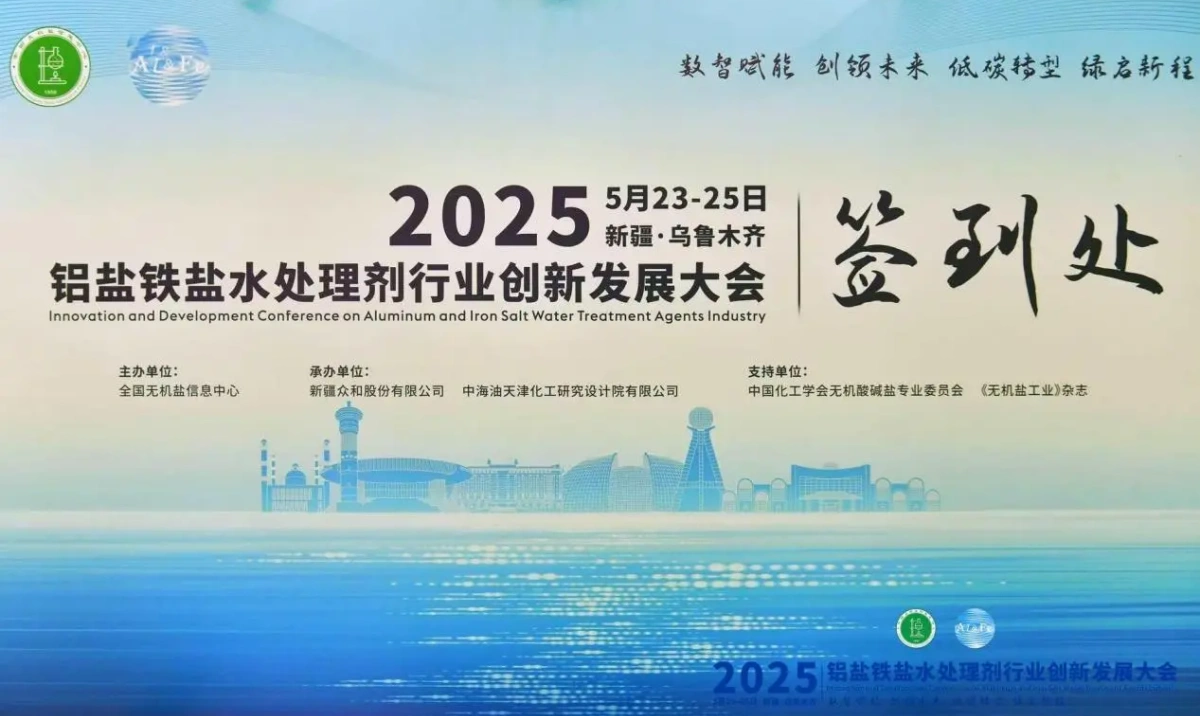
At the 2025 Innovation Conference, our technical team discussed the performance of composite coagulants in industrial wastewater recycling systems, highlighting strategies to reduce overall chemical consumption.
 BS Water