High-purity coagulants, flocculants, and advanced decolorizers direct from our state-of-the-art manufacturing plants.
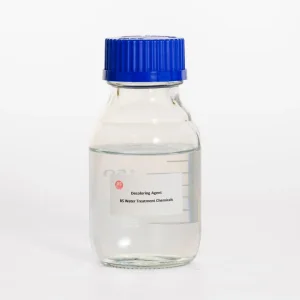
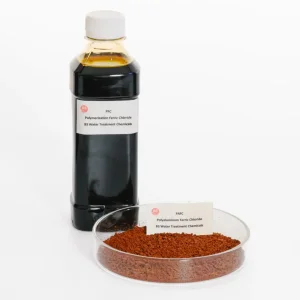
Critical analysis of modern effluent treatment paradigms, regulatory pressures, and chemical optimization pathways.
Across the globe, industrial production facilities face unprecedented ecological mandates. Escalating freshwater scarcity, combined with rigorous enforcement of Zero Liquid Discharge regulations, has transformed the role of the industrial wastewater treatment plant (IWTP). Once treated strictly as a cost center, modern effluent processing is now a vital vector for water recycling, mineral recovery, and energy efficiency. High-performance chemical coagulants and flocculants are at the core of this transformation. Without high-efficiency charge neutralization and sweep-flocculation, secondary recovery processes like reverse osmosis and electrodialysis would suffer from severe membrane fouling, halting manufacturing plants entirely.
For large-scale processing facilities, sourcing bulk chemical reagents is a critical vulnerability in the supply chain. Seasonal variation in water temperatures and changing industrial effluent compositions demand highly stable, non-caking solid agents or precisely concentration-controlled liquid formulations. Global supply chains cannot tolerate delays. Thus, partnering with advanced manufacturing plants that maintain extensive finished product inventories is essential. Solid-liquid separation kinetics require steady dosing: a slight shift in active ingredient concentration can compromise plant operations, leading to non-compliant effluent discharge penalties.
A comparative overview of our core technical ranges, designed for specific physicochemical water treatment pathways.
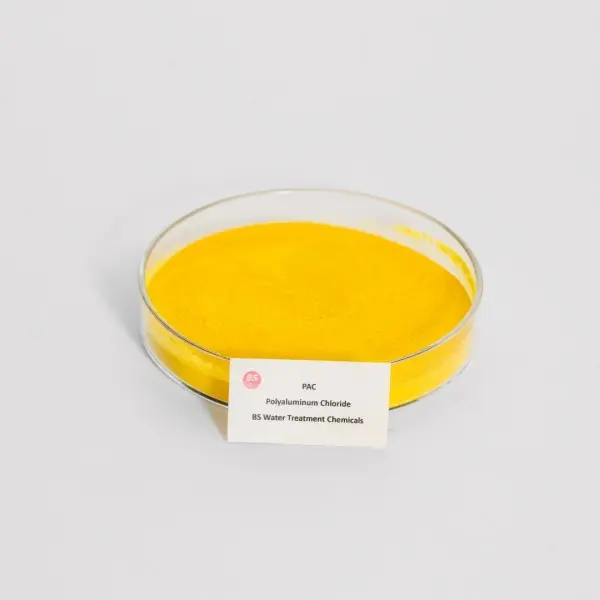
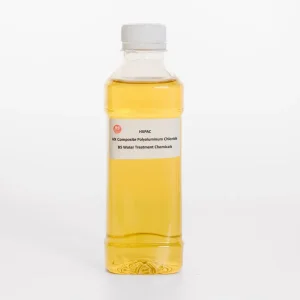
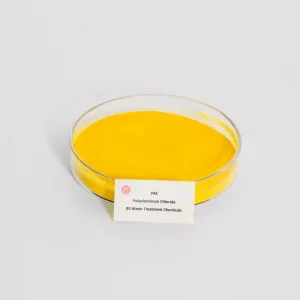
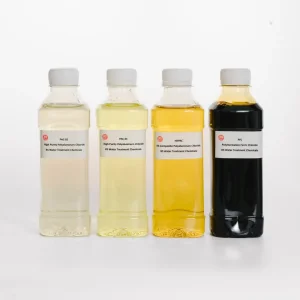
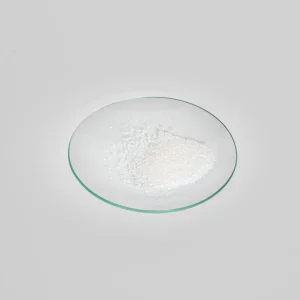
Providing high-charge polycationic polymers that form stable polynuclear Al complexes. Ideal for rapid colloidal destabilization, turbidity reduction, and charge-neutralization across a wide pH range. Available in high-purity white, industrial yellow, and stable liquid forms.
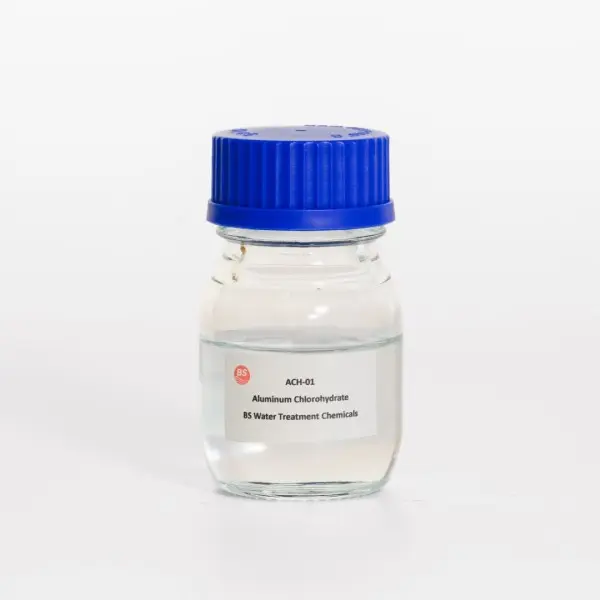
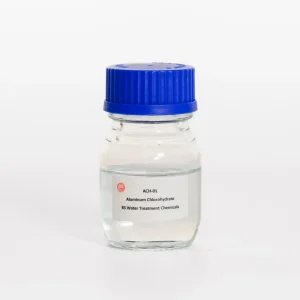
Engineered with the highest basicity (up to 83%) and Al2O3 concentration, ACH delivers high coagulation efficiency with minimal pH change. Highly suited for drinking water, paper mills, and industrial wastewater where minimal sludge volume is required.
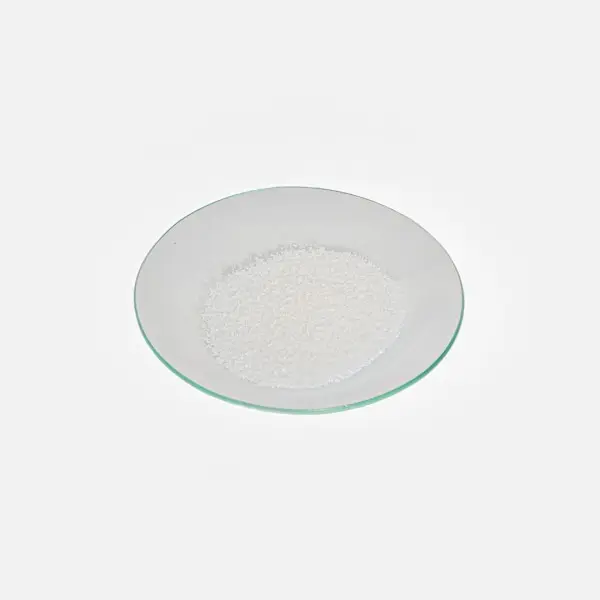
Our ultra-high molecular weight water-soluble polymers. Cationic Polyacrylamide (CPAM) facilitates organic sludge conditioning and belt-press dewatering. Anionic Polyacrylamide (APAM) acts as a bridging flocculant for heavy mineral and metallurgical slurries.
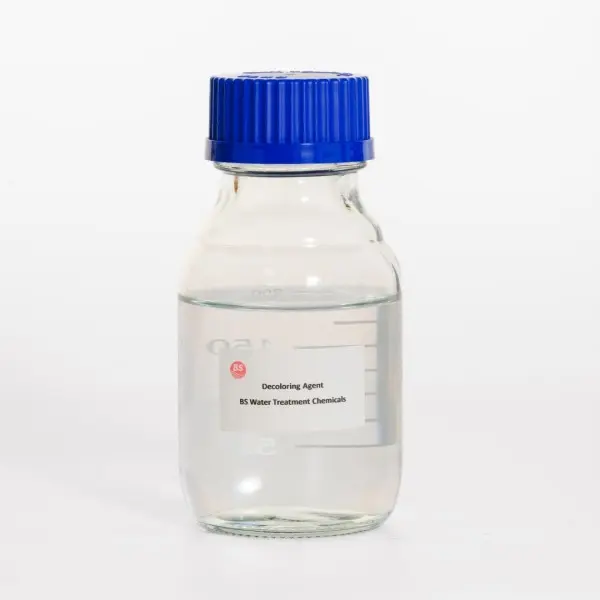
Specialty polymeric dicyandiamide-formaldehyde derivatives. Highly effective in treating industrial effluents containing hydrophilic, reactive, acid, or disperse dyes. Achieves excellent color removal and COD reduction in textile wastewater.
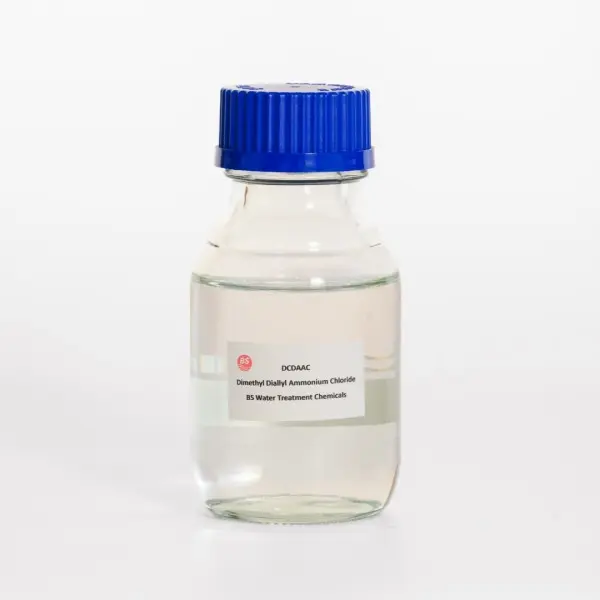
A high-charge density cationic polymer, highly effective for neutralizing negatively charged colloidal particulates. Crucial as a primary coagulant and filtration aid in paper processing, mining beneficiation, and oily wastewater separation.
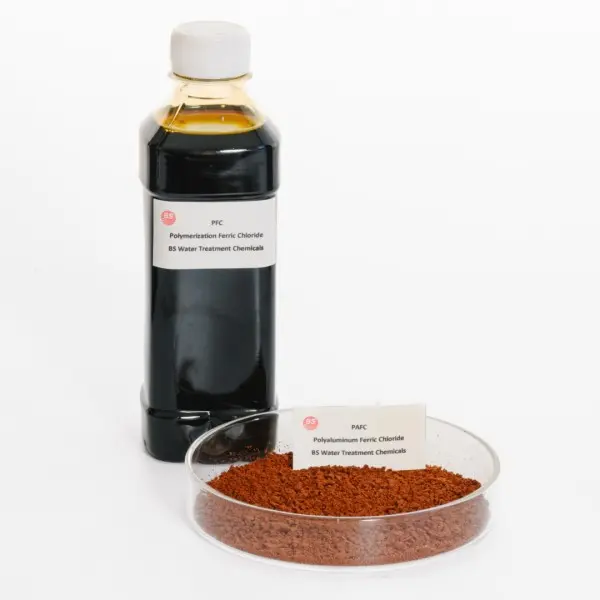
A synergistic composite of polymeric aluminum and ferric salts. Combining the rapid hydrolysis kinetics of iron with the bridging characteristics of aluminum, PAFC yields denser flocs, faster sedimentation, and excellent phosphorus removal.
A practical analysis of chemical conditioning across key industrial sectors and diverse global environments.
Textile wastewater is characterized by high organic content, high pH fluctuation, and intense color. Standard coagulants often fail to neutralize reactive azo dyes due to steric hindrance. By applying our cationic Water Decolorizing Agent (WDA) in tandem with Polyaluminium Chloride (PAC), plants can split the dye molecules and form insolubilised complexes. Adding anionic PAM (APAM) then forms large, dense flocs, allowing clarifiers to achieve clean separation. This dual-reagent approach reduces sludge volume compared to alum-only methods.
Refinery effluents contain emulsified oil, free hydrocarbons, phenols, and heavy metals. Destabilizing these emulsions requires precise control of the zeta potential. Incorporating high-charge PDADMAC or liquid PAC into dissolved air flotation (DAF) systems breaks the oil-water interface. The flocculated oil phase rises to the surface with microscopic air bubbles, keeping secondary bio-reactors free from oil fouling.
Papermaking factories operate closed-loop water systems where anionic trash, organic pitch, and fiber fines accumulate rapidly. High basicity Aluminum Chlorohydrate (ACH) and PDADMAC serve as excellent retention aids and pitch control agents. They neutralize anionic compounds, improve fiber retention on the wire, and speed up machine run times without corrosive chloride buildup.
For municipal wastewater treatment plants processing municipal activated sludge, dewatering performance directly determines landfill transport costs. Using high-basicity Cationic Polyacrylamide (CPAM) with specific charge densities improves cake dryness in belt filters, centrifuges, and screw press systems, reducing overall handling costs.
Founded in 1998, Wuxi BS Water Treatment Chemicals Co., Ltd. is a dedicated manufacturer of chemical coagulants and flocculants. We specialize in producing products for both potable water treatment and complex industrial wastewater systems.
With an annual sales volume exceeding 500,000 tons and a finished product warehousing capacity of 20,000 tons, we ensure stable, on-time chemical supply. Our advanced quality control systems monitor raw material selection and synthesis kinetics, delivering consistent product quality to over 1,000 enterprises worldwide.
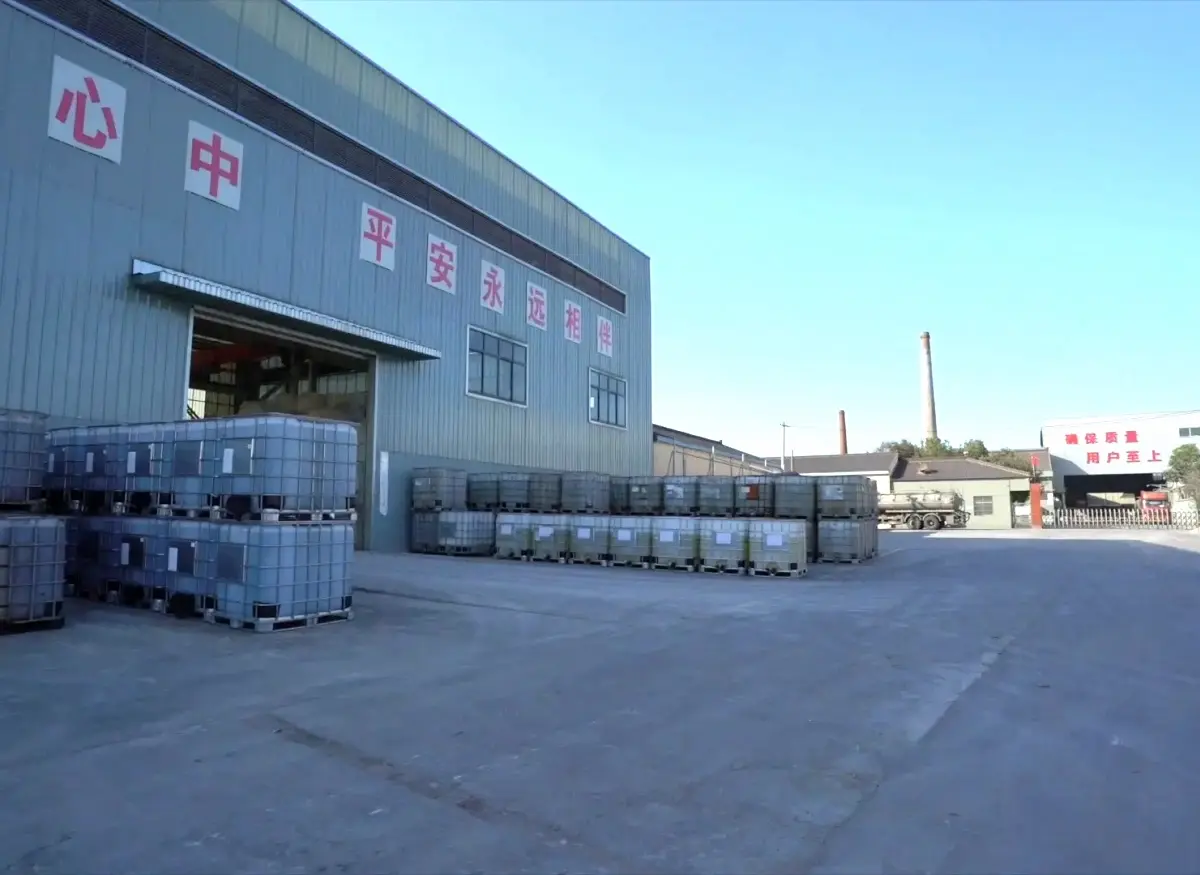
The chemical manufacturing facility was established, focusing on primary inorganic coagulants for regional municipal water facilities.
Formally renamed Wuxi Bisheng Water Treatment Agent Co., Ltd. and upgraded to a modern manufacturing facility with automated reactors.
Began exporting chemical products internationally, matching global quality criteria such as EU REACH and US NSF standards.
Annual export sales exceeded $10 million, with long-term supply agreements established across 40 countries.
Established our dedicated global trade department to support international distributors with directly managed logistics and technical services.
Continuous investment in research and development to support resource circularity and green chemistry.
The industrial wastewater sector is moving toward greener chemical options that minimize secondary ecological impacts. Traditional inorganic metal salts can increase salt concentrations in treated water and produce high volumes of metal sludge. Wuxi BS's technical roadmap addresses these limitations with specific development priorities:
Technical answers from our laboratory team regarding product choice, dosage optimization, and storage management.
Submit your effluent analysis report. Our laboratory engineers will recommend optimal chemical dosages and provide custom quotes.
Get direct access to chemical engineers for laboratory jar testing support, sample preparation, and bulk shipment logistics.
* Technical consultation, sample testing, and shipping logistics are handled by our Wuxi exports division.
High-charge density polymers and stable complex salts for clarifier optimization.
 BS Water