 BS Water
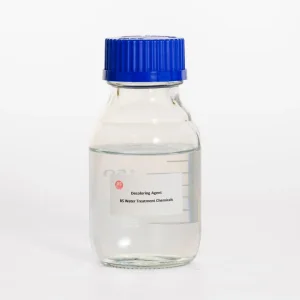
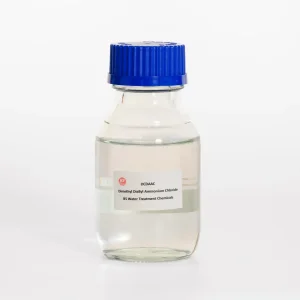
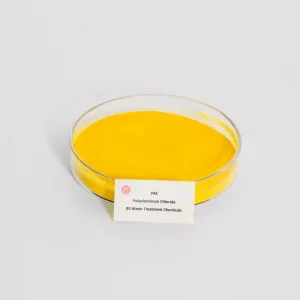
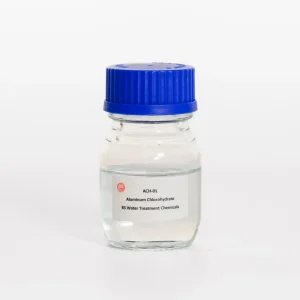
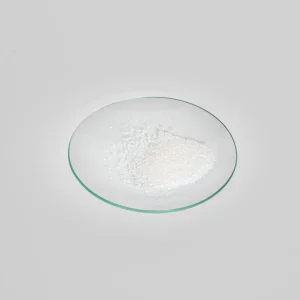
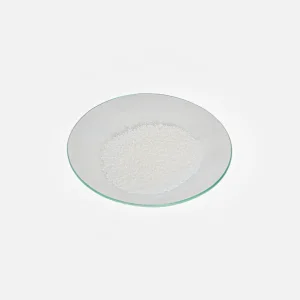
Advanced Coagulation Science: Poly Aluminium Sulfate Overview
In modern industrial and municipal water treatment, the selection of the primary coagulant dictates the efficiency, throughput, and carbon footprint of the entire purification plant. Poly Aluminium Sulfate (PAS) is a highly efficient inorganic polymer coagulant, synthesized to provide optimal charge neutralization and sweep-flocculation. By linking trivalent aluminum ions (Al3+) into polymeric structures, PAS creates highly charged polymeric complexes when dissolved in water. This chemical structure delivers rapid destabilization of negatively charged colloidal particles (such as suspended solids, clays, algae, and organic humic substances) compared to traditional monomeric alum.
Technical Insight: The molecular structure of Poly Aluminium Sulfate allows it to hydrolyze faster and form larger, denser flocs than conventional aluminium sulfate, significantly reducing settling times and municipal filtration energy costs.
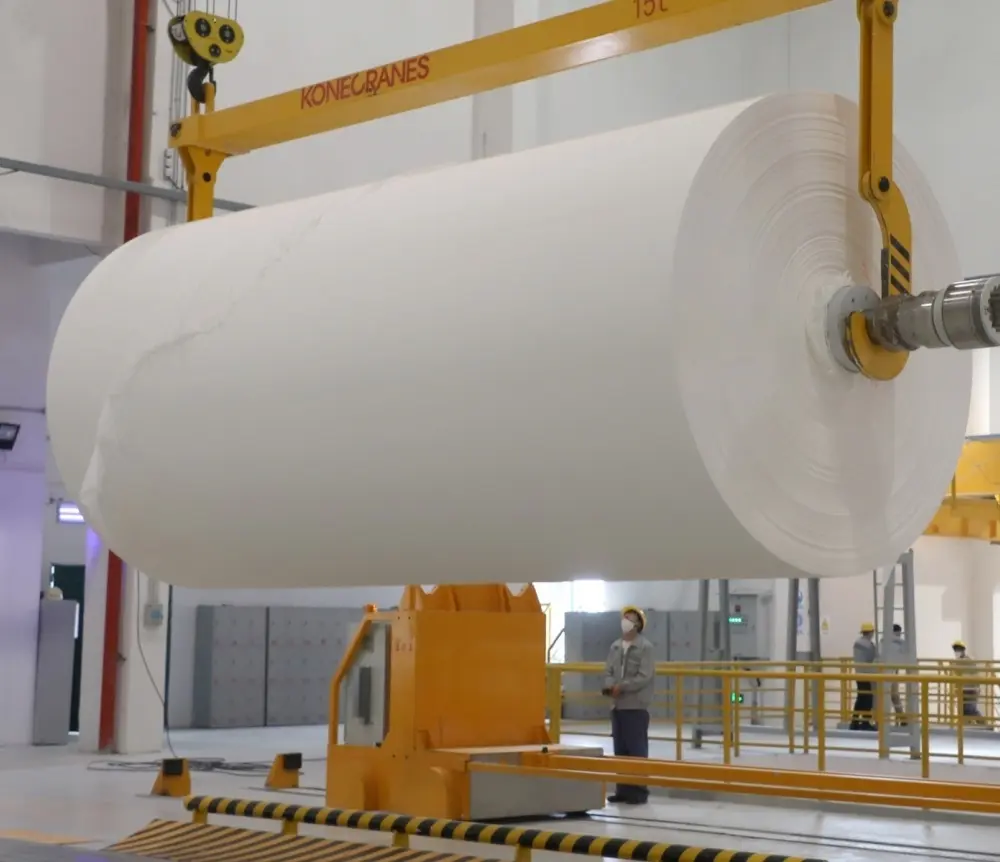
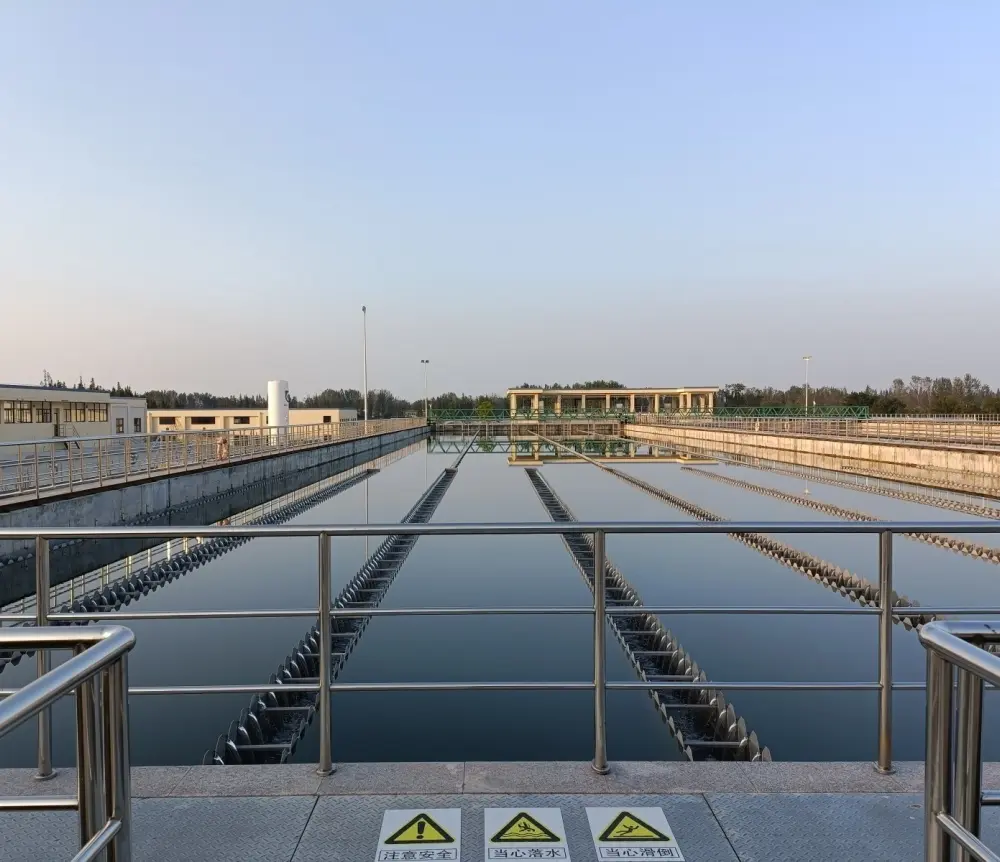
For chemical procurement departments, understanding the distinction between standard alum and Poly Aluminium Sulfate is critical. Traditional alum undergoes slow hydrolysis and is highly sensitive to water temperatures and pH swings. In contrast, polymeric aluminum coagulants contain pre-formed polynuclear species, which provide stronger charge-neutralizing capabilities even in low-temperature waters. This makes PAS the preferred chemical choice for municipal drinking water systems, large-scale paper manufacturing, and heavy industrial effluent treatment plants globally.
Strategic China Factory & Supply Chain Advantages
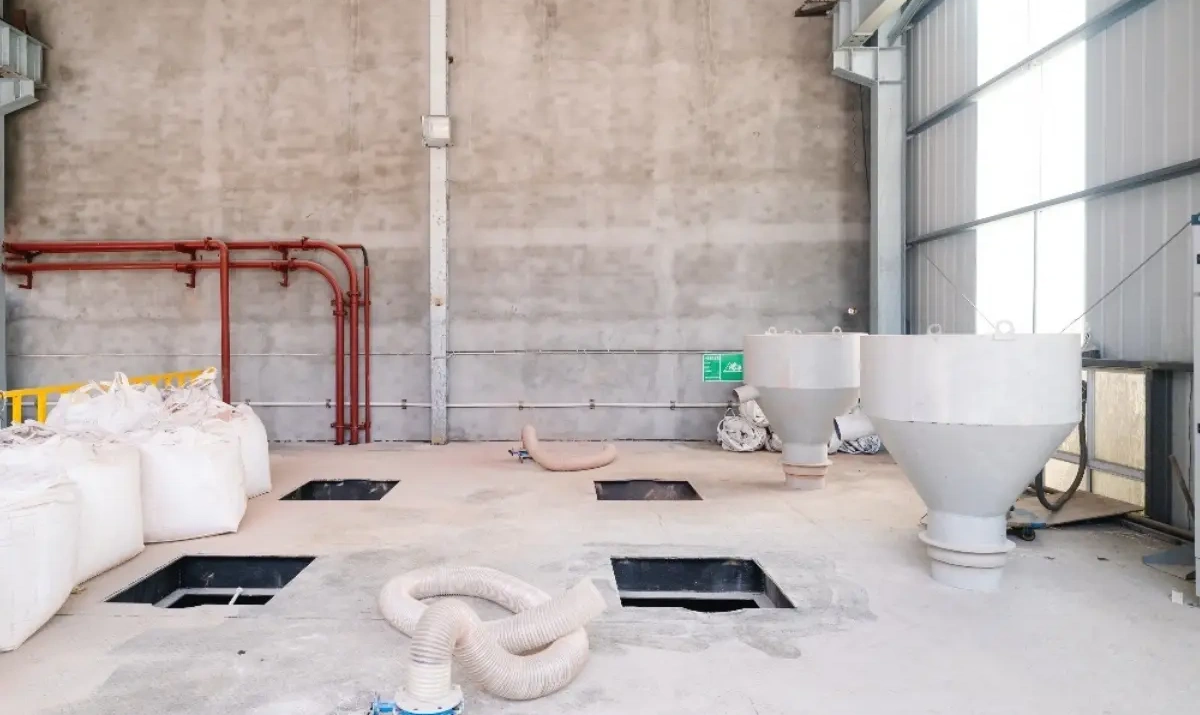
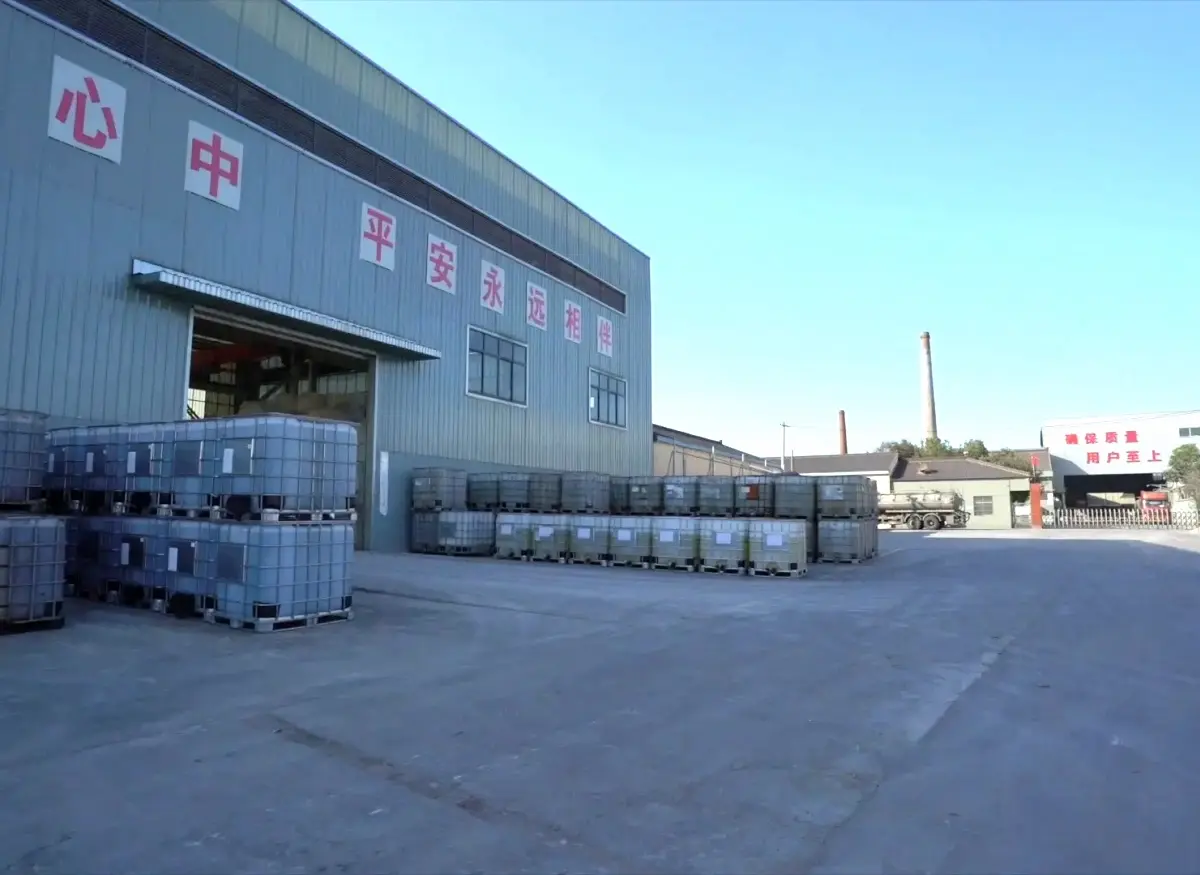
As a leading China water treatment manufacturer, Wuxi BS Water Treatment Chemicals Co., Ltd. leverage a vertically integrated raw material supply chain and automated production facilities. Our manufacturing plants utilize state-of-the-art reactor technologies that ensure consistency in basicity, Al2O3 content, and polymer chain distribution. We control every stage of production—from the reaction of high-purity aluminous raw materials with sulfuric acid to polymerization control and final crystallization/drying phases.
1Scale & Security of Supply
Our massive finished product warehouses (holding over 20,000 tons of stock) and an annual sales volume exceeding 500,000 tons mean that global enterprise buyers are protected against localized chemical shortages and maritime shipping disruptions. We provide continuous contract security for municipal contracts and industrial accounts.
2Quality Standardization
Every single batch of Poly Aluminium Sulfate undergoes rigorous quality assurance testing via ICP-MS and automated titration systems. This guarantees minimal levels of trace heavy metals (such as arsenic, lead, and cadmium), ensuring compliance with international regulations for potable water treatment chemicals.
3Cost Efficiency & Location
Situated in Wuxi, Jiangsu province, our factory operates close to major shipping hubs. The direct logistical path to Shanghai Port and Ningbo Port translates to reduced inland freight rates, minimal handling times, and optimized ocean freight costs for all international containers.
Localization Support, Regulatory Compliance, and Standards
Regulatory compliance is a critical priority for bulk chemical procurement. Different regions enforce strict, localized regulations concerning chemicals utilized in drinking water and municipal wastewater discharge. At Wuxi BS Water Treatment Chemicals Co., Ltd., we provide comprehensive regulatory documentation and support to ensure seamless customs clearance and local compliance:
- Potable Water Standards: Our manufacturing processes conform to international benchmarks, allowing compliance pathways similar to NSF/ANSI Standard 60, EN 878, and Chinese national standard GB15892.
- Localization of Safety Materials: We provide GHS-compliant Safety Data Sheets (SDS) and Technical Data Sheets (TDS) customized to the language and legal requirements of the destination country, including REACH compliance protocols for the European Union.
- Tailored Technical Formulations: Water characteristics vary by region. Tropical climates experience high organic loads and high temperatures, while temperate regions face low-turbidity, low-temperature water. Our engineering team customizes the basicity and Al2O3 percentages of solid and liquid Poly Aluminium Sulfate shipments to match these local environmental parameters.
Global Enterprise Procurement and SLA Management
Procuring raw chemicals at enterprise scale demands strict adherence to Service Level Agreements (SLAs), consistency in packaging, and precise chemical assays. We understand that unplanned downtime due to chemical delays or off-spec deliveries can cost treatment facilities millions. Our global procurement model addresses these critical operational needs:
Supply Chain Security Protocols: We offer comprehensive packaging options, including 25kg multi-layer PP/PE bags with optional palletization, 1000kg bulk bags (IBC), and customized dry containers with flexitanks for liquid formulations. Every container is sealed at our factory gate and tracked via real-time logistics partners.
Our logistics and supply department manages global shipping terms, offering FOB, CIF, CFR, and DDP terms depending on regional preferences. We provide full chemical assay transparency, providing certified laboratory analysis reports (COA) for every shipment before departure. This level of quality verification is why over 1,000 companies trust Wuxi BS for their water treatment chemical requirements.
Future Development Trends in Inorganic Polymer Coagulants
The global water treatment industry is transitioning toward more sustainable chemical practices, focusing on reducing chemical dosages and minimizing sludge production. Poly Aluminium Sulfate is evolving to meet these green mandates through several key development trends:
- Composite Formulations: Combining inorganic poly-metals like Poly Aluminium Sulfate with high-charge organic polymers (such as PDADMAC or Cationic Polyacrylamide) to form composite coagulants. These hybrids yield much larger, heavier flocs and reduce total chemical consumption by up to 30%.
- Sludge Volume Reduction: Modern wastewater treatment plants face high disposal costs for chemical sludge. The usage of optimized polymeric coagulants reduces the moisture retention of the resulting sludge, making mechanical dewatering via belt presses or centrifuges highly efficient.
- Carbon Footprint Optimization: By optimizing the synthesis thermal cycle, Wuxi BS is reducing the energy intensity of the polymerization process, providing buyers with chemicals that support corporate ESG and carbon reduction targets.








 Sep 09, 2025