Select our laboratory-validated water treatment chemical agents optimized for variable operational dynamics and diverse global compliance frameworks.
A deep dive into molecular design, charge density configurations, and polymeric bridging dynamics in industrial and municipal sludge dewatering.
Polyacrylamide (PAM) is a highly versatile synthetic water-soluble polymer derived from acrylamide monomers. Its efficacy as a water treatment flocculant is governed by three primary structural properties: molecular weight (MW), charge density (CD), and structural morphology. Understanding the synergistic relationships between these characteristics is critical for design engineers selecting the optimum chemical program for solids-liquids separation.
In municipal and industrial wastewater settings, colloidal particles carrying negative surface charges remain suspended due to electrostatic repulsion, preventing natural sedimentation. Flocculation utilizes polymer molecular chains to perform two crucial mechanical processes: charge neutralization and polymeric bridging. High molecular weight chains extend into the surrounding liquid media to adsorb onto multiple particles simultaneously, creating large, shear-resistant flocs that precipitate rapidly.
Formulated via copolymerization of acrylamide with positively charged monomers (e.g., DAC, DMC). Extremely effective for municipal sludge, organic waste processing, and biological sludge dewatering where solids exhibit strongly negative zeta potentials.
Produced by copolymerizing acrylamide with acrylic acid or through partial hydrolysis. Features negatively charged carboxyl groups that interact with positively charged inorganic suspensions, such as sand washes, mineral slurries, and metallurgy discharges.
A homopolymer of pure acrylamide, characterized by minimal ionic charge. Operates primarily through chemical adsorption and hydrogen bonding. Excels in acidic environments and mineral concentration systems with complex, multi-valent ion balances.
Pioneering green synthesis pathways, micro-structure control systems, and automated precision dosing technologies for next-generation environmental compliance.
The global water treatment industry is undergoing a structural paradigm shift driven by stringent regulatory limits on residual monomer concentrations, carbon-neutral supply targets, and the integration of digital process controls. At Wuxi BS Water Treatment Chemicals, our product research and development roadmap focuses on resolving the classic trade-off between polymer flocculation kinetics and environmental biodegradability.
Transitioning synthesis pathways from petroleum-derived acrylonitrile to agricultural by-product feedstocks. This reduces the lifecycle carbon footprint of PAM production by up to 35% while maintaining identical molecular chain structural properties.
Utilizing proprietary micro-emulsion and controlled radical polymerization techniques. Our laboratory is engineering hyper-branched and star-shaped polymers that offer increased shear resistance, crucial for high-speed centrifuge sludge dewatering.
Integrating smart solid-to-liquid automated feed systems that dynamically adjust flocculant dosage based on incoming wastewater turbidity, viscosity feedback, and zeta potential data streams, preventing expensive chemical over-dosing.
Custom molecular formulations tailored for peak separation efficiency in resource-intensive industrial operations worldwide.
CPAM formulations specifically optimized for belt presses, screw presses, and decanter centrifuges, ensuring dry filter cakes with minimal polymer carryover.
High molecular weight APAM that rapidly accelerates the settling rate of red mud, coal washing tailings, and gold/copper mineral slurry thickeners.
High temperature and shear-stable polyacrylamides engineered for Polymer Flooding and Enhanced Oil Recovery (EOR), maintaining viscosity in saline reservoirs.
Dual-component flocculant systems serving as retention aids, enhancing fine fiber and filler binding while accelerating machine speed and water drainage.
For nearly three decades, Wuxi BS Water Treatment Chemicals has established itself as an innovative, technology-driven leader in the water treatment chemical sector. Backed by advanced manufacturing platforms and experienced chemical engineers, we supply premium-grade flocculants, coagulants, and customized formulation services to municipal, chemical, power generation, and manufacturing partners across the globe.
By integrating modern digital manufacturing controls with a robust quality inspection system, we produce consistent, high-purity chemicals that streamline plant operations, reduce sludge disposal expenses, and ensure compliance with environmental discharge regulations.
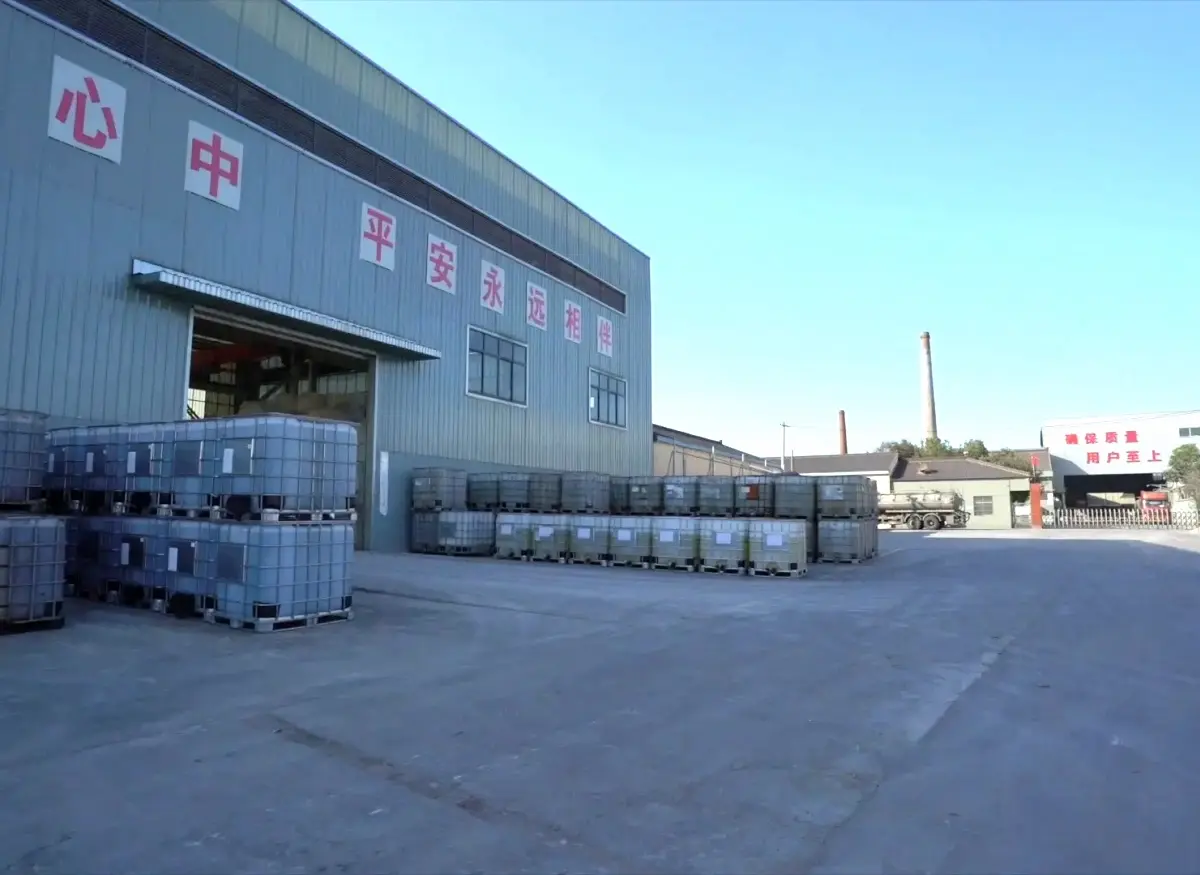
Operational excellence, dynamic capacity allocation, and intelligent storage hubs ensuring worry-free supply continuity.
In a volatile global economic landscape, raw material price stability and logistics predictability are critical parameters for procurement departments. Our modern manufacturing campus operates under smart monitoring systems that track raw material consumption, reactor yield efficiency, and powder drying temperatures in real time. This ensures that every production batch meets standard performance metrics before packaging.
Our annual output exceeds 500,000 tons. Flexible reactor scheduling allows us to scale production lines rapidly in response to urgent regional demand or bulk enterprise contract commitments.
Our climate-controlled warehouses hold a permanent buffer stock of raw materials and popular grade polymers, minimizing lead times during logistics gridlocks or peak seasonal demands.
Every production run undergoes strict quality control protocols, including monomer residue tests, molecular weight distribution assays via HPLC, and dissolution rate testing.
Decades of chemical development, expansion, and continuous contribution to sustainable water reclamation.
Wuxi BS Water Treatment manufacturing facility was officially established, focusing on domestic coagulants and basic flocculant distribution.
Restructured and rebranded as Wuxi Bisheng Water Treatment Agent Co., Ltd., introducing computerized reactor lines and advanced QA systems.
Successfully secured export certifications, initiating foreign supply contracts through licensed international distributors and regional agents.
Expanded global footprints, with export sales surpassing $10 Million USD and building dedicated technical service operations for key international clients.
Established our in-house Foreign Trade Division to optimize international logistics, custom labeling, regulatory compliance, and support services.
Navigating complex regulatory landscapes to ensure seamless integration into localized water management infrastructures.
Importing industrial chemicals requires strict compliance with domestic and international safety standards. Wuxi BS Water Treatment guarantees all shipments comply with regional environmental and safety regulations. We provide complete documentation to ensure trouble-free customs clearance and hassle-free compliance audits.
Fully certified under ISO 9001:2015 for quality control, ISO 14001:2015 for environmental standards, and registered for EU REACH protocols, verifying strict limit parameters for hazardous substances.
Our products are regularly analyzed for residual acrylamide monomer content (typically below 500 ppm), satisfying standards for potable water purification and agricultural soil protection.
Shipped in heavy-duty 25kg PE/PP bags, IBC totes, or custom bulk bags, featuring moisture-resistant barriers to maintain dry powder flowability throughout sea transit.
Expert technical insights regarding common field challenges and optimal polyacrylamide application parameters.
Molecular weight (MW) relates directly to polymer chain length and dictates the bridging capacity of the chemical. High MW is crucial for rapid settlement and large floc formation. Charge density (CD) represents the percentage of charged monomer units on the chain, determining the charge neutralization capacity. Biological sludges typically require high Cationic CD to offset organic charge, whereas inorganic mining suspensions benefit from medium-to-high Anionic CD.
To prevent incomplete dissolution and agglomerates ("fish-eyes"), PAM dry powder should be slowly dispersed into a vortex of clean water using an dry-chemical eductor. The system should target an active concentration of 0.1% to 0.5%. Wetting should be followed by gentle mechanical agitation (using low-shear paddle mixers at 60-120 RPM) for 45-60 minutes to allow the polymer chains to fully uncoil.
Dry PAM powder has a shelf life of up to 24 months when stored in a cool, dry place inside original unopened packaging. Once dissolved, the liquid polymer solution degrades over time due to chain cleavage. Cationic liquid solutions should ideally be used within 24 hours, while anionic solutions can remain stable for up to 3–5 days, depending on water hardness and temperature.
Contact our application engineers for help selecting the optimal ionic strength, arranging dry/liquid samples, or requesting a custom factory manufacturing quote.
Explore our full selection of aluminum-based coagulants and high-performance polyacrylamide flocculants.
 BS Water