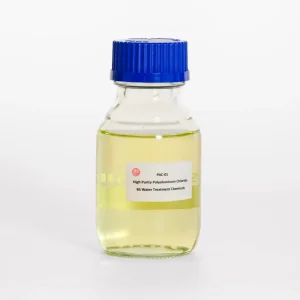
Modern sewage management systems do not operate purely on physical filtration. At the heart of municipal sanitation, petroleum refinery reclamation, and papermaking closed-loop systems lies complex polymer chemistry. Achieving compliance under increasingly strict global environmental standards requires a thorough understanding of organic and inorganic chemistry.
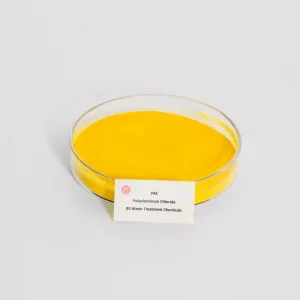
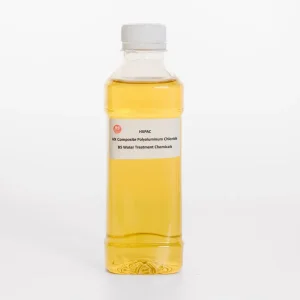
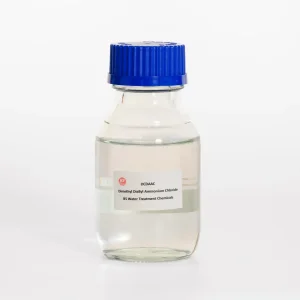
As global industries face water scarcity and strict regulations, the requirement for highly basic inorganic salts like Polyaluminium Chloride (PAC) and high-charge cationic polymers like PDADMAC has increased. Wuxi BS Water Treatment Chemicals Co., Ltd. serves as a key supplier for these specialized processes, ensuring efficient solids precipitation, dye removal, and biological sludge thickening.

Municipal wastewater and industrial re-use applications require low levels of heavy metals in chemicals. Using high-purity, low-dust PAC ensures compliance with drinking water and downstream environmental limits.
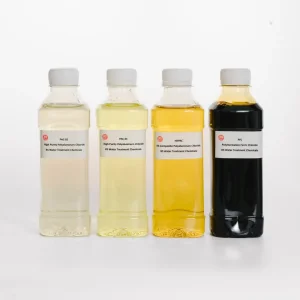
Managing the supply of dry powders versus liquid formulations requires careful shipping logistics. Supplying liquid versions (10%-17% Al2O3 active ingredients) along with high-bulk solid alternatives helps optimize transit times and warehouse storage costs.
Having a high manufacturing capability is essential for large municipal water authorities. With warehouse inventory over 20,000 tons, Wuxi BS prevents chemical shortage risks during peak demand periods.
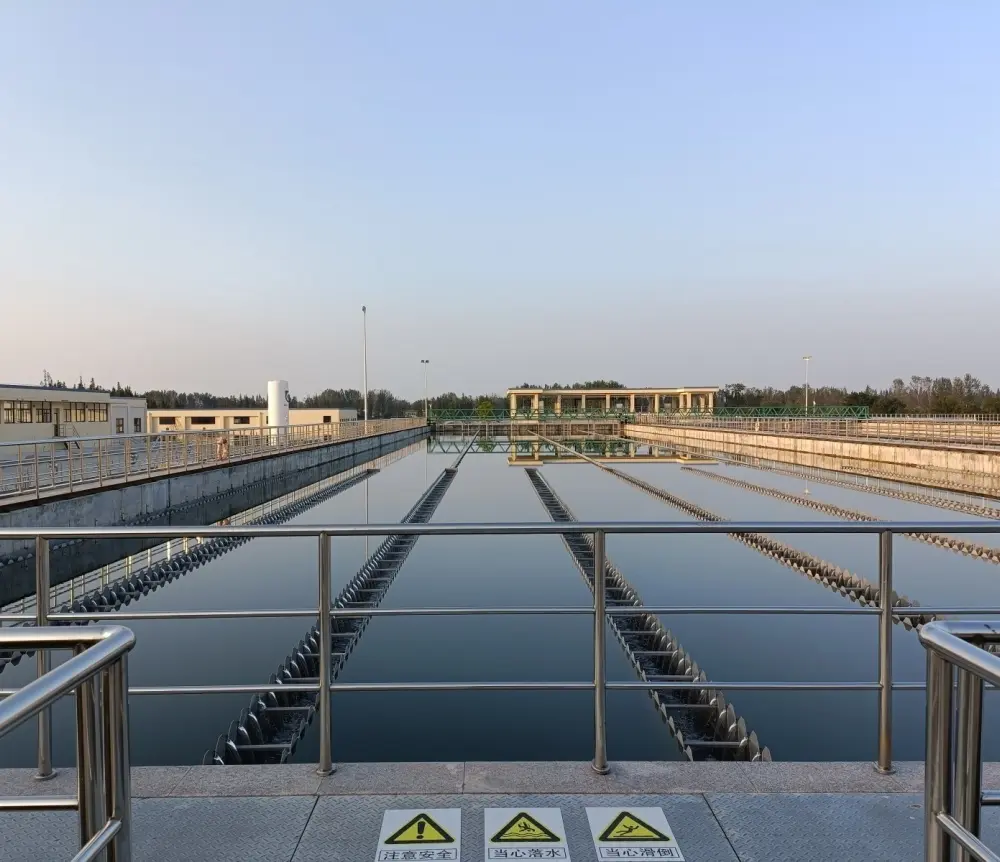
Primary and secondary wastewater stages rely heavily on coagulation efficiency. Raw sewage carries suspended negatively charged colloid matter. Introducing highly basic Polyaluminium Chloride (PAC) destabilizes these particles, producing larger flocs that settle quickly in clarifiers. When paired with high-molecular-weight Polyacrylamide (PAM), sludge dewatering rates improve, reducing municipal sludge cake disposal costs.
Refinery effluents contain stable oil-in-water emulsions, dissolved hydrocarbons, and high organic loading. Standard clarifiers struggle with oil carryover. Cationic polymeric coagulants, such as PDADMAC, break the surfactant charges stabilizing emulsified oil droplets, allowing them to float and be skimmed off easily before downstream biological filtration.
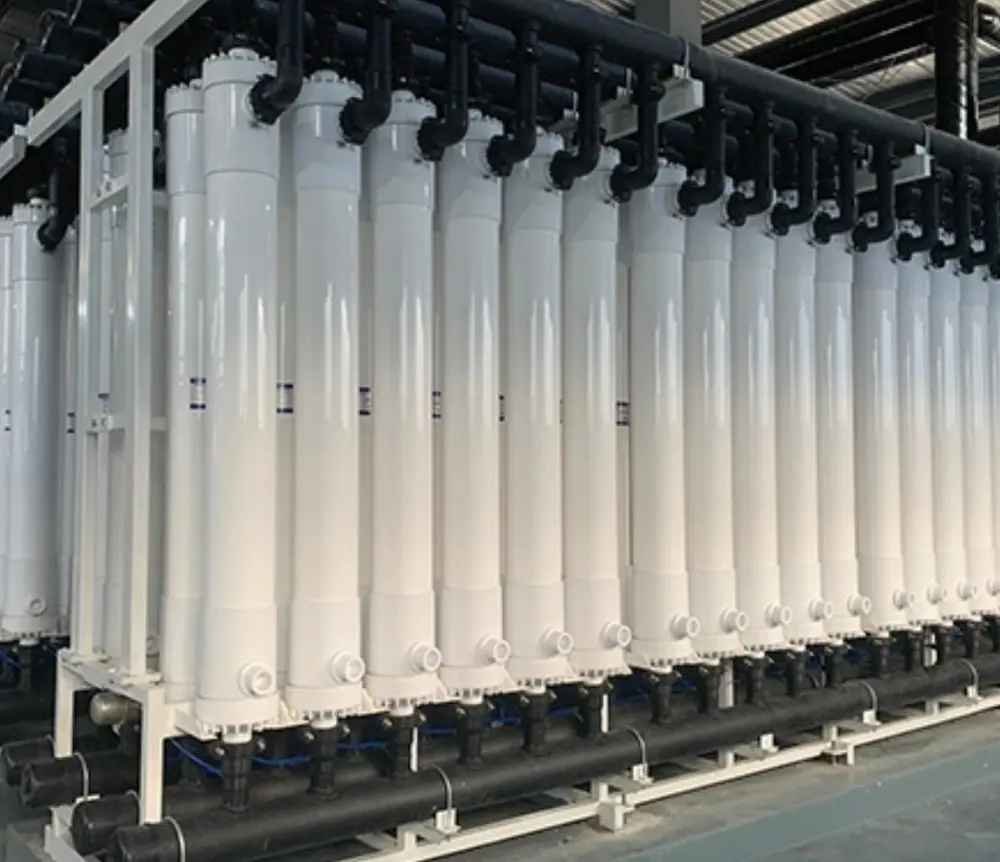
Reverse Osmosis (RO) systems are prone to colloidal fouling. Using low-dose, high-basicity coagulants helps bundle sub-micron colloidal silica and organics into micro-flocs. These can be filtered out by media beds before reaching the membranes, extending membrane life and reducing chemical wash intervals.
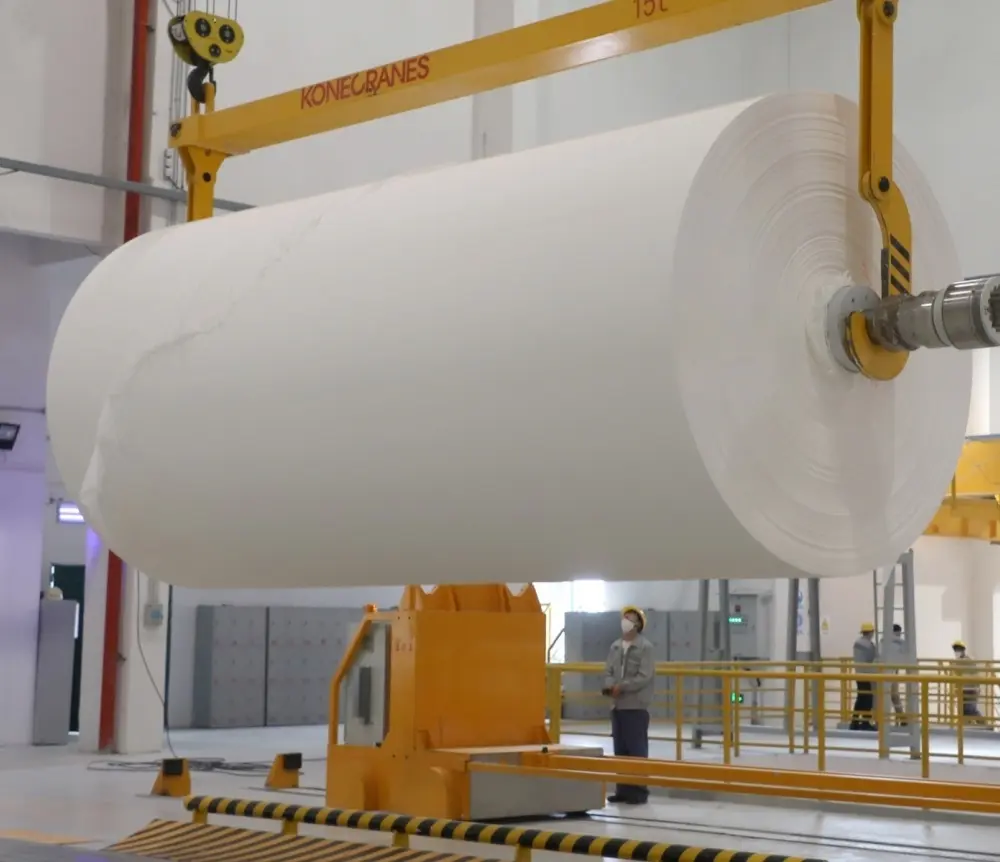
Closed-loop mill operations build up dissolved organic matter (anionic trash), which can affect sizing agents and retention aids. Utilizing low-molecular cationic charge donors like Aluminum Chlorohydrate (ACH) neutralizes these contaminants, maintaining clean paper formation and boosting overall retention.
Our chemical manufacturing site was established, focusing on basic inorganic coagulants for regional municipal water plants.
Re-organized as Wuxi Bisheng Water Treatment Agent Co., Ltd. We expanded our product range with spray-dried, high-basicity Polyaluminium Chloride formulations.
Began exporting chemical products globally, establishing logistics routes for industrial clients in Southeast Asia, Europe, and North America.
Annual export sales reached USD 10 million, supported by large-scale production of specialized water decoloring agents and PDADMAC monomers.
Established a dedicated foreign trade department to provide direct services, onsite technical audits, and customized OEM formulations for global operators.
Expanding the development of bio-based, eco-friendly flocculants to help clients meet carbon neutrality goals and reduce sludge output.
Our engineers provide technical support throughout the system lifecycle, including water quality lab analysis, jar tests, and on-site dosage optimization.
With a production capacity exceeding 500,000 tons annually, our facilities are equipped to handle large municipal and industrial supply contracts.
Our automated production lines and quality control protocols verify basicity levels, active contents, and insoluble solids for every batch before shipping.
Wastewater treatment performance is highly dependent on pH and chemical dosage. Inorganic salts like PAC yield polynuclear complex ions such as [Al13O4(OH)24(H2O)12]7+ when dissolved in water. These highly charged cationic species neutralize the negative surface charges of suspended colloidal particles, reducing the zeta potential toward zero to allow aggregation.
At higher dosages, precipitation of aluminum hydroxide solids produces a "sweep flocculation" effect. This physically traps colloidal matter under neutral to slightly alkaline pH levels. Our team balances the basicity index (typically between 50% to 85%) to match the treatment plant's raw water alkalinity, which prevents post-precipitation issues in the effluent.
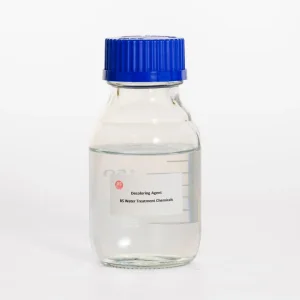
Textile and dye wastewater contains stable, highly soluble acid, reactive, and disperse dye molecules that resist traditional biological treatment. Our specialized Water Decolorizing Agents (WDA) are cationic polymeric resins designed to attract and bind with the polar anionic sulfonic acid groups on dye molecules.
This reaction produces insoluble ionic complexes that flocculate out of solution rapidly, removing both color and organic load (COD) from industrial wastewater.
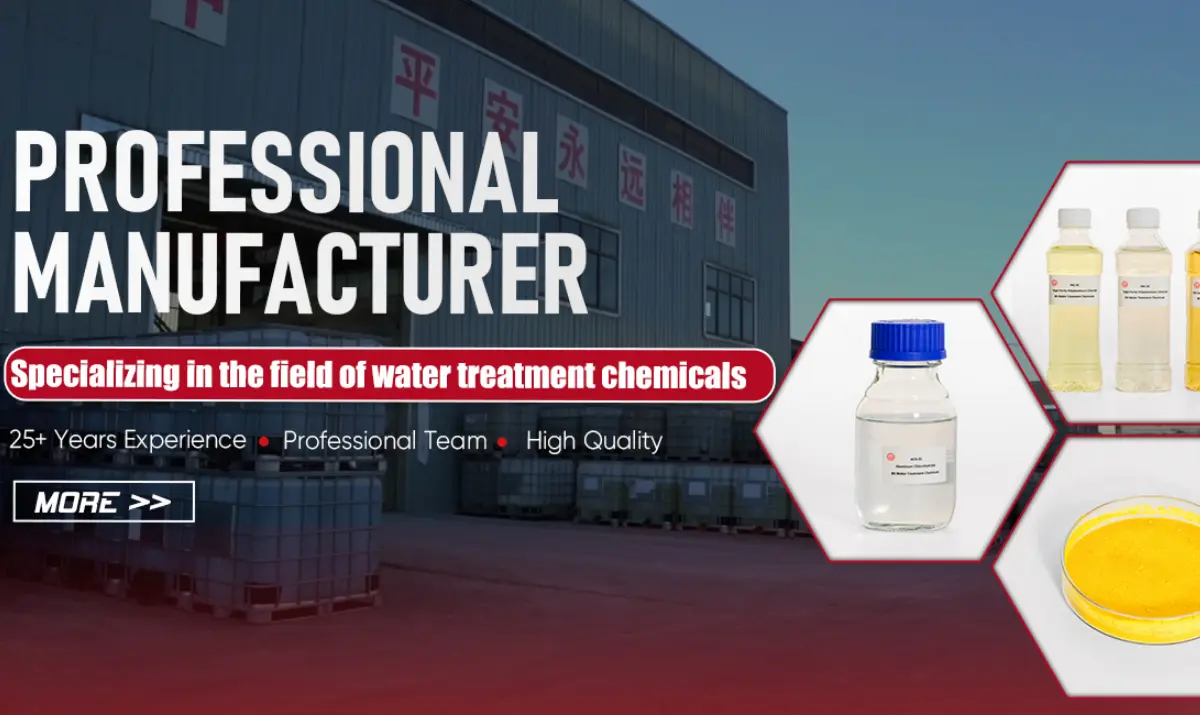
 Sep 09, 2025
Wuxi BS Water Treatment Chemicals Co., Ltd. continues to expand its international distribution network, offering optimized polymer chemistry solutions and direct support to partners worldwide.
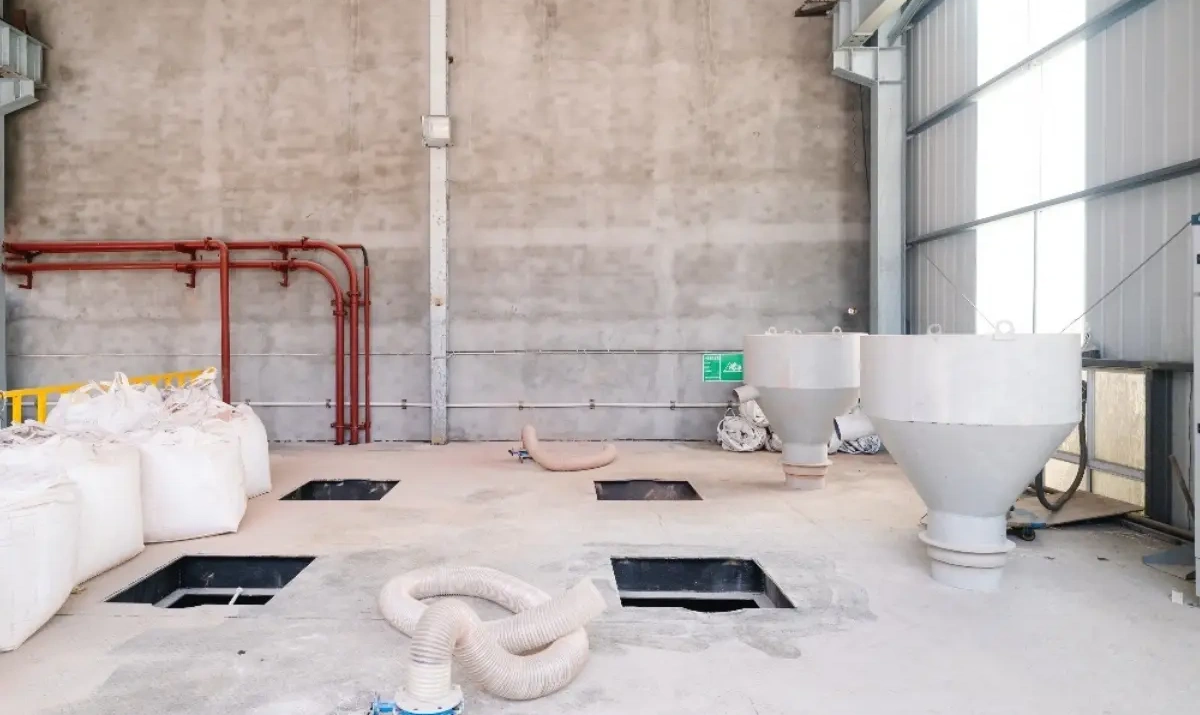 Aug 21, 2025
We launched advanced solid feeding equipment to help clients optimize polymer preparation and reduce raw chemical waste.
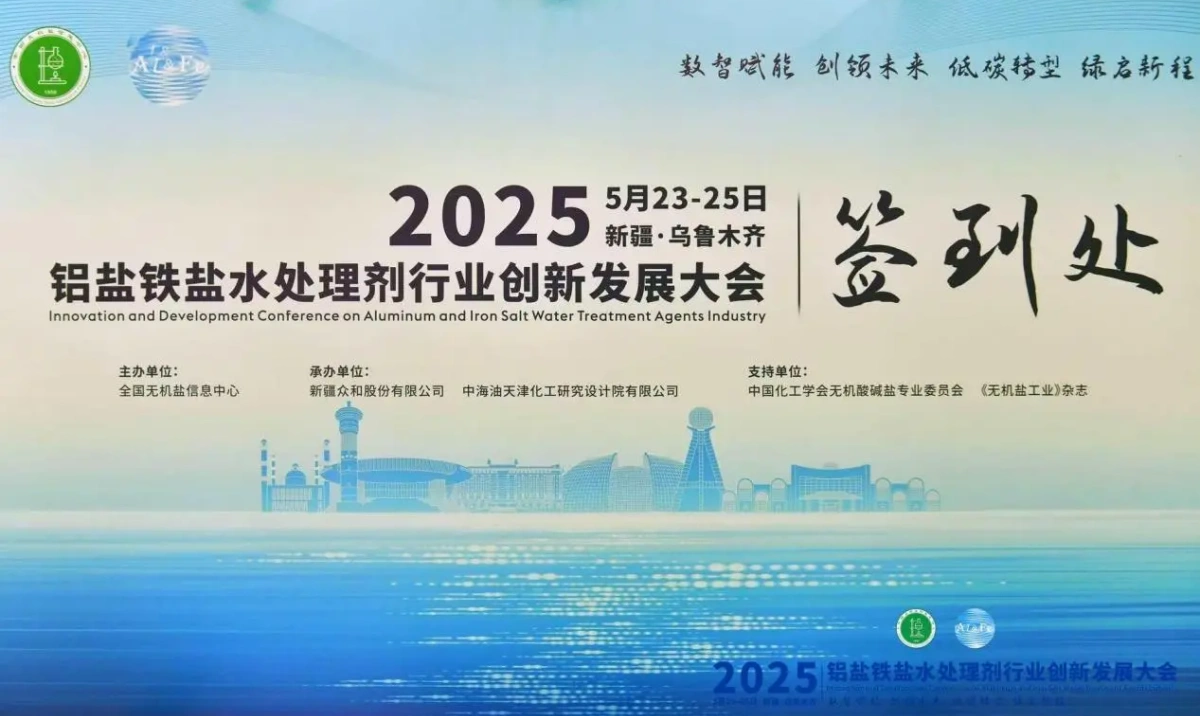 Aug 21, 2025
Exploring new polymer formulations designed to lower sludge output and support carbon neutrality initiatives.
Reach out to Wuxi BS Water Treatment Chemicals to request product samples, lab jar-testing, or custom manufacturing options.
Submit your wastewater parameters (such as pH, turbidity, and color concentration) and required certifications to receive a technical evaluation and custom quote.
 BS Water