Premium coagulants and polymers engineered to meet the high-precision demands of Central Japan's manufacturing hubs.
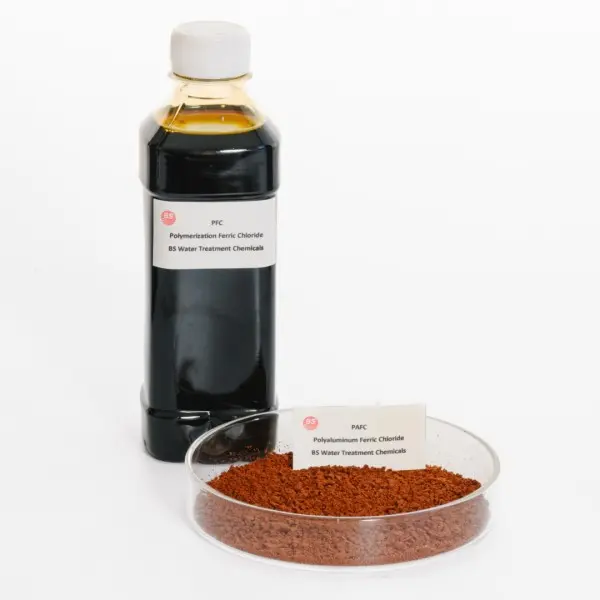
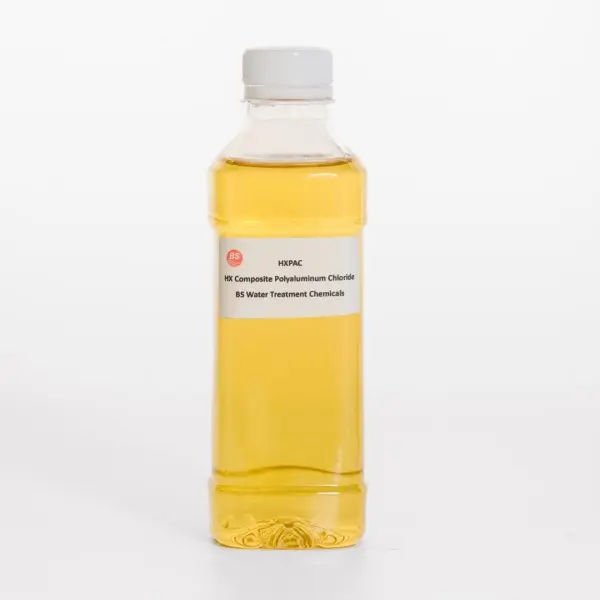
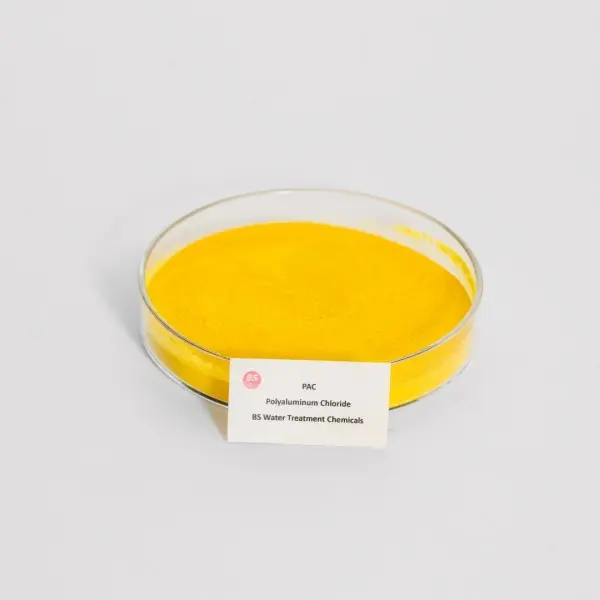
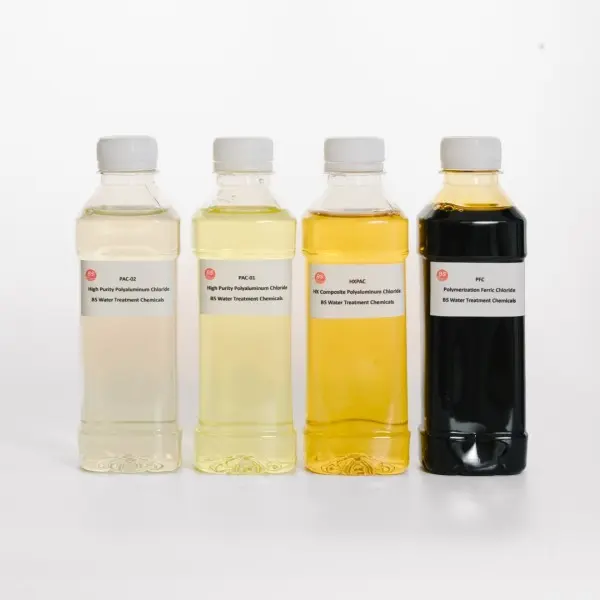
Aluminum Chlorohydrate (ACH) is a highly concentrated, inorganic polymeric coagulant characterized by its high basicity (typically 83% to 84%). Chemically represented by the general formula Al2(OH)5Cl·sH2O, ACH is synthesised through the controlled reaction of high-purity alumina trihydrate (Al(OH)3) with hydrochloric acid under elevated pressures and temperatures. Unlike standard Polyaluminium Chloride (PAC) or conventional aluminum sulfate (alum), ACH exhibits a highly polymerized structure dominated by the Al13 and Al30 Keggin-type polycationic complexes.
These large, highly charged polynuclear aluminum complexes provide exceptional charge neutralization properties when introduced to colloidal suspensions. The high basicity implies that a substantial portion of the acidic anions have been replaced by hydroxyl groups (OH-), which reduces the acidity of the solution. Consequently, dosing ACH into raw or process water causes minimal disruption to the system's pH, eliminating or dramatically reducing the need for post-treatment neutralization agents such as sodium hydroxide (caustic soda) or calcium hydroxide (lime).
For industrial engineers in the Nagoya metropolitan area, this translates directly to reduced operational footprint, lower corrosive risk in chemical dosing lines, and a significant reduction in overall chemical sludge volume. The synthesis protocol maintained in our state-of-the-art factories guarantees an Al2O3 concentration of 23% to 24% in liquid solutions, ensuring maximum active ingredient delivery per unit volume.
83% - 84% Basicity allows for stable pH retention in treated industrial streams.
Liquid active component: 23% - 24% for highly concentrated processing.
High molecular weight structures accelerate particle sedimentation.
Reduces total chemical sludge volume by up to 50% compared to Alum.
High-precision surface finishing and metal treatment plants demand zero-turbidity recycle streams.
Stringent discharge regulations for phosphorus and organic compounds require highly active coagulants.
Nagoya, the industrial engine of Japan's Chubu region, hosts a dense concentration of automotive manufacturing, aerospace development, advanced materials engineering, and heavy chemical processing plants. These sectors generate diverse, highly complex wastewater matrices that require advanced treatment solutions.
For example, in the automotive sector (centered heavily around Toyota City and the surrounding Aichi prefecture), surface preparation, electrocoating, and paint shop wastewater contain complex emulsified oils, pigments, and heavy metals. Traditional coagulants like iron salts or standard alum struggle with these matrices, often leaving residual metals or causing severe pH drops that damage downstream membrane filtration systems. Our high-basicity ACH serves as a superior primary coagulant in these paint shop treatment loops, quickly destabilizing emulsified oils and capturing suspended solids into dense, easily filterable flocs.
In the semiconductor and electronics manufacturing plants located in the wider Aichi and Gifu areas, process water must be purified to ultrapure water (UPW) standards. The pre-treatment phase relies heavily on the removal of colloidal silica and organic carbon (TOC). High-basicity ACH has demonstrated exceptional efficiency in binding colloidal silica particles, which are typically negatively charged and notoriously difficult to precipitate.
Furthermore, Nagoya's local municipal wastewater treatment facilities, operating under strict environmental quality guidelines for Ise Bay, utilize ACH for chemical phosphorus removal. By dosing ACH, municipal plants can reliably meet discharge limits of less than 0.1 mg/L of total phosphorus without altering the biological balance of the active sludge treatment basins.
The supply chain for water treatment chemicals is undergoing a paradigm shift driven by rising raw material costs, localized environmental regulations, and decarbonization mandates. At Wuxi BS Water Treatment Chemicals Co., Ltd., we recognize that supplying the Nagoya market requires more than just high-quality products—it demands a robust, resilient supply chain that integrates environmental stewardship and cost-efficiency.
Historically, the primary cost drivers for aluminum-based coagulants have been bauxite mining, bauxite-to-alumina refining (the Bayer process), and subsequent chemical synthesis. Because alumina refining is energy-intensive, our factory in Wuxi has integrated digital energy monitoring and waste-heat recovery systems. By optimizing our high-pressure acid digestion chambers, we have successfully reduced our production energy intensity by 14% over the past five years. This optimization directly buffers our Nagoya clients against fluctuations in global energy prices and reduces the indirect carbon footprint of their imported chemical supplies.
Logistically, Nagoya's proximity to major shipping lanes and the Port of Nagoya allows for streamlined maritime transport. We coordinate shipping protocols to maximize container utilization and reduce transit times, offering bulk liquid deliveries in specialized ISO tanks as well as solid powder versions in moisture-proof container bags. For Nagoya-based chemical distributors and plant operators, our high-volume finished product warehouse (over 20,000 tons in reserve) ensures that supply disruptions due to typhoons, port congestion, or seasonal container shortages are effectively mitigated.
Wuxi BS Water Treatment Chemicals Co., Ltd. was founded in 1998. Since our inception, we have been dedicated to the development, manufacturing, and global supply of premium coagulants and flocculants. We specialize in providing tailored solutions for drinking water purification and complex municipal and industrial wastewater treatment processes.
Our integration of advanced production lines, digital feed equipment, and strict quality control protocols has enabled us to serve municipal water authorities and industrial plants worldwide. Through our established distribution channels and direct logistics pathways, we provide the Nagoya and greater Chubu industrial sectors with reliable water treatment chemicals.
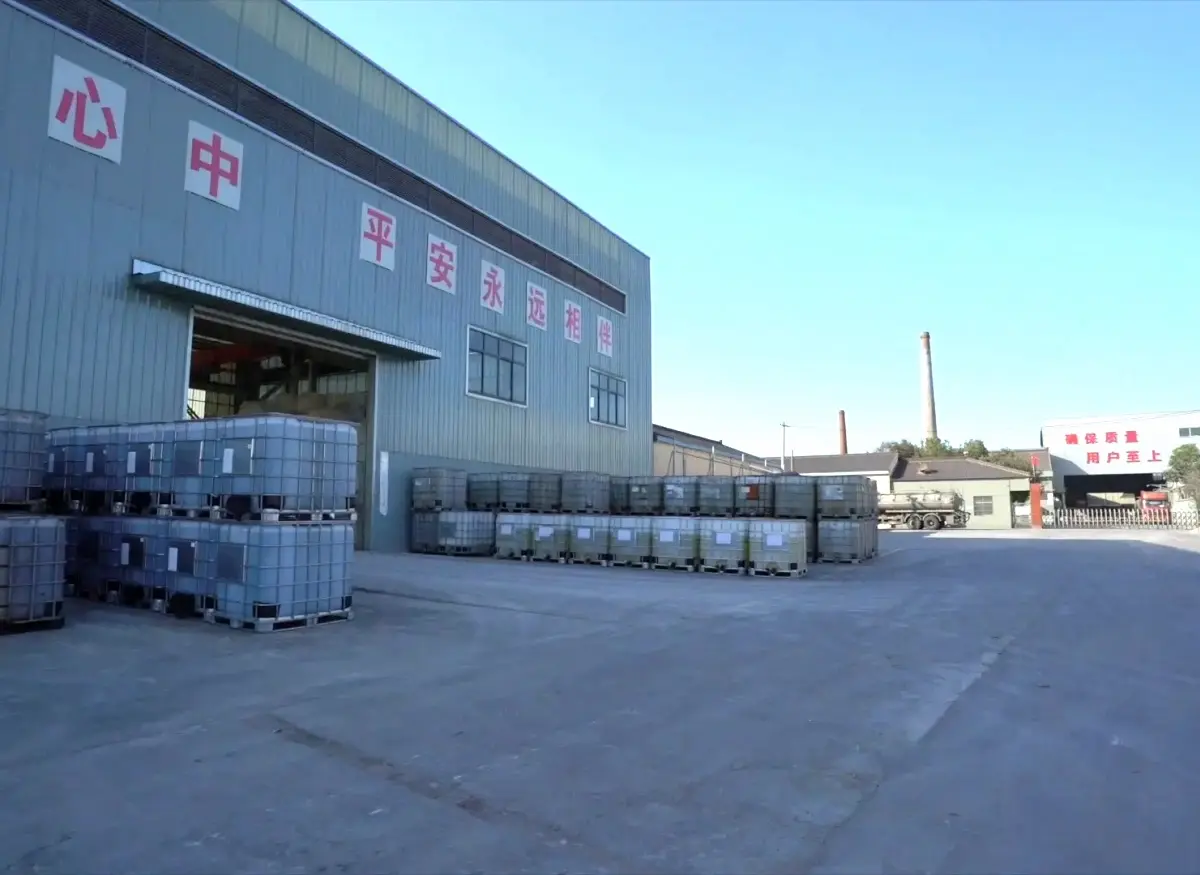
Years of Dedicated Water Treatment Experience
Tons of Annual Coagulant Production Capacity
Tons in Finished Product Warehouse Reserves
Global Industrial & Municipal Enterprises Served
Providing specialized chemistry solutions to optimize process efficiency and ensure compliance with strict environmental discharge limits.
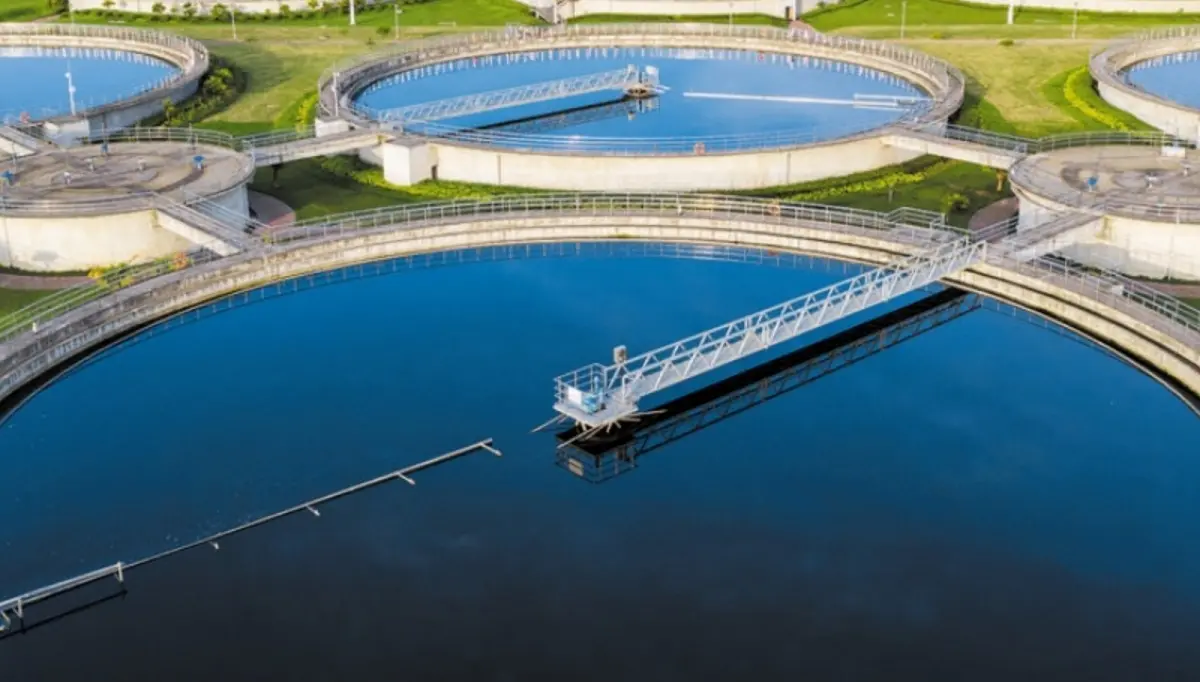
High-basicity coagulants optimize municipal sewage clarification and chemical phosphorus removal.
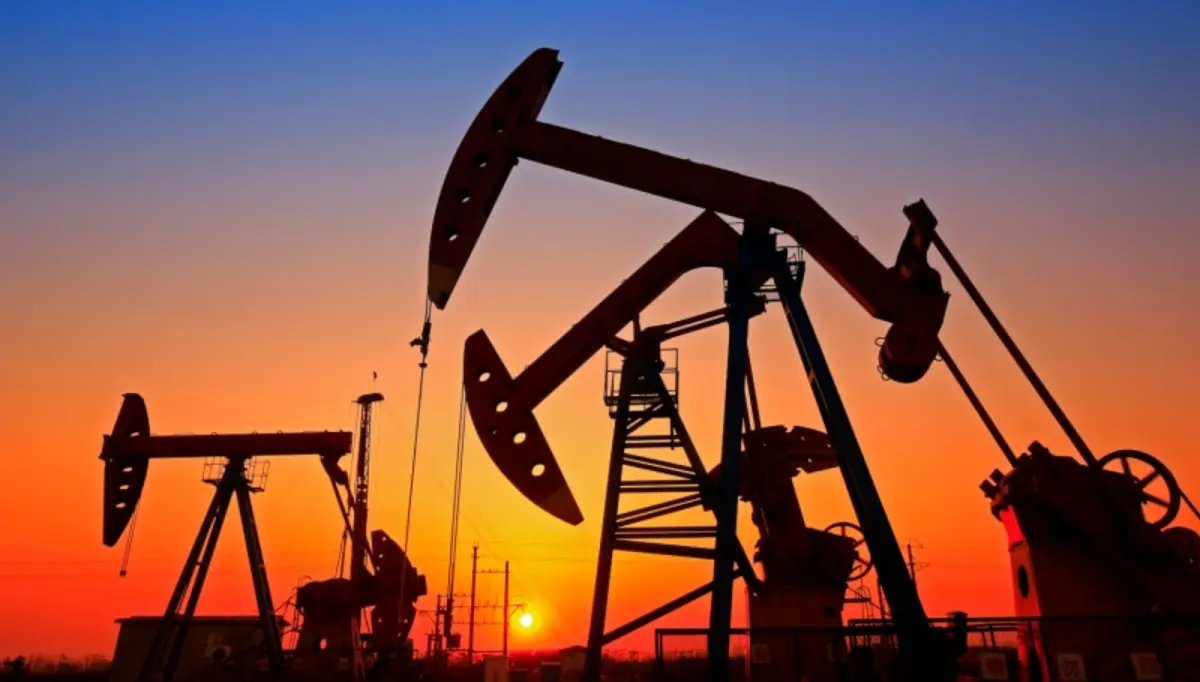
Demulsification and suspended solids removal from refinery effluents and oil-field produced water.
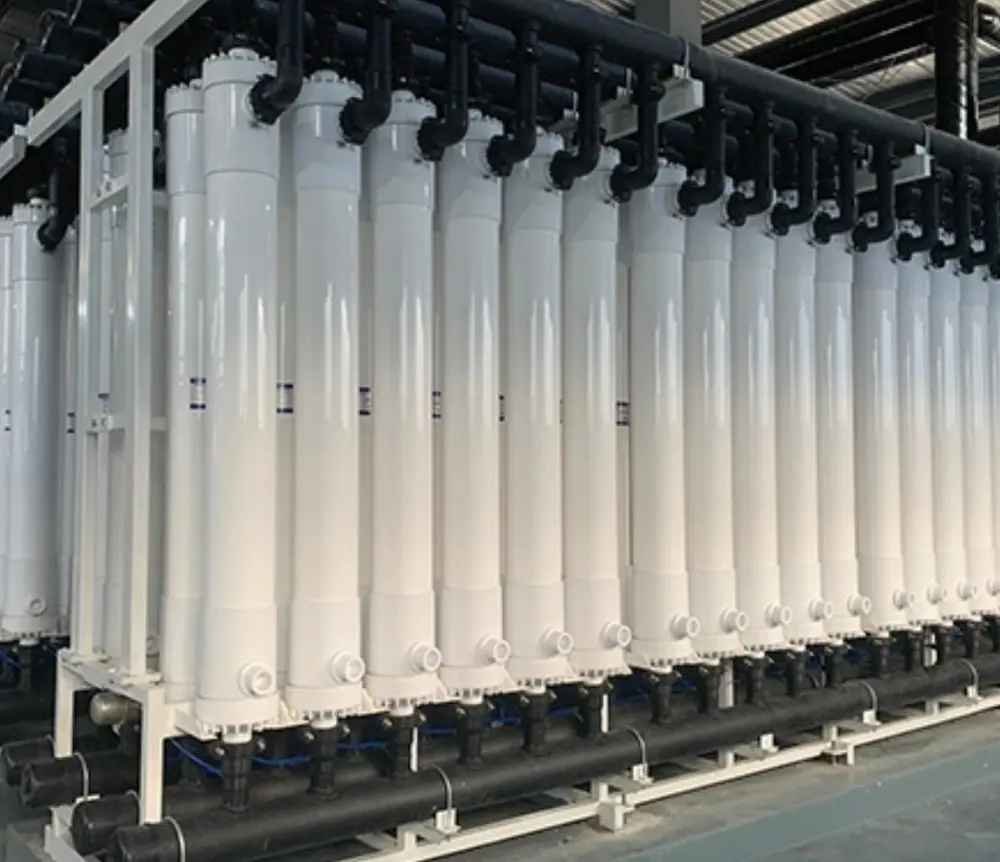
Colloidal silica and organic foulant removal to protect reverse osmosis (RO) membranes.
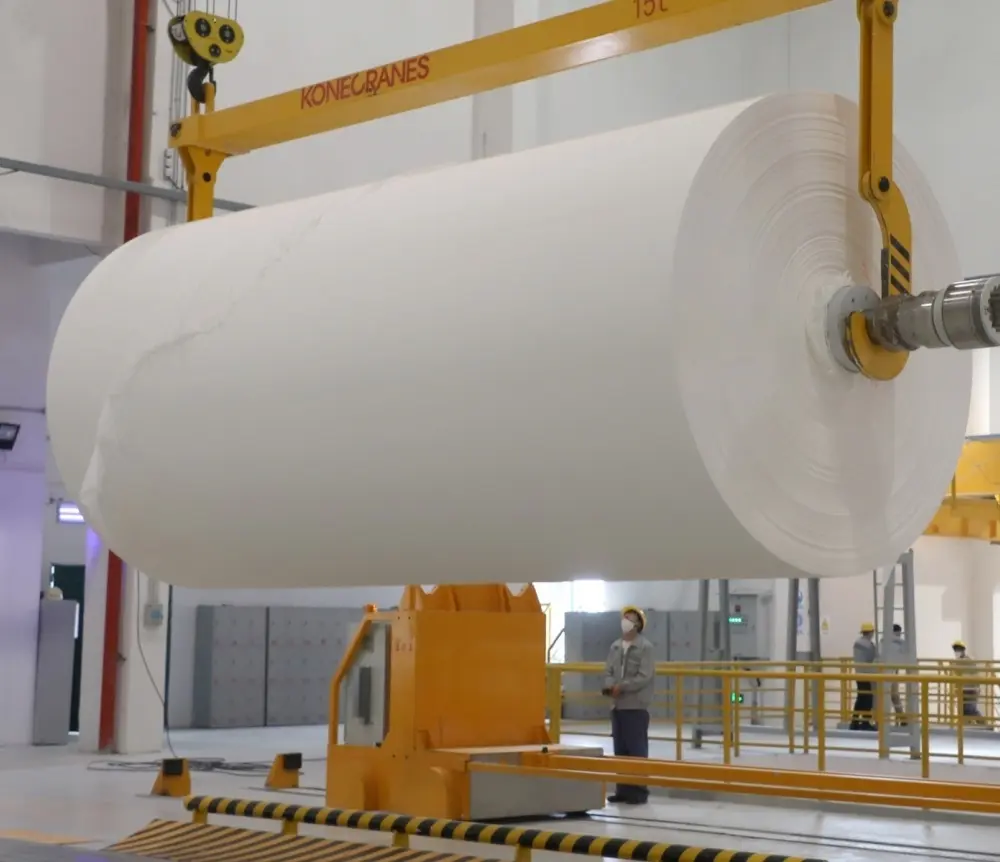
Size retention aid, anionic trash neutralizer, and white water purification agent.
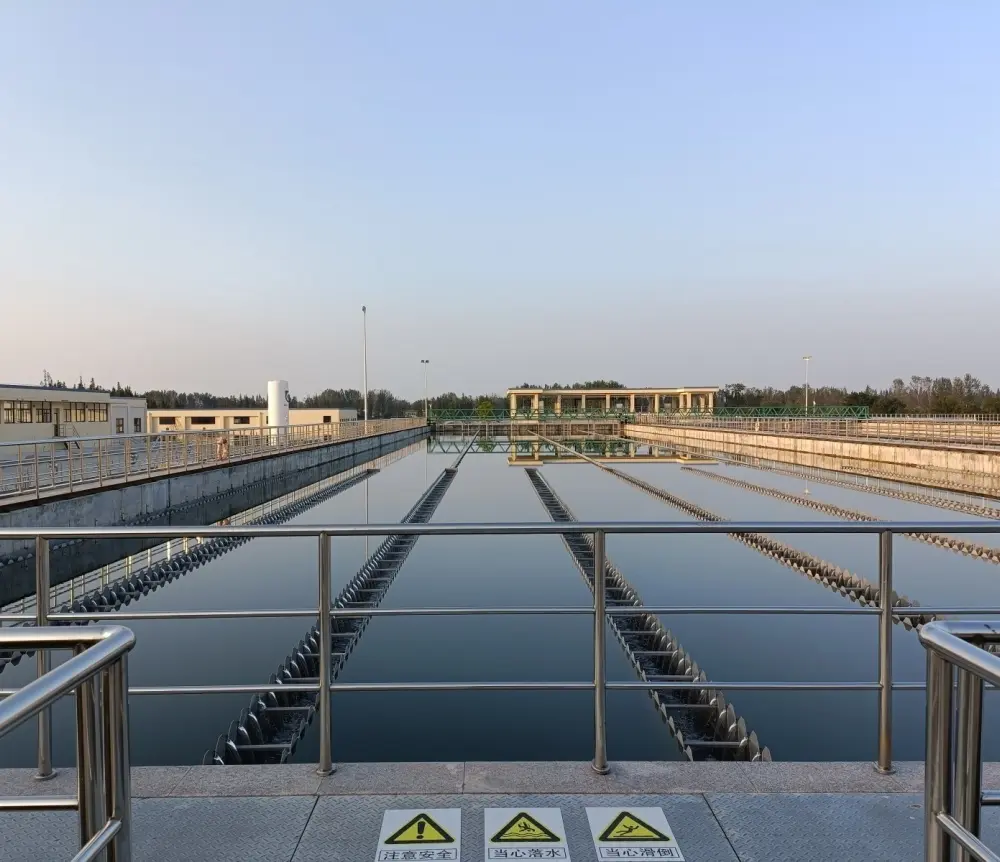
High-purity coagulants certified for municipal drinking water systems, reducing residual aluminum ions.
Our chemical engineering team can adjust basicity, active content, and molecular weight profiles.
Get Engineering SupportFrom custom chemical formulations to on-site dosing optimization, we offer comprehensive lifecycle support.
Our experienced field engineers provide on-site jar testing and water quality diagnostics to determine optimal chemical dosing rates and ratios.
Our automated production facilities generate over 500,000 tons of coagulants annually, ensuring a reliable supply for high-volume users.
With an extensive raw material inventory and container logistics pathways, we ensure stable shipping lead times to the Nagoya port area.
A timeline of our commitment to technological innovation and global scale in the water treatment industry.
Establishing the primary chemical synthesis plant in Wuxi, focusing on basic aluminum coagulant production.
Rebranding as Wuxi Bisheng Water Treatment Agent Co., Ltd. and expanding production capacity for polymeric coagulants.
Initiating export operations to Japan, Southeast Asia, and the Americas through regional distributor networks.
Annual sales volume surpasses $10,000,000 USD, driven by global municipal and industrial demand.
Establishing a dedicated international trade division to provide direct engineering and logistics support to clients in the Nagoya market.
Developing low-carbon chemical synthesis pathways and advanced digital dosing feedback technologies.
Explore our complete range of high-basicity ACH, high-purity PAC, and organic flocculants with direct link specifications.
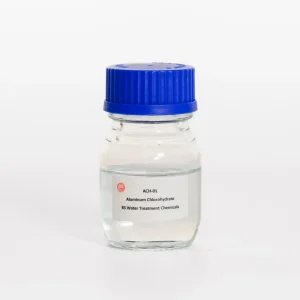
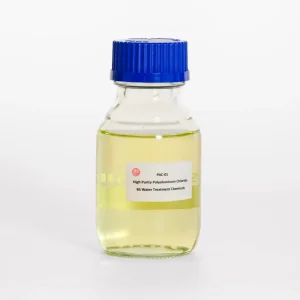
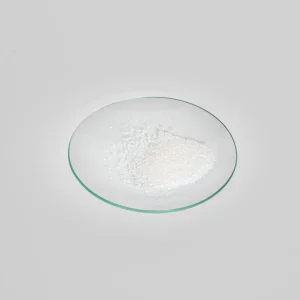
Developing the next generation of eco-friendly, energy-efficient chemical treatment solutions.
As environmental regulations in Japan and globally become more stringent, the focus of coagulant development is shifting towards reducing energy use, minimizing waste, and ensuring safety. The Next-Generation Coagulation Project at Wuxi BS Water Treatment Chemicals Co., Ltd. is focused on three main research areas:
1. Minimizing Residual Metals: In microelectronics and high-pressure boiler feed applications, even trace amounts of residual aluminum can lead to scale formation or deposit build-up. We are developing modified ACH formulations that react completely at lower dosage rates, helping to prevent residual metal carryover into downstream processes.
2. Improving Carbon Efficiency: By sourcing raw alumina materials from suppliers that utilize renewable energy, and by optimizing the thermal efficiency of our reactors, we aim to offer water treatment chemicals with lower indirect carbon footprints. This supports our industrial customers in achieving their Scope 3 emission reduction targets.
3. High-Performance Hybrid Formulations: Our research team is evaluating hybrid formulations that combine ACH with specific cationic polymers. These single-dose products are designed to perform both charge neutralization and polymer bridging in a single step, helping to simplify B2B chemical storage and feed systems.
Common technical inquiries from plant engineers, purchasing managers, and water treatment distributors.
ACH provides significantly higher basicity (83% - 84%) compared to standard PAC (50% - 70%). This higher basicity enables more effective charge neutralization with minimal consumption of alkalinity. Consequently, treating water with ACH typically maintains a stable pH, reducing or eliminating the need for post-treatment alkaline dosing (e.g., lime or caustic soda). Additionally, ACH contains a higher concentration of Al2O3 (up to 24% in liquid form), which can reduce required dosage volumes and shipping costs.
Standard metal salts like alum or iron sulfate often exhibit significantly slower reaction rates and form smaller, weaker flocs in low-temperature water. Because of its pre-polymerized, high molecular weight Keggin structures, ACH maintains reliable flocculation rates and settling velocities even in water temperatures below 5°C. This makes it a dependable option for water utilities in Central Japan during seasonal temperature drops.
Liquid ACH is acidic and should be stored in corrosion-resistant vessels. Suitable materials include fiberglass-reinforced plastic (FRP), polyethylene (PE), polypropylene (PP), or rubber-lined steel. It is recommended to avoid contact with mild steel, copper, or brass to prevent corrosion. Storage temperatures should be maintained between 5°C and 40°C to prevent crystallization or product degradation.
Yes. The highly cationic polymer complexes in ACH react with dissolved orthophosphates to form insoluble aluminum phosphate precipitates, which are then removed through sedimentation or filtration. Its high basicity helps prevent significant pH drops in the aeration tank, supporting stable nitrification and biological nutrient removal (BNR) cycles.
We operate under a certified ISO 9001:2015 quality management system. Every batch of raw alumina trihydrate and hydrochloric acid is tested before entering our reactors. During synthesis, critical parameters—including reaction temperature, pressure, acid ratio, and basicity—are continuously monitored. Finished batches undergo comprehensive testing for Al2O3 content, basicity, pH, density, and heavy metal concentrations before dispatch.
Our technical team is ready to assist with custom formulations, jar testing data, or logistics coordination for the Nagoya market.
 Tel: +86 13584221461
 Email: [email protected]
Please fill out the form below, and one of our chemical engineers will respond to your inquiry shortly.
Technological developments and corporate updates from Wuxi BS Water Treatment.
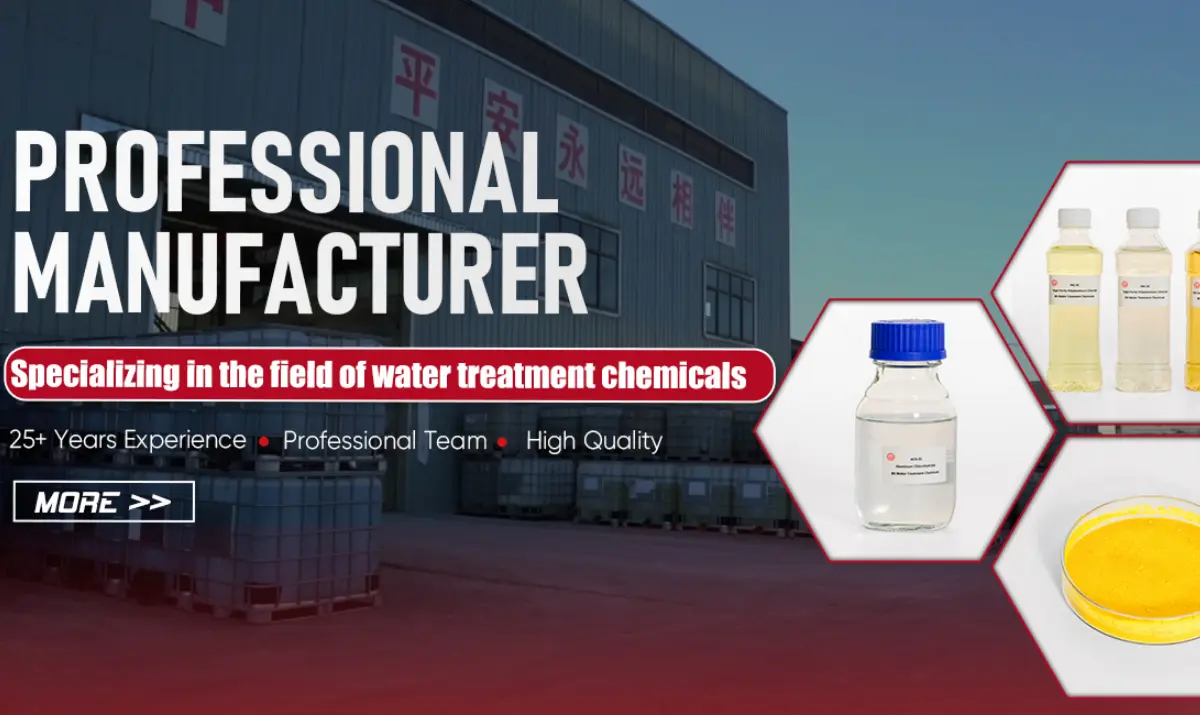
 Sep 09, 2025
As industrial manufacturers prioritize decarbonization, our technical teams are collaborating with regional distributors in Japan to introduce optimized ACH dosing systems designed to lower chemical consumption and reduce waste sludge volume.
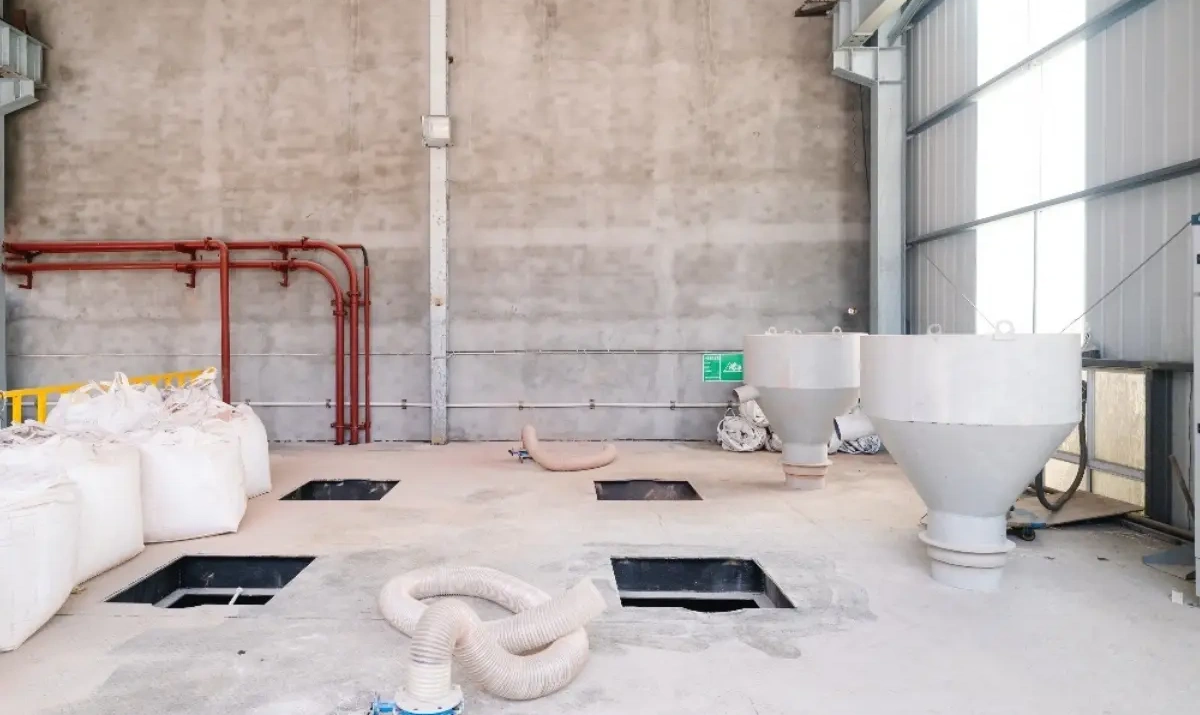 Aug 21, 2025
We have introduced digital feed equipment designed to help water treatment plants optimize chemical dosing and improve coagulation efficiency.
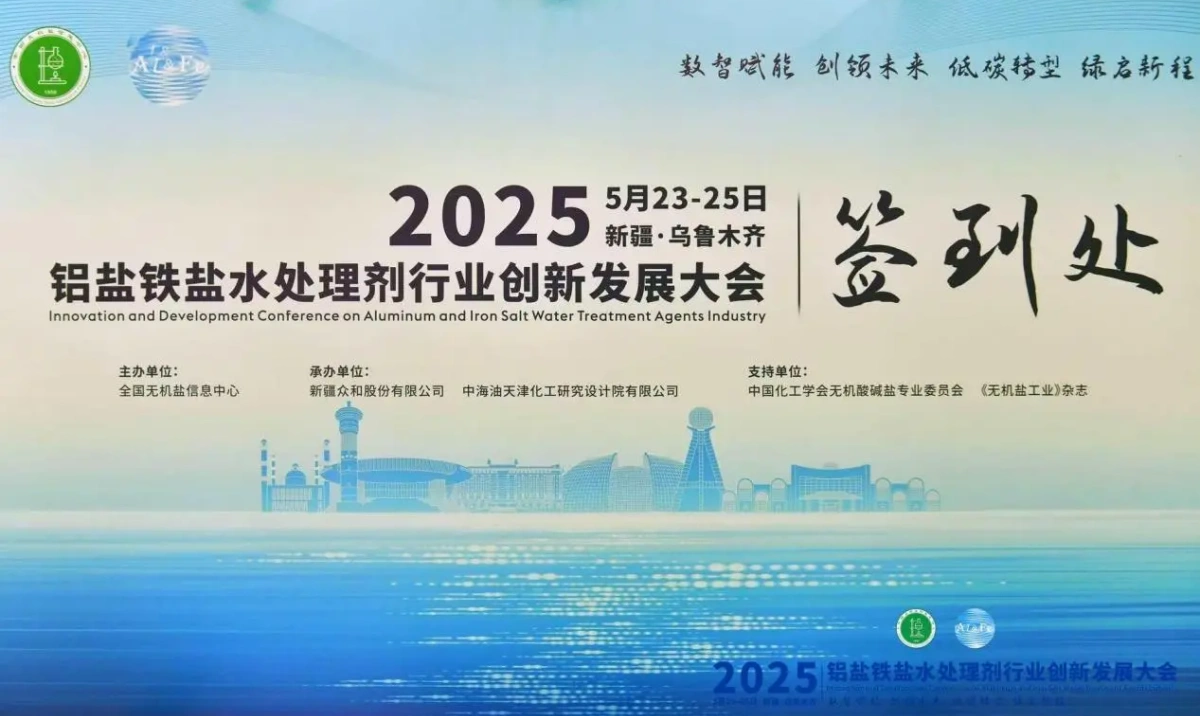 Aug 15, 2025
BS Technical Director highlighted the role of high-basicity ACH in reducing trace metals in wastewater at the national conference.
 BS Water