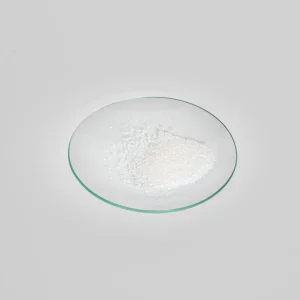
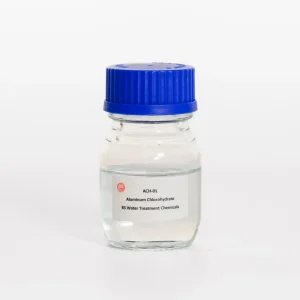
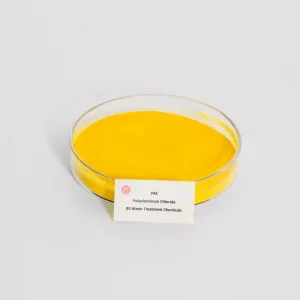
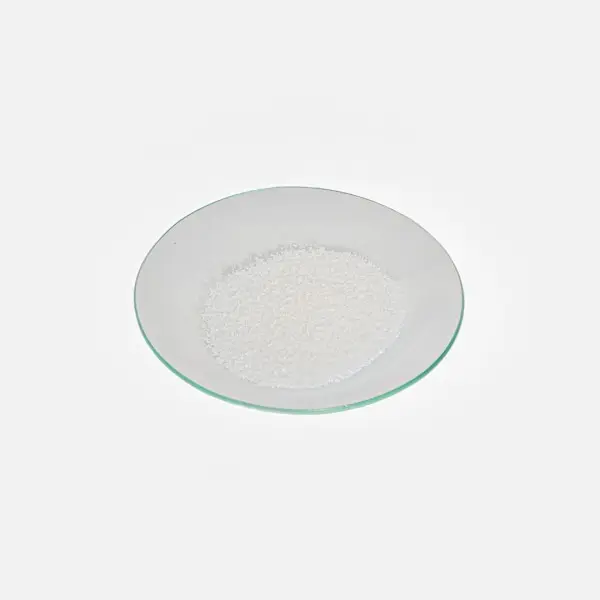
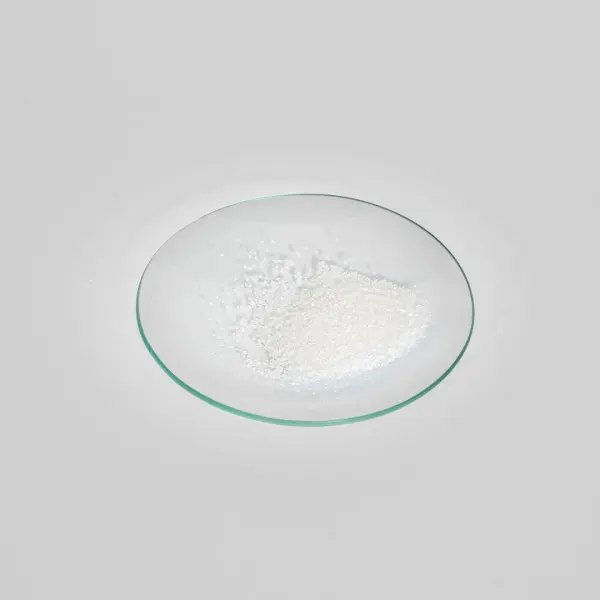
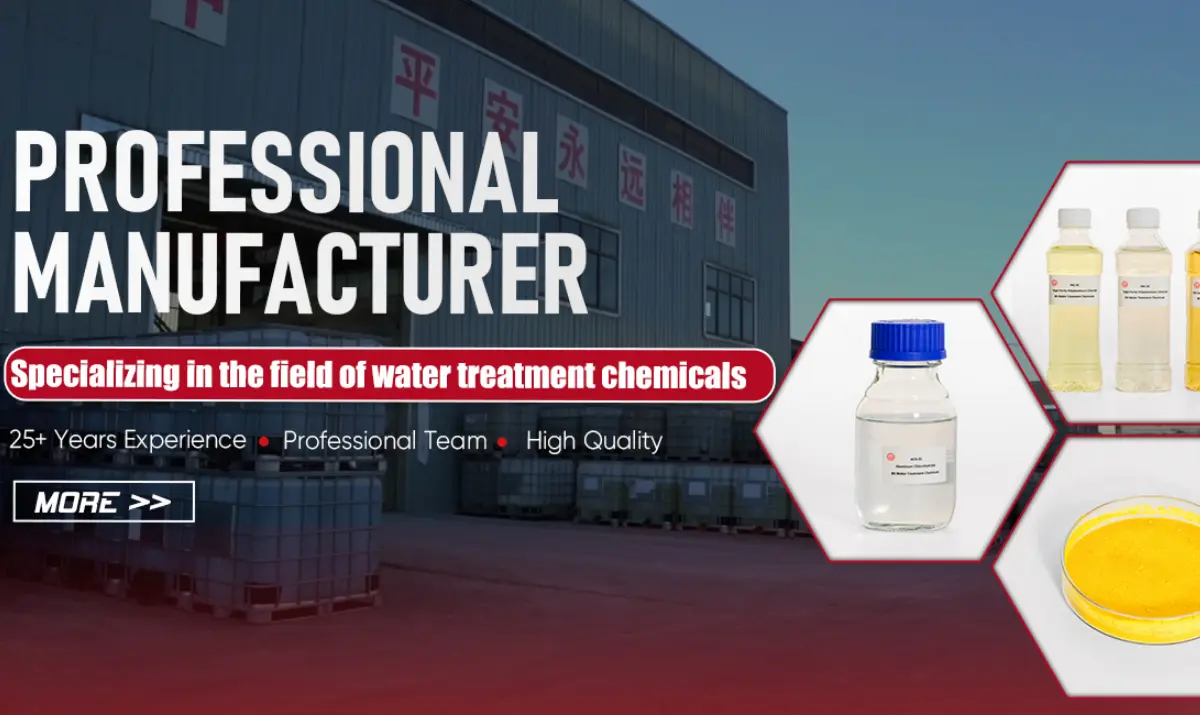
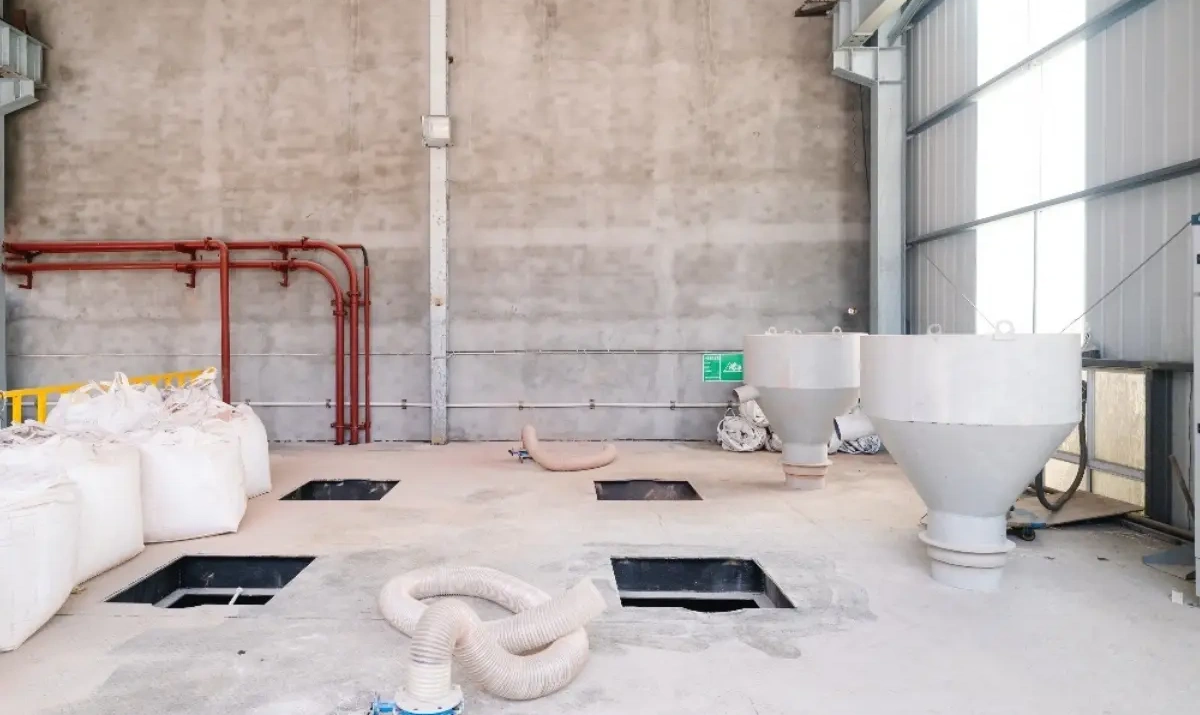
Explore our industrial grade water treatment solutions directly manufactured in our state-of-the-art facilities in China.
A Deep Technical Analysis on the Behavior of Aluminum-Based Coagulants in Water Purification Systems.
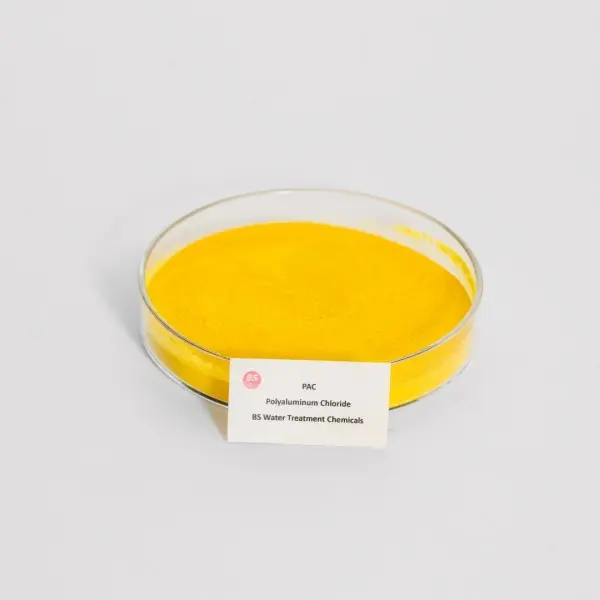
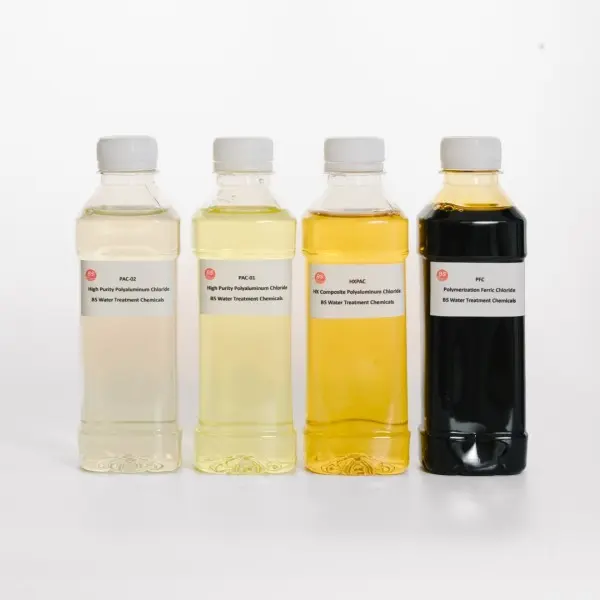
Aluminum Sulfate ($\text{Al}_2(\text{SO}_4)_3$) and its polymeric derivatives, such as Polyaluminium Chloride (PAC) and Aluminum Chlorohydrate (ACH), are the cornerstones of modern chemical water treatment. When dissolved in raw water, aluminum salts undergo rapid hydrolysis, forming a series of monomeric and polymeric aluminum hydroxyl complexes. These positively charged species, notably the highly stable $\text{Al}_{13}$ polymer ($\text{Al}_{13}\text{O}_4(\text{OH})_{24}^{7+}$), readily adsorb onto negatively charged colloidal particles (silicate, clay, humic acids). This process reduces the Zeta potential of the colloids, eliminating electrostatic repulsion and allowing the particles to aggregate under the influence of Van der Waals forces.
In highly turbid raw waters, the dosage is calibrated to exceed the solubility limit of aluminum hydroxide, triggering "sweep-flocculation". In this regime, amorphous aluminum hydroxide precipitates ($\text{Al(OH)}_3$) physically entrap suspended solids as they settle, offering massive floc growth rates and excellent turbidity reductions.
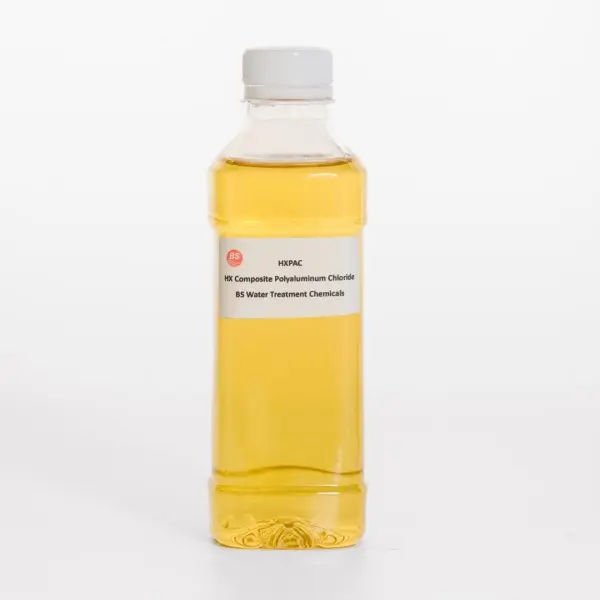
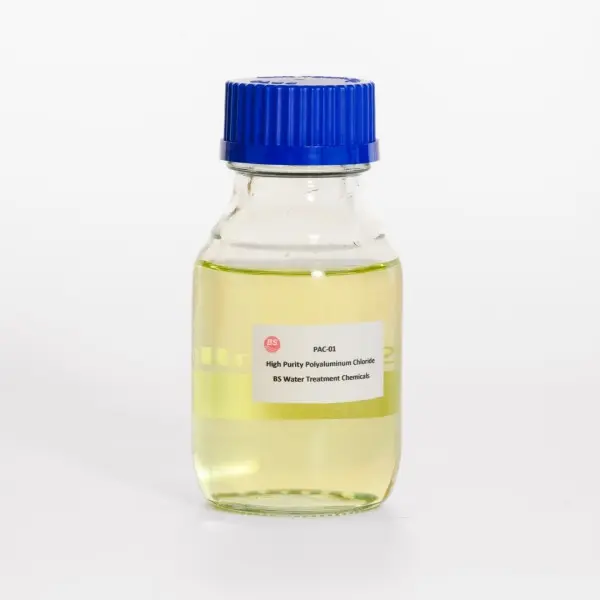
While dry Aluminum Sulfate remains a standard choice globally, polymeric alternatives like Polyaluminium Chloride (PAC) offer superior basicity ($B = [\text{OH}]/3[\text{Al}]$). High-basicity compounds have pre-hydrolyzed aluminum structures, meaning they consume less alkalinity in the target wastewater. Consequently, the addition of PAC leads to a lesser pH drop compared to classic Aluminum Sulfate.
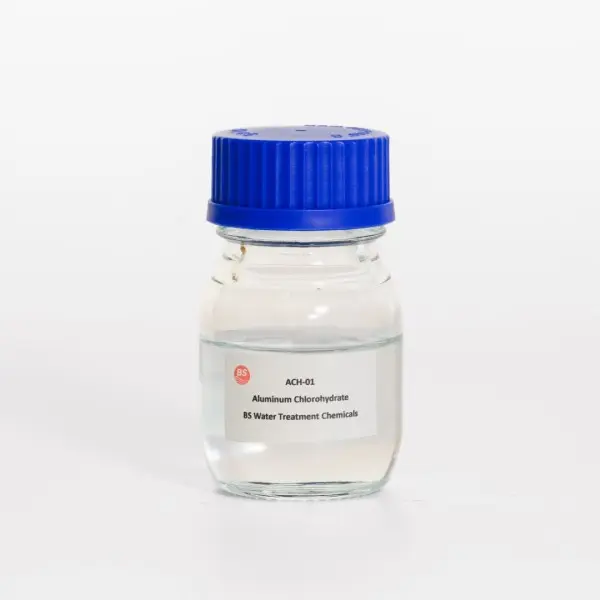
Aluminum Chlorohydrate (ACH) represents the extreme end of this scale with a basicity up to 83%, providing the highest aluminum concentration in a stable liquid form. For industrial procurement directors, choosing between these reagents depends heavily on the incoming raw water's alkalinity, temperature, and target effluent standards.
Technical Insight: Selecting the correct basicity reduces the chemical footprint of the treatment plant. For instance, replacing standard Aluminum Sulfate with high-basicity PAC can reduce sludge production by up to 40% and eliminate the need for secondary pH adjustment chemicals like lime or sodium hydroxide.
Uncovering the Raw Material Integration, Digital Operations, and Supply Chain Efficiencies of Wuxi BS Water Treatment.
China's domestic chemical industry possesses unparalleled upstream vertical integration. Factories have direct access to critical minerals like high-quality bauxite and pure sulfuric acid. This integration protects procurement partners from global price shocks and ensures chemical purity with trace heavy metal contaminants kept far below international drinking water limits.
Leading manufacturers like Wuxi BS have deployed digital monitoring platforms and automated reactor systems. By regulating temperatures, reaction times, and raw material feeds digitally, our factories achieve consistent polymerization indexes batch after batch. This mitigates batch variability, a common issue in lower-end chemical manufacturing.
Based in Wuxi, Jiangsu, our plant benefits from the proximity to major ports like Shanghai and Ningbo. With robust highway and waterway connections, shipping costs are minimized, and delivery times are secured, ensuring that bulk liquid and solid chemical deliveries reach global destinations on time.
A comprehensive system of municipal and industrial clarifying reagents manufactured by Wuxi BS Water Treatment.
How Wuxi BS Coagulants address challenging effluent scenarios across diverse global sectors.
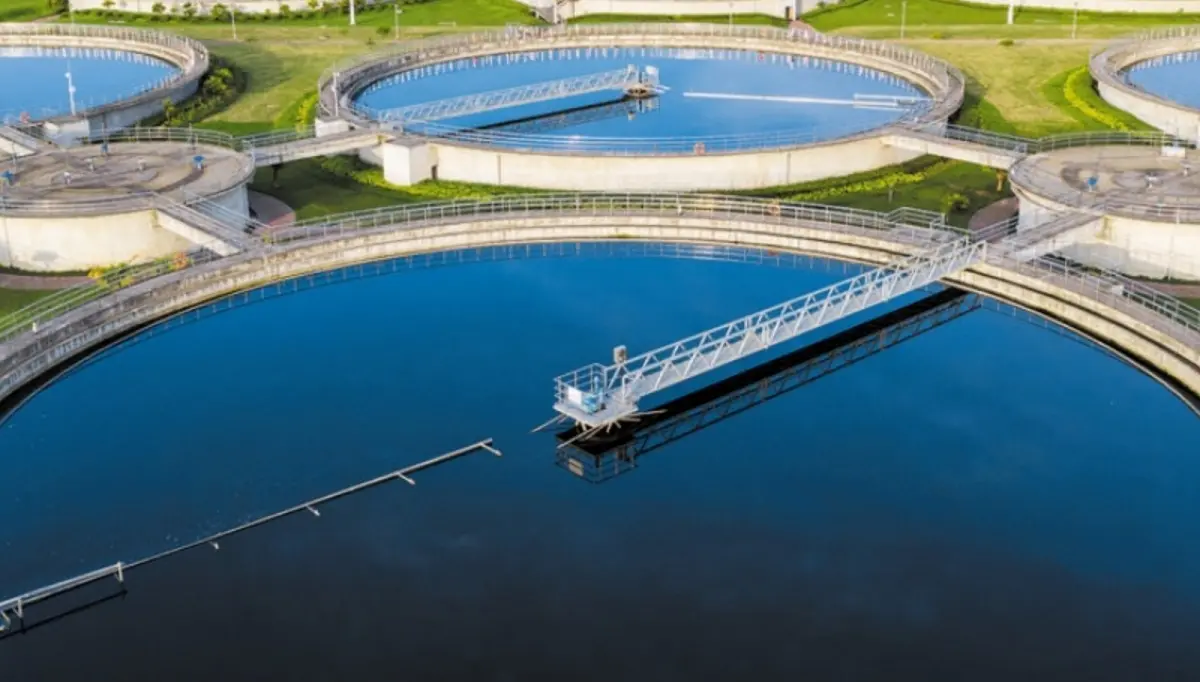
Our aluminum-based coagulants and organic flocculants work synergistically to reduce COD, BOD, and total phosphorus in municipal wastewater, enabling compliance with strict discharge regulations.
Learn More →
Designed for oil-water separation in produced water. Quickly breaks emulsions and removes emulsified hydrocarbons and suspended solids from petroleum refinery effluent.
Learn More →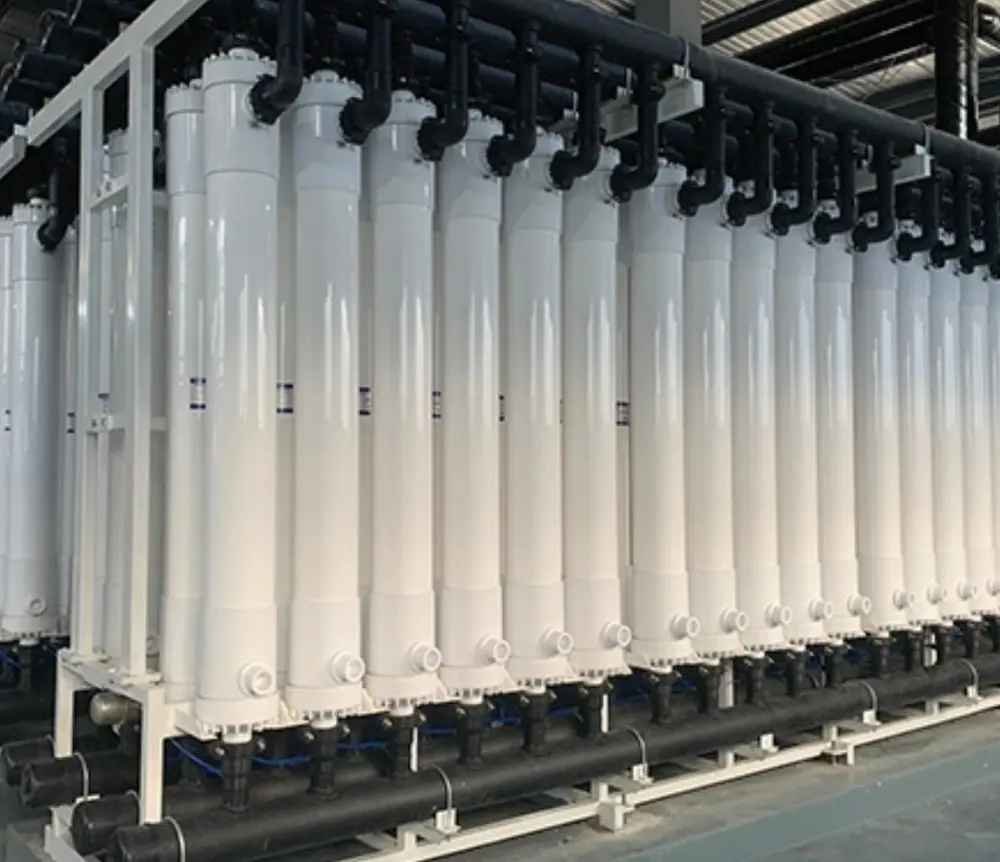
Prevents membrane fouling by removing colloidal silica and organic macromolecules before they reach reverse osmosis (RO) or ultrafiltration (UF) elements, extending membrane lifetime.
Learn More →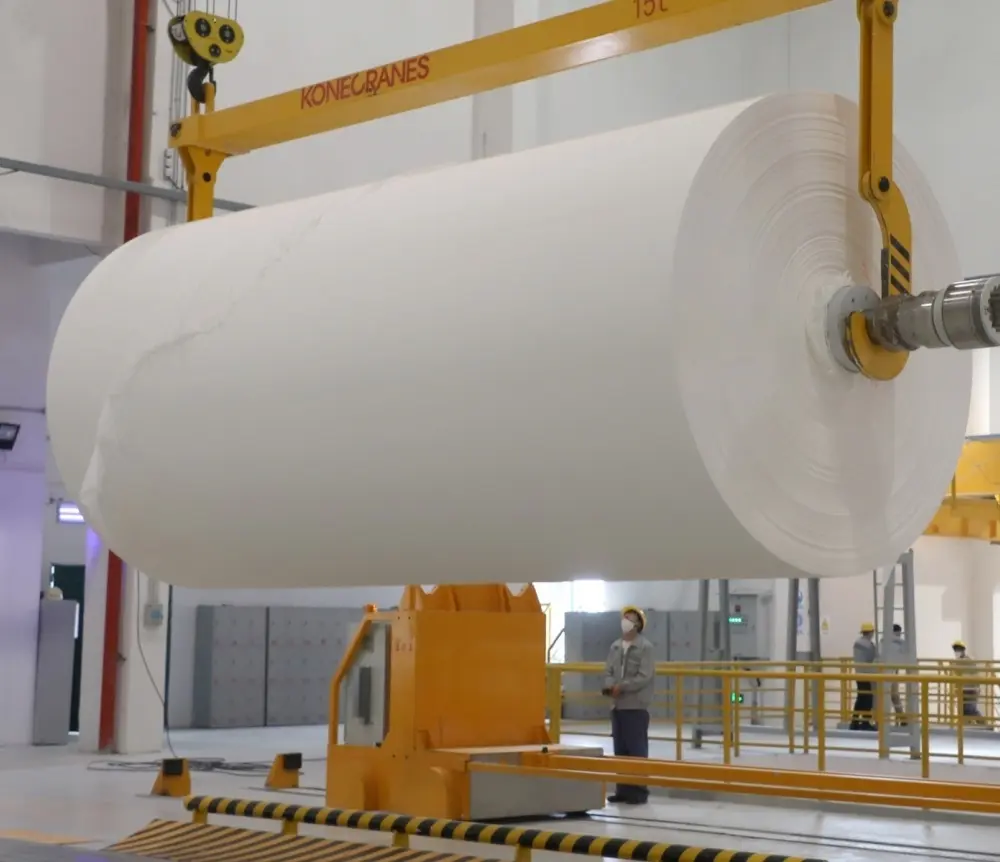
Serves as an effective retention and drainage aid, securing pulp fibers, optimizing paper sizing, and purifying backwater systems in pulp and paper mills.
Learn More →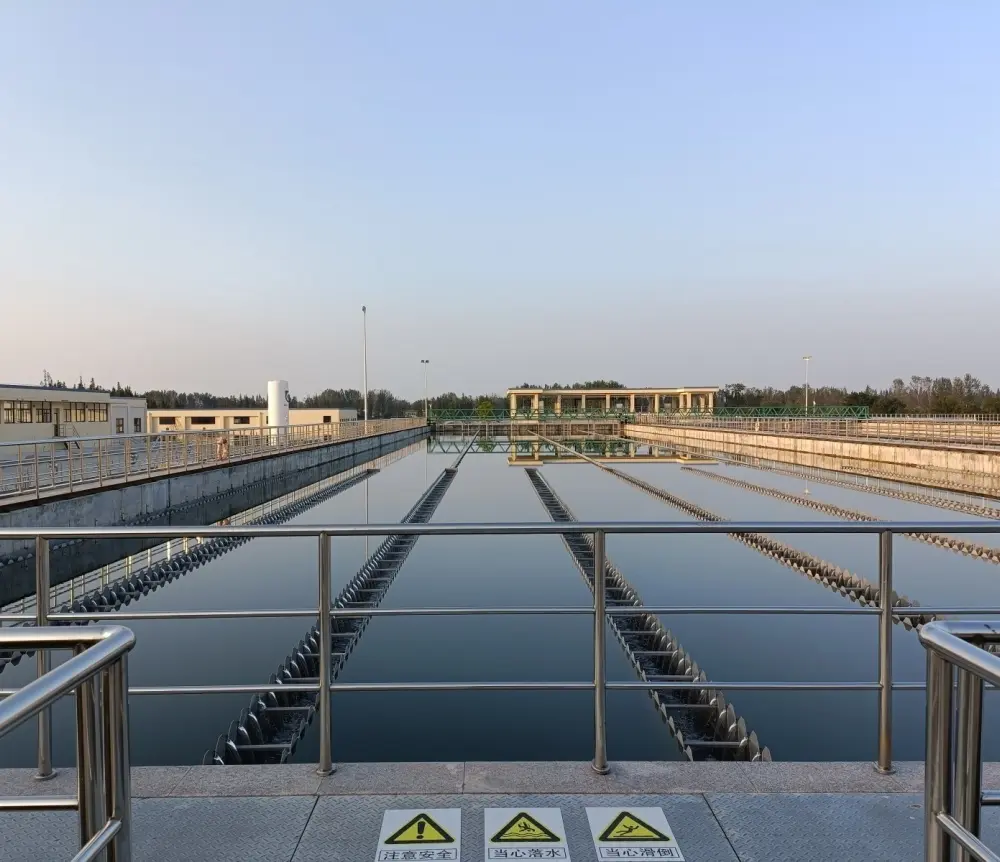
Our ultra-pure, low-heavy-metal PAC and ACH products reliably remove pathogens, natural organic matter (NOM), and turbidity from raw reservoir and river waters.
Learn More →Customizing chemical properties to meet your unique municipal or industrial wastewater profiles.
We provide full-cycle engineering services starting with laboratory beaker tests to determine the optimal coagulant dose. Our chemical engineers analyze your water parameters—including pH, turbidity, conductivity, and organic load—to customize a chemical blend that ensures high purification efficiency and minimal operating costs.
With an annual sales volume exceeding 500,000 tons and a finished product warehouse holding over 20,000 tons, Wuxi BS guarantees a reliable supply. Our facilities operate 24/7, enabling us to handle sudden volume increases or supply shortages for municipal water boards and large industrial parks.
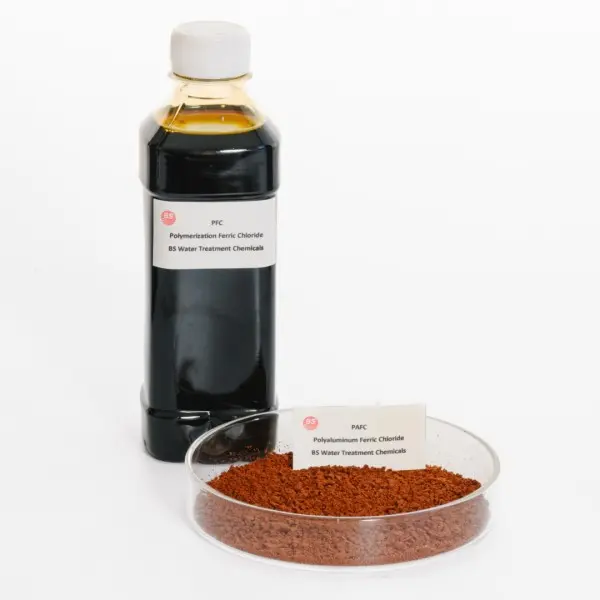
Since 1998, we have continually upgraded our chemistry labs and production lines. Our current focus is developing eco-friendly composite coagulants (such as PAFC) that work efficiently in cold climates and produce denser, faster-settling flocs.
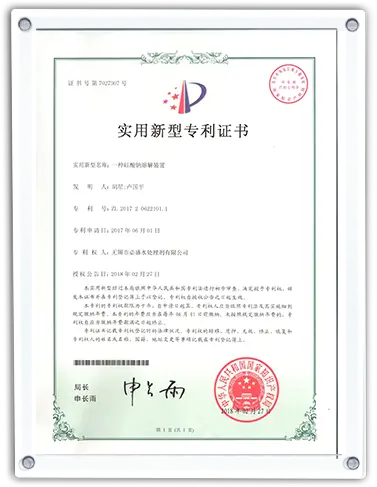
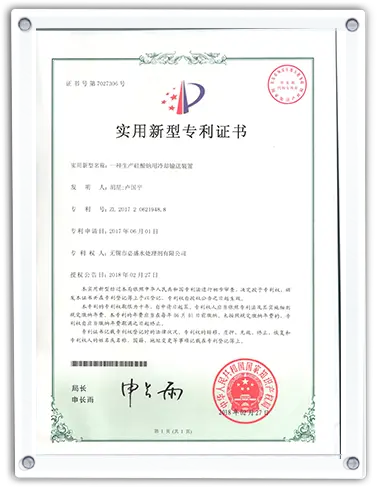
Compliance, safety, and strict quality control certified by global inspection agencies.

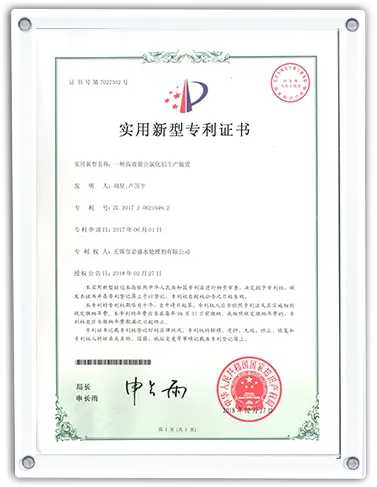
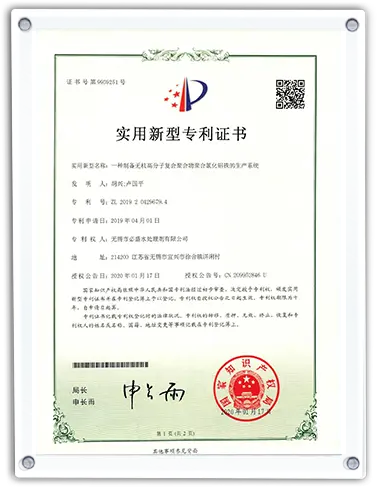
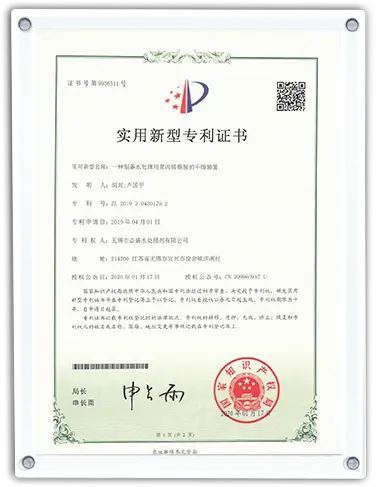
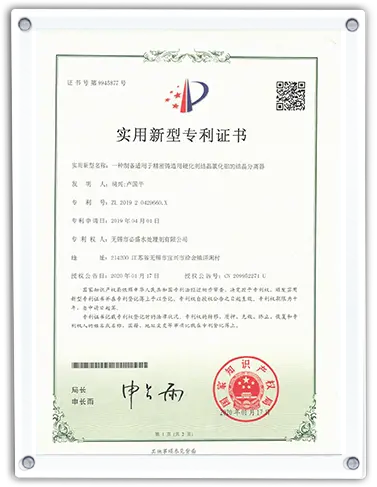
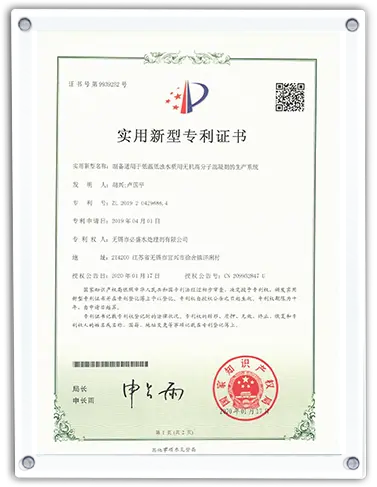
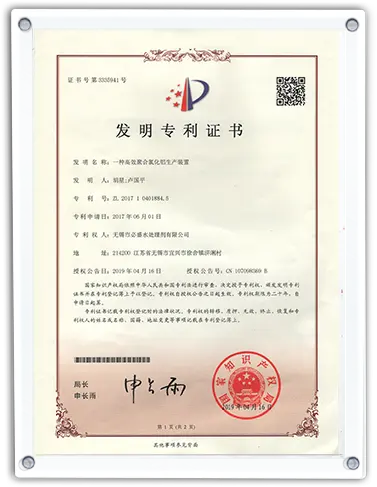
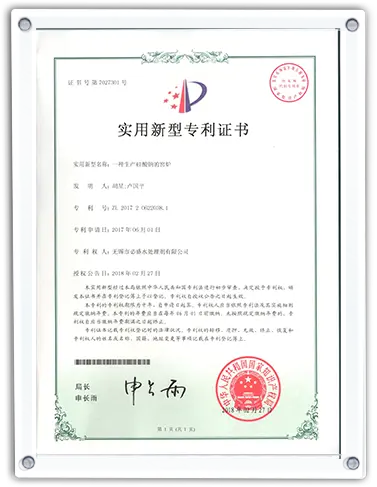
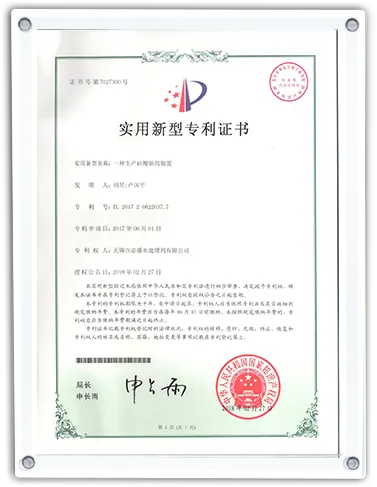
Our evolution from a local chemical plant to a prominent global exporter of coagulants.

Our factory was established, commencing primary manufacturing of aluminum-based salts for local municipal facilities.
Renamed to Wuxi Bisheng Water Treatment Agent Co., Ltd., expanding production lines to include polymer-based flocculants.
Initiated export operations, delivering high-purity coagulants to South East Asia, Middle East, and South American distributors.
Annual export sales exceeded $10,000,000, driven by the global adoption of our high-basicity PolyAluminium Chloride.
Established our dedicated Foreign Trade Department, introducing direct global procurement consulting and digital order tracking.
Get answers to common queries regarding Aluminum Sulfate Coagulants and their applications.
Insights and technical updates from our chemical engineering team.
Our technical team is ready to analyze your wastewater profile and recommend a cost-effective chemical program.
Wuxi BS Water Treatment Chemicals Co., Ltd. © All Technical Materials Protected.
Request technical data sheets and free product samples:
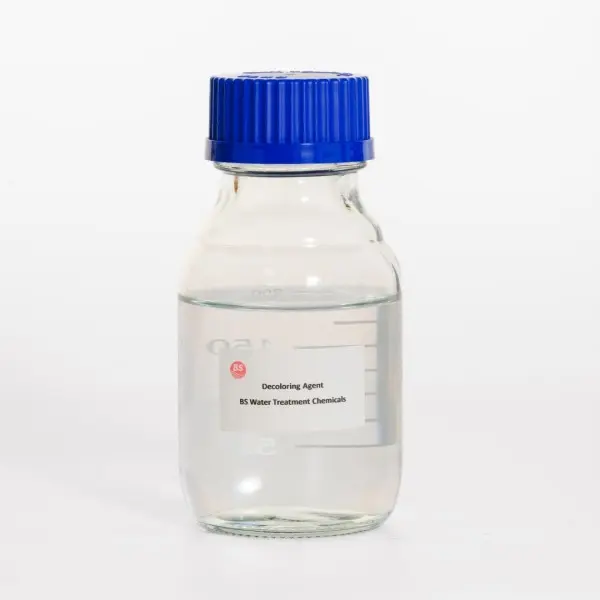
High-grade organic polymers, synthetic decoloring agents, and inorganic salts for industrial wastewater plants.
 BS Water