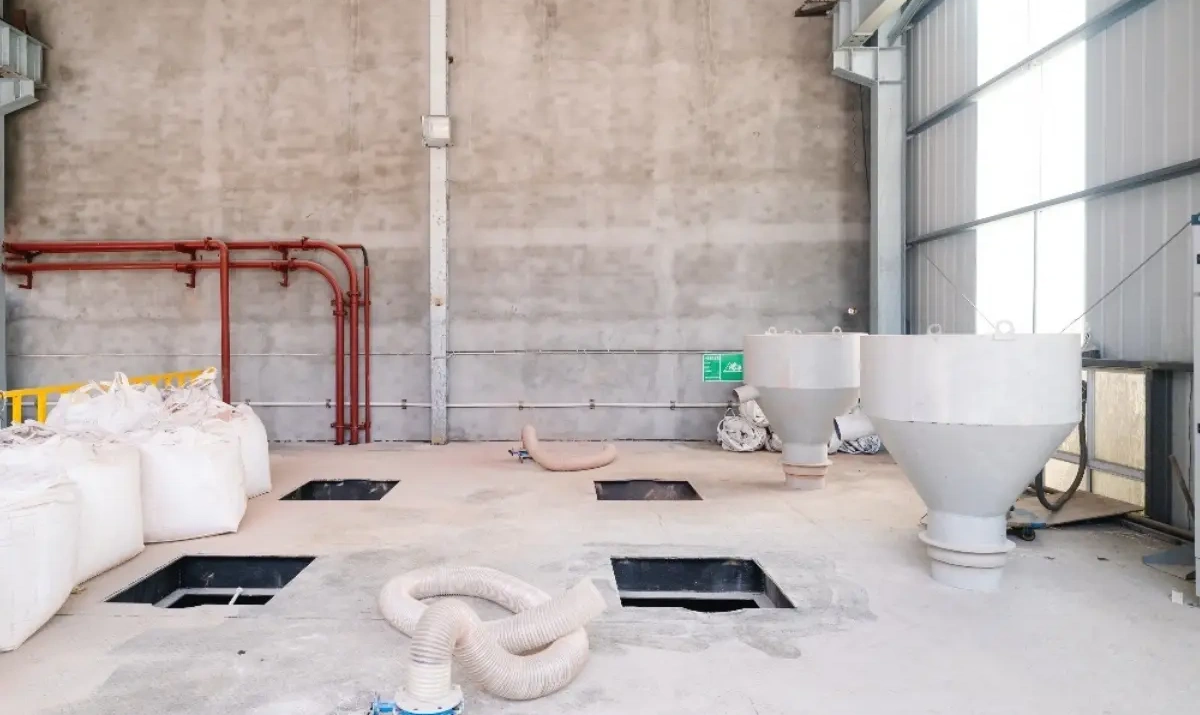
Explore our top-tier manufacturing lines featuring highly effective inorganic and organic chemical compounds engineered for diverse water clarification environments.
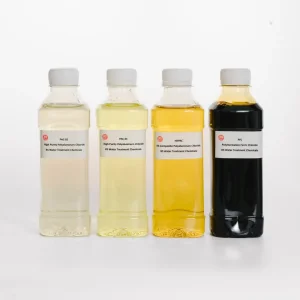
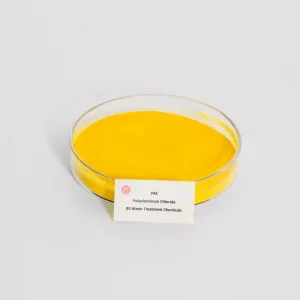
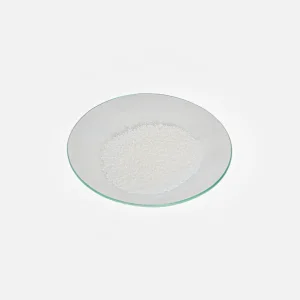
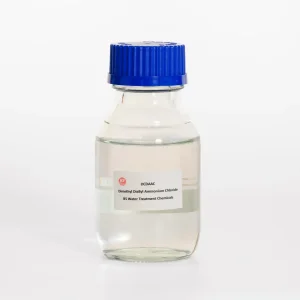
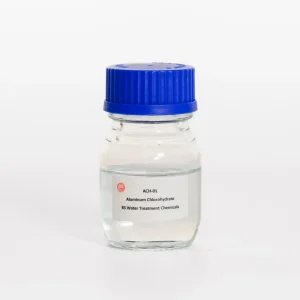
The global water and wastewater treatment market is undergoing a seismic shift. Rapid urbanization, compounding industrial expansion, and increasingly strict global environmental standards have put massive pressure on traditional municipal and industrial effluent infrastructure. In this scenario, coagulants and flocculants are not merely process chemical additives; they are critical barriers protecting aquatic systems and supporting circular resource management.
Currently, the global demand for coagulants and flocculants is driven by the need for more efficient solid-liquid separation, color removal, and heavy metal reduction. China, as a manufacturing powerhouse, plays a decisive role in the supply chain of these materials. By utilizing advanced chemical engineering processes and benefitting from raw material integration, Chinese factories provide high-purity, high-basicity, and structurally customized polymers that meet strict international regulations, such as NSF/ANSI/CAN 60 standards for drinking water treatment chemicals.
From an economic perspective, high-efficiency chemical solutions help reduce the total cost of ownership (TCO) for wastewater facilities. By optimizing coagulation efficiency, treatment plants can significantly decrease sludge production, lower chemical dosages, and minimize energy consumption during dewatering processes. This directly supports corporate Environmental, Social, and Governance (ESG) goals and matches municipal carbon-reduction pathways.
Integrating raw material processing with modern polymer synthesis allows Chinese plants to guarantee continuous output, even during shifts in the global supply chain.
Innovations in manufacturing have led to formulations with fewer residual free monomers, meeting strict environmental rules in North America and Europe.
Applying high-charge density polymers reduces total treatment costs by lowering chemical demand and minimizing sludge disposal expenses.
Effective water treatment relies on understanding the chemistry of coagulation and flocculation. Coagulation primarily destabilizes colloidal suspensions by neutralizing electrical charges, while flocculation aggregates the destabilized particles into larger flocs via chemical bridging and physical entrapment. Wuxi BS Water Treatment Chemicals Co., Ltd. produces a complete range of chemical agents designed for specific particulate surface characteristics:
| Chemical Agent Type | Primary Classification / Grade | Molecular Weight Range | Key Performance Parameter | Common Industrial Application |
|---|---|---|---|---|
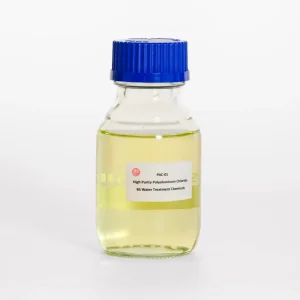
| Polyaluminum Chloride (PAC) | Solid (White/Yellow) / Liquid | Medium to High Polymer | Basicity: 50% - 85% | Municipal Drinking Water & Industrial Wastewater |
| Aluminum Chlorohydrate (ACH) | Liquid & Solid Powder | Highly Polymeric Monomer | Basicity ≥ 83%, $Al_2O_3$: 23% - 46% | High-Purity Water Treatment & Cosmetics (Antiperspirants) |
| Cationic Polyacrylamide (CPAM) | Solid Granules / Powder | 8 - 15 Million Daltons | Charge Density: 10% - 80% | Municipal Biological Sludge Dewatering |
| Anionic Polyacrylamide (APAM) | Solid Granules / Powder | 12 - 25 Million Daltons | Hydrolysis Degree: 10% - 35% | Mining Tailings Sedimentation, Paper & Oil EOR |
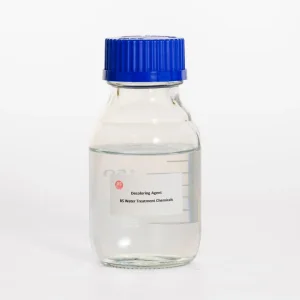
| Water Decolorizing Agent (WDA) | Liquid Solution | Low to Medium Polymer | Active Content: ≥ 50% | Textile Dyeing Wastewater & Industrial Dyeing Systems |
| PDADMAC | Liquid Solution | 100,000 - 1,000,000 Daltons | Solid Content: 20% - 50% | Pulp & Paper Pitch Control, Drinking Water Clarification |
The effectiveness of coagulants and flocculants depends heavily on the specific application context. Industrial processes produce wastewater streams with unique chemical matrices, particulate size distributions, and zeta potentials. Implementing a standardized, one-size-fits-all treatment program often leads to high chemical costs and inefficient process controls. Wuxi BS Water Treatment Chemicals Co., Ltd. designs customized solutions for major industrial sectors:
Utilizing high-basicity PAC combined with custom charge-density CPAM significantly improves primary sedimentation speed and sludge filter press yield, reducing biological sludge volume by up to 35%.
Deploying high-purity white PAC and ACH allows plants to meet strict turbidity limits (<0.1 NTU) while minimizing residual aluminum levels in final distributed water.
Specialized APAM formulations with high thermal stability are used in tertiary oil recovery (EOR) and oilfield wastewater treatment, helping break down emulsion stability in oily water.
Integrating PDADMAC and cationic PAM helps retain fine fibers and fillers in paper mills, improving drainage rates and overall machine running speeds.
Applying ultra-high molecular weight APAM accelerates tailing thickening, recycling valuable process water and preventing structural failure in tailings ponds.
Properly dosing low-dosing ACH or PAC prevents particulate and colloidal fouling on downstream reverse osmosis (RO) membranes, extending membrane operational life.
A textile dyeing plant faced penalties due to high color and high chemical oxygen demand (COD) levels in their effluent. By replacing alum and ferrous sulfate with Wuxi BS's Water Decolorizing Agent (WDA) paired with low-dosage Anionic Polyacrylamide, the plant achieved a color removal efficiency of over 98% and a COD reduction of 65%. This change also reduced chemical sludge production by 40%, significantly cutting disposal fees.
The future of water treatment chemistry is defined by green synthesis, intelligent control systems, and high-performance, cost-effective formulations. The research team at Wuxi BS Water Treatment Chemicals is focusing on several key developmental areas to support our partners through 2030:
Developing hybrid coagulants that blend inorganic aluminum salts with natural polymers (like modified starches, cellulose, and chitosan). These hybrid agents reduce carbon footprints and lower residual metals in treated sludge, simplifying waste recycling.
Integrating chemical products with real-time digital monitoring. By continuously tracking raw water turbidity, pH, temperature, and streaming current (zeta potential), dynamic dosing algorithms adjust chemical delivery in real time, preventing chemical waste during storm events.
Scaling up high-basicity ACH and PAC formulations that stay stable over longer periods. These polymers perform consistently across wide temperature ranges and variations in source water salinity.
A technology leader with over 27 years of experience in synthesizing advanced water treatment polymers and inorganic coagulant formulations.
Established in 1998, Wuxi BS Water Treatment Chemicals Co., Ltd. has grown from a regional producer into a globally recognized manufacturer of water purification chemicals. Based in Jiangsu, China, our facilities use advanced automated control systems to ensure consistent, batch-to-batch polymer structures.
Our manufacturing range covers drinking water treatment agents, municipal sewage conditioners, and specialized polymers for oil recovery and mineral processing. We invest heavily in quality control, checking every raw material batch and using advanced chromatography and particle analyzers to confirm molecule weight distributions. This focus on quality helps us support partners in Europe, North America, Southeast Asia, and the Middle East.
Wuxi Bisheng Water Treatment Agent factory was established, starting production of basic inorganic coagulants for municipal projects.
Renamed as Wuxi Bisheng Water Treatment Agent Co., Ltd. and expanded manufacturing lines to produce polyacrylamide flocculants.
Began exporting water treatment products globally, matching European and US quality and regulatory certifications.
Annual sales exceeded 10 million USD, backed by upgrades to our high-efficiency automated polymer reactors.
Established a dedicated global trade department to improve service, technical field support, and customized OEM/ODM partnerships.
Our technical team has compiled answers to frequently asked questions from process engineers and procurement teams regarding coagulant selection and dosage optimization:
High-charge organic polymers and custom-synthesized decolorizing agents designed for complex industrial effluents.
Connect with our chemical engineers to optimize your dosing rates, schedule water quality tests, or request custom OEM/ODM polymer formulations.
Stay informed about current chemical market trends, regulatory shifts, and technical advancements from Wuxi BS Water Treatment.
 BS Water


 Sep 09, 2025