Q
What is Liquid PAC (Polyaluminum Chloride) and how does it differ from solid PAC?
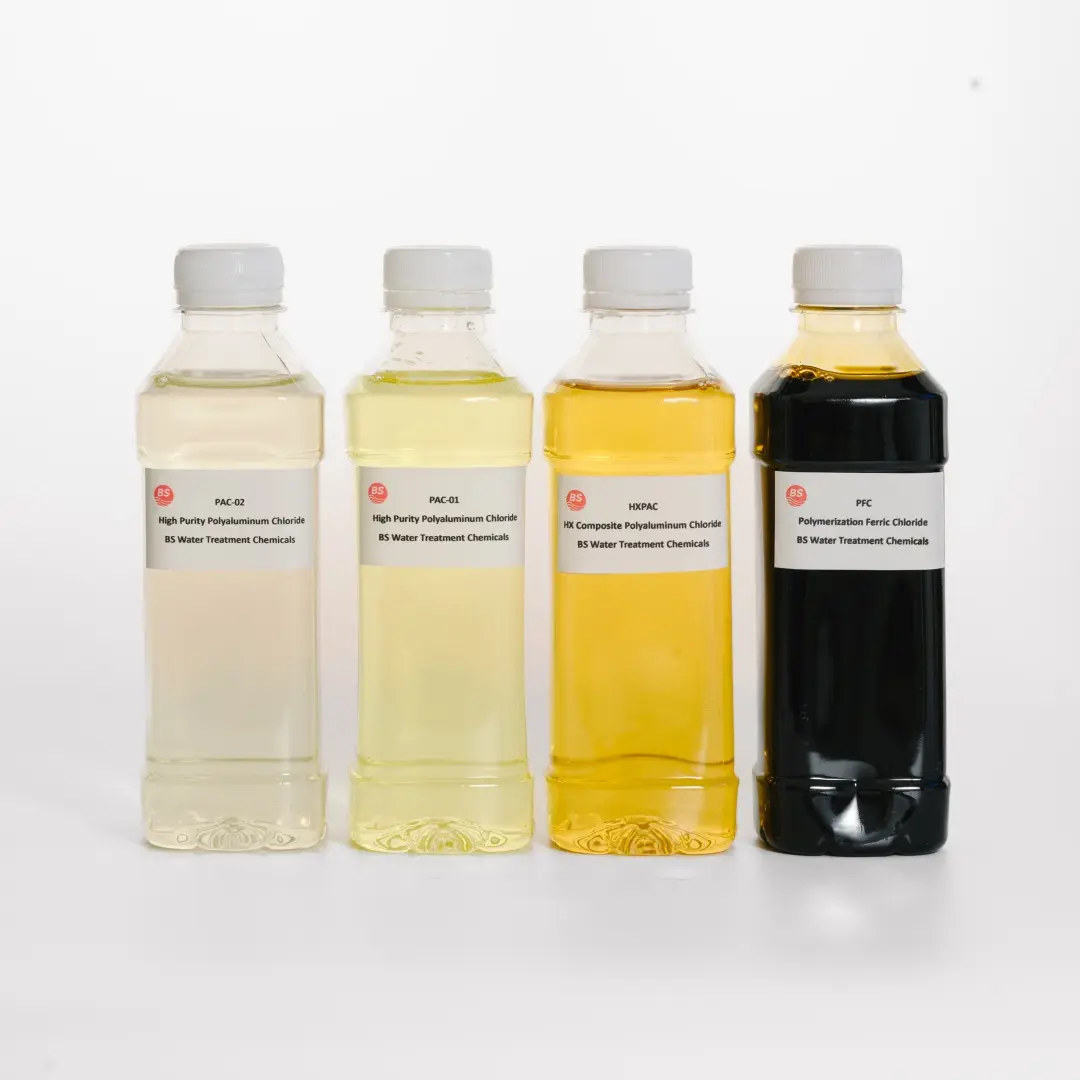
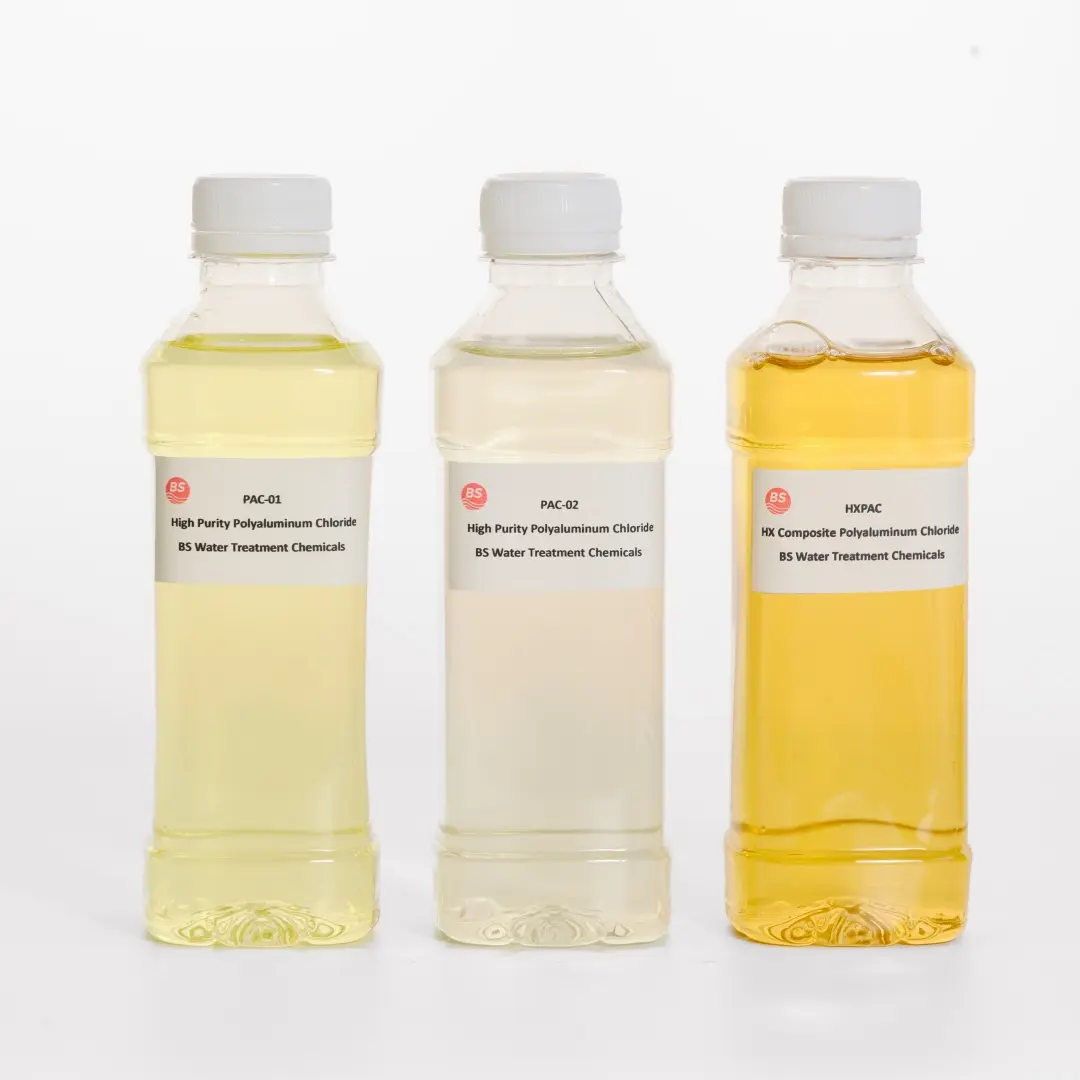
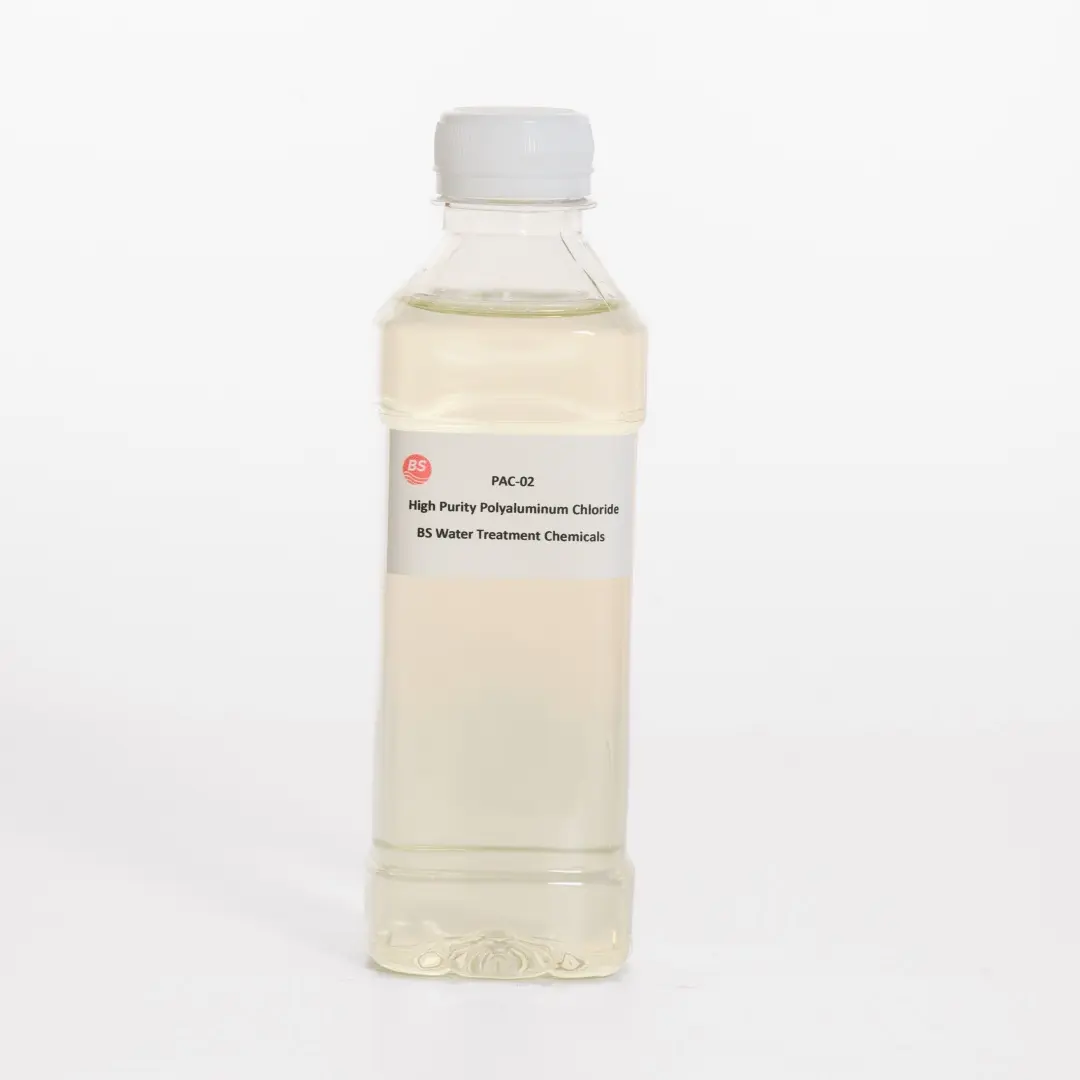
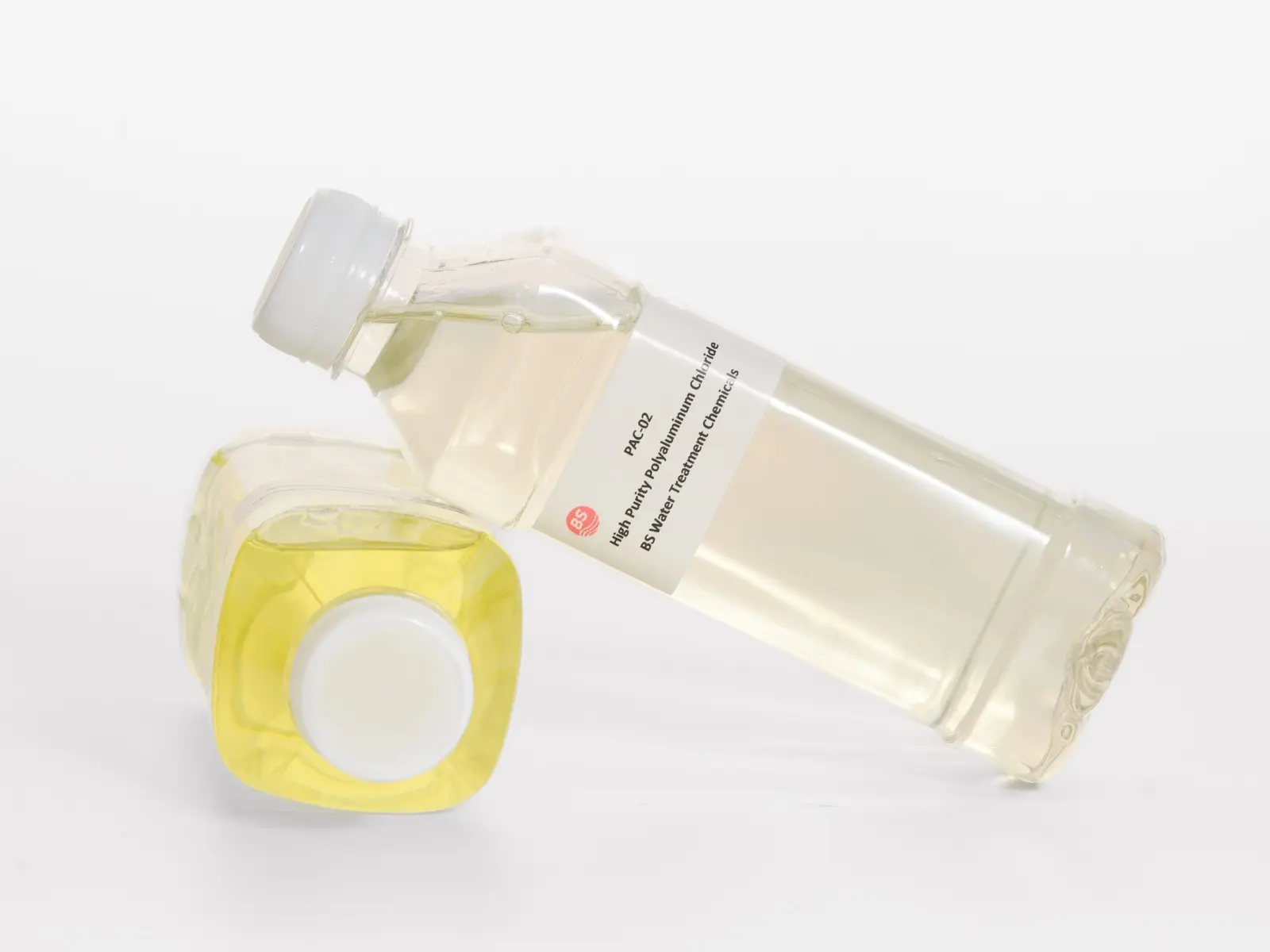
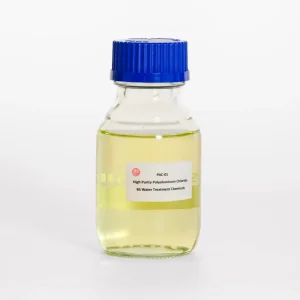
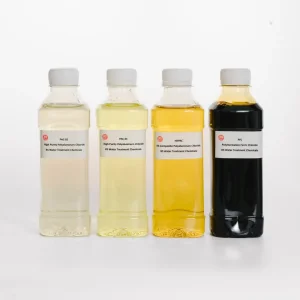
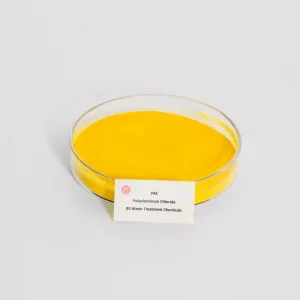
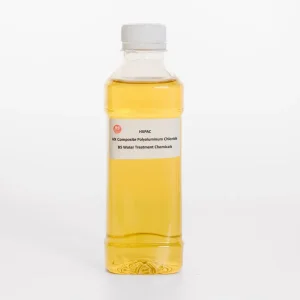
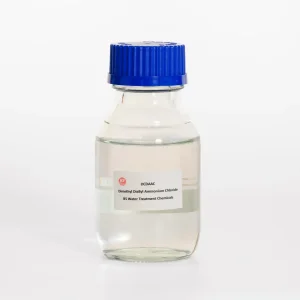
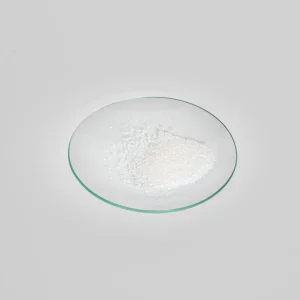
Liquid PAC is a pre-dissolved form of Polyaluminum Chloride that can be directly added to water treatment systems without any prior dissolution step. Compared to solid PAC, liquid PAC offers faster flocculation speed (approximately 20% faster), easier dosing control, and eliminates the need for dissolution equipment, making it more convenient and cost-effective for continuous operations.
Q
What is the difference between Industrial Grade and Drinking Water Grade Liquid PAC?
Drinking Water Grade Liquid PAC has stricter purity requirements, including a higher minimum Al₂O₃ content (≥10% vs ≥8%), significantly lower heavy metal limits (Fe ≤ 0.2%, As ≤ 0.0001%, Pb ≤ 0.0005%), and a lower insoluble substance content (≤ 0.1%). These tighter standards ensure safety for use in potable water purification applications in compliance with international drinking water standards.
Q
What types of wastewater can Liquid PAC effectively treat?
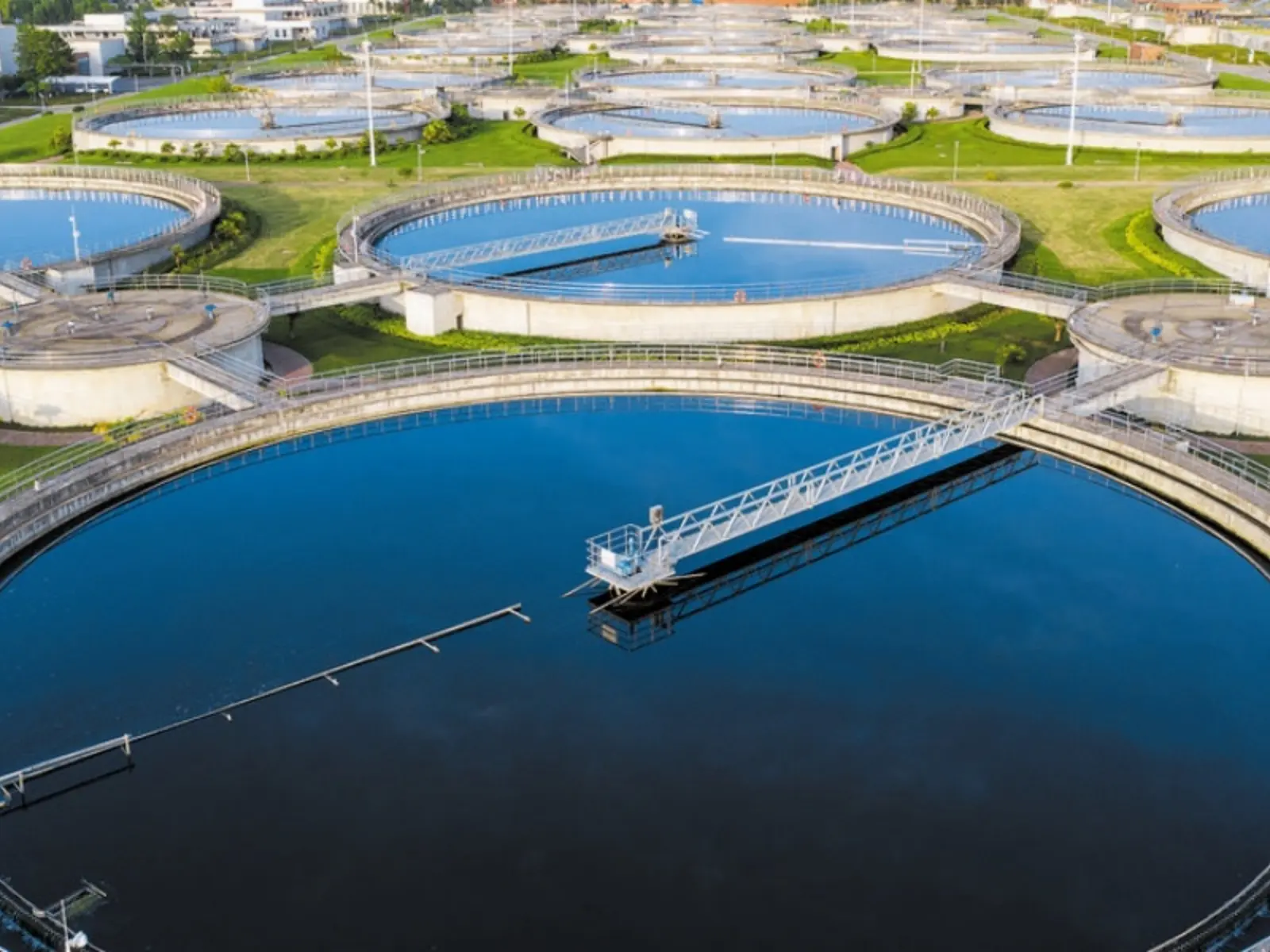
Liquid PAC is highly versatile and effective across a wide range of wastewater types, including municipal sewage (coagulation and sludge dewatering), industrial effluents such as papermaking black liquor, printing and dyeing wastewater, electroplating wastewater (removal of Cr⁶⁺, Cu²⁺), and chemical wastewater (phosphorus removal). It is also used for coal slime clarification, oilfield reinjection water treatment, and stone cutting wastewater recycling.
Q
What packaging options are available for Liquid PAC, and how should it be stored?
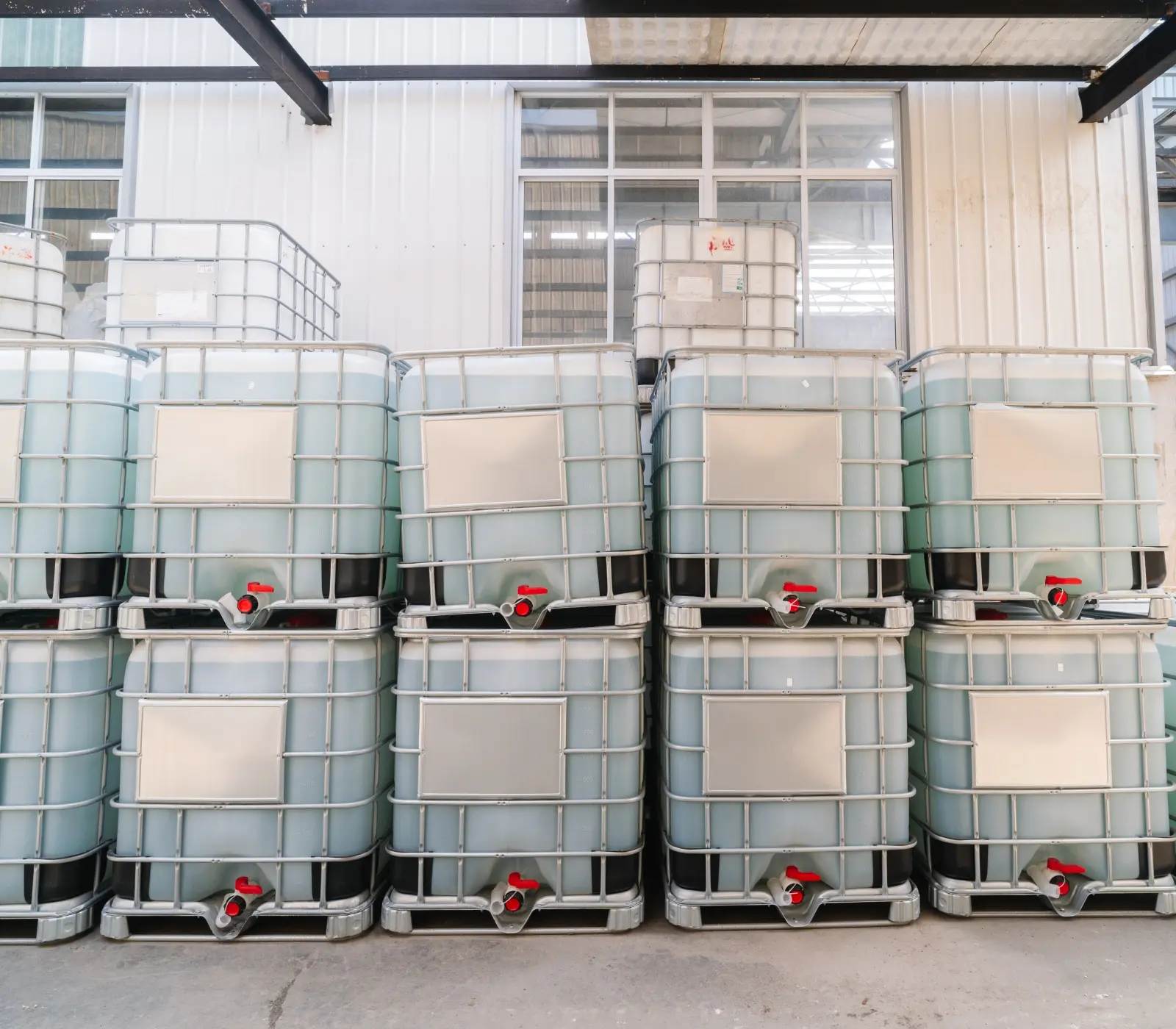
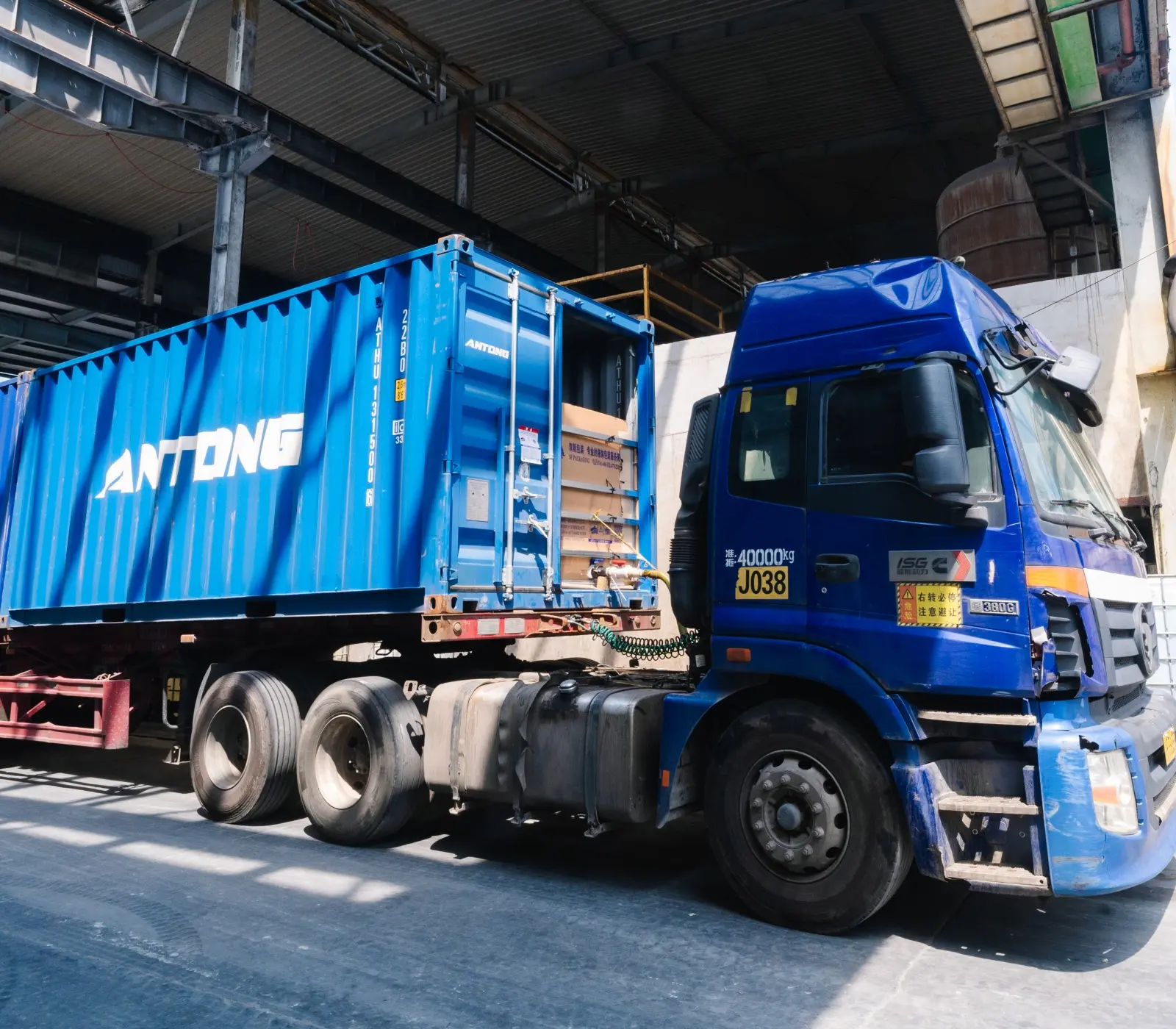
Liquid PAC is available in 25L plastic drums, 1000L IBC totes, and liquid bags for bulk shipment. It should be stored in a cool, well-ventilated area away from direct sunlight. When kept sealed, the shelf life is 6 months. Proper storage conditions help maintain product quality and ensure consistent performance during water treatment applications.
Q
Is Liquid PAC safe for use in drinking water treatment?
Yes. Our Drinking Water Grade Liquid PAC meets stringent international quality standards, with extremely low levels of heavy metals such as arsenic (As ≤ 0.0001%), lead (Pb ≤ 0.0005%), mercury (Hg ≤ 0.00001%), and chromium (Cr ≤ 0.0005%). Its wide pH adaptability (4–10) and low corrosivity make it a safe and reliable choice for drinking water purification, including iron/manganese removal from groundwater and turbidity reduction from surface water sources.
Q
Why is Liquid PAC considered more suitable for emergency water treatment scenarios?
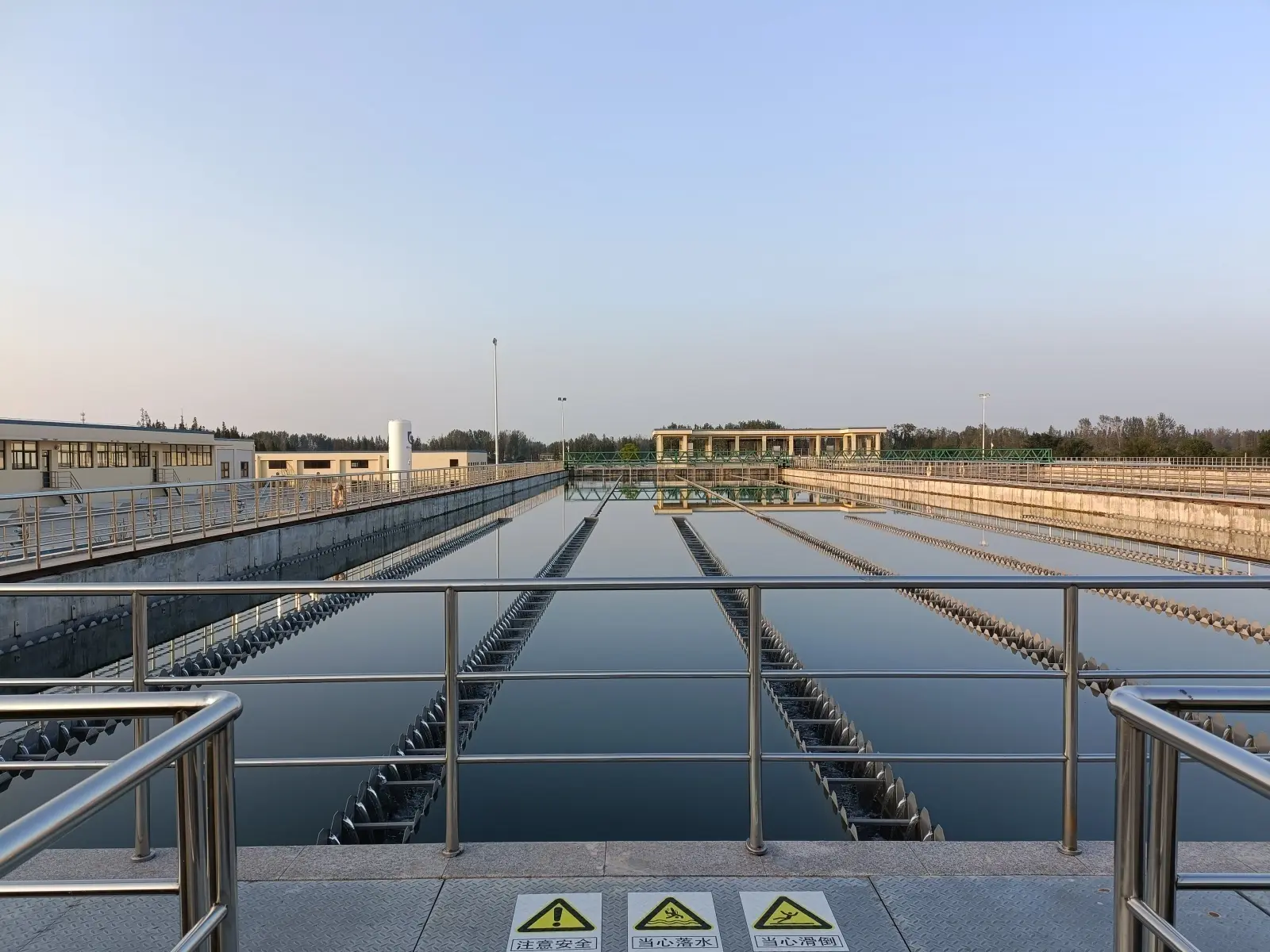
Liquid PAC is ideal for emergency and small-scale water treatment facilities because it requires no dissolution preparation — it can be dosed directly into the treatment system. Its high molecular activity enables a flocculation speed approximately 20% faster than solid PAC, allowing for rapid response to sudden water quality changes. Its wide pH adaptability (4–10) also means it performs reliably across varying source water conditions without extensive pre-adjustment.
 BS Water