A technical guide on structural customization, molecular weight dynamics, and operational optimization strategies for modern environmental processes.
In modern industrial wastewater management and municipal filtration networks, polymer choice directly impacts operational efficiency. Polyacrylamide (PAM) is a linear water-soluble polymer that is highly versatile for flocculation and clarification. The performance of PAM is defined by its molecular weight distribution, charge density, and structural design (linear, branched, or crosslinked). The primary mechanism relies on charge neutralization to destabilize suspended colloids and polymer bridging to bond micro-flocs into large, rapid-settling aggregates.
Selecting an optimal chemical supplier requires evaluating synthetic capability alongside technical expertise. As global regulations mandate lower discharge limits and energy-efficient processing, factories must prioritize partners capable of tailoring chemical properties. The balance of cationic charge in Cationic Polyacrylamide (CPAM) or hydrolysis degree in Anionic Polyacrylamide (APAM) affects sludge dewatering, filter press cycles, and raw chemical costs. Wuxi BS Water Treatment Chemicals Co., Ltd. applies over 27 years of research to provide solutions that meet these parameters for challenging applications.
Engineered synthetic agents designed for advanced solid-liquid separation under complex chemical and mechanical shear conditions.
Understanding the properties of cationic and anionic polymers is essential for target dosing in wastewater treatment plant (WWTP) operations. Cationic Polyacrylamide (CPAM) contains positively charged quaternary ammonium groups. These groups attract the negatively charged surfaces of organic materials, such as biological sludge, agricultural runoff, and food processing residues. In sludge dewatering, CPAM neutralizes the negative surface charge of micro-particles. This collapses the hydration layer around organic flocs and allows bound water to separate easily in centrifuge or belt press operations.
Anionic Polyacrylamide (APAM) contains negatively charged carboxylate groups. These are generated by co-polymerizing acrylamide with acrylic acid or through partial hydrolysis. APAM is used for inorganic mineral separation, metallurgy, coal washings, and stone cutting wastewater. In these environments, metal oxides and clays carry positive charges, or they are treated with inorganic primary coagulants like Polyaluminium Chloride (PAC). APAM coordinates with these surfaces, using its high molecular weight chain to bridge particles into dense flocs that settle out in clarifier basins.
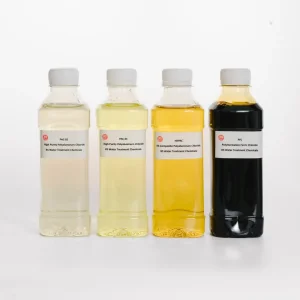
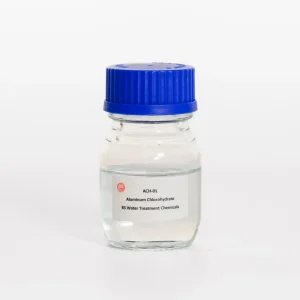
For highly turbid or low-pH water, single-polymer flocculation is often insufficient. A dual-coagulation setup using inorganic salts and organic polymers is the industry standard. Inorganic coagulants like Polyaluminium Chloride (PAC) or Aluminum Chlorohydrate (ACH) neutralize charges and form dense micro-flocs. When followed by a high molecular weight PAM, these micro-flocs are gathered into larger structures, improving filtration rate and supernatant clarity. Additionally, specialty polymers like Water Decolorizing Agents and PDADMAC are used to treat dissolved organic carbon and color compounds in textile dye and pulp processes, reducing COD before biological treatment stages.
Precision-formulated polymer agents optimized for primary coagulation, color removal, sludge conditioning, and targeted industrial separation.
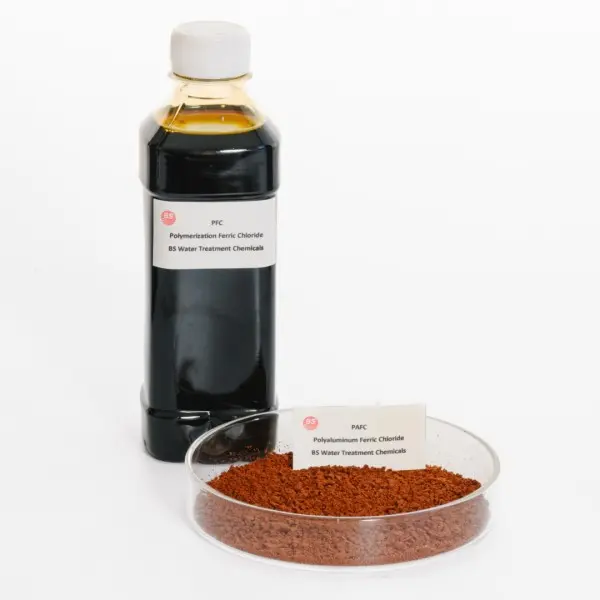
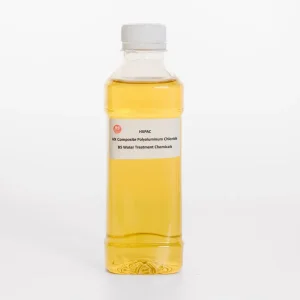
Combines the charge neutralization of aluminum with the rapid settling speeds of ferric salts. Ideal for treating low-temperature, low-turbidity industrial wastewater.
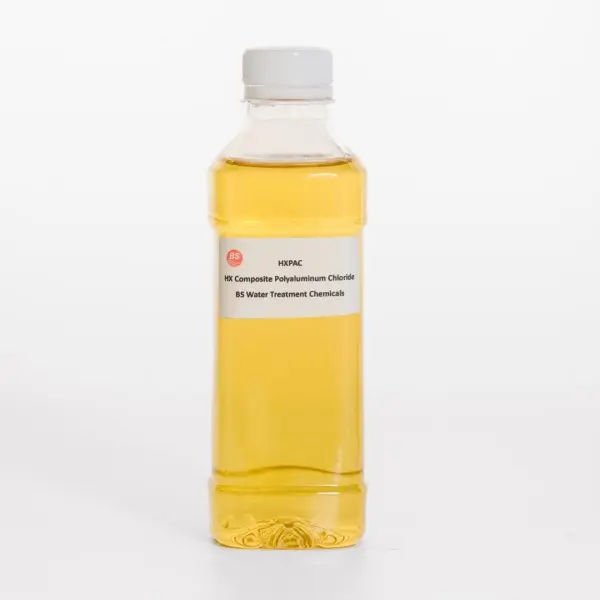
An advanced composite coagulant designed for heavy industrial wastewater, featuring enhanced polymer networks to treat oil-in-water emulsions.
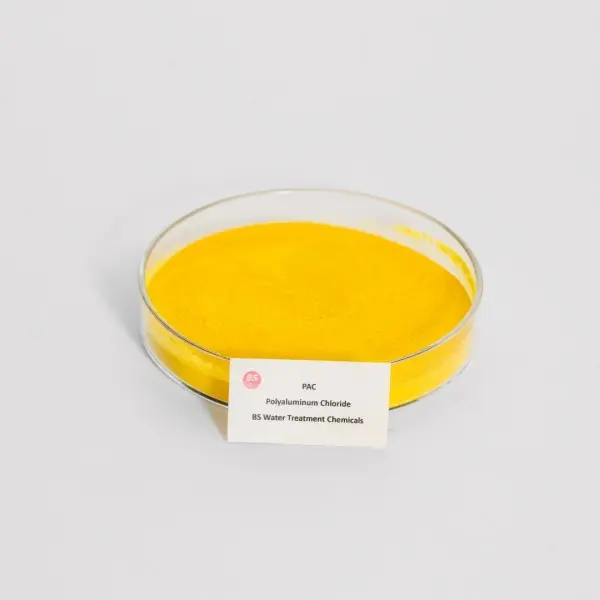
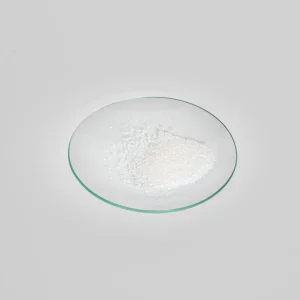
A highly stable powder with Al2O3 content up to 30%. Offers low dust levels and rapid dissolution properties for drinking water and municipal wastewater treatment.
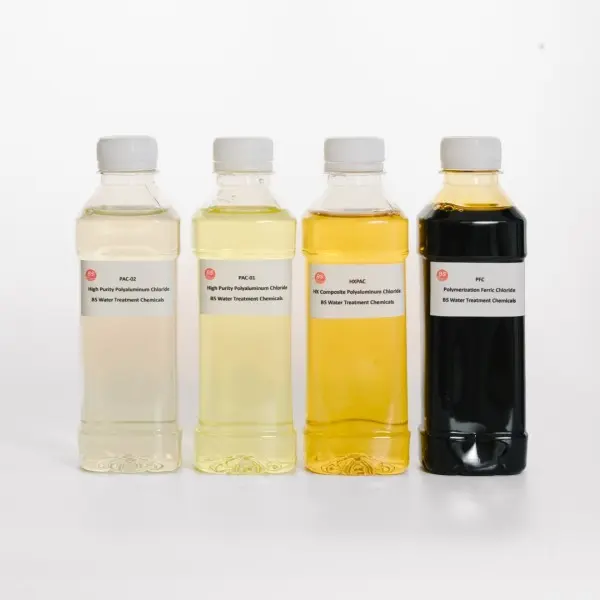
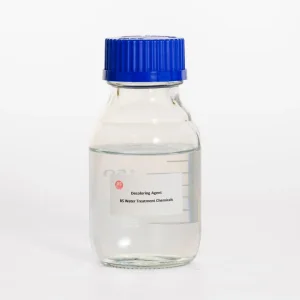
A ready-to-dose coagulant solution (10%-15% active ingredient) that reduces on-site dissolution infrastructure requirements. Designed for automatic dosing systems.
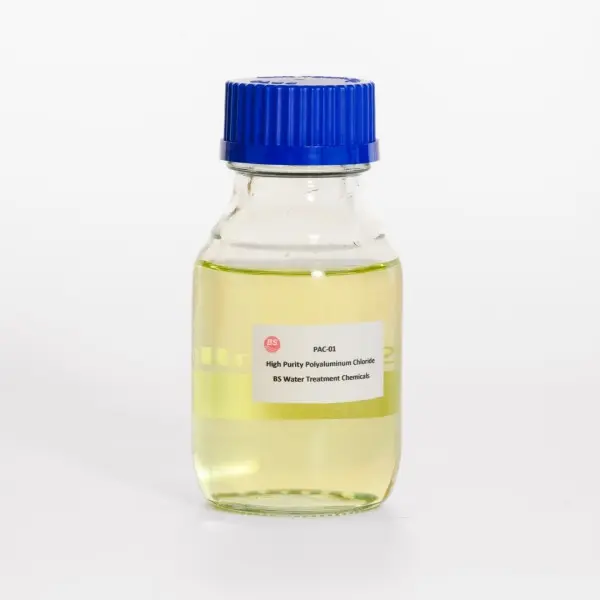
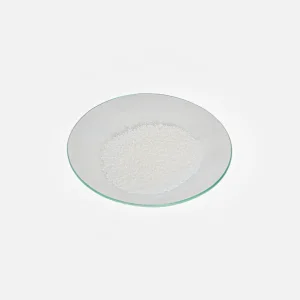
A low-iron, high-basicity white powder optimized for drinking water purification and paper mill sizing processes. Free from toxic heavy metal contamination.
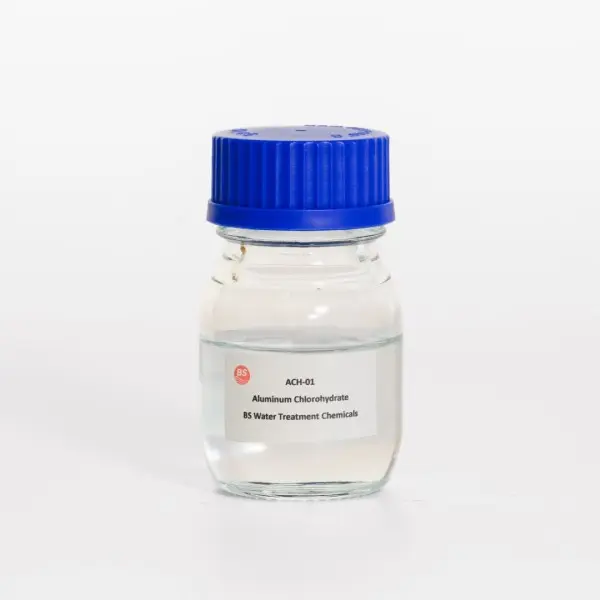
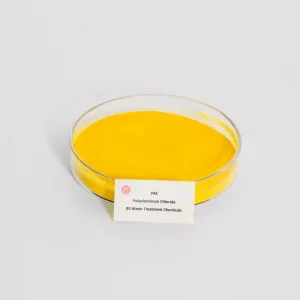
Offers high alumina concentration (up to 23% Al2O3) with a basicity level above 83%. Achieves optimal turbidity removal at lower dosing rates than standard coagulants.
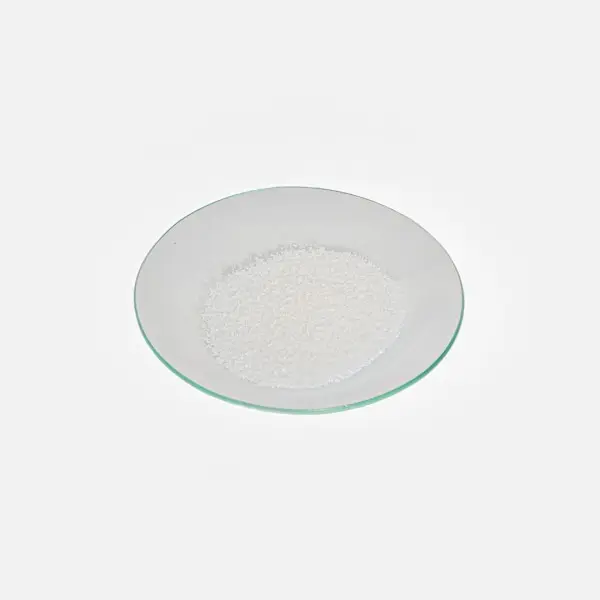
High molecular weight water-soluble polymers designed to accelerate solid-liquid separation in sludge dewatering, centrifugal decanting, and biological sludge processing.
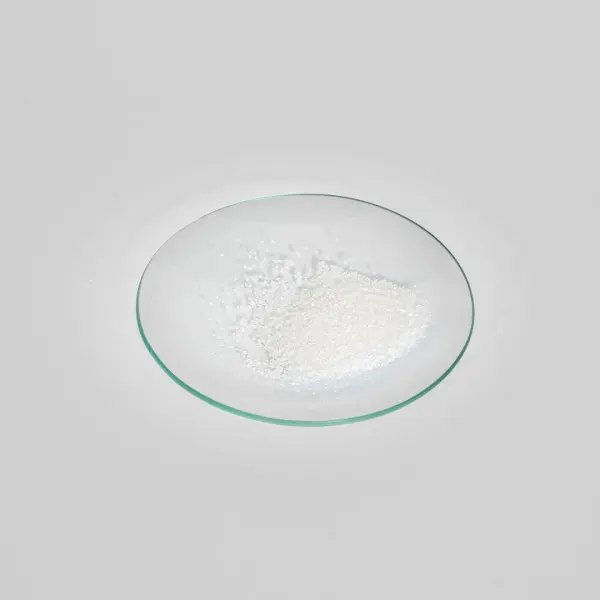
Ultra-high molecular weight bridging polymers designed for industrial wastewater, mineral washing, metallurgy tailing control, and sugar clarification processes.
Leveraging raw material access, automated production, and strategic port logistics to maintain steady supply chains for global industrial buyers.
China is a primary global producer of Polyacrylamide and related water-treatment coagulants. This position is supported by access to essential chemical feedstocks, including acrylonitrile (AN), acrylic acid, and basic catalysts. Integrating upstream chemical synthesis with automated polymerization lines allows Chinese factories to control cost and purity. The geographic clustering of chemical producers in East China ensures raw material transport remains efficient, protecting against global supply disruptions.
Wuxi BS Water Treatment Chemicals Co., Ltd. operates from Wuxi, Jiangsu, near the ports of Shanghai and Ningbo. The facility includes automated reactors that manage polymerization temperature and initiator dosing, ensuring high batch consistency. With an annual production capacity exceeding 500,000 tons and a finished product warehouse holding over 20,000 tons, the company can fulfill high-volume municipal orders and custom industrial shipments. Maintaining safety stocks of raw materials minimizes lead times, helping overseas buyers manage chemical consumption rates without inventory gaps.
Direct supply contracts with domestic petrochemical producers provide Wuxi BS with consistent access to high-purity acrylonitrile monomers, insulating operations from market price spikes.
Polymerization reactors are monitored by distributed control systems (DCS). This setup controls molecular weight distribution and limits free acrylamide monomer levels below regulatory limits.
Proximity to Shanghai Port enables containerized, bulk bag, or ISO-tank shipments to globally dispatch chemicals, supported by standard customs clearance protocols.
Optimized formulas selected for wastewater treatment plants, paper production, and industrial mining operations worldwide.
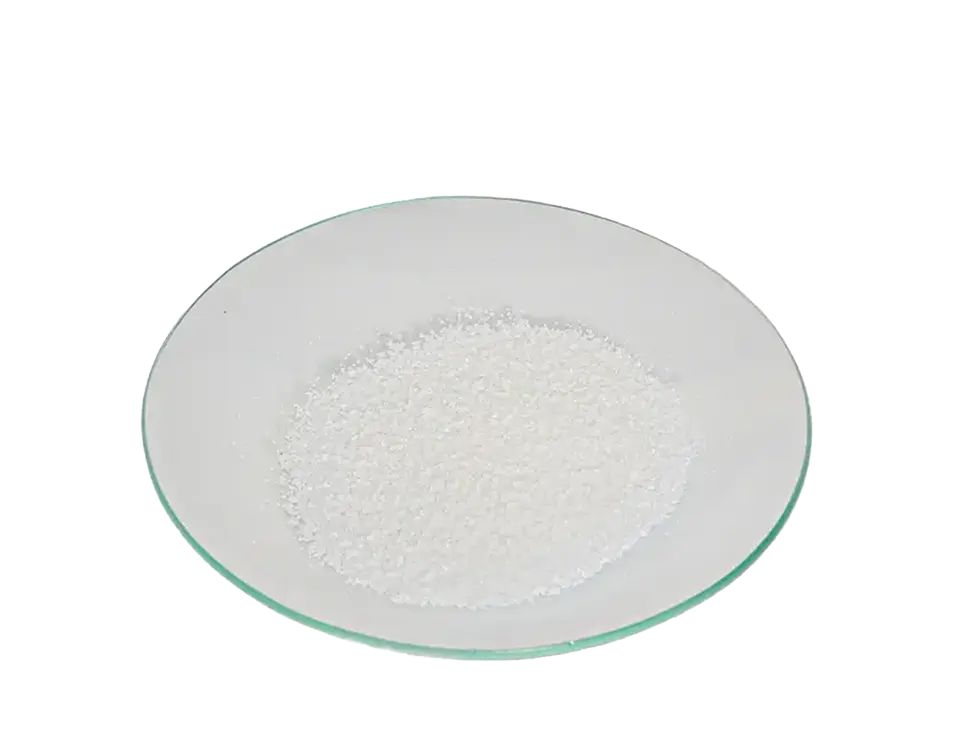
Optimized for rapid organic sludge dewatering in municipal and paper wastewater processing.
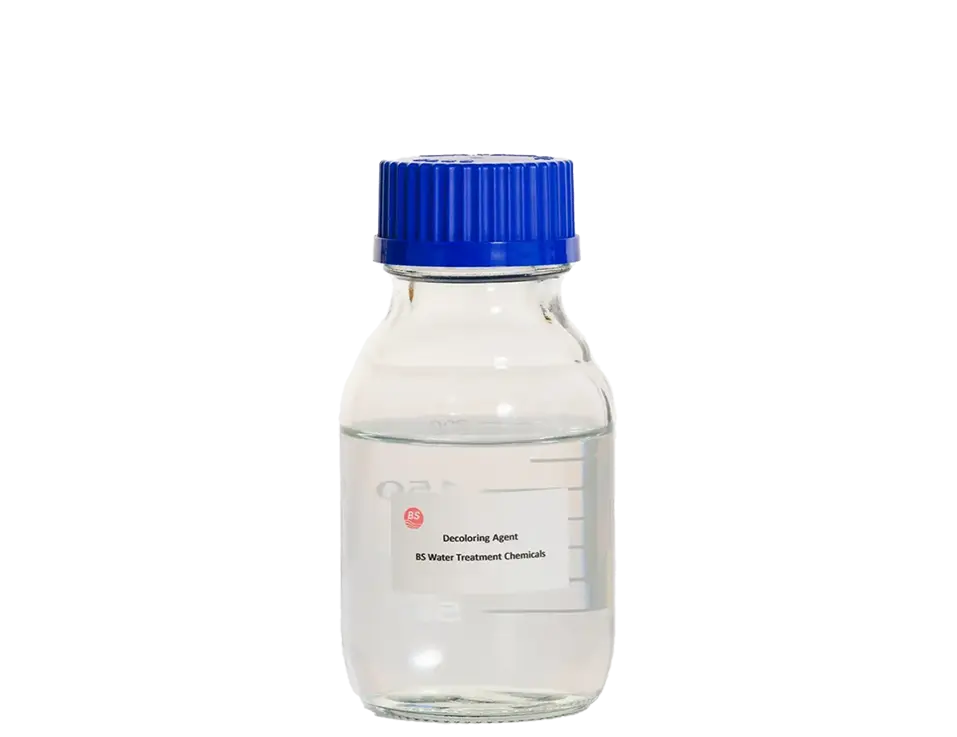
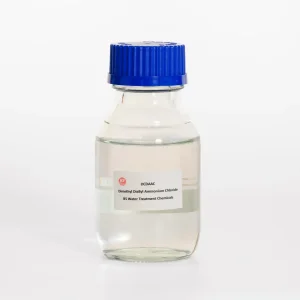
A quaternary cationic polymer formulated to decolorize effluent in textile dye and dye-stuff wastewater.
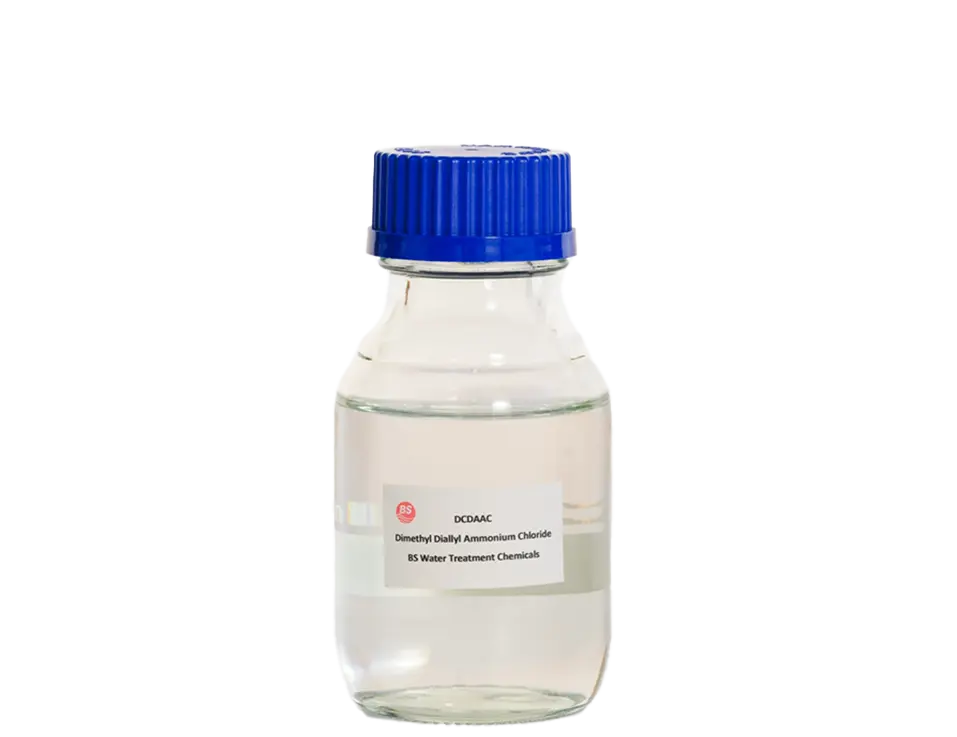
A high charge-density cationic coagulant that functions across a wide pH range, suitable for refinery water clarification.
Practical strategies for aligning chemical properties with specific wastewater profiles and filtration equipment requirements.
Water chemistry varies significantly across different industries. In petrochemical processing, wastewater contains emulsified oils, surfactants, and hydrocarbons. Traditional single-stage coagulants often cannot destabilize these emulsions. Treating this water requires cationic polymers like PDADMAC or composite inorganic-organic polymers to break the oil-water interface, followed by APAM flocculants to gather the released solids.
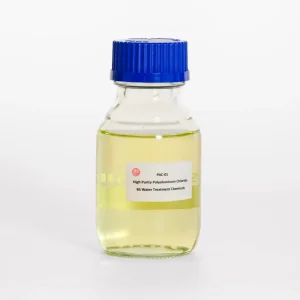
In municipal drinking water purification, chemical purity is critical. Factories must supply materials that comply with international drinking water standards, which restrict monomer residuals (such as free acrylamide content below 0.05%). High-purity white PAC powder (like PAC-01) and specialized low-toxicity flocculants are preferred for these systems to prevent hazardous chemical carryover in the treated water.
Uses high charge-density CPAM to form compact flocs, reducing water content in filter cakes and lowering disposal costs.
Uses APAM to accelerate settling in coal washings and mining circuits, recycling process water and reducing environmental footprint.
Uses cationic polymers as retention aids to secure fibers and fillers, improving paper quality and reducing white-water solids.
Operational photos showing wastewater treatment, petroleum recovery, paper manufacturing, and membrane filtration processes.
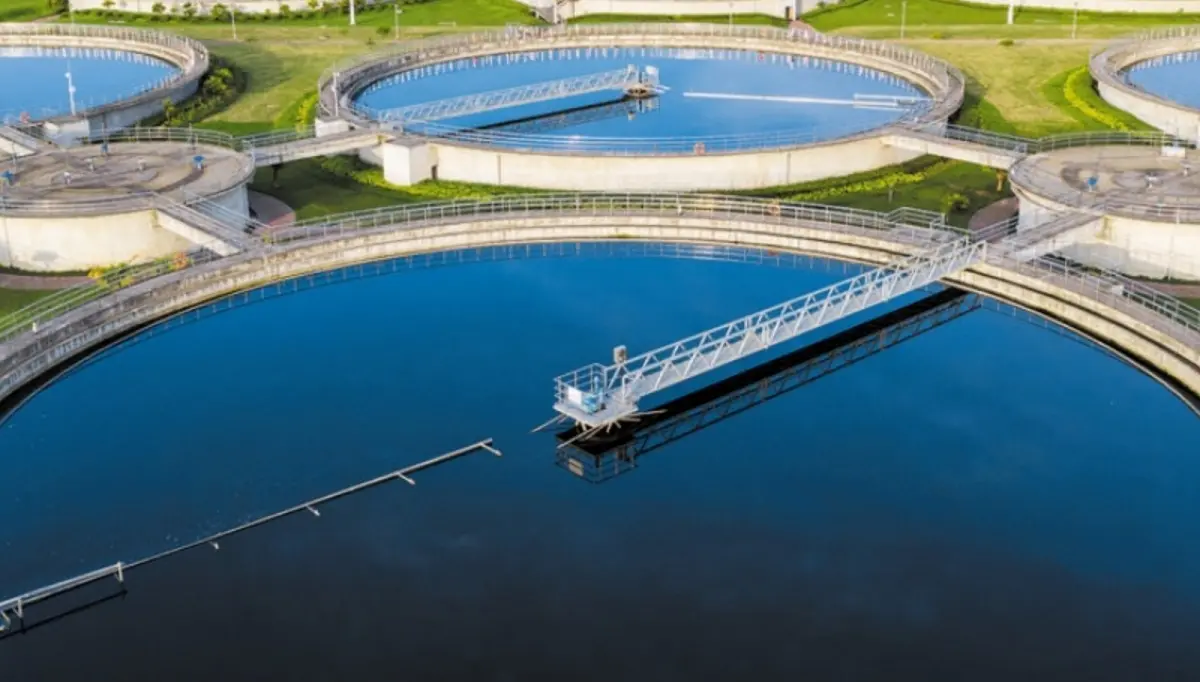

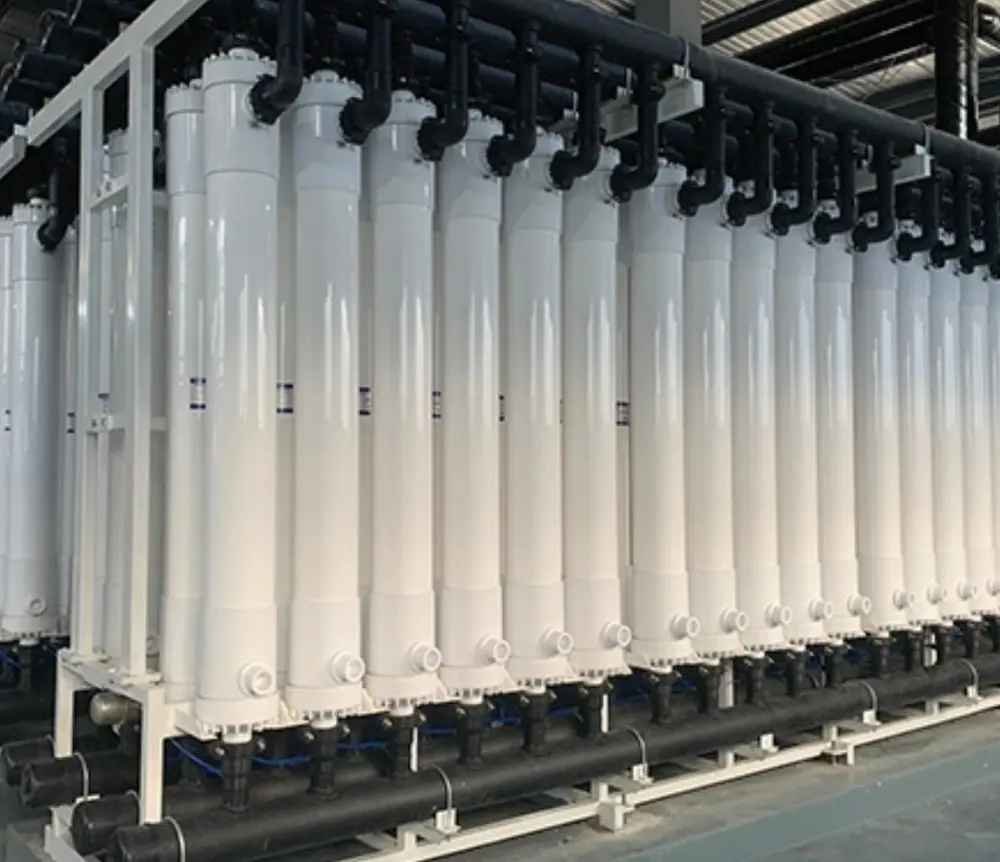
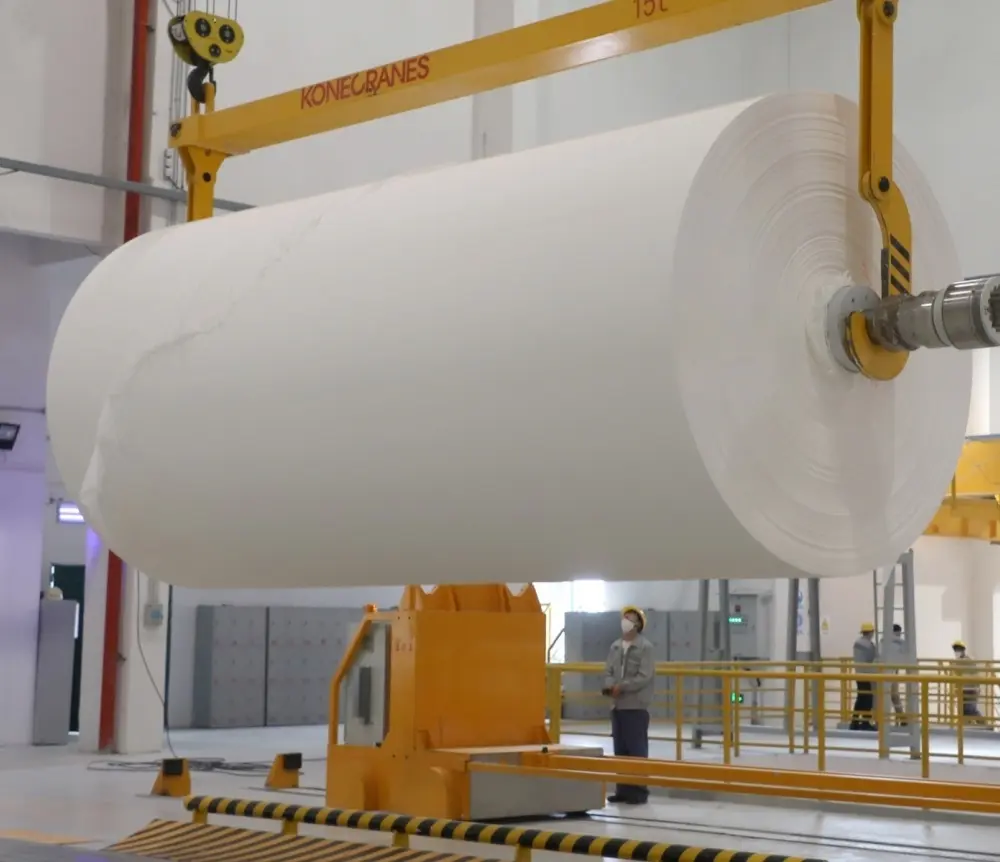
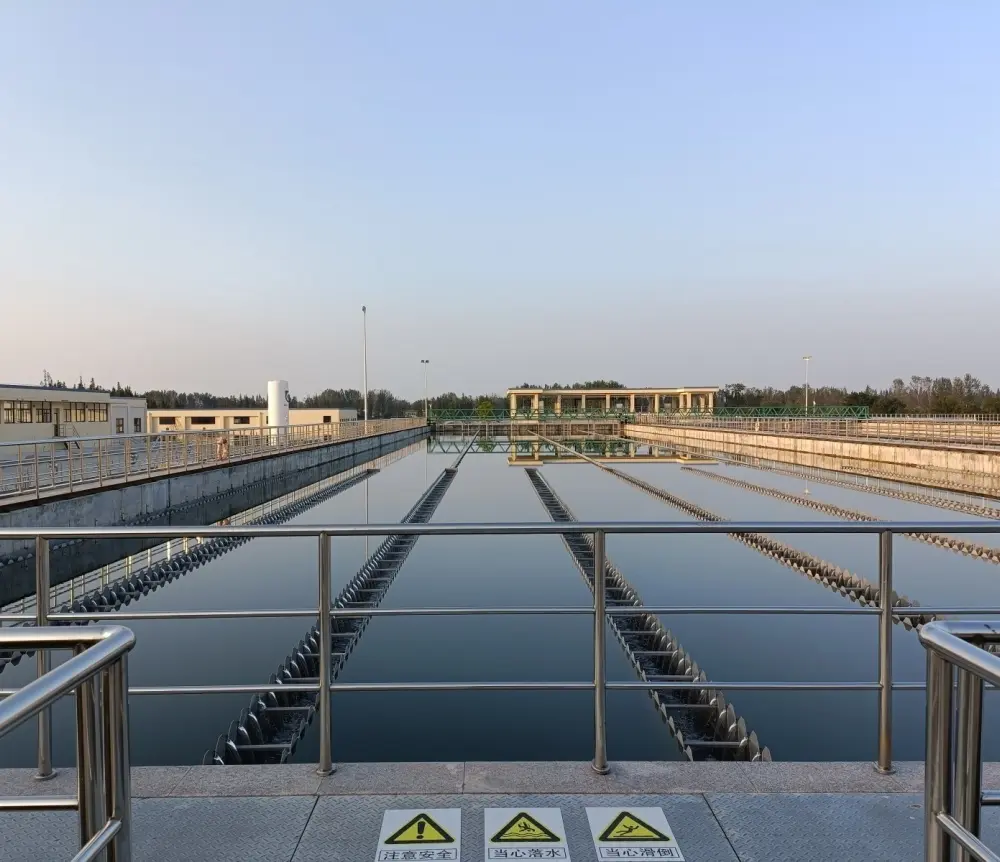
Ensuring batch consistency and environmental compliance through standard testing and quality control processes.
Global logistics and strict environmental regulations require chemical suppliers to maintain high quality-assurance standards. Heavy metal limits, toxic organic residuals, and active ingredient stability are monitored before shipment. Industrial wastewater treatment plants require consistency in polymer batch properties, as variations in charge density or molecular weight can disrupt automated dosing loops and cause system overloads.
Wuxi BS Water Treatment Chemicals Co., Ltd. uses high-performance liquid chromatography (HPLC) and laser diffraction systems to verify product specifications before dispatch. Testing processes conform to ISO 9001 (Quality Management) and ISO 14001 (Environmental Management) standards. This testing verifies that liquid polymers, solid granules, and powders remain stable under varying transport temperatures, ensuring consistent shelf life and dissolution rates at the destination facility.
Wuxi BS provides technical support, including water analysis, polymer matching, and dosing rate optimization services.
Annual sales exceed 500,000 tons. A 20,000-ton warehouse capacity supports large municipal contracts and bulk purchases.
Exporting since 2007 through regional distributors and water engineering groups. Formulations comply with REACH and NSF standards.
Key operational milestones of Wuxi BS Water Treatment Chemicals Co., Ltd.
The core manufacturing plant was established, beginning production of base coagulant salts for regional municipal systems.
The company was renamed Wuxi Bisheng Water Treatment Agent Co., Ltd., focusing on polymer synthesis and advanced flocculants.
Began international sales through export agents, entering markets in Southeast Asia and Eastern Europe.
Acquired high-capacity manufacturing assets, expanding production scale to support chemical contracts globally.
Annual export revenue exceeded $10 million, supported by direct relationships with international distributors.
Invested in automated packaging and dust-free processing lines, improving particle size consistency in solid PAC products.
Established a dedicated internal export department to manage direct global supply contracts.
Investing in biodegradable polymers and smart dosing systems to help clients reduce polymer consumption.
Innovation in polymer performance: low-toxicity formulations, smart dosing systems, and hybrid flocculants.
The water treatment industry is shifting toward materials with lower environmental footprints and higher process efficiency. Traditional PAM formulations are being optimized to reduce free acrylamide monomer levels, meeting standards for drinking water and biological sludge processing. Hybrid coagulants that combine organic polymers with inorganic structures are also gaining market share by reducing chemical consumption rates.
Additionally, automated dosing systems are replacing manual application. Real-time turbidity sensors and streaming current detectors adjust polymer feed rates dynamically. This prevents chemical waste and reduces downstream filter blinding. Suppliers must adapt by providing consistent polymer dissolution rates and stable viscosity profiles that align with automated dosing equipment.
Detailed technical answers regarding chemical selection, storage stability, dosing optimization, and logistics.
Explore our full range of water treatment chemicals, available in various particle sizes, purity levels, and packaging options.
Updates on technology projects, industry conferences, and chemical plant modernizations.
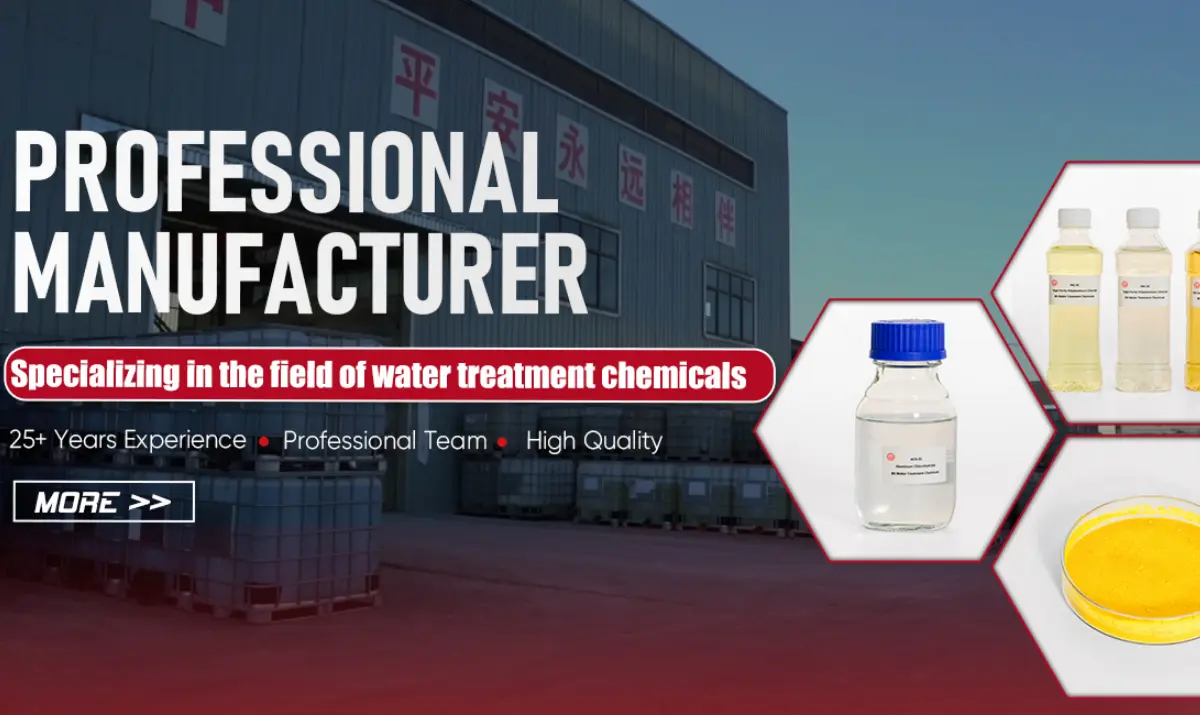 Sep 09, 2025
Wuxi BS has introduced new digital intelligent solid feeding equipment designed to improve water treatment polymer dosing accuracy.
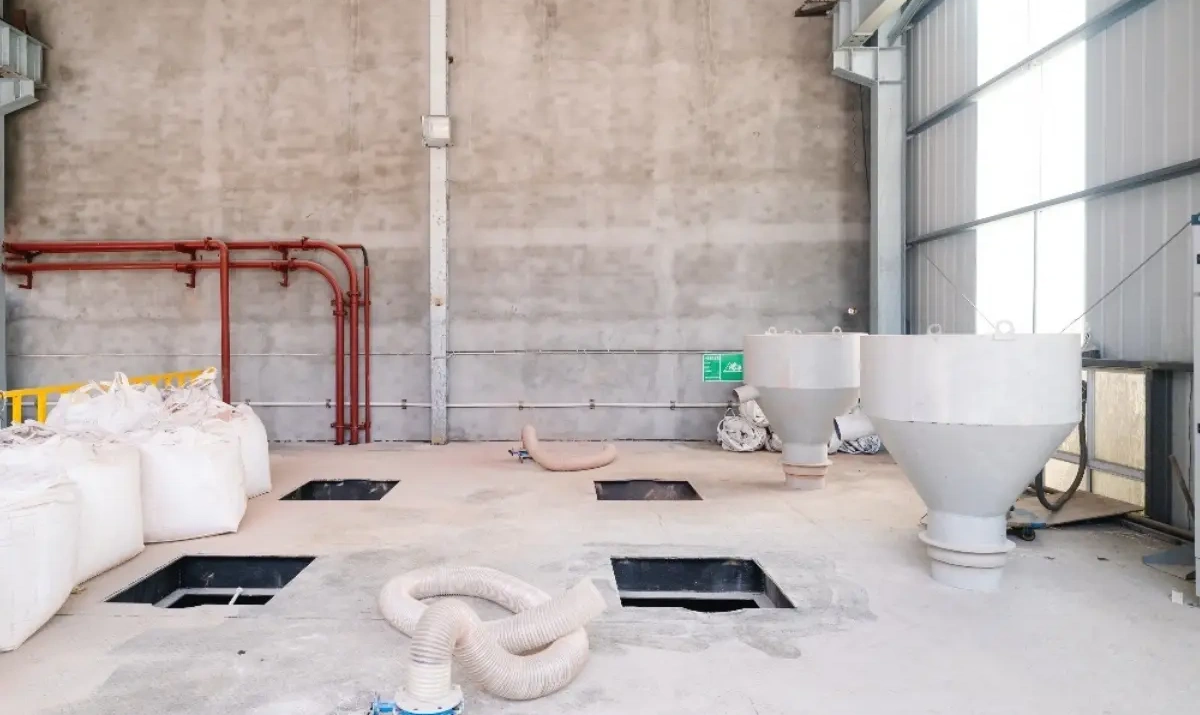 Aug 21, 2025
Our engineering team has introduced digital preparation systems that minimize dust generation during high-volume powder preparation.
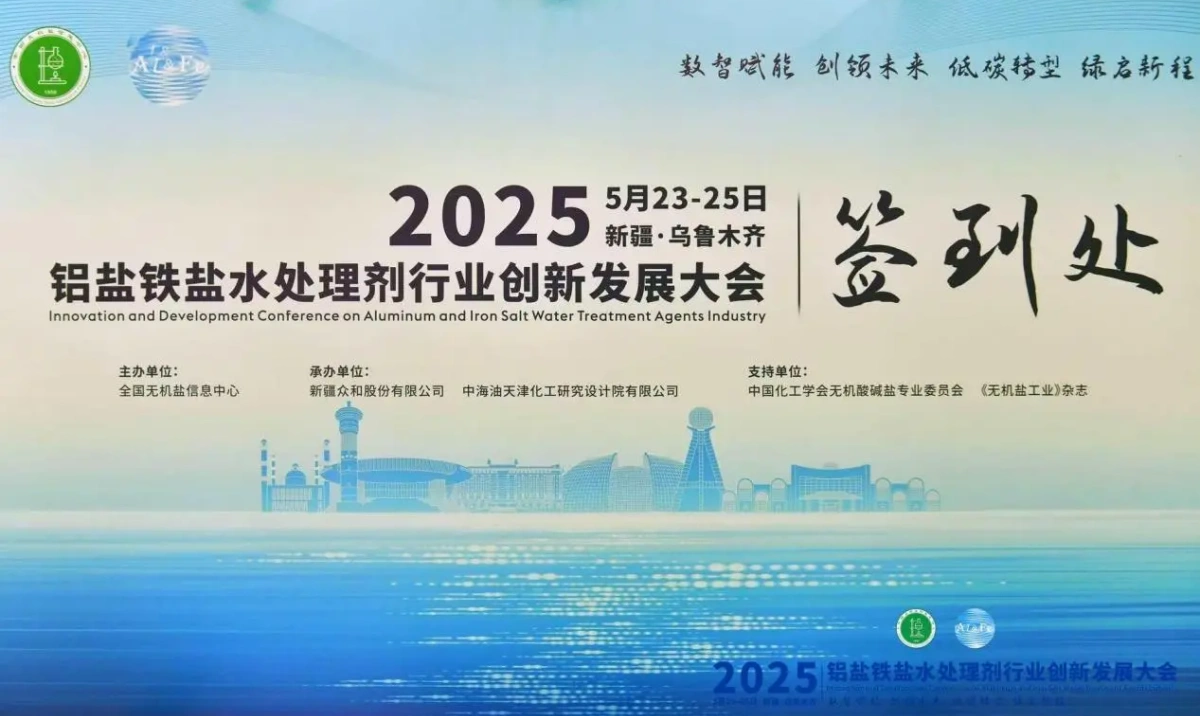 Aug 21, 2025
Wuxi BS participated in regional forums to discuss new standards for reducing sludge volumes through composite coagulant chemistry.
Speak with Wuxi BS Water Treatment specialists to request product specification sheets, jar-test samples, or custom price quotes.
Our support team usually responds within 24 hours on business days.
 BS Water