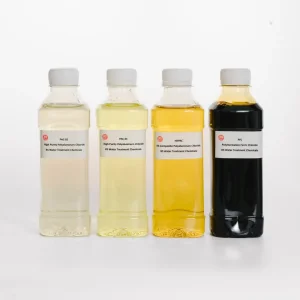
High-efficiency chemicals vital for primary sedimentation, tertiary phosphorus removal, and industrial sludge dewatering systems within modern sewage treatment plants (STPs).
Adapting chemical kinetics to meet strict municipal discharge requirements and industrial circular economy mandates globally.
SEO Insight & Technical Trend: Traditional biological wastewater treatment processes are increasingly challenged by micro-pollutants, refractory dissolved organic carbon, and strict regulatory limits on total nitrogen (TN) and total phosphorus (TP). Optimized chemical coagulation-flocculation protocols are now essential, acting as primary enhancements for physical clarifiers and membrane bioreactors (MBRs).
Globally, urbanization and rapid industrialization have accelerated the volume of municipal sewage and industrial wastewater. Sewage treatment plants (STPs) are no longer merely facilities for secondary biological digestion. They are transforming into advanced resource recovery facilities. In regions such as the European Union (under the Urban Wastewater Treatment Directive) and North America (EPA Clean Water Act mandates), discharge criteria require total phosphorus levels below 0.1 mg/L and severe reductions in chemical oxygen demand (COD) and total suspended solids (TSS).
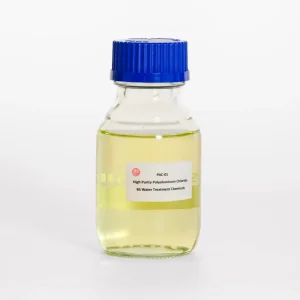
Sourcing high-performance chemicals is vital for achieving these limits. Standard municipal STP schemes combine mechanical screen screening, primary sedimentation (enhanced via primary chemically assisted coagulation), aeration biological basins, secondary sedimentation, and tertiary chemical polishing. Coagulants such as Polyaluminium Chloride (PAC) and Aluminum Chlorohydrate (ACH) form the backbone of this process, destabilizing colloidal suspensions and binding soluble orthophosphates into insoluble flocs that settle efficiently.
Procuring raw water treatment chemicals on a global scale requires focusing on key technical indicators. Experienced procurement engineers evaluate chemicals based on active ingredient concentration (Al2O3 content), molecular weight, charge density, and heavy metal impurity profile. Substandard flocculants with inconsistent basicity can alter the pH of the aeration basin, disrupting the biological activity of activated sludge and requiring costly dosage adjustments downstream.
By partnering directly with integrated chemical manufacturers in Wuxi, China, international operators secure reliable batch-to-batch consistency. High-basicity coagulants offer significant performance advantages: they reduce sludge volume, decrease chemical footprint, and prevent corrosive damage to dosing pumps and transfer pipes, leading to a lower Total Cost of Ownership (TCO).
Decades of chemical engineering excellence, delivering high-purity water treatment agents to global markets.
Wuxi BS Water Treatment Chemicals Co., Ltd. uses digital controls and intelligent feeding systems to optimize production. Our operations ensure consistent quality across all batches of high-purity Poly Aluminium Chloride (PAC) and Aluminum Chlorohydrate (ACH).
Our facility implements automated crystallization, continuous polymerization, and advanced PLC-controlled synthesis routes. Our production floor minimizes chemical dust and maintains stable reaction conditions, ensuring consistent basicity and high active content. For global procurement directors, this consistency translates directly into predictable performance, reducing operational risks in large-scale municipal STPs.
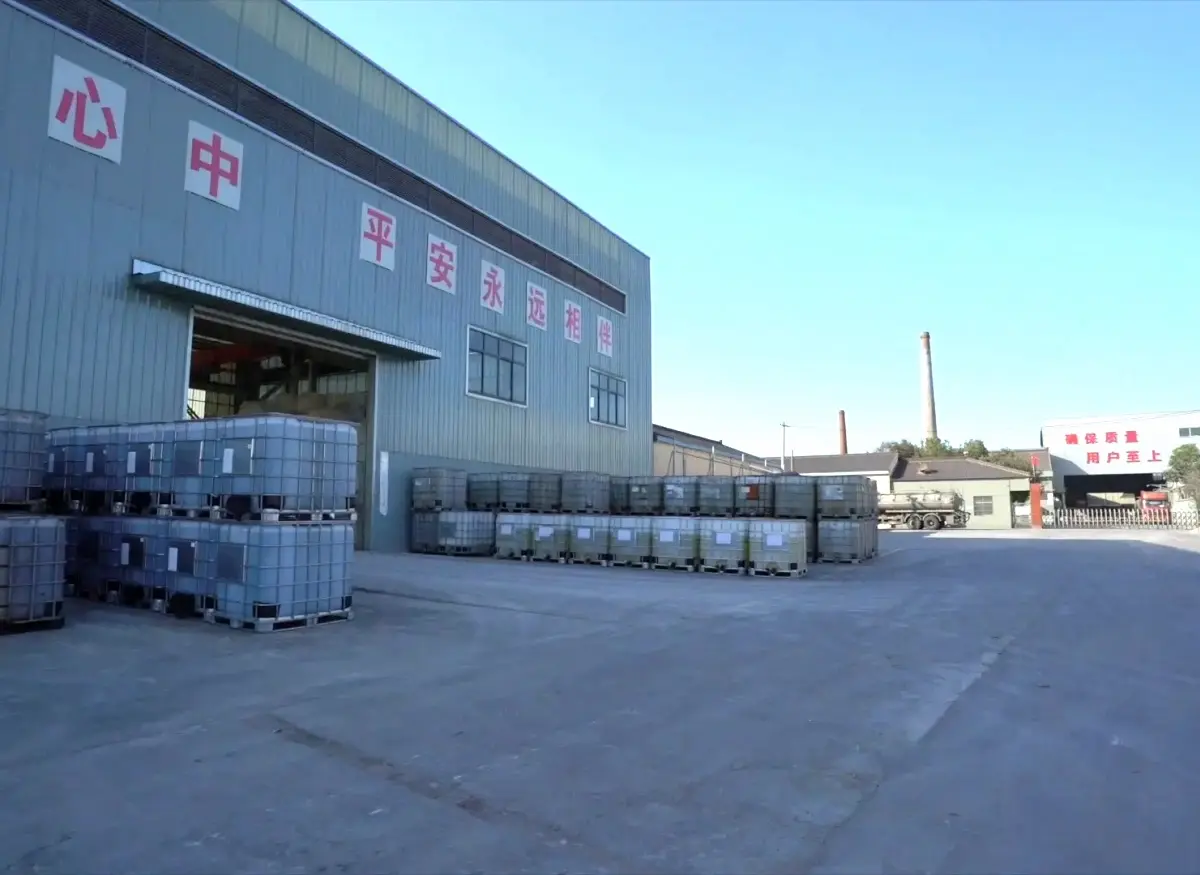
Our supply chain resilience is anchored by an expansive 20,000-ton finished product warehouse. This buffer inventory allows Wuxi BS to absorb raw material price fluctuations and shipping delays, guaranteeing on-time delivery even during global logistics disruptions. In addition, our automated packaging lines accommodate custom bulk bags, liquid drums, and containerized liquid deliveries, supporting the diverse logistics requirements of our international partners.
Tailoring polymer and coagulant selection to specific operational demands across municipal and industrial wastewater processes.
Objective: Effluent polishing, suspended solids reduction, and phosphorus compliance.
High-basicity PAC and high-molecular-weight anionic polyacrylamide (APAM) accelerate settling in primary and secondary clarifiers, preventing solids carryover into tertiary filters and UV disinfection systems.
Objective: Separation of emulsified oils and dissolved organic carbon.
Cationic Polyacrylamide (CPAM) combined with specialized Water Decoloring Agents breaks oil-in-water emulsions, allowing rapid flotation and removal of grease and organic compounds.
Objective: Preventing colloidal fouling on Ultrafiltration (UF) and Reverse Osmosis (RO) membranes.
Dosing High-purity PAC or Aluminum Chlorohydrate (ACH) coagulates sub-micron colloids, forming large micro-flocs that are easily retained by multi-media filters, extending membrane service life.
Understanding the molecular mechanisms of synthetic polymers and metal salts in wastewater purification.
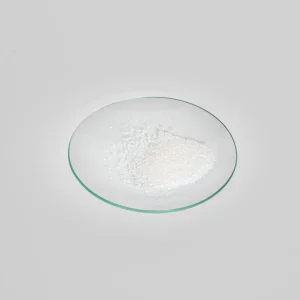
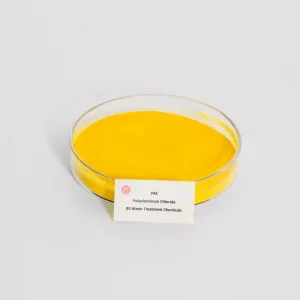
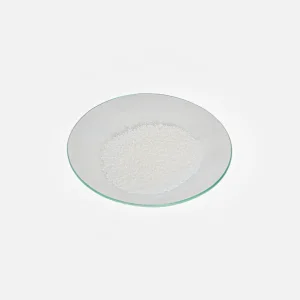
Polyaluminum Chloride (PAC) is a highly efficient inorganic polymer coagulant. Compared to traditional alum or iron-based salts, PAC has a pre-polymerized structure that results in higher charge density, faster hydrolysis, and the formation of larger, denser flocs at lower dosages. Wuxi BS produces a wide range of PAC formulations, including yellow spray-dried powders for industrial wastewater treatment and high-purity white powders (typically containing 30% Al2O3) for municipal drinking water systems. Its lower impact on effluent pH reduces the need for neutralizing chemicals like sodium hydroxide, lowering chemical consumption across the STP.
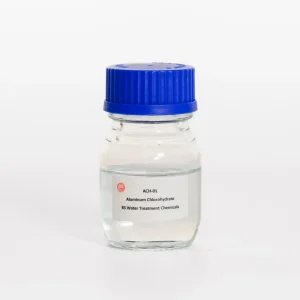
Aluminum Chlorohydrate (ACH) is a specialized, highly concentrated inorganic coagulant with a basicity up to 83%. Formulated with high Al2O3 content (up to 23% in powder form, and 10% to 17% in liquid versions), ACH delivers rapid coagulation and color removal. In municipal STPs, ACH is used for phosphate removal and turbidity reduction. Its high basicity minimizes the release of hydrogen ions during hydrolysis, maintaining stable pH in biological tanks. This makes ACH an ideal choice for systems with low-alkalinity source waters, eliminating the need for post-treatment pH adjustment.
Polyacrylamides (PAM) are organic polymers that play a key role in sludge thickening and dewatering. Anionic Polyacrylamide (APAM), with its high molecular weight, is primarily used for bridge flocculation of inorganic particles in mineral processing and secondary sedimentation. Cationic Polyacrylamide (CPAM), on the other hand, is designed to destabilize negatively charged organic solids in municipal sewage sludge. During centrifugal decanting or belt-press filtration, CPAM forms robust flocs that resist shear forces, maximizing cake dryness and improving water release.
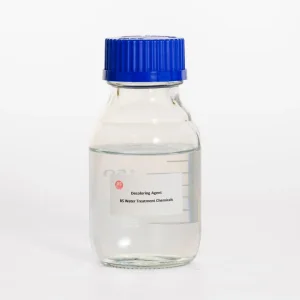
For industrial effluents from textiles, dye houses, and paper mills, standard coagulants are often insufficient. Highly cationic polymers like Water Decoloring Agent (WDA) and Poly(diallyldimethylammonium chloride) (PDADMAC) are essential. These polymers neutralize dissolved dye molecules, breaking chromophore chains and precipitating complex color complexes. They provide efficient color removal and reduce chemical oxygen demand (COD) in wastewater treatment systems.
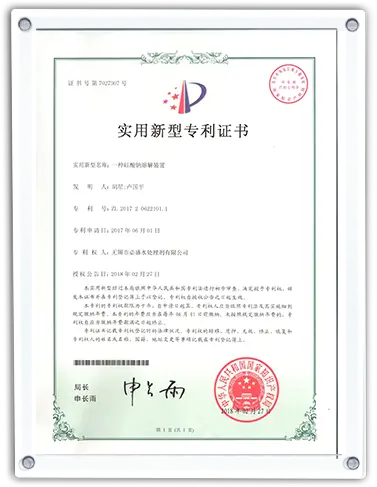
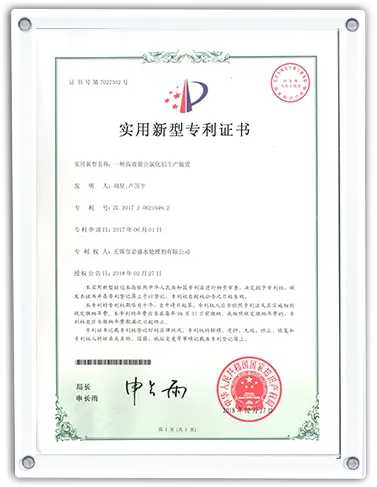
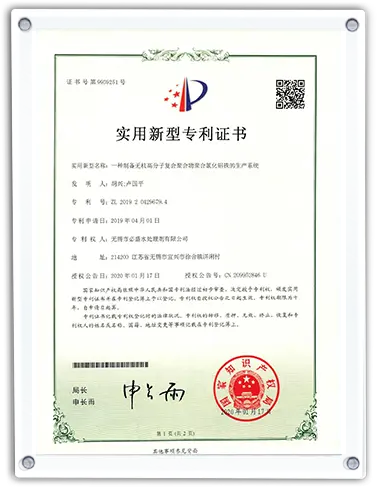
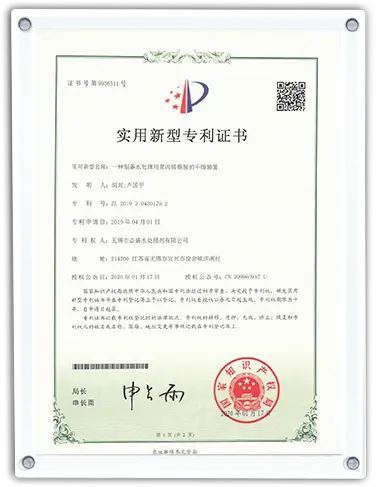
A history of continuous innovation, capacity expansion, and strict quality control standards.
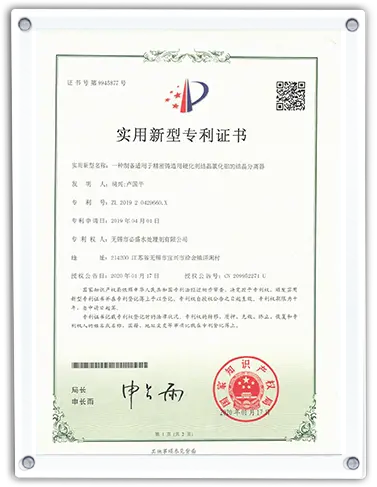
Answers to common questions from plant operators and chemical procurement managers about optimization and storage.
Highly concentrated formulas designed for demanding decolorization, sludge dewatering, and drinking water purification systems.
Stay updated with our latest technological developments and insights into global wastewater treatment chemical supplies.
 Sep 09, 2025
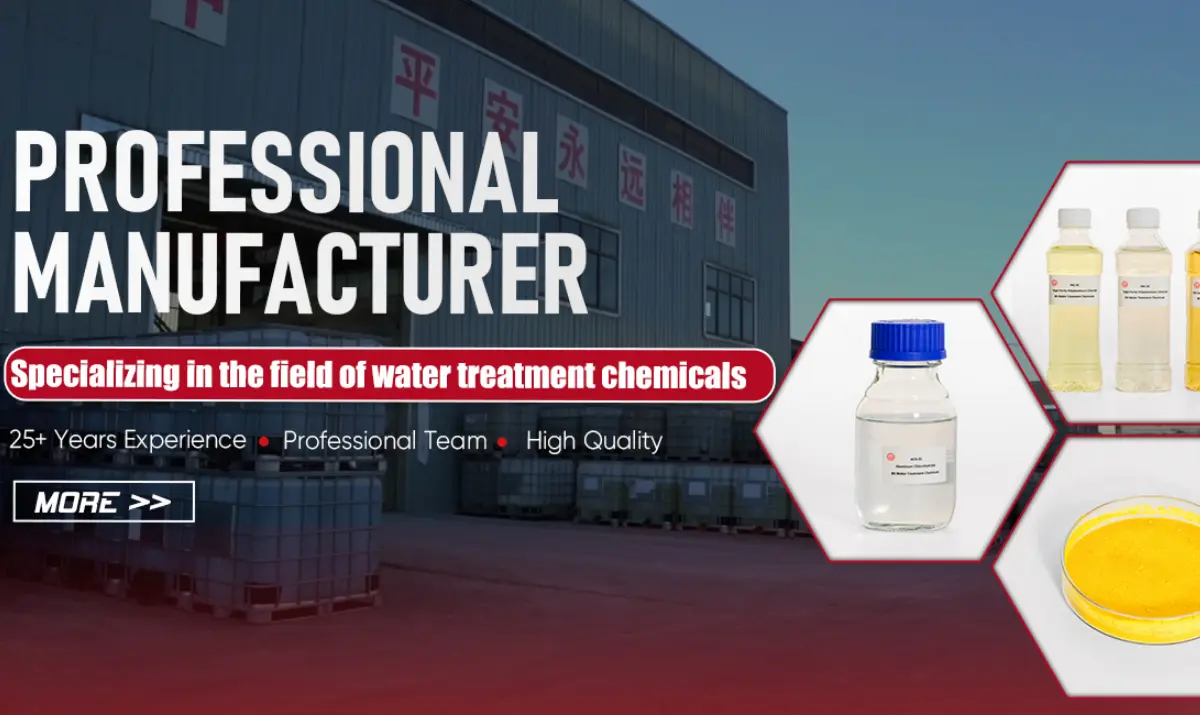
Wuxi BS Water Treatment Chemicals Co., Ltd. (hereinafter referred to as Wuxi BS) has been deeply involved in the water treatment field for over 27 years. We continue to expand our exports to meet global demand for high-purity coagulants and flocculants.
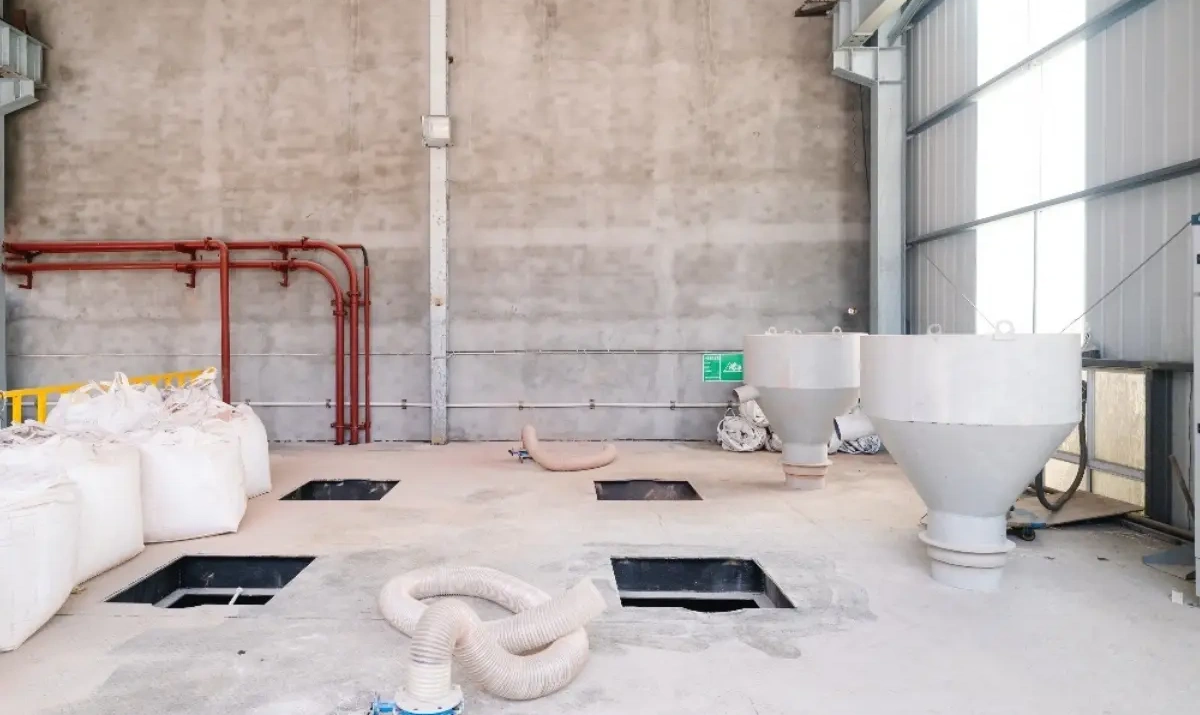

Get in touch for customized water analysis, chemical dosage optimization, or a quotation for our coagulants and flocculants.
 BS Water