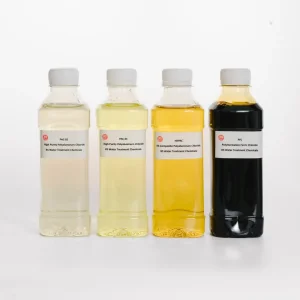
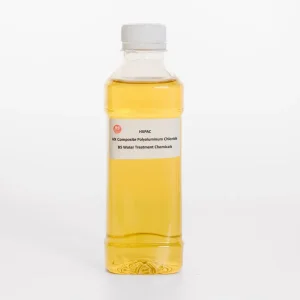
China High Efficient Water decoloring agent (WDA) Suppliers, Factories

This product is a cationic polymer, specifically designed for the treatment of colored wastewater, with multiple functions such as decolorization, flocculation and sedimentation, and COD reduction, making it an integrated water treatment agent. 

Product Description

Core Features

Multi-mechanism synergy Integrating adsorption bridging, flocculation (cationic polymer bridging), and oxidation (trace oxidant decomposing pigments) into one, it achieves a decolorization rate of ≥ 95% (COD removal rate ≥ 40%) for refractory pigments such as reactive dyes (e.g., reactive red, reactive blue), direct dyes (e.g., direct yellow, direct black), and sulfur dyes.
Broad pH Adaptability Stable effectiveness at pH 3-11 (optimal pH 6-9), resistant to high salt (salinity ≤ 5%), and high temperature (no performance degradation below 60°C), suitable for over 90% of industrial wastewater scenarios such as printing and dyeing (high chroma), papermaking (black liquor), electroplating (chromium/copper-containing wastewater), chemical industry (phenol/aniline-containing wastewater), etc.
Quick Results Large flocs form within 3 minutes after dosing, with a fast settling speed.

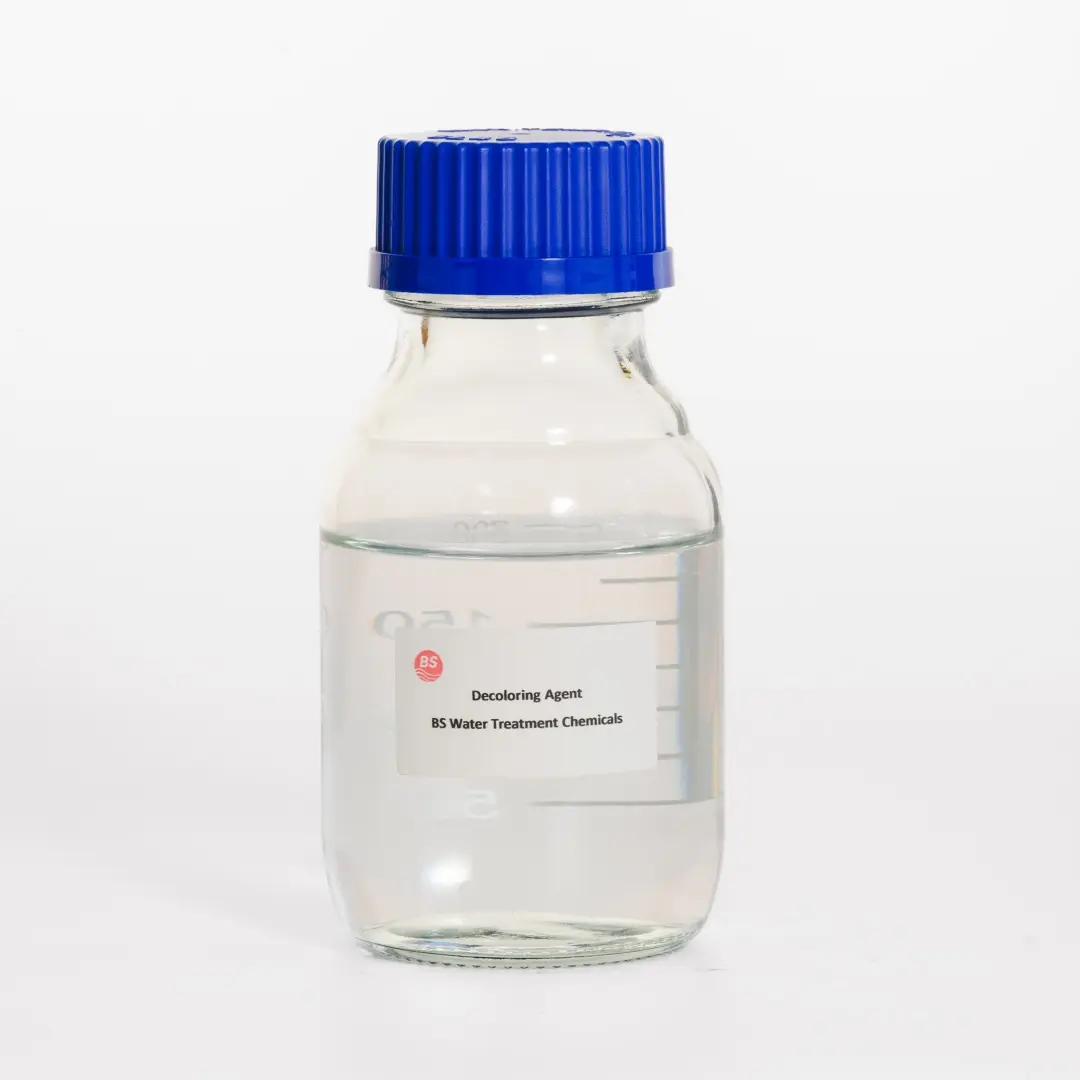
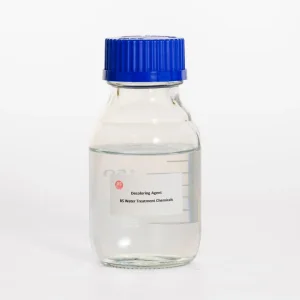
Water decoloring agent
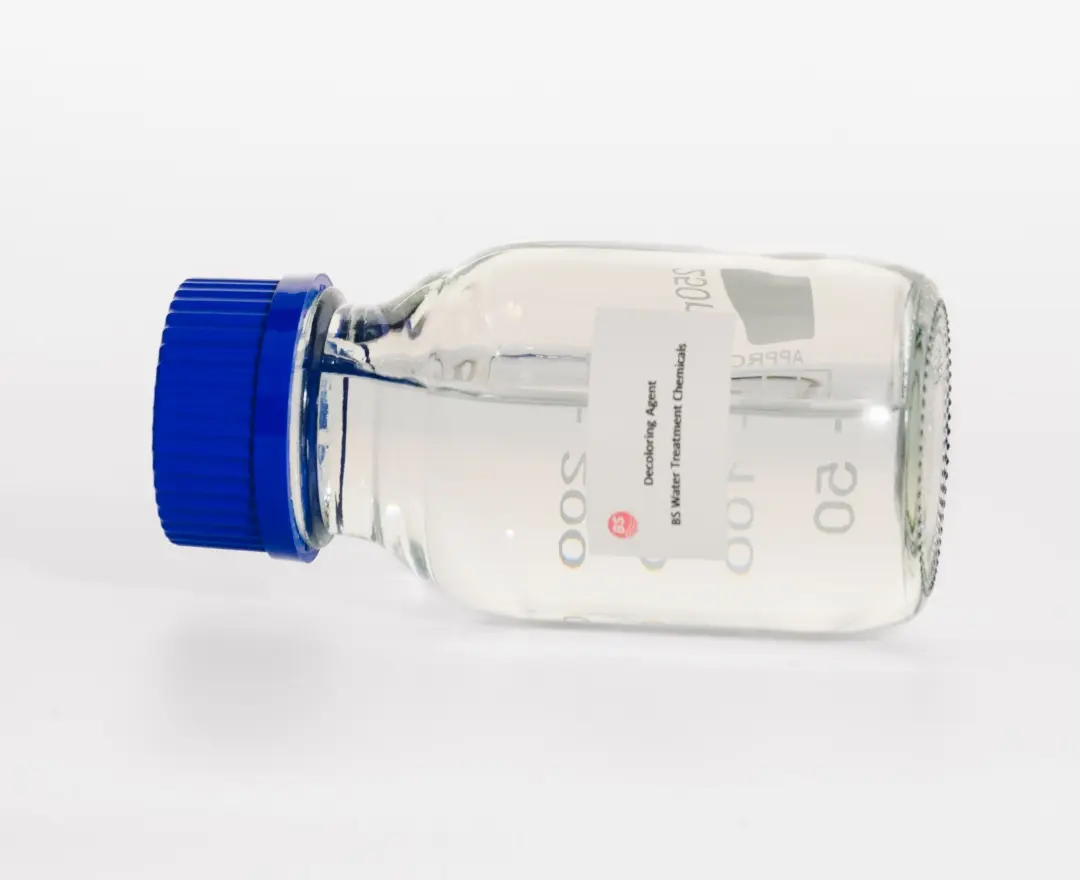
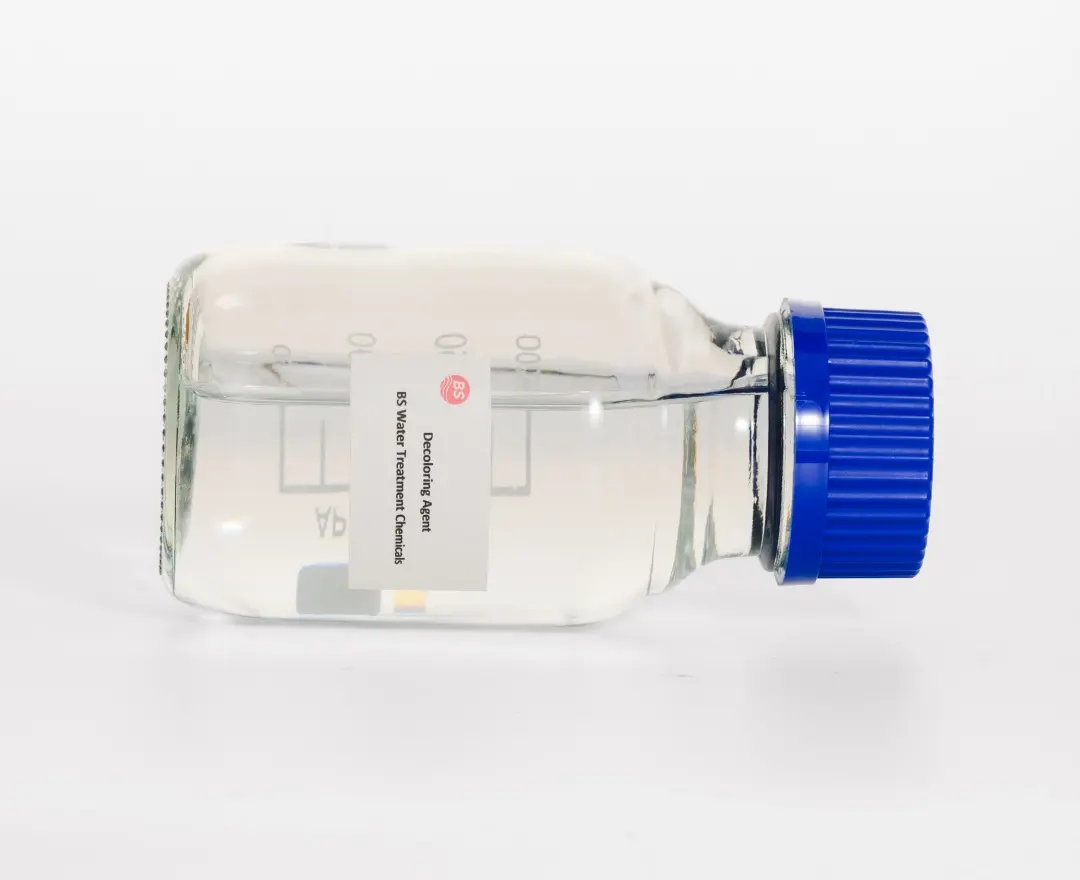
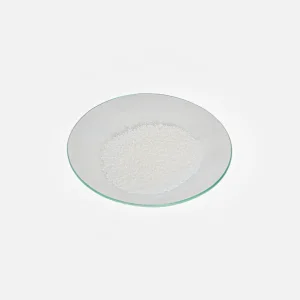
Water decoloring agent test

Technical Specifications

Item Index
Appearance Colorless transparent liquid
pH (10g/L aqueous solution) 3 ~ 5
Ionicity Cationic
Solid content >50%
Viscosity (20°C) 50 - 250 mPa.s
Relative Density (25°C) 1.2 - 1.3

Application Area

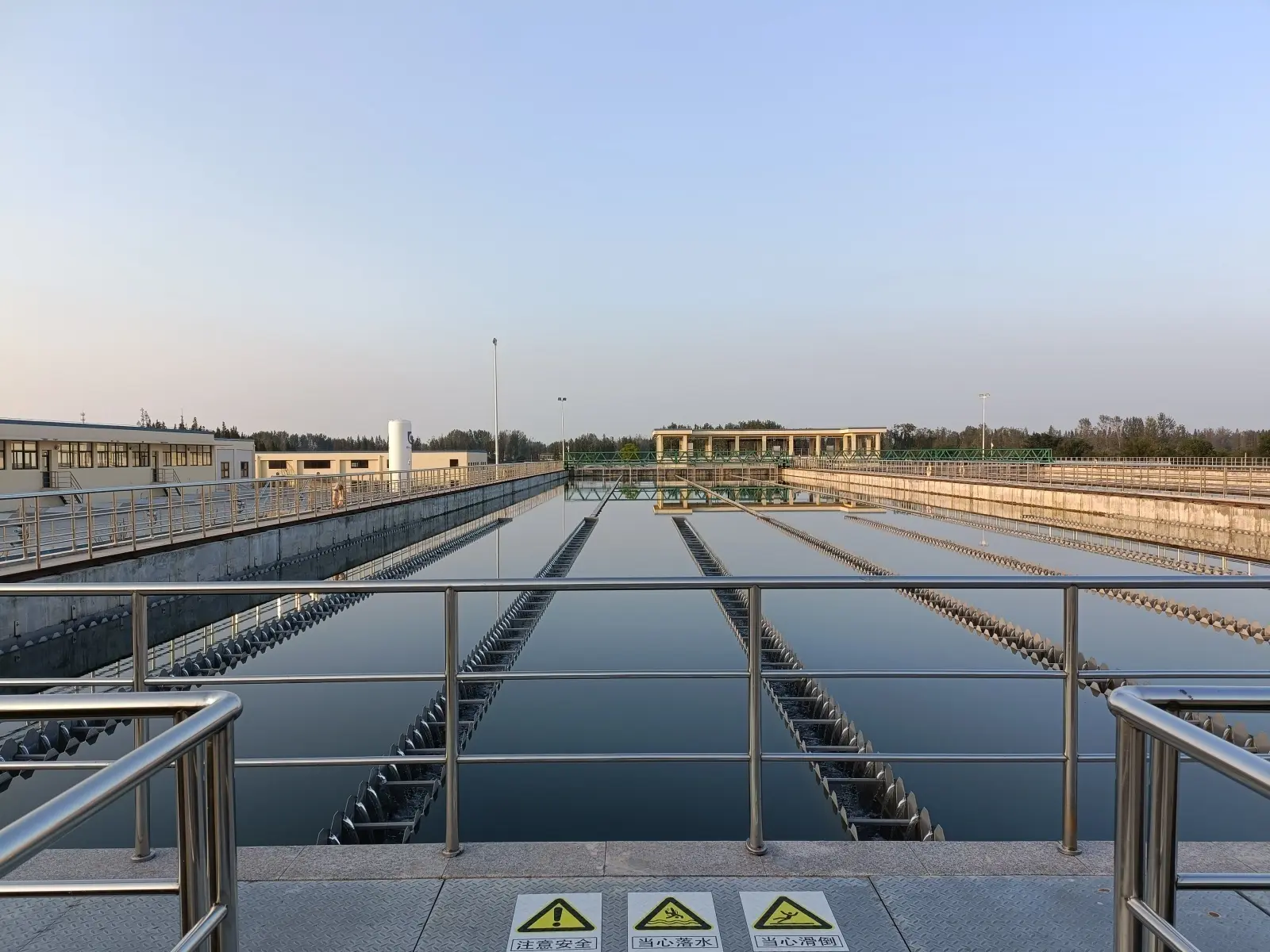
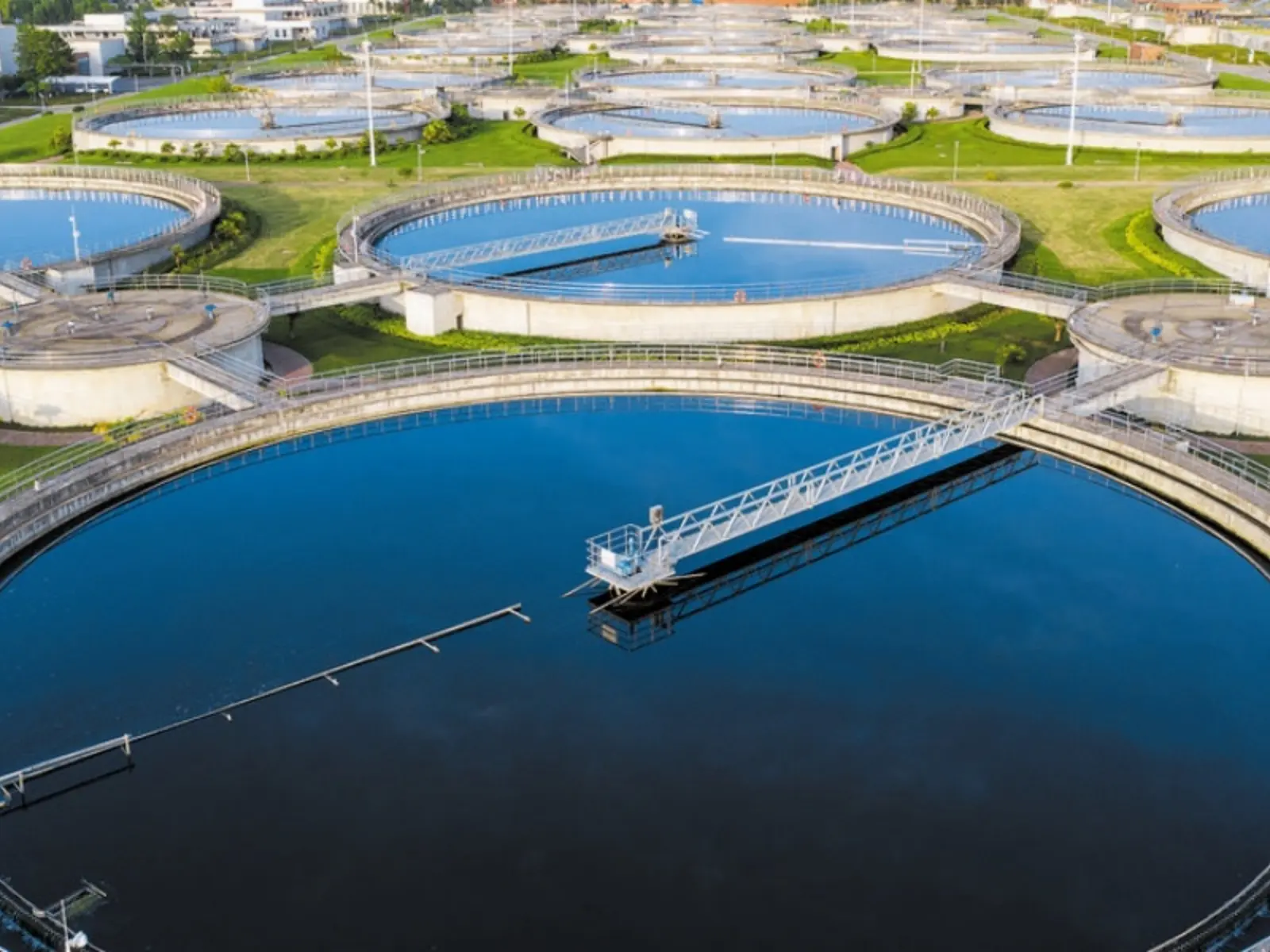
1. Wastewater Treatment in the Dye Industry: Primarily addressing the decolorization needs of colored wastewater from dye production enterprises, it can be adapted to various types of dye wastewater, including reactive dyes, acid dyes, disperse dyes, etc.; especially in the treatment of disperse dye wastewater, its decolorization performance is more prominent.
2. Textile Dyeing and Related Industrial Wastewater: Suitable for purifying mixed wastewater generated during textile dyeing and processing, and can also be extended to industrial wastewater treatment scenarios in areas such as pigment preparation, ink production, and the paper industry.
3. Auxiliary Treatment of High-Suspended Solids Wastewater: For wastewater systems with relatively high suspended solids content, this product can achieve significant sedimentation through flocculation, thereby assisting in reducing the content of solid impurities in the wastewater.
Application 3
Application 1
Application 5
Application 2

Packaging and Storage

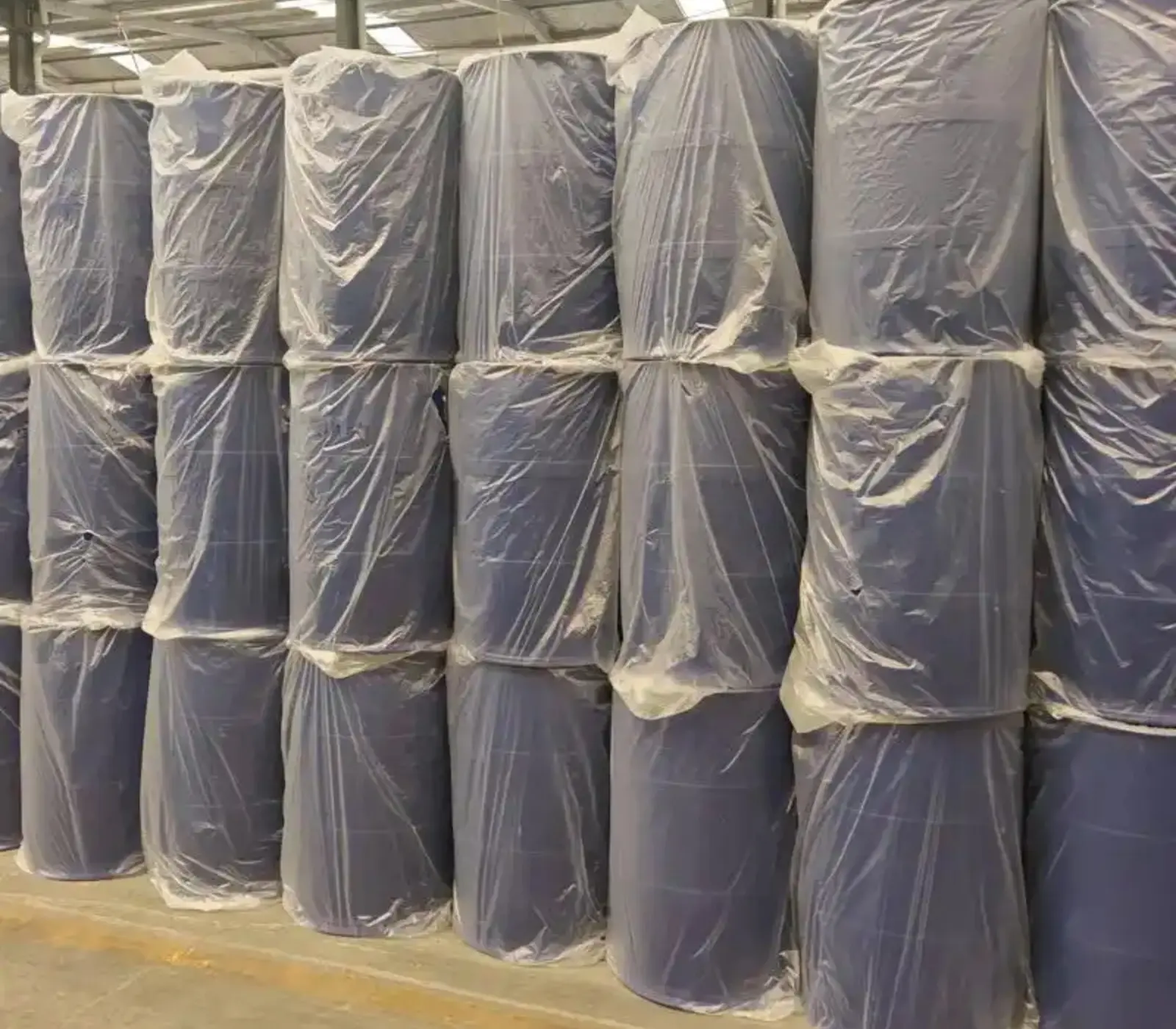
Liquid Type: 200L Plastic Drum / 1000L IBC Tote
Storage Conditions: Keep in a cool and well-ventilated place, away from direct sunlight.
200L barrel packaging
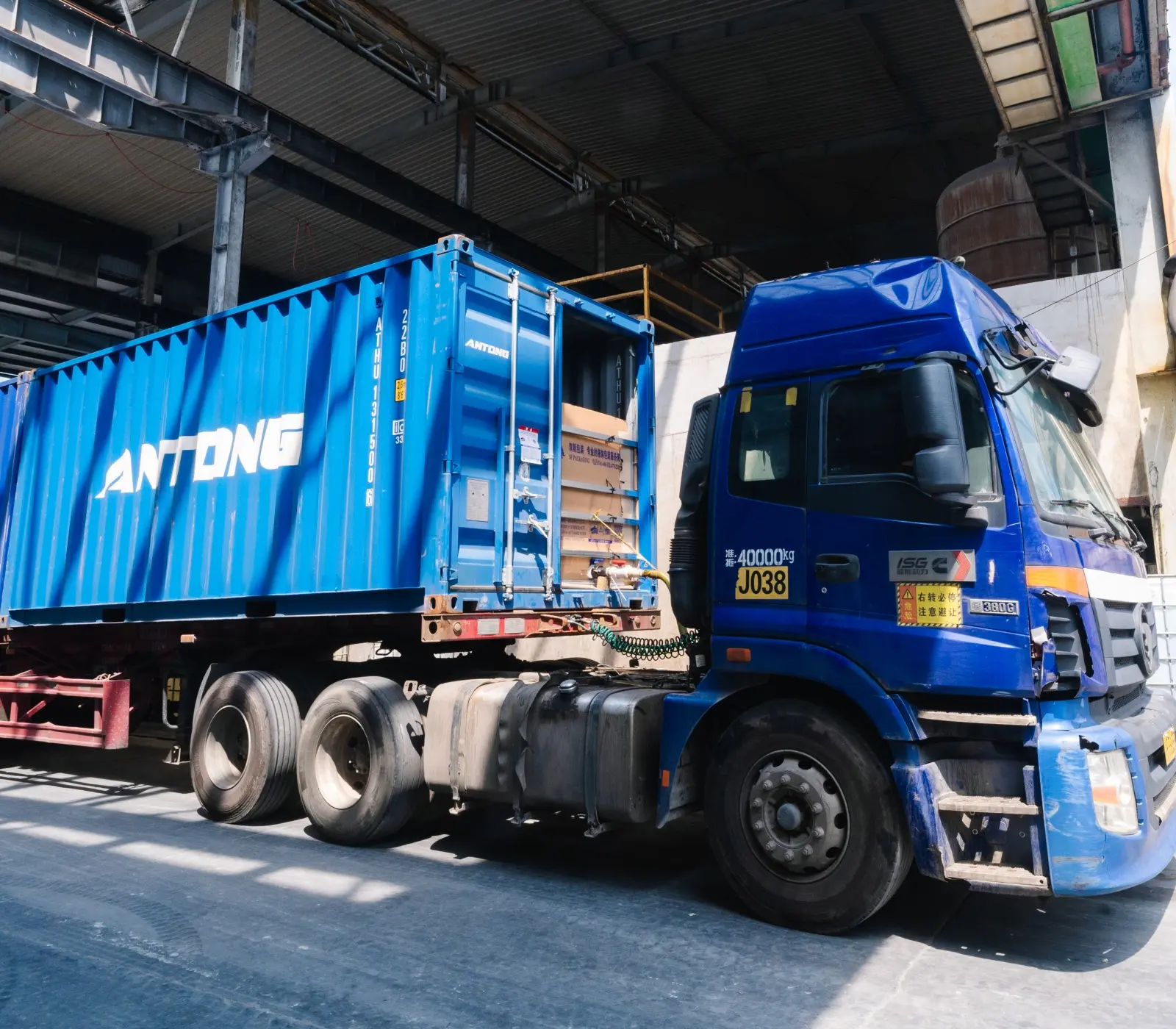
Liquid bag shipment

Frequently Asked Questions

What is the decolorization efficiency of this agent?
The agent achieves a decolorization rate of ≥ 95% and a COD removal rate of ≥ 40% for highly refractory pigments, including reactive, direct, and sulfur dyes.
What is the optimal pH range for treatment?
The agent has high stability and adaptability across a pH range of 3-11, with the optimal performance range being pH 6-9.
Can this product handle wastewater with high salinity and temperature?
Yes, the agent is highly resistant to salt (salinity up to 5%) and operates efficiently at high temperatures below 60°C without performance degradation.
How fast does the flocculation process take place?
It delivers quick results. Large flocs begin to form within 3 minutes of dosing, enabling rapid sedimentation.
What industries can benefit from this decolorizing agent?
It is widely used in textile dyeing, dye manufacturing, pigment and ink production, paper mills (black liquor treatment), and other systems containing high suspended solids.
What packaging options are available?
The product is supplied in liquid form and is available in 200L Plastic Drums or 1000L IBC Totes. Keep in a cool, well-ventilated space out of direct sunlight.

Related Products