China Waste Water Engineering Suppliers & Factories

Decentralized & Municipal Industrial Water Clarification Chemistry - 27 Years of Manufacturing Innovation & High-Purity Flocculant Synthesis

Primary Industrial Wastewater Treatment Formulations

Direct factory supply of high-purity coagulants and flocculants engineered for chemical precipitation, sludge thickening, and industrial effluent clarification.
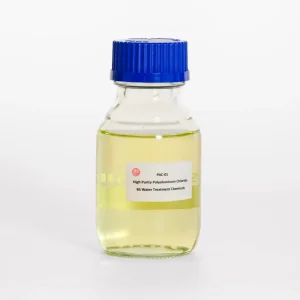
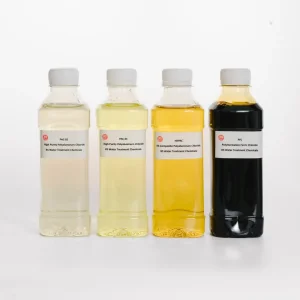
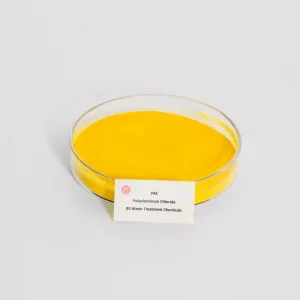
Wholesale High Purity Poly Aluminium Chloride PAC-01

Wholesale High Purity Poly Aluminium Chloride (PAC-01) - 10%-17% Active Ingredient Manufacturer

View Specifications
Wholesale PolyAluminium Chloride Liquid

Wholesale PolyAluminium Chloride (PAC) Liquid - Colorless Transparent Solution 10%-15% Active Ingredient

View Specifications
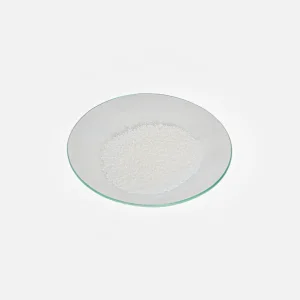
China Poly Aluminium Chloride PAC Powder

China Poly Aluminium Chloride (PAC) | Factory-Manufactured White/Yellow Granules and Powder

View Specifications
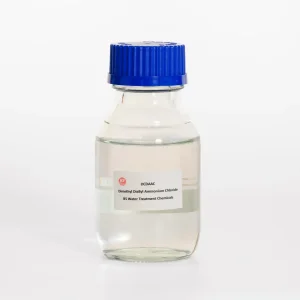
Wholesale PDADMAC Supplier Factory China

Wholesale Poly(diallyldimethylammonium chloride) PDADMAC Supplier and Factory in China

View Specifications
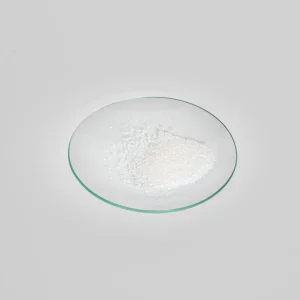
Wholesale Cationic Polyacrylamide CPAM

Wholesale Cationic Polyacrylamide (CPAM) - High-Quality Factory for Water Treatment Solutions

View Specifications
China Anionic Polyacrylamide APAM Suppliers

China Anionic Polyacrylamide (APAM) Suppliers - High-Quality Flocculant for Water Treatment

View Specifications
Wholesale Polyaluminium Chloride Liquid 10-15 Percent

Wholesale PolyAluminium Chloride (PAC) Liquid – 10%-15% Active Ingredient Manufacturer

View Specifications
China Cationic Polyacrylamide CPAM Manufacturer

China Cationic Polyacrylamide (CPAM) Industrial Grade Manufacturer and Bulk Suppliers

View Specifications

Advanced Coagulation and Flocculation Dynamics in Wastewater Engineering

Wastewater clarification requires a precise combination of chemical neutralization and polymer bridging. As global discharge criteria shift toward zero liquid discharge (ZLD) paradigms, operators must utilize high-performance polymeric coagulants to neutralize negative surface charges on suspended colloids, allowing floc formation. Wuxi BS Water Treatment Chemicals manufactures advanced polymeric materials designed to optimize the sedimentation process across diverse pH ranges and chemical matrices.

Molecular Coagulation through Polyaluminium Chloride (PAC) & ACH

Unlike standard aluminium sulfate (alum), Polyaluminium Chloride (PAC) delivers pre-hydrolyzed polymeric aluminum species ($\text{Al}_{13}$ tridecamer complexes). This structural integrity results in higher charge-neutralization efficiency per unit of aluminum. In high-basicity variations like Aluminum Chlorohydrate (ACH), the basicity ratio ($[Al]/[OH]$) reaches up to 83%, reducing the consumption of alkaline additives in neutralized streams and reducing volume of sludge output by up to 40%.

Expert Formulation Note: Incorporating polymeric species with high active content (up to 17% in liquid PAC formulations) stabilizes the coagulation mechanism against temperature drops, which typically inhibit standard monomeric metal salts.

Floc Bridging via Polyacrylamide (PAM) Polymers

Following colloidal charge neutralization, polyacrylamide (PAM) formulations introduce high-molecular-weight chains that bind microflocs into macroscopic structures suitable for gravity settling or mechanical dewatering. Cationic Polyacrylamide (CPAM) is optimized for organic substrates, such as activated municipal sludges or paper processing slurries, where it targets negatively charged organic components. Anionic Polyacrylamide (APAM) is utilized for mineral slurries, metallurgical waste, and inorganic suspended solids.

Target Application Matrix

Selecting the appropriate wastewater engineering agent requires correlating active charge density with solid-liquid separation equipment:

  • Dewatering centrifuges: Require high charge-density Cationic PAM to withstand high shear forces.
  • Gravity thickeners: Benefit from high molecular weight APAM to maximize settling velocities.
  • Dissolved Air Flotation (DAF): Employs low-to-medium basicity PAC to build shear-resistant microflocs.
  • Color Removal Processes: Rely on dicyandiamide-formaldehyde polymers (Water Decoloring Agents) to break aromatic rings.
Chemical Agent Common Code Active Ingredient (%) Ionic Character Optimal pH Range Primary Industrial Use Case
Polyaluminium Chloride (High Purity) PAC-01 10% - 17% (Liquid) / 30% (Solid) Highly Cationic 5.0 - 9.0 Drinking water purification & fine industrial process water
Aluminum Chlorohydrate ACH 23% - 24% $\text{Al}_2\text{O}_3$ Highly Cationic 5.5 - 8.5 Cosmetics, municipal water, high-basicity clarifying
Cationic Polyacrylamide CPAM ≥ 89% (Solid granules) Cationic (10% - 80% Charge) 3.0 - 10.0 Activated municipal sludge conditioning & centrate dewatering
Anionic Polyacrylamide APAM ≥ 89% (Solid granules) Anionic (5% - 40% Hydrolysis) 6.0 - 13.0 Coal washing, metallurgy tailings, mineral processing water
Poly-DADMAC PDADMAC 20% - 50% (Liquid) Strongly Cationic 1.0 - 14.0 Primary coagulant, membrane pretreatment, anionic trash catcher

Global Procurement Demands in Wastewater Infrastructure

Key indicators, compliance standards, and risk-mitigation strategies for supply chain officers sourcing chemical reagents from China.

Total Cost of Ownership (TCO)

Procuring raw reagents from primary factories offers significant unit cost advantages. However, smart buyers assess parameters like freight costs for liquid versus solid forms, shelf-life degradation during marine transport, and the cost of localized storage and preparation systems.

Chemical Quality Compliance

Products must consistently align with destination standards, such as Europe's REACH framework and NSF/ANSI Standard 60 for potable water chemical safety. Advanced trace-metal analysis (ICP-MS) is vital to ensure contaminants stay well within regulatory parameters.

Supply Continuity and Storage

Large-scale municipal utilities run continuously. A reliable supplier must maintain on-site inventory reserves. We operate a finished product warehouse holding over 20,000 tons of reserve stock to prevent shortages during ocean transit delays.

27 Years of Manufacturing Excellence

Wuxi BS Water Treatment Chemicals Co., Ltd. is a specialized manufacturer of coagulants and flocculants for municipal and industrial applications.

27+
Years Industry Experience
500,000+
Annual Sales Volume (Tons)
20,000+
Finished Product Warehouse (Tons)
1000+
Global Enterprises Served
1998
Production Commencement
Established manufacturing facilities focused on primary inorganic water treatment reagents in Jiangsu Province.
2005
Strategic Reorganization
Formally renamed to Wuxi Bisheng Water Treatment Agent Co., Ltd. and expanded polymer research facilities.
2007
Global Export Strategy
Initiated export operations, delivering high-purity coagulants directly and through international distributors.
2021
Volume Milestones
Annual export value surpassed $10 million, supported by automated chemical processing lines.

Industrial Sector Integration

Customized chemical treatment approaches designed for specific industrial effluent characteristics.

Petroleum Industry Effluent

Treating produced water and refinery effluents requires breaking emulsion matrices of oil and water. Employing hydrophobic diallyldimethylammonium chloride polymers (PDADMAC) breaks down oil-in-water complexes, preparing the stream for flotation separation.

Municipal Sewage & Sludge Dewatering

Conditioning biological sludge before belt presses, filter presses, or centrifuges demands high-performance polymers. Selecting Cationic Polyacrylamide (CPAM) with targeted charge densities ensures quick water release and a dry, manageable filter cake.

Pulp & Paper Process Additives

Papermaking loops use anionic polyacrylamide (APAM) and PDADMAC as retention aids. These polymers capture fine fibers and fillers while clearing organic residues from closed-loop process water systems.

Technical Roadmap: Green Chemistry & High-Efficiency Polymers (2025-2030)

The global chemical industry is modernizing its approach to environmental footprint and manufacturing efficiency. Wuxi BS's product roadmap focuses on three strategic pillars:

1. Reducing Monomer Residues

Traditional polyacrylamide manufacturing leaves tiny amounts of unreacted acrylamide monomer. We are upgrading our polymerization techniques to keep free monomer levels below 200 ppm, making our products safer for municipal drinking water systems.

2. Upgraded Liquid Concentrates

To reduce shipping costs and associated carbon emissions, we are expanding our range of high-concentration liquid coagulants. This includes developing stable, high-active-content Polyaluminum Chloride liquids that remain clear and functional even in colder temperatures.

3. Bio-Based Hybrid Polymers

Our research team is developing hybrid formulations that combine natural polymers like starch or chitosan with synthetic chains. These hybrid agents offer excellent flocculation performance while improving the overall biodegradability of treated sludge.

Compliance & Quality Assurance

We maintain strict quality control throughout our manufacturing cycle:

  • Raw Material Checks: We audit all incoming aluminum and chemical raw materials to prevent heavy metals from entering production.
  • Batch Traceability: Every production run is documented and kept on file for at least three years, ensuring full accountability.
  • Global Standards: Our manufacturing processes conform to ISO 9001:2015 for quality management and ISO 14001:2015 for environmental standards.

Frequently Asked Technical Questions

Detailed technical advice addressing common operational challenges in industrial and municipal wastewater systems.

Q1: What is the main structural difference between PAC-01 and standard industrial-grade PAC? +
PAC-01 is a high-purity, spray-dried powder produced from clean raw materials. It contains minimal insoluble residue and very low levels of heavy metals, making it suitable for drinking water systems and sensitive industrial processes. Industrial-grade PAC is typically roller-dried and contains higher iron content, which gives it a yellow-to-brown color suitable for general wastewater treatment.
Q2: How do you choose the right ionic charge density for Cationic Polyacrylamide (CPAM)? +
The ideal charge density depends on the nature of the sludge. Highly organic sludges (like biological municipal waste) require medium-to-high cationic charge densities (30% to 60%) to neutralize negative charges on organic matter. Fibrous or primary sludges generally perform better with lower cationic charge densities (10% to 20%).
Q3: Why does liquid Polyaluminium Chloride sometimes show cloudiness or precipitation during storage? +
Cloudiness is usually caused by temperature changes or changes in pH, which lead to slow hydrolysis and the formation of larger aluminum hydroxide structures. Our liquid formulations include stabilizing agents to prevent this precipitation, keeping active ingredient concentrations stable between 10% and 15% across normal operating temperatures.
Q4: Can Water Decoloring Agent (WDA) replace PAC and PAM entirely in textile wastewater plants? +
WDA is specifically formulated to break down colored dyes, especially reactive, acid, and disperse dyes. While it effectively decolorizes water, it is best used in combination with PAC and PAM. PAC helps build initial flocs, while PAM aggregates them for rapid settling, optimizing both chemical costs and water clarity.
Q5: What are the recommended storage and shelf-life conditions for powdered polyacrylamides? +
Dry polymer powders should be stored in a cool, dry place in their original sealed packaging. Under these conditions, they have a shelf life of up to 24 months. Once dissolved in water, the liquid polymer solution should be used within 24 to 48 hours, as the polymer chains gradually degrade and lose their effectiveness over time.

Advanced Polymer & Clarification Products

Explore our full range of water treatment chemicals, designed for high-rate clarification and process water recycling.
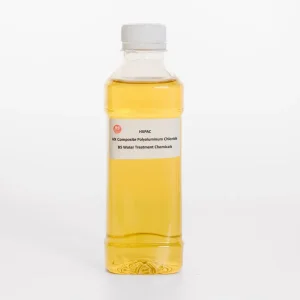
China CPAC Suppliers Composite Polyaluminum Chloride

China CPAC Suppliers: Advanced Composite Polyaluminum Chloride from Leading Water Treatment Factory

View Specifications
China Anionic Polyacrylamide APAM Flocculant

China Anionic Polyacrylamide (APAM) – Flocculant for Water Treatment Manufacturer, Suppliers

View Specifications
China Suppliers of Anionic Polyacrylamide APAM

China Suppliers of Anionic Polyacrylamide (APAM) - Effective Flocculant from Factory for Water Treatment

View Specifications
Wholesale Anionic Polyacrylamide APAM Flocculant

Wholesale Anionic Polyacrylamide (APAM) Flocculant for Water Treatment - Leading China Suppliers & Factory

View Specifications
Wholesale Cationic Polyacrylamide CPAM Suppliers

Wholesale Cationic Polyacrylamide (CPAM) Suppliers from China - Effective Water Treatment Solution

View Specifications
Wholesale High Purity Poly Aluminium Chloride PAC-01 Liquid

Wholesale High Purity Poly Aluminium Chloride (PAC-01) - Clear Liquid 10%-17% Active Content

View Specifications
Wholesale High Purity Poly Aluminium Chloride for Water Treatment

Wholesale High Purity Poly Aluminium Chloride (PAC-01) - China Suppliers and Factory for Water Treatment

View Specifications
Wholesale Anionic Polyacrylamide APAM Suppliers in China

Wholesale Anionic Polyacrylamide (APAM) Suppliers in China - Factory Direct Flocculant Solutions

View Specifications

Request Technical Consultation & Samples

Our technical engineers are available to review your water analysis and recommend the most effective coagulant and flocculant combinations for your system. We offer sample testing packages for industrial wastewater evaluation.

Wuxi BS Water Treatment Chemicals Co., Ltd.

Manufacturing base: Wuxi City, Jiangsu Province, China