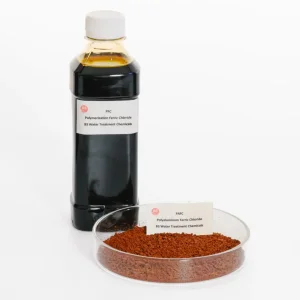
China Cationic Polyacrylamide (CPAM) Manufacturer, Suppliers
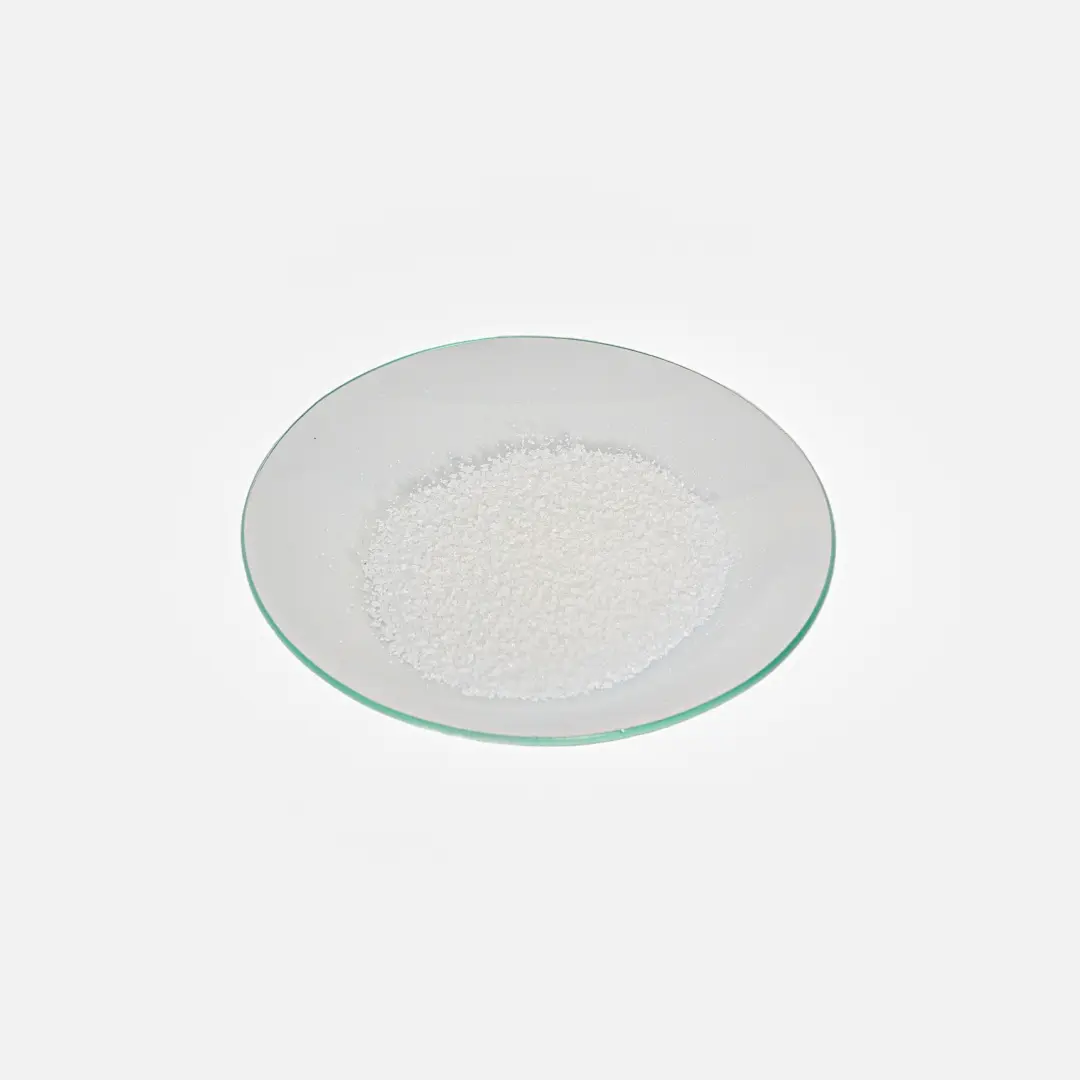
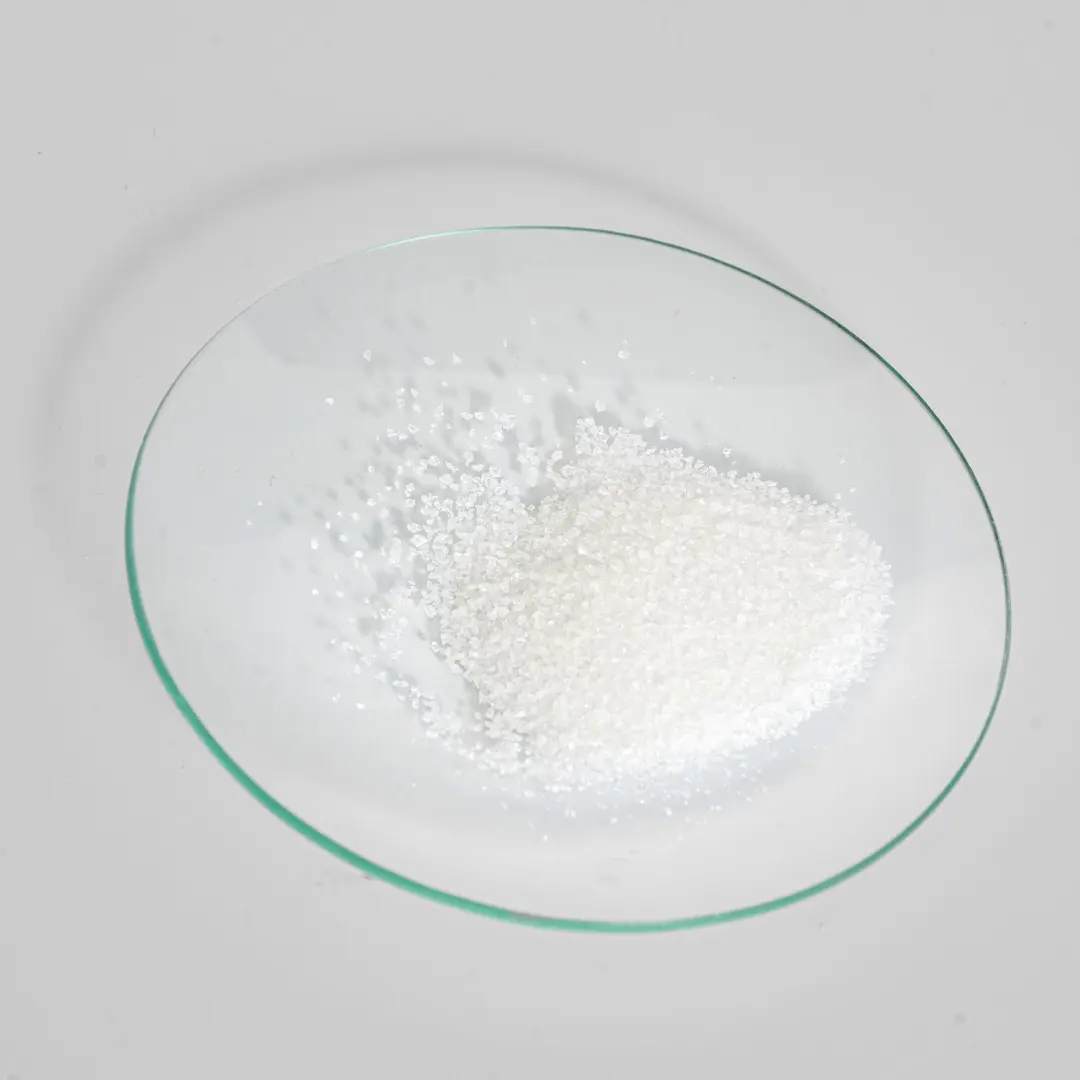
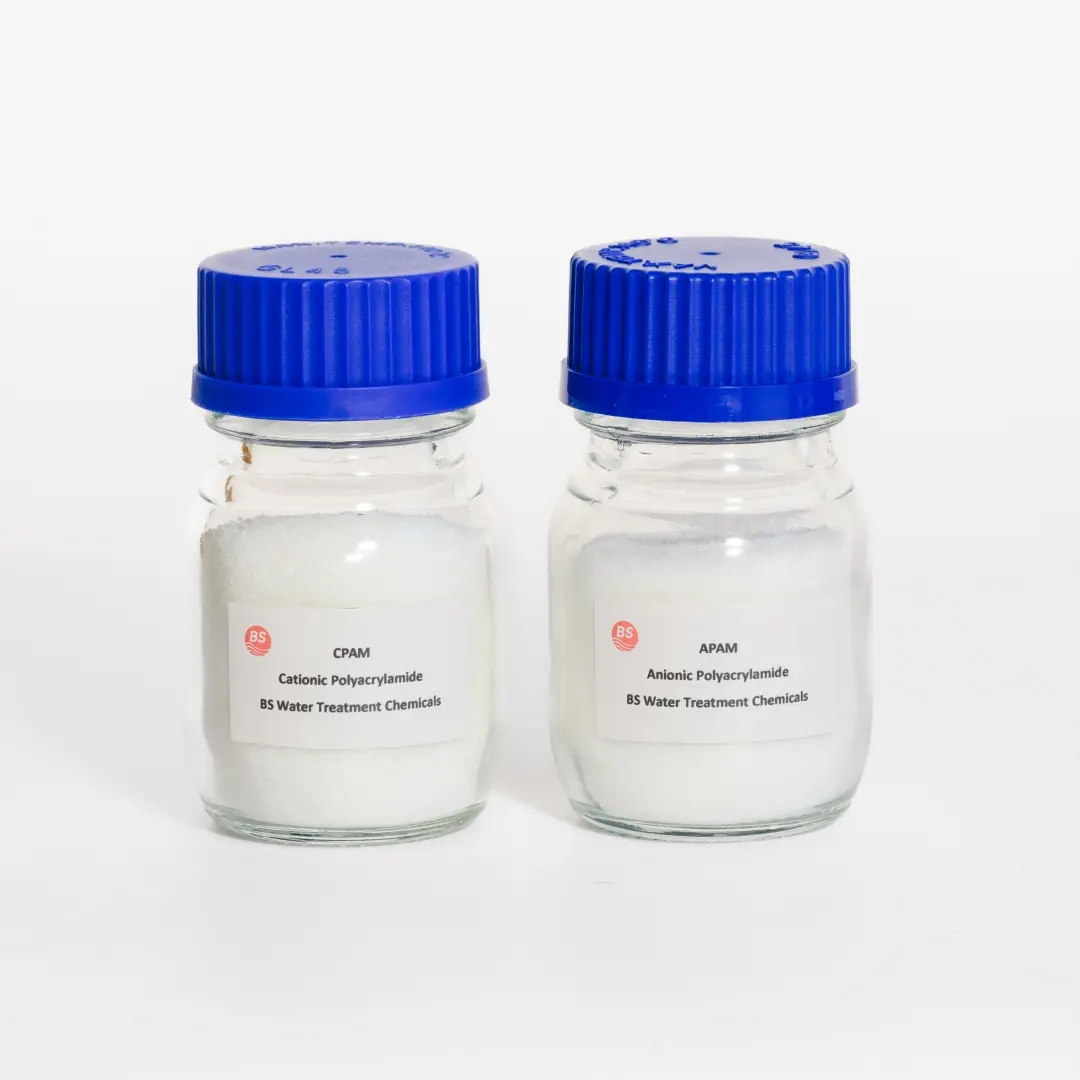
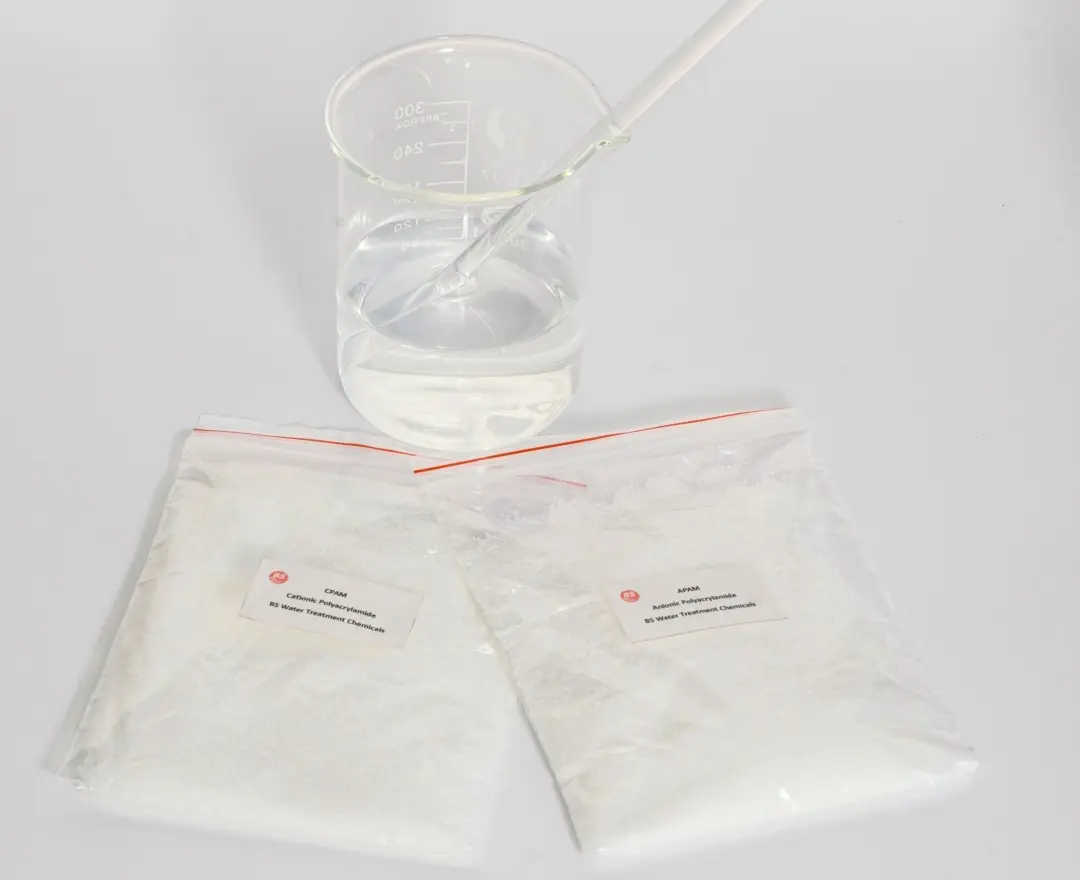
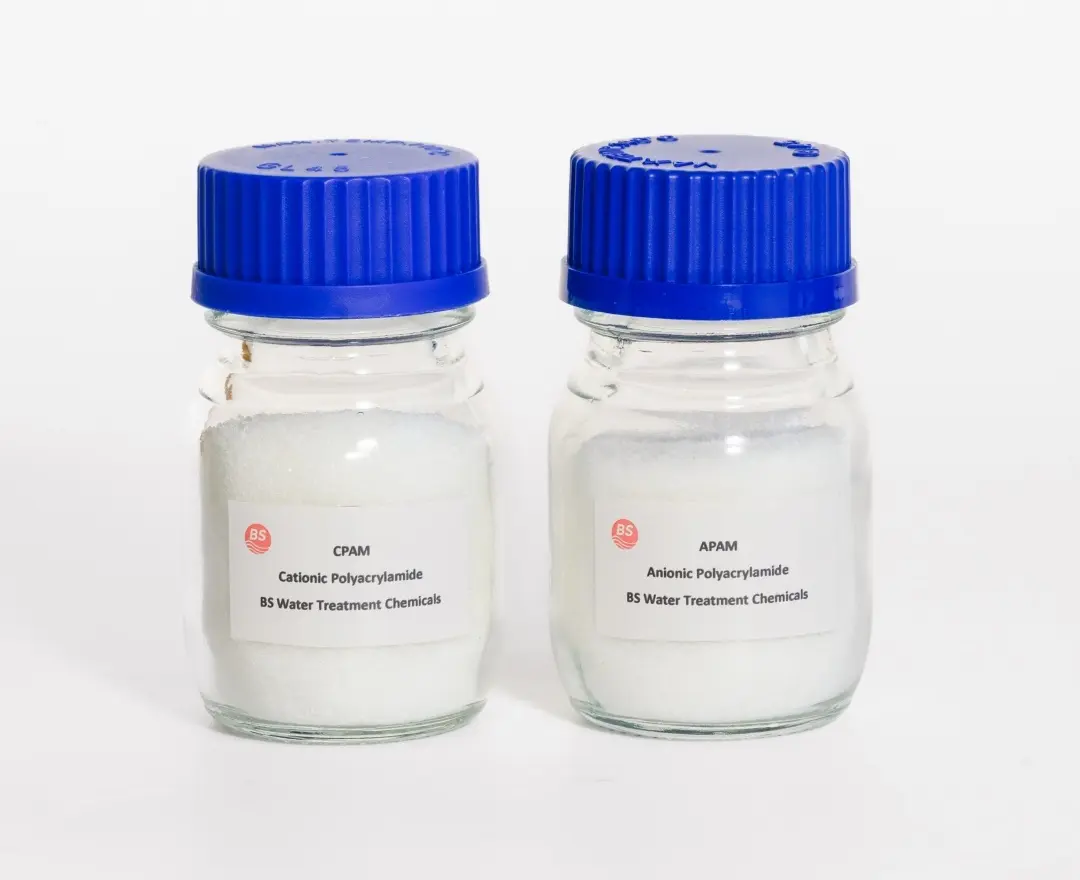
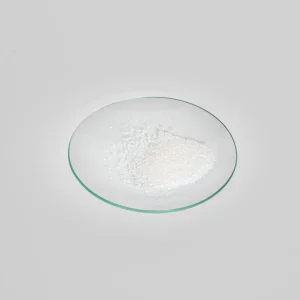
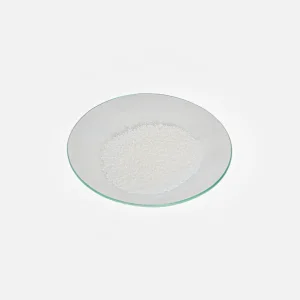
Cationic Polyacrylamide (CPAM for short) is a water-soluble polymer with a positively charged molecular chain (-NH₃âº). Through the "charge adsorption + net capture" interaction with negatively charged suspended solids (such as clay and colloid), dissolved organic matter (such as humic acid), and negatively charged pollutants (such as dye anions) in water, it rapidly aggregates and removes fine particles, making it a "powerful tool for decolorization and impurity removal" in scenarios with low turbidity and high pollution, such as printing and dyeing, electroplating, and chemical engineering.Â
Adjustable Ionicity · Precise Adaptation: Ionicity (cationic charge density) ranges from 10% to 80% (adjustable), customizable according to the negative charge intensity of wastewater:
Low ionicity (10%-30%): Suitable for low turbidity, weakly negatively charged wastewater (such as surface water pretreatment);
High ionic degree (50%-80%): Suitable for wastewater with high negative charge and fine suspended solids (such as printing and dyeing wastewater, electroplating wastewater).
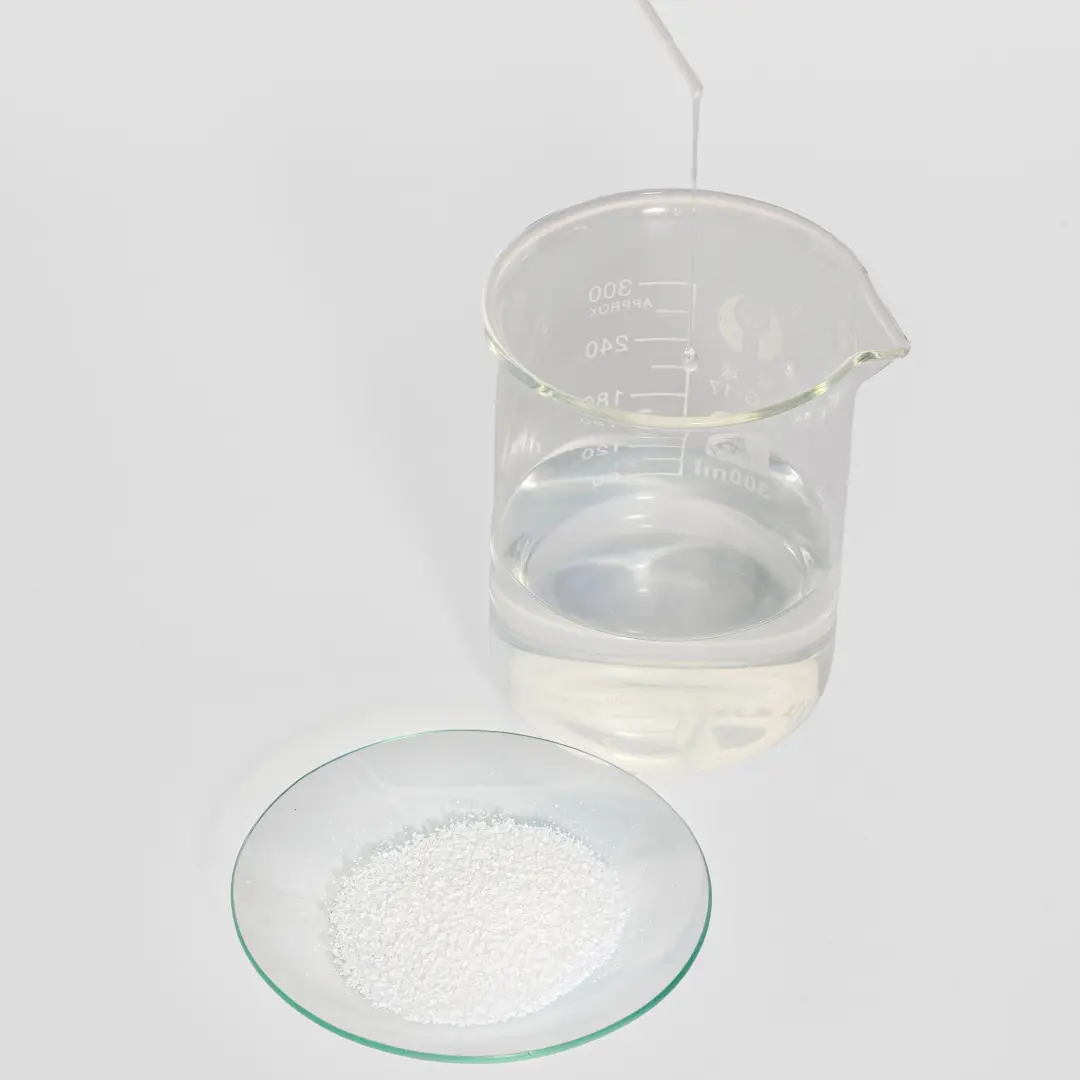
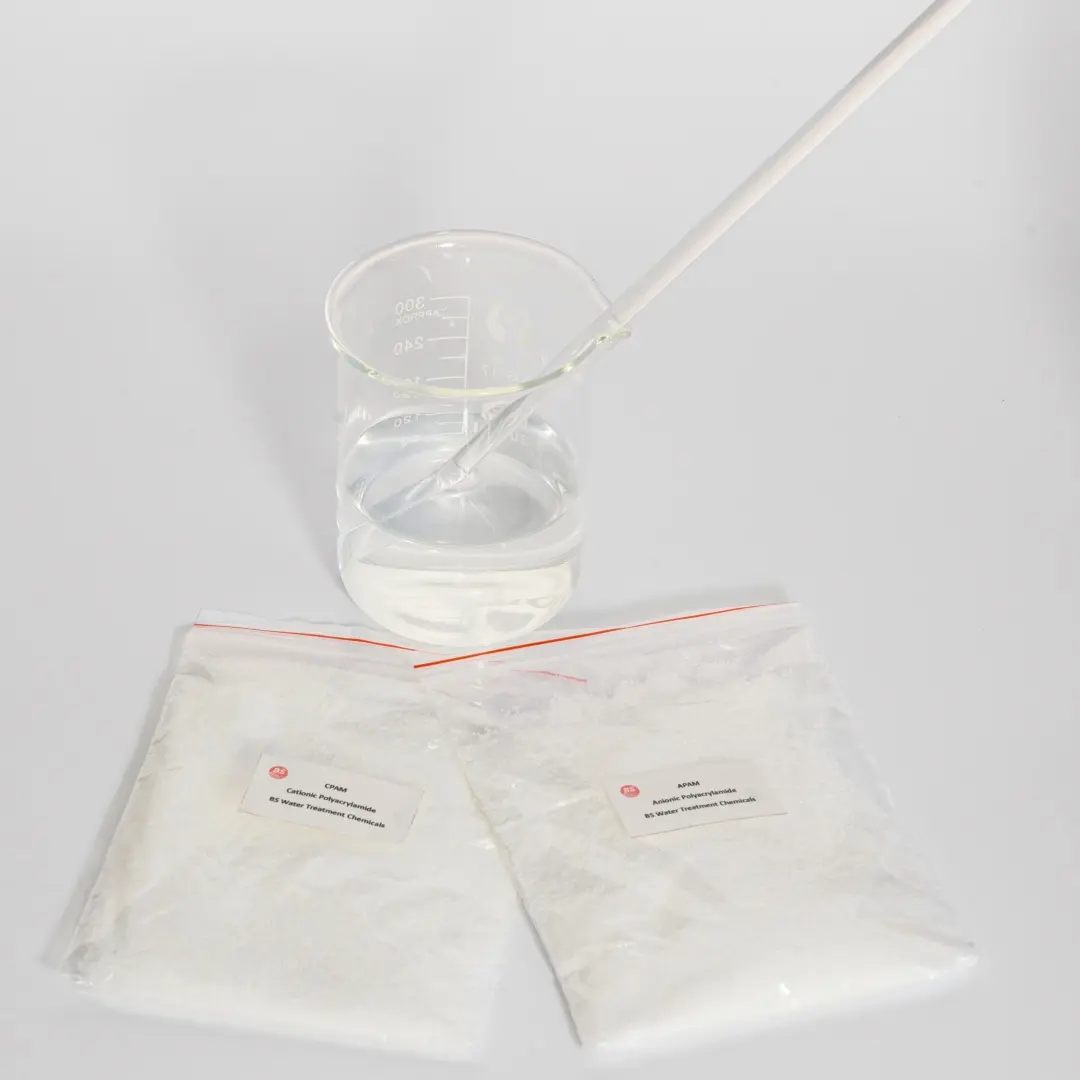
Fast dissolution, low residue: The dissolution time of powder PAM ≤ 60 minutes (at room temperature), after dissolution, the flocs are large and settle quickly (settling speed is 25%-40% faster than conventional products), and it works better when used in combination with PAC. Water insoluble matter ≤ 0.5%.
Strong Tolerance: Resistant to acid and alkali (pH 3-12), temperature-resistant (-5°C to 90°C), suitable for multiple scenarios such as mine wastewater, papermaking black liquor, printing and dyeing wastewater, and oilfield reinjection water.
Application Area
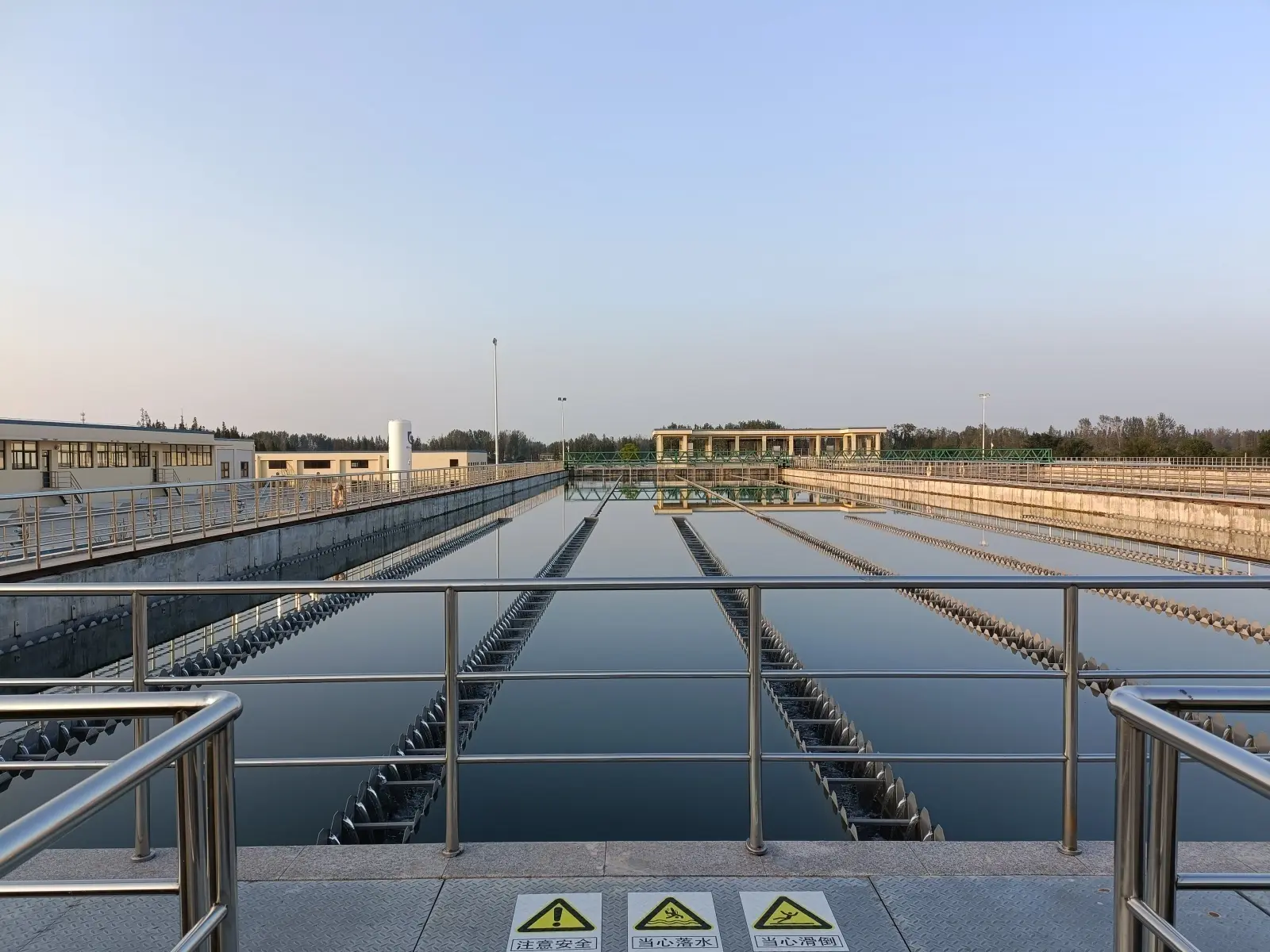
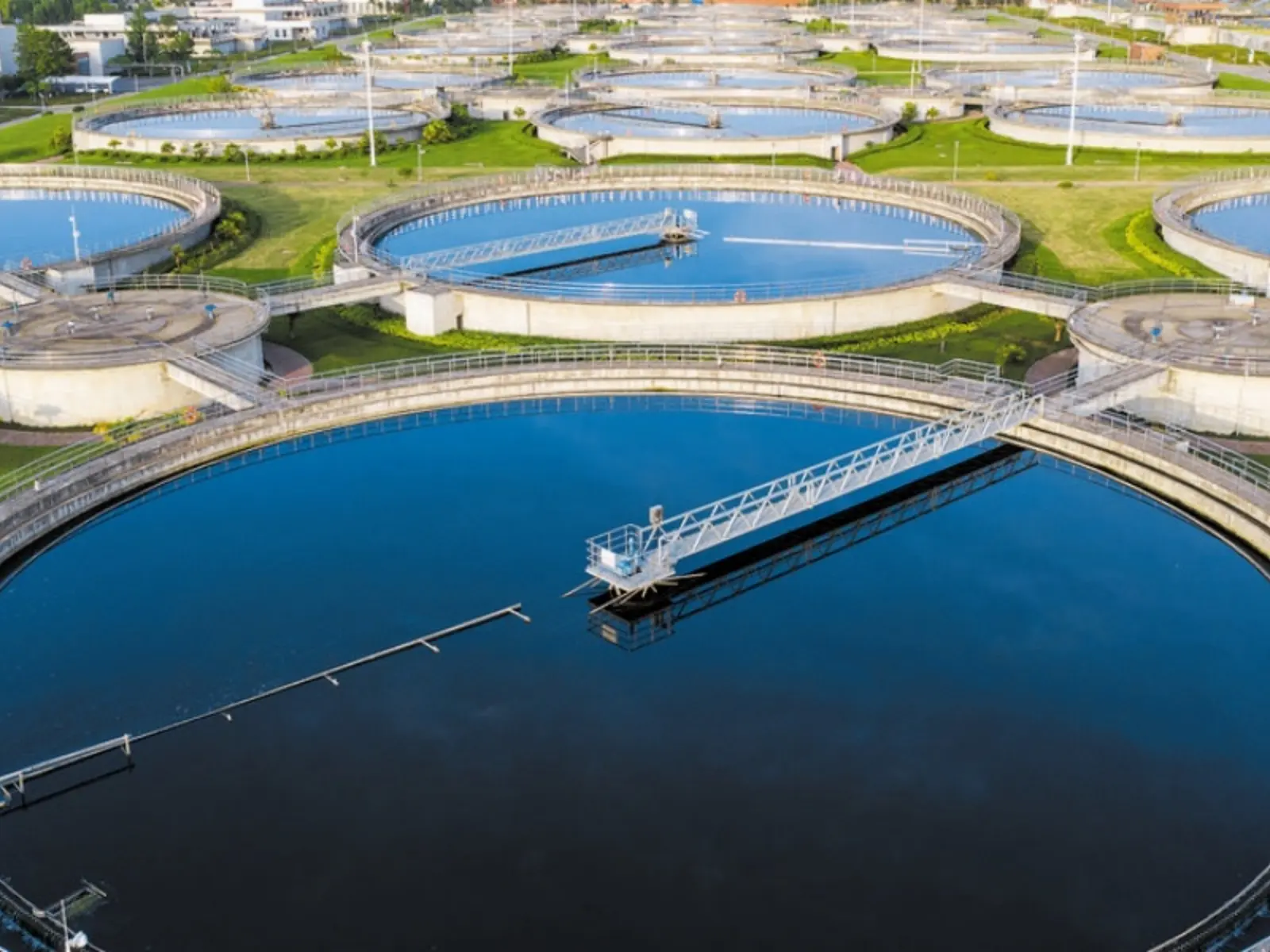
Municipal sewage treatment: Accelerate sludge dewatering and improve purification efficiency.
Industrial wastewater treatment: Treatment of high-concentration wastewater from steel mills, electroplating plants, paper mills, etc.
Oilfield exploitation: Improve oil recovery and adjust water injection viscosity.
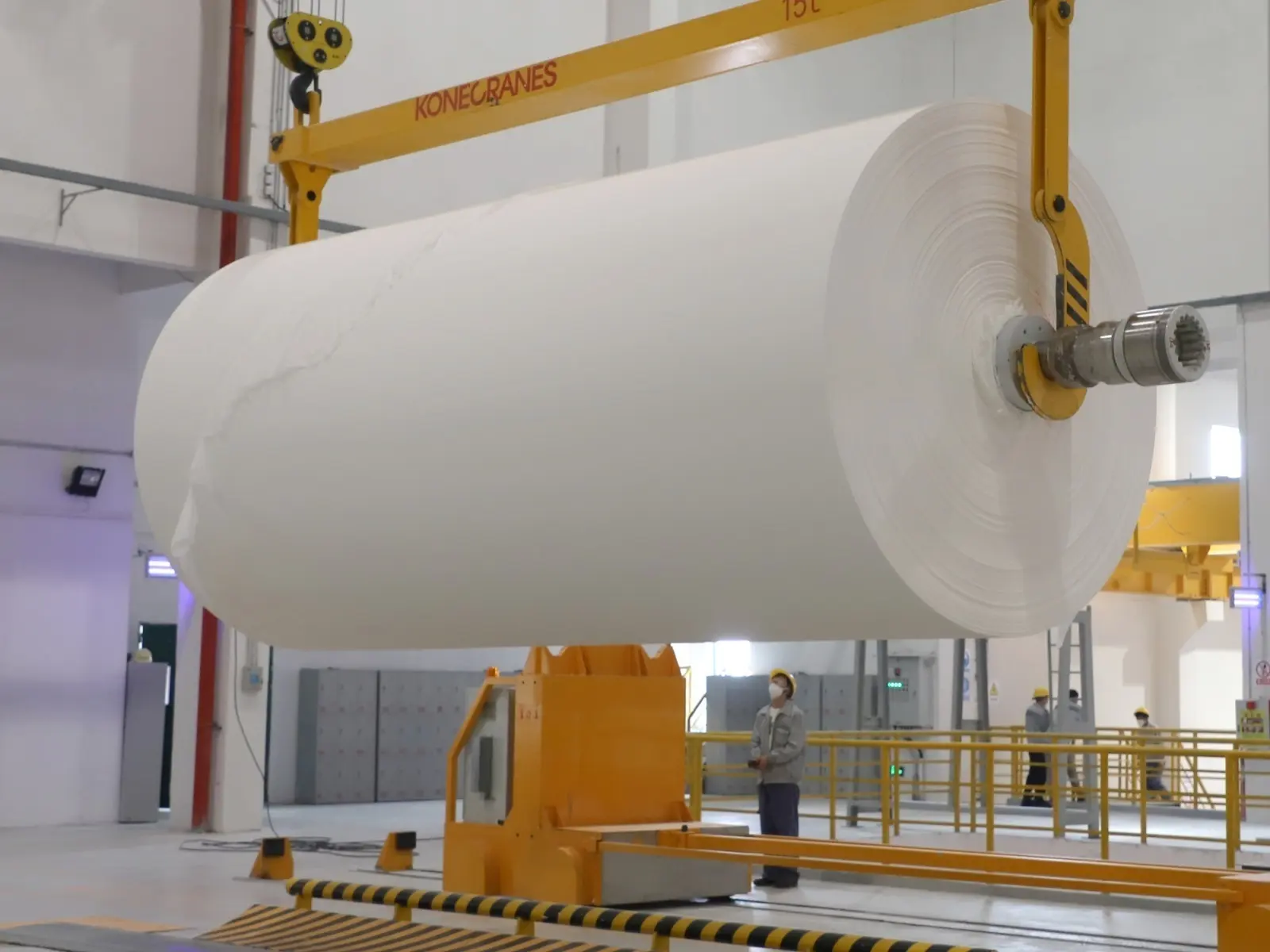
Paper and Textile: Enhance paper strength and reduce fiber loss.
Soil improvement: prevent soil erosion and enhance soil water retention.
Packaging and Storage
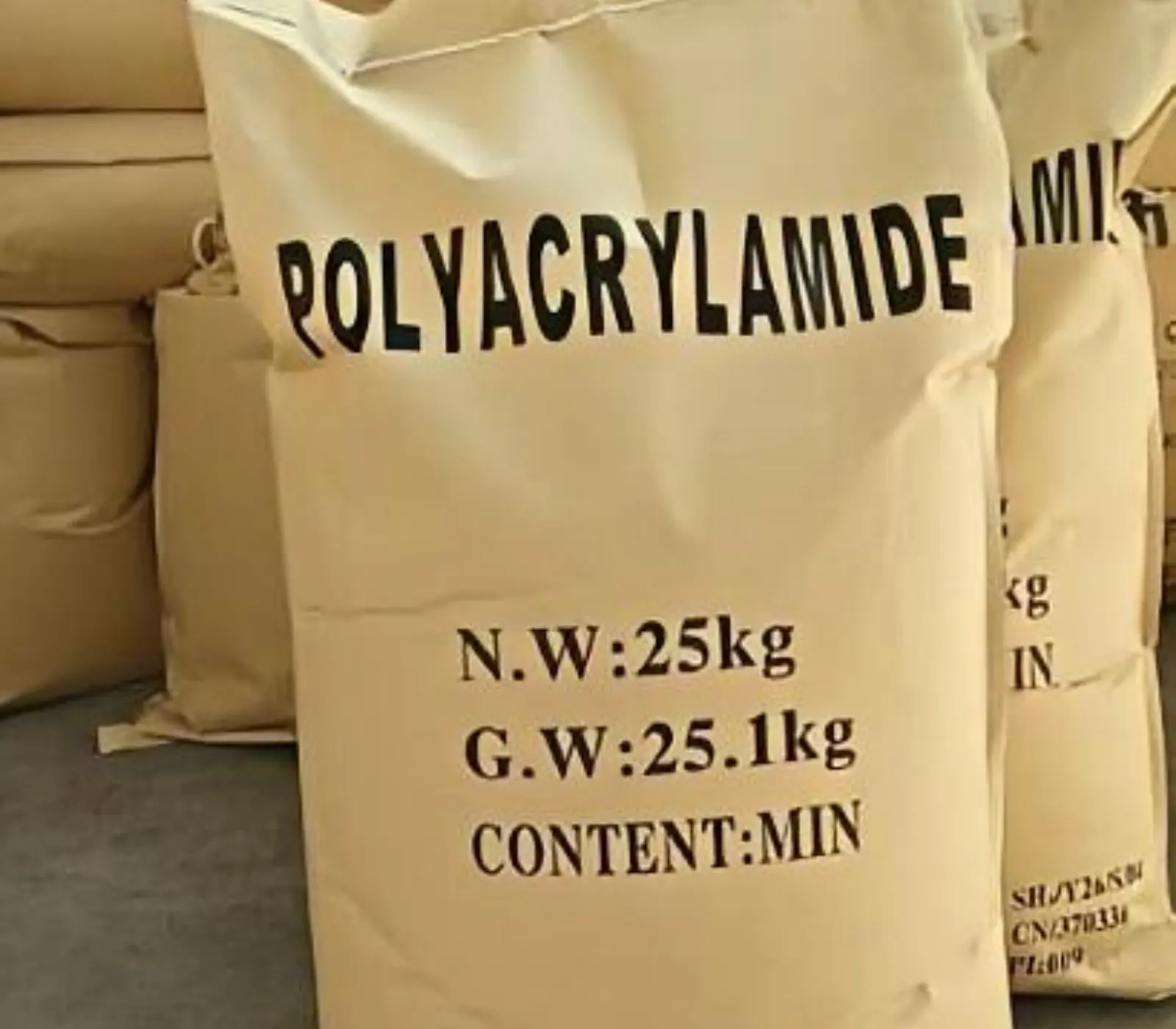
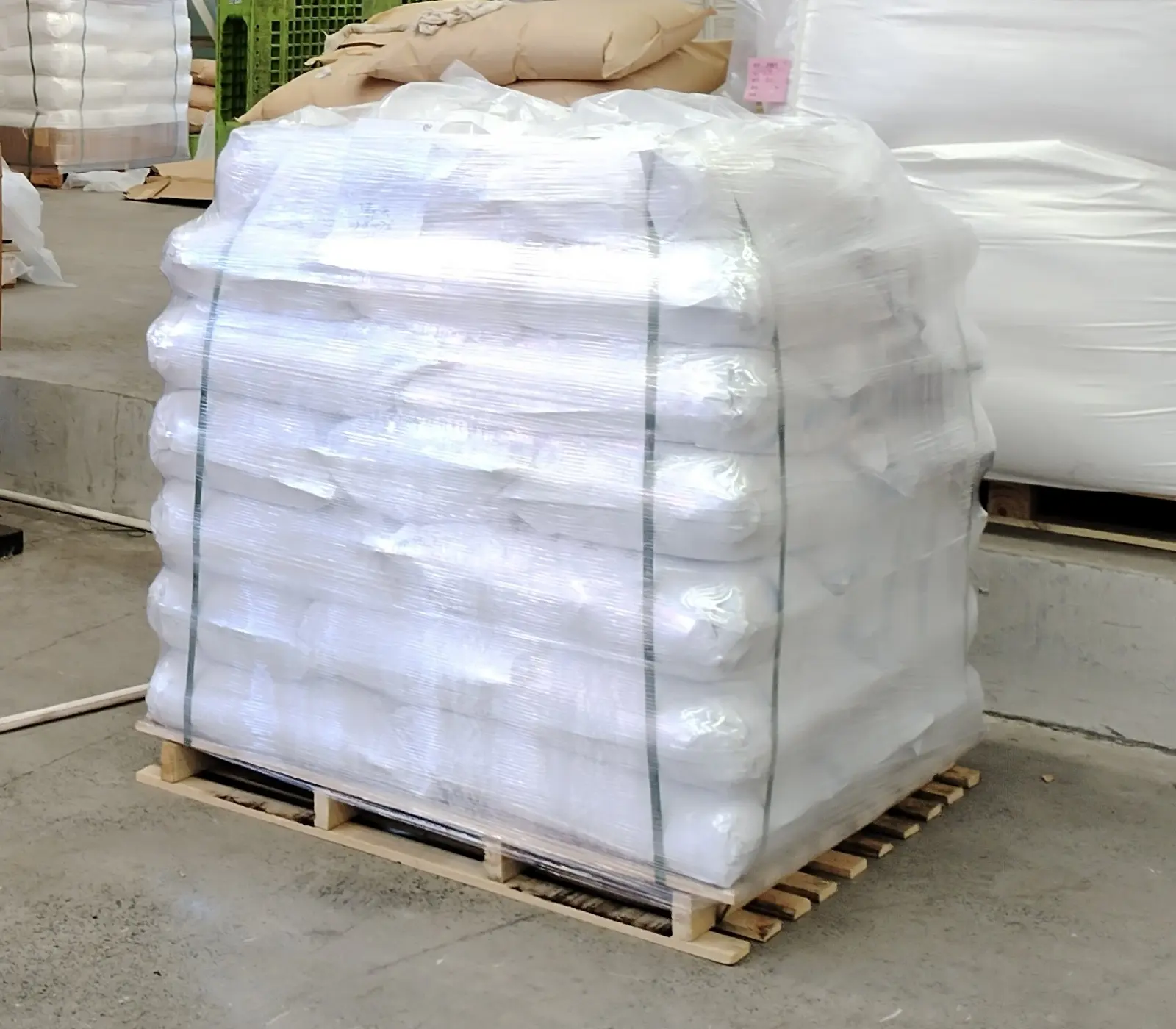
Solid powder: 25kg woven bag lined with plastic bag / 1 ton jumbo bag (customizable English / customer logo packaging available);
Storage Conditions: Store in a cool, dry place (temperature ≤ 35°C), avoid direct sunlight; the shelf life of the solid is 2 years (unopened).
Frequently Asked Questions
Q1: How do I choose the correct ionicity level for my wastewater treatment?
Adjustable ionicity allows customization from 10% to 80%. Generally, low ionicity (10%-30%) is recommended for low-turbidity, weakly negatively charged water. High ionicity (50%-80%) is ideal for high negatively charged wastewater containing fine suspended solids, such as electroplating and textile dyeing discharge.
Q2: What is the typical dissolution time for the solid powder PAM?
Under standard room temperature conditions, the dissolution time is less than or equal to 60 minutes. The resulting flocs are large and settle 25% to 40% faster than conventional market alternatives.
Q3: Can the product operate effectively in extreme pH and temperature conditions?
Yes, our PAM shows high resilience and stability across a wide pH range of 3 to 12. It is also temperature-resistant, maintaining optimal performance in environments ranging from -5°C to 90°C.
Q4: How does PAM benefit industrial operations outside of wastewater treatment?
Apart from wastewater treatment, it is widely utilized to improve oil recovery and regulate water injection viscosity in oilfields. In paper and textile production, it increases paper strength and reduces fiber loss, and it acts as an agent to prevent soil erosion and improve water retention.
Q5: What are the packaging styles available, and is customization supported?
We provide standard 25kg woven bags containing protective inner plastic liners, as well as 1-ton bulk jumbo bags. Custom packaging layouts with English text or client-specific logos are available upon request.
Q6: What is the shelf life and storage protocol for the solid powder?
When stored unopened in a dry, ventilated, and cool area (temperatures below 35°C) away from direct sunlight, the solid powder has a verified shelf life of 2 years.
 BS Water