 BS Water
Navigating China Wastewater Treatment Requirements: Whitepaper Insight
An authoritative analysis of regulatory guidelines, compliance pathways, and molecular-level intervention strategies for modern industrial water reclamation.
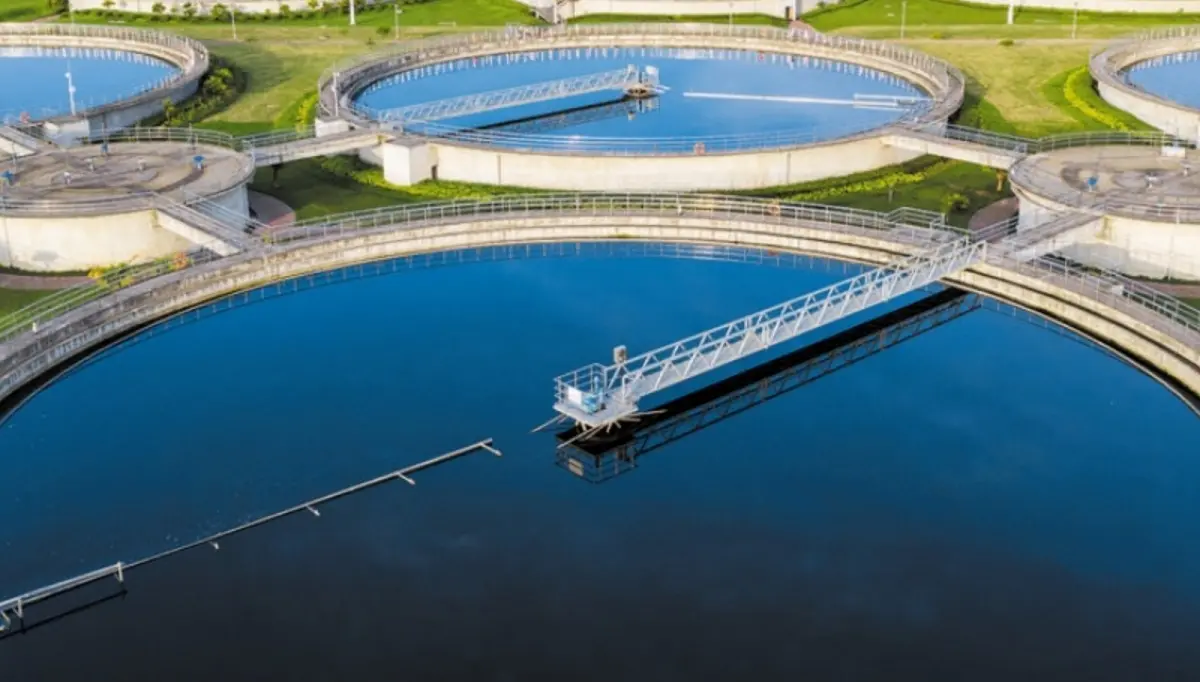
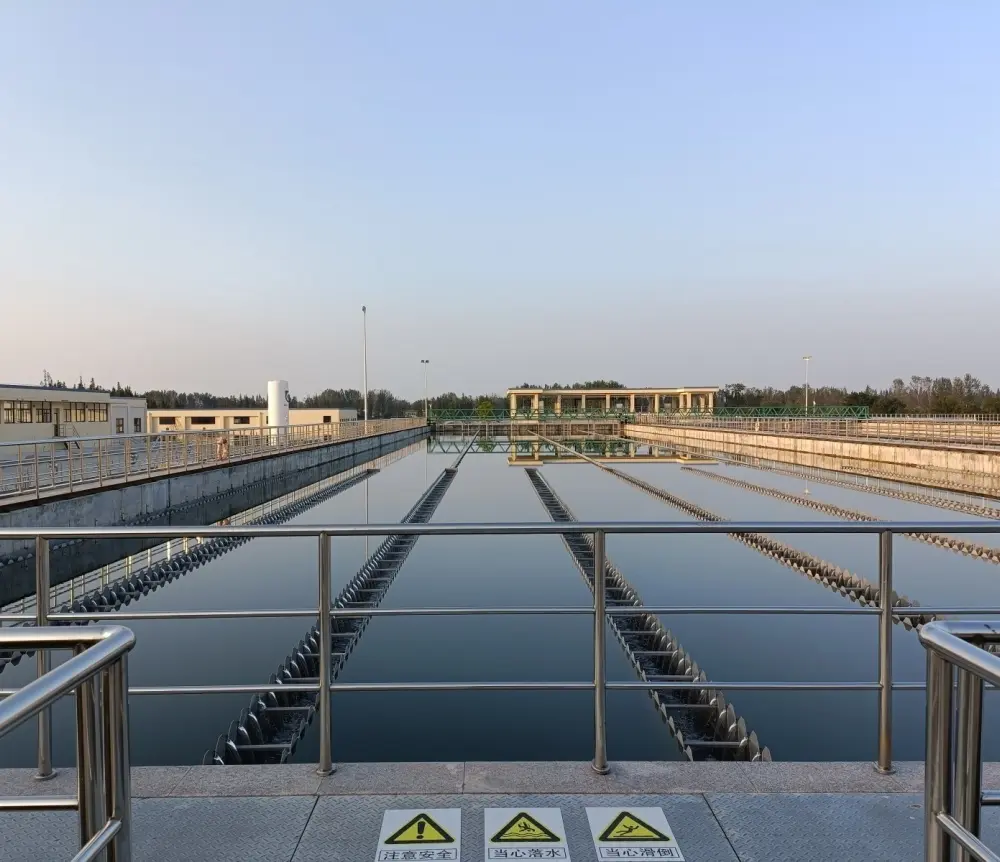
Industrial wastewater mitigation in China has transitioned from basic containment to a high-precision, closed-loop resource recovery paradigm. Under the governing national regulations—including the Integrated Wastewater Discharge Standard (GB 8978-1996) and the municipal municipal-wastewater mandates of GB 18918-2002 (Class 1A and Class 1B limits)—chemical oxygen demand (COD), total phosphorus (TP), ammonia nitrogen (NH3-N), suspended solids (SS), and heavy metal complexes must be treated to parts-per-million thresholds before release or reuse. Meeting these criteria requires not just equipment, but exact chemical dynamics.
Electrostatic Aggregation: The Role of Polyaluminium Chloride (PAC) & PAFC
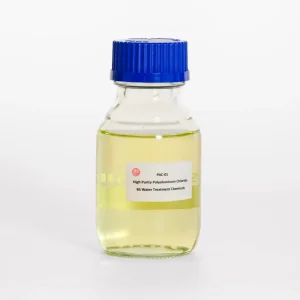
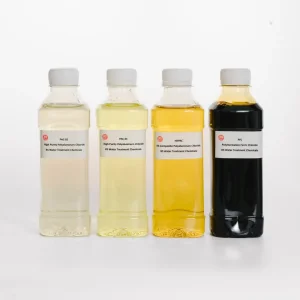
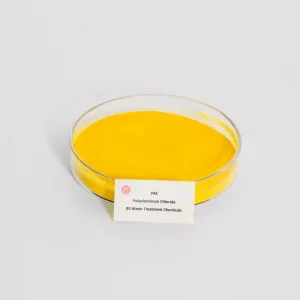
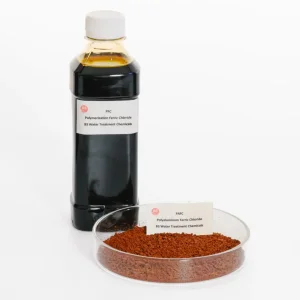
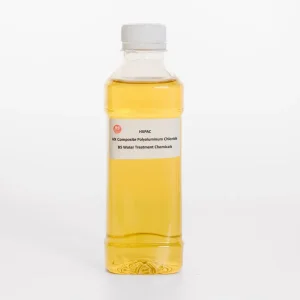
Polyaluminium Chloride (PAC) remains the cornerstone of chemical coagulation. By presenting highly charged polynuclear aluminum complexes, PAC neutralizes the negative zeta potential characteristic of suspended silts, cellular debris, and organic colloids. For ultra-complex effluents containing refractory organic dyes or heavy metals, Wuxi BS utilizes Polymeric Aluminium Ferric Chloride (PAFC). The insertion of iron ions into the polymer chain accelerates the creation of high-density ferri-aluminic flocs. This hybrid structure shortens precipitation times, increases floc shear resistance, and improves performance in low-temperature, low-turbidity waters where normal aluminum salts fail to hydrolyze effectively.
Macromolecular Bridging: Polyacrylamide (PAM) Tailoring
Once charge neutralization is established, bridging agents are required to build large flocs. Polyacrylamide (PAM) acts as this structural bridge. Anionic Polyacrylamide (APAM), with high molecular weights reaching up to 22 million Daltons, stretches out in aqueous media, capturing destabilized micro-flocs through hydrogen bonding and electrostatic interactions. Cationic Polyacrylamide (CPAM), possessing structured positive charges, is ideal for organic sludge dewatering in municipal and papermaking sludges. By binding tightly to negative organic matrices, CPAM expels bound water from the sludge, lowering cake moisture content in filter presses and decanter centrifuges, optimizing waste transport economics.