Wholesale Anionic Polymer Water Treatment Manufacturers & Factories

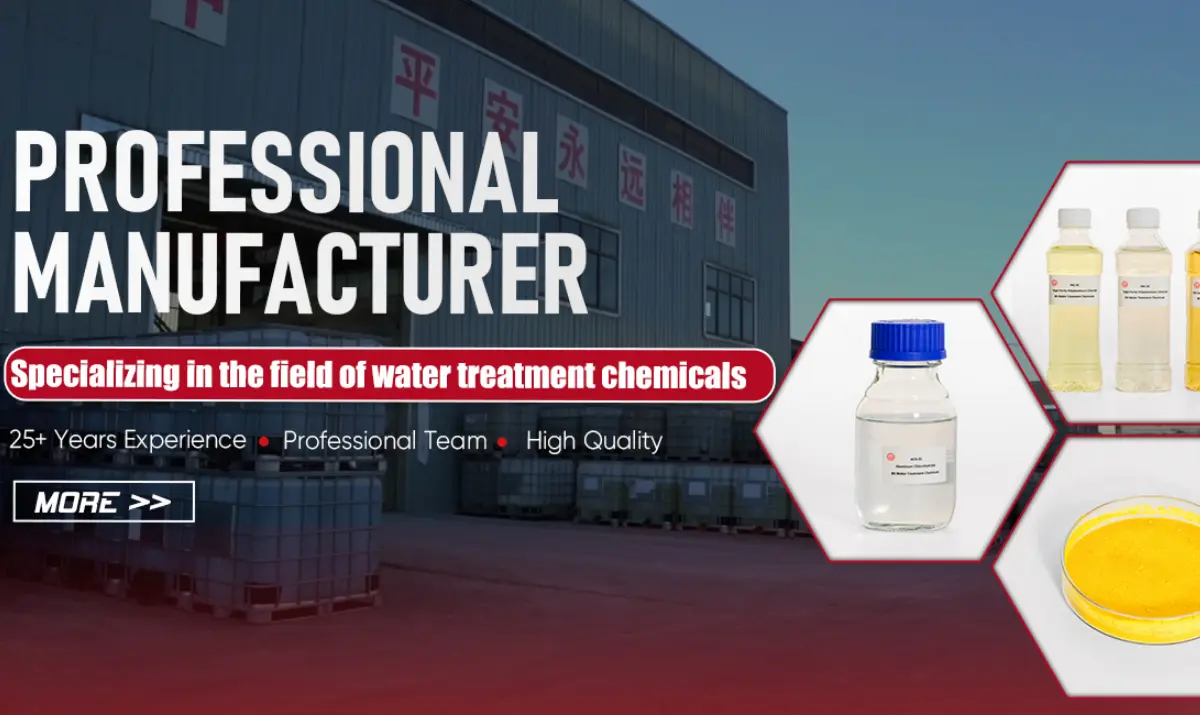
Decisive Efficacy & Industry-Leading Sludge Dewatering Flocculants Engineered by China's Premier 27-Year Water Quality Specialists

Premium Coagulant & Flocculant Portfolio

Direct from Wuxi BS Water Treatment Chemicals Co., Ltd. - Formulated for Maximum Active Content, Rapid Sedimentation, and High Shear Resistance.
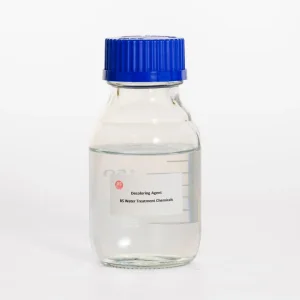
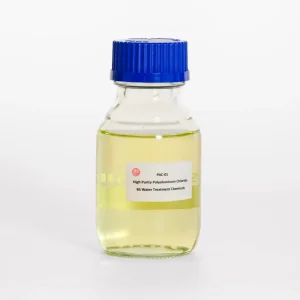
Water Decolorizing Agent

Wholesale High Efficient Water Decolorizing Agent (WDA)

Explore Solution →
Poly Aluminium Chloride PAC

China High Purity Poly Aluminium Chloride (PAC-01) 10%-17%

Explore Solution →
Cationic Polyacrylamide CPAM

China Cationic Polyacrylamide (CPAM) Pollutant Removal

Explore Solution →
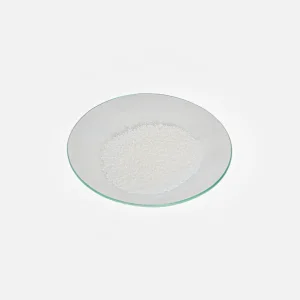
High Purity PAC China

Wholesale High Purity Poly Aluminium Chloride (PAC) Suppliers

Explore Solution →
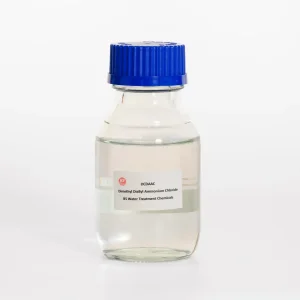
PDADMAC Polymer

China High-Quality Poly(diallyldimethylammonium chloride) PDADMAC

Explore Solution →
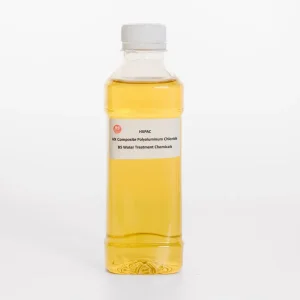
Composite Polyaluminum Chloride CPAC

China CPAC Suppliers - Advanced Composite Polyaluminum Chloride

Explore Solution →
Cationic Polymer WDA

China High Efficient WDA Cationic Polymer Wastewater Treatment

Explore Solution →
Anionic Polyacrylamide APAM

Wholesale Anionic Polyacrylamide (APAM) Flocculant Suppliers

Explore Solution →

1. Global Industrial Landscape of Anionic Polymer Water Treatment

Water treatment processes across the globe are facing unprecedented challenges driven by stricter environmental regulations, accelerating water scarcity, and the need for higher cost efficiencies in resource-heavy industries. Among chemical agents, Anionic Polymers (specifically Anionic Polyacrylamide or APAM) stand out as key components for solid-liquid separation. Their high molecular weight and specific charge density make them ideal for bridging suspended particles and facilitating rapid sedimentation.

Key Insight on Polymer Bridging Mechanism:

Anionic polymers work by neutralizing positive charges on suspended solids and forming long molecular chains that capture micro-flocs. This creates large, heavy flocs that settle rapidly. This process reduces turbidity, improves dewatering in filter presses, and increases throughput in industrial clarifiers.

The global market for anionic polymer water treatment agents has expanded beyond traditional municipal wastewater applications. Today, massive volumes are consumed in heavy industrial operations, including mineral processing, coal washing, petroleum extraction (Enhanced Oil Recovery), paper mills, and textile manufacturing. By leveraging tailor-made molecular structures, plants can minimize chemical dose rates while maximizing the dryness of cake discharge. This delivers substantial savings in disposal fees and water recovery costs.

2. China's Factory Efficiency & Scale Advantage: The Wuxi BS Standard

As industrial consumers seek secure global supply chains, Chinese manufacturers have established a clear advantage. The convergence of upstream raw material access (primarily acrylamide monomer), automated polymer synthesis, and robust logistics infrastructure allows factories like Wuxi BS Water Treatment Chemicals Co., Ltd. to achieve high scale economies and consistent quality control.

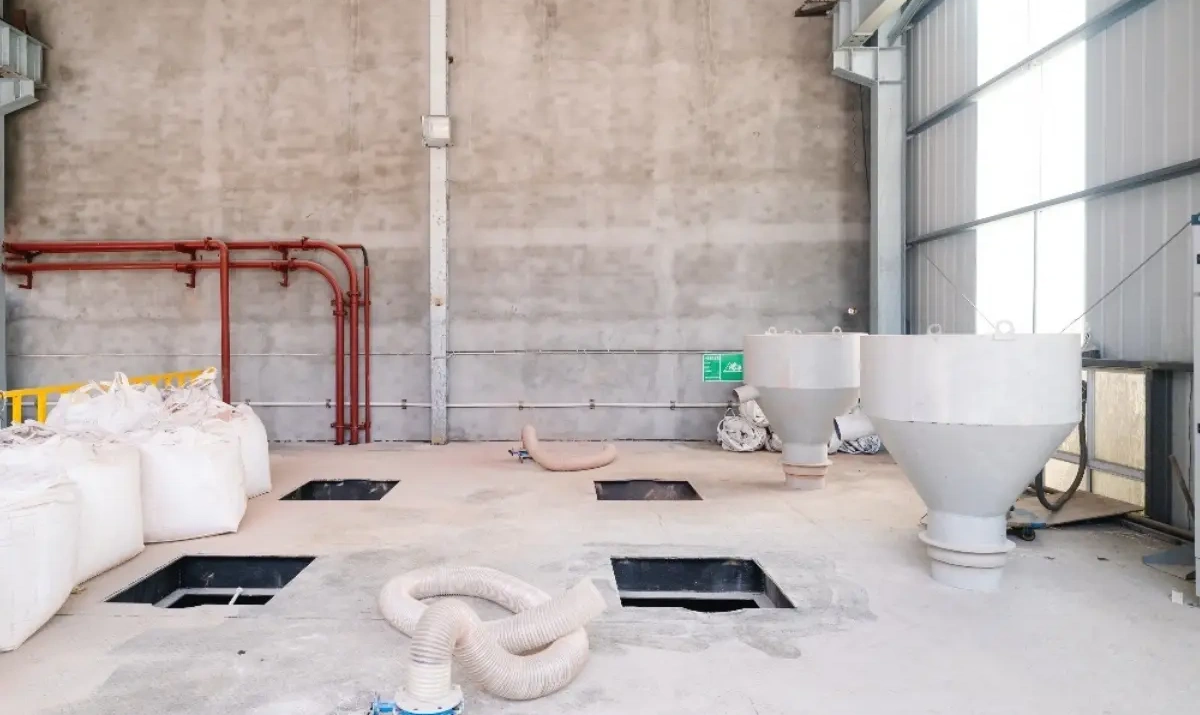
Established in 1998, Wuxi BS Water Treatment Chemicals Co., Ltd. integrates decades of synthesis research with high-capacity digital production. In 2025, our production lines implemented digital intelligent solid feeding systems, ensuring accurate chemical composition and reducing variance between production batches. This level of automated process control maintains key properties like dissolution rate, filtration ratio, and active polymer content within narrow, repeatable specifications.

Automated Synthesis Optimization

Our computer-controlled polymerization reactors manage temperature, initiator concentrations, and monomer feed rates. This precision yields consistent molecular weight profiles and targeted charge densities, eliminating incomplete reactions and unreacted monomers.

Strategic Storage & Resilient Logistics

Wuxi BS maintains finished product warehouses with over 20,000 tons of capacity. Combined with bulk packaging lines and close proximity to major deep-water ports, we ensure prompt container shipping, even during seasonal supply challenges.

27+
Years of Industry Experience
500,000+
Tons Annual Sales Volume
20,000+
Tons Finished Product Storage
1,000+
Global Corporate Partners Served

3. Localized Applications & Industry-Specific Scenarios

Different industrial processes require distinct polymer structures to handle varying water chemistry, organic loads, and pH ranges.
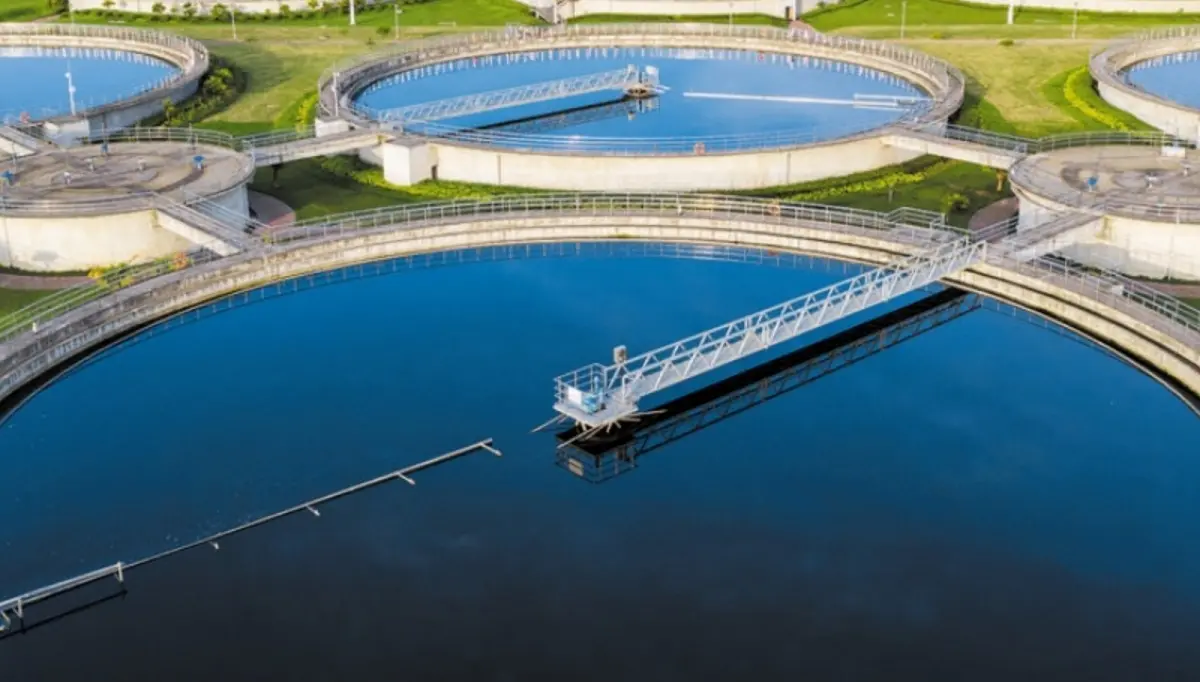
Sewage Treatment

Sewage & Sludge Treatment

Highly effective in flocculating suspended solids in municipal and industrial waste. Enhances settling in primary clarifiers and speeds dewatering in belt presses and centrifuges.

Petroleum Industry

Petroleum & Drilling Mud

Used as a friction reducer and viscosity modifier in drilling fluids and Enhanced Oil Recovery (EOR). Improves sweep efficiency in reservoirs and stability in drilling muds.
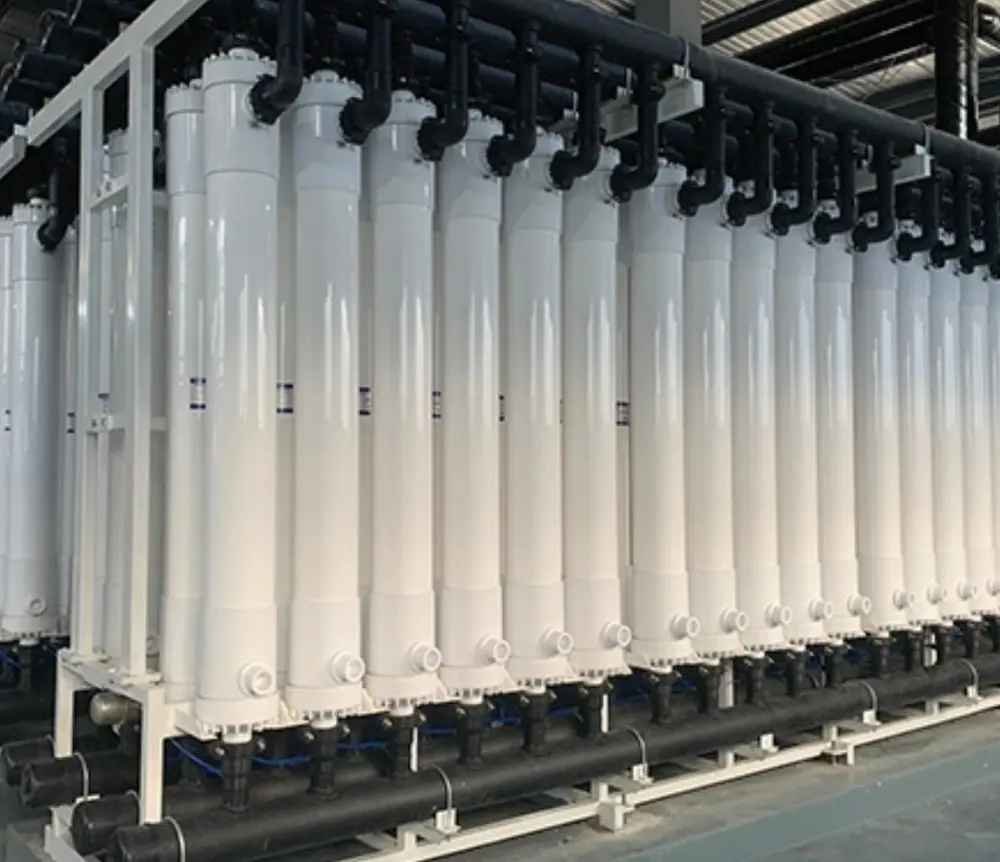
Membrane Process Pretreatment

Membrane Pretreatment

Reduces silt density index (SDI) and removes colloidal matter prior to Ultrafiltration and Reverse Osmosis systems, protecting membranes from premature organic fouling.
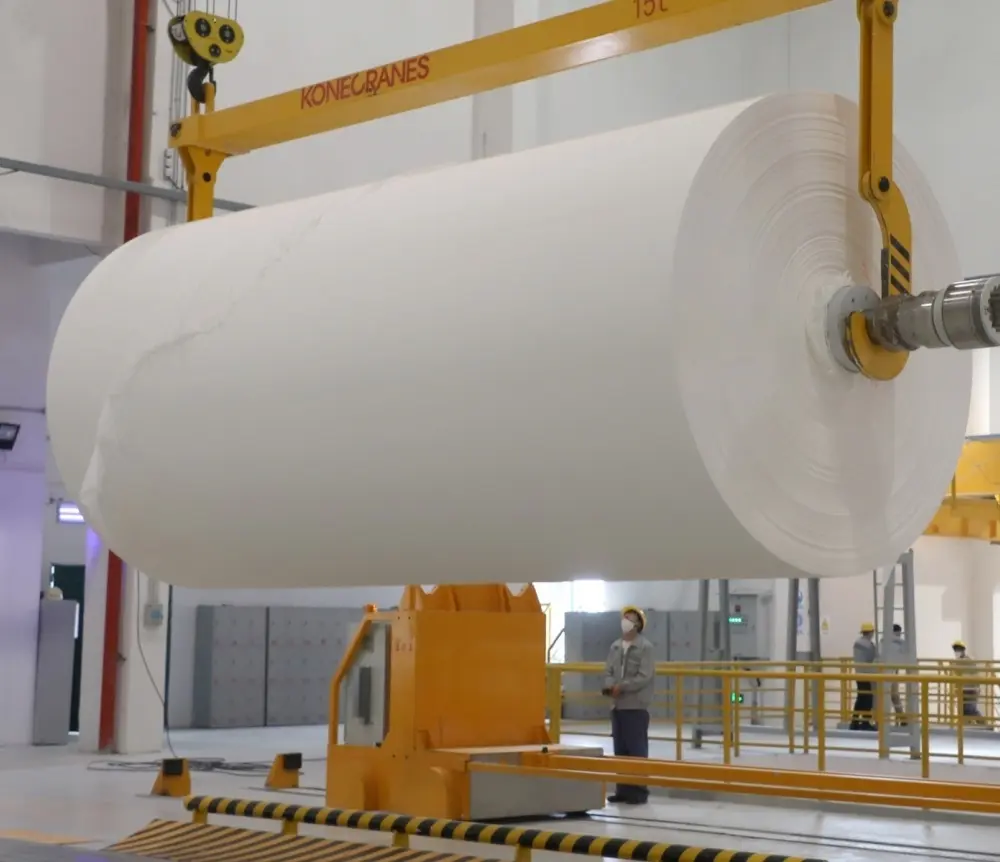
Papermaking Industry

Papermaking & Pulp Recovery

Works as a retention aid and drainage promoter on the paper machine wire. Binds fine fibers and fillers, boosting paper sheet strength and clarifying white water loops.
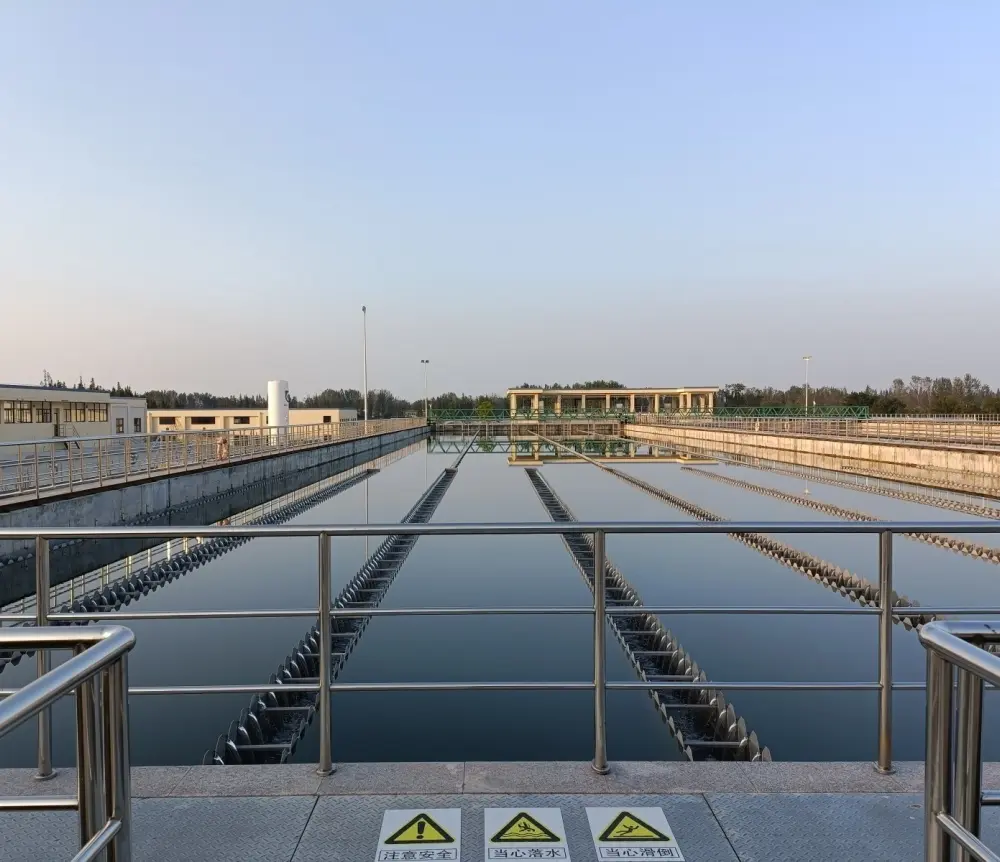
Drinking Water Treatment

Drinking Water Clarification

High-purity grades assist primary inorganic coagulants (like PAC and ACH) in settling colloidal clay and organics, yielding clean water while meeting strict residual monomer safety thresholds.

4. Key Trends & Global Procurement Challenges

The water treatment sector is shifting from general chemical purchasing toward targeted, value-driven sourcing. Global procurement teams now evaluate three primary elements when selecting long-term suppliers:

  • Monomer Safety Limits: For potable water and food-contact papermaking, regulatory bodies (such as NSF, FDA, and European REACH regulations) impose strict limits on residual acrylamide content. Top-tier manufacturers utilize post-polymerization curing to reduce residual monomers below 0.05% (500 ppm), and even 0.025% (250 ppm) for highly sensitive applications.
  • Dissolution Speed & Viscosity Retention: High-molecular-weight polymers can form gel-like structures if not mixed properly. Advanced formulations incorporate dissolution promoters, cutting preparation times down from the typical 60–90 minutes to under 45 minutes, without causing chain degradation.
  • Packaging and Environmental Protection: The physical integrity of moisture-proof, heavy-gauge bags is critical to prevent product clumping during ocean transit. Additionally, buyers increasingly prioritize factories that implement waste heat recovery and eco-friendly gas treatment in their manufacturing lines.

Comprehensive Product Classification

Browse our catalog of advanced water treatment chemicals, engineered to address diverse water qualities and municipal or industrial requirements.
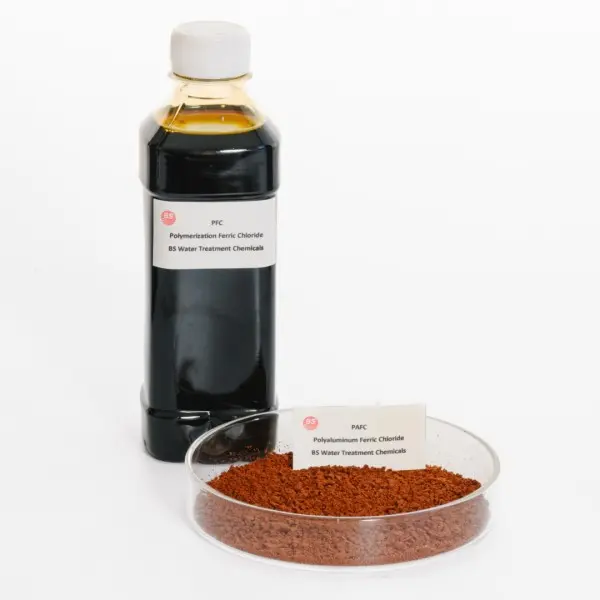
Polymeric Aluminium Ferric Chloride

Polymeric Aluminium Ferric Chloride (PAFC)

Dual-cation coagulant for cold, low-turbidity source waters.
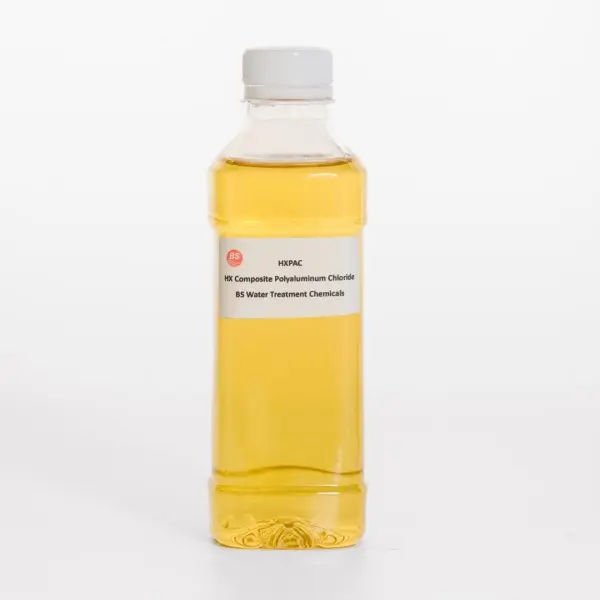
Compound Poly Aluminium Chloride

Compound Poly Aluminium Chloride

High-density formulation designed for industrial wastewater.
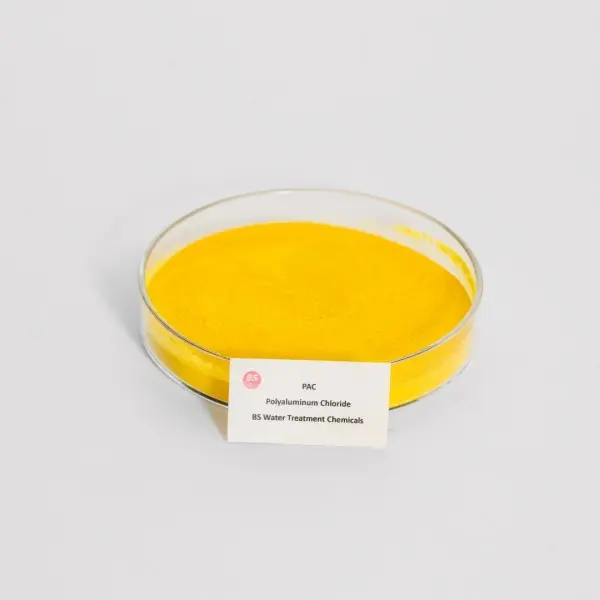
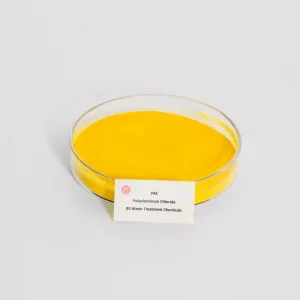
Poly Aluminium Chloride Solid Version

Poly Aluminium Chloride (PAC) · Solid Version

Yellow to white powder options for global shipping efficiency.
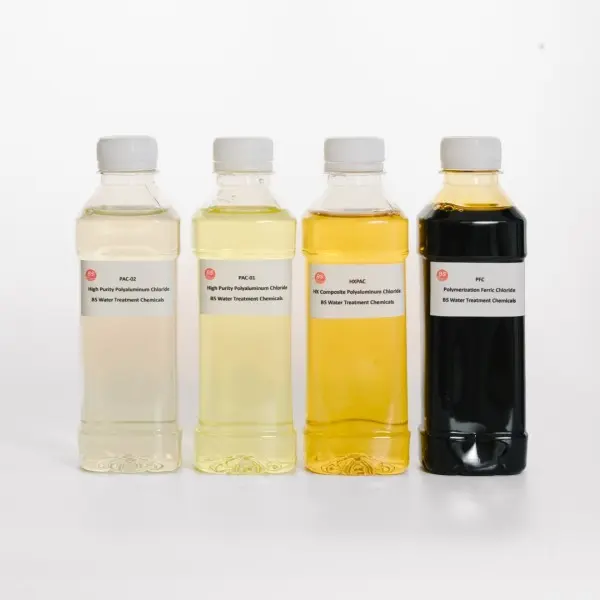
PolyAluminium Chloride Liquid Version

PolyAluminium Chloride (PAC) · Liquid Version

Ready-to-use liquid solution, reducing dosing system complexity.
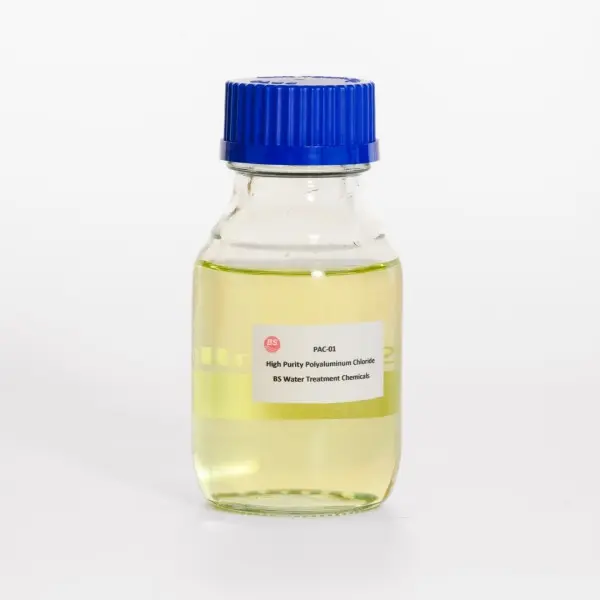
High purity PAC-01

High purity Poly Aluminium Chloride (PAC-01)

Extremely low iron content, ideal for drinking water plants.
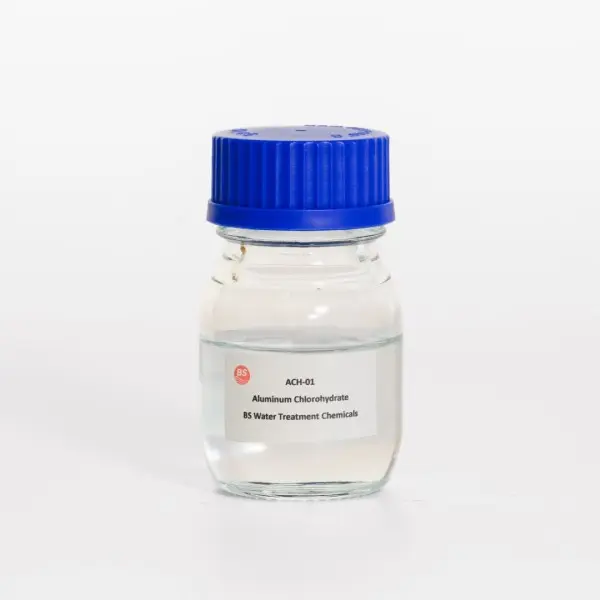
Aluminum Chlorohydrate

High Basicity and High Al2O3 Aluminum Chlorohydrate

Concentrated aluminum coagulant with minimal pH impact.
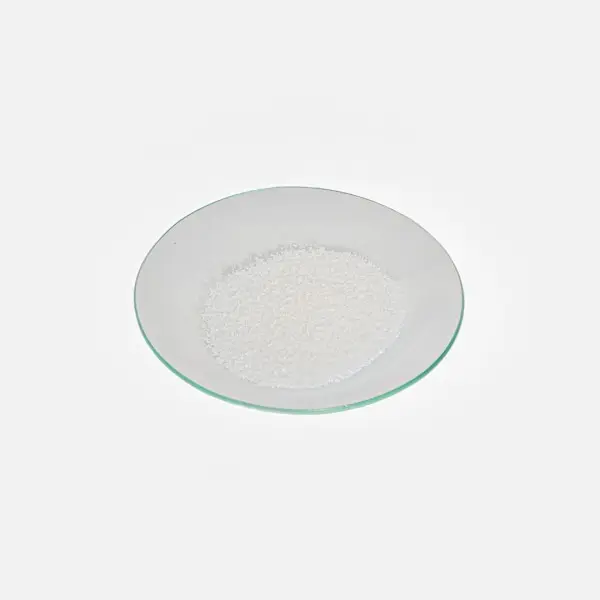
Cationic Polyacrylamide CPAM

Cationic Polyacrylamide (CPAM)

High charge density cationic for organic sludge dewatering.
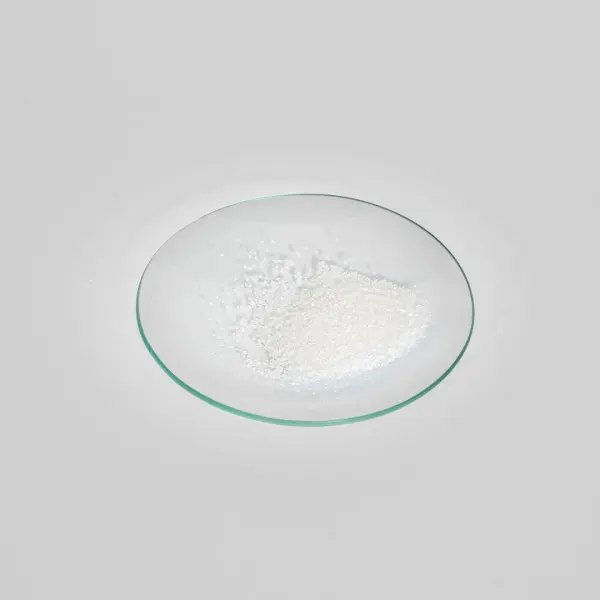
Anionic Polyacrylamide APAM

Anionic Polyacrylamide (APAM)

High molecular weight anionic polymer for fast solid settling.

OEM/ODM Contract Manufacturing Services

Partnering with global chemical brands to deliver custom packaging, unique formulations, and tailored molecular weights.

Technical Team

Technical Team

Full-cycle support from initial laboratory water quality analysis to on-site polymer tuning.

Stable Capacity

Stable Capacity

Over 500,000 tons annual sales volume backed by robust raw material supply chains.

Worry-Free Supply

Reliable Supply

Continuous production monitoring and strict quality control ensure reliable product delivery.

R&D Capability

R&D Capability

Ongoing innovation in polymer synthesis to maximize active content and reduce dissolution times.

Global Export

Global Export

Experienced in international shipping, handling compliance, customs, and ocean freight logistics.

Our Growth Journey

A history of technology development and expansion in water treatment chemicals since 1998.

1998
Production facility established, starting synthesis of basic inorganic coagulants for domestic municipal water plants.
2005
Company formally renamed as Wuxi Bisheng Water Treatment Agent Co., Ltd., focusing on polymer synthesis and industrial applications.
2007
Products exported globally through international distributors, expanding service into Southeast Asia, South America, and Europe.
2021
Annual sales value exceeded 10 million USD, driven by expansions in the mineral processing and oil extraction sectors.

Compliance, Quality & Certificates

Our manufacturing facility operates under ISO quality management standards to ensure international product consistency.

ISO Quality Shield

Verified Quality System

Regularly audited processes ensure reliable batch-to-batch polymer performance.
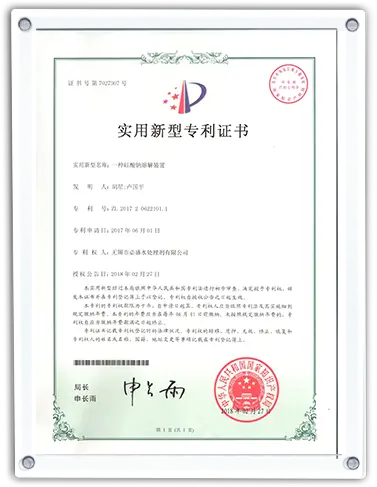
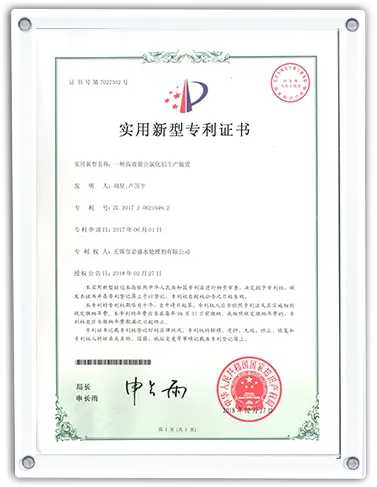
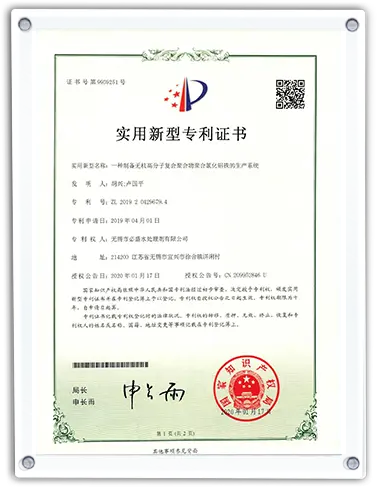
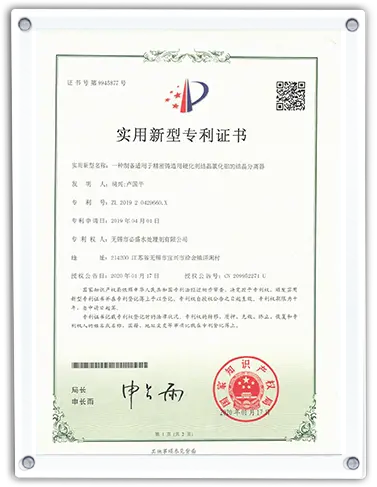
Certificate 1 Certificate 2 Certificate 3 Certificate 4 Certificate 5

Latest Industry News & R&D Updates

Stay informed with technical updates from our research team and developments in industrial water purification.

Wuxi BS Water Treatment Global Expansion
Calendar Icon Sep 09, 2025

Wuxi BS Water Treatment: From Local Deep Dive to Global Layout

Exploring how our localized formulations are serving overseas industrial basins, with a focus on custom polymer solutions for complex wastewater.

Digital intelligent equipment
Calendar Icon Aug 21, 2025

Advanced Digital Intelligent Feeding Equipment Launched

Our facility has integrated digital feeding systems to optimize raw material charging, improving batch-to-batch polymer performance.
Innovation and development conference
Calendar Icon Aug 21, 2025

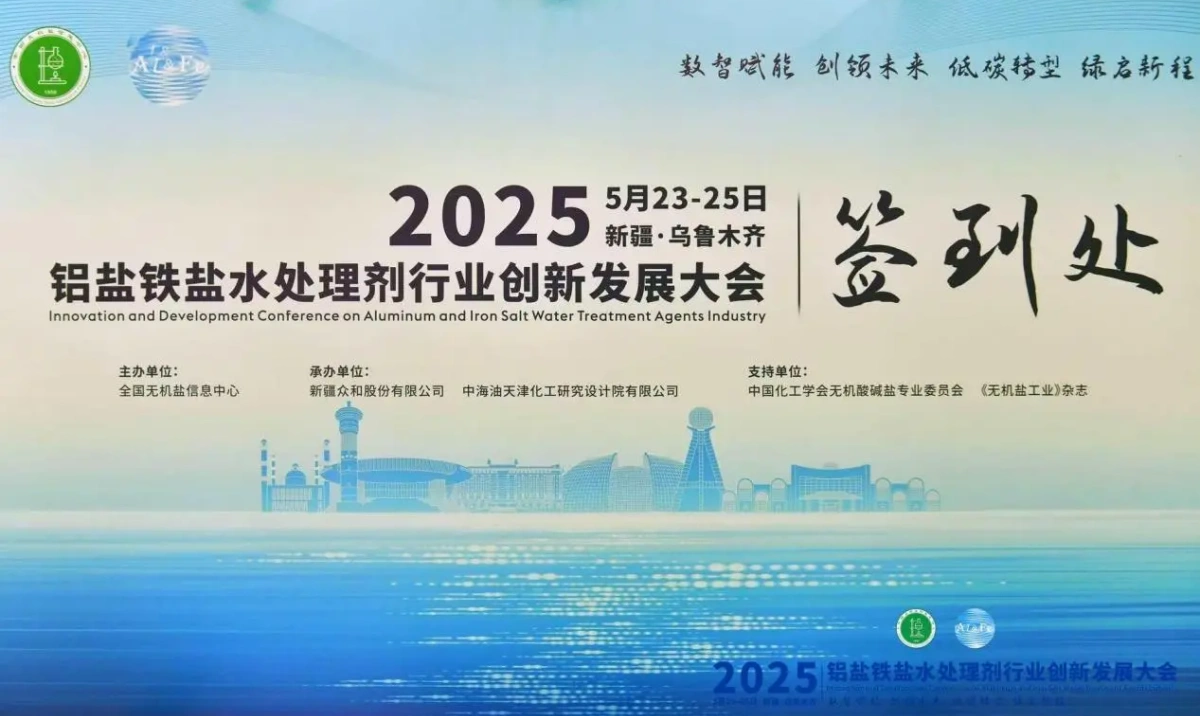
2025 Coagulant Innovation and Development Conference

Detailing Wuxi BS's participation in presenting research on low-carbon production methods for high-basicity polyaluminum chloride.

Expert Q&A on Water Treatment Polymers

Technical guidance to assist procurement officers and process engineers in selecting the correct formulations.

Q: How do I choose between Anionic, Cationic, and Non-ionic Polyacrylamide?
Selection depends on the surface charge of the suspended solids. Anionic polymers (APAM) are effective for inorganic particles, clay, sand, and mineral tailings, which typically carry positive charges in suspension. Cationic polymers (CPAM) are preferred for organic sludge, such as municipal biological sludge and food processing waste. Non-ionic polymers (NPAM) are useful under highly acidic conditions or where hydrogen-bonding mechanisms drive flocculation.
Q: What is the typical shelf life of solid vs. liquid anionic polymers?
Dry powder anionic polyacrylamides have a shelf life of up to 24 months when stored in original, unopened, moisture-proof packaging in a cool, dry area. Liquid emulsions or solution forms typically remain stable for 6 to 12 months, as they are more sensitive to water separation, freezing, and heat.
Q: How does molecular weight affect performance in sludge dewatering?
Higher molecular weight polymers form longer polymer chains, which improve particle bridging and produce larger flocs with high shear resistance. This is ideal for gravity settling and belt press dewatering. However, if the molecular weight is too high for the application, it can restrict dissolution or lead to filter cloth binding.
Q: What steps does Wuxi BS take to control residual acrylamide monomer?
We use controlled polymerization and post-polymerization extraction systems to reduce free acrylamide. Our standard industrial polymers contain less than 0.05% residual monomer, while our drinking-water-grade coagulant aids are verified to remain below 0.025% to meet global water safety standards.

Get Expert Technical Support

Submit your water quality parameters or custom formulation requirements. Our technical team can assist with product selection and dosage optimization.

* Inquiry data is processed within 12 hours. We offer sample matching services for qualifying industrial inquiries.

Verify Specs & Order Samples

Select a product to view technical specifications, SDS documents, packaging options, and test samples.
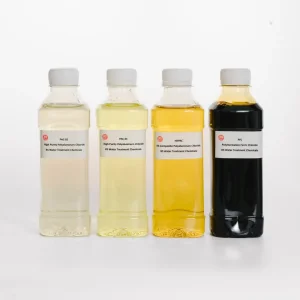
WDA Water Decolorizer

China High Efficient Water Decolorizing Agent (WDA) - Wastewater Treatment

Verify Specs →
High Purity PAC-01 Manufacturer

Wholesale High Purity Poly Aluminium Chloride (PAC-01) Manufacturer

Verify Specs →
Advanced Composite Polyaluminum Chloride

China CPAC Suppliers: Advanced Composite Polyaluminum Chloride

Verify Specs →
Polyaluminium Chloride PAC Liquid

Wholesale PolyAluminium Chloride (PAC) Liquid - Colorless Transparent

Verify Specs →
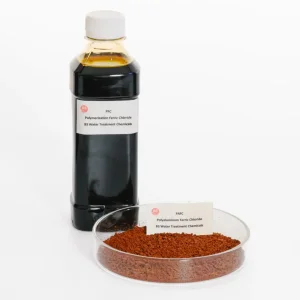
PAFC Polymeric Aluminium Ferric Chloride

China Polymeric Aluminium Ferric Chloride (PAFC) Suppliers

Verify Specs →
Wholesale CPAM

Wholesale Cationic Polyacrylamide (CPAM) from China Factory

Verify Specs →
PDADMAC China Suppliers

China PDADMAC Suppliers - High-Quality Liquid Polymer

Verify Specs →
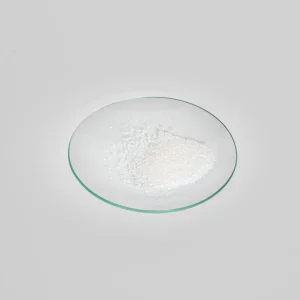
Poly Aluminium Chloride Granules

Wholesale Poly Aluminium Chloride (PAC) White/Yellow Granules

Verify Specs →