China CPAC Suppliers - Advanced Composite Polyaluminum Chloride Factory for Multifunctional Water Treatment Solutions

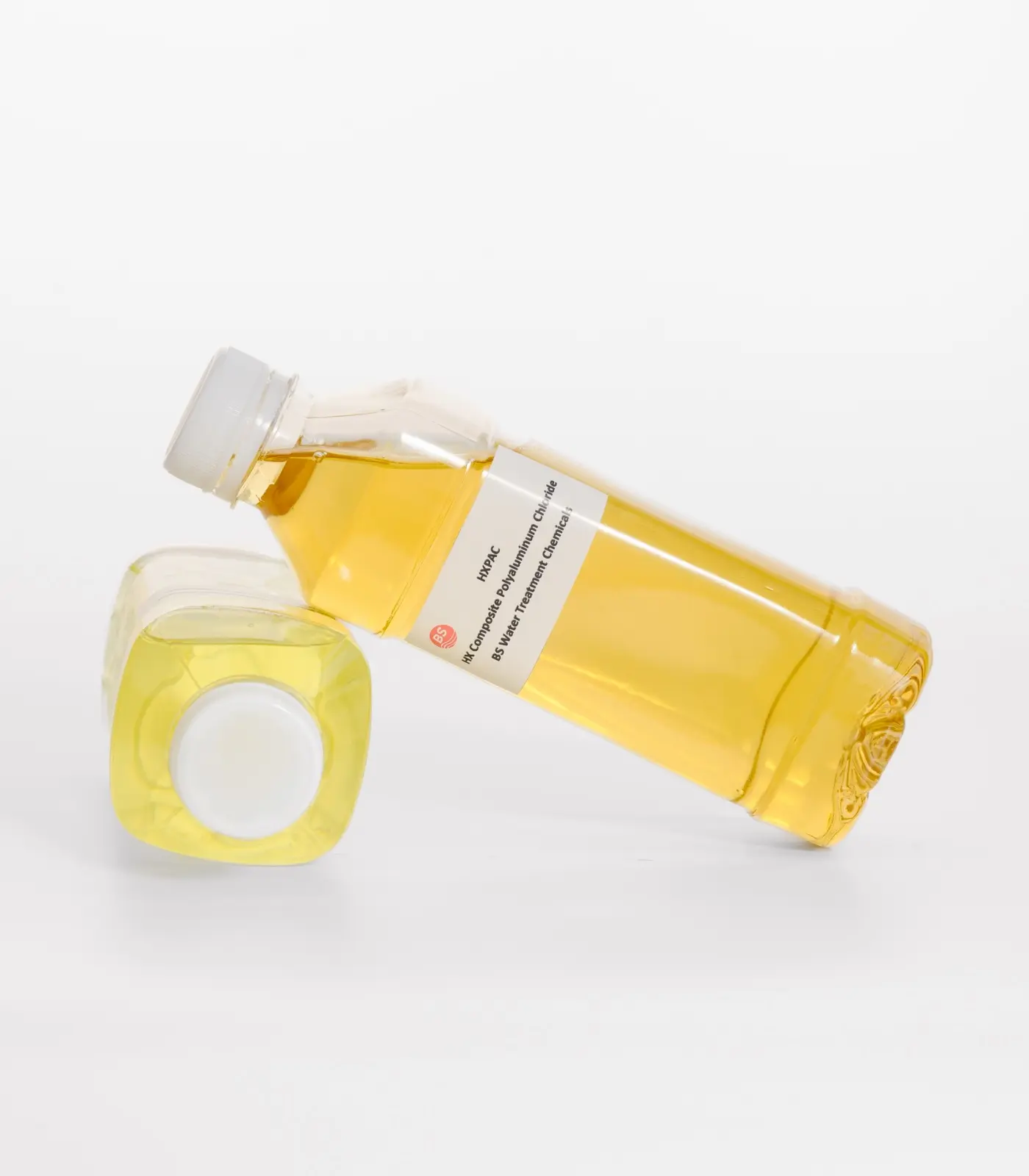
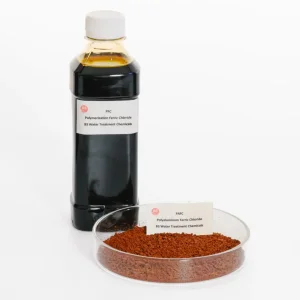
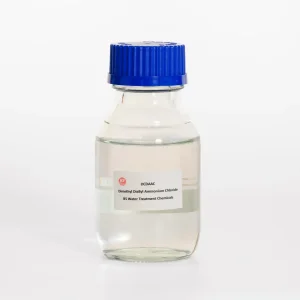
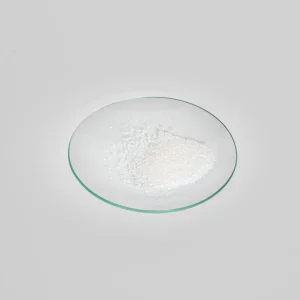
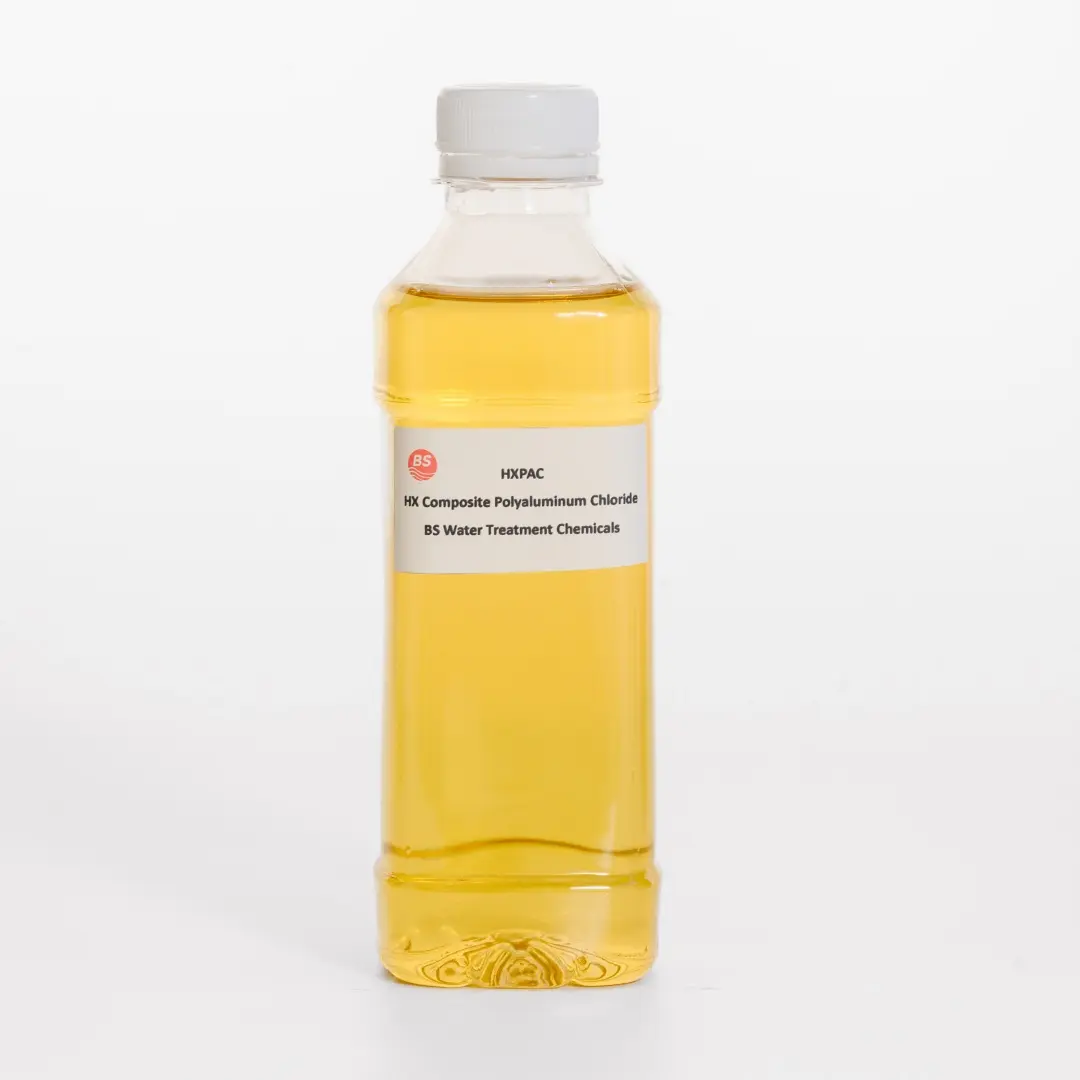
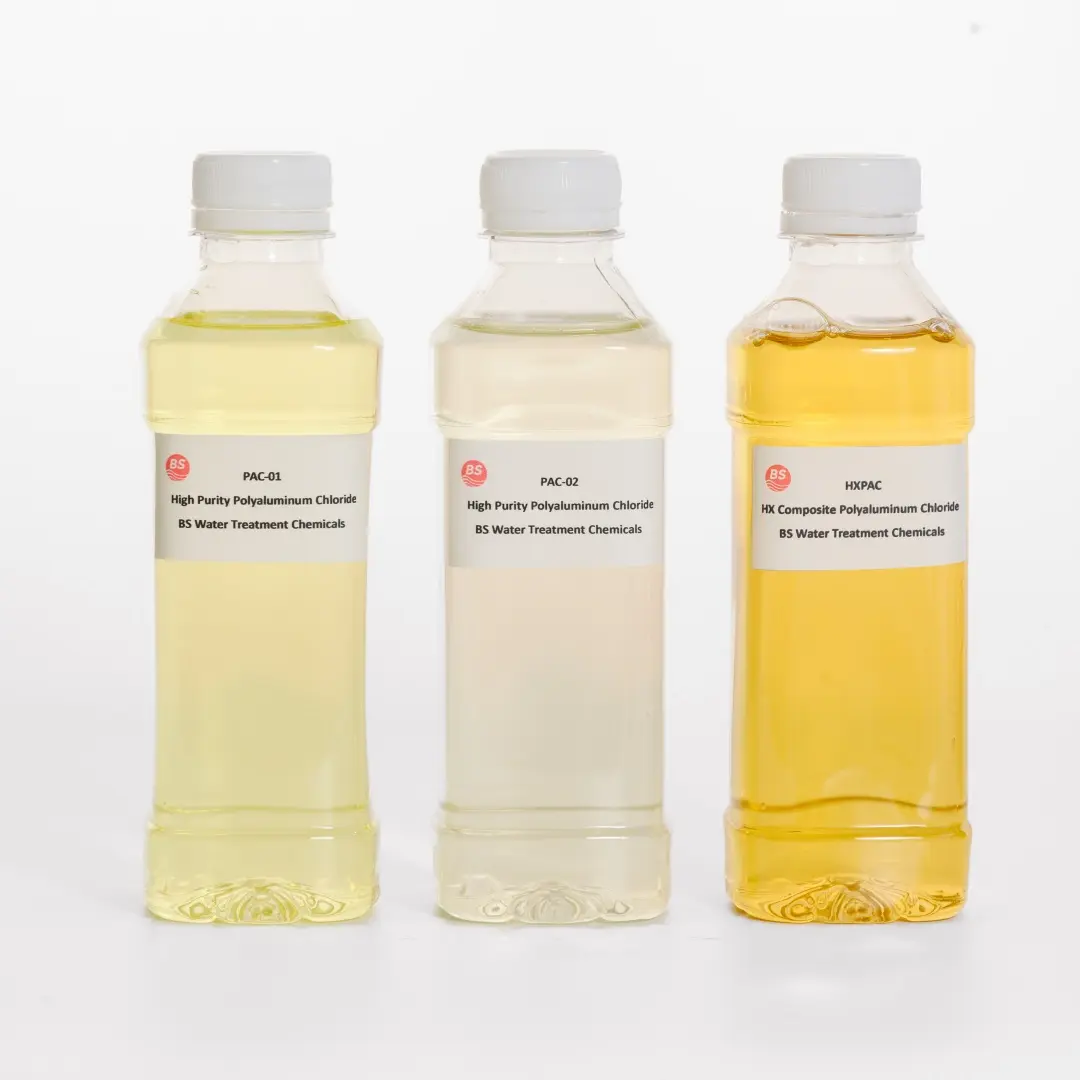
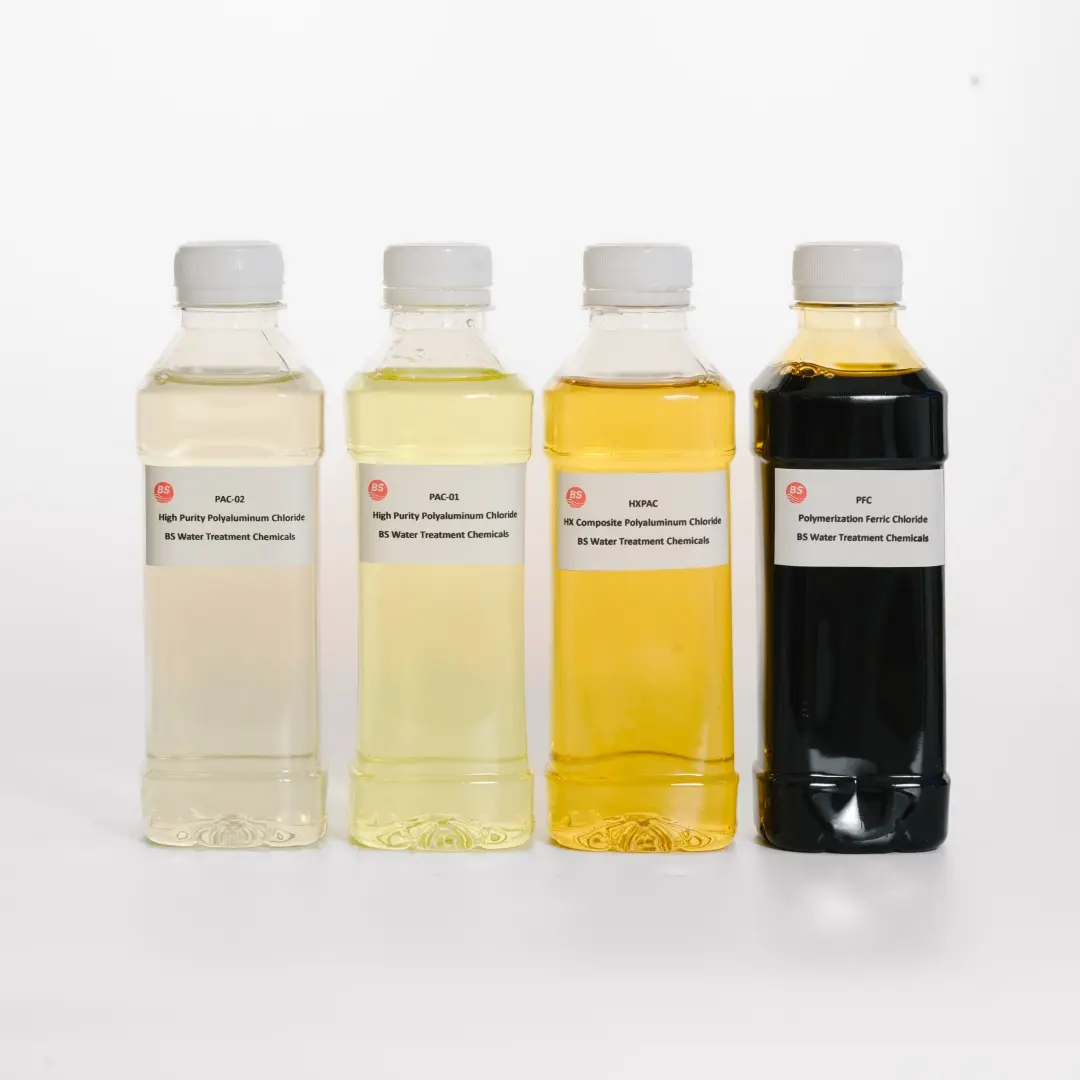
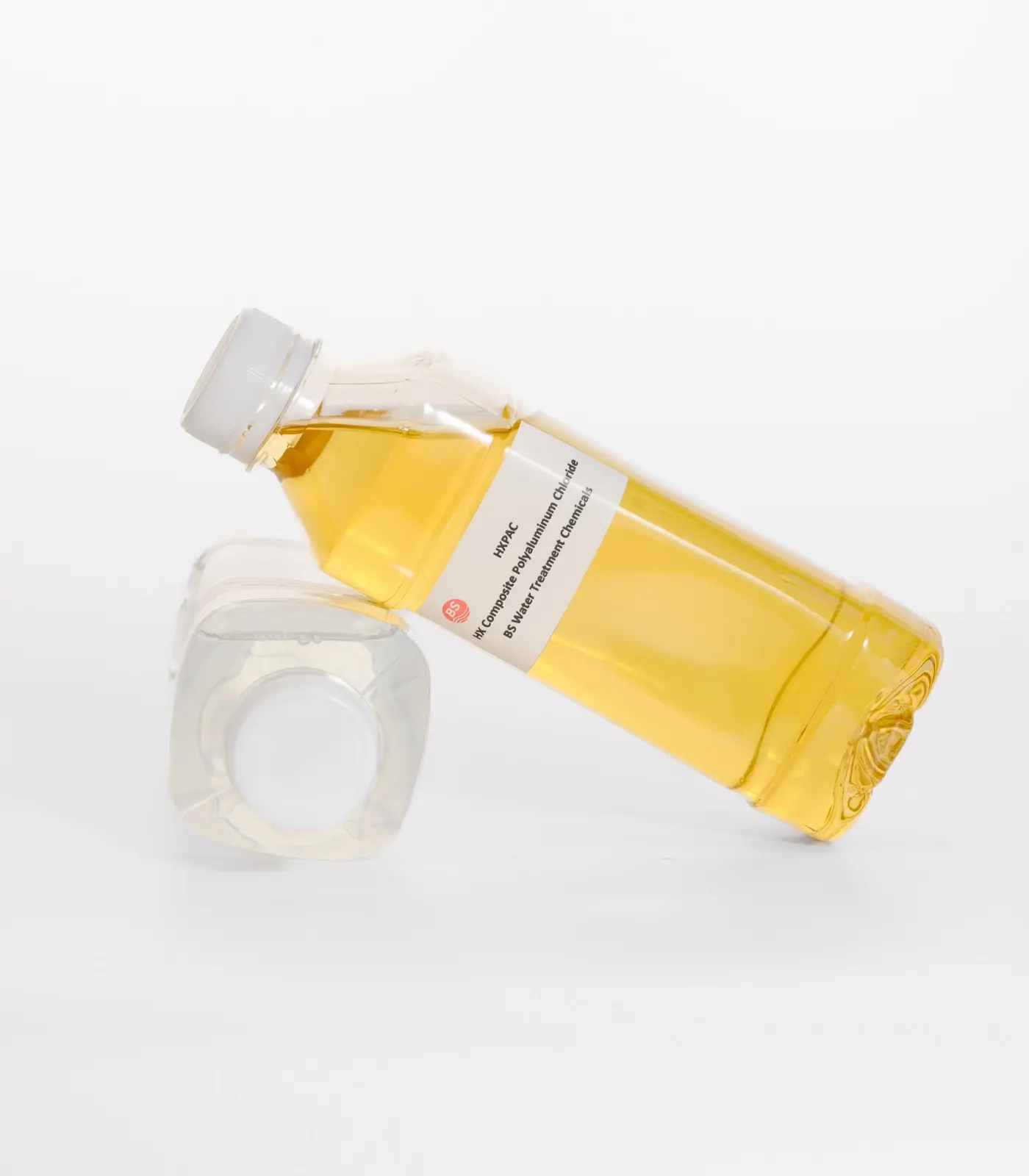
Composite Polyaluminum Chloride (CPAC) is an advanced multifunctional water treatment agent developed in China, designed by combining various functional substances such as aluminum salts, iron salts, and organic flocculants with traditional Polyaluminum Chloride (PAC). This innovative solution leverages the synergy effect of its components to overcome the limitations of conventional PAC, such as its effectiveness on low-turbidity wastewater and its inability to decolorize or remove heavy metals simultaneously, With a focus on efficient flocculation and multifunctional purification, CPAC significantly enhances water treatment processes. Unlike traditional PAC, which primarily relies on electrical neutralization + adsorption bridging, CPAC addresses multiple pollution issues, including suspended solids, colloids, organic matter, and heavy metals, by incorporating secondary and tertiary components like iron salts to boost net capture ability, As a leading supplier and factory in China, we are committed to providing state-of-the-art water treatment solutions that effectively tackle complex water quality challenges. Experience the benefits of CPAC, the upgraded version flocculant in the water treatment industry, and ensure a cleaner, safer water supply

Product Description


Core Features of Compound Poly Aluminium Chloride

1. Multi-effect synergy to address "shortcomings"

Complete pH adaptation: Extends applicable pH range to 4–11, adapting to highly acidic (mine wastewater) or alkaline (papermaking liquor) scenarios.
Enhanced Decolorization: Compounded with activated carbon or sulfides to effectively remove dye pigments and heavy metals (Cr⁶⁺, Cu²⁺).
Reduced Sludge: Diatomite components enhance floc compactness, reducing sludge volume by 20%–30% and lowering filtration costs.
Compound Poly Aluminium Chloride Performance

2. Adapt to complex industrial water quality

Through modularization compounding design, the formula adjusts flexibly to wastewater characteristics:
High turbidity: Al₂O₃ ≥ 15% + diatomite for ≥ 98% turbidity removal in coal washing.
High organic: Activated carbon + polyacrylamide for ≥ 50% COD removal in food processing.
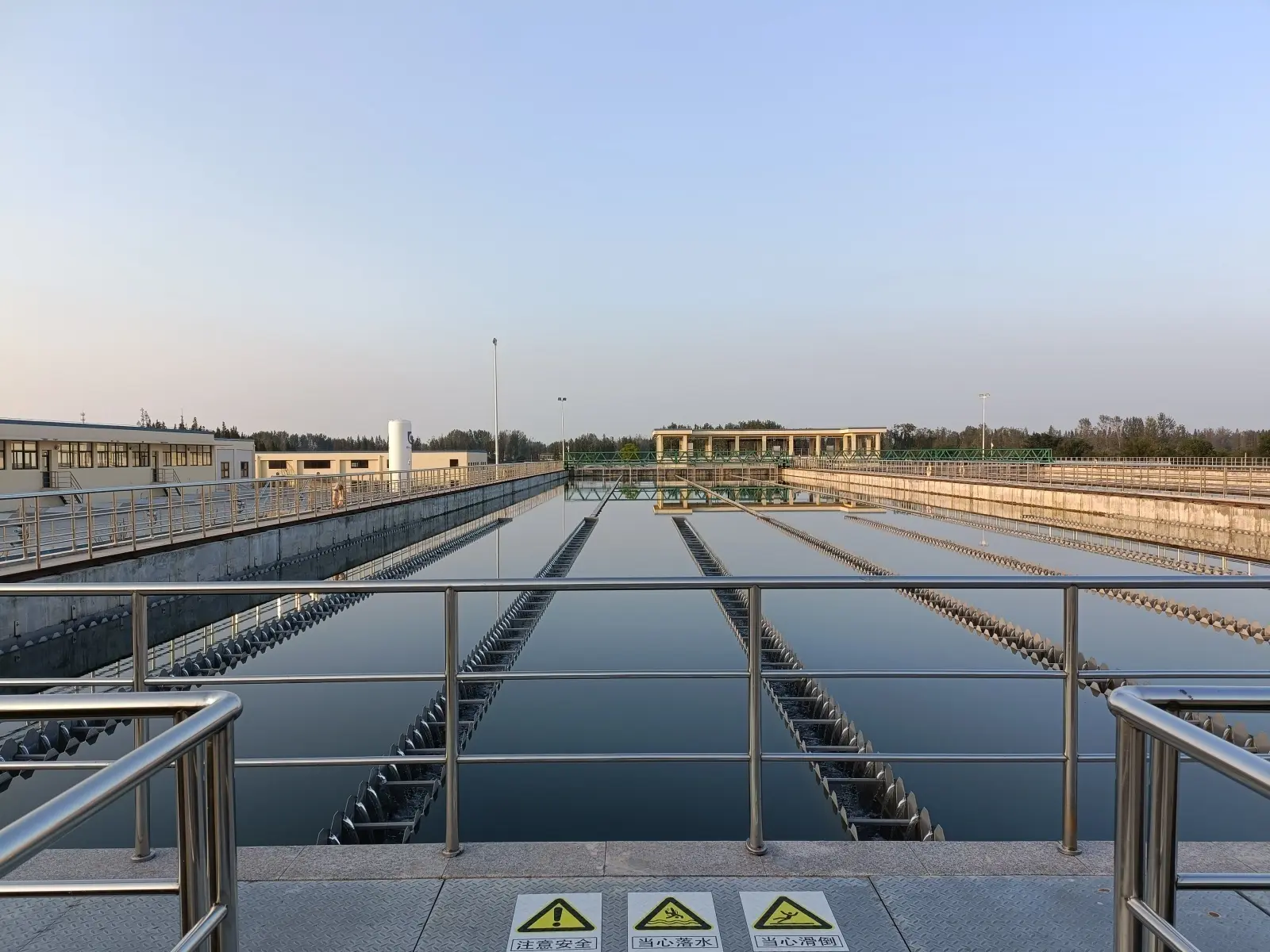
Industrial Wastewater Treatment


Applicable Scenarios

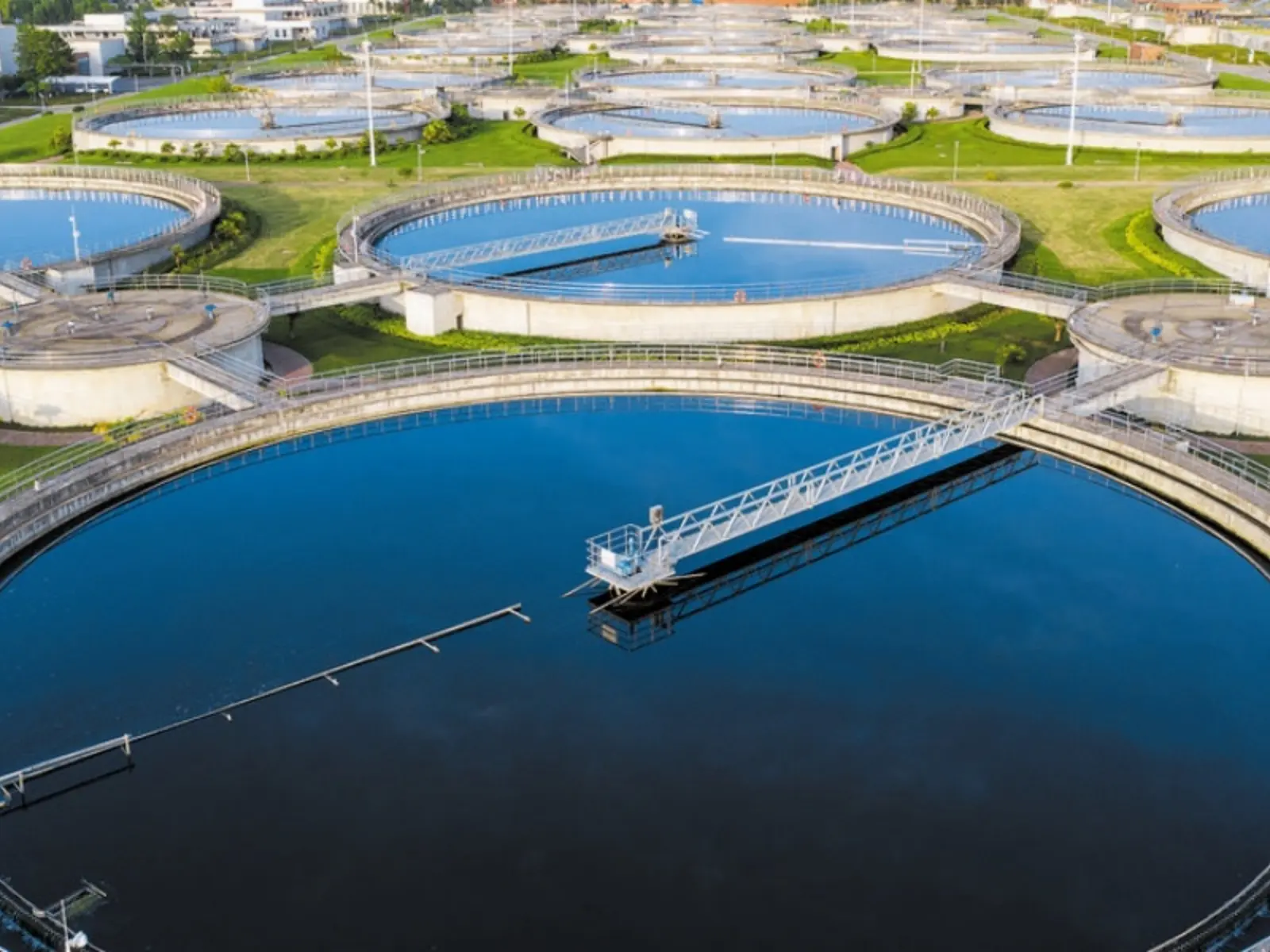
Municipal Sewage
Advanced Treatment
Printing & Dyeing
Decolorization & COD Reduction
Electroplating
Heavy Metal Removal
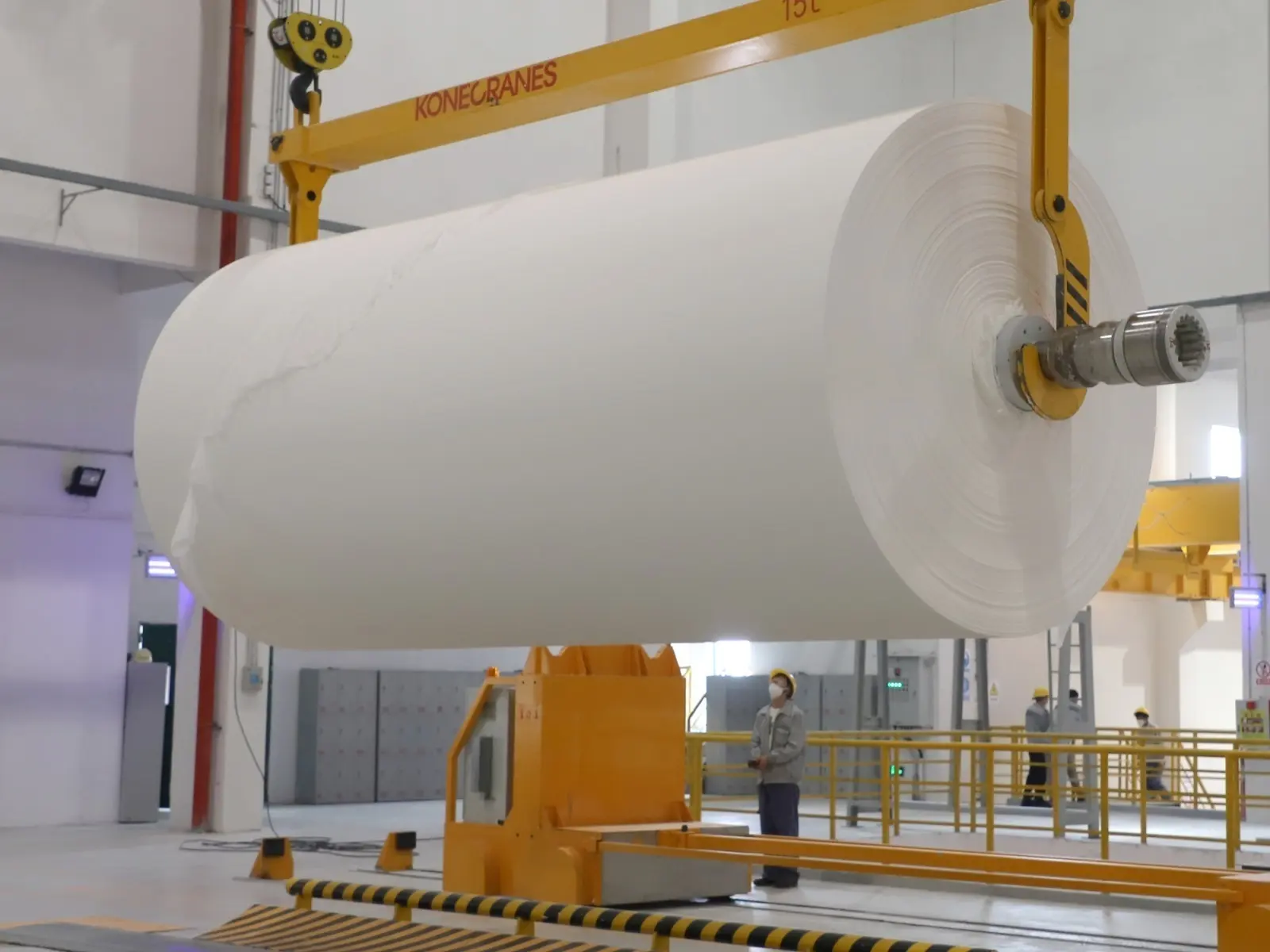
Paper & Mining
Water Recycling
Application Gallery 1
Application Gallery 2
Application Gallery 3
Application Gallery 4
Application Gallery 5


Precautions for Use

Water quality testing first: Analyze pH, COD, and heavy metal content before use to adjust the formula for optimal performance.
Storage Conditions: Liquid types should be sealed and stored below 30°C (12-month shelf life). Solid types must be kept in humidity ≤ 60% to prevent moisture.

Frequently Asked Questions

Q: What is Compound Poly Aluminium Chloride (CPAC) and how does it differ from standard PAC?
CPAC is an enhanced coagulant formulated by combining standard PAC with iron salts, activated carbon, or polyacrylamide. It extends the applicable pH range to 4–11 and targets a broader range of pollutants compared to standard PAC.
Q: What types of wastewater is CPAC most suitable for?
CPAC is ideal for municipal sewage, printing and dyeing decolorization, heavy metal removal in electroplating, and high-turbidity mining wastewater.
Q: How effective is CPAC in removing heavy metals?
When formulated with sodium sulfide and iron salts, CPAC achieves high removal rates for Cr⁶⁺ and Cu²⁺ by enhancing complexing and precipitation.
Q: Can CPAC reduce sludge production?
Yes. Using components like diatomite increases floc density, reducing sludge volume by up to 20%–30% compared to standard treatments.
Q: What are the storage requirements?
Liquid CPAC lasts 12 months if stored sealed below 30°C. Solid CPAC requires a dry environment with humidity below 60% to maintain stability.
Q: Is a water test required before application?
Absolutely. A water quality analysis (pH, COD, heavy metals) is essential to determine the correct CPAC formula for your specific wastewater conditions.

Related Products