Premium coagulants, flocculants, and customized polymer formulations direct from Wuxi BS Water Treatment.
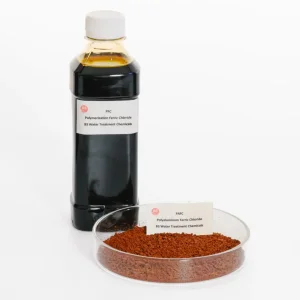
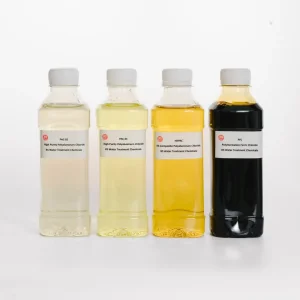
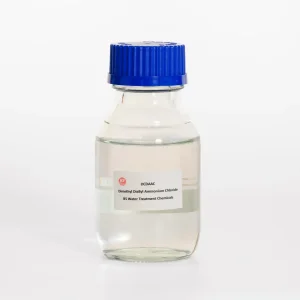
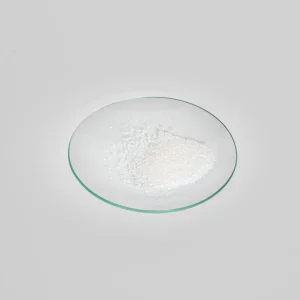
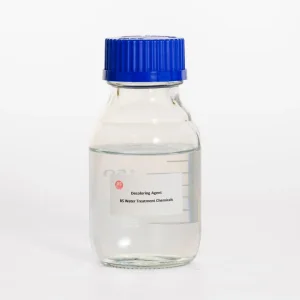
In modern industrial process engineering and municipal wastewater purification schemes, Cationic Polymer Flocculants represent the frontline defensive and corrective technology. Defined chemically by their positively charged molecular backbones, these high molecular weight polyelectrolytes execute critical phase separations in liquid-solid mixtures. Across global processing sectors, including mining operations, paper pulp production, petroleum distillation, and direct public sanitation plants, water conservation regulations drive a rapid growth trajectory for advanced polymers.
These agents function via double-layered charge neutralization mechanics coupled with micro-floc bridging chains. By actively binding to negatively charged colloidal particles (silica, organic waste, biological cellular debris, and metal residues), cationic polyacrylamides (CPAM), polydiallyldimethylammonium chlorides (PDADMAC), and specialized Water Decolorizing Agents (WDA) transform dispersed liquids into aggregate clusters. These clusters settle rapidly, optimizing clarification, reducing process times, and maximizing energy recovery from dewatered sludges.
Achieving effective sedimentation requires a deep understanding of polymer classification and active charge configurations. Selecting the appropriate charge density and molecular weight ensures optimization while preventing chemical overdosing or membrane fouling downstream.
| Product Class | Molecular Weight & Charge Type | Optimal Operating Range | Primary Application Profile |
|---|---|---|---|
| Cationic Polyacrylamide (CPAM) | High/Ultra-High MW, Cationic Charge | pH 3.0 - 9.0 | Sludge Dewatering, Centrifugation, Papermaking retention aids. |
| PDADMAC | Low/Medium MW, High Cationic Charge | pH 1.0 - 14.0 | Coagulation aid, color removal, oil-water interface splitting. |
| Water Decoloring Agent (WDA) | Highly Cationic Dicyandiamide Formaldehyde | pH 4.0 - 10.0 | Textile dye wastewater, high-colored industrial effluent. |
| Anionic Polyacrylamide (APAM) | Very High MW, Medium/Strong Anion | pH 6.0 - 12.0 | Mineral processing, aggregate washing, metal precipitation. |
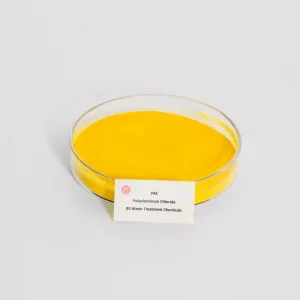
| Polyaluminum Chloride (PAC) | Inorganic Polymeric Macromolecule | pH 5.0 - 9.0 | Primary coagulation for drinking water & municipal sewage. |
Operating out of China’s major chemical manufacturing clusters in Jiangsu province, Wuxi BS Water Treatment Chemicals Co., Ltd. (founded in 1998) demonstrates China's industrial efficiency advantages. Our facility integrates vertical raw material sourcing with advanced polymerization lines, ensuring high cost-performance ratios without compromising quality.
A Technology Leader with 27 Years of Expertise in Water Treatment Chemicals.
Our professional technical team provides full-cycle support, including water quality analysis, custom chemical formulations, and on-site process optimization.
With an annual sales volume exceeding 500,000 tons and a dedicated finished product warehouse, we support continuous production schedules without delay.
Backed by intelligent production lines and a comprehensive quality control system, we guarantee product consistency and batch-to-batch stability.
Exploring how customized cationic polymers solve challenging liquid-solid separation tasks.

Our cationic polymers accelerate floc formation and improve dewatering efficiency in municipal sewage plants. By building dense shear-resistant flocs, they improve belt filter press performance, screw press throughput, and centrifuge operations, reducing cake moisture content and disposal costs.

In refining and petrochemical operations, emulsion resolution is critical. Wuxi BS cationic polymers destabilize stable oil-in-water emulsions, allowing for oil recovery and clean water separation. Our formulations resist degradation at high temperatures and in high salinity environments.
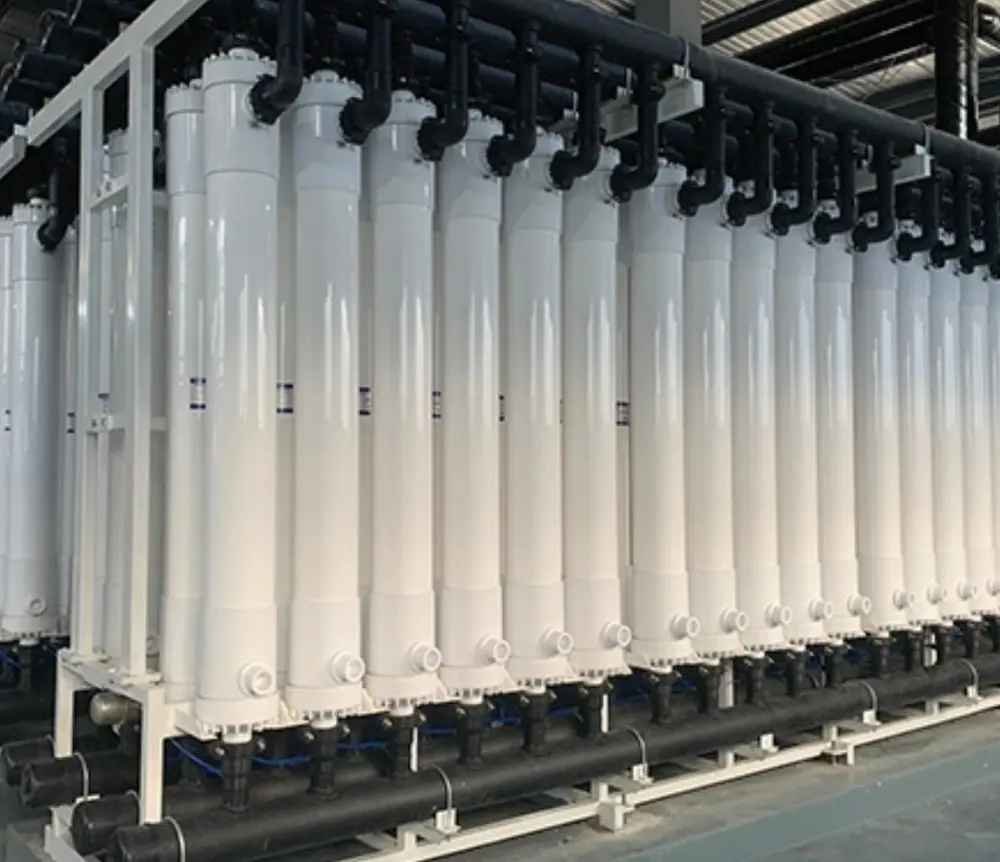
For reverse osmosis (RO) and nanofiltration (NF) installations, particulate scaling or organic fouling can shorten membrane lifespans. Our low-dosage cationic polymers agglomerate sub-micron particles, optimizing filtration performance without plugging membrane pores.
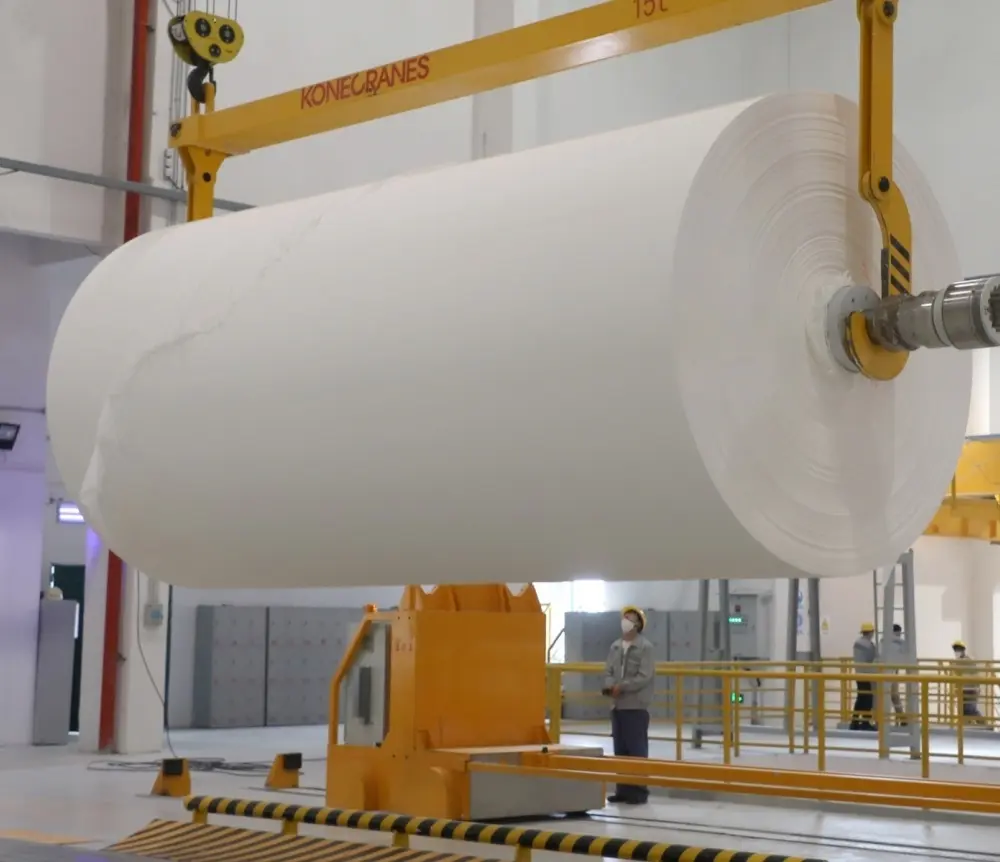
Cationic polyacrylamides act as critical retention aids in paper mills, binding fine fibers and mineral fillers to the sheet. This improves paper formation, accelerates drainage speeds on the wire, and reduces the chemical load in the whitewater circuit.
Over two decades of structured growth, technological advancement, and international expansion.
The manufacturing facility was established to produce high-performance industrial water treatment chemicals for regional municipal utilities.
Formally renamed as Wuxi Bisheng Water Treatment Agent Co., Ltd. (now globally known as Wuxi BS Water Treatment Chemicals Co., Ltd.), expanding our production footprint.
Initiated export operations, delivering high-performance coagulants and cationic polymers to global distributors and engineering firms.
Annual export sales exceeded $10 million, establishing our presence in Southeast Asia, the Middle East, South America, and Europe.
Established our dedicated foreign trade department and introduced digital intelligent solid feeding equipment, improving production efficiency and consistency.
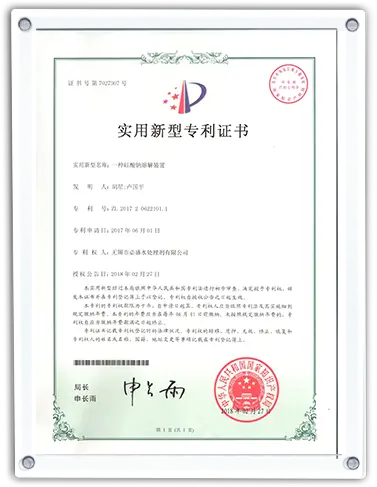
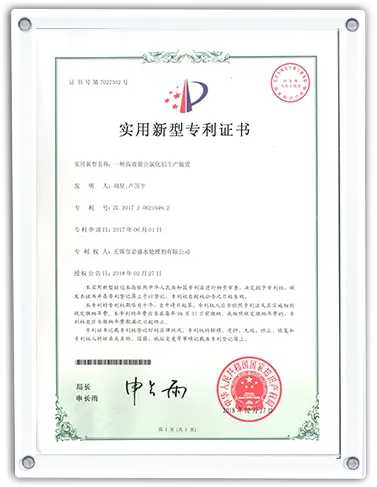
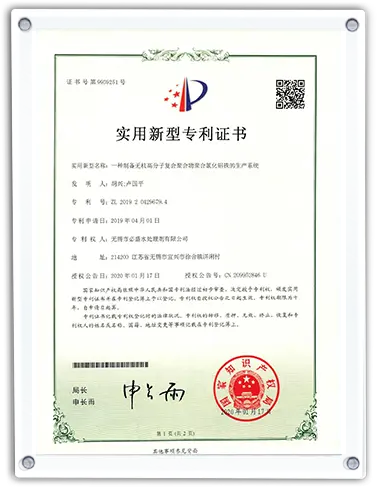
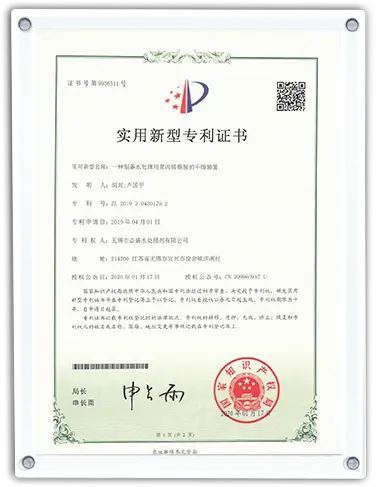
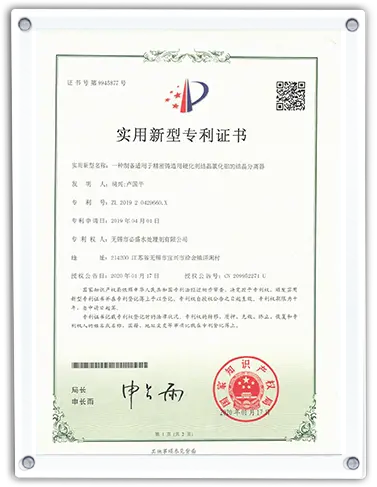
Recognized quality systems, industrial compliance certificates, and corporate accolades.
In-depth insights into cationic polymer chemistry, dosage calculation, and process optimization.
Reach our laboratory and technical team directly. We respond to inquiries within 12 hours.
Insights, research publications, and news updates from the Wuxi BS Water engineering team.
 Sep 09, 2025
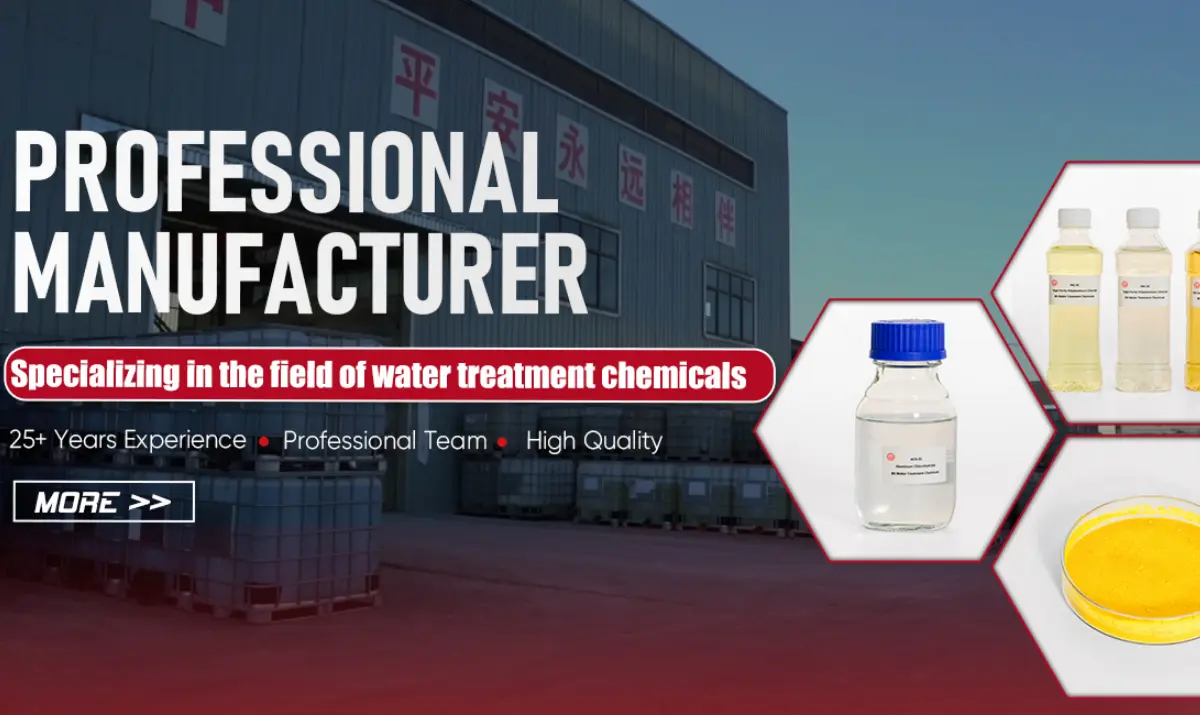
Analyzing Wuxi BS's expansion into global industrial sewage sectors with custom polyacrylamide synthesis configurations.
 Aug 21, 2025
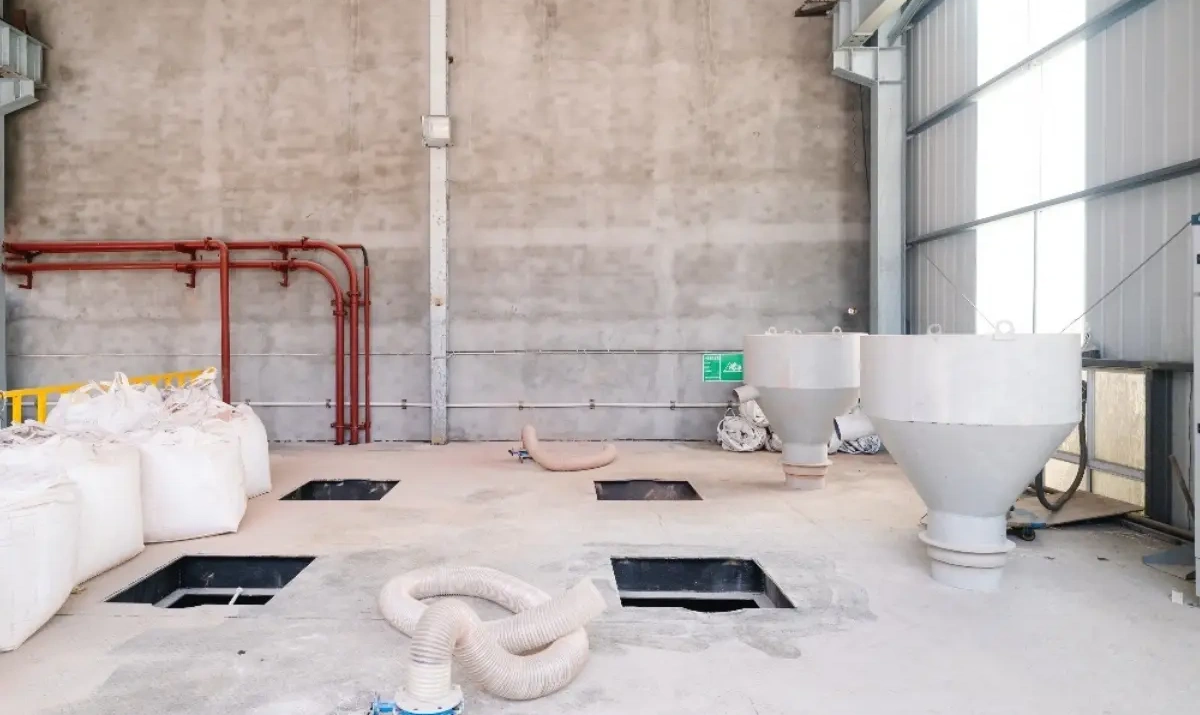
How automated feeding units reduce polymer dissolution times, preventing fish-eye formation and optimizing dosage control.
 Aug 21, 2025
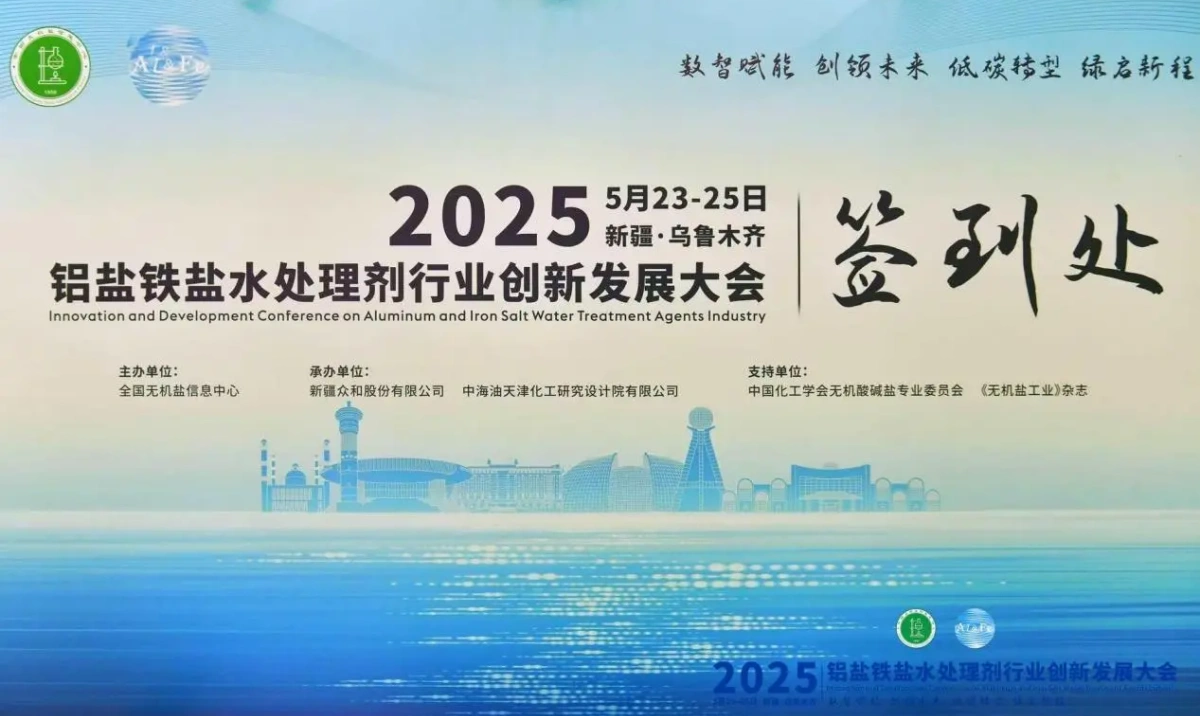
Key takeaways on carbon neutrality pathways and low-energy synthesis systems for municipal water coagulants.
Explore our full line of granular polymers, liquid coagulants, and organic color removers.
 BS Water