Explore our industrial-grade agents designed for rapid turbidity removal, sludge dewatering, and high-efficiency decolorization.
Modern industrial wastewater and municipal sewage treatment require a deep understanding of colloidal science, charge neutralization, and polymeric bridging. As a leading manufacturer and exporter with 27 years of practical expertise, Wuxi BS Water Treatment Chemicals Co., Ltd. presents this comprehensive analysis of operational chemistry, synthesis control, and application optimization for procurement officers, chemical distributors, and environmental plant managers worldwide.
Colloidal particles in wastewater typically carry a negative surface charge, measured as zeta potential. This negative charge generates electrostatic repulsion, preventing particles from agglomerating and settling. Inorganic coagulants, such as Polyaluminum Chloride (PAC) and Aluminum Chlorohydrate (ACH), introduce highly charged polymeric aluminum complexes that neutralize these negative surface charges.
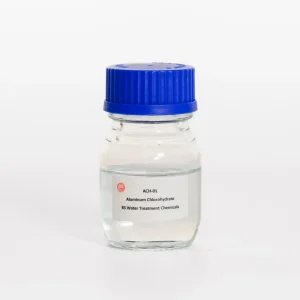
By shifting the zeta potential closer to zero (the isoelectric point), the repulsive forces are minimized. Consequently, van der Waals attraction takes over, facilitating the initial coalescence of micro-flocs. The efficiency of this neutralization is highly dependent on the basicity of the coagulant, defined as the ratio of hydroxyl ions to aluminum ions. ACH features an exceptionally high basicity (up to 83%), allowing it to neutralize charges rapidly with minimal impact on the treated water's pH, reducing the requirement for post-neutralization alkaline dosing.
While inorganic coagulants form micro-flocs, organic polymers such as Polyacrylamide (PAM) are necessary to construct large, robust macro-flocs. Cationic Polyacrylamide (CPAM) and Anionic Polyacrylamide (APAM) utilize a molecular bridging mechanism. These extremely long polymer chains adsorb onto multiple micro-flocs simultaneously, binding them into high-density, easily filterable aggregates.
In sludge dewatering applications, such as belt presses, screw presses, or decanter centrifuges, these flocs are subjected to extreme shear forces. To resist disintegration, the polymer must possess optimal molecular weight distribution and charge density. Low-charge CPAM operates primarily via bridging, while high-charge CPAM relies on a combination of bridging and electrostatic patch mechanisms. Selecting the correct configuration ensures a low Sludge Volume Index (SVI), high dry solids content (cake dryness), and clear filtrate return.
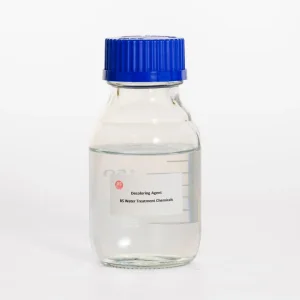
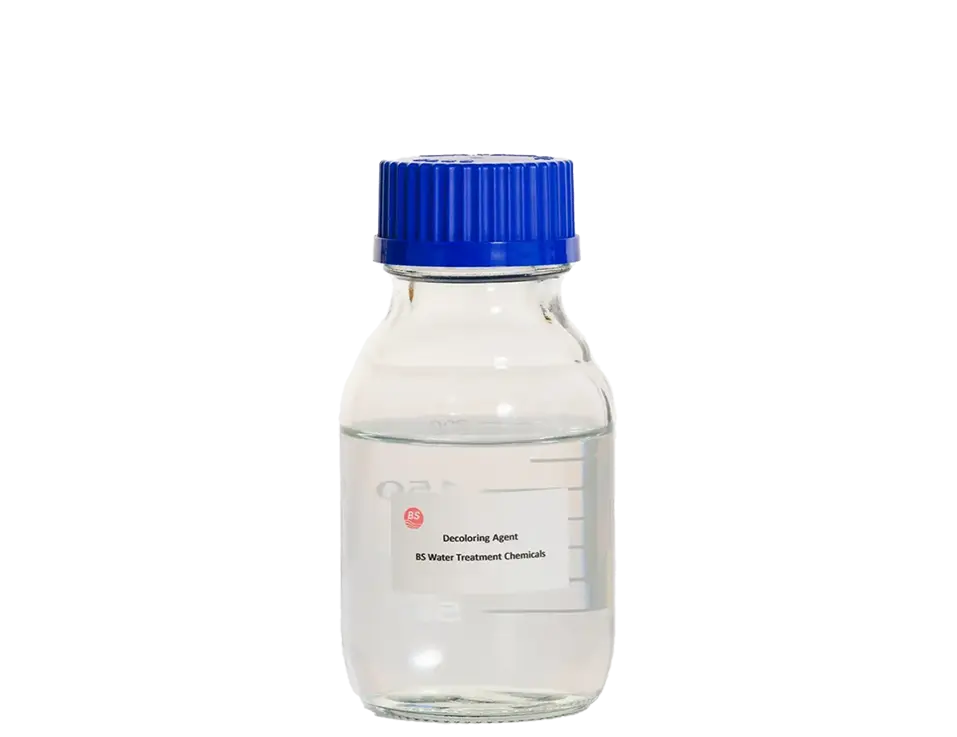
Effluents from textile dyeing, paper mills, and printing operations contain stable, highly soluble organic pigments that resist conventional biological treatment. Wuxi BS's proprietary Water Decolorizing Agent (WDA) is a cationic dicyandiamide-formaldehyde copolymer specifically formulated to break down these structures.
The highly cationic quaternary ammonium groups of the WDA polymer interact electrostatically with the anionic chromophore groups of the soluble dyes. This interaction neutralizes the dye molecules, reducing their solubility and triggering rapid precipitation. Once precipitate formation begins, a low-dosage anionic polyacrylamide (APAM) is introduced to bridge the precipitate into large, sweep-floc structures, enabling simple clarification or dissolved air flotation (DAF) removal.
Analyzing the operational benefits of sourcing chemical agents directly from Wuxi's advanced production cluster.
Our production facilities are strategically located within the Yangtze River Delta, a premier global chemical manufacturing zone. This proximity ensures access to critical raw materials, including high-grade alumina, bauxite, hydrochloric acid, and acrylamide monomers. By minimizing local transit costs and stabilizing raw material pipelines, we maintain a resilient manufacturing cost structure, shielding our global distributors from price volatility.
Wuxi BS operates state-of-the-art reactor trains equipped with automated temperature, pressure, and catalyst feeding controls. This automated polymerization process ensures uniform chain length, high active substance levels, and low residual monomer concentrations. Our modern laboratories utilize advanced analytical instruments to verify that every output batch meets strict internal quality baselines prior to packaging.
With an annual sales volume exceeding 500,000 tons and a finished product warehouse holding over 20,000 tons of stock, we are prepared for rapid bulk dispatches. Our location in Wuxi, Jiangsu, offers direct access to key deepwater shipping terminals in Shanghai and Ningbo. We utilize ruggedized packaging configurations, including moisture-proof woven sacks, IBC totes, and robust plastic drums, guaranteeing product integrity throughout international maritime transport.
Direct classification links to our dedicated industrial coagulation, flocculation, and decolorization lines.
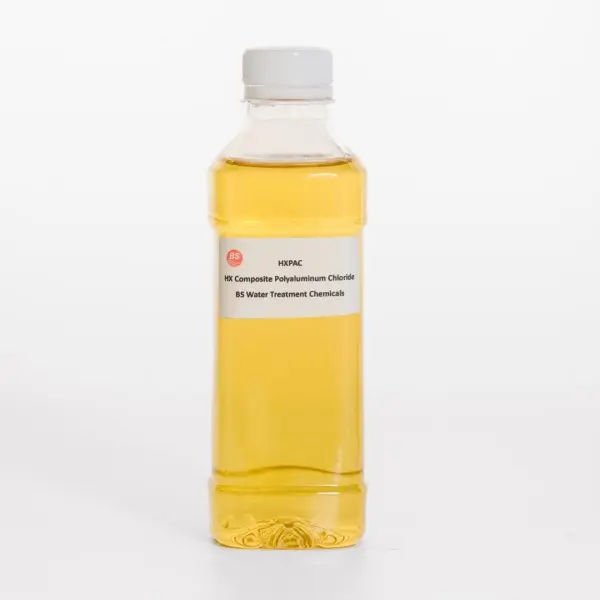
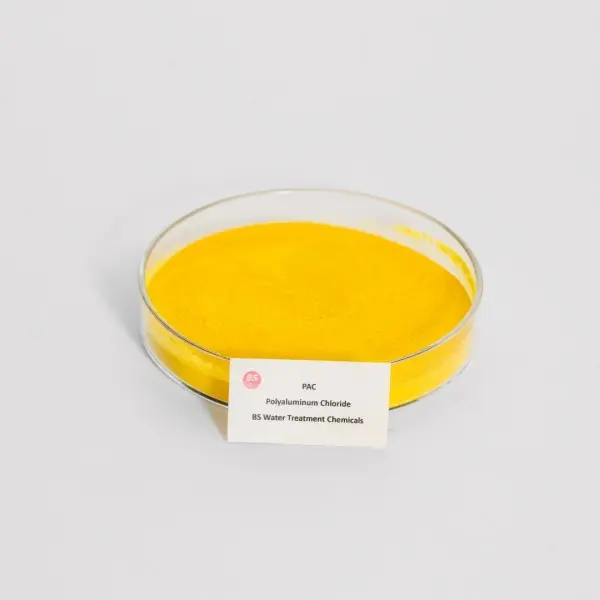
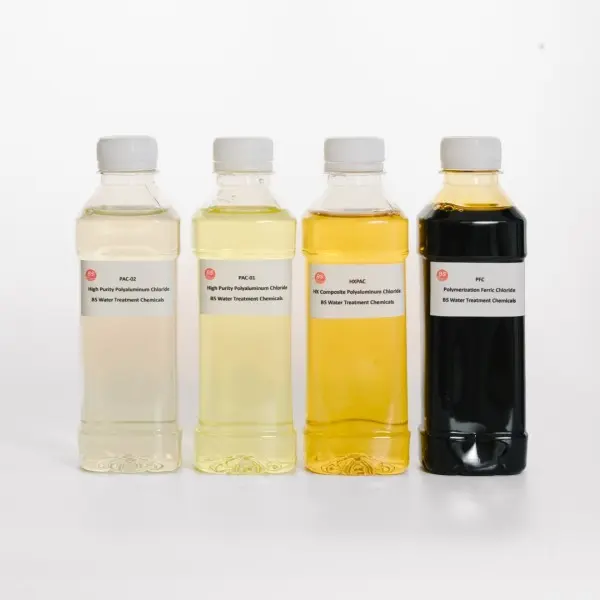
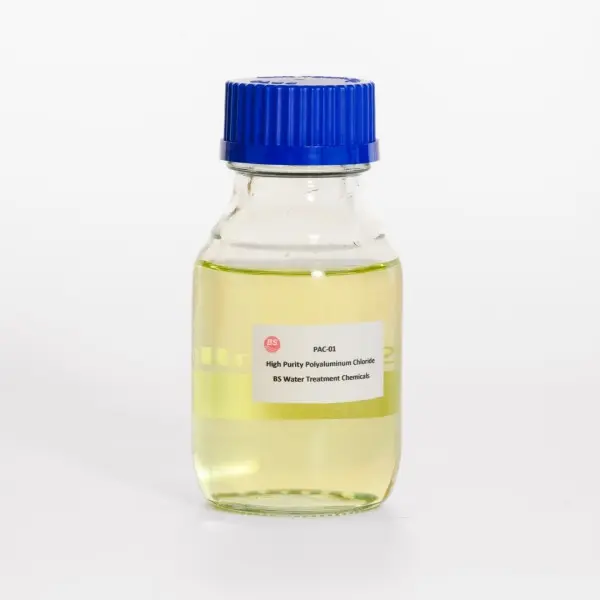
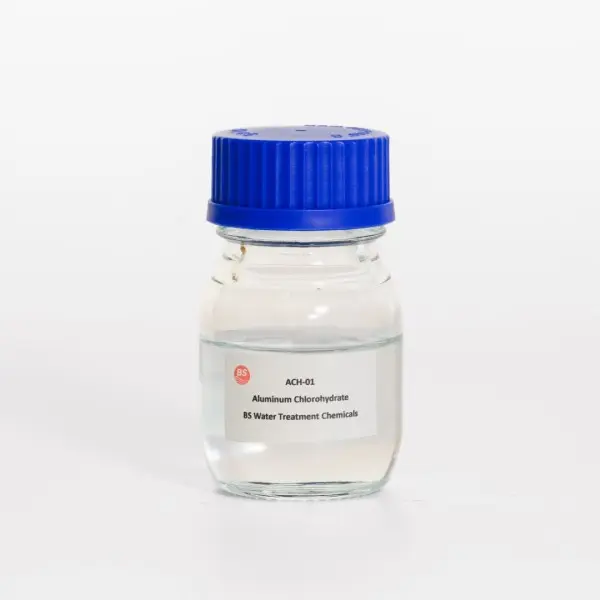
Partnering with global clients to configure tailored formulations, packaging, and dosing solutions.

Our dedicated chemical engineering group provides full lifecycle support, from initial water chemistry profiling and laboratory jar-test simulations to plant-scale trials and dosage system calibration. We help you isolate the optimal pH, coagulation speed, and polymer molecular weight required to lower your total cost of operation (TCO).

Operating several high-output chemical synthesis lines, Wuxi BS maintains an annual output capacity of over 500,000 tons. This high volume allows us to easily process bulk orders and execute custom production runs for large municipal water operators or private water management corporations without compromising delivery timelines.

With massive covered storage vaults holding over 20,000 tons of finished water treatment agents, we provide buffer capacity against sudden macro-economic shifts. Our inventory management practices minimize lead times, keeping your processing lines supplied even during seasonal logistics surges.
Answering the critical questions frequently asked by environmental chemical engineers and procurement specialists.
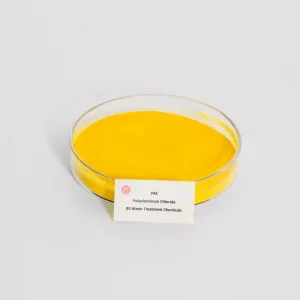
ACH (Aluminum Chlorohydrate) possesses a significantly higher basicity (around 83%) and aluminum oxide content (Al2O3 up to 23-24%) compared to standard PAC (typically 50-65% basicity and 28-30% Al2O3 in solid form). Because ACH is highly polymerized, it neutralizes charge more efficiently per unit mass. Crucially, ACH consumes very little natural water alkalinity, meaning it causes negligible changes to post-treatment pH, saving the cost of alkaline dosing chemicals like lime or caustic soda.
The selection depends on the ionic charge of the suspended solids. Organic wastes (e.g., biological sludge from wastewater plants, dairy waste, food processing sludge) typically carry negative charges and require Cationic PAM (CPAM) for flocculation and dewatering. Inorganic wastes (e.g., mineral wash water, metallurgical processes, coal washing tailings) respond best to Anionic PAM (APAM) or Non-ionic PAM. Jar testing is essential to confirm the optimal molecular weight and charge density.
Standard inorganic coagulants like alum or iron salts struggle to capture highly soluble anionic reactive or acid dyes because the resulting bonds are weak and easily broken. Wuxi BS's Water Decoloring Agent (WDA) contains highly concentrated cationic quaternary ammonium polymer chains that form extremely stable complexes with the dye chromophores, causing them to rapidly precipitate out of solution. This technique eliminates over 95% of color from textile effluents.
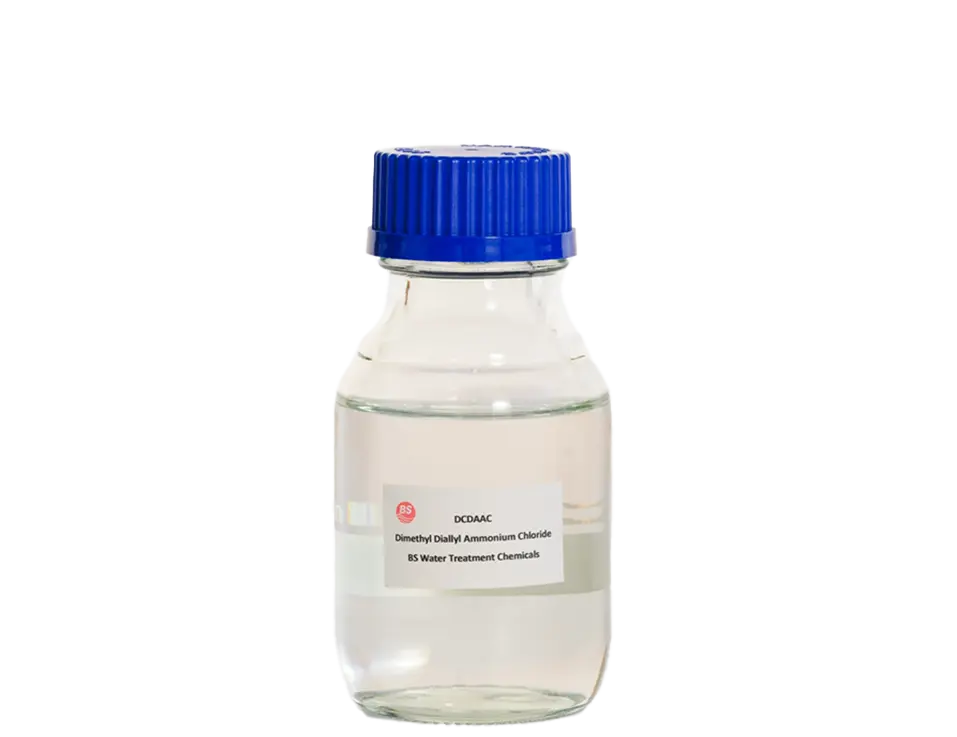
Dry polymer powders are highly hygroscopic and should be stored in a dry, cool warehouse in their original sealed bags. Standard liquid polymers (like PDADMAC or liquid PAC) should be housed in corrosion-resistant tanks (FRP, HDPE, or lined steel). Avoid exposing polymer solutions to high temperatures (above 40°C) or freezing conditions, as this can degrade the molecular chains, significantly reducing their flocculating efficiency.
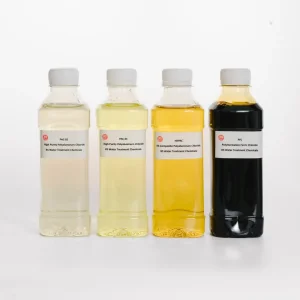
Cold water conditions (below 10°C) slow down hydrolysis rates for inorganic coagulants and increase water viscosity, which retards settling times. In winter, using highly polymerized coagulants like ACH or PAC-01 can help mitigate this performance drop. For polymers, cold water increases dissolution times; therefore, adequate aging time must be allowed in the preparation tank to prevent 'fish-eyes' and ensure complete polymer chain extension.
Yes. As a primary manufacturer, Wuxi BS offers custom dilution services. While our standard liquid PAC products contain 10%-15% active Al2O3 content, we can synthesize and package custom concentrations tailored to your plant's dosing pumps and specific logistical needs, ensuring stable dispersion without premature precipitation.
Decades of continuous expansion and technological refinement in chemical production.
Our core production facility was established, laying the foundation for advanced polymer synthesis.
Renamed as Wuxi Bisheng Water Treatment Agent Co., Ltd. to better align with our expanding product scope.
Initiated direct international trade, supplying distributors across Southeast Asia, the Middle East, and Europe.
Annual global export volumes surpassed $10,000,000, driven by the adoption of our high-basicity ACH line.
Established our dedicated foreign trade and technical service department to support direct B2B accounts.
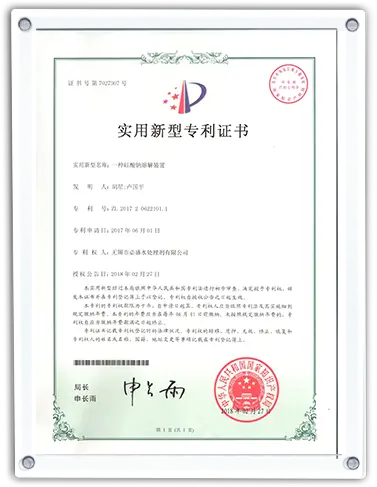
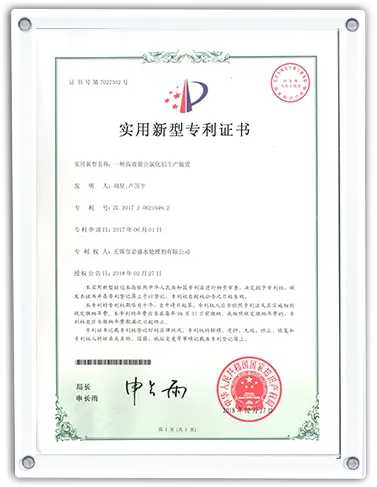
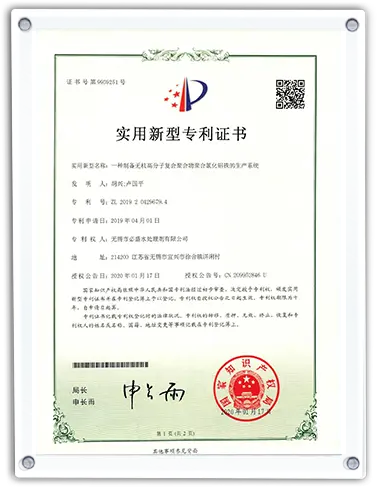
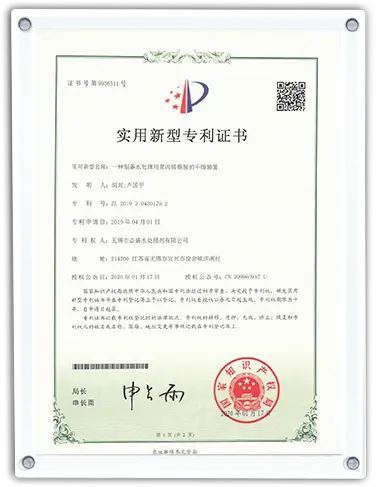
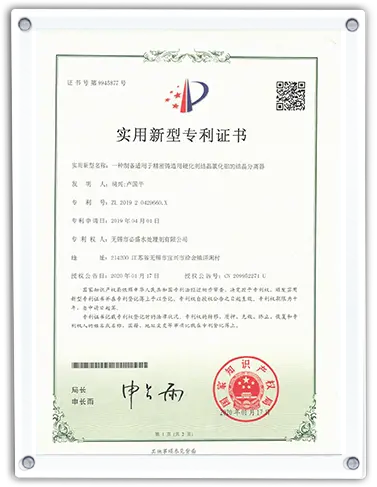
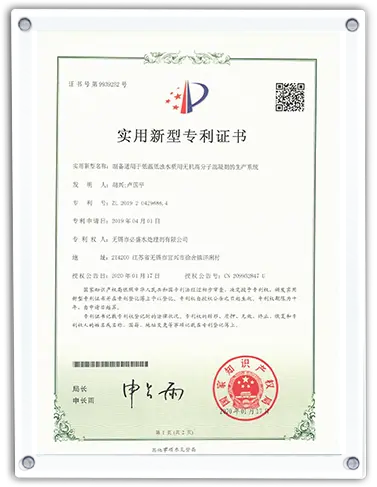
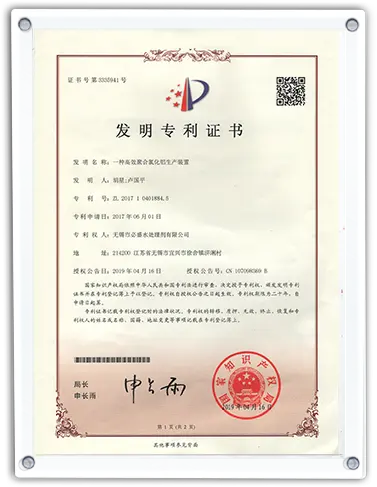
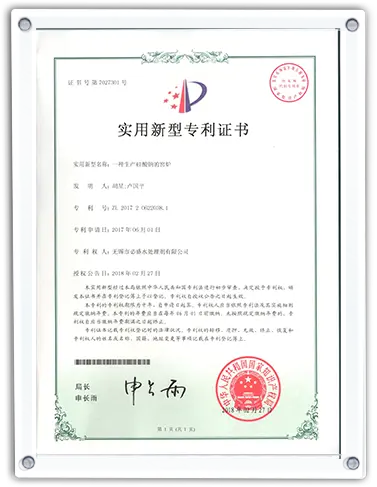
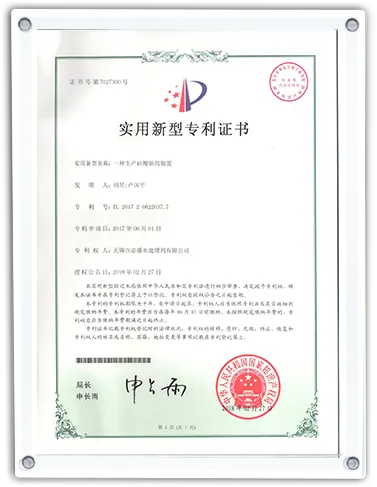
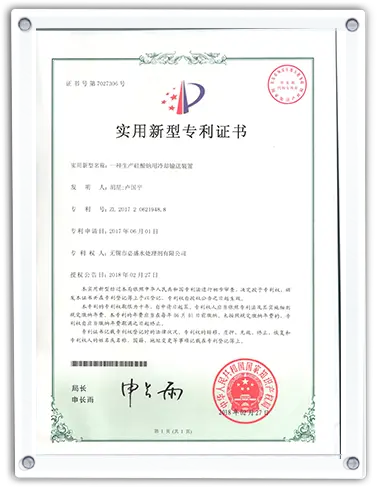
Our commitment to quality is backed by international certifications and rigorous testing protocols.

Stay informed on global environmental trends, digital feeding technologies, and chemical product developments.
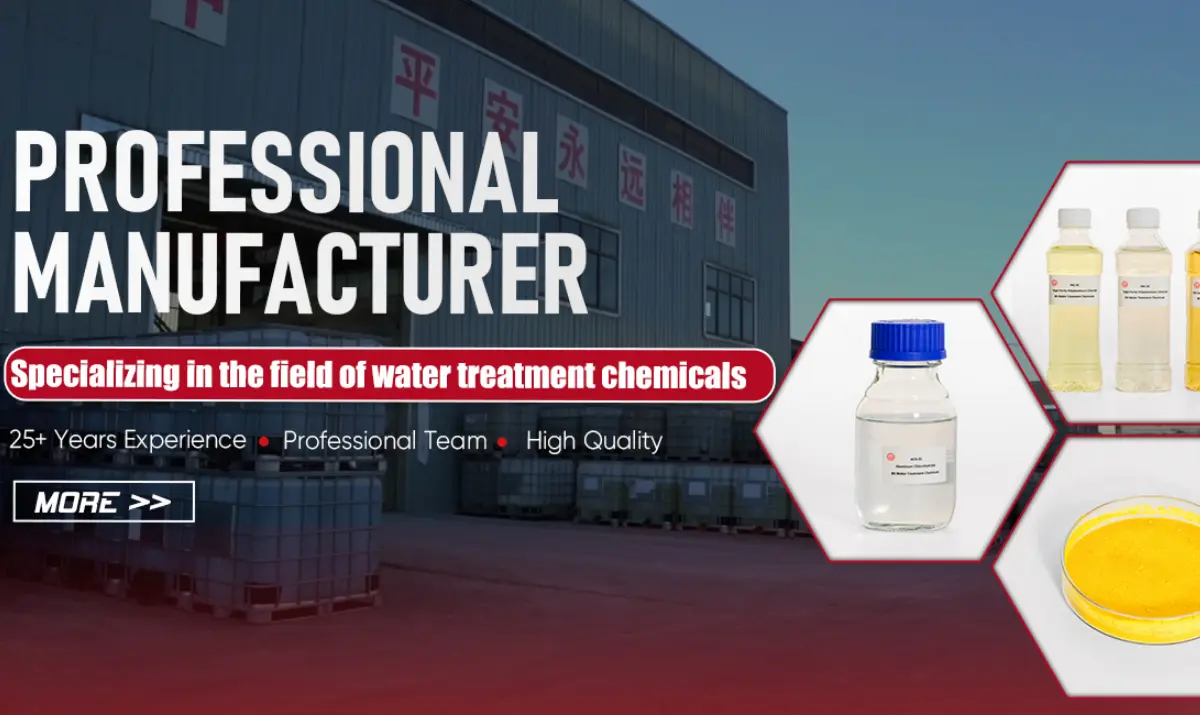
 Sep 09, 2025
Deeply involved in water treatment chemistry for decades, Wuxi BS Water Treatment Chemicals Co., Ltd. continues to expand its global service footprint. Our focus remains on delivering high-purity coagulants and flocculants that help municipal and industrial clients meet strict environmental discharge standards.
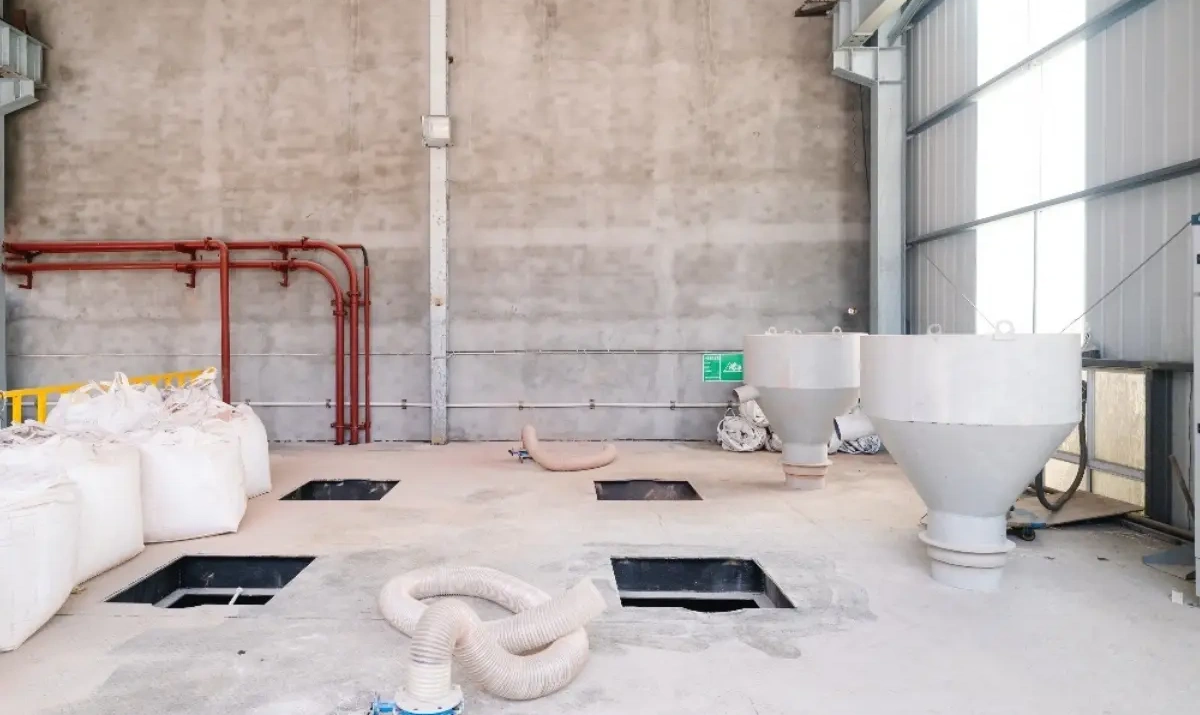 Aug 21, 2025
Wuxi BS has introduced advanced digital intelligent feeding systems to optimize real-time dosage calculations and reduce operational waste.
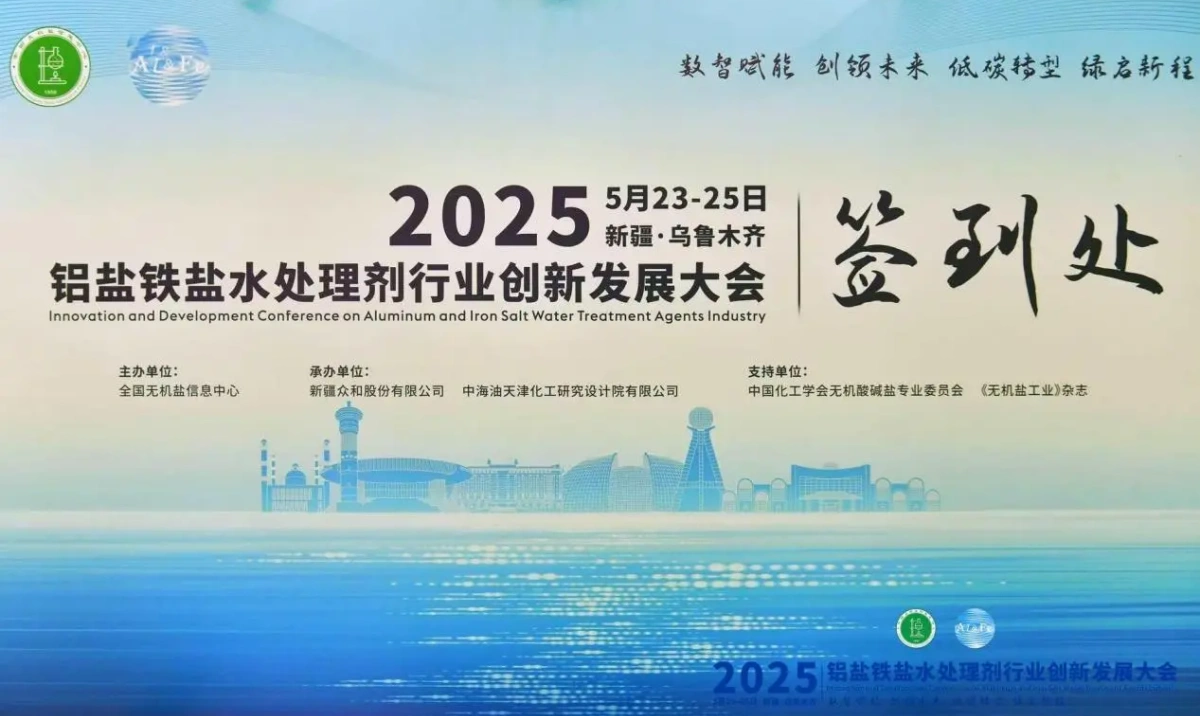 Aug 21, 2025
Highlighting the development of carbon-neutral water treatment chemicals and the construction of ecological infrastructure.
Have questions about chemical selections, pricing, or container logistics? Reach out to our technical team for assistance.
Explore additional high-grade chemical configurations engineered for demanding industrial processes.
 BS Water