Explore our premium grade chemical solutions formulated to achieve maximum flocculation, settling speed, and color removal efficiency across global municipal and industrial sectors.
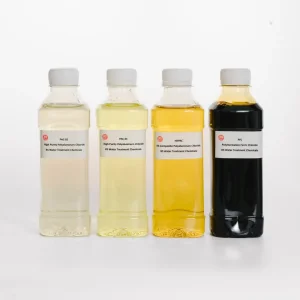
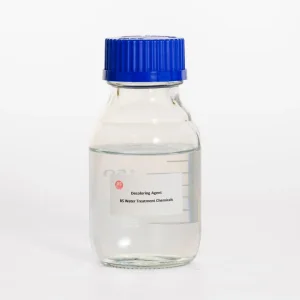
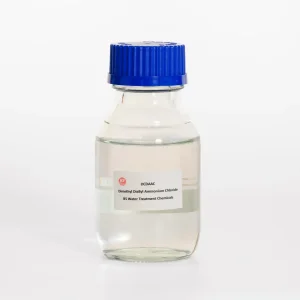
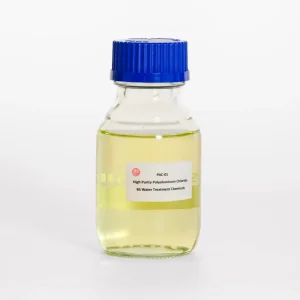
In modern industrial wastewater processing, color removal stands out as one of the most critical regulatory and technical challenges. High levels of color—primarily originating from synthetic organic dyestuffs, dissolved organic carbon, lignins, and complex chemical intermediates—pose serious threats to aquatic ecosystems by hindering photosynthesis, depleting dissolved oxygen, and introducing potentially bioaccumulative toxins. As a leading water decoloring agent manufacturer, Wuxi BS Water Treatment Chemicals Co., Ltd. presents this comprehensive industrial whitepaper detailing the chemical mechanisms, application protocols, global purchasing dynamics, and technology trends that govern high-efficiency color removal processes.
Water Decoloring Agents (WDA) are predominantly highly active, strongly cationic polymeric organic compounds. Under the chemical classification of dicyandiamide-formaldehyde resins, these polymers feature a dense matrix of quaternary ammonium groups. The decolorization mechanism occurs through three concurrent pathways:
| Chemical Class | Dominant Application Domain | Mechanistic Strength | Dosage Guideline (ppm) |
|---|---|---|---|
| Dicyandiamide Resin (WDA) | Textile Dyeing, High-Color Printing Effluent | Highly Cationic Quaternary Amines; Excellent for Reactive/Acid Dyes | 30 – 150 |
| PDADMAC | Paper Making, Pre-filtration, Mining Runoff | Strong Cationic Poly-diallyldimethylammonium Chloride; Broad pH Stability | 5 – 50 |
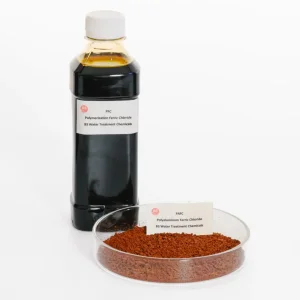
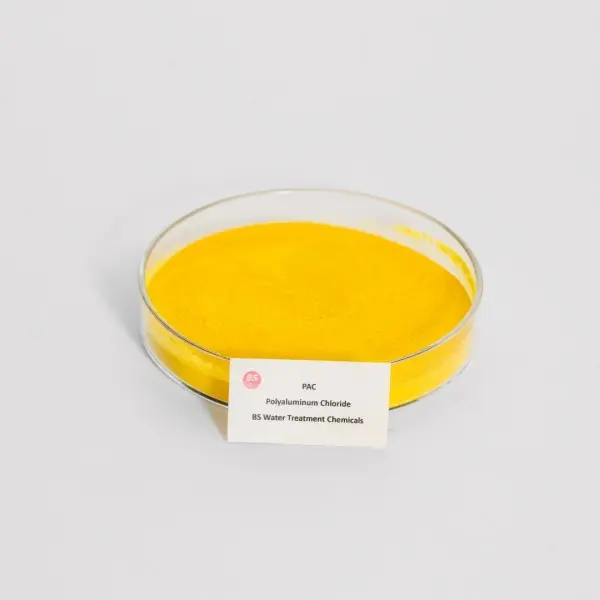
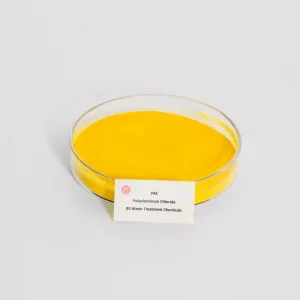
| PAC (Liquid/Solid) | Pre-treatment Coagulation, Municipal Clarification | Inorganic Polymeric Hydroxo-aluminum Complexes; Broad Charge Reduction | 20 – 100 |
| Polyacrylamide (PAM) | Sludge Dewatering, Flotation Clarification | High Molecular Weight Bridging Flocculant (Anionic/Cationic) | 1 – 5 |
Driven by strict environmental audits like Zero Discharge of Hazardous Chemicals (ZDHC) and EPA guidelines, purchasing managers across the EMEA, APAC, and Americas regions are shifting from traditional adsorption agents (like activated carbon) to modern liquid cationic polymers. Procurement priorities focus heavily on:
The application of water decoloring agents is highly matrix-dependent. A single formulation cannot effectively treat all industrial discharges. Below are custom-engineered solutions for key industrial sectors:
Wastewater from textile factories typically has high COD, elevated pH, and high color. Reactive and direct dyes are soluble and particularly difficult to remove using biological processes alone. We recommend a dual-action system: applying a cationic water decoloring agent immediately post-aeration, followed by a dosage of Polyaluminium Chloride (PAC) to compress the flocs, and Anionic Polyacrylamide (APAM) for rapid sedimentation. This synergistic approach reduces chemical oxygen demand (COD) by up to 60-70% and achieves decolorization efficiencies exceeding 98%.
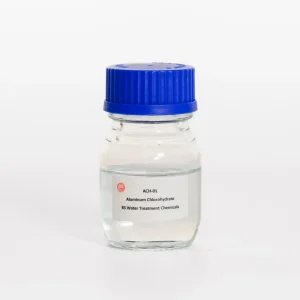
Black liquor runoff and bleaching effluents are rich in lignins, hemi-cellulose, and chlorinated organic compounds, resulting in a dark brownish tint. Utilizing a compound solution of High-Basicity Aluminum Chlorohydrate (ACH) alongside High-Efficiency Cationic Decoloring Polymers provides excellent charge neutralizing properties. It binds the organic lignin derivatives, preventing membrane fouling during downstream Ultrafiltration (UF) and Reverse Osmosis (RO) treatments.
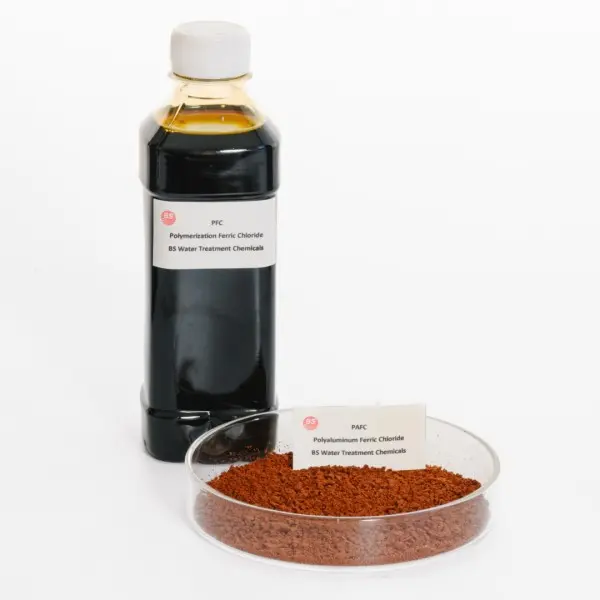
Emulsified oils, sulfur-containing compounds, and aromatic hydrocarbons generate challenging color complexes. Applying a coordinated dosing strategy featuring Polymeric Aluminium Ferric Chloride (PAFC) and a targeted Decolorizing Agent helps break complex hydrocarbon emulsions, accelerating oil-water separation in DAF (Dissolved Air Flotation) tanks.
Founded in 1998, Wuxi BS Water Treatment Chemicals Co., Ltd. possesses advanced production technology and rich management experience. We specialise in producing a series of water treatment products for the treatment of drinking water and various types of domestic and industrial wastewater. With over 27 years of expertise, we offer tailor-made formulations and digital feeding technologies that optimize operations for over 1,000 global enterprises.
Years Industry Experience
Annual Production Volume
Finished Product Warehouse
Global Enterprises Served
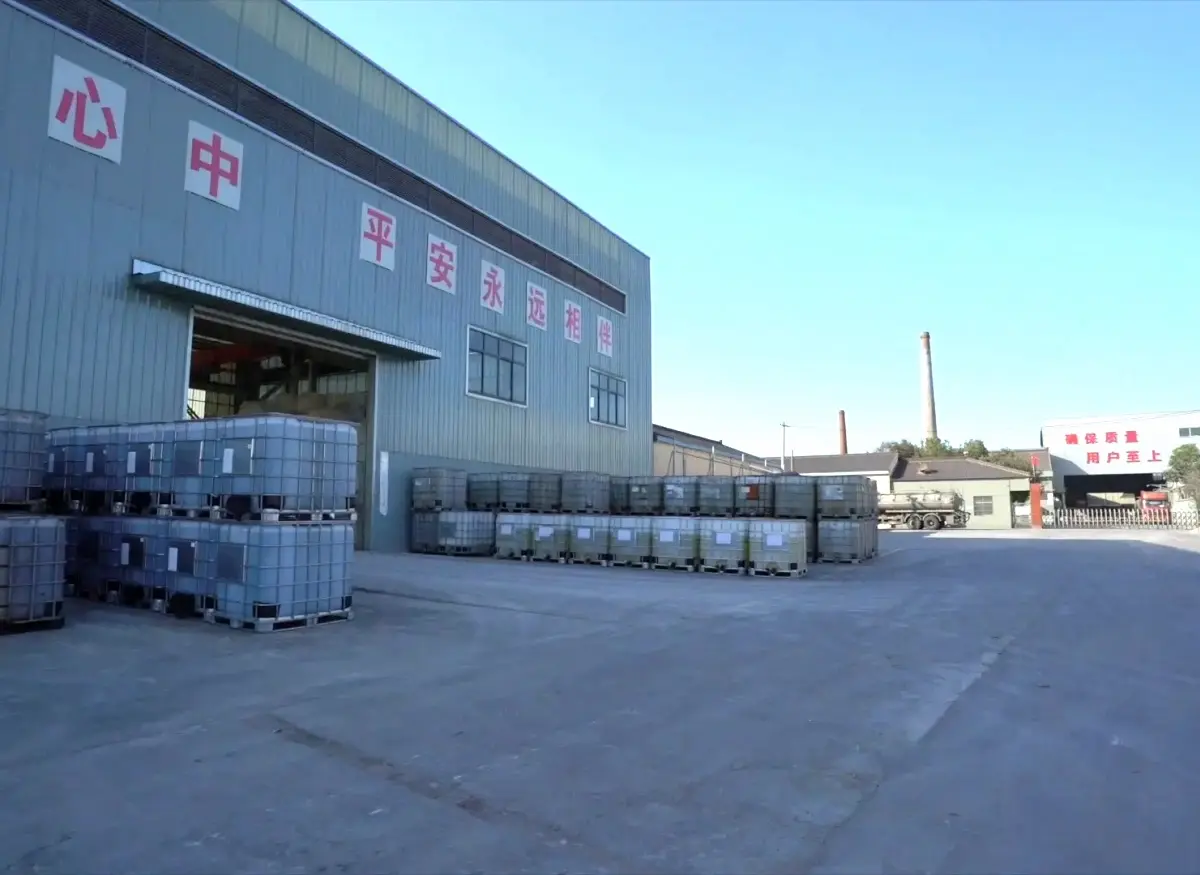

Deploying smart chemistry and automated systems to solve complex wastewater treatment challenges.
Officially launched in August 2025, our advanced digital intelligent feeding equipment automatically regulates dosings based on live UV-Vis spectrophotometry readings of inlet color.
We are actively researching starch-modified and chitosan-grafted cationic dicyandiamide derivatives to ensure a lower carbon footprint and zero toxicity residue in sludge.
Integrating chemical decolorization with Fenton processes and ozone loops to maximize COD degradation and secure regulatory environmental clearance.
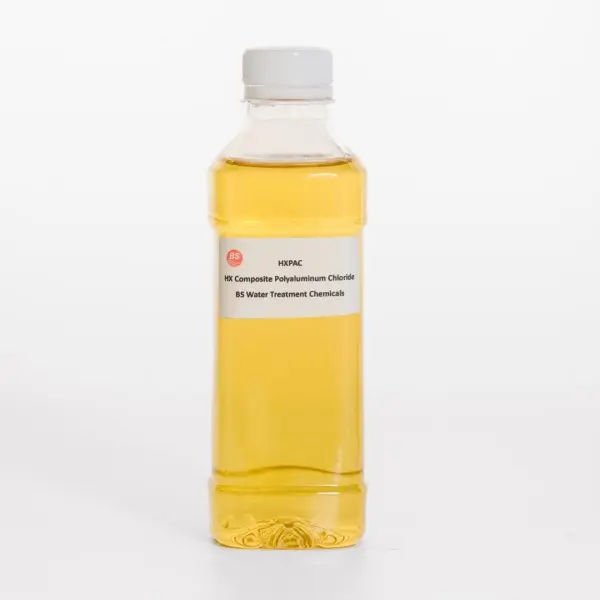
Select a product line to explore technical descriptions and chemical components.
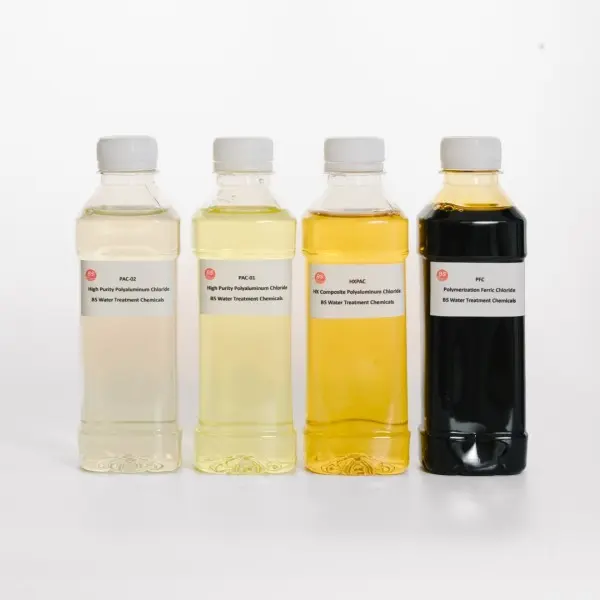
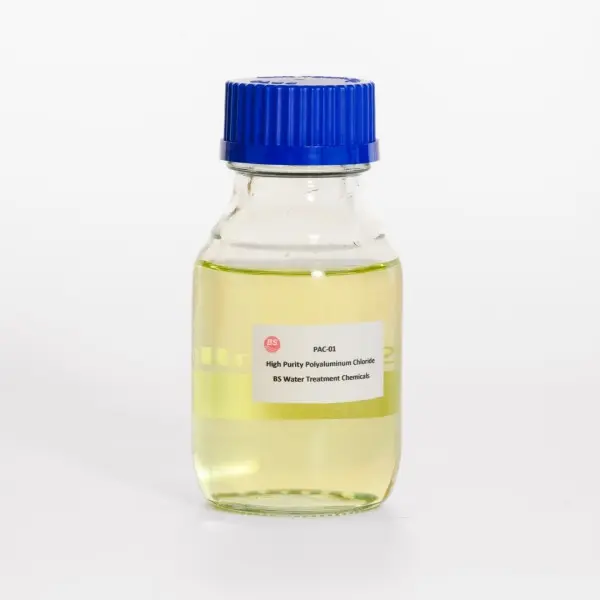
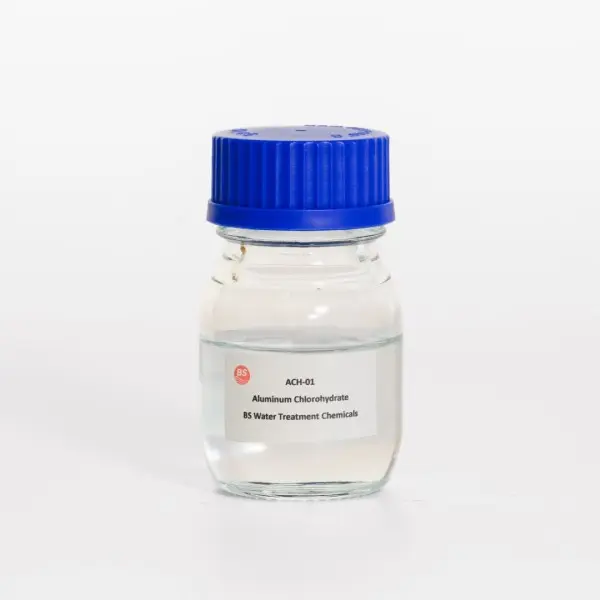
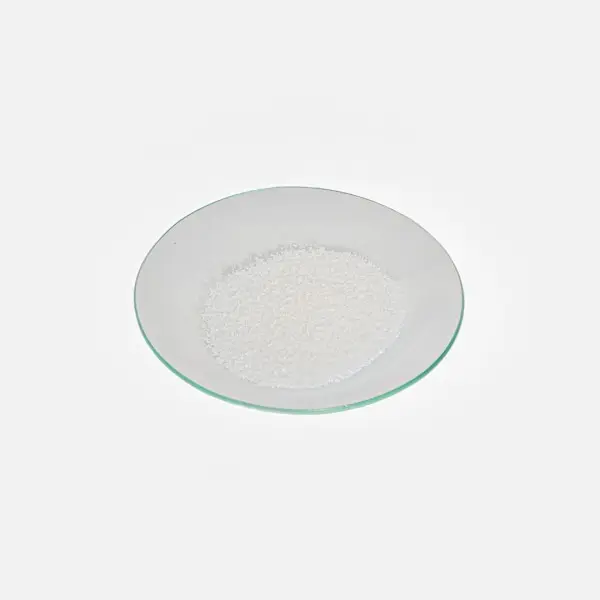
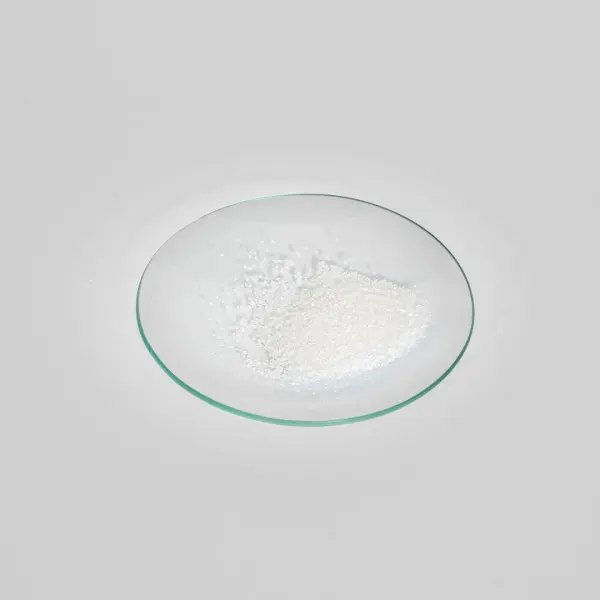
Decades of continuous innovation, scaling from a localized laboratory to a major global water treatment supplier.
Factory established with chemical production lines
Renamed Wuxi Bisheng Water Treatment Agent Co., Ltd.
Began exporting chemical products globally
Manufactured the world's largest absorption chiller components
Annual global sales exceeded 10 Million USD
Introduced high-purity inorganic liquid systems
Foreign trade department established; digital feeding systems launched
Providing specialized purification chemicals for critical global industrial processes.
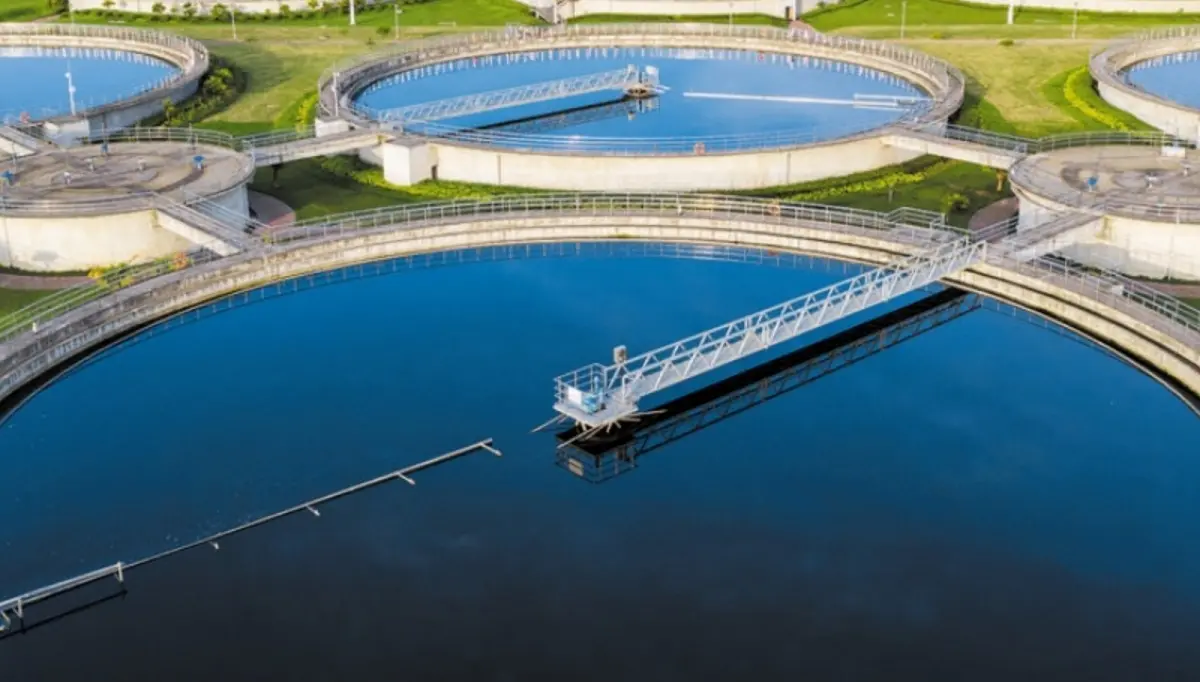

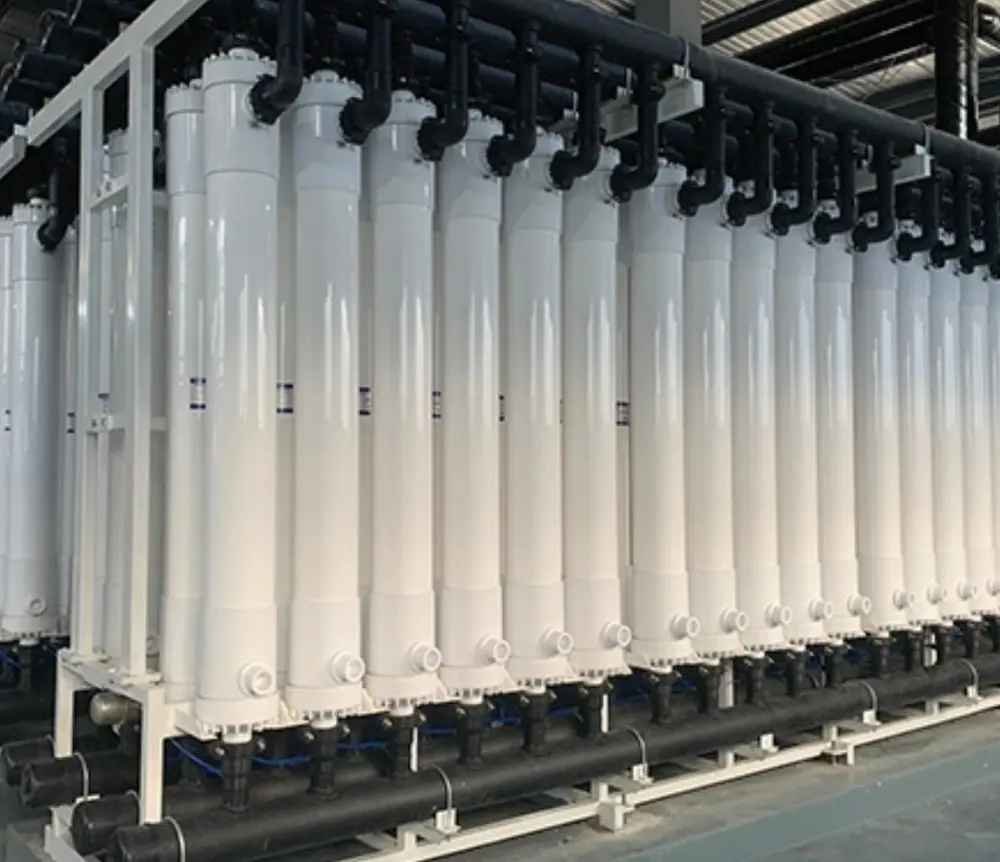
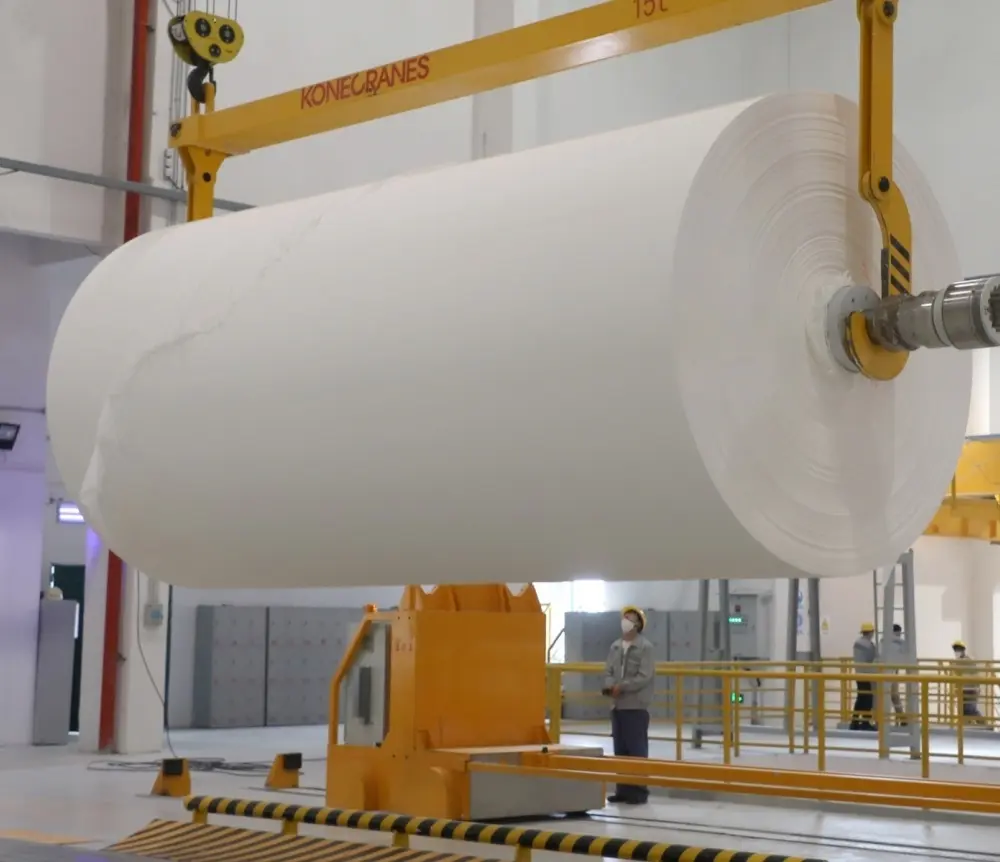
Get answers to common chemical application questions from our laboratory specialists.
Our dicyandiamide-formaldehyde water decoloring agents work across a broad pH range of 6.0 to 10.0. However, for wastewater containing acidic dyes, adjusting the pH to between 7.0 and 8.0 optimizes charge neutralization and speeds up floc settlement.
We advise diluting the product to a 10%-50% aqueous solution before dosing. Proper dilution improves dispersion throughout the effluent, preventing localized over-saturation and maximizing active polymer utilization.
Activated carbon creates high volumes of hazardous solid sludge and requires thermal regeneration. Liquid decoloring agents bind target organic dyes directly, resulting in lower sludge volumes, faster processing times, and reduced operational costs.
Yes. When dosed correctly, the polymer precipitates out alongside the dye molecules in the primary clarifier. The clarified supernatant contains no toxic monomers, ensuring compatibility with activated sludge biological treatment loops.
Consult with our application laboratory to resolve complex color and COD discharge issues. We offer custom compounding services and bulk packaging options.
Keep up with our recent technical papers, expansion updates, and sustainable product releases.
 Sep 09, 2025
Our company continues to scale its chemical production capacity, supporting international distribution channels and offering localized technical assistance to textile hubs across Southeast Asia and Central America.
Read Full Article →A comprehensive selection of polymers, coagulants, and flocculants engineered for industrial wastewater clarification.
 BS Water