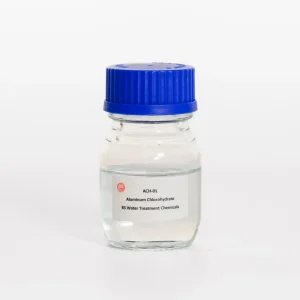
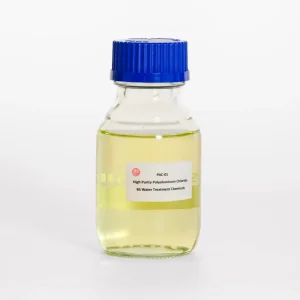
Direct from manufacture, these primary chemical formulations are calibrated to meet the strict purification standards of Germany's commercial sectors.
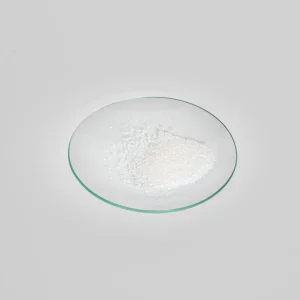
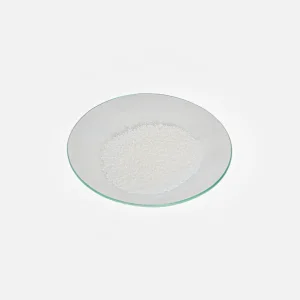
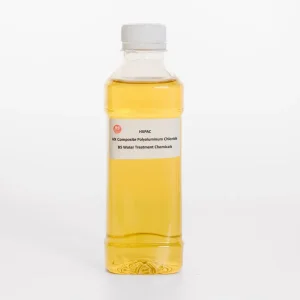
We supply customized Molecular Weight (MW) and Hydrolysis ranges to meet local municipal requirements.
As Germany accelerates its transition toward a circular economy and zero-discharge industrial output, the metropolitan area of Berlin and the surrounding Brandenburg region face critical wastewater management challenges. The Berlin-Brandenburg region houses a complex matrix of pharmaceutical plants, chemical manufacturing hubs, pulp and paper processing facilities, and massive municipal sewage infrastructure managed by entities like the Berliner Wasserbetriebe (BWB). With stringent European Union directive policies and German federal laws (such as the Abwasserverordnung - AbwV) mandating ultra-low turbidity, trace heavy metal removal, and efficient sludge dehydration, high-efficiency polymeric flocculants are indispensable.
Polyacrylamide (PAM)—a water-soluble, high-molecular-weight linear polymer—serves as the primary mechanism for accelerating solid-liquid separation. In Berlin’s modern sand filtration and activated sludge circuits, CPAM (Cationic Polyacrylamide) and APAM (Anionic Polyacrylamide) act as molecular bridges. They effectively capture suspended colloidal organic matter, neutralizing electrical charges and forcing rapid flocculation. By applying optimized PAM variants, industrial operators in Berlin significantly minimize polymer residues in effluent discharge, ensure operational reliability, and substantially reduce disposal costs for dehydrated sludge cakes.
While local chemical distributors in Berlin and wider Germany provide immediate local warehousing, their reliance on global primary synthesis plants means procurement managers often face significant price markups and supply bottlenecks. This is where partnering directly with major Chinese manufacturing hubs yields a distinct competitive advantage.
As a specialized chemical manufacturer with over 27 years of expertise, Wuxi BS Water Treatment Chemicals offers direct-to-factory channels that eliminate intermediary margins. Chinese manufacturers leverage highly integrated upstream raw material supply chains, securing stable supplies of Acrylamide monomer (AM) at scale. This integration mitigates raw material volatility and ensures that bulk shipments delivered to Hamburg or Berlin ports remain highly cost-competitive. Furthermore, state-of-the-art continuous polymerization technologies allow Chinese plants to synthesize ultra-high molecular weight PAM (reaching up to 25 million Daltons) with tight control over charge densities, providing European operators with highly consistent chemical quality batch after batch.
Combining decades of chemical synthesis innovation with a robust global delivery framework, serving municipal and private industrial sectors since 1998.
Founded in 1998, Wuxi BS Water Treatment Chemicals Co., Ltd. has grown to become a global leader in high-performance water treatment chemistry. Our manufacturing complex features state-of-the-art digital, automated production lines designed to ensure stable polymer properties. We specialize in producing complete families of polyacrylamides, inorganic coagulants (like PAC and ACH), and specialized decolorizing polymers. By operating a dedicated finished product warehouse capable of storing over 20,000 tons of solid and liquid products, we ensure uninterrupted global logistics, protecting our European and international partners against supply chain disruptions.
Establishment of our dedicated water treatment polymer production facility, focusing on domestic industrial water treatment needs.
Launched our global export division, securing international quality compliance standards to service water plants across Western Europe and Asia.
Annual global sales revenue surpassed $10,000,000, driven by heavy adoption of our low-residue anionic and cationic polyacrylamides.
Fully established digitalized logistics systems and localized supply frameworks to accelerate delivery to industrial clusters like Berlin-Brandenburg.
Tailoring polymer performance to meet the specialized demands of Germany's strict environmental regulations and industrial specifications.
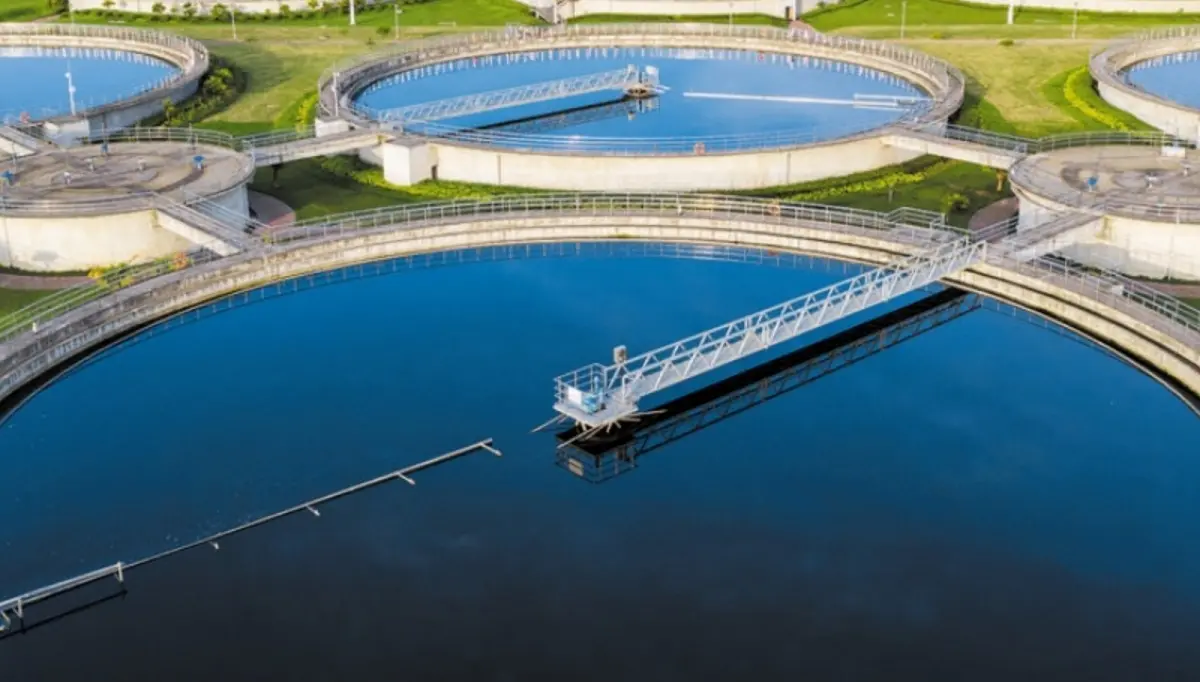
High-efficiency sludge thickening and filter-press dewatering to reduce cake moisture below 75% for Berlin utility infrastructure.
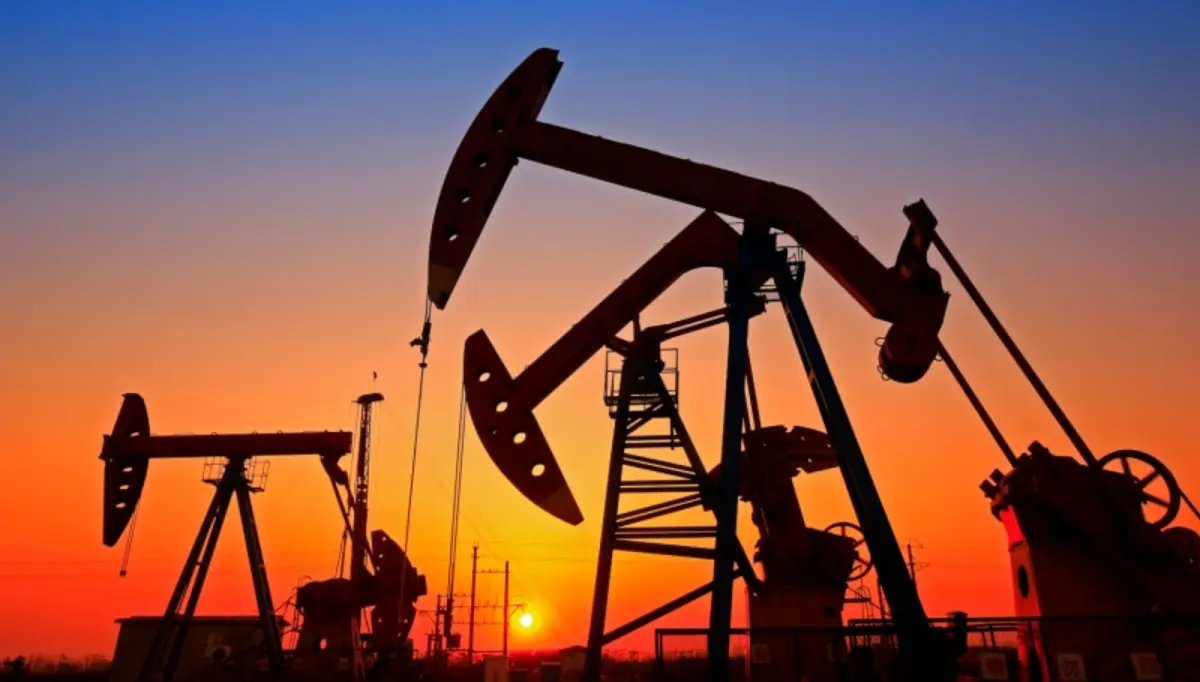
Rapid separation of emulsified oils and suspended hydrocarbons from process loops in industrial manufacturing parks.
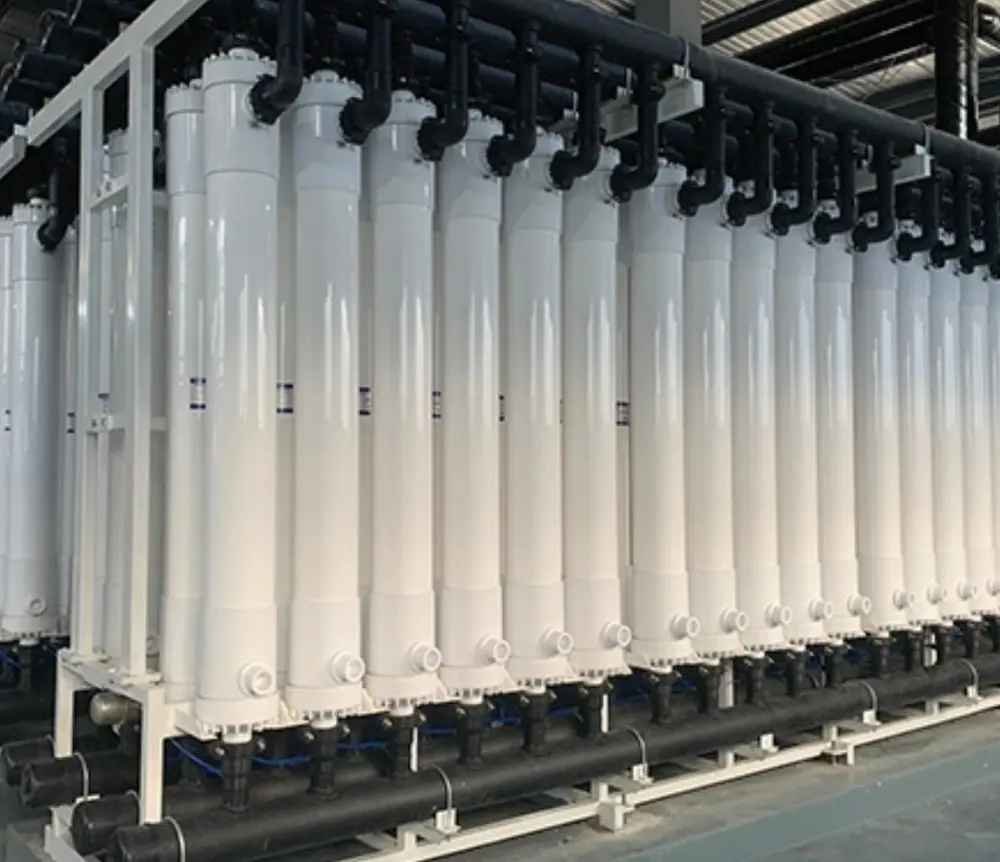
Coagulation of organic micro-pollutants and colloids to mitigate fouling in downstream Reverse Osmosis (RO) and Ultrafiltration units.
In Berlin, municipal sludge dewatering plants rely heavily on high-charge Cationic Polyacrylamide (CPAM) to bind negative charges on biological sludge floc. This conditioning step forms larger, stable flocs that withstand the high shear forces in belt presses and decanter centrifuges.
Additionally, local paper mills and chemical plants utilize Anionic Polyacrylamide (APAM) for process water recirculation. APAM's long carbon chains act as adsorption bridges, collecting pulp fines and industrial particulates. This allows plants to recycle clean water back into production, supporting Berlin's commitment to water conservation and environmental sustainability.
Selecting the ideal polyacrylamide variant requires a deep understanding of wastewater composition, solid concentration, pH levels, and ionic demand. The table below provides technical guidelines for procurement teams and plant operators in Berlin to determine the appropriate molecular parameters:
| Polymer Classification | Molecular Weight (Million) | Hydrolysis / Charge Density | Primary Application in Berlin Industries |
|---|---|---|---|
| Anionic PAM (APAM) | 8.0 - 25.0 | 10% - 40% (Hydrolysis) | Sand/gravel washing, mineral processing, metallurgical sludge, paper fine retention. |
| Cationic PAM (CPAM) | 6.0 - 12.0 | 10% - 80% (Ionization) | Municipal sewage sludge dewatering, belt filter press conditioning, centrifugal thickening. |
| Non-Ionic PAM (NPAM) | 8.0 - 15.0 | Low (≤ 5% Hydrolysis) | Acidic industrial effluent treatment, highly concentrated organic water filtration circuits. |
| Amphoteric PAM | 6.0 - 10.0 | Dual (Anionic/Cationic) | Refined oil wastewater, textile dyeing sludge, and complex organic-inorganic suspensions. |
Ensuring zero chemical residue is critical under EU discharge permits. Wuxi BS optimizes the polymerization process to limit free monomer levels (specifically residual acrylamide monomer, or AMD) to less than 0.05%, which complies with drinking water and food-contact processing limits.
For industrial procurement departments operating within Berlin, chemical compliance is a high priority. Importing polymers into the European Economic Area (EEA) requires strict adherence to REACH (Registration, Evaluation, Authorisation and Restriction of Chemicals) regulations. Wuxi BS manages this by working with European representatives and distributors to ensure that all exported lots are fully documented with corresponding Safety Data Sheets (SDS) and conform to local occupational health directives.
Our logistics framework supports sea shipping to northern German ports like Hamburg, Bremerhaven, and Wilhelmshaven, followed by inland rail or road transport directly to your chemical storage facilities in Berlin. To protect dry powder polymers from moisture and caking during transport, we utilize moisture-proof, heavy-duty PE bags lined with PP woven sacks, shipped on fumigated wooden pallets.
Key technical insights on polyacrylamide applications, procurement logistics, and performance troubleshooting for Berlin buyers.
The optimal charge density depends directly on the organic volatile solids concentration within the sludge. For highly digested biological municipal sludge (common in Berlin's treatment systems), medium-to-high cationic charge densities (30% to 60%) are typically required to neutralize negative colloidal charges. We recommend performing standard laboratory jar testing and Buchner funnel filtration trials to evaluate floc strength, filtration speed, and filtrate clarity.
"Fish-eyes" form when dry PAM powder is added too quickly to water, causing the outer polymer layer to hydrate rapidly and block water from entering the dry core. To avoid this, use a dedicated mechanical powder ejector (eductor) to disperse the dry granules evenly into a vortex of clean water. For optimal dissolution, maintain a slow agitation speed (150-300 RPM) for 45 to 60 minutes.
Yes, our chemical products destined for Western Europe comply with REACH regulations. We provide complete chemical declarations and Safety Data Sheets (SDS) in German and English, outlining chemical composition, safe handling methods, and ecological impact guidelines.
Dry granular PAM has a shelf life of up to 24 months when stored in original, unopened packaging in a cool, dry environment. Once dissolved into a working solution (typically 0.1% to 0.3% concentration), the polymer chains gradually degrade. For optimal performance, utilize the dissolved polymer solution within 24 to 48 hours.
A comprehensive line of chemical polymers, decoloring agents, and inorganic coagulants for industrial wastewater networks.
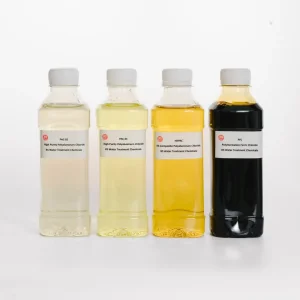
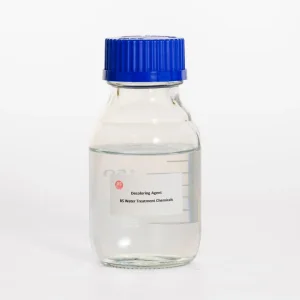
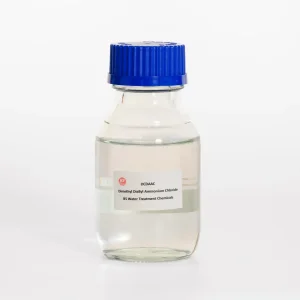
We provide chemical optimization, jar testing analysis, and customized production batches. Contact us today to request samples or get a technical quote.
 BS Water