Specially optimized chemical grades matching European EN 883 standards, designed for high-efficiency coagulation in low-temperature Nordic conditions.
Our premium high-purity spray-dried powder features Al2O3 ≥ 30% with minimal heavy metal index, satisfying strict Danish regulations for drinking water systems.
View Details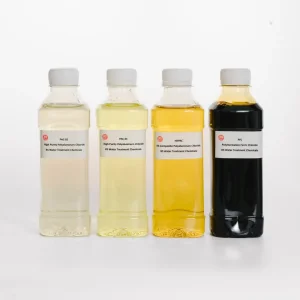
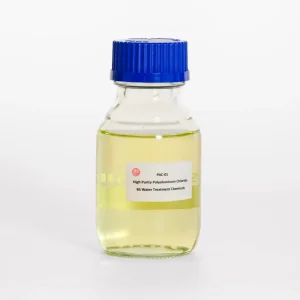
Ready-to-use liquid formulation (10%-15% Al2O3) offering seamless automated dosing, optimized for rapid phosphorus precipitation in municipal sewage treatment plants.
View Details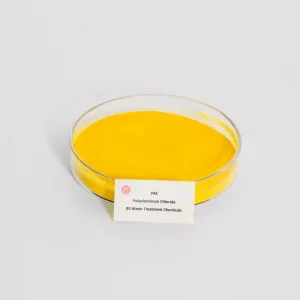
High basicity solid coagulant powder featuring rapid solubility. Delivers highly stable floc structure for industrial effluent clarification in Nordic paper and process sectors.
View Details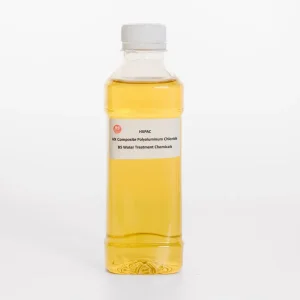
Formulated compound PAC designed to address difficult sludge conditioning applications, accelerating gravity sedimentation in modern mechanical dewatering processes.
View DetailsA technical brief on chemical regulations, environmental challenges, and operational requirements in the Nordic market.
Under Denmark's national Environmental Protection Act and Danish Action Plans for the Aquatic Environment, municipal wastewater treatment plants face exceptionally strict limits on total phosphorus (often target levels under 0.15 mg/L). Polyaluminium Chloride (PAC) represents the core chemical precipitation agent used to achieve these thresholds, forcing coagulant manufacturers to supply products with highly consistent Al-to-P binding ratios and low residual soluble aluminum.
Danish water purification operations must manage significant temperature swings, with surface and raw water falling below 4°C during winter months. Standard inorganic salts like traditional alum suffer from reduced hydrolysis kinetics in low temperatures, which limits floc development and increases water turbidity. Wuxi BS formulation science targets high basicity indexes (up to 85%), ensuring fast, dense poly-aluminum complex formation even at low water temperatures.
While global water treatment emphasizes sheer volume and cost-per-ton metrics, Denmark's circular economy requires high-purity coagulants that yield minimal sludge volumes and limit corrosive chloride build-up. As a specialized manufacturer, we adapt our polymer synthesis procedures to control polymer dispersion and aluminum speciation ($Al_{13}$ and $Al_{30}$ active oligomers). This limits the dosage rate required by Danish plants, aligning directly with Denmark's goal of carbon-neutral water utility operation.
Founded in 1998, Wuxi BS Water Treatment Chemicals Co., Ltd. has dedicated over two decades to developing polymer chemistry and inorganic coagulants. We specialize in synthesising advanced solutions for drinking water purification, municipal wastewater recycling, and complex industrial effluent treatment.
With an annual manufacturing capability exceeding 500,000 tons, our facilities feature automated PLC-controlled synthesis reactors, advanced spray drying towers, and clean packaging infrastructure. We maintain a constant ready-to-ship stock of 20,000 tons of finished products, ensuring reliable bulk supply to water utilities, distributors, and industrial facilities throughout Europe, especially serving the Denmark and Nordic markets.

High-performance coagulants, flocculants, and color removal agents synthesized under ISO 9001 and ISO 14001 quality controls.
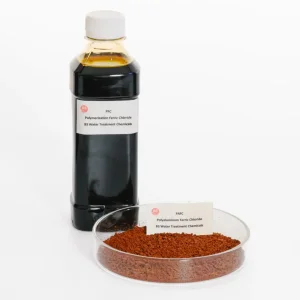
Combined action of iron and aluminum polymers. Delivers rapid settling velocity and heavy, dense floc formation for industrial organic wastewater applications.
View Details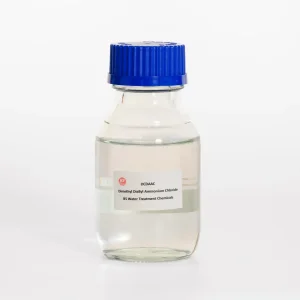
High-density cationic liquid polymer designed as a primary coagulant and filtration aid in paper mills and organic-heavy wastewater streams.
View Details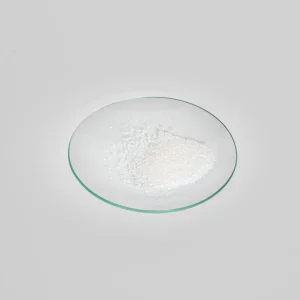
Ultra-high molecular weight water-soluble polymers designed to accelerate sedimentation rates and improve sludge cake dryness during filtration.
View Details
Low-iron colorless liquid featuring 10%-17% active Al2O3 content, ideal for municipal drinking water systems with low tolerance for transition metals.
View Details
Specifically processed to eliminate fine dust, preventing chemical caking in automatic dry feed dosing hoppers commonly installed in Danish water plants.
View Details
Optimized ratio formulation of active Fe and Al species, designed to remove colloidal organic matter and micro-pollutants in river intakes.
View Details
Highly concentrated liquid formulation with optimized charge density, improving the performance of dissolved air flotation (DAF) processes.
View Details
A synergistic blend of highly structured aluminum complexes designed to clear stubborn colloidal haze and difficult oily emulsions in industrial effluents.
View DetailsHow our chemistry aligns with the specific processes of Danish municipal and industrial infrastructure.
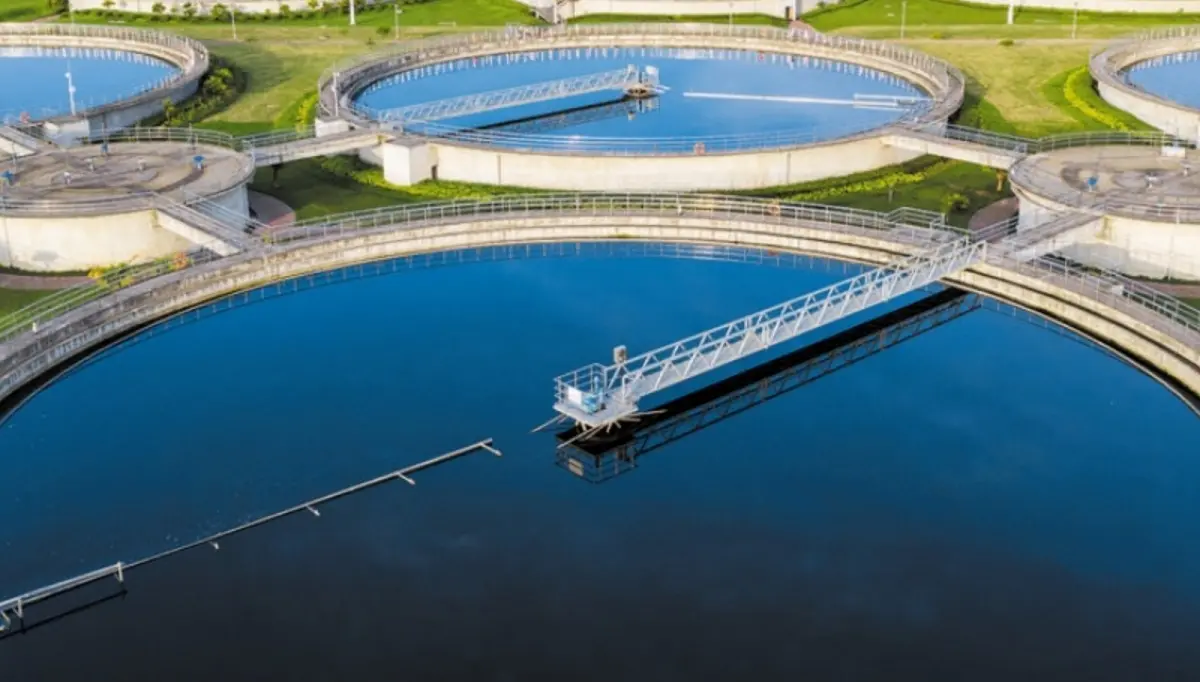
Our high-basicity PAC formulations provide reliable orthophosphate precipitation and rapid chemical settling, helping utilities meet strict Danish discharge limits with minimal sludge output.
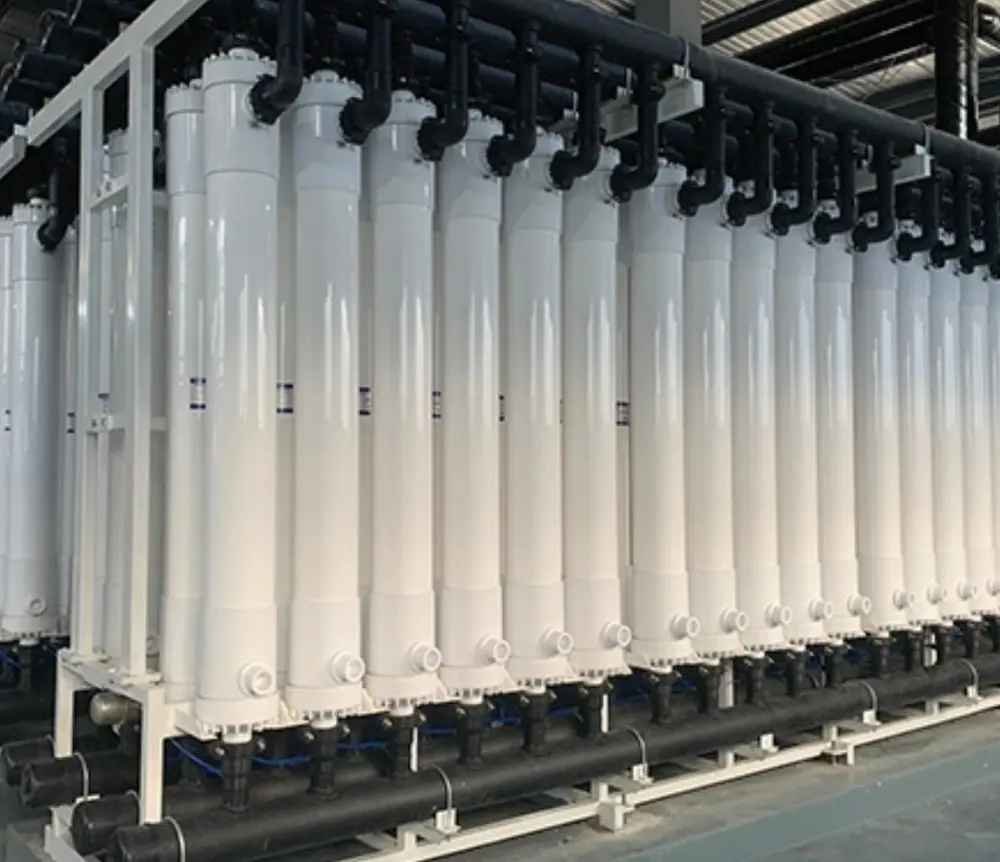
Designed for ultrafiltration and reverse osmosis setups, our PAC leaves minimal monomeric Al residuals. This prevents scale build-up and organic fouling, extending the lifespan of expensive membranes.
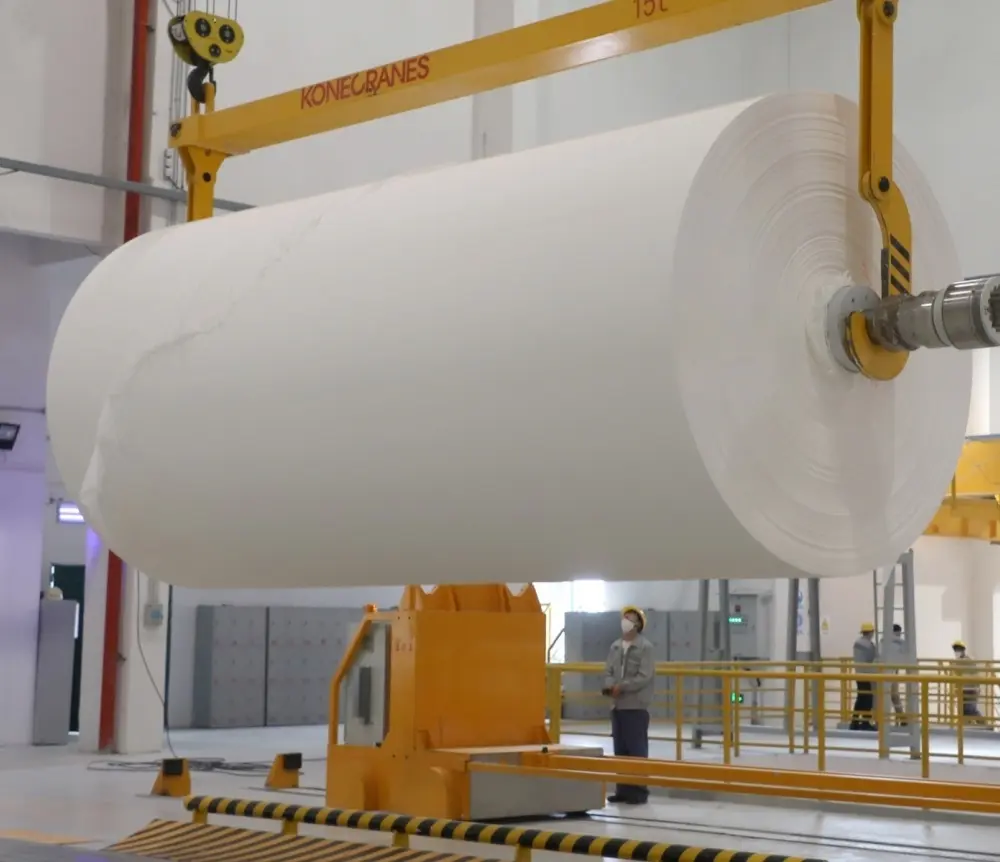
Optimized for retention, drainage, and process water recycling in cardboard and packaging mills. Our formulations clarify white water, helping mills operate highly closed-loop water systems.
Understanding the technical specifications and global logistics backing our chemical supply chain.
Importing industrial chemicals into Denmark requires compliance with strict European chemical regulations. Wuxi BS maintains complete compliance certifications for importing and distributing our coagulant range inside the EU:
To support varying feed configurations, we provide customizable packaging and cargo handling systems:
Decades of growth and technological expansion, evolving from a local manufacturer into a globally recognized water chemistry provider.
The factory was established, initiating production lines for inorganic aluminum salt coagulants.
Renamed as Wuxi Bisheng Water Treatment Agent Co., Ltd. following structural updates and capital investment.
Products began exporting globally via distributor partners, establishing presence in the European and Asian markets.
Annual export sales exceeded $10 million, establishing us as a key global partner for municipal water networks.
Dedicated foreign trade department established, offering direct technical consultation to specialized municipal clients in Europe.
Expert answers regarding PAC chemical application, dosing kinetics, and selection criteria.
Traditional alum (aluminium sulfate) relies on highly temperature-dependent hydrolysis to form coagulating species. When water temperatures fall below 4°C (typical in Danish winters), alum hydrolysis slows down significantly, resulting in weak flocs and high residual aluminum in the effluent. PAC contains pre-hydrolyzed polymeric aluminum structures (such as Al13 and Al30 cations). Because these polymers are already formed, their charge-neutralization capability remains stable in cold water, requiring lower chemical dosage and producing heavier flocs.
Basicity represents the ratio of hydroxyl ions (OH-) relative to aluminium ions (Al3+). Higher basicity PAC (above 75%) provides more polymeric charge sites, which are excellent for neutralizing negatively charged colloidal impurities. For pure chemical phosphorus precipitation, mid-to-high basicity indexes deliver an optimal balance of cationic charge density and solubility, helping plants meet strict European phosphorus regulations (effluents under 0.15 mg/L).
Yes. All chemicals shipped to Denmark and other EU member states are fully compliant with REACH registration requirements. We supply complete Safety Data Sheets (SDS) in accordance with CLP regulations, as well as documentation verifying compliance with EN 883 standards for drinking water chemicals.
Our solid PAC products use advanced spray-drying technology, which produces spherical, free-flowing particles with minimal dust. This helps prevent chemical bridging and caking inside bulk dry-chemical silos and volumetric feeders, ensuring reliable, automated dosing.
Typically, PAC is added first as a primary coagulant to neutralize charges and consolidate micro-flocs. A polymer (such as Cationic PAM) is then added to bridge these micro-flocs into larger macro-flocs for mechanical belt presses, centrifuges, or screw presses. Dosing points should be separated to avoid direct chemical reactions before dispersion.
Contact our chemical engineers for product selection assistance, dosing calculations, technical data sheets, and custom formulation quotes for the Danish market.
Our technical team responds to commercial RFQs and technical assessments within 24 hours.
 BS Water

