 BS Water
1 / 3

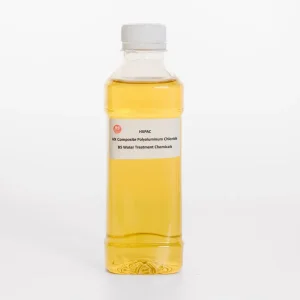
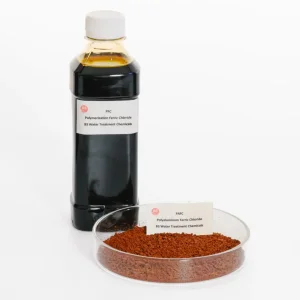
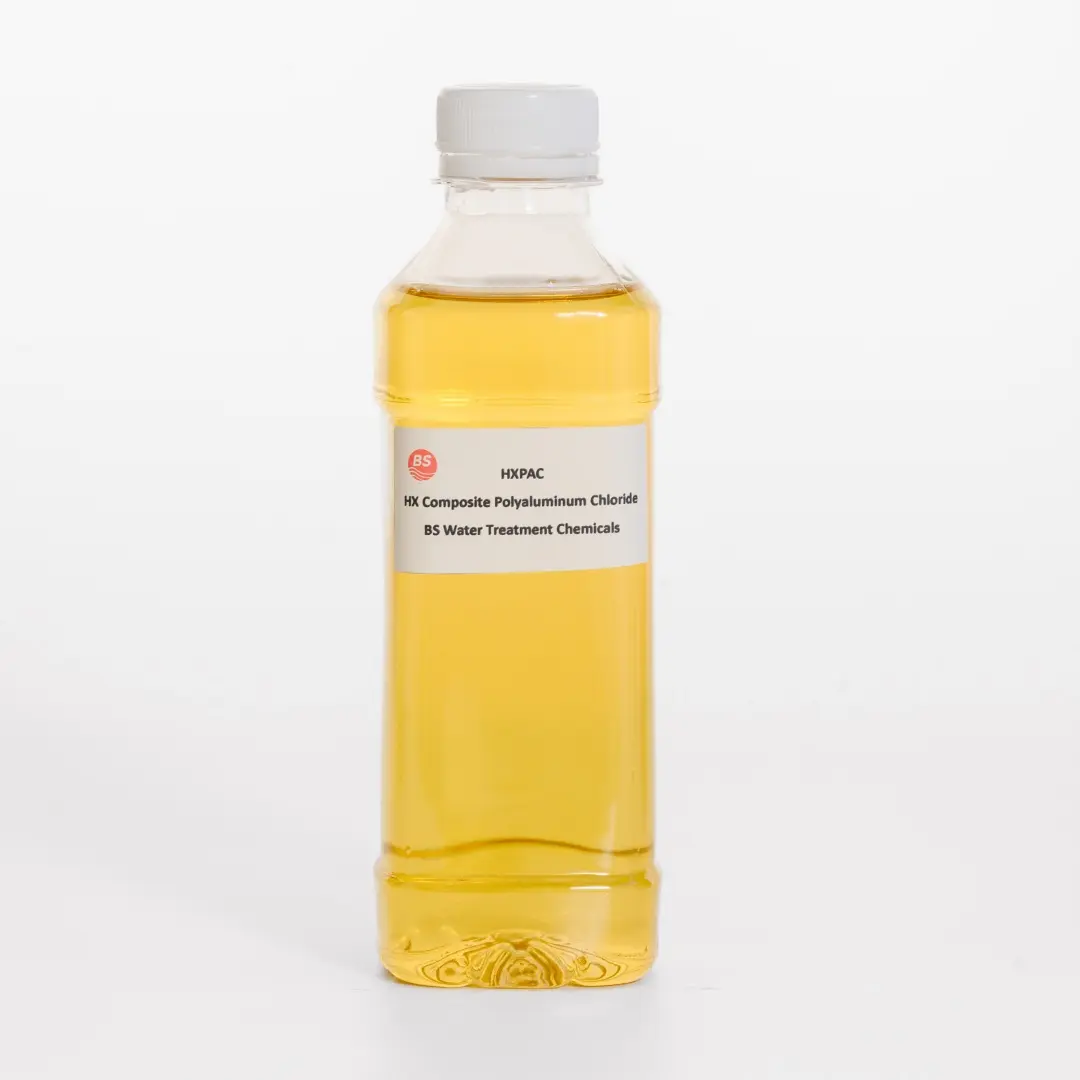
A1: CPAC is an advanced, modularly compounded coagulant that integrates standard Poly Aluminium Chloride with active agents like iron salts, diatomite, or organic bases to optimize performance for challenging industrial wastewater.
A2: Unlike single PAC which performs best within a pH range of 6-9, CPAC expands this working limit to pH 4-11 by compounding with specialized iron salts and organic bases, neutralizing both highly acidic and alkaline streams.
A3: CPAC can be chemically structured with complexing agents like sulfides or active carbon. This enables the direct precipitation and adsorption of toxic heavy metals such as Cr6+ and Cu2+ during the coagulation process.
A4: Yes. CPAC compounds incorporate materials like diatomite that result in denser, more compact flocs. This reduces the total generated sludge volume by 20% to 30%, lowering subsequent filtration and disposal costs.
A5: Liquid CPAC should be sealed and stored in a cool place below 30°C (with a 12-month shelf life). Solid CPAC must be kept in dry storage conditions below 60% humidity to prevent moisture absorption and caking.