Advanced chemical formulations engineered to withstand hard water matrices, high silica, and intense process loads typical in North American manufacturing hubs.
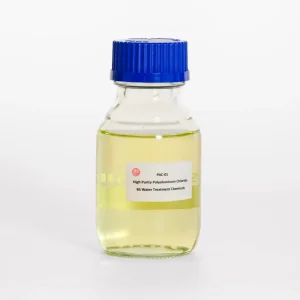
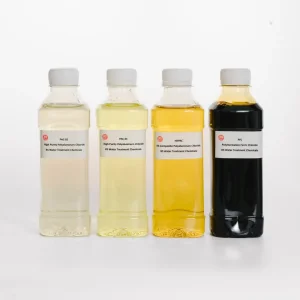
Executive Digest: Industrial development in Mexico—particularly across key manufacturing regions like El Bajío, Monterrey, and Querétaro—demands rigorous wastewater remediation strategies. Due to shifting hydrological standards and the implementation of NOM-001-SEMARNAT-2021, relying on conventional clarifiers is no longer sufficient. High-basicity Polyaluminium Chloride (PAC) has emerged as the premier technology to handle heavy colloid loads, stabilize turbidity, and optimize sludge handling. This white paper serves as an authoritative guide for chemical procurement officers, environmental plant managers, and engineering leads seeking to optimize their coagulation chemistry while strengthening global supply chain resilience.
Mexico is currently executing an industrial transformation. With nearshoring shifting massive manufacturing operations to northern and central states, municipal water resources and industrial wastewater plants are under unprecedented stress. Heavy sectors—such as automotive assembly in Puebla, mining in Zacatecas, chemical processing in Altamira, and food processing in Guanajuato—require high-volume process water, yielding highly complex effluent matrices.
In this regulatory landscape, CONAGUA (Comisión Nacional del Agua) enforces strict discharge limits to conserve natural aquifers. The enforcement of NOM-001-SEMARNAT-2021 sets challenging thresholds for Chemical Oxygen Demand (COD), Biochemical Oxygen Demand (BOD), Total Suspended Solids (TSS), and heavy metal concentrations. Traditional coagulants like standard aluminum sulfate (alum) fail to operate efficiently under these conditions because they significantly lower the pH, requiring massive dosages of lime or sodium hydroxide for neutralization.
This chemical offset increases chemical consumption and generates an excessive volume of sludge, leading to high disposal costs under local regulations. Polyaluminium Chloride (PAC), with its pre-polymerized, high-basicity structure, presents an efficient solution. It forms rapid, dense flocs that settle quickly, minimizing chemical consumption and sludge production while delivering cost-effective compliance.
Reduces COD, heavy metals, and suspended organic loads to meet revised federal wastewater parameters.
Performs exceptionally well in hard, mineral-rich aquifers of Northern Mexico (Monterrey, Saltillo) without compromising pH stability.
Reduces chemical consumption, dosing pump wear, and sludge disposal transportation overhead by up to 40%.
Polyaluminium Chloride is not a single chemical compound, but a group of inorganic polymers characterized by their basicity, which represents the degree of hydroxyl substitution. The general chemical formula is written as:
The performance of PAC is primarily determined by its Basicity, mathematically defined as:
Higher basicity means a greater concentration of highly charged polymerized aluminum species, specifically the Keggin-structure Al13 ([Al13O4(OH)24(H2O)12]7+) and Al30 polymers. These species exhibit exceptional charge neutralizing capabilities. In municipal and industrial wastewater, colloids carry negative charges that repel one another, keeping them suspended. The highly positive Al13 and Al30 clusters quickly neutralize these negative charges, allowing rapid flocculation.
For decades, traditional plants in Mexico used standard industrial Alum or Ferric Chloride. Below is a comparative analysis detailing why modern facilities are upgrading to Polyaluminium Chloride formulations:
| Parameters | Standard Alum (Aluminum Sulfate) | Ferric Chloride (FeCl3) | Polyaluminium Chloride (PAC) |
|---|---|---|---|
| Floc Formation Velocity | Slow (5–8 minutes) | Moderate (3–5 minutes) | Rapid (1–2 minutes) |
| Optimal pH Range | Narrow (6.0 – 7.5) | Wide (5.0 – 11.0) | Very Wide (5.0 – 9.0) |
| Alkalinity Depletion | High (Needs constant pH buffer) | High (Extremely corrosive) | Minimal (Pre-hydrolyzed) |
| Sludge Footprint | High volume, high moisture content | Heavy, hard-to-dehydrate sludge | Compact, dense, easily dehydrated |
| Cold Water Efficiency | Poor (Flocs fail to settle) | Moderate | Excellent (Maintains performance) |
| Corrosivity to Equipment | Moderate to High | Extreme (Causes high wear) | Low (Safeguards steel and dosing lines) |
Deploying PAC requires tailored chemical dosing, raw water assessment, and process line adaptation. Below are the standard operational protocols developed for Mexico's primary industrial sectors:
In states like Zacatecas, Sonora, and Chihuahua, mining operations generate tailings laden with heavy metals, arsenic, and ultra-fine silica dust. Traditional coagulants yield slow settling rates, causing tailings ponds to overflow and violate environmental standards.
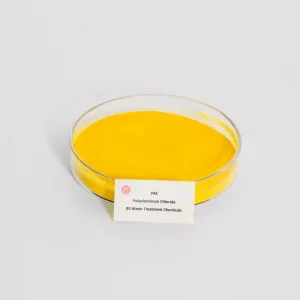
PAC Protocol: High-purity solid PAC powder with 29%-30% Al2O3 content is introduced into the thickener feed well. Acting as a charge-neutralizing agent, it destabilizes negatively charged colloidal silica. When paired with anionic polyacrylamide (APAM) for bridging, floc settling rates increase by up to 300%, allowing clear water recycle back to the processing plant.
Mexico's massive automotive corridor (Puebla, Guanajuato, San Luis Potosí) discharges complex wastewater streams containing emulsified cutting oils, surfactants, and paint pigments.
PAC Protocol: Liquid PAC formulation (10%-18% active Al2O3) is dosed directly into the rapid-mix chamber of the dissolved air flotation (DAF) unit. Operating across a wide pH range, the pre-polymerized aluminum ions destabilize surfactant-stabilized oil droplets, breaking the emulsion and allowing the oil flocs to float and be skimmed off easily.
Paper mills in Mexico require raw water clarification for high-brightness paper production and treatment of highly colored black liquor effluent.
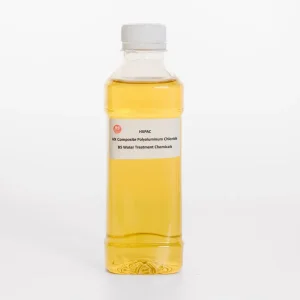
PAC Protocol: Moderate-basicity composite PAC (often integrated with polymeric ferric salts) is dosed into the primary clarifier. The polymeric ferric component enhances organic color removal by binding humic and fulvic acids, while the active aluminum clusters capture fine cellulose fibers. This process reduces downstream biological load and facilitates the recovery of valuable fiber.
Providing safe, clean drinking water to rapidly growing metropolitan areas like Mexico City, Guadalajara, and Monterrey is a major municipal challenge.
PAC Protocol: High-purity, low-iron solid PAC (PAC-01) is prepared in automated dilution tanks. The low heavy metal content meets strict potable standards. It effectively reduces raw water turbidity from seasonal river runoffs, keeping residual aluminum levels below the strict limits mandated by the Mexican Ministry of Health.
Importing heavy chemical agents into Mexico requires a strong understanding of local customs, transport safety regulations, and environmental guidelines. Working with a supplier that understands these local requirements is key to avoiding customs delays and plant downtime.
All imported chemicals must comply with Cofepris standards and have detailed safety documentation, including safety data sheets (SDS) formatted under the GHS (Globally Harmonized System) in Spanish. Additionally, the shipping labels must display the proper UN chemical classification numbers for customs inspections at major ports like Manzanillo and Altamira.
Wuxi BS Water Treatment Chemicals works closely with top customs brokers and logistics providers to coordinate containerized shipments. Whether shipping solid PAC in moisture-resistant 25kg PP bags or liquid formulations in heavy-duty IBC totes, we provide complete documentation, including certificates of analysis (COA) for every batch. This rigorous quality control ensures your import process is smooth, compliant, and reliable.
Wuxi BS Water Treatment Chemicals Co., Ltd. represents the peak of modern chemical manufacturing. Established in 1998, our 27 years of dedicated research and development have transformed our facility into a highly automated, digital-first plant designed for consistent quality and high-volume production.
Our production facility is equipped with automated reactor monitoring systems, digital raw material feeding machinery, and online quality control systems. By precisely controlling reaction temperatures, pressure, and acid-base ratios, we ensure that every batch of Polyaluminium Chloride reaches its exact target basicity and polymer structure. This high precision minimizes impurities and prevents powder caking, ensuring reliable performance in your dosing lines.
In today's volatile supply chain market, we offer stability. With an annual sales volume exceeding 500,000 tons and a finished product warehouse capacity of over 20,000 tons, we can buffer against shipping delays and sudden demand surges. Choosing Wuxi BS as your supplier gives you access to direct manufacturer pricing, consistent quality, and a reliable global supply chain.
We can customize basicity levels (from 50% up to 85%), adjust Al2O3 concentrations for liquid blends, and formulate multi-valent composite coagulants (such as PAFC) to target specific industrial contaminants.
Procuring water treatment chemicals is not just about the cost per ton of powder. Savvy procurement managers evaluate the Total Cost of Ownership (TCO), which factors in shipping costs, chemical dosing efficiency, equipment maintenance, and sludge disposal fees. Choosing a high-performance, high-basicity coagulant can significantly reduce your overall operating expenses:
Send us your water analysis report (pH, turbidity, heavy metals, silica, and COD levels), and our engineering team will recommend the optimal PAC formulation for your plant.
Connect with a Water SpecialistExplore our full range of water treatment chemistries, manufactured under strict ISO 9001:2015 quality standards for worldwide industrial distribution.
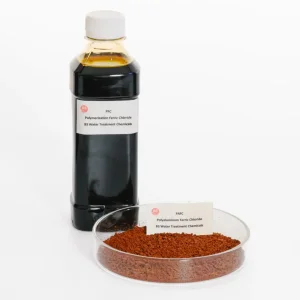
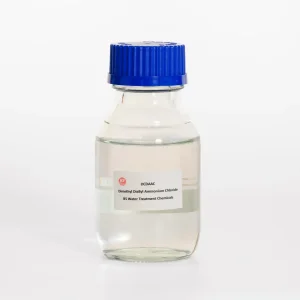
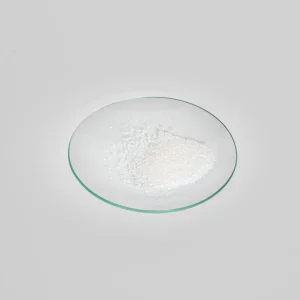
A history of innovation, infrastructure development, and commitment to global environmental sustainability.
Production facility established to manufacture basic aluminum coagulants.
Renamed to Wuxi Bisheng Water Treatment Agent Co., Ltd. to focus on polymer R&D.
Expanded operations globally, shipping high-basicity PAC to international distributors.
Annual export sales exceeded $10 million, supporting major infrastructure projects.
Established dedicated foreign trade department to provide direct support to global clients.
Developing eco-friendly, carbon-neutral manufacturing processes for next-generation water chemistry.
Expert answers to common technical, logical, and application questions regarding PAC in industrial water treatment.
Solid PAC is a dry powder containing 28% to 30% active Al2O3. It is highly concentrated, has a long shelf life (up to 2 years), and is very cost-effective to ship long distances. However, it requires a dissolution tank and mixer on-site before dosing. Liquid PAC is a pre-diluted solution containing 10% to 17% active Al2O3. It can be dosed directly into your treatment lines with minimal prep work, but has a higher shipping footprint per unit of active ingredient and a shorter storage life.
Basicity represents the degree of polymerization of the aluminum ions. High-basicity PAC (typically 75% to 85%) has a high concentration of highly charged Al13 and Al30 polymers. These large molecular structures quickly neutralize negative charges on suspended particles, forming large, fast-settling flocs. High-basicity formulations also deplete less of the water's natural alkalinity, reducing the need for post-treatment pH adjustments with lime or caustic soda.
Yes. NOM-001-SEMARNAT-2021 sets strict limits on heavy metals, chemical oxygen demand (COD), and total suspended solids (TSS) in discharged wastewater. The rapid charge-neutralization and adsorption properties of high-purity PAC help trap heavy metal ions and colloidal organic matter within the settling floc, significantly improving your primary clarifier's efficiency and reducing downstream loading on secondary treatment stages.
Solid PAC powder should be stored in a dry, well-ventilated warehouse, away from moisture and humidity, to prevent caking. When stored correctly in its original moisture-resistant packaging, it remains stable for up to 2 years. Liquid PAC should be stored in corrosion-resistant tanks (such as fiberglass, PE, or rubber-lined steel) and is best used within 6 months, as the active polymer chains can slowly degrade over extended periods.
Our manufacturing facility operates under a strict ISO 9001:2015 quality management system. We use automated dosing reactors to control temperatures and reactant concentrations, ensuring every batch reaches its target Al2O3 content and basicity. We test every single production batch in our on-site laboratories and provide a comprehensive Certificate of Analysis (COA) with every shipment, ensuring consistent performance in your treatment lines.
Whether you are looking to run pilot testing, optimize your chemical dosing rates, or secure container-load shipments to Mexican ports, Wuxi BS is here to support you. Connect with our engineering and logistics specialists to request samples, technical documents, or custom pricing.


Submit your water parameters below to receive an engineering recommendation and quotation.
 BS Water