 BS Water
Hamburg's Industrial Effluent Challenges & High-Performance Water Decoloring Agents
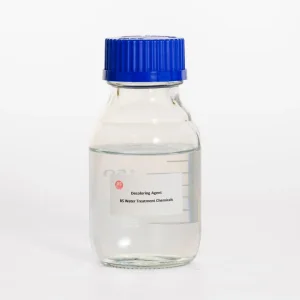
As Northern Europe's leading logistics hub and the location of Germany’s second largest port, Hamburg supports a heavy industrial zone that relies heavily on strict environmental compliance. The industrial wastewater generated in the metropolitan area must satisfy stringent local and national clean-water standards. In industrial applications such as printing ink production, papermaking, textile processing, and chemical synthesis, water decoloration remains a complex challenge. High-performance cationic polymers—specifically dicyandiamide formaldehyde-based Water Decoloring Agents (WDA)—play a critical role in treating these wastewater streams.
Hamburg’s Local Industrial Context
The chemical parks and manufacturing plants surrounding the Elbe River and Hamburg Port operate under the strict supervision of the Hamburg Senate for Environment and Energy (BUEA) and comply with the European Union Water Framework Directive (WFD). The Port of Hamburg’s proximity to residential and marine ecosystems means local factories cannot discharge untreated, colored wastewater. Colored discharges block light penetration, reducing dissolved oxygen levels and disrupting aquatic flora and fauna. By using advanced cationic polymers, operators in areas like Billbrook-Rothenburgsort can remove dye residues, protect municipal treatment plants, and keep their wastewater parameters well within regulatory limits.
Decolorization vs. Coagulation: Choosing the Right Agent
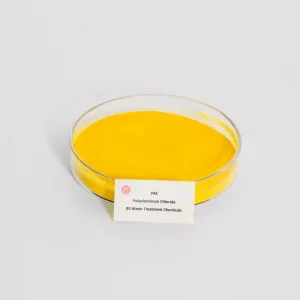
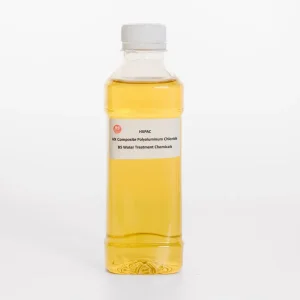
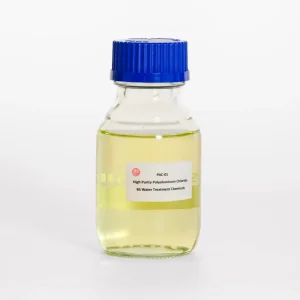
Many procurement teams mistake standard coagulants like Polyaluminum Chloride (PAC) or Polyacrylamide (PAM) as complete solutions for high-concentration dye wastewater. While PAC is an effective primary coagulant for general suspended solids, it cannot break down complex organic dye molecules. WDAs target these dissolved color groups directly, ensuring low turbidity and reducing organic loading in a single, efficient process step.