Water Decoloring Agent Supplier & Suppliers in the Philippines Market

Providing cutting-edge, high-molecular cationic polymers engineered to satisfy DENR Administrative Order No. 2016-08 (DAO 2016-08) regulations. Optimised for maximum color, COD, and turbidity reduction across textile, paper, and industrial wastewater treatment plants.

Send Inquiry Now

Featured Water Clarification Solutions

Premium coagulants and polymeric decoloring formulas targeting industrial wastewater treatment complexes across the Philippine archipelago.
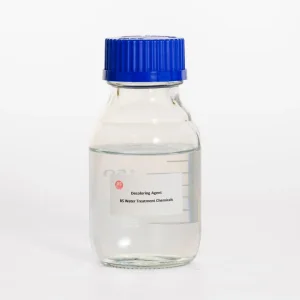
Philippine Industrial High-Efficiency Water Decoloring Agent

Philippine Industrial High-Efficiency Water Decoloring Agent (WDA)

Technical Details
High-Charge Density PDADMAC for Philippine Water Systems

High-Charge Density PDADMAC for Philippine Water Systems

Technical Details
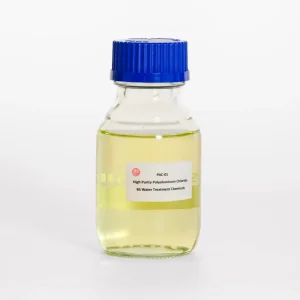
High Purity PAC for Manila Municipal Water

High Purity PAC (10%-17% Active Content) for Manila Municipal Water

Technical Details
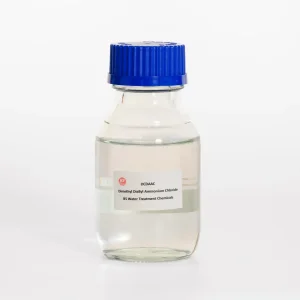
Polydiallyldimethylammonium Chloride for Bulacan Paper Mills

Polydiallyldimethylammonium Chloride (PDADMAC) for Bulacan Paper Mills

Technical Details

The Philippine Industrial Water Crisis & Effluent Regulations

Rapid industrialization across regional hubs such as Calabarzon (Cavite, Laguna, Batangas, Rizal, and Quezon), Bulacan, and Metro Manila has put massive pressure on the country's water resources. The Department of Environment and Natural Resources (DENR) has subsequently tightened environmental policies. Under DENR Administrative Order No. 2016-08 (DAO 2016-08), color (expressed in ADMI or Pt-Co units) is strictly regulated alongside Chemical Oxygen Demand (COD) and Total Suspended Solids (TSS).

"Meeting DAO 2016-08 is no longer a matter of basic filtration. Highly colored industrial discharges from textile printworks, pulp plants, and chemical manufacturers require targeted cationic polymer intervention to destabilise, precipitate, and filter stubborn organic chromophores."

Traditional metal salts (like alum or ferrous sulfate) generate massive volumes of heavy sludge, which are expensive to treat under the Philippine RA 6969 Toxic and Hazardous Substances Act. Our advanced formulation of cationic polymeric dicyandiamide-formaldehyde resins minimizes sludge footprint, reduces neutralizing agent costs, and reliably achieves complete decolorization in high-turbidity systems.

Water Decoloring Application Philippine Factories

Technical Roadmap & Chemical Mechanism of Decolorization

A deep dive into how high-density cationic polymers react with anionic dyes and colloidal matter to yield highly clean effluents.

Charge Neutralization

Anionic dye chromophores (e.g., reactive, direct, and acid dyes) carry a negative charge. Our cationic water decoloring agent injects high-density positive charges that immediately destabilize these dye molecules, pulling them out of solution.

Adsorption & Bridging

Once charge neutralization occurs, the polymer chain captures the destabilized particles. The long-chain molecules act as bridges, binding micro-flocs together into large, fast-settling macro-flocs for easy mechanical separation.

Co-Precipitation & COD Reduction

By trapping organic pigments and colloidal matter in flocs, WDA significantly reduces the Chemical Oxygen Demand (COD) of industrial discharge. This process helps operations achieve BOD/COD ratio compliance without additional biological load.

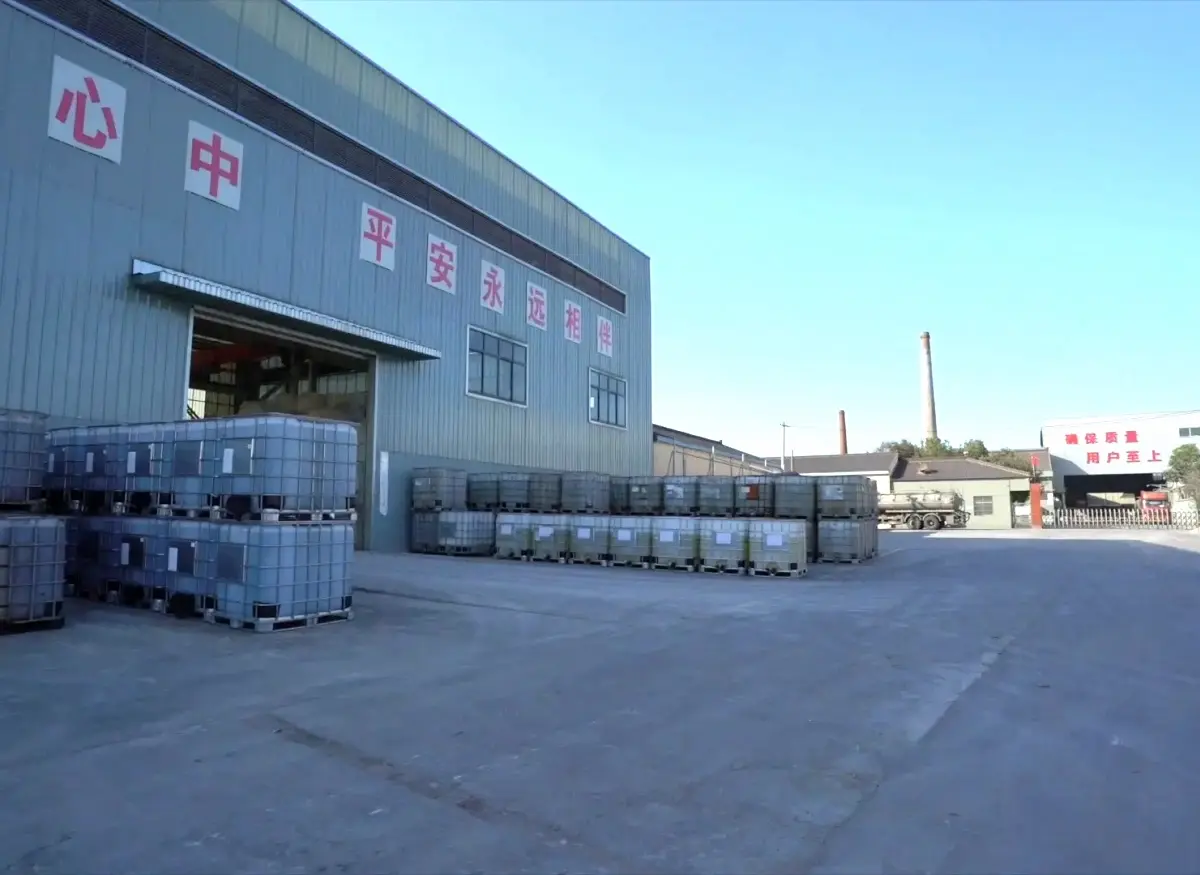
Wuxi BS Water Treatment Chemicals Co., Ltd.

A global leader in water treatment technology with 27 years of dedicated experience supplying reliable wastewater chemicals.
27+
Years of Chemical Manufacturing & R&D Excellence
500k+
Tons Annual Sales Volume Delivered Globally
20k+
Tons Modern Finished Product Storage Capacity
1,000+
Industrial Enterprises Served Worldwide
Philippine Industrial Water Treatment Plant

Industrial Decolorization Scenarios in the Philippines

Different industrial processes across the Philippines face unique wastewater challenges that demand tailored chemical solutions:

  • Textile & Dyeing (Calabarzon / Bulacan): Highly colored discharges containing reactive and disperse dyes are efficiently clarified, avoiding downstream discoloration in public waterways.
  • Pulp & Paper Mills (Central Luzon): Raw lignin degradation yields dark, concentrated organic wastewater. Our high-charge cationic polymers neutralize and flocculate these residues, reducing COD by up to 50%.
  • Sugar Refineries & Distilleries (Negros Occidental / Iloilo): Cane sugar processing and molasses wash produce dark brown waste. High-charge polymers effectively precipitate these dense color compounds.
  • Municipal Water Treatment (Laguna Lake Basin): High-purity PAC and PDADMAC compounds optimize raw water purification, helping municipal operators consistently meet color standards.

Comprehensive Water Treatment Product Catalog

A full range of high-efficiency coagulants, flocculants, and decolorizing agents designed for industrial water purification systems.
Low Dust Poly Aluminium Chloride Solid Granules for Calabarzon

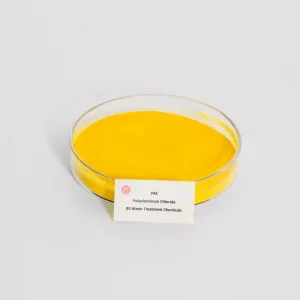
Low Dust Poly Aluminium Chloride (PAC) Solid Granules for Calabarzon

Technical Details
Industrial Grade Liquid Polyaluminium Chloride for Sugar Refineries

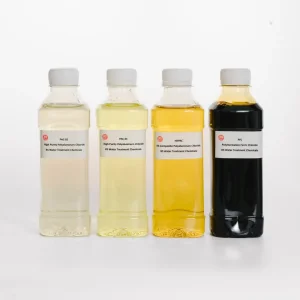
Industrial Grade Liquid Polyaluminium Chloride (PAC) for Sugar Refineries

Technical Details
High Purity PAC Water Purification Solutions for Cebu Industrial Zones

High Purity PAC Water Purification Solutions for Cebu Industrial Zones

Technical Details
Premium Grade Cationic PDADMAC Flocculants for Heavy Industry

Premium Grade Cationic PDADMAC Flocculants for Heavy Industry

Technical Details
Integrated Water Decolorizing Solution for Philippine Dyeing Plants

Integrated Water Decolorizing Solution (WDA) for Philippine Dyeing Plants

Technical Details
Cationic PDADMAC Coagulant for Mining & Ore Processing

Cationic PDADMAC Coagulant for Mining & Ore Processing in Mindanao

Technical Details
High Purity 10%-15% PAC Liquid Coagulant for Food & Beverage

High Purity 10%-15% PAC Liquid Coagulant for Food & Beverage Sector

Technical Details
White/Yellow PAC Solid Granules for Municipal Drinking Water Projects

White/Yellow PAC Solid Granules for Municipal Drinking Water Projects

Technical Details

Additional Formulations

High Molecular Weight Anionic Polyacrylamide for Sludge Dewatering

High Molecular Weight Anionic Polyacrylamide (APAM) for Sludge Dewatering

Technical Details
Cationic Water Decolorizing Agent for Textile Mills in Calabarzon

Cationic Water Decolorizing Agent for Textile Mills in Calabarzon

Technical Details
Cationic Polymer Decoloring Agent for Pulp & Paper Wastewater Treatment

Cationic Polymer Decoloring Agent for Pulp & Paper Wastewater Treatment

Technical Details
Liquid PAC Coagulant with 10%-15% Active Ingredient for Industrial Reuse

Liquid PAC Coagulant with 10%-15% Active Ingredient for Industrial Reuse

Technical Details

Our Business & Technical Evolution

A history of development dedicated to innovation and expanding supply capabilities for industrial water treatment.

1998

Manufacturing facility established to produce high-molecular polymers for water treatment applications.

2005

Renamed Wuxi Bisheng Water Treatment Agent Co., Ltd., focusing on developing cationic decoloring agents.

2007

Began global exports via specialized distribution channels, establishing supply footprints in Southeast Asia, including the Philippines.

2021

Annual export sales reached USD 10 million, reflecting strong adoption of our WDA, PAC, and PDADMAC lines.

2025

Established a dedicated foreign trade department to provide direct technical support, custom blending services, and simplified logistics for Philippine industrial plants.

Future Development

Expanding eco-friendly, bio-based cationic polymer options to support next-generation environmental standards in global water treatment.

Technical FAQ - Water Decoloring Agents

Expert answers to common technical questions about WDA applications, dosage, and regulatory compliance.

What is the optimal pH range for Water Decoloring Agents (WDA)?
Our WDA operates effectively across a pH range of 6.0 to 10.0. For optimal color removal and chemical efficiency, a neutral to slightly basic pH of 7.0 to 8.5 is recommended. Adjusting the pH within this window ensures maximum charge density interaction between the cationic polymer and anionic dyes.
How does WDA compare to traditional metal salts like Alum or Ferrous Sulfate?
WDA is a highly concentrated organic polymer. Unlike inorganic metal salts, it does not alter water pH or generate heavy chemical sludge. By reducing sludge volume by 40% to 60%, it lowers waste disposal costs under Philippine RA 6969 regulations.
Is it necessary to use Polyaluminium Chloride (PAC) alongside WDA?
While WDA can be used independently for decolorization, combining it with an inorganic coagulant like PAC often improves results. PAC forms initial micro-flocs that enhance the efficiency of WDA, reducing overall chemical consumption and lowering treatment costs.
Does WDA help reduce Chemical Oxygen Demand (COD) in wastewater?
Yes. By precipitating dissolved organic colorants and suspended particles, WDA typically reduces COD by 30% to 60%. This reduction supports compliance with the strict effluent limits of DAO 2016-08.
What is the shelf life and storage requirement in tropical climates?
Our formulations are designed to remain stable in hot and humid tropical climates. WDA has a shelf life of 12 months when stored in original, sealed containers in a cool, well-ventilated area away from direct sunlight, at temperatures between 5°C and 35°C.

Request a Technical Consultation & Free Product Sample

Contact Wuxi BS Water Treatment Chemicals. Our application engineers can assist you with product selection, jar tests, and process optimization to help your facility meet local environmental standards.

AI Tech Assisted