Q1
What types of dyes can the water decoloring agent effectively treat?
The water decoloring agent is effective against a wide range of refractory pigments, including reactive dyes (e.g., reactive red, reactive blue), direct dyes (e.g., direct yellow, direct black), sulfur dyes, acid dyes, and disperse dyes. It achieves a decolorization rate of ≥95% for these dye types, making it suitable for most industrial dyeing wastewater scenarios.
Q2
What is the recommended pH range for using this decoloring agent?
The product maintains stable effectiveness across a broad pH range of 3-11, with optimal performance achieved at pH 6-9. This wide adaptability makes it compatible with over 90% of industrial wastewater treatment scenarios without requiring significant pH pre-adjustment.
Q3
How quickly does the decoloring agent work after dosing?
The decoloring agent acts rapidly — large flocs begin to form within just 3 minutes after dosing. The fast floc formation leads to quick sedimentation, significantly reducing treatment cycle times and improving overall wastewater processing efficiency.
Q4
Is this product suitable for high-salinity or high-temperature wastewater?
Yes. The water decoloring agent is specifically formulated to resist challenging conditions. It performs reliably in high-salinity environments (salinity ≤5%) and maintains full effectiveness at elevated temperatures up to 60°C, with no performance degradation observed below that threshold.
Q5
What industries can benefit from using this water decoloring agent?
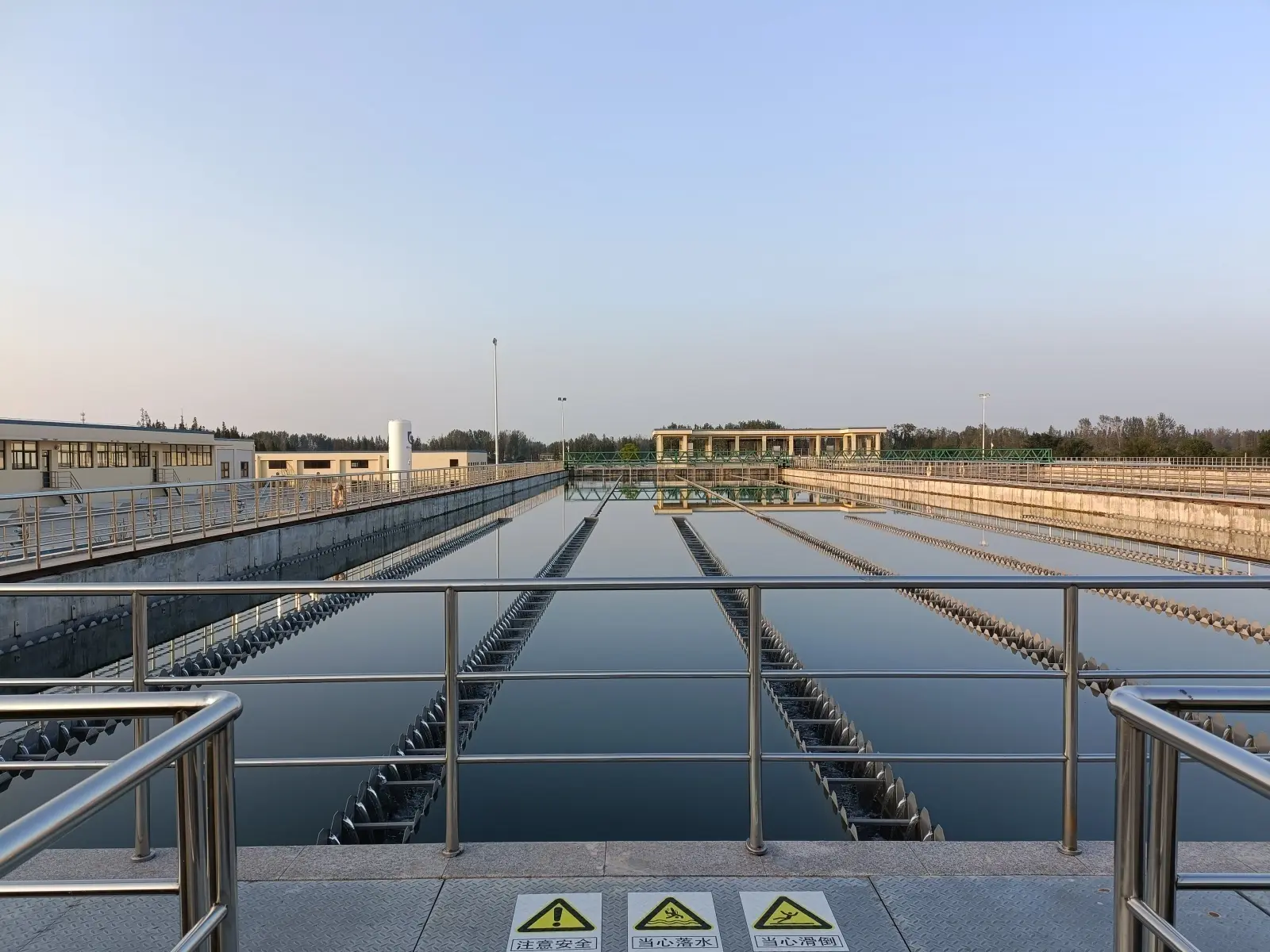
This product is applicable across a broad range of industries, including textile dyeing and finishing, dye and pigment manufacturing, ink production, papermaking (black liquor treatment), electroplating (chromium/copper-containing wastewater), and chemical processing (phenol/aniline-containing wastewater). It is also effective for wastewater with high suspended solids content.
Q6
What are the available packaging options and storage requirements?
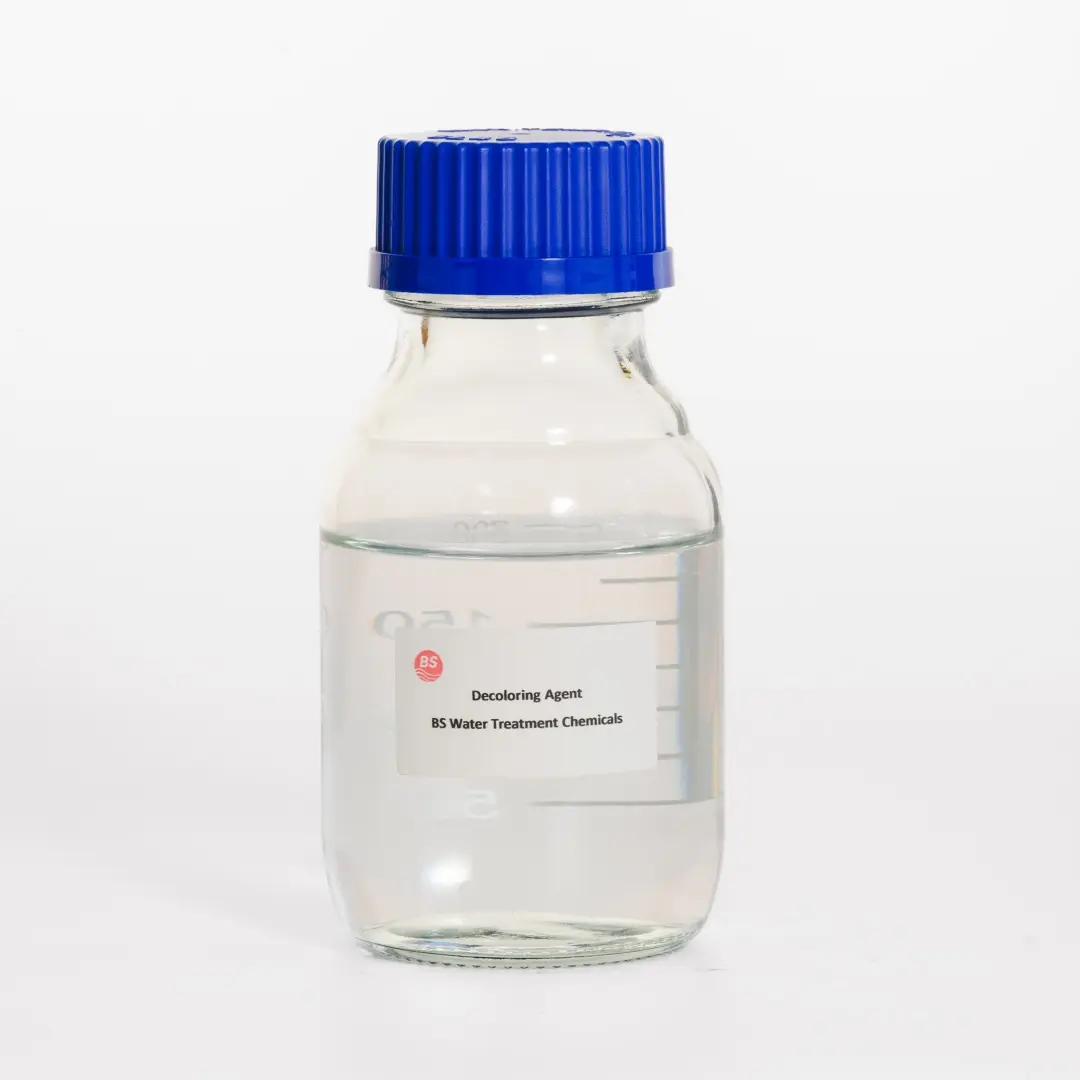
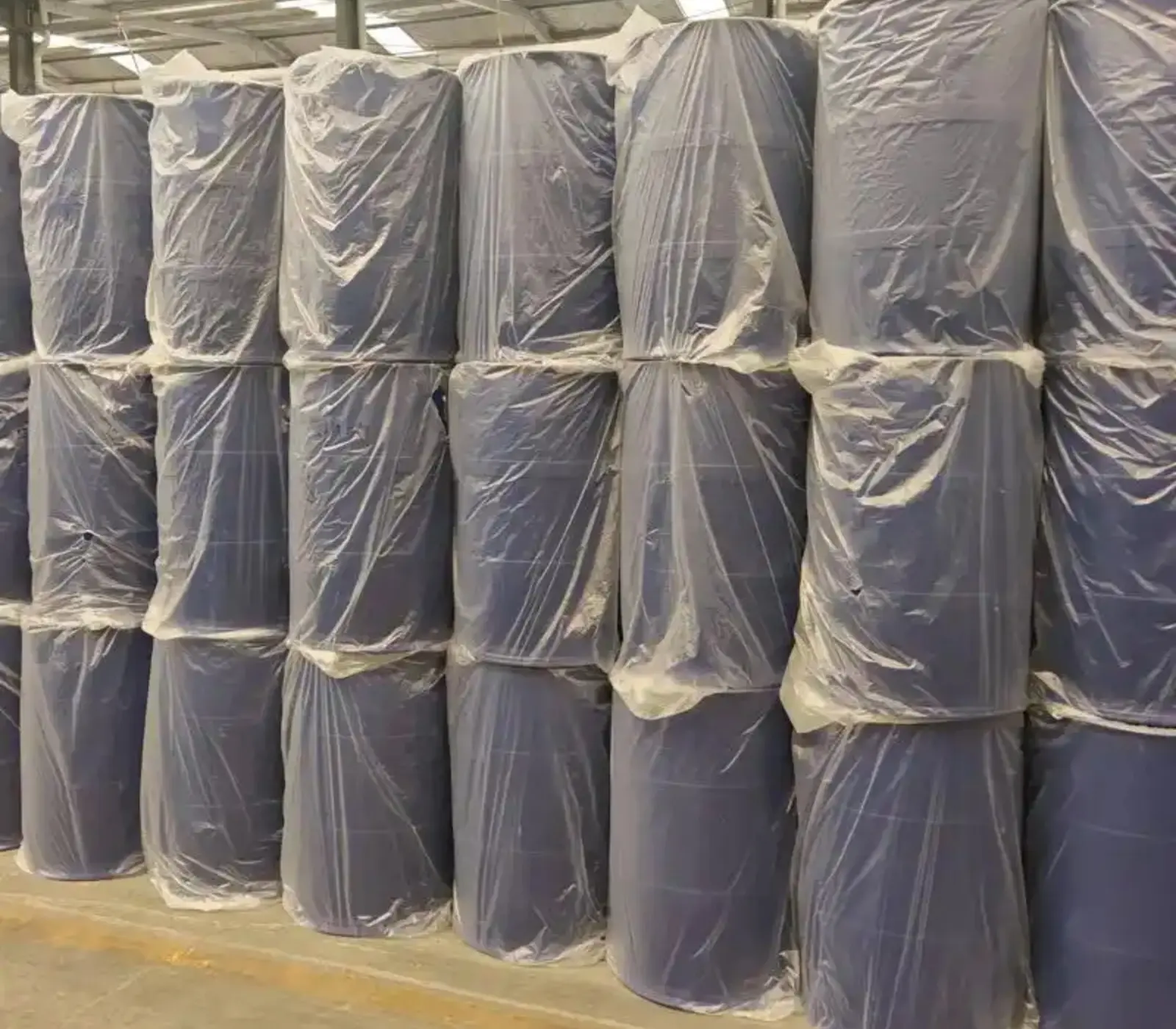
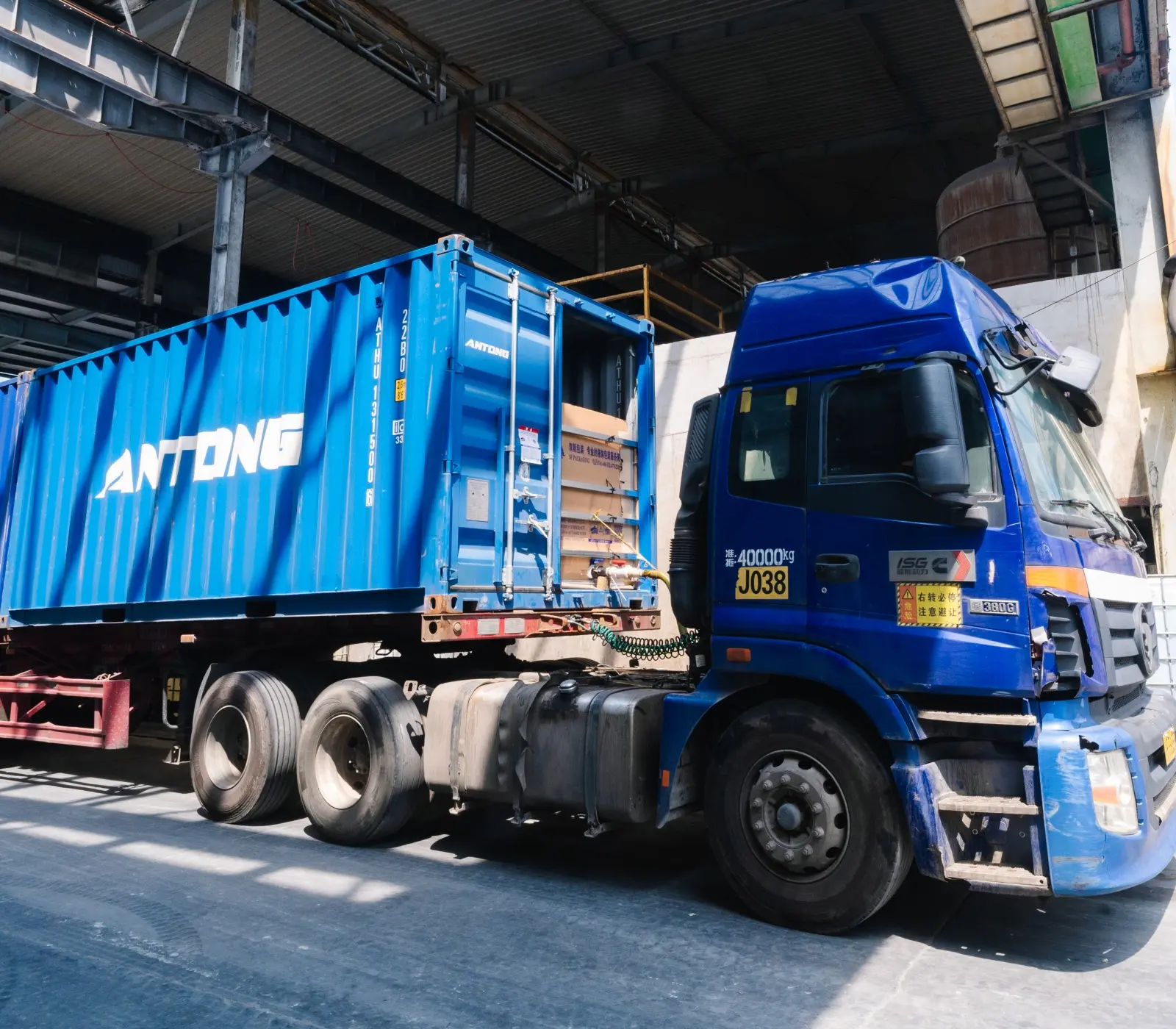
The liquid decoloring agent is available in 200L plastic drums and 1000L IBC totes to accommodate different usage scales. For storage, it should be kept in a cool, well-ventilated area away from direct sunlight to preserve product stability and shelf life.
 BS Water