Engineered formulations supporting advanced sedimentation, decolorization, and purification in large-scale cooling loops and industrial processes.
An authoritative analysis of modern water recycling loops, focusing on thermodynamic efficacy, scaling constraints, and compliance mandates.
Industrial cooling water systems form the thermodynamic backbone of modern processing sectors, including petrochemical refining, power generation, metal smelting, and heavy manufacturing. Without effective chemical intervention, cooling loops suffer from the compounding threats of mineral crystallization (scaling), metal degradation (corrosion), and biological fouling. Global shifts toward higher cycles of concentration (CoC) to minimize raw freshwater intake have exponentially heightened the concentration of dissolved ions, demanding robust polymer structures and inorganic coagulants designed to work in high-ionic strength regimes.
As water quality guidelines tighten under worldwide sustainability mandates, the chemical management of heat exchangers must focus on reducing discharge footprints. This necessitates transitioning from traditional chromate-based and high-phosphorus formulations to highly efficient, biodegradable, or low-dose polymeric treatment options. In this context, coagulation, charge-neutralization, and polymeric flocculation play critical roles in pretreating make-up water, treating blowdown discharge, and maintaining optimal heat exchange rates across global industries.
Calcium carbonate, calcium sulfate, and silica accumulation restrict heat transfer, driving up energy costs and forcing unscheduled plant shutdowns. High basicity coagulants help precipitate and clarify these precursors in pre-treatment.
High concentrations of dissolved chloride and sulfate ions stimulate galvanic corrosion on metallurgy. Proper passivation chemistry, supported by customized polymeric dispersants, stabilizes protective films on steel surfaces.
Extracellular polymeric substances (EPS) produced by bacterial populations act as thermal insulation. Dosing highly cationic polymeric biocides like PDADMAC helps neutralize charge interfaces and control microbiological growth.
A technical guide to molecular structures, charge densities, and functional dynamics of water treatment polymers.
| Chemical Agent | Active Al₂O₃ / Active Content | Basicity Range | Primary Technical Mechanism | Target Applications |
|---|---|---|---|---|
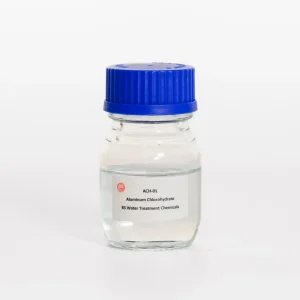
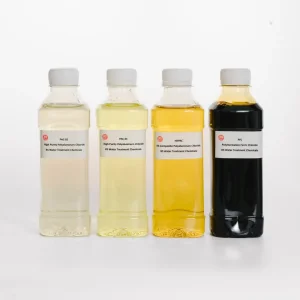
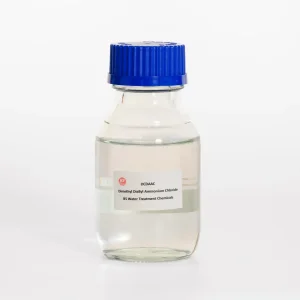
| Aluminum Chlorohydrate (ACH) | 23% - 24% | 82% - 85% | High positive charge density; optimal charge-neutralization and colloidal destabilization. | Pre-treatment loops, high purity raw water clarification, drinking water. |
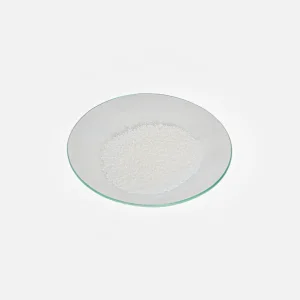
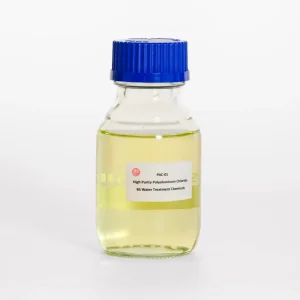
| Polyaluminium Chloride (PAC) | 10% - 15% (Liquid) / 30% (Solid) | 50% - 80% | Rapid Al₁₃ polycationic species formation leading to sweep-flocculation. | Industrial wastewater sedimentation, cooling blowdown treatment. |
| Cationic Polyacrylamide (CPAM) | ≥ 90% (Solid powder) | N/A (Cationic Degree 10%-60%) | High molecular weight polymer bridging of destabilized particulate flocs. | Sludge dewatering, floc acceleration in clarifiers, organic solids removal. |
| PDADMAC | 20% - 50% (Liquid solution) | N/A (Strong Cationic Polymeric) | Neutralizes negative surface charges of microscopic colloids and algae cells. | Algae control in cooling basins, secondary sedimentation optimization. |
| Water Decolorizing Agent (WDA) | ≥ 50% | N/A (Dicyandiamide Formaldehyde) | Strong cationic charge association with highly colored anionic substances. | Dye removal, textile wastewater discharge, organic carbon polishing. |
In industrial cooling operations, suspended solids, silica, and organic fragments carry negative zeta potentials, preventing natural aggregation due to electrostatic repulsion. The introduction of High Basicity Aluminum Chlorohydrate (ACH) or Polyaluminium Chloride (PAC) releases highly charged polycationic complexes. These species adsorb onto the particle surfaces, reducing the zeta potential toward zero and encouraging the formation of microflocs.
Once these microflocs form, high molecular weight Cationic Polyacrylamide (CPAM) chains act as bridging agents. The long polymer chains capture multiple microflocs simultaneously, forming larger, denser macroflocs that settle out of suspension. This dual-action approach ensures rapid sedimentation rates, low effluent turbidity, and minimal sludge volume in raw water clarifiers and sludge handling systems.
A Technology Leader with 27 Years of Expertise in Industrial & Municipal Water Treatment Chemistry.
Founded in 1998, Wuxi BS Water Treatment Chemicals Co., Ltd. is a leading manufacturer of water treatment solutions based in Jiangsu Province, China. We specialize in synthesizing and processing advanced coagulants, flocculants, and decolorizing formulations. Our state-of-the-art facilities are designed to meet the growing global demand for clean water, offering high-efficiency solutions for municipal drinking water plants and complex industrial wastewater treatment systems.
With decades of refinement, Wuxi BS integrates advanced production techniques, automated manufacturing control, and testing protocols. This structure enables us to maintain an annual sales volume exceeding 500,000 tons. Our primary goal is to deliver consistent, high-purity chemicals that improve operational efficiency, protect industrial equipment, and ensure compliance with environmental regulations.
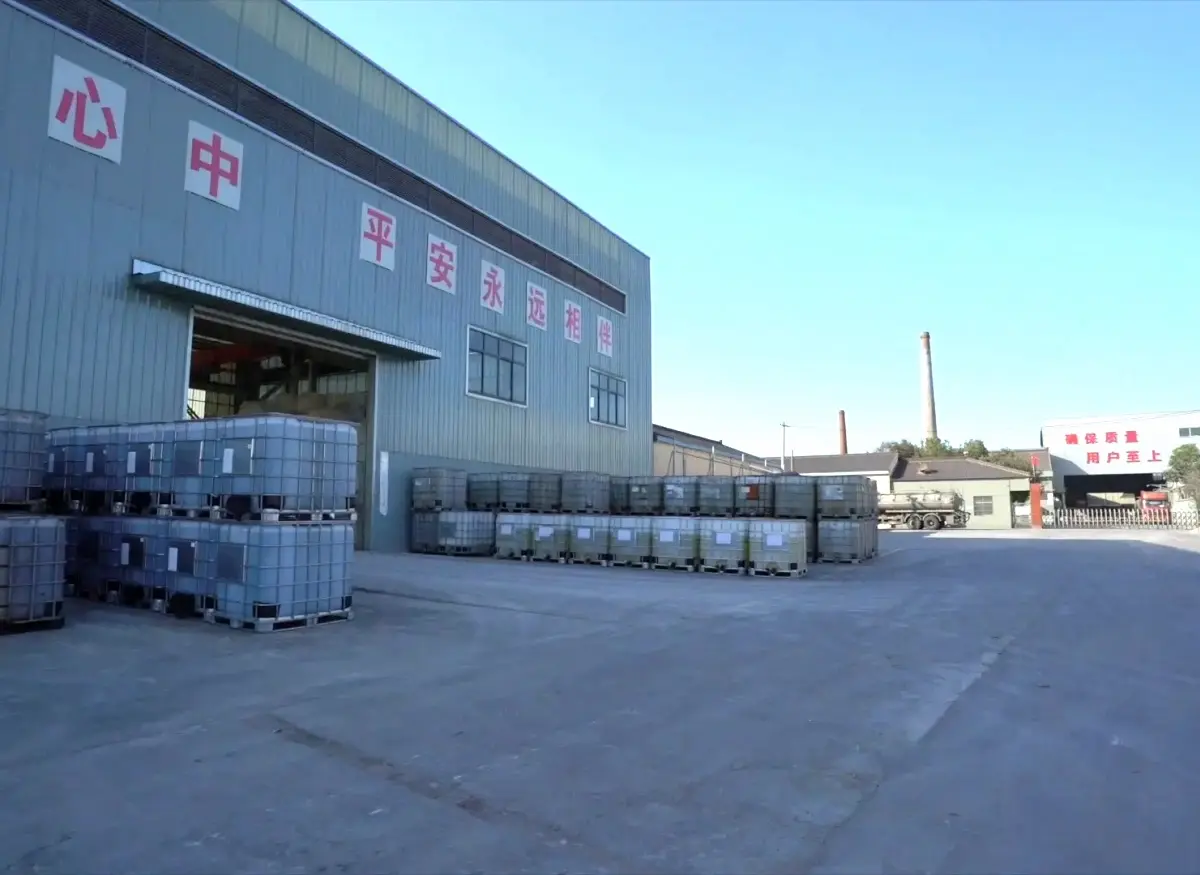
Establishment of our specialized chemical manufacturing facility in Wuxi, Jiangsu, China.
Renamed to Wuxi Bisheng Water Treatment Agent Co., Ltd. following extensive capacity expansions.
Initiated direct international exports, serving global distributors and municipal engineering projects.
Annual export sales exceeded $10,000,000 USD, reinforcing our position in international markets.
Launched a dedicated foreign trade department to support direct global sourcing and custom synthesis partnerships.
Accelerating research into green chemistry, focusing on biodegradable polymeric flocculants and zero-liquid discharge (ZLD) systems.
Providing customized chemical solutions across diverse sectors to maximize system efficiency and ensure regulatory compliance.
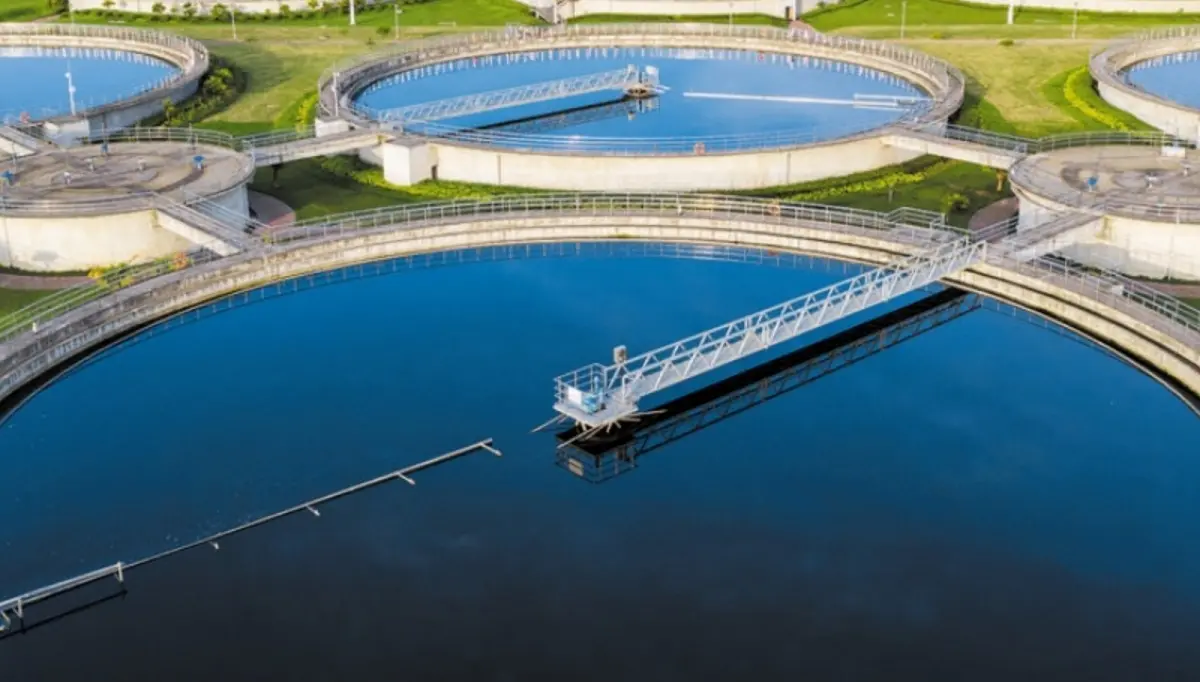
Using high-charge CPAM and high-purity PAC to accelerate sludge conditioning, settle suspended solids, and optimize dewatering in centrifugal decanters and filter presses.

Optimizing oil-water separation in refinery wastewater loops. Our chemical packages destabilize complex emulsions, removing dispersed oils and residual hydrocarbons prior to discharge.
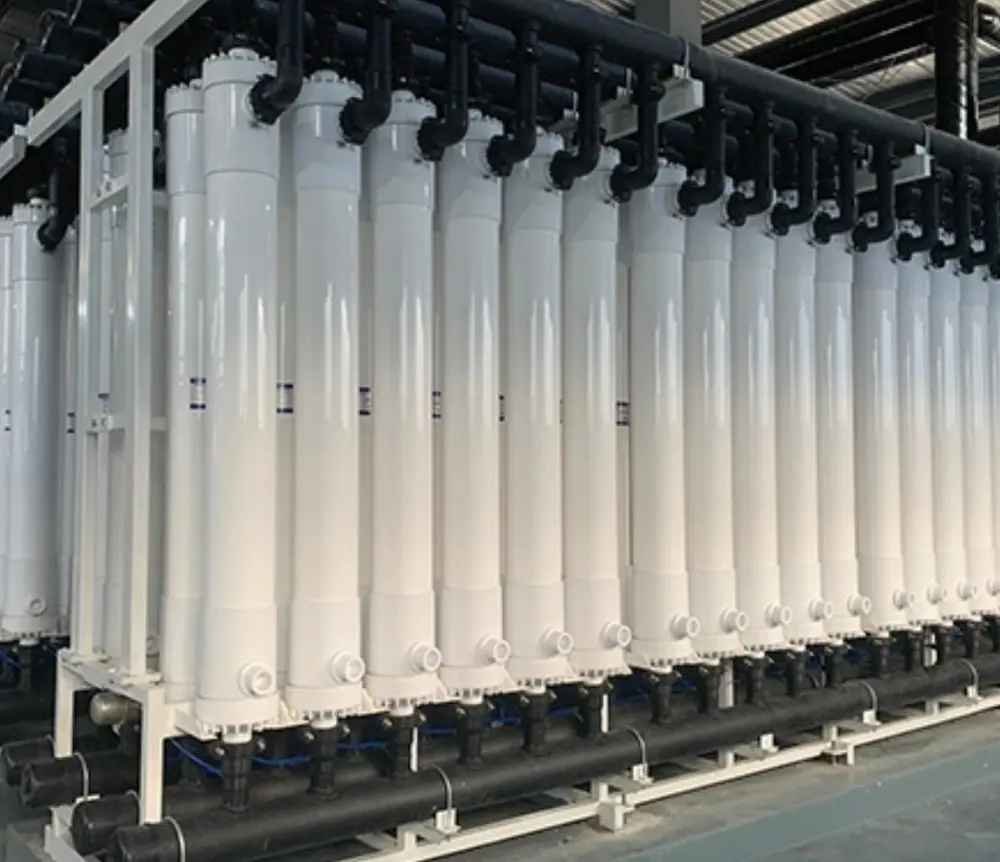
Mitigating colloidal and organic fouling on Reverse Osmosis (RO) membranes. Using low-basicity ACH and PAC reduces the Silt Density Index (SDI), extending membrane service life.
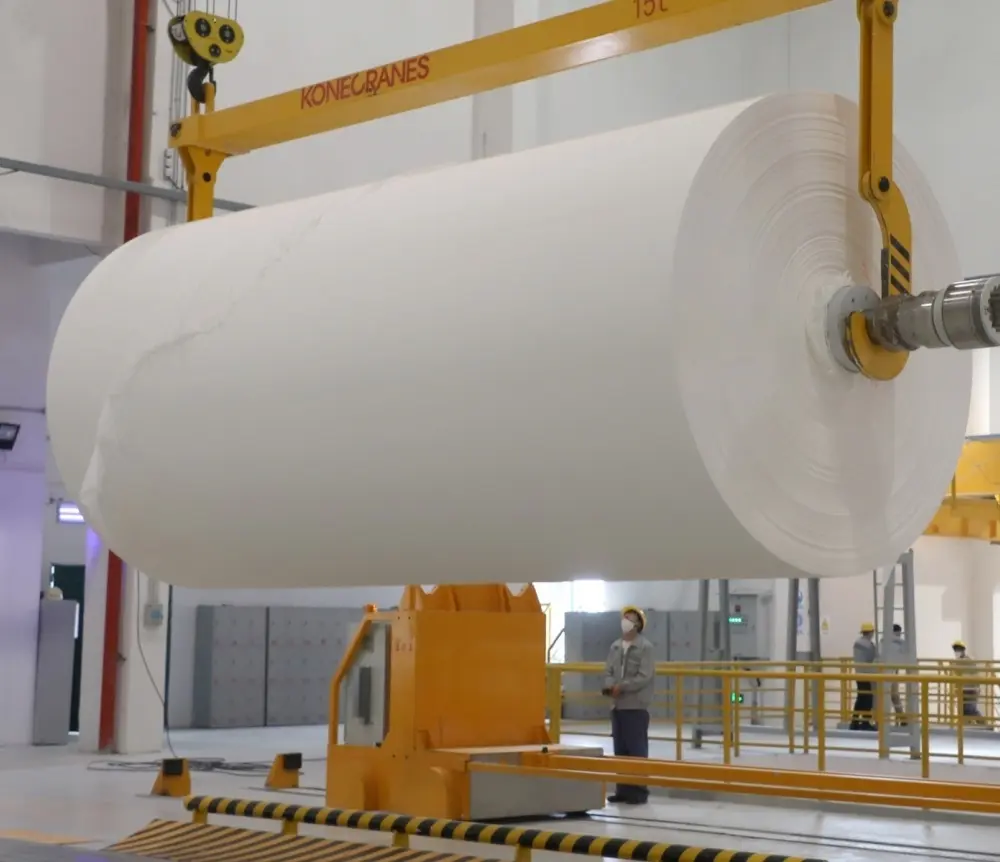
Providing high-performance retention aids and drainage regulators. Our polymers improve fiber yield, control pitch deposition, and clarify white water loops for recycling.
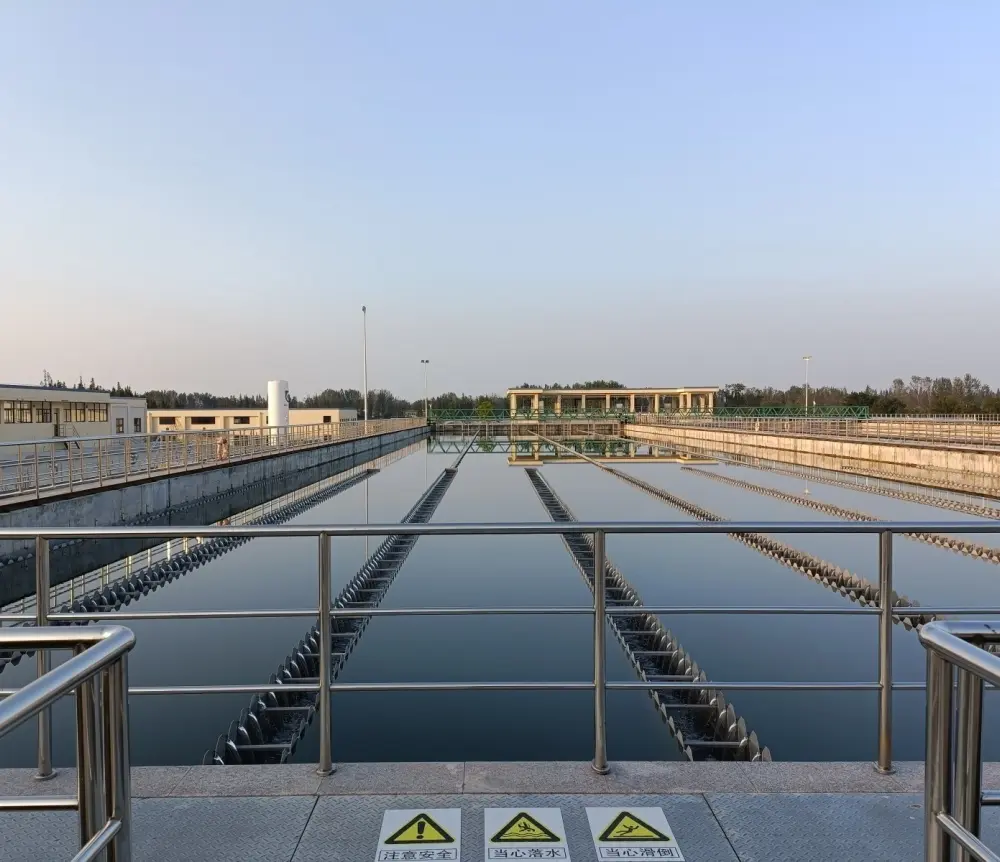
Supplying high-purity coagulants that meet stringent NSF standards. These formulations remove natural organic matter, arsenic, and heavy metals, ensuring safe drinking water.
Comprehensive custom synthesis and technical support tailored to the operational demands of international water treatment service providers.

Our chemical engineers provide full-cycle support, including water analysis, chemical dosage optimization, and custom formulation development to address complex water conditions.

With an annual output of over 500,000 tons and 20,000 tons of dedicated warehouse space, we maintain consistent chemical supplies to meet seasonal fluctuations and urgent orders.

Equipped with automated manufacturing lines and automated packaging systems, we ensure consistent product quality, batch tractability, and prompt dispatch to major ports.

Our laboratories conduct continuous product evaluations. We evaluate key performance metrics, such as molecular weight distribution and basicity ratios, to optimize coagulation efficiency.

Since 2007, our water treatment chemicals have been exported to Europe, Southeast Asia, South America, and the Middle East, supported by complete SDS and maritime shipping certifications.
Ensuring chemical supply lines adhere to strict international regulatory frameworks and environmental safety standards.
Operating in international water treatment sectors requires strict compliance with regional safety, environmental, and technical standards. Wuxi BS Water Treatment Chemicals ensures that all export shipments comply with local regulations, including the European Union's REACH registration, United States environmental guidelines, and local hazardous chemical controls. Our products are accompanied by comprehensive Safety Data Sheets (SDS) in multiple languages, facilitating safe handling and customs clearance.
For municipal drinking water applications, our manufacturing processes follow hygiene and trace metal purity requirements, keeping aluminum carry-over and acrylamide monomer levels within international health guidelines. We maintain ISO 9001 Quality Management and ISO 14001 Environmental Management certifications. This system guarantees that each batch of liquid or solid chemical meets the specifications required by water utility managers and industrial plants worldwide.
| Regulatory Framework | Certified Product Class | Target Parameters & Thresholds | Operational Compliance Method |
|---|---|---|---|
| EU REACH Regulation | ACH, PAC, PAM series | Strict tonnage band compliance for monomer tracking. | Full substance registration and downstream user notifications. |
| Drinking Water Standards | High Purity PAC & ACH | Residual Acrylamide Monomer < 0.025%; heavy metals down to trace ppb. | Continuous ICP-MS analysis of raw inputs and final product batches. |
| Maritime Safety Compliance | Solid and Liquid chemicals | Non-corrosive classification for solid products, proper labeling. | UN-approved packaging designs and IMO-compliant transport declarations. |
A technical roadmap detailing our ongoing research into biodegradable polymers, zero-discharge loops, and high-performance coagulants.
The water treatment industry is shifting toward sustainable chemical formulations that minimize environmental impact. At Wuxi BS, our technical roadmap focuses on developing the next generation of coagulants and flocculants. This includes synthesizing biodegradable polyacrylamides that degrade naturally in sludge, reducing the accumulation of synthetic polymers in agricultural soils.
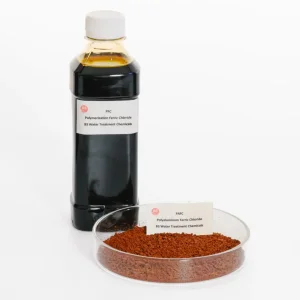
Additionally, our R&D team is developing composite coagulants that combine polymeric aluminum and iron species (such as PAFC) with organic polymer chains. These hybrid agents perform multiple steps—coagulation, flocculation, and color removal—in a single dose. This simplifies dosing setups, lowers chemical consumption, and reduces sludge production in industrial wastewater loops, helping plants achieve zero-liquid discharge (ZLD) goals.
Direct answers to critical questions concerning chemical selection, dosage optimization, and storage management.
Insights from our technical divisions on digital dosing systems and regional water conferences.
 Sep 09, 2025
Wuxi BS Water Treatment Chemicals Co., Ltd. continues to expand its global distribution network, launching direct service channels in South America and Southeast Asia to meet the demand for high-basicity coagulants.
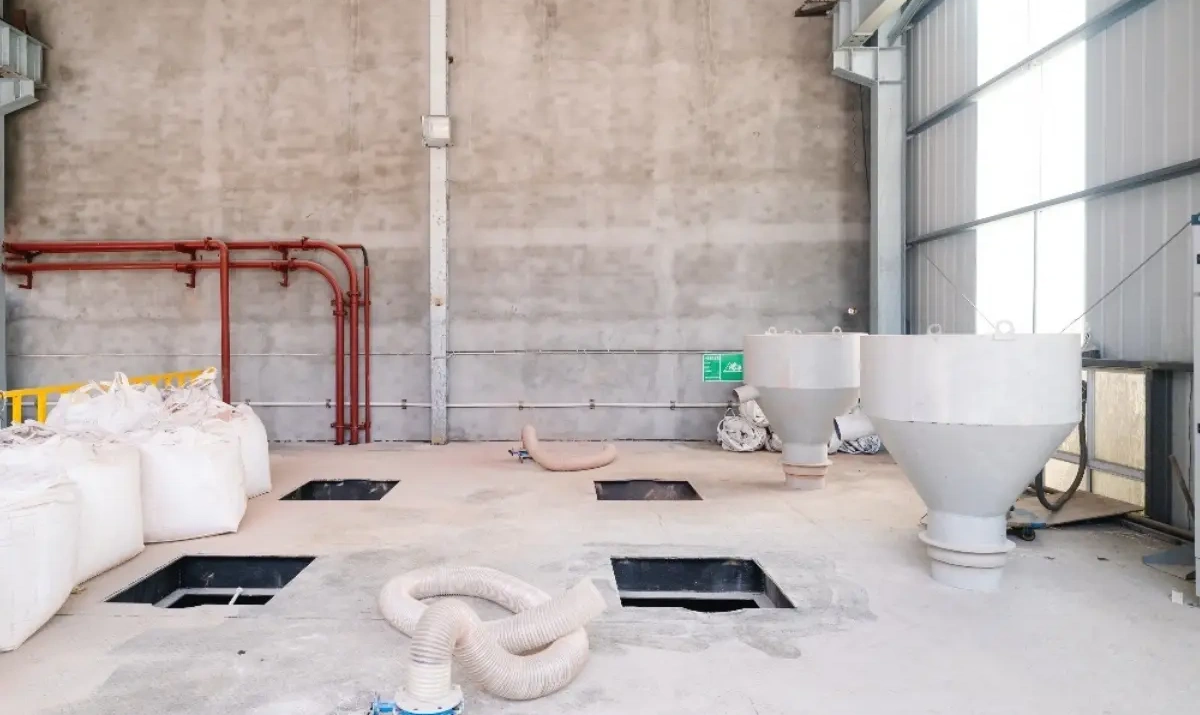 Aug 21, 2025
To improve dosage control, Wuxi BS has introduced automated solid feed systems. These units adjust polymer dosing in real-time based on fluctuating raw water turbidity, helping plants reduce chemical waste.
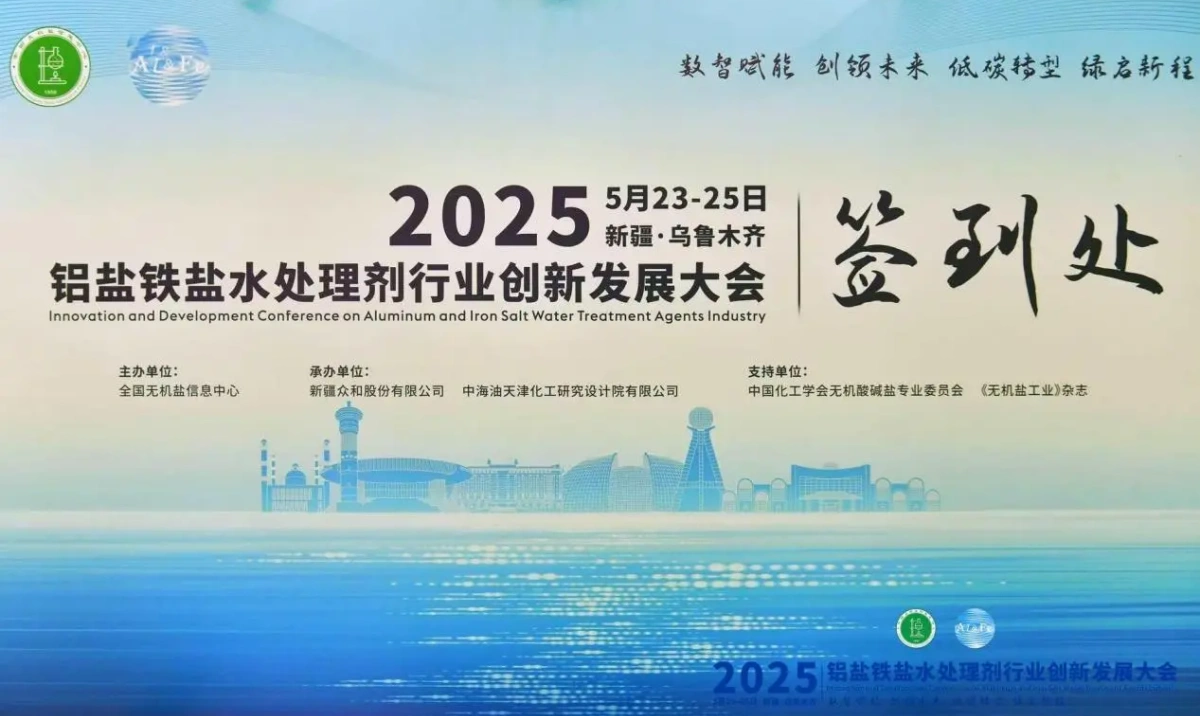 Aug 21, 2025
At the annual symposium, our research division presented papers on low-heavy-metal inorganic salts, detailing methods for synthesizing high-purity coagulants that meet upcoming drinking water standards.
Submit your water parameters, and our chemical engineers will recommend the optimal chemical treatment plan for your system.
A full selection of high-charge polymers and high-purity inorganic salts for industrial applications.
 BS Water