Our primary chemical solutions targeting color complexes, odor compounds, and colloid stabilization.
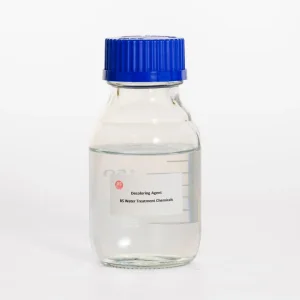
Advanced cationic polymer designed for wastewater decolorization and municipal organic odor abatement.
View Specifications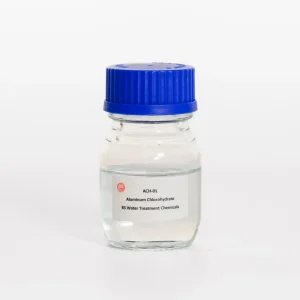
High Al2O3 content coagulant optimizing rapid sweep flocculation and volatile organic precursor elimination.
View Specifications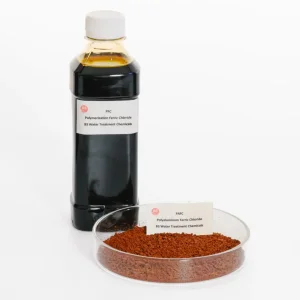
Dual-action inorganic polymer combining iron and aluminum chemistry for rapid sludge conditioning and H2S control.
View Specifications
High-charge cationic flocculants for industrial filtration, sewage dewatering, and odor control matrix integration.
View Specifications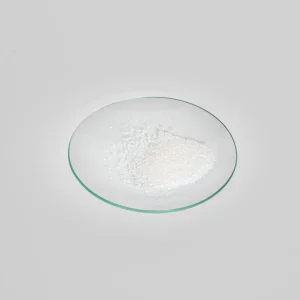
Highly effective anionic polymer for tailing thickeners, coal washing, and primary wastewater clarification stages.
View Specifications
Premium flocculants engineered to accelerate sludge separation and reduce bio-degradation odor pathways.
View Specifications
High basicity molecular structuring for maximum charge neutralization in industrial odor scrubbing systems.
View Specifications
Specialized anionic polymer optimizing suspended solids settling and organic nitrogen coagulation.
View SpecificationsHow advanced polymer chemical matrices inhibit hydrogen sulfide, mercaptan synthesis, and biological degradation at the source.
Industrial odor emissions present a persistent challenge across global sewage networks, papermaking processes, and petrochemical refineries. Traditionally, mitigation relied on odor masking agents—perfumed solvents designed to mask chemical emissions without addressing the chemistry of the pollutants. As environmental compliance standards tighten under directives from agencies like the US EPA and European REACH regulations, industrial operators are shifting towards source-level chemical suppression. Wuxi BS Water Treatment Chemicals Co., Ltd. pioneers the development of polymer agents that function as active, environmentally friendly industrial deodorizers by precipitating organic sulfur compounds, volatile fatty acids (VFAs), and nitrogenous complexes before they enter the gaseous phase.
Through deliberate manipulation of polymer charge density and molecular weight distributions, our formulations target colloidal organic matter. By precipitating odor-causing precursors out of wastewater streams, we inhibit the anaerobic biological reactions that yield toxic Hydrogen Sulfide (H2S), mercaptans, and gaseous amines. This scientific approach turns advanced coagulation chemicals into crucial components of ecological odor control systems.
Polyaluminum constructs bind organic sulfur colloids, neutralizing their zeta potential and driving them into dense, insolubilized flocs. This prevents anaerobic degradation processes from producing volatile odors.
High cationic charge density polymers (PDADMAC & WDA) bind with negatively charged biological membranes, suppressing microbiological decay and odor generation without releasing harmful volatile organics.
Formulated to leave zero hazardous residues. Biodegradable carbon backbones and inert inorganic components comply with strict international effluent limitations, minimizing environmental footprints.
Direct translation of product categories into precise environmental engineering functions.
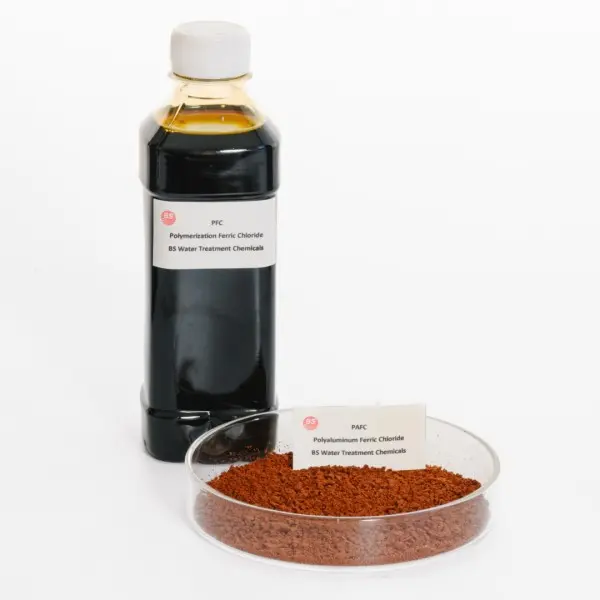
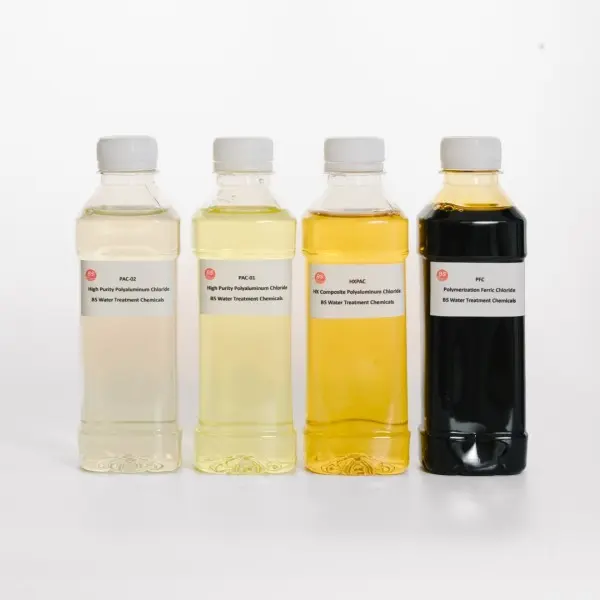
Combines iron salt coagulation with polyaluminum chemistry. Excellent for rapid floc formation, sludge settling, and chemical precipitation of phosphorus and sulfides.
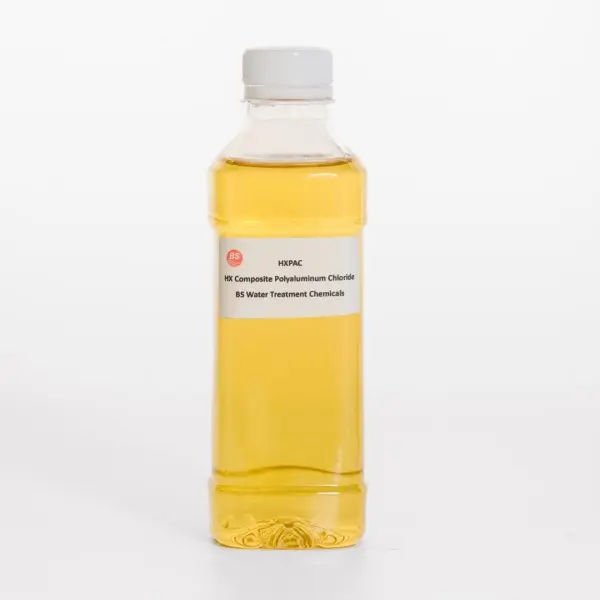
Formulated for highly turbid waters. Delivers chemical stability and fast bridging across organic compounds, minimizing downstream biological degradation.
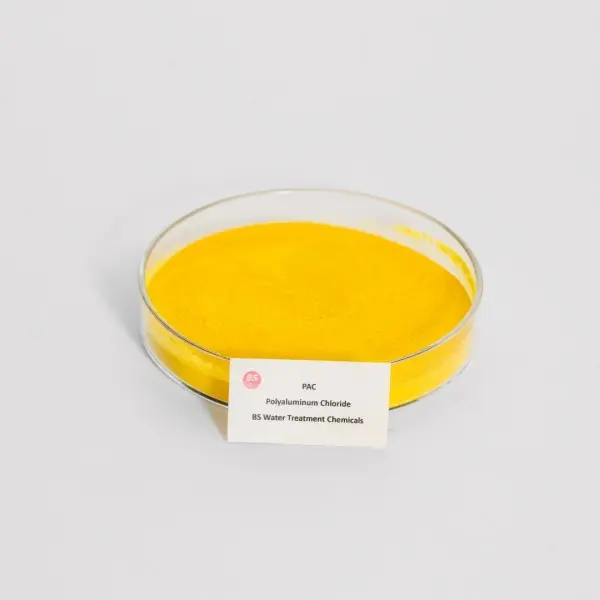
High-solids powder, yellow or white granules. Optimized storage stability with rapid dissolution for high-demand municipal wastewater plants.
Ready-to-use liquid formulation (10%-17% Al2O3). Eliminates dust contamination risks and supports automated dosing systems.
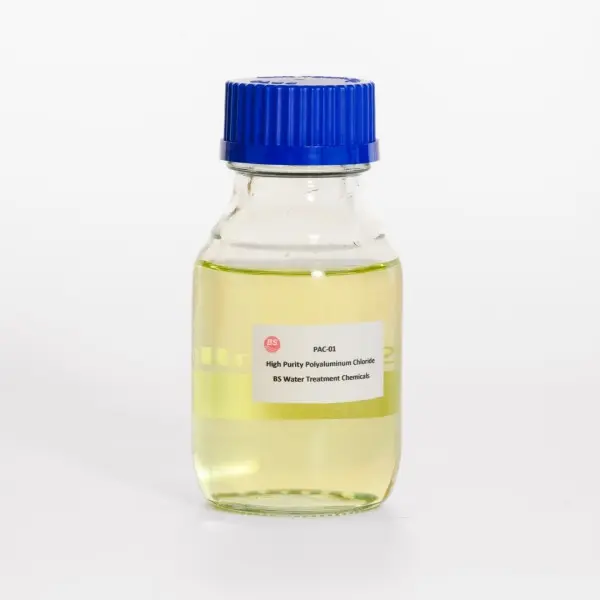
Specifically synthesized for drinking water standards. Extremely low heavy metals residue, ensuring safe, chemical-odor-free potable water.
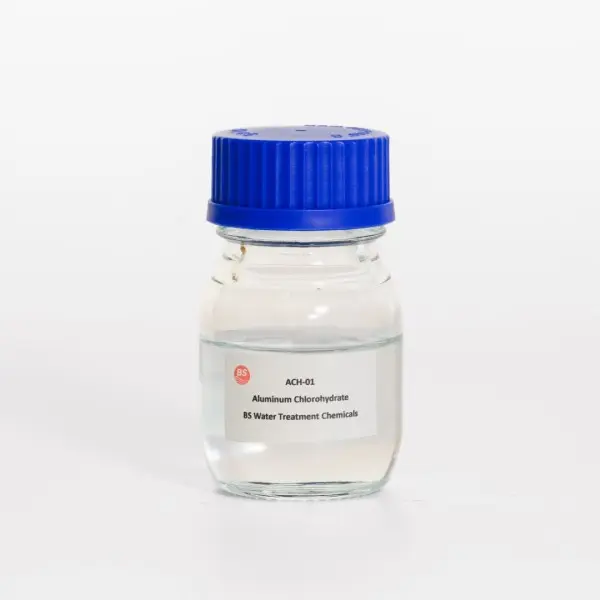
High basicity (83%+) liquid polymer. Lowers dosage rates, keeps pH stable, and enhances color and odor removal efficiency.
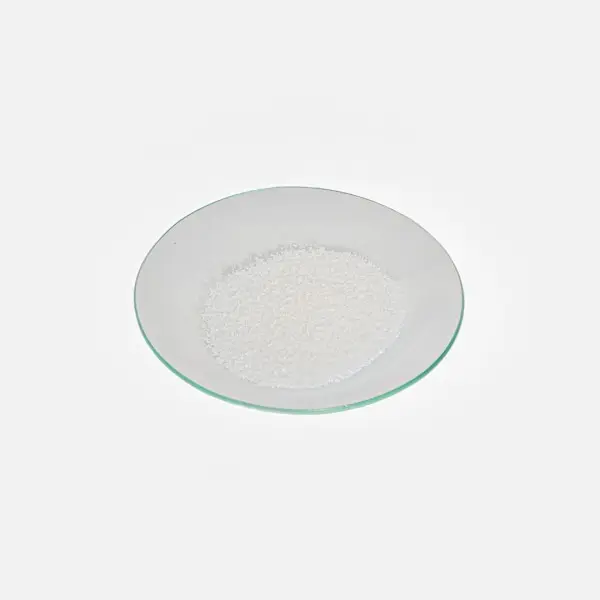
Linear copolymer, highly molecularly structured. Used for sludge dewatering, flocculation, and industrial organic filtration.
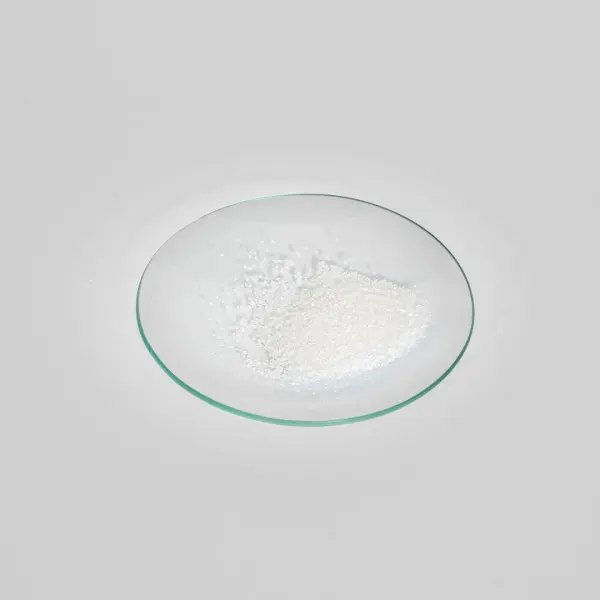
Optimizes settling velocity. Ideal for paper pulp recovery, steel wastewater treatment, and tailing sedimentation.
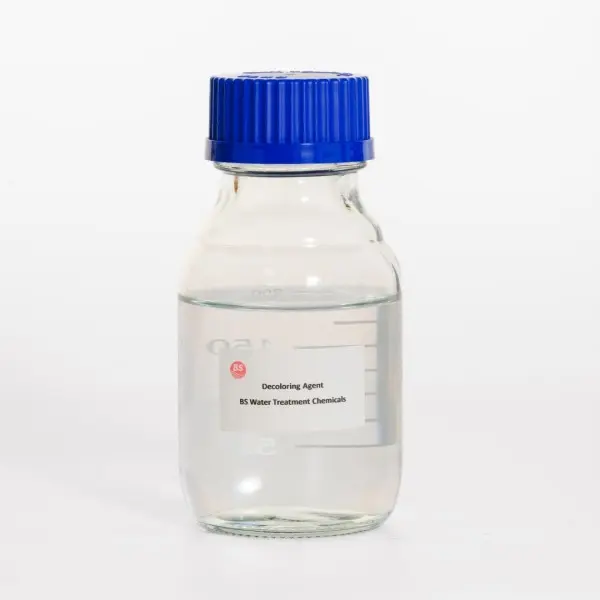
Proprietary dicyandiamide formaldehyde copolymer. Combines decolorization and COD reduction with odor suppression.
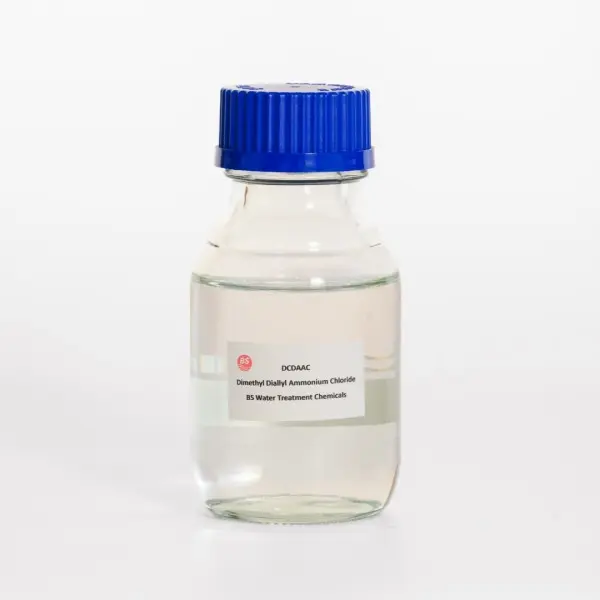
Water-soluble cationic polymer. High charge density destabilizes negatively charged organic compounds, preventing volatile odor release.
Key drivers shifting municipal and industrial sludge processing toward ecological chemistry.
Understanding how organic and inorganic polymers work together to precipitate odor-causing agents.
Soluble sulfides and volatile organic compounds associate with suspended colloidal solids in wastewater. Adding highly basic Polyaluminum Chloride (PAC) or Aluminum Chlorohydrate (ACH) destabilizes these charges, locking the chemical precursors into primary micro-flocs.
Next, Cationic Polyacrylamide (CPAM) is added. The long polymer chains bind these micro-flocs together through bridging, building larger, shear-resistant flocs that trap volatile organic compounds (VOCs) within a structured solid matrix.
For complex effluents containing dyes, surfactants, or aromatic compounds, the Water Decolorizing Agent (WDA) acts directly on polar groups. This decolors the water and chemically binds amine and phenolic structures, removing odors at the source.
Tailored water purification and odor control solutions built for specific sector requirements.
Combats H2S and organic acid odors. Speeds up anaerobic sludge dewatering to limit microbial decomposition and control plant emissions.
Targets challenging hydrocarbon emulsions and organosulfur components, separating heavy crude elements and capturing thiol odors.
Controls pulp odors from organic breakdown during closed-loop recycling, recovering fibers and clarifying process water.
Inhibits colloidal foulants and biofilm growth on RO membranes, preventing odor production and extending membrane life.
Tracing our growth from a local manufacturer to a globally trusted chemical exporter.
Wuxi Bisheng Water Treatment Agent chemical plant established, focused on key municipal coagulants.
Formally renamed to Wuxi Bisheng Water Treatment Agent Co., Ltd. following major factory expansions.
Launched international trade programs, exporting high-purity coagulants and flocculants globally.
Annual export volume exceeded $10M USD, driven by global demand for eco-friendly chemical formulations.
Launched advanced automated production systems to increase yield and support new green chemical products.
Technical answers to key questions about industrial odor control, chemical dosage, and environmental regulations.
Connect with our chemical engineers for dosage testing and customized product sheets.
Get in touch for customized product formulations, free jar-testing samples, and compliance-ready safety data sheets.
Explore our complete collection of cationic polymers, coagulants, and decanting chemicals.
Highly concentrated cationic formulation optimized for industrial wastewater clarification.
View Specifications
High-grade yellow granules, engineered with a low-dust, anti-caking design for stable storage.
View Specifications
Engineered for challenging papermaking, textile, and chemical wastewater streams.
View Specifications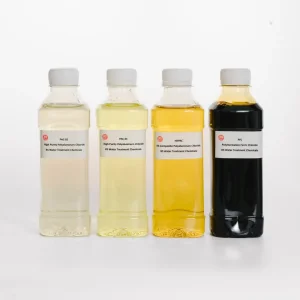
Ready-to-use liquid coagulant offering high Al2O3 efficiency for continuous-flow water plants.
View Specifications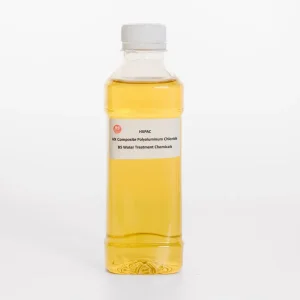
Composite formulation designed to handle water with high organic content and complex odors.
View Specifications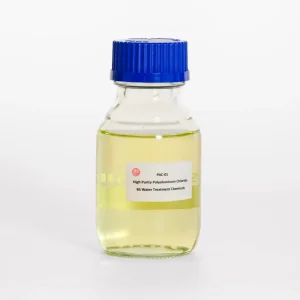
Colorless, high-purity liquid (10%-17% active content) developed for municipal drinking water systems.
View Specifications
Combined inorganic polymer designed to form fast-settling flocs in heavily loaded industrial processes.
View Specifications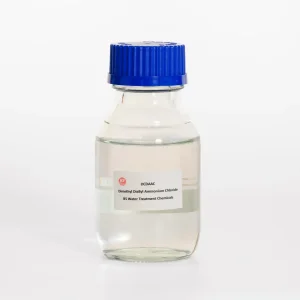
High-purity quaternary ammonium polymer designed to neutralize colloids and control odors.
View Specifications BS Water