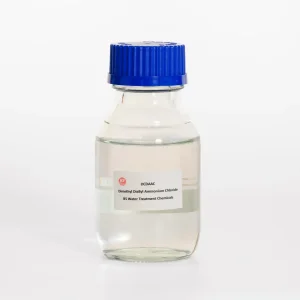
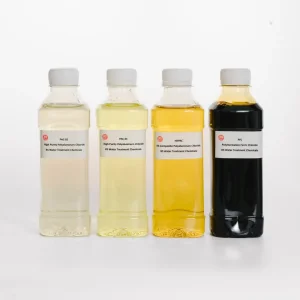
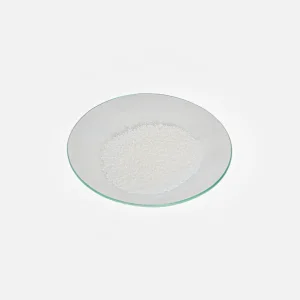
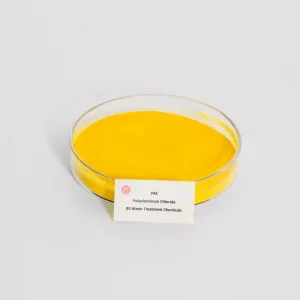
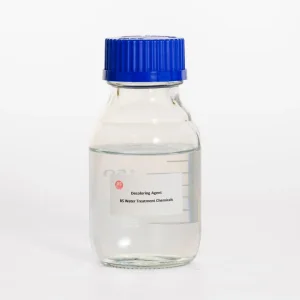
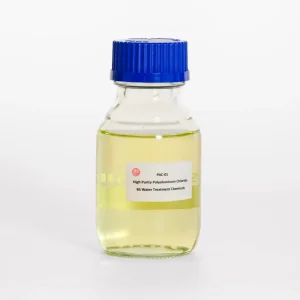
Explore our high-purity flocculants, inorganic coagulants, and organic decolorizing formulations engineered specifically for industrial effluent clarifiers and purification systems.
Wuxi BS Water Treatment Chemicals Co., Ltd. represents 27 years of technological evolution, scientific rigor, and a globally validated chemicals supply system.
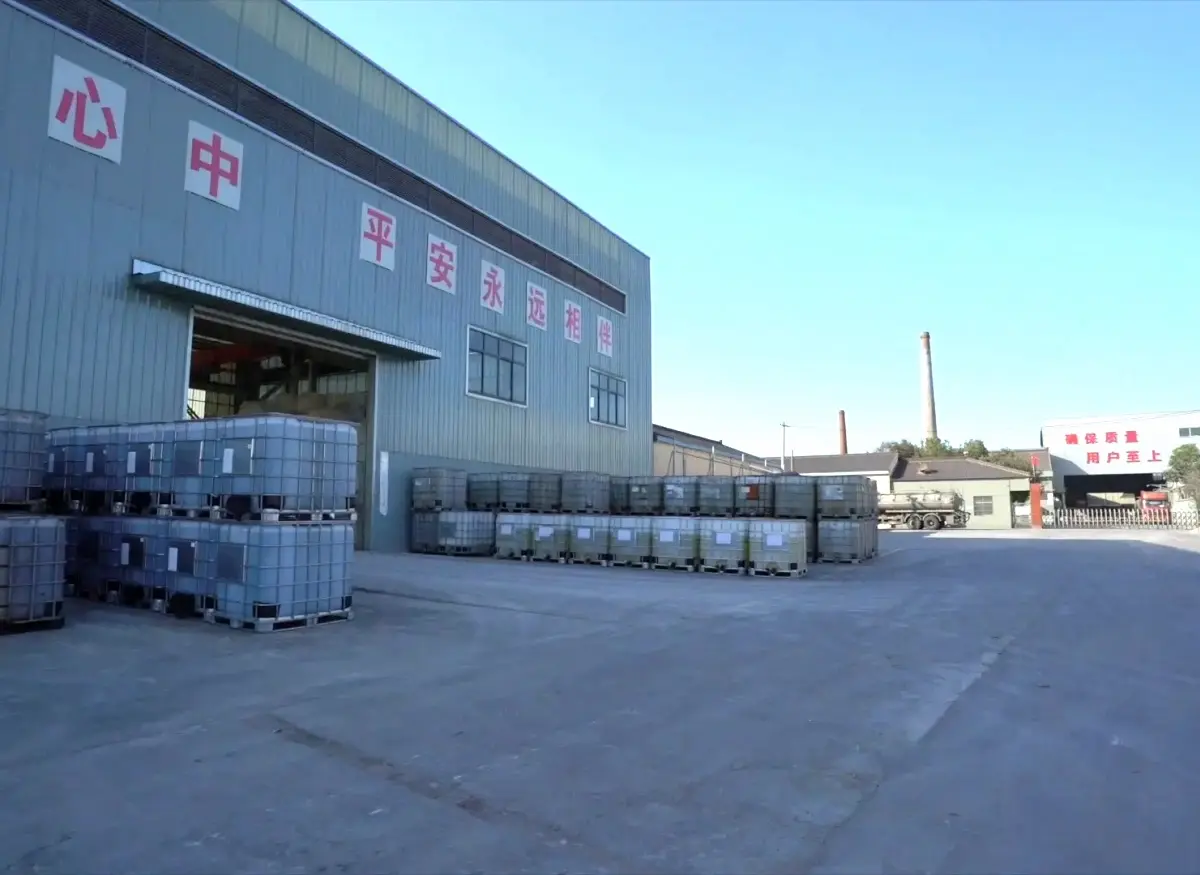
Founded in 1998, Wuxi BS Water Treatment Chemicals Co., Ltd. has established itself as an innovative force in environmental chemistry. We specialize in compounding, refining, and testing advanced chemical solutions targeting industrial effluents and drinking water treatment processes.
Our operational capabilities are built on a solid foundation of engineering experience, rigorous quality control protocols, and tailored formulation adjustments. Through modern synthesis equipment and digital dosage analysis, we translate raw chemistry into proven operational savings and regulatory compliance for municipal and industrial operators worldwide.
Understanding the chemistry behind modern Industrial Effluent Treatment Plants (IETP) and how chemical optimization ensures environmental compliance and resource circularity.
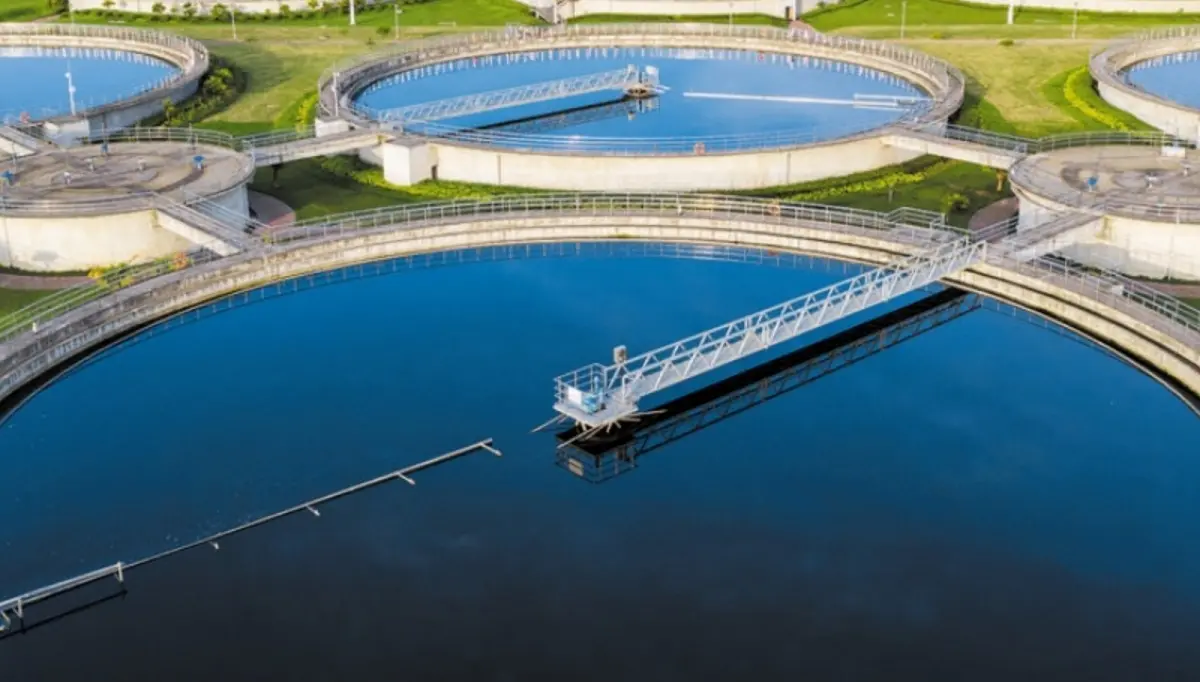
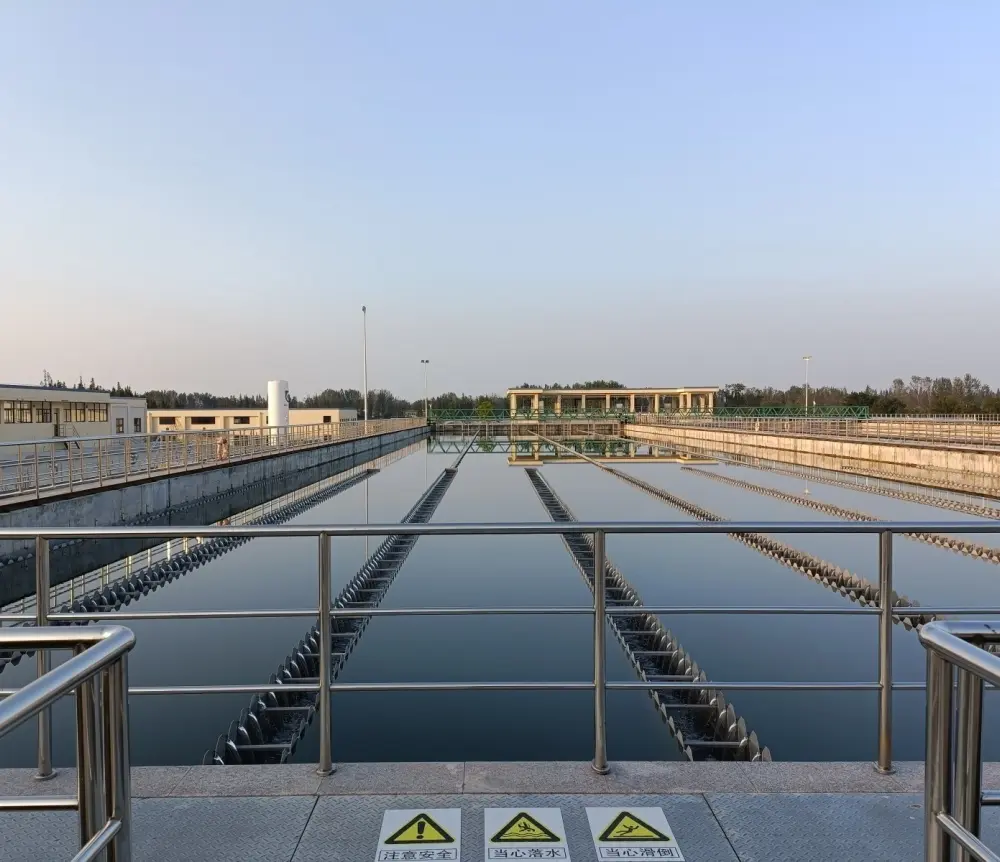
Modern manufacturing facilities operate within tight regulatory frameworks, including the US EPA guidelines, European Union Zero Liquid Discharge (ZLD) paradigms, and China's strict environmental protection laws. The goal of any modern Industrial Effluent Treatment Plant is to cost-effectively process wastewater so that it can be safely reused or discharged. This requires a precise sequence of chemical treatments, featuring coagulation, flocculation, advanced oxidation, and mechanical dewatering processes.
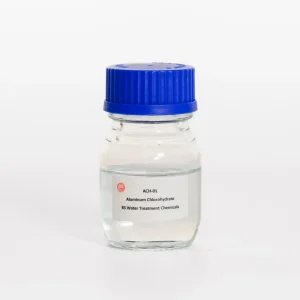
Suspended colloids in wastewater carry net negative surface charges, preventing aggregation. Utilizing highly charged aluminum polymers like Aluminum Chlorohydrate (ACH) or Poly Aluminium Chloride (PAC) neutralizes these charges. This destabilizes the suspension, allowing microscopic microflocs to form.
Once microflocs form, long-chain organic polymers, specifically Cationic Polyacrylamide (CPAM) or Anionic Polyacrylamide (APAM), create bridging matrices that bind small particles into dense flocs. This facilitates rapid gravity settling and enhances the efficiency of filter presses and centrifuges during dewatering.
Effluents containing highly soluble organic dye components, such as those from textile and printing mills, resist conventional coagulants. Our customized Water Decolorizing Agent (WDA) targets these dye molecules, forming dense insoluble flocs that can be easily filtered or settled out.
Effluent composition varies significantly across different industries, requiring targeted chemical regimes to ensure treatment efficiency:
How Wuxi BS secures cost advantages, raw materials stability, and international logistics efficiency for our global customers.
Purchasing chemicals globally requires consistent quality, supply reliability, and cost stability. Wuxi BS leverages its strategic location in Jiangsu, China, to maintain a resilient supply chain that mitigates raw material price volatility and shipping delays.
Our chemical manufacturing facility integrates automated synthesis control systems with real-time laboratory quality testing. This ensures that every batch of polyacrylamide, polyaluminium chloride, and decolorizing agent matches our technical specifications. Our raw material sourcing network provides a stable supply of basic reagents, such as hydrochloric acid, bauxite, and dicyandiamide monomers. This allows us to keep production lines running at stable prices, even when international chemical markets are volatile.
Select your chemical profile based on active content, basicity requirements, and targeted wastewater characteristics.
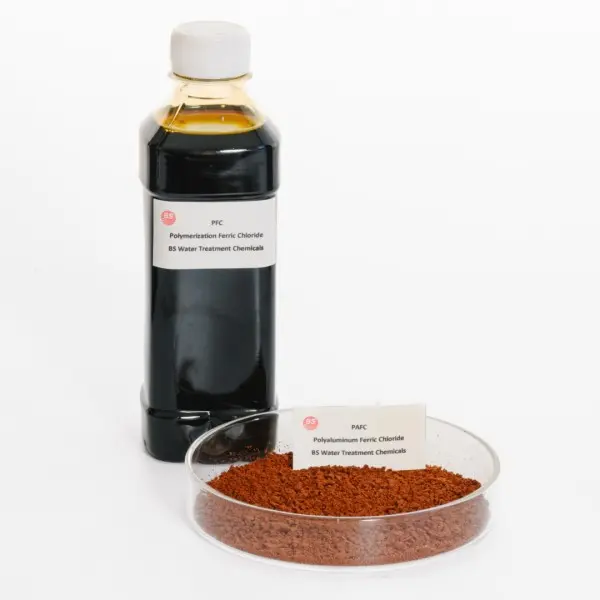
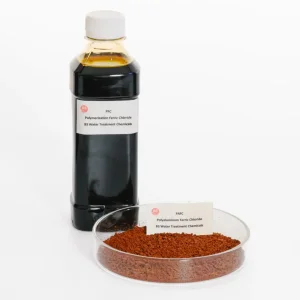
Ideal for industrial water treatment requiring high density and rapid floc settlement times. Combined iron-alumina action.
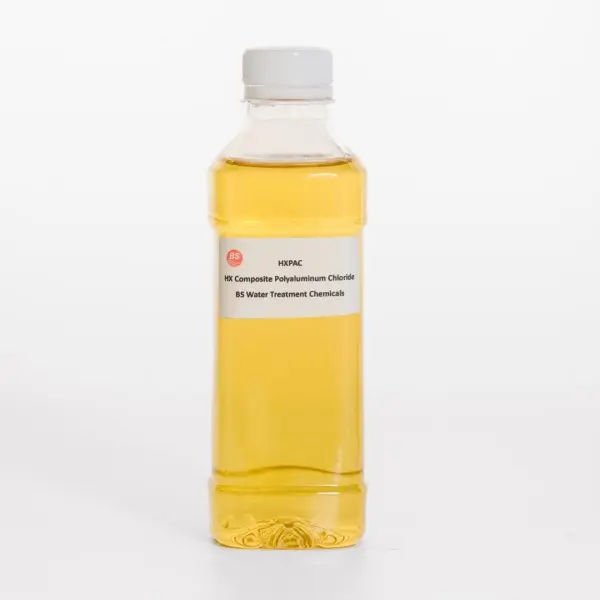
Highly stable formulation optimized for variable-turbidity raw waters and municipal intake clarifiers.
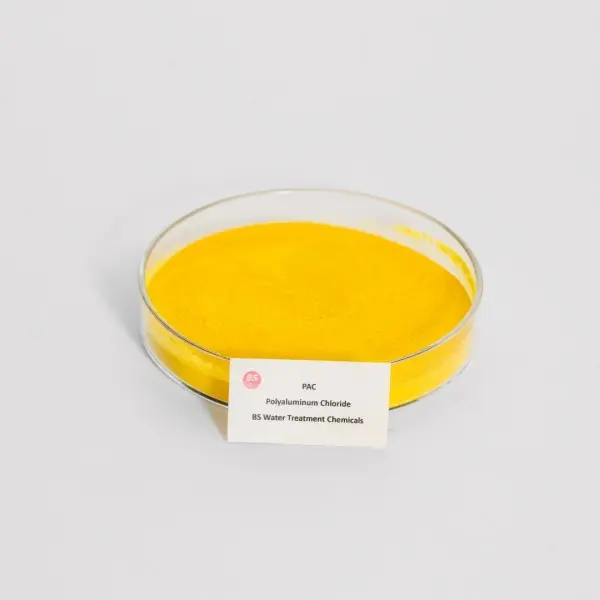
Highly soluble granules for long-distance transport, featuring an active alumina content range of 28% to 30%.
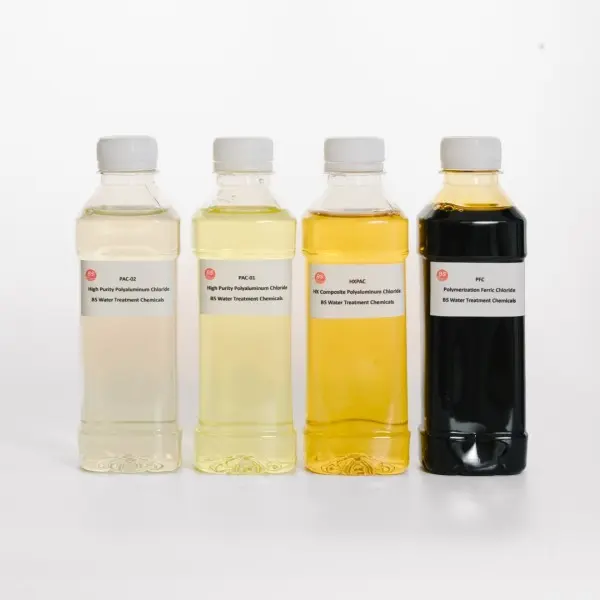
Ready-to-dose liquid solution, minimizing on-site dilution requirements and dust safety concerns.
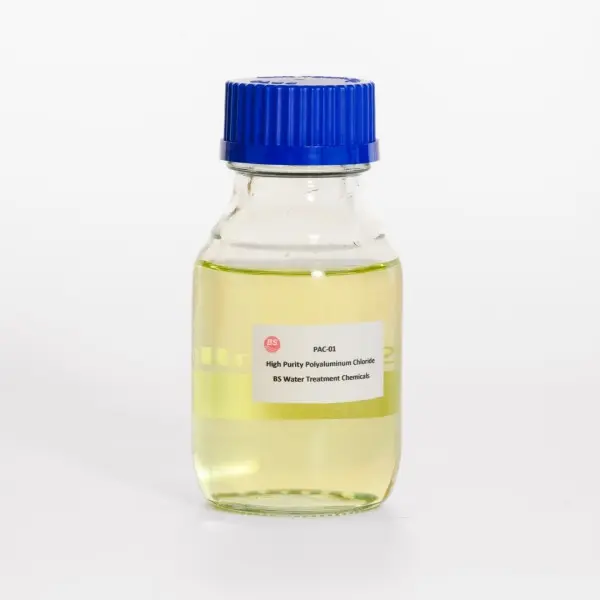
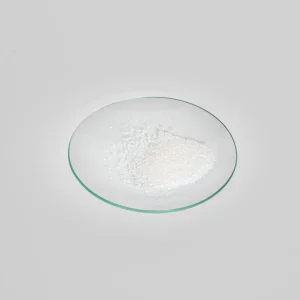
Spray-dried pure powder designed for drinking water treatment and fine papermaking processes.
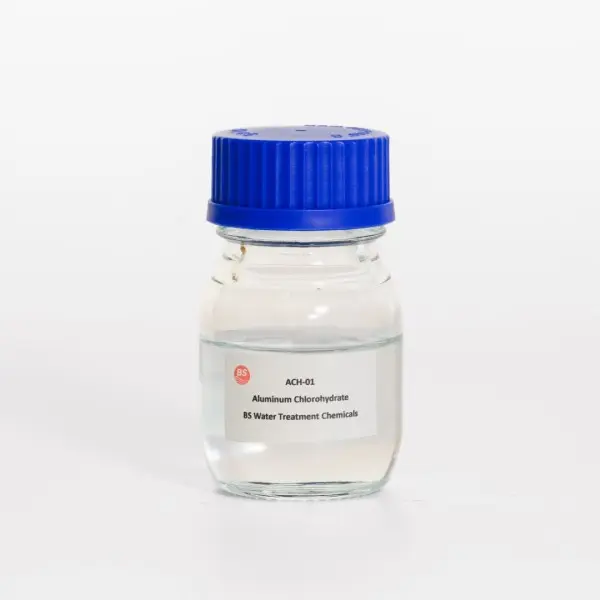
Maximum monomeric charge concentration. Reduces post-treatment sludge and maintains pH balance.
Customizing polymer molecular weights, charge densities, and active percentages to match the specific demands of your plant configuration.

Our technical team provides end-to-end water quality diagnostics, laboratory jar tests, and on-site chemical adjustments. We customize our formulations to match the unique chemistry of your specific raw water intake.

Our sales volume exceeds 500,000 tons annually. Backed by a 20,000-ton finished product warehouse, we support continuous, high-volume operations and safeguard against sudden market supply disruptions.

Equipped with intelligent, digital dosing systems and a full quality control loop, we track shipments from synthesis to delivery, ensuring consistent product performance and active content purity.
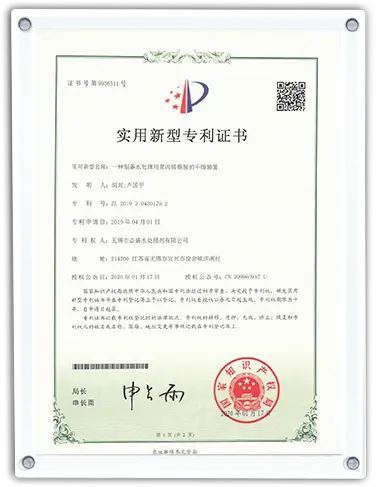
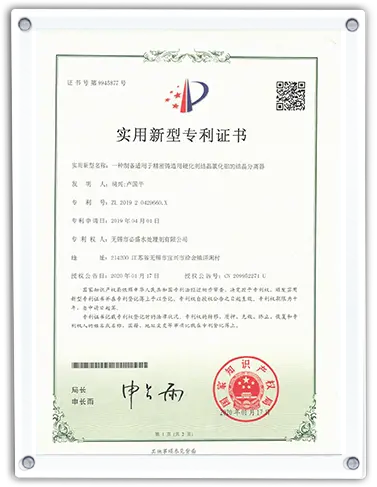
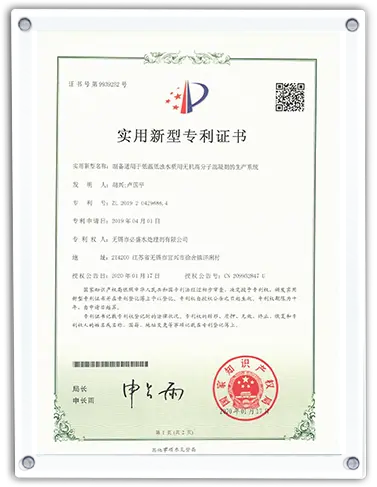
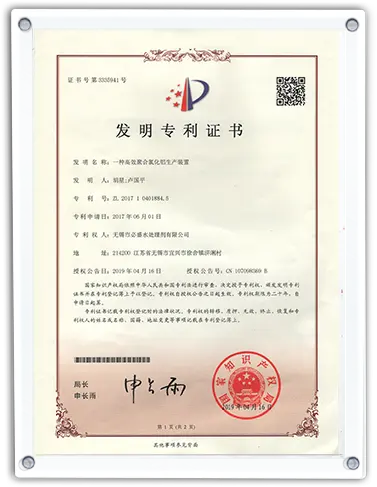
Our historical growth mirrors the development of advanced environmental safety and industrial water processing technology.
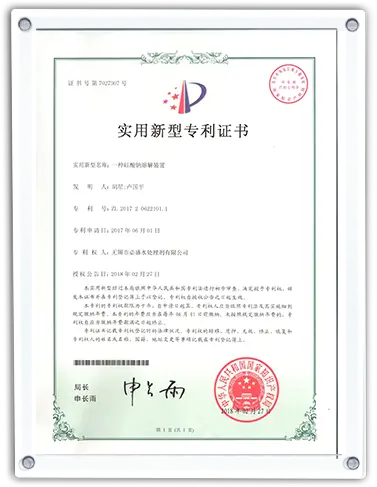
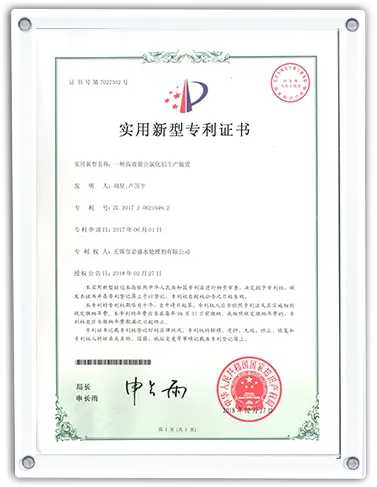
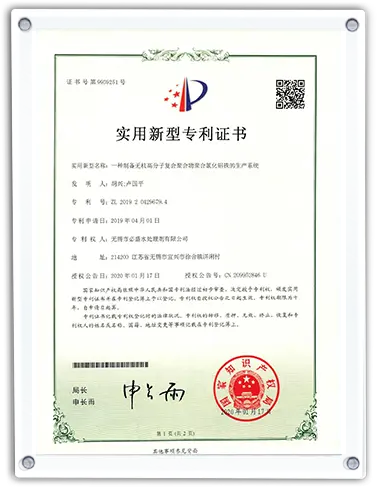
Get answers to common technical questions about choosing and dosing industrial wastewater treatment chemicals.
Basicity represents the degree of polymerization of the hydroxyl groups in PAC. Higher basicity means a more polymerized structure, which provides stronger charge neutralization. This allows you to achieve coagulation with lower dosages compared to alum or ferric monomer salts. Dosing less chemical directly reduces the volume of sludge produced, cutting down on disposal fees and total operating costs.
ACH has a higher basicity (typically 83%) and Al2O3 concentration (up to 23% in powder form) compared to standard PAC. This makes it ideal for treatment systems with low buffering capacity, as it preserves water pH without requiring neutralizing additives like lime or caustic soda. It is also preferred in space-constrained installations because the higher active concentration reduces shipping, storage, and handling costs.
Our liquid Water Decolorizing Agent (WDA) and PDADMAC solutions are chemically stable. They have a shelf life of 6 to 12 months when stored in sealed, original containers away from direct sunlight at temperatures between 5°C and 30°C. Avoid extreme cold to prevent freezing and phase separation, and keep them away from high temperatures to prevent hydrolysis of the active polymer chains.
This is determined by the surface charge of the organic or inorganic solids in the sludge. Organic sludges from municipal or food processing plants usually carry a negative charge, making Cationic Polyacrylamide (CPAM) the right choice for charge neutralization and dewatering. Inorganic sludges from mining or metallurgy respond better to Anionic Polyacrylamide (APAM), which helps aggregate mineral suspensions through polymeric bridging.
Yes, we manufacture specific high-purity grades of PAC and ACH that comply with drinking water treatment standards. These formulations feature low levels of heavy metals and minimal residual monomers, ensuring safety for municipal drinking water systems.
Get in touch with our engineering team for customized chemical formulations, volume pricing, and shipping logistics support.
Contact Wuxi BS Water Treatment Chemicals Co., Ltd. directly. Our technical specialists are ready to help optimize your plant chemistry.
Office Address: Wuxi City, Jiangsu Province, China
Production Lead Times: 7-14 Days depending on volume and packaging requirements.
Submit your wastewater parameters and requested products below. Our technical team will review and reply within 12 hours.
Explore our additional polymer formulations, high-purity coagulant powders, and cationic flocculants engineered for challenging separation processes.
 BS Water