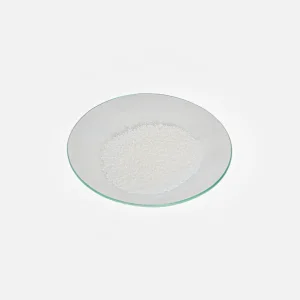
Rising urbanization, industrial manufacturing intensity, and strict effluent mandates (such as Europe’s Zero Liquid Discharge and China's Grade 1A Standard) are driving changes in industrial wastewater management. Raw water contains varying amounts of natural organic matter (NOM), heavy metals, colloidal silica, and complex dye molecules. These contaminants cause biological fouling in membrane systems, scale build-up in boilers, and damage to natural aquatic channels.
Traditional treatment strategies often struggle to handle unexpected fluctuations in inlet water quality. Coagulation and flocculation systems must adapt quickly to changes in pH, turbidity, and organic loading. This requires highly specialized chemicals like Poly Aluminium Chloride (PAC) and Polyacrylamide (PAM) with optimized basicity, charge densities, and molecular weights to ensure stable performance.
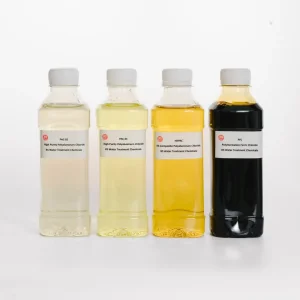
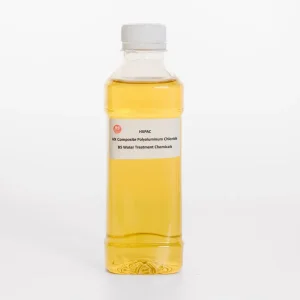
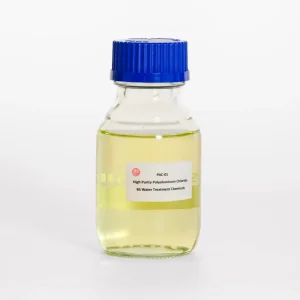
High-purity coagulants form the critical first line of defense for downstream process equipment. Our high-basicity Aluminum Chlorohydrate (ACH) and proprietary PAC formulations work by quickly neutralizing charges and forming stable, sweep-floc structures. This process encapsulates fine suspended solids before they reach ultrafiltration (UF) and reverse osmosis (RO) systems.
By optimizing the polymeric distribution of Al13 and Al30 species in our coagulants, we help operators significantly reduce chemical sludge production, eliminate the need for excessive pH correction, and extend the lifespan of expensive filtration membranes.
| Chemical Agent | Active Concentration | Basicity / Charge Density | Primary Industrial Functions | Key Process Advantage |
|---|---|---|---|---|
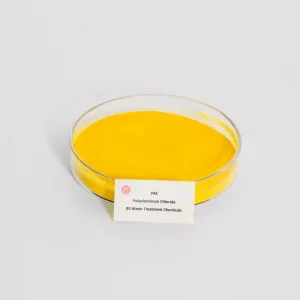
| Poly Aluminium Chloride (PAC) Solid | 28% - 31% Al2O3 | 60% - 85% Basicity | Drinking & municipal wastewater turbidity removal | Low heavy metal profile, minimal dust formulation |
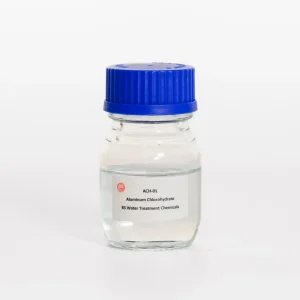
| Aluminum Chlorohydrate (ACH) | Min 23% Al2O3 (Liquid) / 46% (Solid) | 82% - 85% Basicity | Pre-treatment for RO systems, municipal tap water | Minimal pH alteration, reduces sludge by up to 50% |
| Anionic Polyacrylamide (APAM) | 89% min Solid Content | High negative charge | Mining tailings dewatering, paper processing retention | Ultra-high molecular weight for rapid sediment settling |
| Cationic Polyacrylamide (CPAM) | 90% min Solid Content | Low to high cationicity | Sludge conditioning and centrifugation | Strong charge neutralization for cleaner filtrate water |
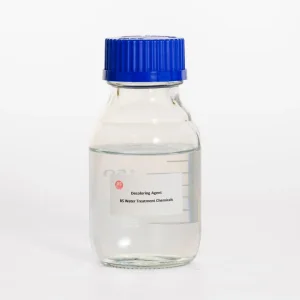
| Water Decoloring Agent (WDA) | >50% Active Polymer | High cationic charge | Dye removal in textile and printing wastewater | Breaks color-imparting organic chains with minimal dosage |
| PDADMAC | 20%, 30%, 40% Liquid | Strong cationic charge | Sludge dewatering, industrial raw water clarifying | Remains highly stable across a wide range of pH levels |
Established in 1998 in the Wuxi industrial region, Wuxi BS Water Treatment Chemicals Co., Ltd. has developed over nearly three decades into a leading manufacturer of water purification polymers.
By integrating raw material sourcing, automated polymer synthesis, and comprehensive application analysis, we supply municipal water systems and industrial plants worldwide. Through close collaboration with scientific institutions, we continuously refine our product formulations to ensure high performance in demanding water treatment applications.

Our PAC and ACH variants are manufactured to comply with international sanitary and toxicological metrics, ensuring low monomer residues fit for municipal drinking water systems.
Backed by our 20,000-ton warehouse facility and automated packaging lines, we minimize supply risks, ensuring timely deliveries during seasonal demand peaks.
Our technical teams provide custom optimization based on your site's specific water parameters, adjusting basicity and polymer lengths to reduce total operating costs.

Our tailored PAC and PAM treatments are engineered to work effectively in highly loaded industrial clarifiers. By accelerating coagulation and floc formation, these chemistries achieve rapid settling velocities, producing clean effluent with lower levels of dissolved organic matter.
Refinery and mining processes produce complex wastewater stream chemistries. Our cationic polymers and specialty demulsifiers are designed to separate oil-in-water emulsions, improve oil-sludge separation, and clarify mineral slurries. This allows for increased water reuse and improves overall resource recovery.

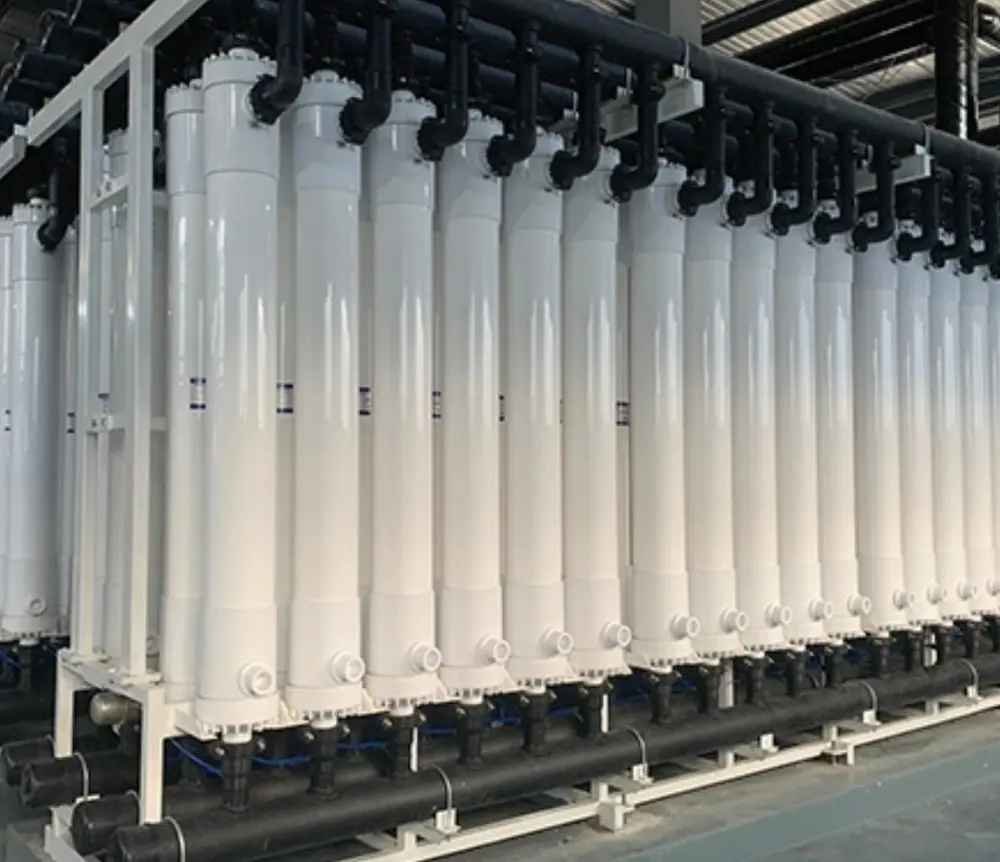
RO membranes are highly susceptible to fouling from colloidal silica and fine suspended solids. Pre-treatment using high-basicity coagulants like Aluminum Chlorohydrate (ACH) removes these micro-particles before filtration. This protects the membranes, reduces chemical cleaning frequency, and lowers operating costs.
Coagulant basicity indicates the degree of pre-hydrolysis in the polymer. High-basicity coagulants, such as ACH (82-85% basicity), possess a high positive charge density. This allows them to neutralize negative particle charges with less chemical addition. Consequently, they require less pH adjustment and produce less chemical sludge compared to lower basicity alternatives.
Cationic PAM (CPAM) is primarily used to treat negatively charged organic particles and is highly effective for dewatering municipal and organic industrial sludge. Anionic PAM (APAM) features negative charges and is best suited for neutral or positively charged mineral particles, making it ideal for mining tailings, metallurgy wastewater, and papermaking processes.
WDA is a highly cationic dicyandiamide-formaldehyde copolymer. It binds with the anionic, water-soluble dye molecules present in textile wastewater to form stable, insoluble complexes. These complexes precipitate out of the water, allowing the color compounds to be easily removed by standard filtration or flotation processes.
Solid polymers should be kept in original, sealed bags in cool, dry, and well-ventilated warehouses to prevent clumping from moisture exposure. Liquid formulations (such as 10-15% PAC) should be stored in corrosion-resistant tanks, like FRP or HDPE, and protected from extreme temperatures to maintain chemical stability.
Analyzing Wuxi BS’s strategic transition from supplying regional treatment plants to exporting industrial water purification products globally.
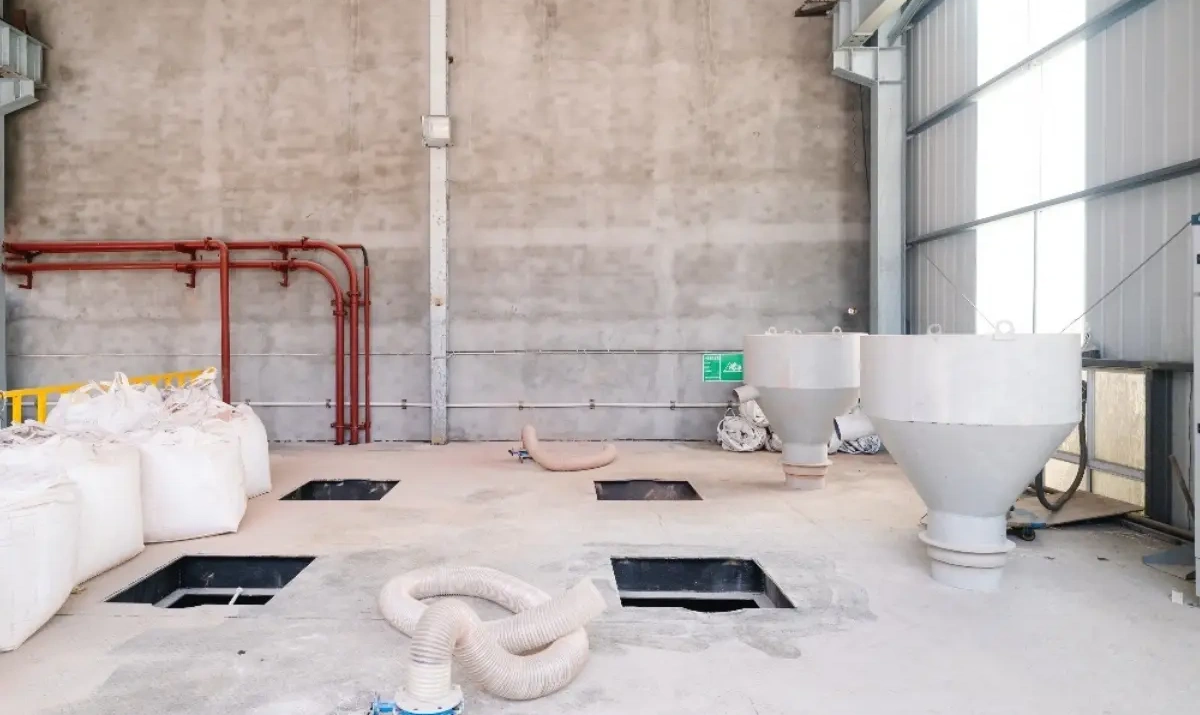
Wuxi BS has introduced digital solid dosing systems designed to automate the feeding process and ensure precise chemical dosing in large-scale operations.
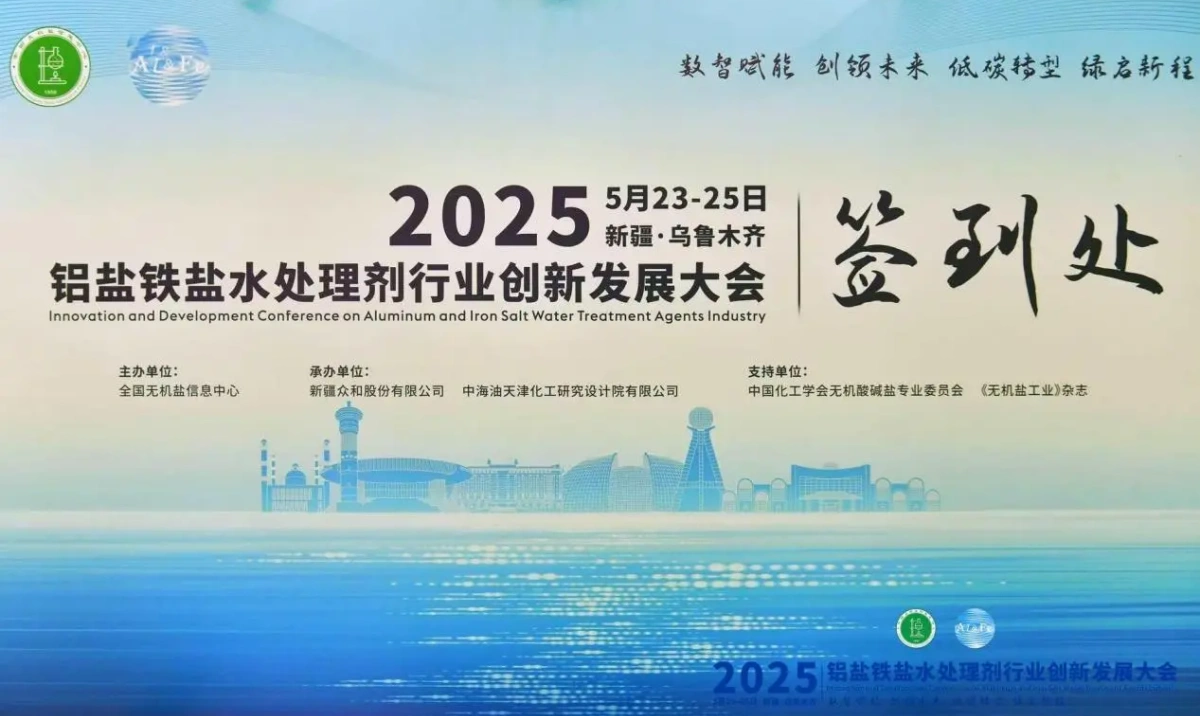
Industry leaders gathered to discuss next-generation coagulant formulations that align with new environmental regulations and sustainability standards.
Whether you require water quality testing, customized polymer formulations, or pricing for large-volume industrial procurement, our technical support team is ready to assist you.
 BS Water