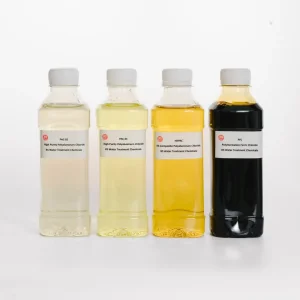
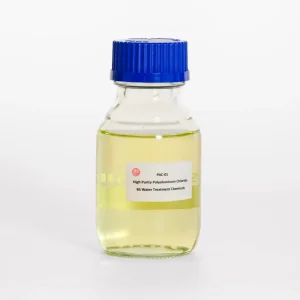
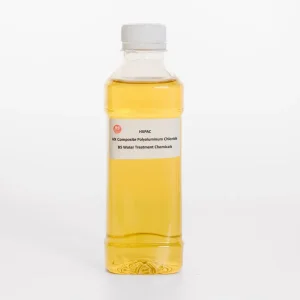
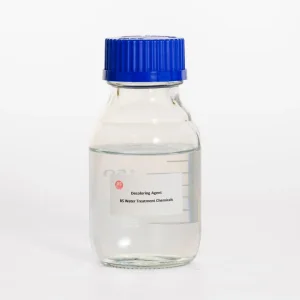
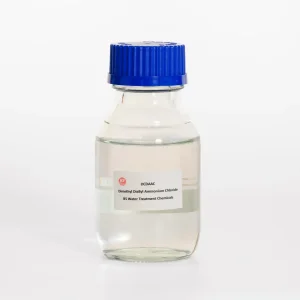
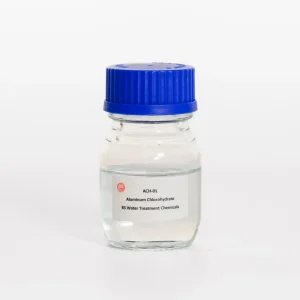
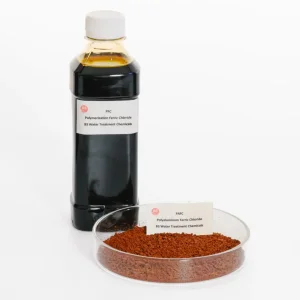
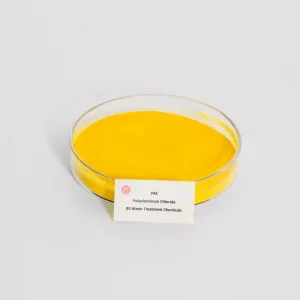
Explore our high-performance inorganic and organic coagulants manufactured under strict ISO quality standards.
Analyzing key industrial market trends, commercial demand drivers, and critical engineering choices.
Aluminum Sulfate ($\text{Al}_2(\text{SO}_4)_3$), historically known in municipal and industrial engineering as alum, remains the foundational benchmark for global chemical coagulation. Despite the evolution of advanced synthetic organic polymers, aluminum sulfate is the primary choice for global water systems because of its reliability, low raw-material cost, and well-understood hydrolysis mechanisms.
Worldwide market statistics show that more than 60% of municipal surface-water purification systems use aluminum sulfate as their main coagulant. It is highly effective at reducing turbidity, removing natural organic matter (NOM) like humic acid, and precipitating phosphates. The papermaking sector also relies heavily on aluminum sulfate to manage wet-end chemistry, set rosin size, and improve paper sheet formation.
Typically features an iron content below 0.005%, making it ideal for municipal drinking water. This prevents residual coloring or staining in treatment lines and storage tanks.
Contains trace ferric ions, which can actually assist coagulation in highly turbulent industrial wastewaters by accelerating floc sedimentation.
A closer look at charge neutralization, sweep flocculation, and pH control dynamics.
When aluminum sulfate is introduced into water, it undergoes a complex sequence of hydrolysis reactions. These generate trivalent aluminum complexes that interact with negatively charged suspended particles:
Al2(SO4)3 · 18H2O ⇌ 2Al3+ + 3SO42- + 18H2O
These free hydrate metal ions ($Al(H_2O)_6^{3+}$) rapidly hydrolyze to produce monomeric and polymeric species like $Al(OH)^{2+}$, $Al(OH)_2^+$, and the highly charged $Al_{13}O_4(OH)_{24}^{7+}$ (commonly called the Keggin ion). This process destabilizes colloids through two primary mechanisms:
Operating pH is critical. The optimal pH range for aluminum sulfate is narrow, typically 5.5 to 7.5. Outside this window, solubility increases, which can leave behind elevated residual aluminum levels in the treated water. This makes precise dosing control essential for municipal plants.
Compare the performance profiles of aluminum sulfate, polyaluminum chloride (PAC), and aluminum chlorohydrate (ACH).
| Parameters | Aluminum Sulfate (Alum) | Polyaluminum Chloride (PAC) | Aluminum Chlorohydrate (ACH) |
|---|---|---|---|
| Al2O3 Content | 8% (Liquid) / 16-17% (Solid) | 10-15% (Liquid) / 28-30% (Solid) | 23% (Liquid) / 46-50% (Solid) |
| Basicity Range | 0% (Strongly Acidic) | 40% - 85% (Medium) | 83% - 85% (High) |
| Working pH Range | 5.5 - 7.5 | 5.0 - 9.0 | 5.5 - 9.5 |
| Sludge Generation | High | Medium | Low |
| Low-Temp Performance | Poor (requires heated feed) | Excellent | Superb |
| Sludge Dewaterability | Fair | Good | Excellent |
How Wuxi BS supports tailored wastewater configurations across key industrial hubs globally.
Our low-iron solid alum acts as a highly efficient retention aid and drainage promoter. It helps fix sizing agents directly to cellulose fibers, preventing deposition in paper machine equipment.
Used to break emulsions and neutralize colors in highly concentrated waste streams. When paired with our cationic water decolorizing polymers, it significantly reduces total chemical costs.
Highly effective at neutralizing negative charges in stable oil-in-water emulsions, allowing for cleaner separation of free oil from refinery wastewater.
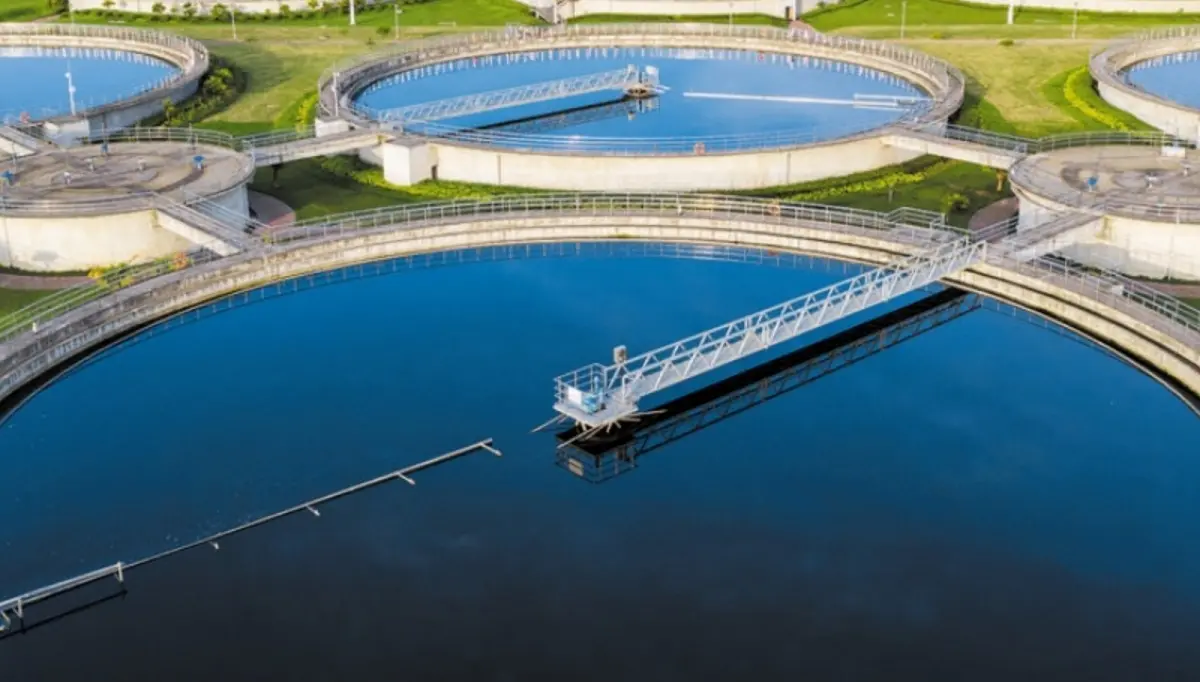

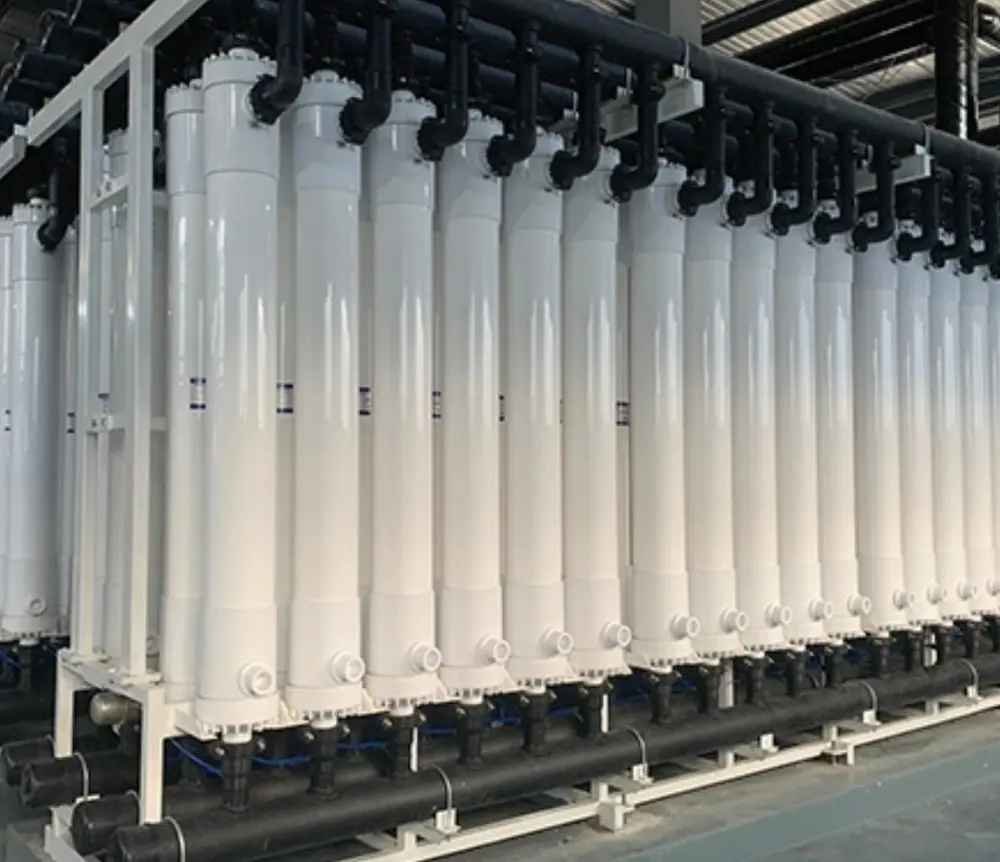
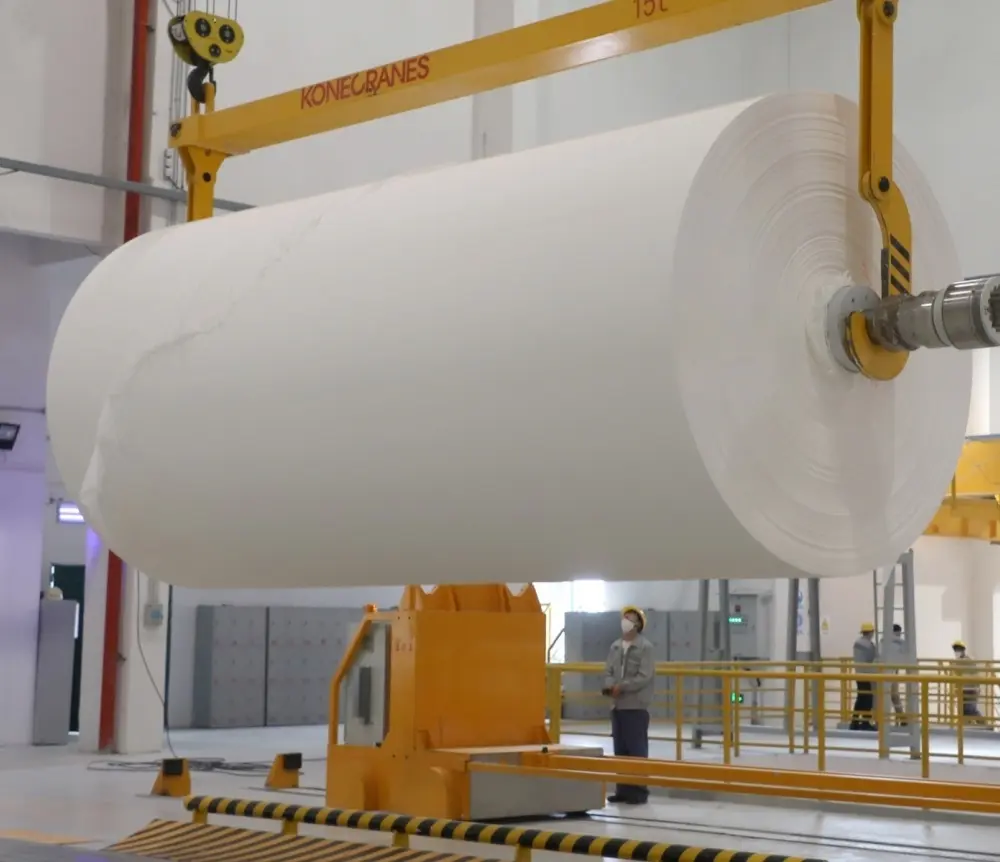
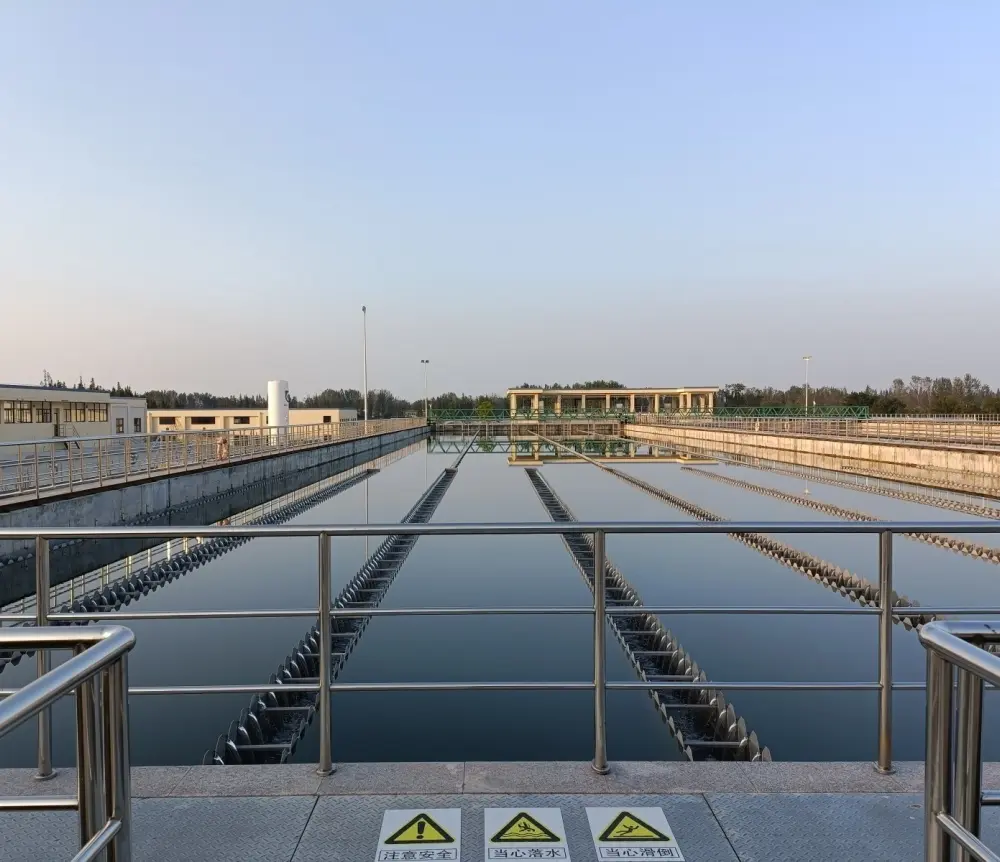
Why Wuxi BS Water Treatment Chemicals delivers unmatched value, reliability, and scale.
As a leading exporter of water treatment chemicals, Wuxi BS Water Treatment Chemicals Co., Ltd. (established in 1998) combines long-term technical experience with scaled production capabilities. Located in Wuxi, Jiangsu, we are ideally situated near primary transportation corridors and major shipping ports like Shanghai. This geographical advantage helps ensure reliable logistics and delivery schedules for our international clients.
Our facilities are designed to maintain supply consistency despite shifting market dynamics. We operate automated production lines that keep our annual manufacturing volume above 500,000 metric tons. Supported by a finished product warehouse holding over 20,000 tons, Wuxi BS can quickly fulfill large-volume orders and absorb sudden fluctuations in global demand.
Our raw aluminum bauxite and high-purity sulfuric acid are sourced through long-term partnerships with domestic suppliers, protecting our clients from sudden price spikes.
Every production batch undergoes strict quality control. From testing raw materials to inspecting finished products, we ensure consistent concentration, basicity, and purity levels.
We offer liquid deliveries via dedicated road tankers, as well as solid products packed in durable 25kg, 500kg, and 1000kg bags designed for international transit.
Developing next-generation coagulation chemistries for green, efficient water treatment.
The water treatment industry is shifting toward materials with lower carbon footprints and higher dosing efficiency. At Wuxi BS, our R&D roadmap focuses on three main initiatives:
Wuxi BS was established as a localized manufacturer of basic coagulant salts.
Re-organized production lines to focus on highly stable liquid and solid polymer formulations.
Launched our dedicated international trade division, exporting coagulants to global markets.
Annual sales revenue surpassed 10 million USD, reflecting strong global growth.
Introduced digital automated dosing systems and expanded our line of high-purity coagulants.
Expert answers to common engineering questions regarding the application and storage of aluminum sulfate coagulants.
Have technical questions or need a custom formulation? Speak with our chemical engineering team today.
Wuxi BS Water Treatment Chemicals Co., Ltd.
Providing reliable water treatment chemistry since 1998.
Fill out the form below, and our technical sales engineers will contact you shortly.
A comprehensive range of polymer agents to complement your primary coagulant systems.
 BS Water