Explore our foundational range of highly effective chemistry solutions for drinking water and domestic/industrial sludge management.
Urbanization, intensive chemical manufacturing, and rigorous environmental regulations are driving a fundamental shift in wastewater purification technologies. Today, "Blue Water" refers to clean, accessible freshwater resources, and protecting these resources requires advanced chemical treatment methods. Environmental watchdogs worldwide are setting stricter thresholds for Chemical Oxygen Demand (COD), Total Suspended Solids (TSS), and phosphorus content in industrial effluent.
According to recent market analyses, the global wastewater treatment chemicals market size is projected to exceed USD 45 billion by 2030, growing at a CAGR of 6.2%. The demand is concentrated in municipal sewage, petrochemical processing, coal mining, pulp and paper processing, and industrial manufacturing.
Industrial wastewater contains colloidal suspensions with negative surface charges that prevent aggregation due to electrostatic repulsion. Effective treatment requires adding specific coagulants and flocculants.
Charge Neutralization: Polyaluminium Chloride (PAC) and Aluminum Chlorohydrate (ACH) supply highly positive polymeric aluminum complexes to neutralize negative colloidal particles, allowing them to aggregate into micro-flocs.
Polymer Bridging: Polyacrylamide (PAM) molecules exhibit long polymer chains that capture these microflocs, creating larger aggregates (macroflocs) that settle rapidly. This process accelerates settling velocity, enhances filterability, and lowers cake moisture levels during centrifuge filtration.

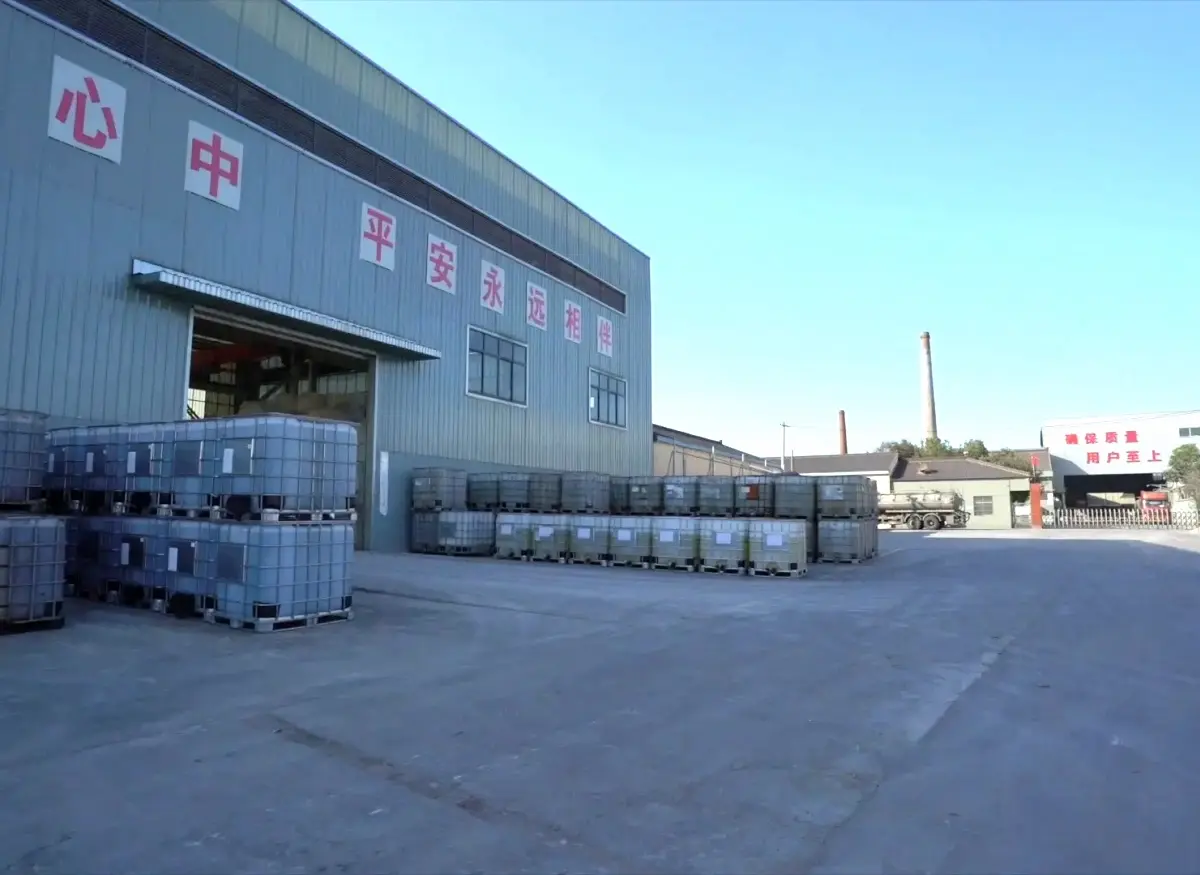
Established in 1998, Wuxi BS Water Treatment Chemicals Co., Ltd. (formerly Wuxi Bisheng Water Treatment Agent Co., Ltd.) is a manufacturer specializing in water purification chemistry. For over 27 years, we have produced formulations for municipal drinking water and industrial wastewater systems.
We supply high-efficiency decolorizing agents, organic polymers, and inorganic coagulants globally. Our automated synthesis facilities enable us to maintain consistent batch quality and support global chemical distribution networks.
Years of Manufacturing Experience
Annual Production Capacity (Tons)
Storage Warehouse capacity (Tons)
Global Enterprises Served
Select a product category to view chemical specifications, functional properties, and target application fields.
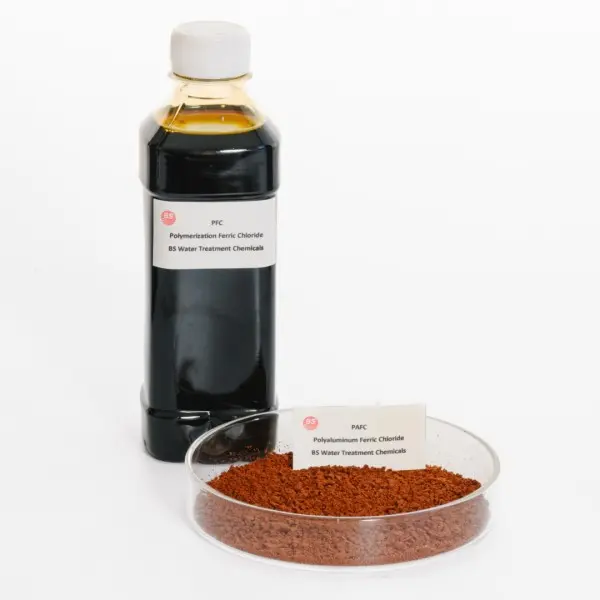
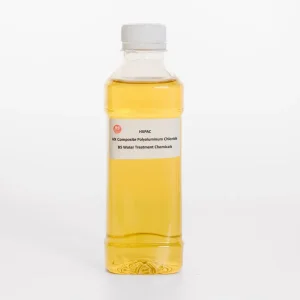
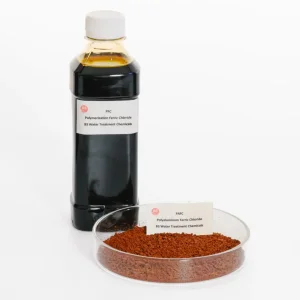
Combines the rapid settling properties of iron salts with the charge neutralization of aluminum polymers.
Details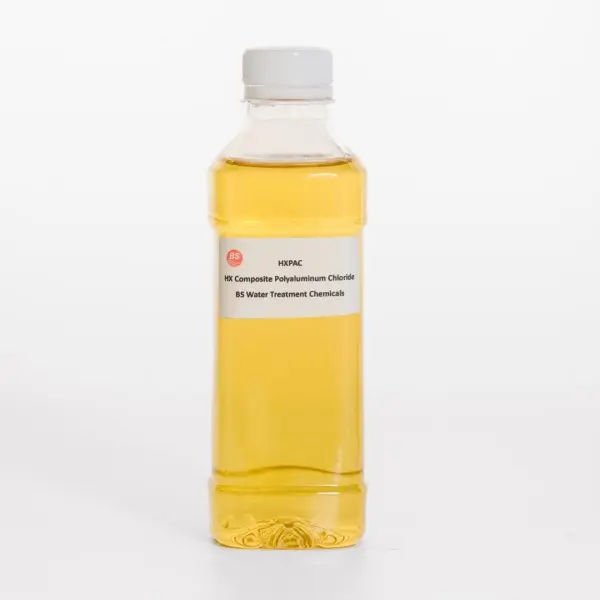
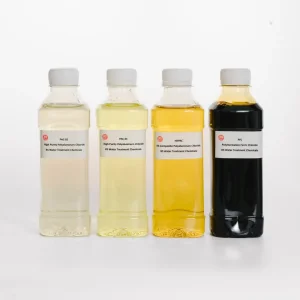
Enhanced solid settling formulation designed for heavy metal precipitation and highly turbid wastewater.
Details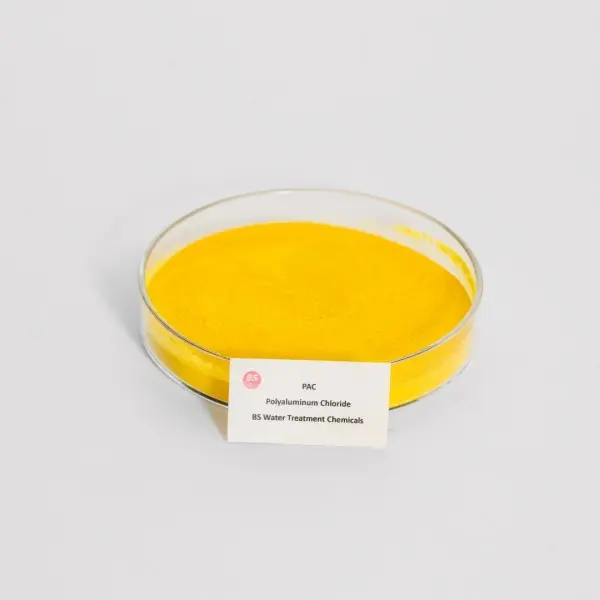
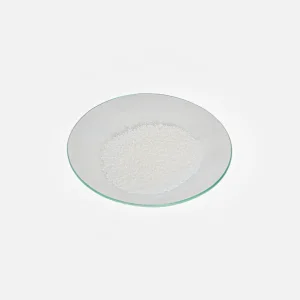
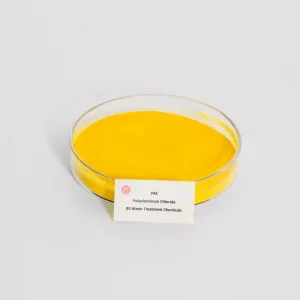
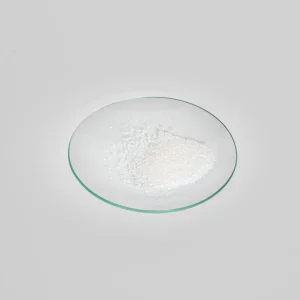
High-purity powder with good solubility, low heavy metal content, and fast hydrolysis performance.
Details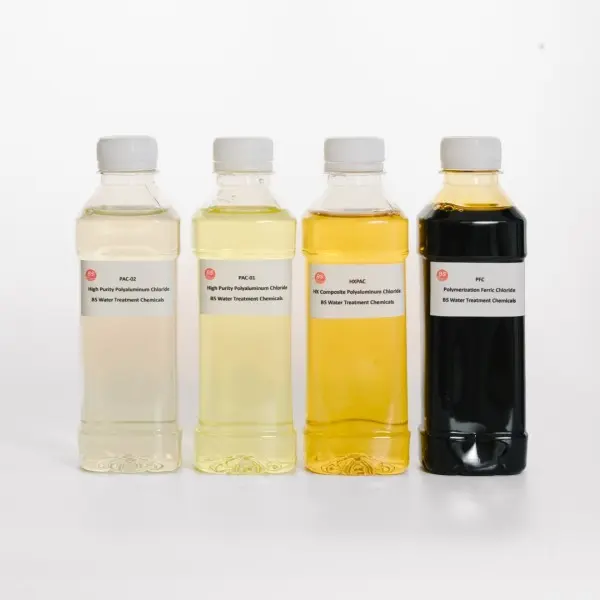
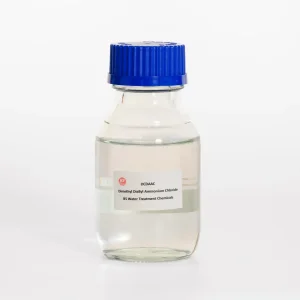
Ready-to-dose liquid solution. Eliminates dissolution time and dust hazards during handling.
Details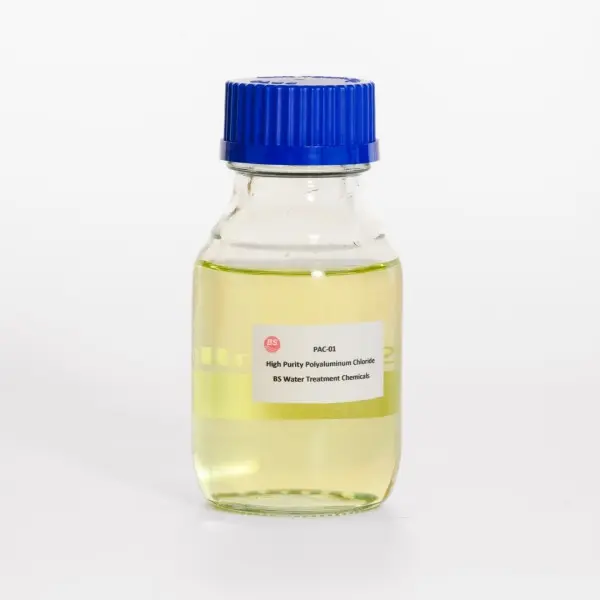
Pure spray-dried powder suitable for drinking water systems and paper sizing applications.
Details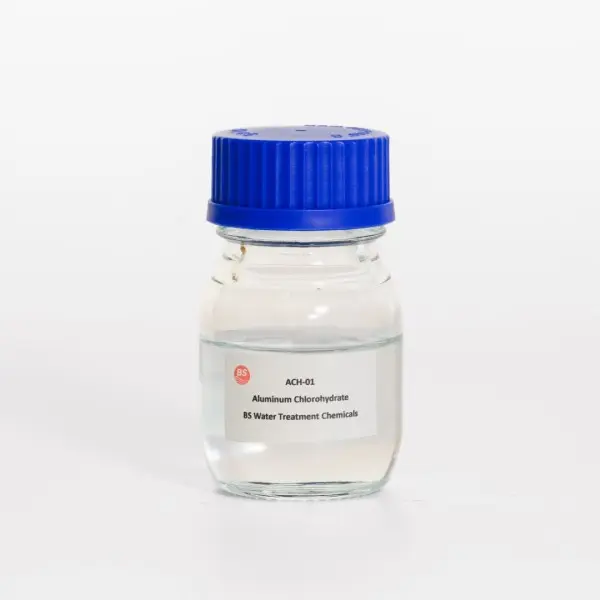
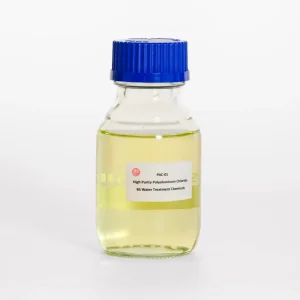
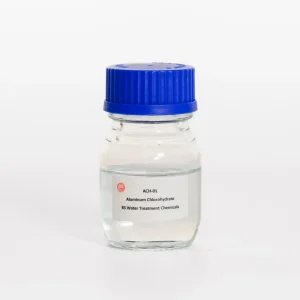
High concentration formulation (up to 24% Al2O3) offering strong charge neutralization with minimal pH alteration.
Details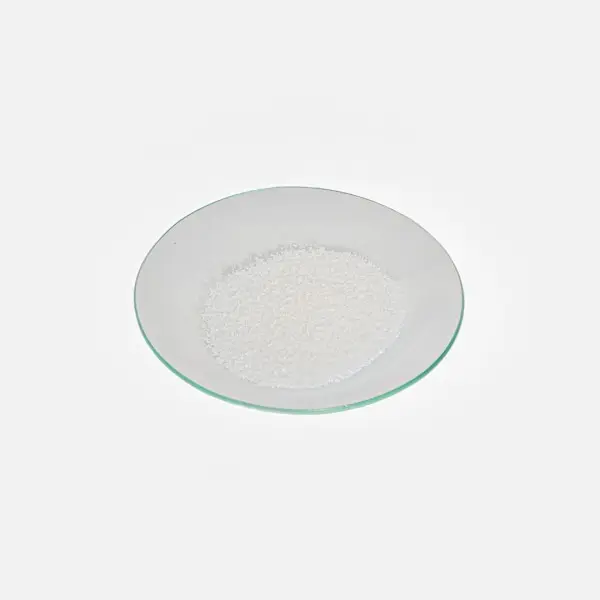
High molecular weight cationic polymer used for sludge dewatering and organic wastewater treatment.
Details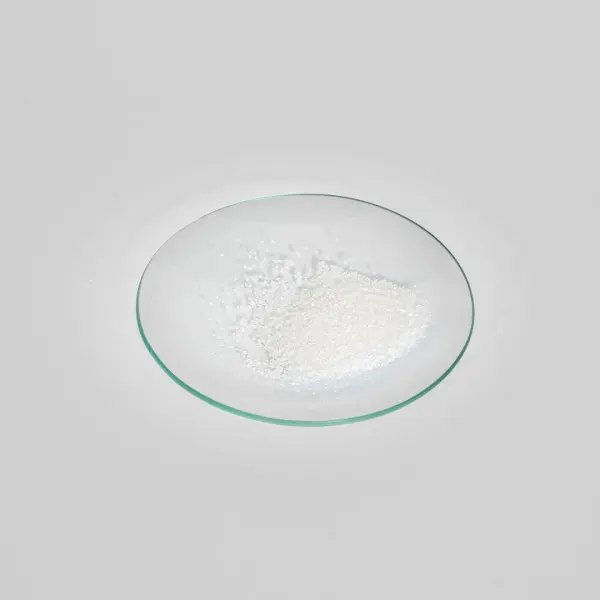
Flocculant used for inorganic wastewater settlement, coal washing, and mineral processing.
DetailsOur chemicals are formulated to meet the process parameters and treatment requirements of various industries.
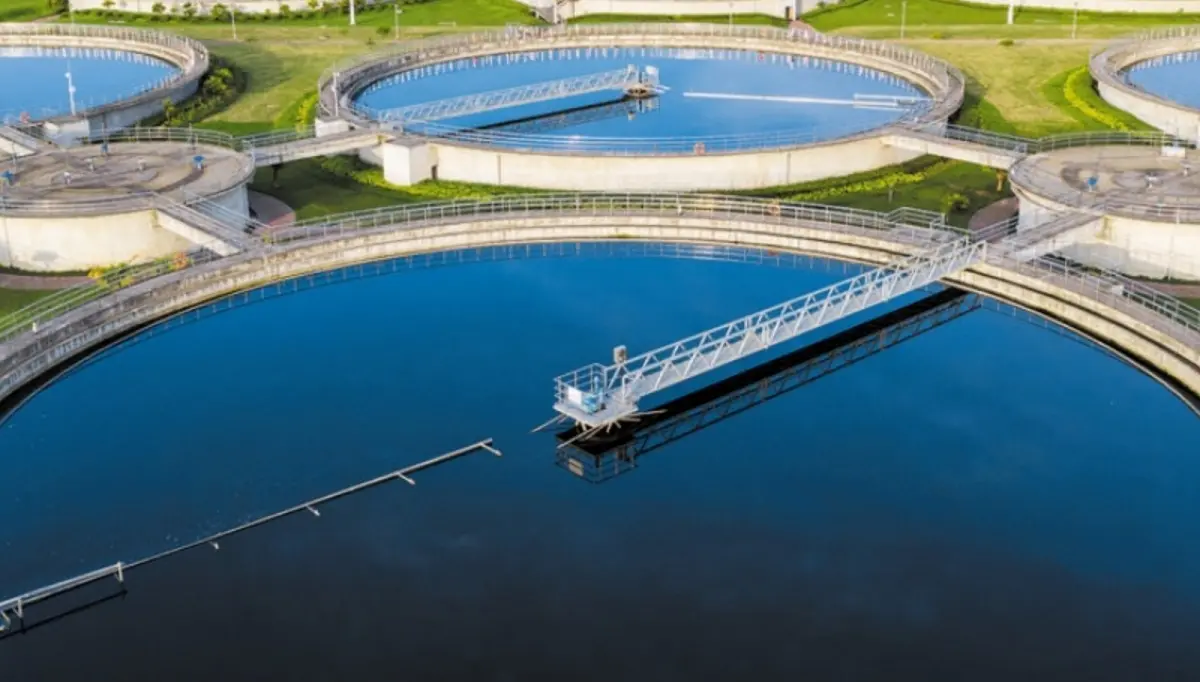
Used in municipal facilities for primary coagulation and secondary biological sludge dewatering via belt presses or centrifuges.
Learn More →
Assists in oil-water separation, treatment of produced water, and polymer flooding processes during oil recovery.
Learn More →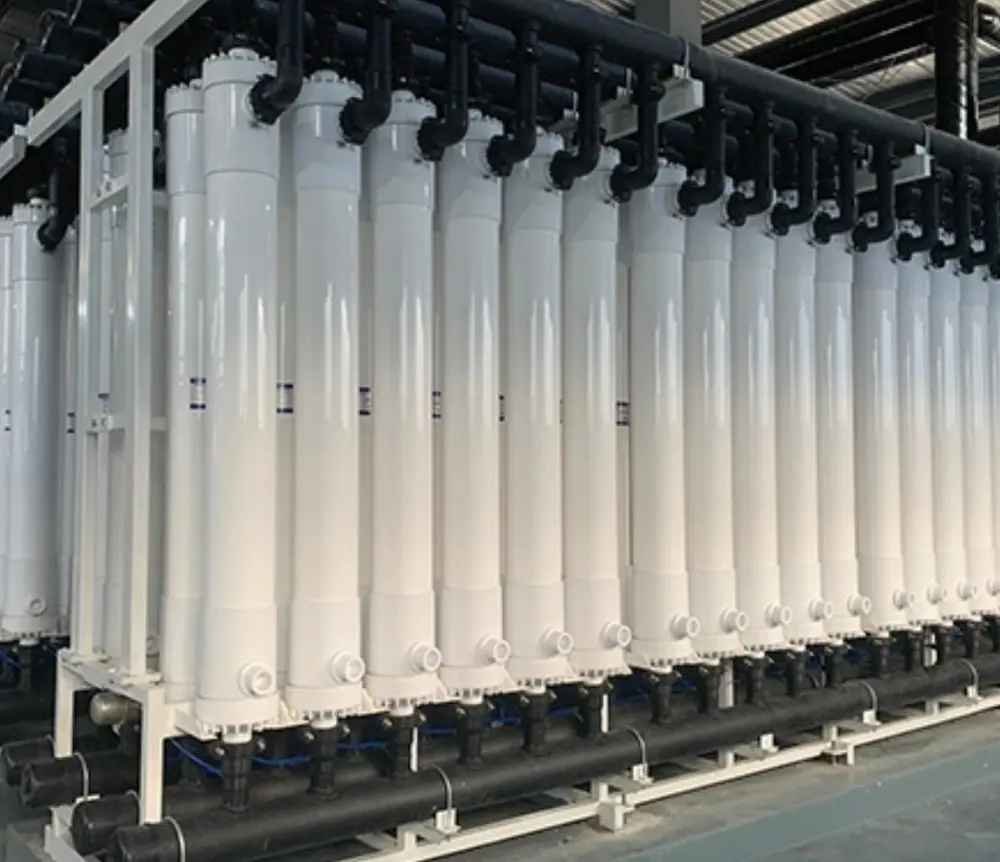
Reduces colloidal fouling on Ultrafiltration (UF) and Reverse Osmosis (RO) membranes by aggregating micro-colloids prior to filtration.
Learn More →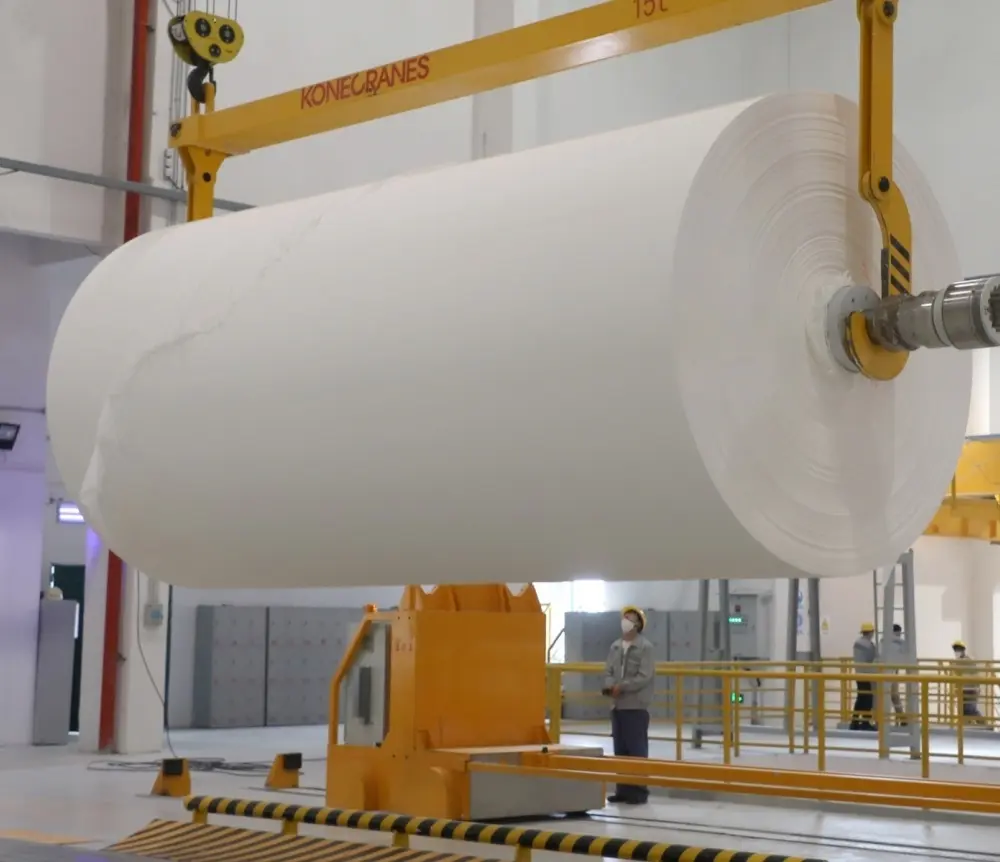
Functions as a retention and drainage aid on paper machines, and treats paper mill effluent containing high cellulose and lignin loads.
Learn More →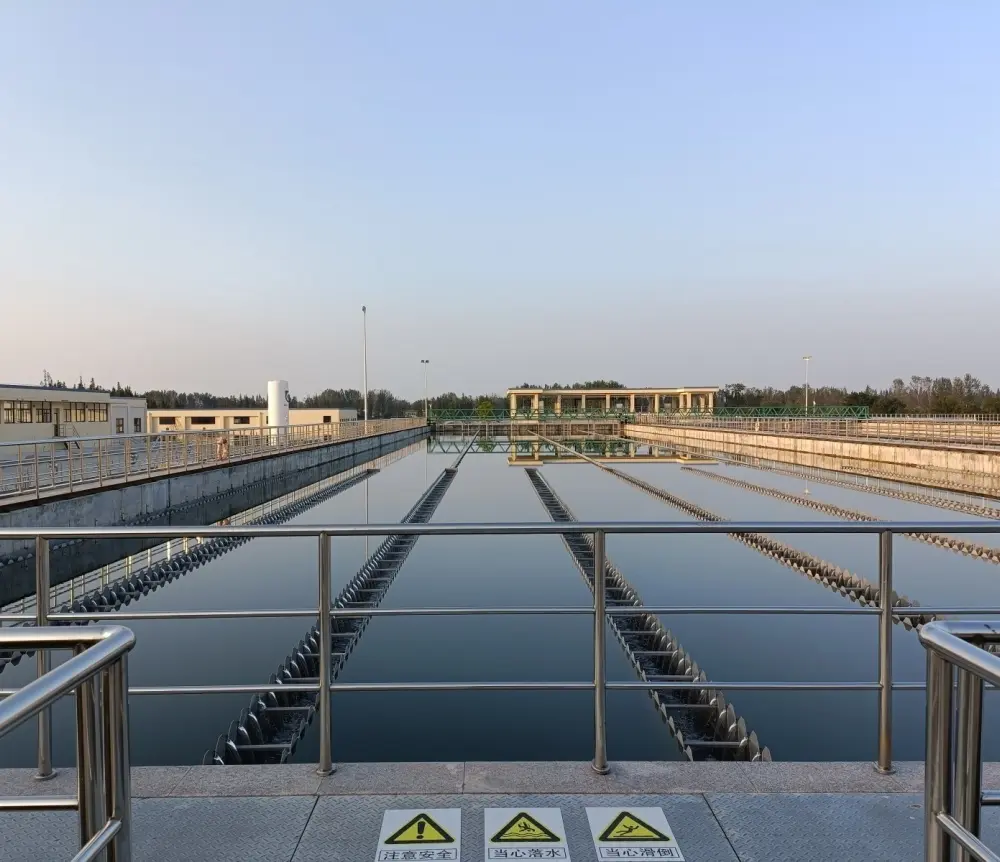
High-purity PAC and ACH products designed to clarify raw surface water to meet drinking water safety standards.
Learn More →These formulations are frequently selected for sludge treatment, color removal, and charge neutralization projects.
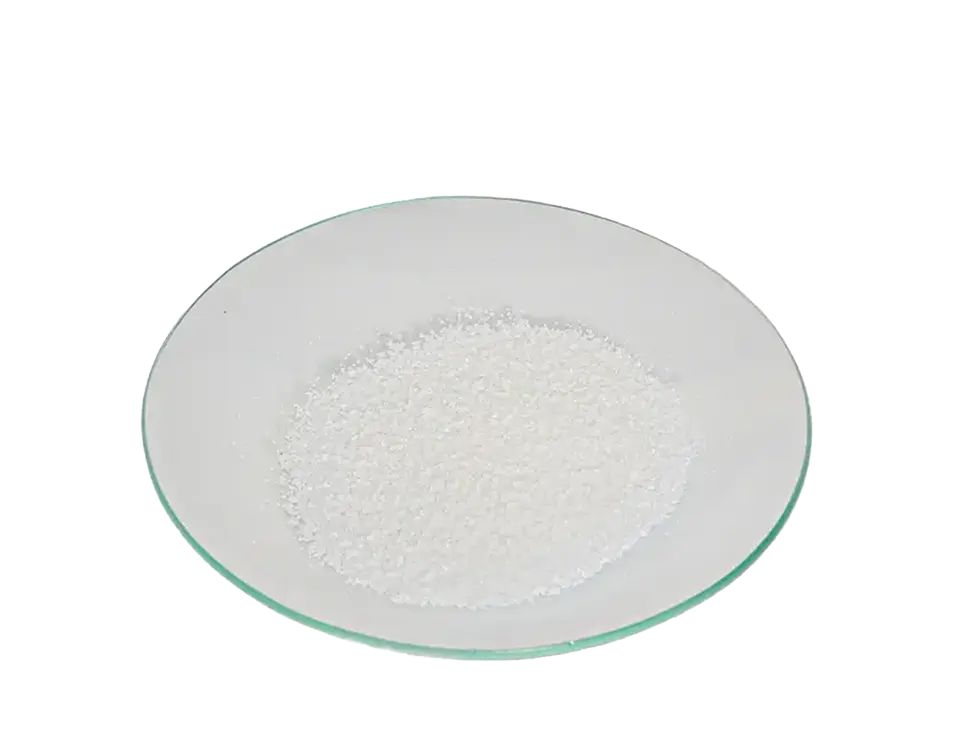
Designed for sludge dewatering in municipal and food processing facilities. Formulated for high shear resistance during mechanical squeezing.
Request Quote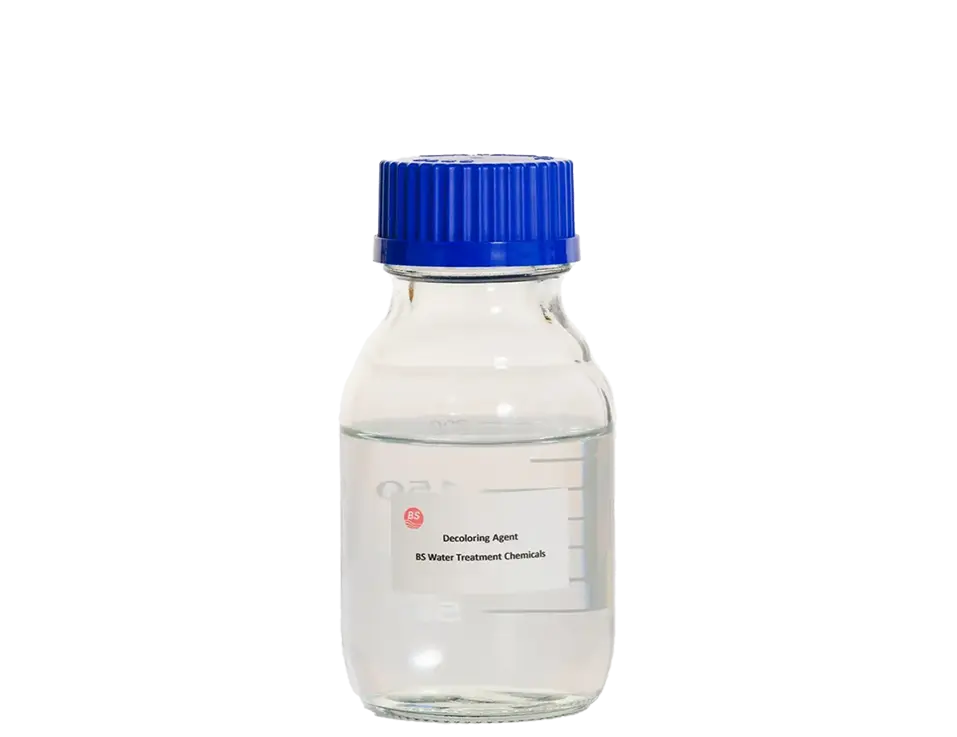
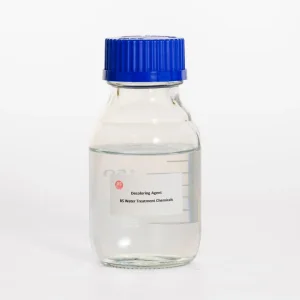
A dicyandiamide formaldehyde copolymer designed to decolorize and reduce COD in textile dyeing, paper processing, and printing wastewater.
Request Quote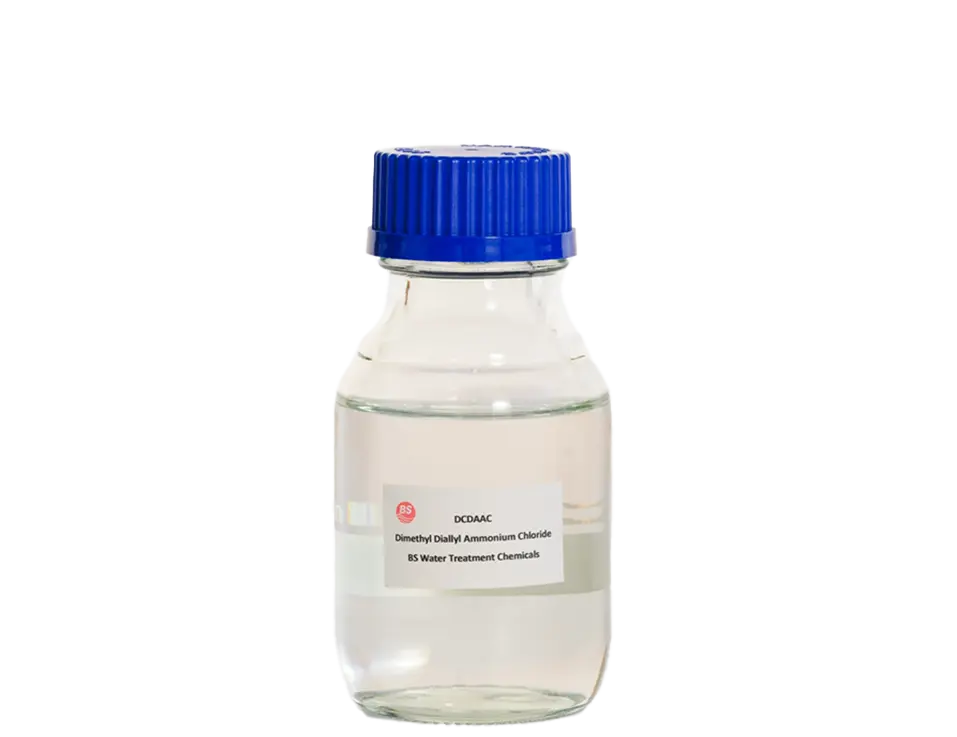
A high charge density cationic coagulant utilized in primary clarification, flotation processes, and pulp filtration systems.
Request QuoteWe configure packaging, molecular weights, and active ingredients to meet the specific requirements of regional water treatment projects.

We analyze customer water quality parameters in-house to recommend suitable coagulant dosages and product types.


With an annual output of 500,000 tons and a large storage warehouse, we support continuous supply schedules for overseas clients.

Our packaging facilities support raw chemical powders and liquid concentrates, packed for secure maritime and dry-land freight.

We run active polymer development labs targeting high-basicity compounds and low-dust dry granular formulations.

Our foreign trade division manages compliance documentation, quality certificates, and customs clearances for international shipments.
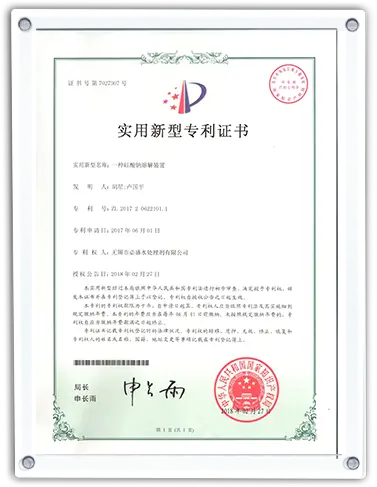
Our production facilities are certified under global environmental and quality management frameworks.

Wuxi BS Water Treatment Chemicals Co., Ltd. operates in compliance with ISO 9001:2015 (Quality Management System) and ISO 14001:2015 (Environmental Management System). Each batch undergoes strict chemical screening, including heavy metal assays, molecular weight profiling, and basicity verification, before leaving our warehouses.
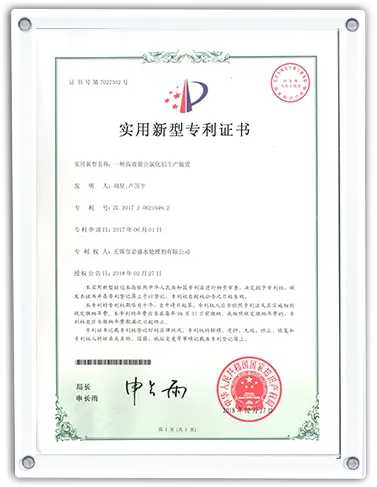
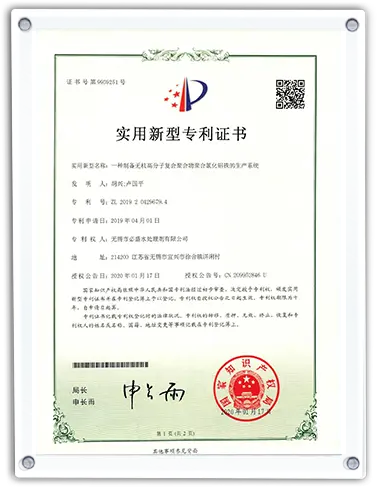
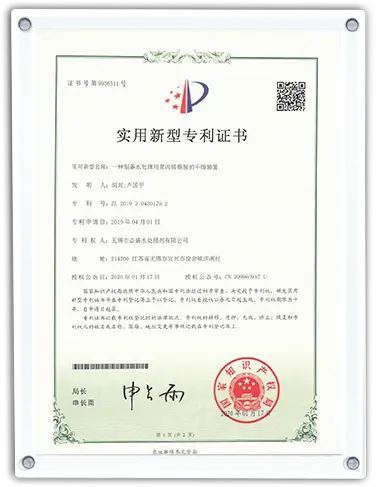
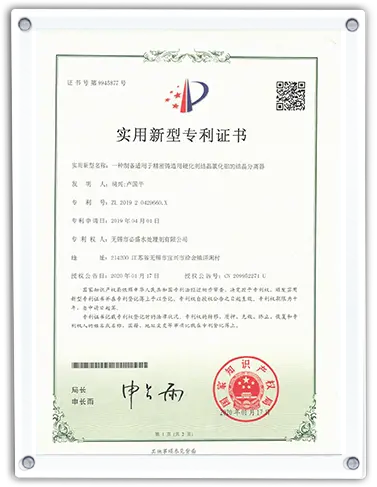
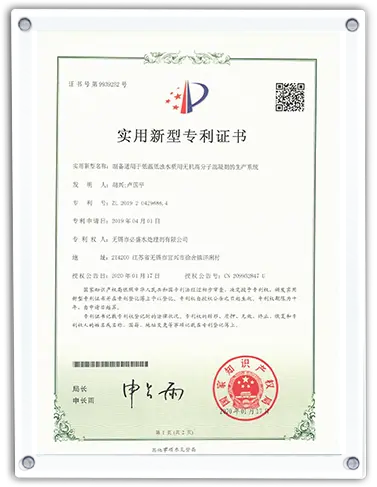
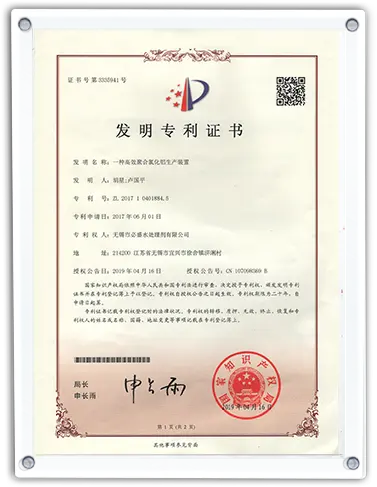
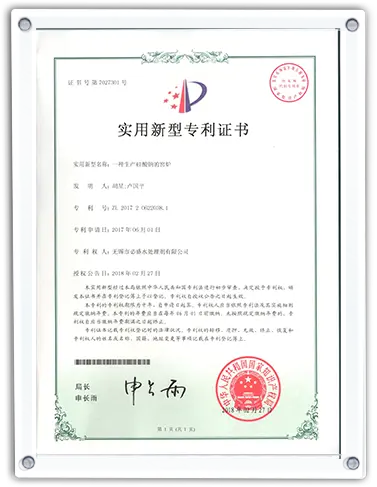
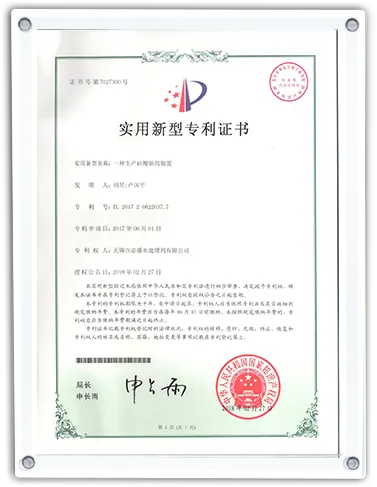
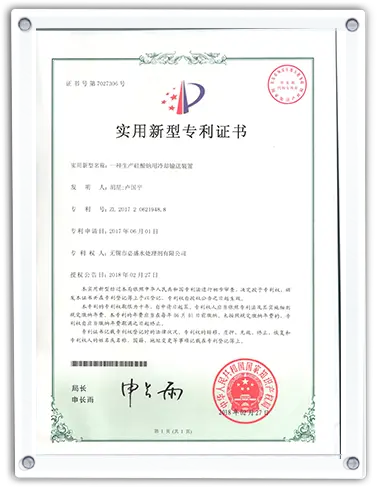
A history of development, production expansion, and technological growth over nearly three decades.

How we are preparing to meet future wastewater discharge standards and process automation requirements.
Developing biodegradable starch-graft-acrylamide copolymers to reduce the residual monomer footprint in treated drinking water systems.
Synthesizing Aluminum Chlorohydrate with a basicity rating above 83% to minimize raw material usage and sludge volumes in heavy metal precipitation.
Improving the granulating process of dry polyacrylamide to prevent dust formation, reducing physical hazards in operational environments.
Developing integration systems that adjust coagulant dosage rates in real time based on incoming water turbidity and pH levels.
For product specifications, sample requests, or inquiries regarding specific treatment requirements, contact our sales and engineering team.
Sample packs of PAC, PAM, or Water Decoloring Agent can be prepared and dispatched within 48 hours for laboratory jar testing.
Request Technical Consultation & Quote
Read about our operational expansions, product releases, and technical conference updates.
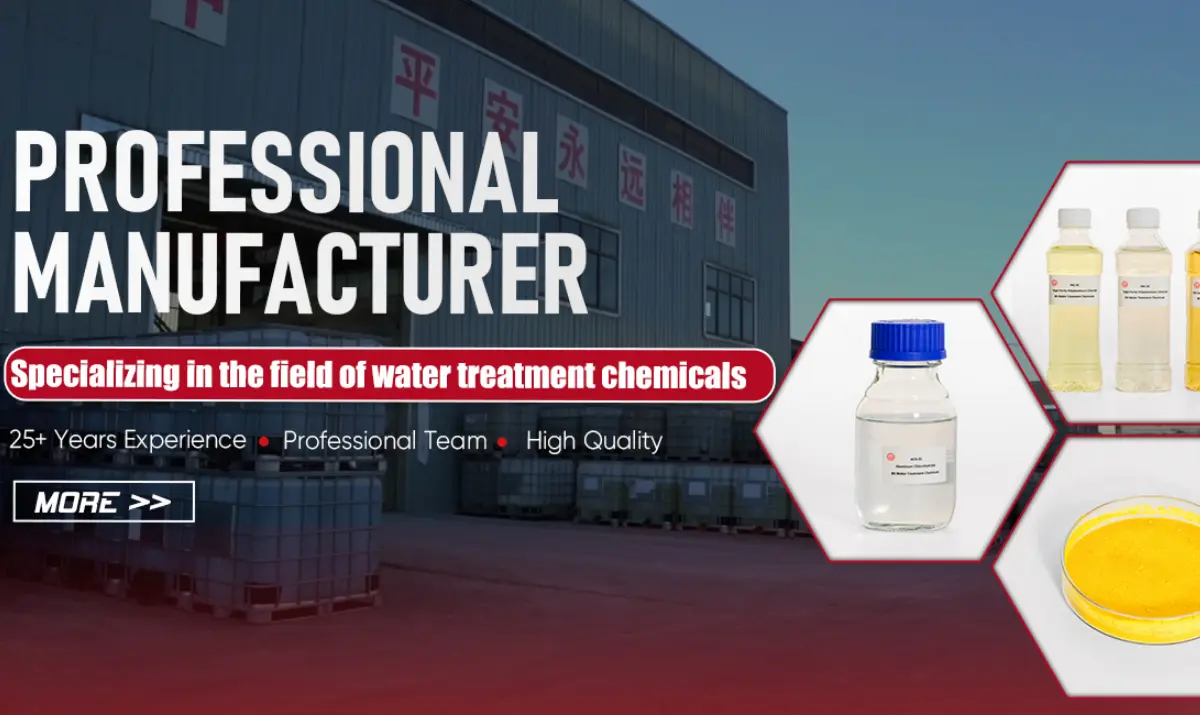
 Sep 09, 2025
Wuxi BS Water Treatment Chemicals Co., Ltd., which has been active in the water treatment field for decades, is scaling its production lines to support growing export volumes. Our dual strategy combines raw material processing with custom chemical synthesis to serve diverse regional markets.
Read Full Report →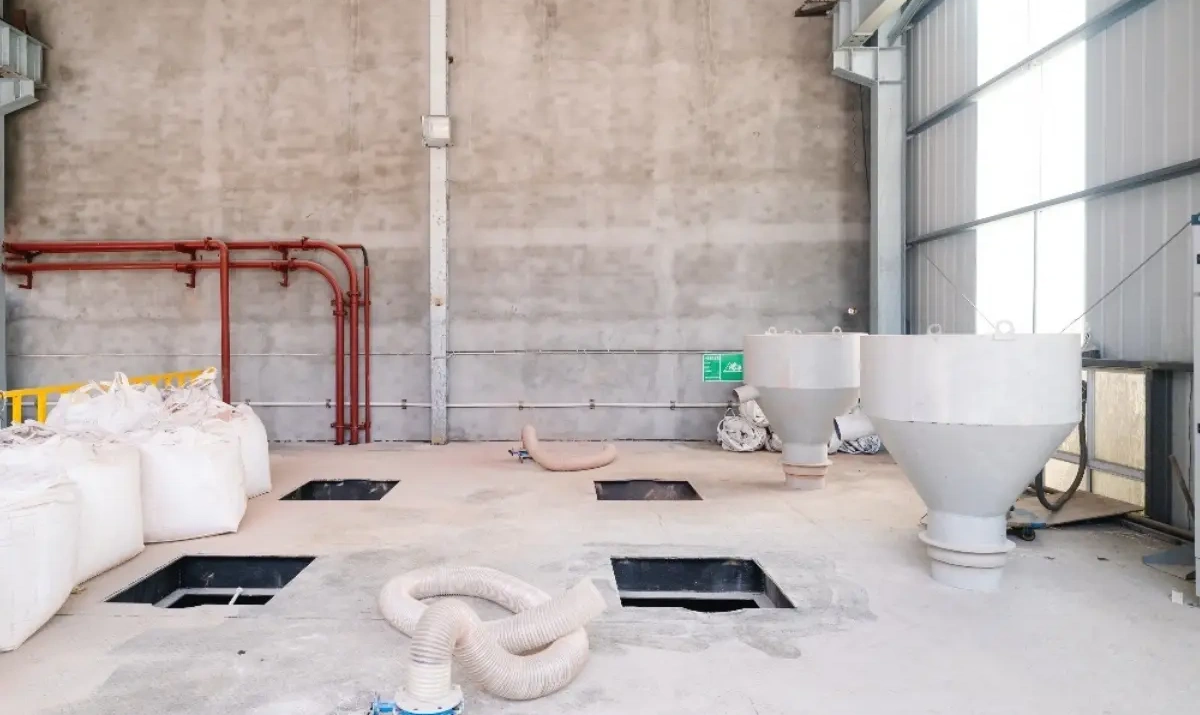 Aug 21, 2025
Wuxi BS Water Treatment Chemicals Co., Ltd. has introduced digital solid-feeding equipment systems to help clients control dosage rates and reduce chemical waste.
 Aug 15, 2025
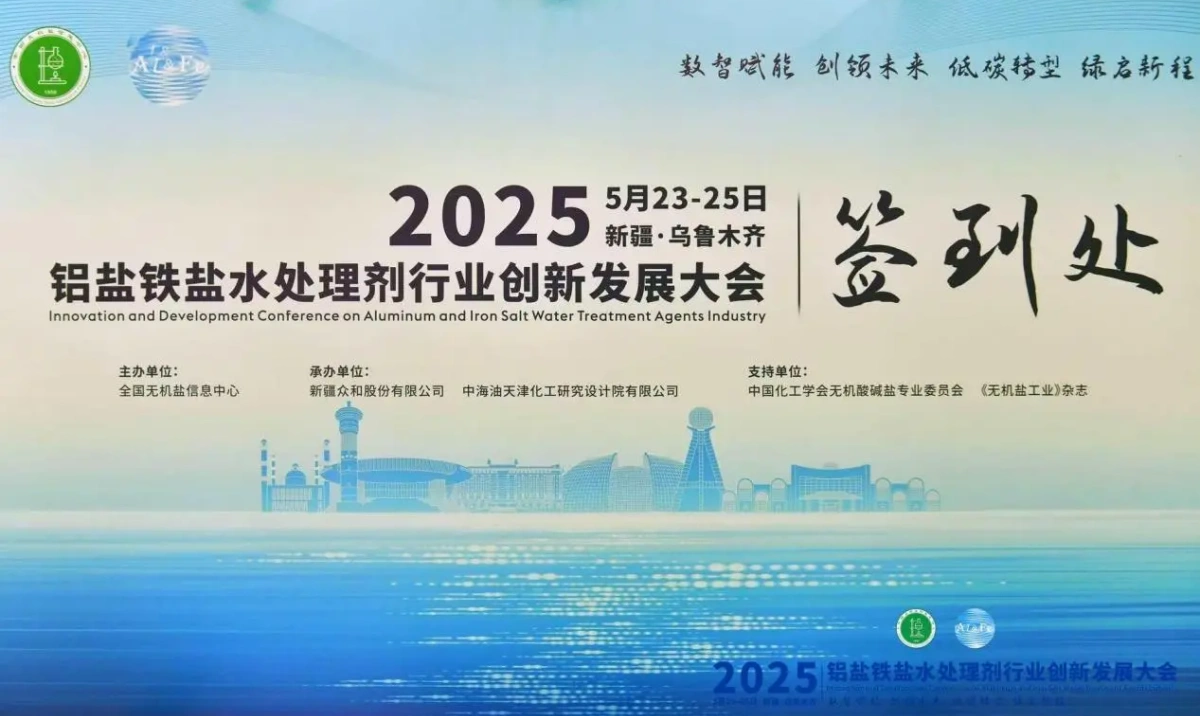
Our R&D team presented paper sizing and coagulation studies at the national development summit, focusing on high-basicity aluminum compounds.
Common operational questions from chemical engineers, municipal operators, and procurement managers.
Explore our organic polymer range, water decoloring compounds, and targeted sludge conditioning options.
 BS Water