Explore our highly-stabilized coagulants and flocculants engineered for rapid sedimentation and strict water purity compliance.
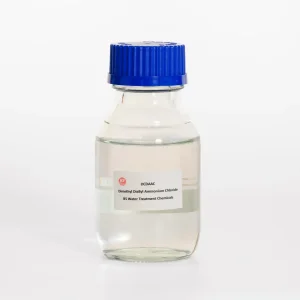
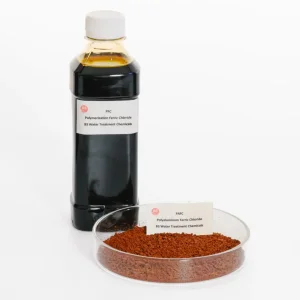
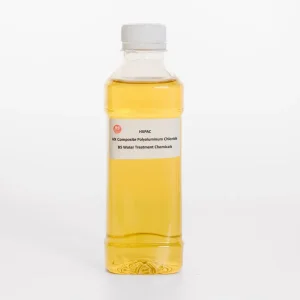
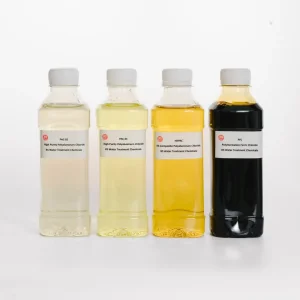
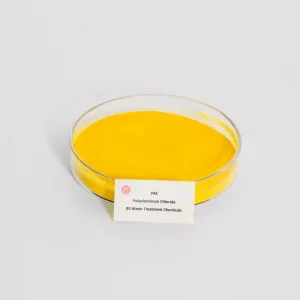
Polyaluminum Chloride (PAC) has established itself as the dominant chemical coagulant globally, reshaping modern municipal drinking water purification and complex industrial wastewater remediation. Chemically represented as [Al2(OH)nCl6-n]m, PAC is a highly engineered inorganic polymer characterized by its basicity—a crucial parameter that defines the degree of hydroxyl substitution within the alumina structure. The global market is undergoing a transition driven by stringent environmental mandates (such as the EU REACH regulations, EPA standards in the United States, and GB15892-2020 in China). These frameworks demand lower chemical residual levels, minimal sludge generation, and highly stable chemical performance.
From an industrial perspective, PAC coagulants have largely replaced traditional monomers like aluminum sulfate (alum) and ferric chloride. The primary driver is PAC's high charge-neutralization efficiency and rapid hydrolysis kinetics. In industrial processes, this translates to faster floc settling times, reduced alkalinity depletion, and significantly lower heavy metal residues in treated water. Currently, Asia-Pacific remains the largest production hub and consumer base due to rapid urbanization and large-scale industrialization. Concurrently, North American and European markets demand high-purity, low-heavy-metal PAC options (particularly food-grade white PAC, synthesized using premium raw materials like aluminum hydroxide and hydrochloric acid).
As water reuse initiatives become mandatory worldwide, the demand for composite and high-basicity variations of PAC continues to rise. Coagulation chemistry is no longer viewed as a static step; instead, it is treated as a dynamic process optimized for specific local water temperatures, organic loads, and colloidal distributions. By supplying a comprehensive array of PAC, PAFC, and ACH formulations, global suppliers like Wuxi BS Water Treatment Chemicals Co., Ltd. ensure that wastewater engineers have access to the exact chemical basicity and concentration needed for high-efficiency solid-liquid separation.
Basicity represents the ratio of hydroxyl ions (OH-) to aluminum ions (Al3+). A higher basicity (up to 85-90%) yields stronger charge neutralization and faster flocculation, reducing the necessity for alkaline neutralizers during treatment.
Traditional alum requires high dosing levels and operates in a narrow pH window (6.0-7.0). In contrast, PAC operates effectively across a wide pH range (5.0-9.0), creates larger and denser flocs, and performs reliably in low-temperature water.
Analyzing future trajectories in coagulation chemistry, digital dosing technologies, and sustainable manufacturing.
Advancements in real-time turbidity monitoring and zeta potential sensors allow water plants to deploy automated dosing algorithms. By continuously adjusting the PAC feed based on incoming organic loads, operators avoid chemical over-dosing, control cost spikes, and minimize residual metal concentrations.
The development of hybrid composite coagulants represents a major leap in treatment efficiency. Combining inorganic PAC or PAFC with cationic polymers (such as PDADMAC or Polyacrylamide) in a single formulation results in synergized performance: rapid charge neutralization followed by powerful polymeric bridging, all within a single processing step.
Modern PAC manufacturing plants are actively reducing carbon footprints by introducing energy-efficient spray drying towers and upgrading to intelligent digital feeding systems. Utilizing high-grade chemical byproducts from clean industries enables circular economy compliance without sacrificing product purity or stability.
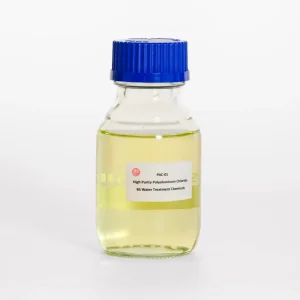
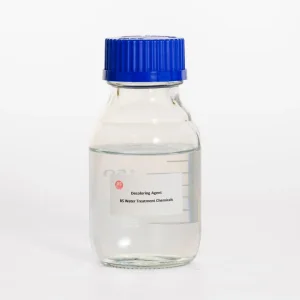
As the international community converges on stricter carbon neutrality goals, the chemical processing industry is evolving. Coagulant sourcing now emphasizes long-term reliability and supplier capabilities over basic chemical pricing. High-purity white PAC (PAC-01), free of trace heavy metals, is increasingly required in membrane pre-treatment systems to prevent organic fouling and preserve expensive reverse osmosis (RO) membranes. Furthermore, customized formulations that combine Polymeric Aluminium Ferric Chloride (PAFC) with organic decolorizing agents are becoming the standard recommendation for addressing complex textile, printing, and dyeing effluent streams.
Comprehensive categorizations tailored to specific purification requirements, molecular weights, and target pollutants.
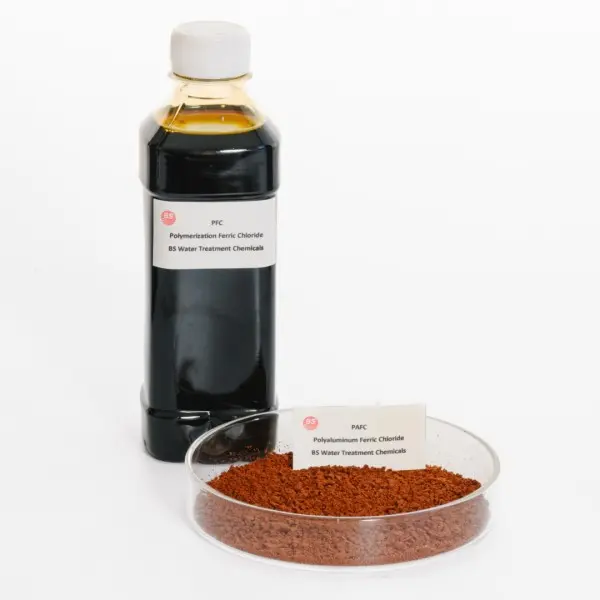
Doped with iron ions to form highly dense flocs for challenging wastewater environments.
Technical Sheet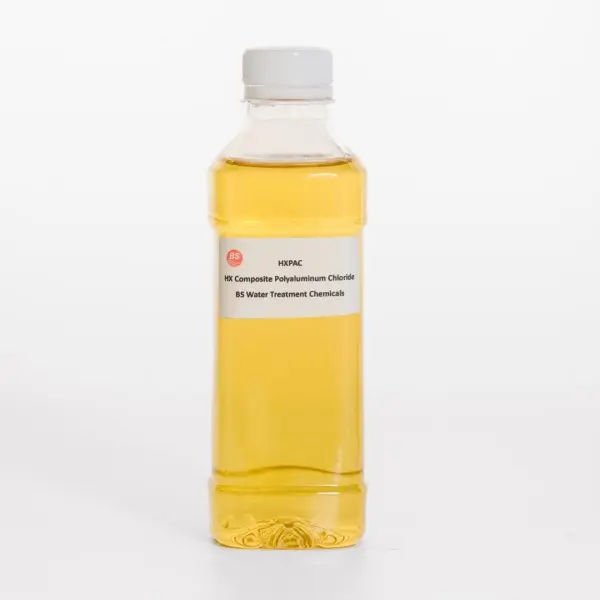
Synthesized for swift coagulation in highly turbid surface waters.
Technical Sheet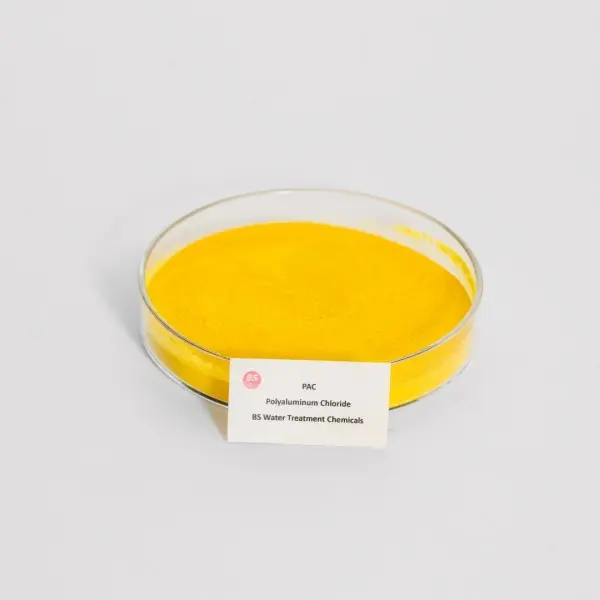
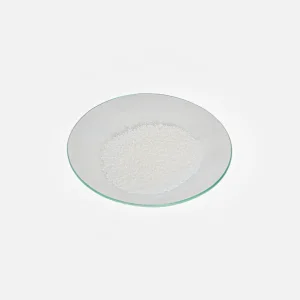
Standard spray-dried powder featuring balanced basicity and optimal dissolution rates.
Technical Sheet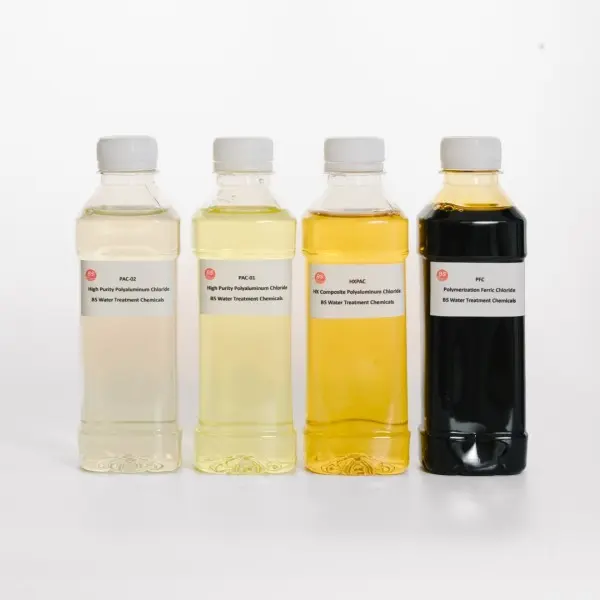
Pre-hydrolyzed solution, ready-to-dose to save on dissolution labor.
Technical Sheet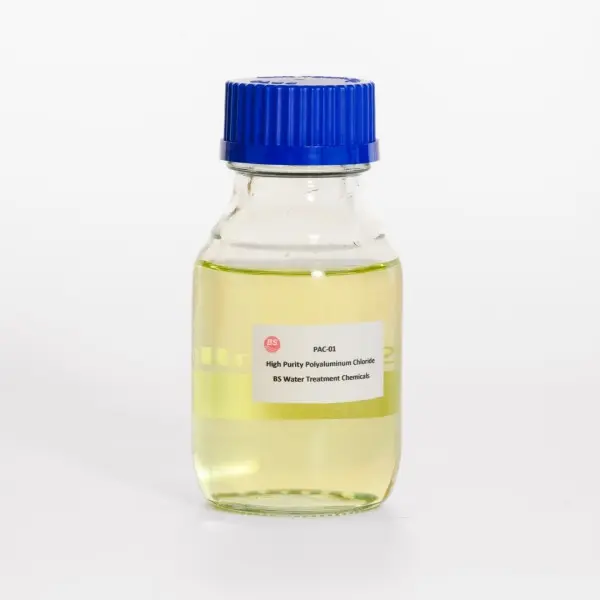
Low iron and heavy metal content, optimized for drinking water treatment.
Technical Sheet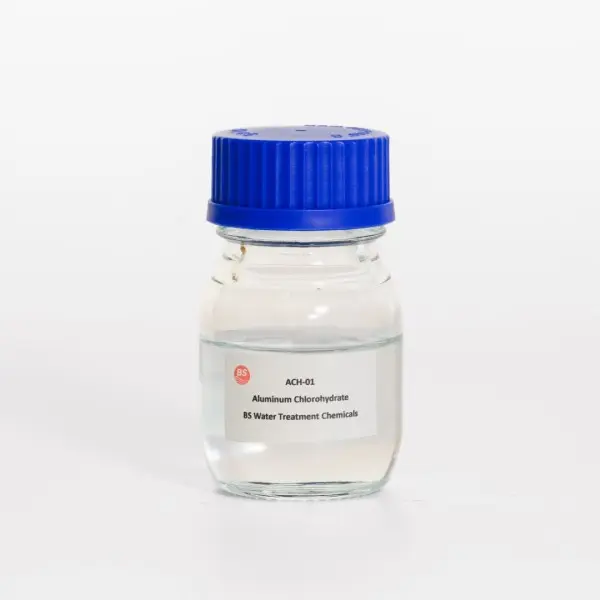
The highest basicity variant (up to 83%), delivering superior coagulation kinetics.
Technical Sheet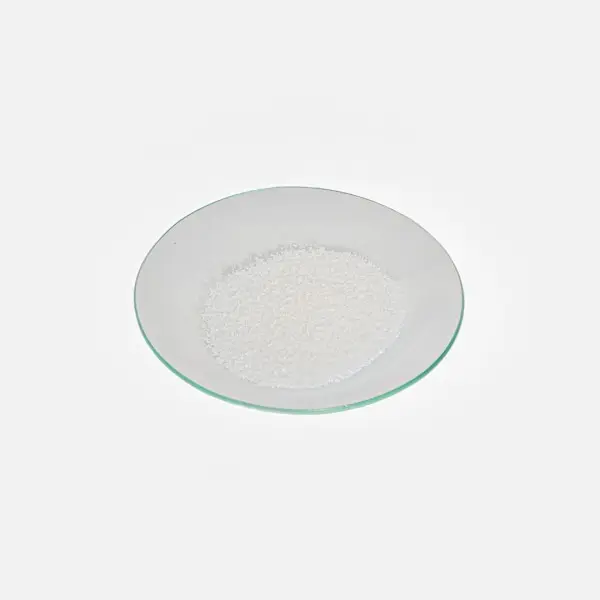
High-molecular-weight polymer for slurry dewatering and floc bridging.
Technical Sheet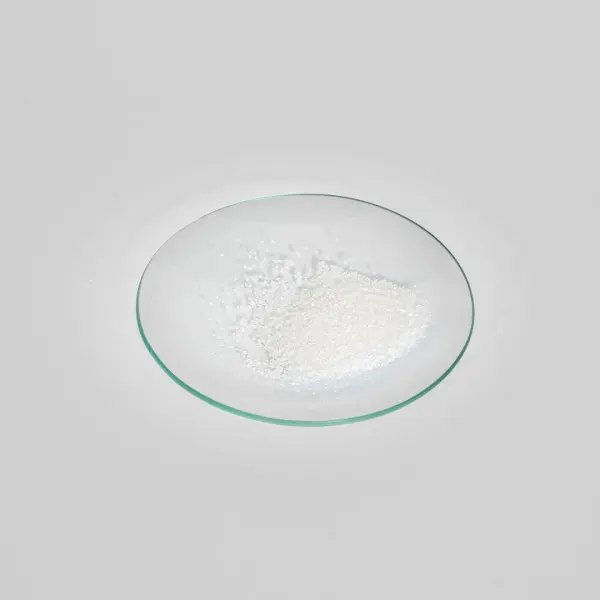
Highly effective for mineral processing, metallurgy, and industrial sludge settling.
Technical SheetHow specialized PAC formulations resolve environmental challenges across diverse sectors.
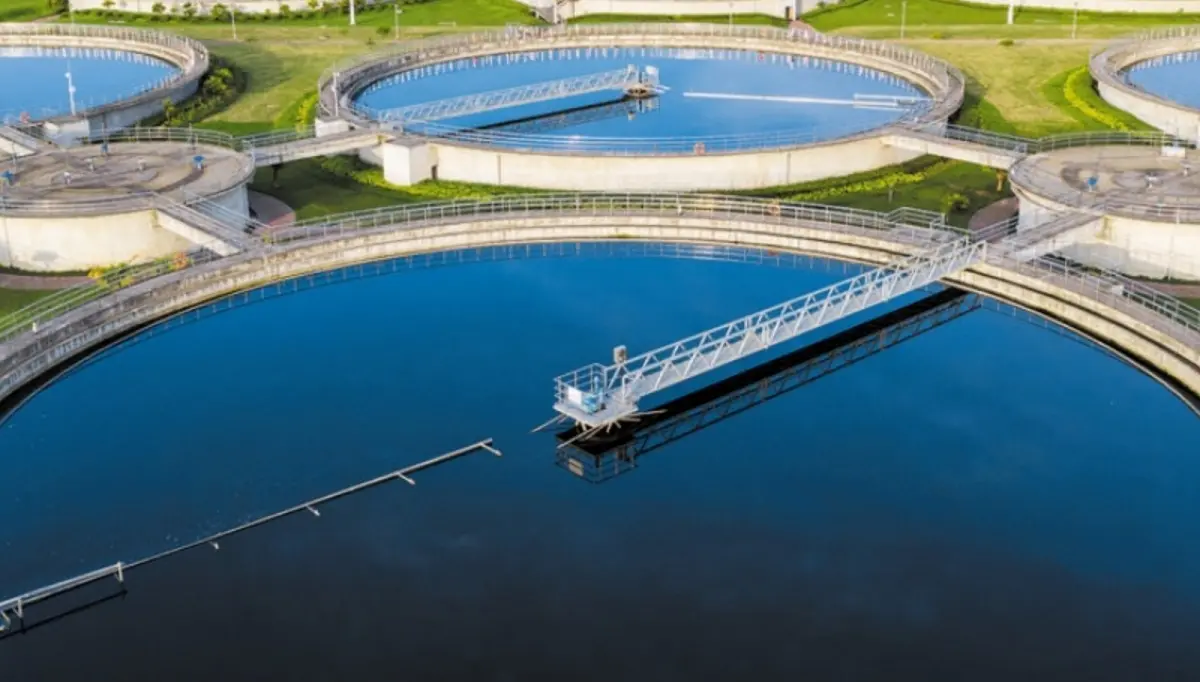

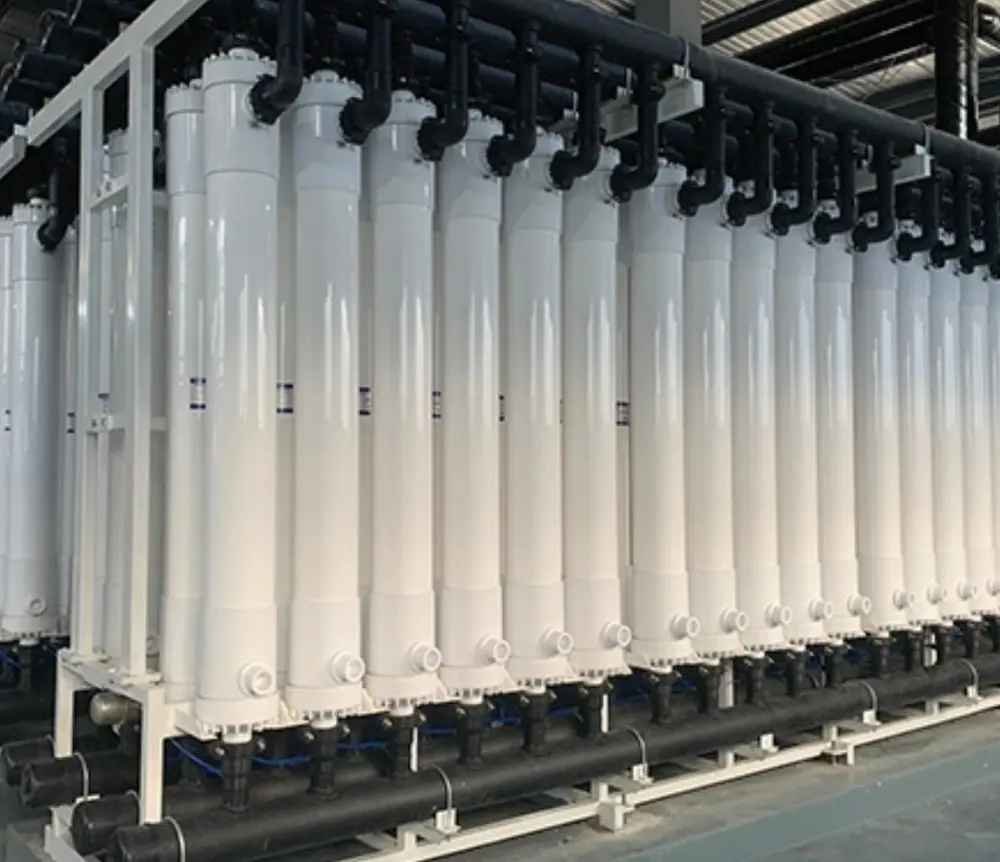
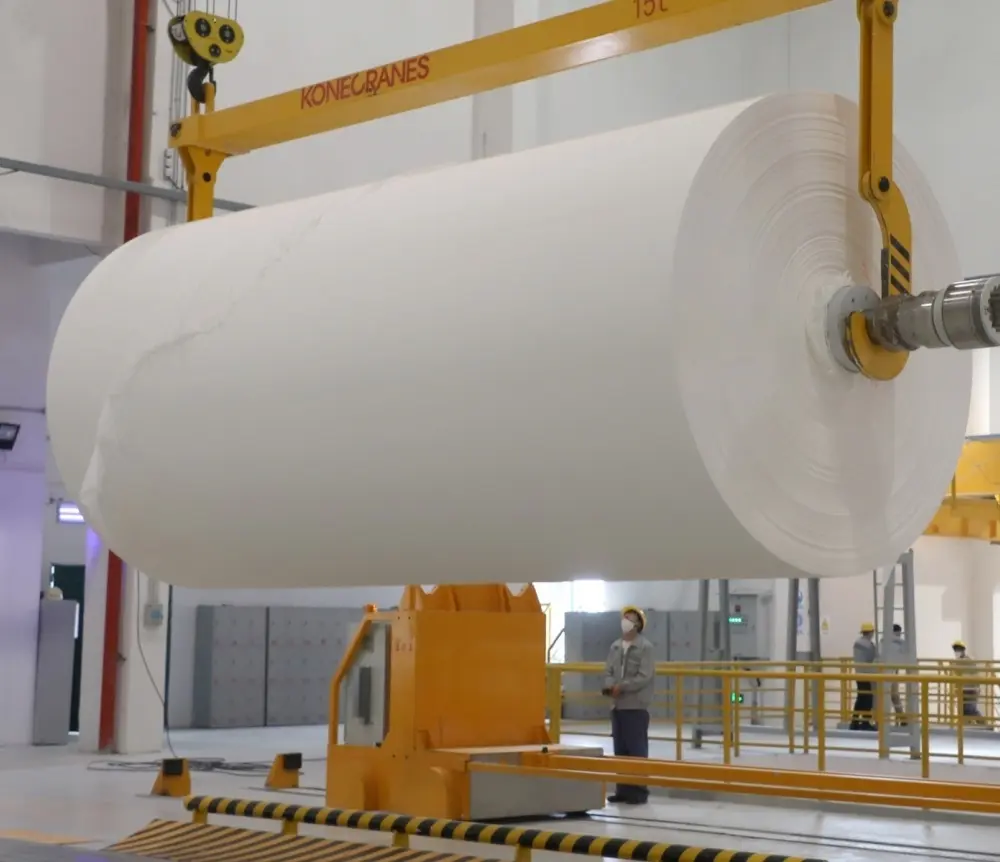
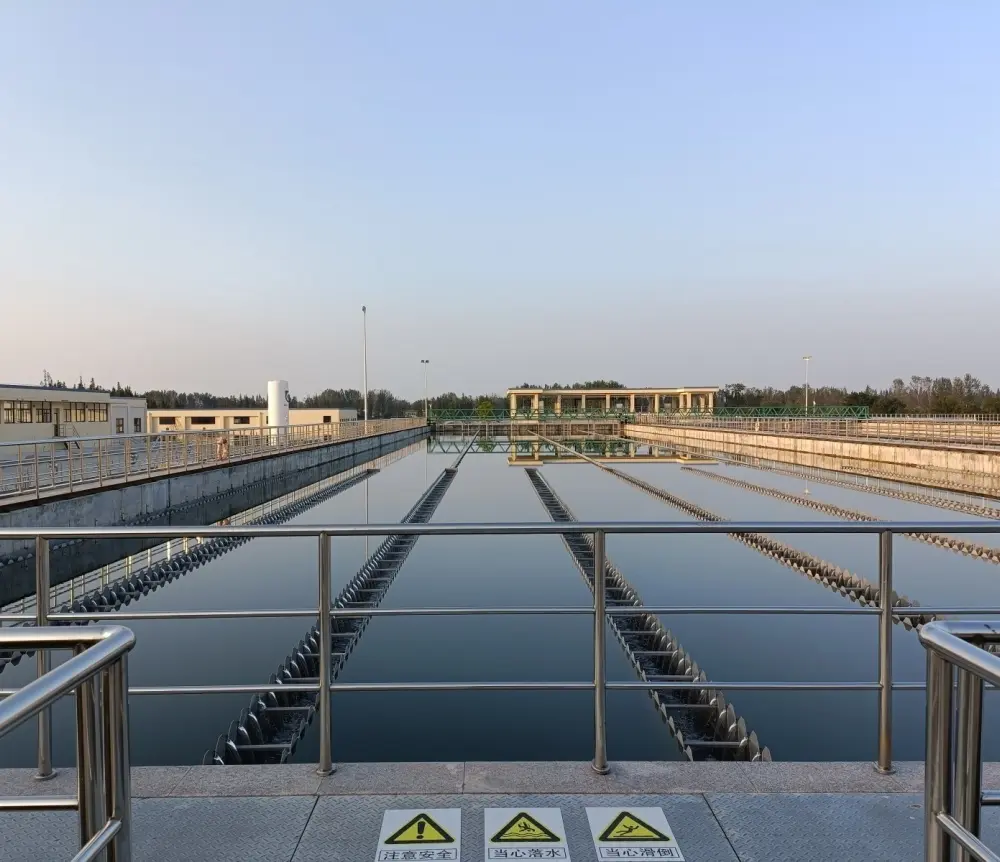
In Municipal Drinking Water Plants, high-basicity PAC-01 effectively minimizes turbidity while keeping residual aluminum below 0.2 mg/L, complying with WHO drinking water criteria. In Sewage Treatment Works, the addition of PAC alongside organic flocculants like PDADMAC significantly lowers chemical oxygen demand (COD) and biochemical oxygen demand (BOD) in the raw influent. Petroleum and Chemical Processing complexes face complex emulsions of water and oil; here, the combined action of PAFC and Water Decolorizing Agent (WDA) splits oil-water bonds, accelerating separating rates. For Papermaking and Pulp production, PAC plays a double role as a paper retention aid and neutralizing agent for sizing agents. Lastly, for Membrane Bioreactors (MBR), pre-treatment dosing with ACH prevents extracellular polymeric substances (EPS) from binding to the membrane surface, extending membrane lifespans and reducing clean-in-place (CIP) intervals.
With decades of compounding expertise, we develop custom solutions tailored to your specific water chemistry profile.
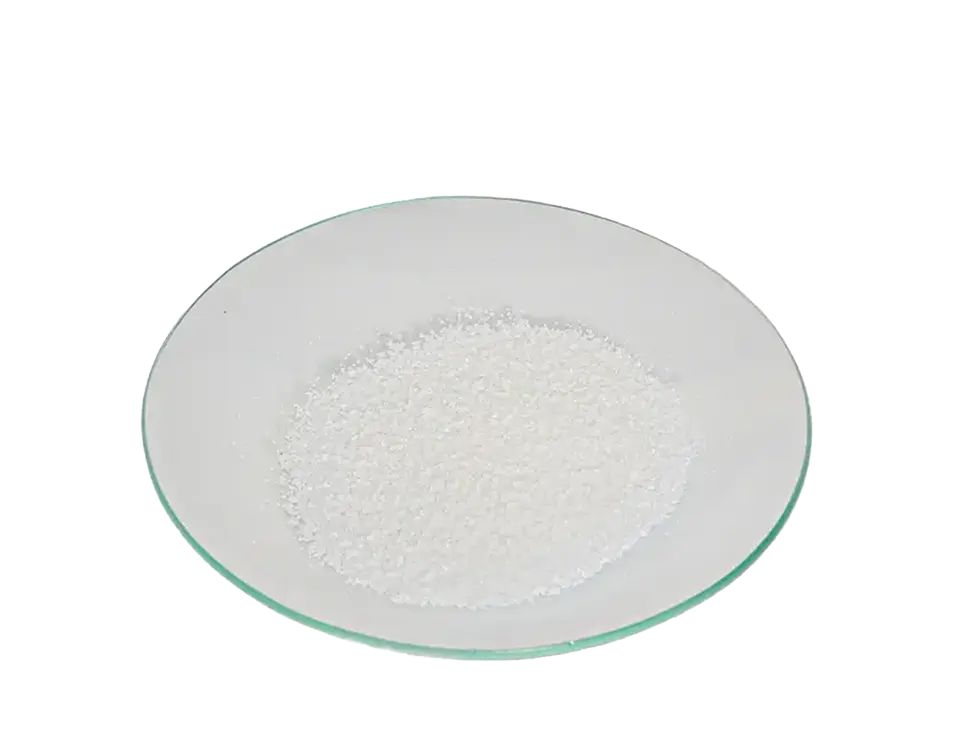
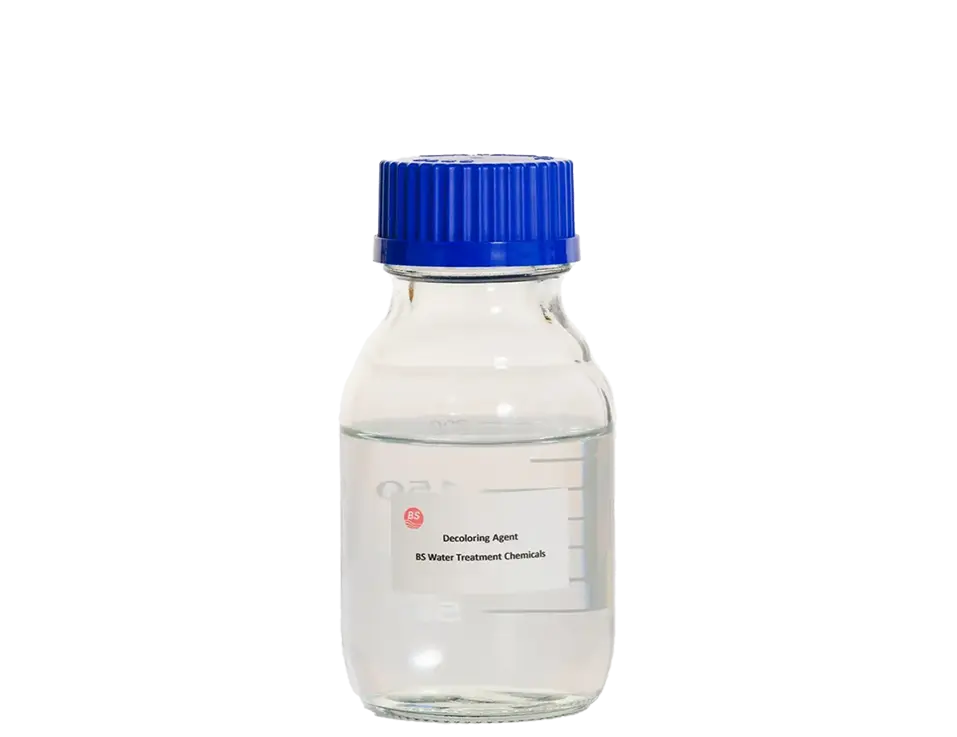
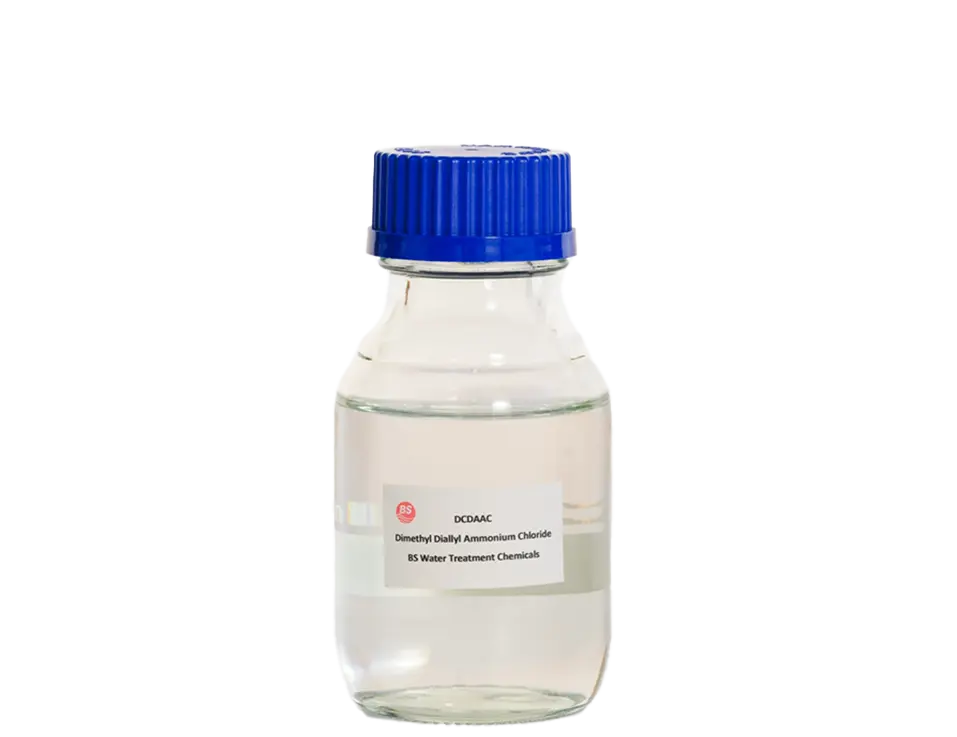
Wuxi BS Water Treatment Chemicals Co., Ltd. offers customized OEM/ODM services to support regional distribution partners and large-scale industrial operations worldwide. Our professional technical team starts by analyzing local water samples to recommend optimal molecular weights, basicity structures, and delivery forms (solid powder vs. liquid solutions).
Supported by a 20,000-ton capacity finished-goods warehouse, we guarantee stable chemical performance and a consistent supply chain, minimizing risk against global logistics fluctuations. Our products have been exported globally since 2007, earning a strong reputation for consistent active ingredients and reliable performance in low temperatures.


A technology leader with decades of expertise in developing advanced water treatment chemicals.
Our initial chemical production plant was established in Wuxi, specializing in baseline inorganic coagulants.
Re-organized as Wuxi Bisheng Water Treatment Agent Co., Ltd. and upgraded to a high-capacity reactor layout.
Export department launched, shipping PAC and organic polymers to regional markets in Southeast Asia and Europe.
Export revenue surpassed 10 million USD, accompanied by new warehouse facilities to streamline logistics.
Our dedicated foreign trade department was established, integrating digital tracking to support international municipal projects.
Expanding our synthesis processes to incorporate hybrid eco-coagulants and smart dosing technologies.

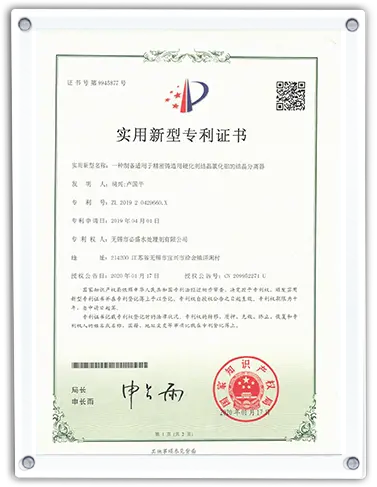
Expert answers addressing chemistry, dosage optimization, and industry standards.
Insights into our ongoing digital transformations, technological conferences, and global market expansion.
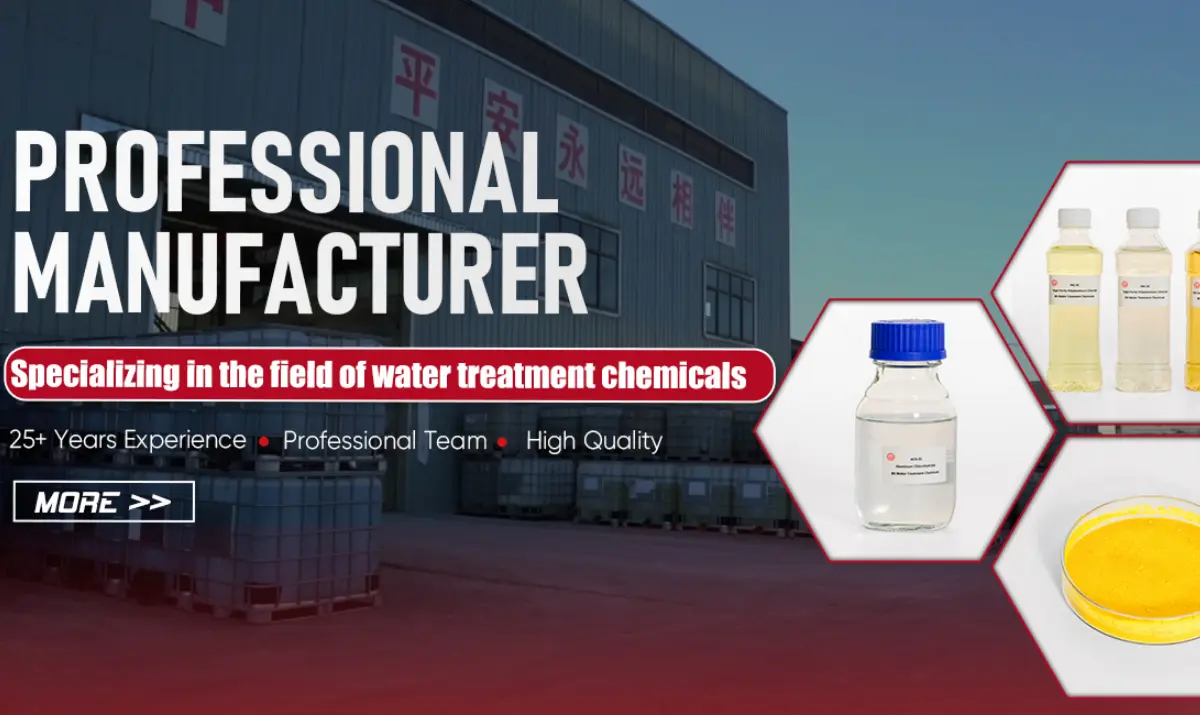
 Sep 09, 2025
Deeply rooted in the water treatment chemicals sector, Wuxi BS is expanding its international presence to establish dual local and global distribution networks.
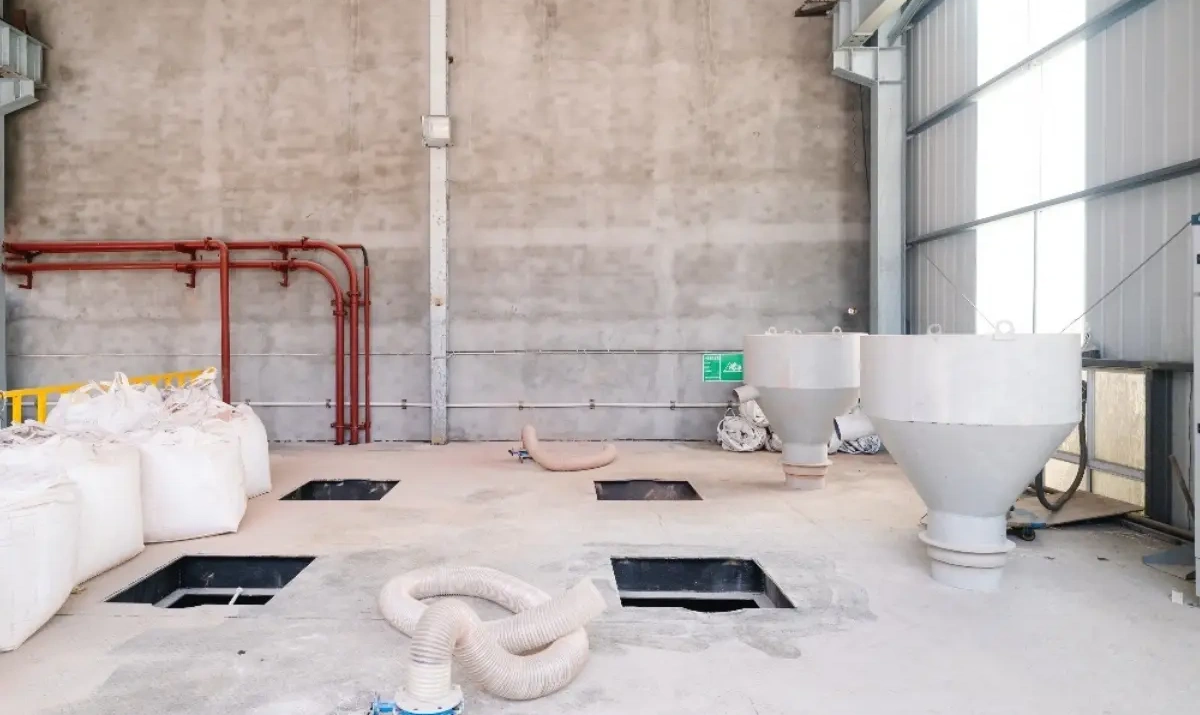 Aug 21, 2025
We have introduced advanced digital, intelligent solid feeding equipment to optimize coagulant and polymer dosing control across complex industrial process streams.
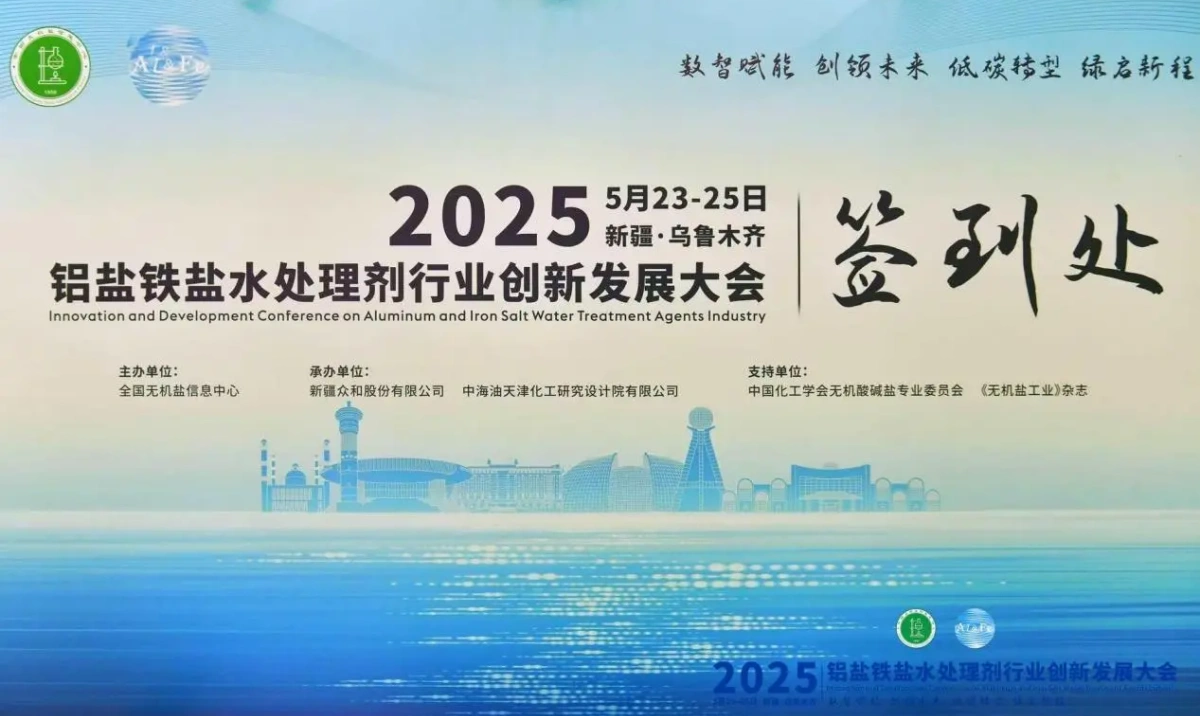 Aug 21, 2025
Participating directly in environmental policy debates, our technical directors shared insights on green production paths for high-basicity inorganic flocculants.
Get in touch with our lab chemists and engineers. Send us your target water specifications to receive a free dose evaluation and price quote.
Complete your sourcing checklist with high-purity coagulants, cationic polymers, and efficient decolorizing agents.
 BS Water