Engineered chemicals optimization for precise solid-liquid separation and purification
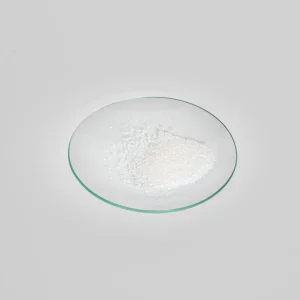
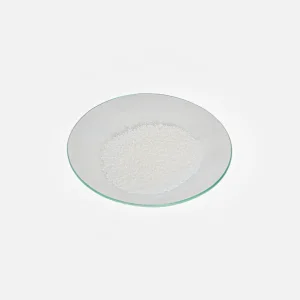
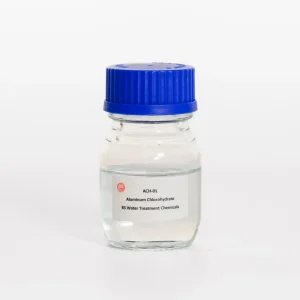
A comprehensive examination of chemical coagulation, flocculation, and advanced degradation paths.
Industrial wastewater and municipal sewage present diverse contamination profiles including suspended solids, colloidal particles, heavy metals, synthetic colorants, and complex organic matrices. Effective sewage treatment processes rely heavily on strategic chemical dosing at key stages to alter colloidal stability, speed up sedimentation, and achieve high quality effluent. From primary settling tanks to tertiary polishing membranes, selecting and applying the correct chemical coagulants and flocculants determines the operational and cost efficiency of the entire facility.
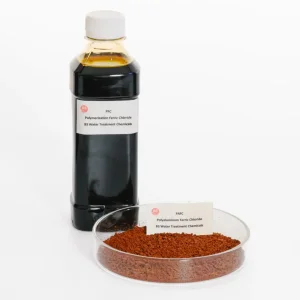
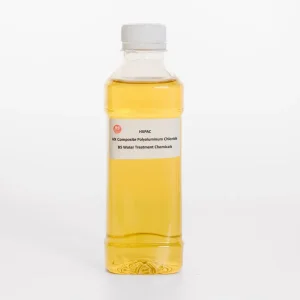
Colloidal particles in sewage typically carry negative surface charges, preventing them from coalescing. Using highly charged metal salts like Poly Aluminium Chloride (PAC) or Aluminum Chlorohydrate (ACH) introduces positive charges, neutralizing the surface charges on suspended particles and allowing micro-flocs to form.
Once particles are destabilized, high-molecular-weight polymers like Polyacrylamide (PAM) are introduced. These long-chain organic molecules absorb onto multiple micro-flocs simultaneously, forming bridges that create large, dense macro-flocs. This step greatly increases settling speeds and improves filter press performance during sludge dewatering.
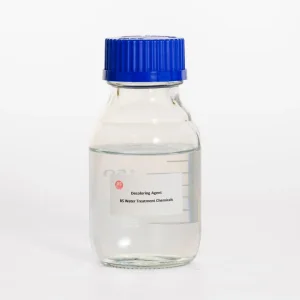
Dye-heavy effluent from textile, pulp and paper, or chemical manufacturing is resistant to traditional coagulation. Applying highly cationic polymeric decolorizers (such as Water Decolorizing Agents) neutralizes anionic dye molecules, breaking down chromophore bonds to precipitate out color bodies and reduce chemical oxygen demand (COD).
The table below details how different polymers interact with wastewater contaminants under standard treatment parameters, highlighting how chemical structure impacts overall process efficiency.
| Chemical Agent | Main Mechanism | Key Applications | Typical Dosage Rates |
|---|---|---|---|
| Poly Aluminium Chloride (PAC) | Charge neutralization & sweeping flocculation via $Al_{13}$ / $Al_{30}$ polymers. | Municipal drinking water, primary industrial wastewater treatment. | 10 – 50 mg/L |
| Aluminum Chlorohydrate (ACH) | High charge density neutralization. Low sludge volume generation. | Municipal drinking water treatment, cosmetics, paper sizing. | 5 – 25 mg/L |
| Anionic Polyacrylamide (APAM) | High molecular weight polymer bridging for larger flocs. | Mineral processing, industrial settling basins, tailing reclamation. | 0.5 – 5 mg/L |
| Cationic Polyacrylamide (CPAM) | Charge neutralization and polymer bridging on organic solids. | Municipal sludge dewatering, belt filter press systems, centrifuges. | 1 – 10 mg/L |
| Water Decolorizing Agent (WDA) | Adsorption and precipitation of highly soluble anionic dyes. | Textile dyeing wastewater, pigment effluent processing. | 50 – 250 mg/L |
| PDADMAC | Highly charged cationic polymer to capture anionic organic impurities. | Paper-making retention aids, oil-water emulsion breaking, biological pre-treatment. | 2 – 20 mg/L |
Advancing sewage treatment through sustainable chemistry and automated dosing control
Ongoing research focus is directed at developing biodegradable coagulants and modified natural starches to reduce residual metal footprints in discharged sludge.
Deploying real-time zeta potential sensors paired with AI logic circuits automatically adjusts PAC and PAM dose volumes, minimizing chemical waste and preventing over-dosing.
Optimizing custom formulation ratios of cationic polyacrylamide (CPAM) reduces sludge cake moisture levels below 60%, significantly lowering shipping and incineration expenses.
Highly tailored chemical pre-treatment prevents colloidal fouling on Ultrafiltration (UF) and Reverse Osmosis (RO) systems, extending membrane life and reducing system downtime.
Targeted chemical applications designed for complex industrial effluent profiles
Textile dyeing factories, petrochemical refineries, pulp mills, and pharmaceutical operations generate challenging wastewater. These effluents often contain high organic loads, complex chemical compounds, and deep coloration that biological processes alone cannot resolve.
Wuxi BS Water Treatment Chemicals Co., Ltd. supplies tailored chemistry combinations that optimize performance. By combining high-charge dicyandiamide-formaldehyde based Water Decolorizing Agents with high-molecular-weight polyacrylamides (PAM), operators can break emulsion bounds, settle color pigments, and lower COD before secondary treatment.
We work closely with customers to test municipal and industrial water supplies. Our lab services design chemical formulations that fit within existing system designs, helping facilities meet regulatory discharge limits.
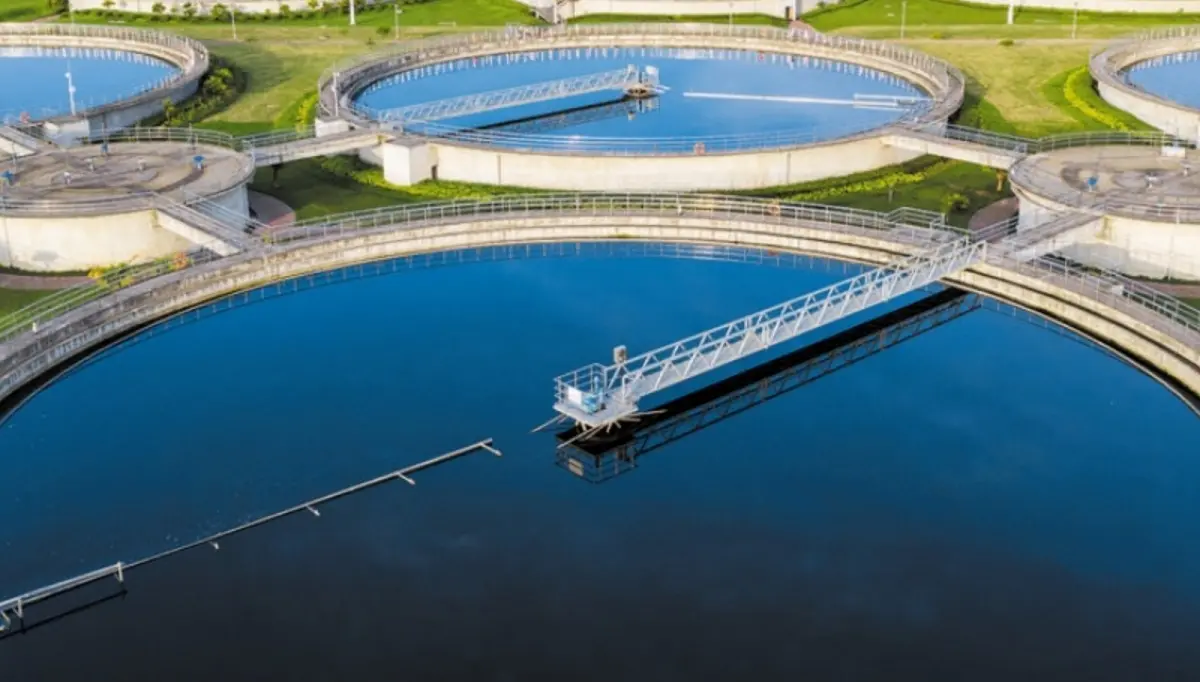
Wuxi BS Water Treatment Chemicals Co., Ltd. - A Trusted Industry Manufacturer Since 1998
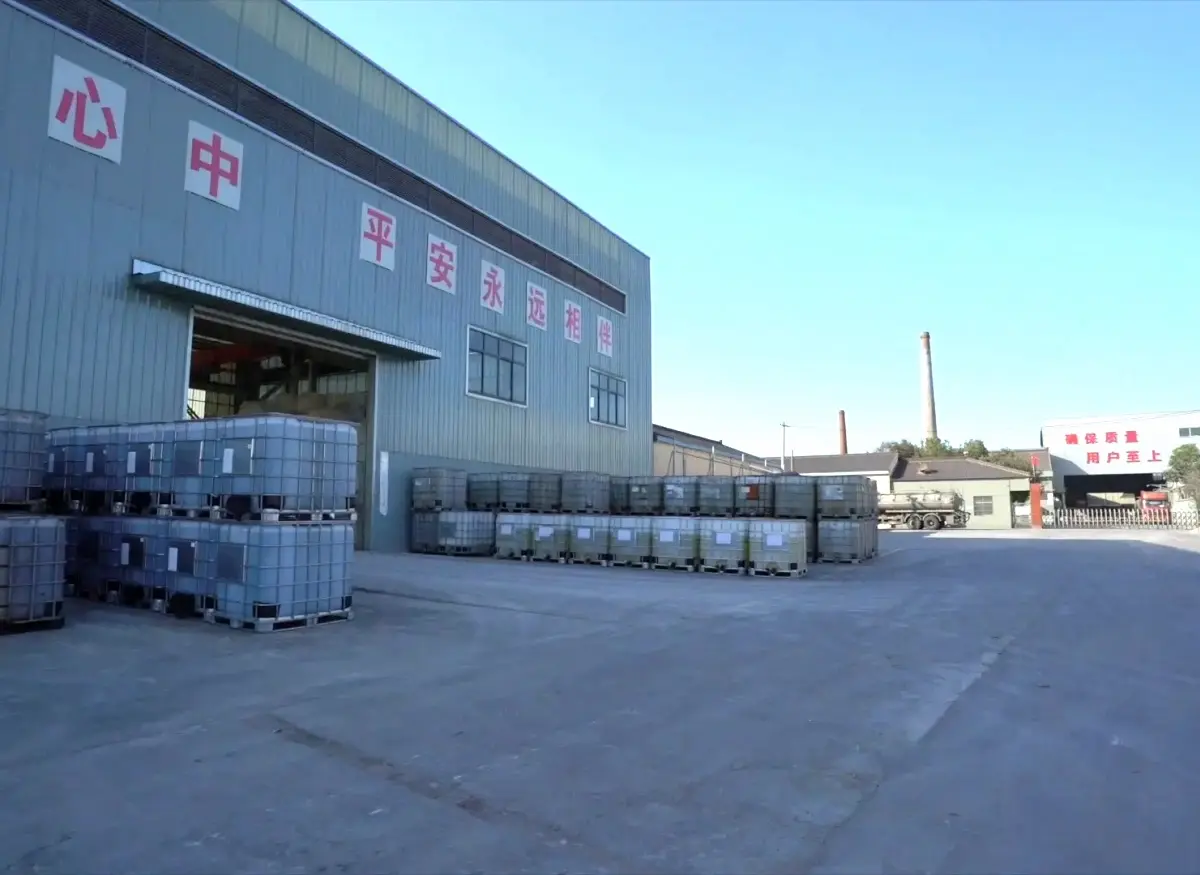
Established in 1998, Wuxi BS Water Treatment Chemicals Co., Ltd. manufactures a wide range of water treatment products for municipal drinking water, industrial wastewater, and municipal sewage treatment.
With decades of production experience, our facilities utilize automated control processes to deliver consistent quality. Our team provides support from initial water testing through to final scale-up and dosing adjustments.
How digital integration ensures stable supply and consistent product purity
Our polymerization reactors use DCS automation control systems. These systems maintain precise temperature, reaction pressure, and monomer feed rates to minimize unreacted chemical residues and guarantee stable molecule sizing.
Located near key domestic chemical manufacturing hubs, our factory maintains raw materials reserves to ensure continuous production, even during raw material shortages or shipping delays.
Every batch of PAC, PAM, and WDA undergoes QC testing for active content, molecular weight distribution, basicity, and insoluble impurities before leaving the factory.
Milestones that highlight Wuxi BS's growth from a local supplier to a global partner
The manufacturing factory was established, focusing on basic inorganic coagulants for regional municipal plants.
Renamed to Wuxi Bisheng Water Treatment Agent Co., Ltd. and expanded manufacturing to include organic polyacrylamides.
Established international distributor channels, exporting high-purity coagulants and flocculants globally.
Annual export sales exceeded $10 Million, with products shipped to municipal facilities and industrial partners globally.
Launched a dedicated global trade department to improve direct-to-factory services and support direct procurement contracts.
Ensuring compliance with local environmental standards globally
Different regions enforce distinct discharge regulations for chemical levels, COD limits, and heavy metal concentrations in sewage effluent. Products from Wuxi BS Water Treatment Chemicals are manufactured to meet major international environmental frameworks.
Our products comply with strict international standards, including ISO 9001 quality management systems, ISO 14001 environmental management protocols, and specific certifications for drinking water safety like NSF/ANSI 60. We also support EU compliance through REACH registration for our core polymer products. Whether you are dealing with EPA requirements in the US, EU Directives, or national regulations in the Middle East, our technical team can adjust chemical properties (such as free monomer levels or pH balance) to ensure compliance.

Tailored packaging and shipping options for bulk global chemical delivery
We supply liquids in standard 25L drums, 200L drums, and 1000L IBC totes. Dry powders and granules are packaged in 25kg multi-layer valve bags with moisture-proof PE liners, or in large 1-ton bulk bags.
Our warehouse keeps over 20,000 tons of finished products in stock. Located near major international ports, we optimize shipping schedules to reduce ocean transit times and port clearance delays.
We add stabilizing agents to liquid products (such as liquid PAC and ACH) to maintain active ingredient levels during long transit and storage times in hot, humid climates.
Answers to common technical questions from water engineers and purchasing managers
A: High basicity means the product has a higher concentration of polymeric aluminum structures, like $Al_{13}$ and $Al_{30}$. These structures provide strong charge neutralization. They also consume less alkalinity, keeping the water's pH stable and reducing the need for neutralizing chemicals like lime or sodium hydroxide.
A: Aluminum Chlorohydrate (ACH) is preferred when dealing with low-turbidity or highly alkaline source waters, or when you need to minimize chemical sludge volumes. ACH has a high $Al_2O_3$ content (typically 23% liquid, 46% solid) and a basicity of 83%. This high concentration allows for lower dosing rates, which reduces residual aluminum levels in the treated water.
A: During sludge dewatering, cationic polyacrylamide (CPAM) with high molecular weight helps bridge suspended organic solids. This bridging action draws the solids together into large, strong flocs. These flocs hold up well under mechanical shear in centrifuges or belt filter presses, resulting in drier sludge cakes and clearer filtrate.
A: Our Water Decolorizing Agent (WDA) is a dicyandiamide-formaldehyde copolymer with a high cationic charge. The polymer chain attracts and binds with anionic water-soluble dyes (such as reactive, acid, or direct dyes), forming insoluble complexes that settle out of the wastewater.
A: Liquid PAC should be stored in FRP or rubber-lined steel tanks at temperatures between 0°C and 35°C to prevent crystallization or product breakdown. Concentrated liquid PAM should be kept between 5°C and 30°C to avoid product degradation over time.
A: Dosing ratios are best determined through laboratory jar testing. Generally, PAC is added first to neutralize charge and form micro-flocs. PAM is then added shortly after (typically in a ratio of 10:1 to 50:1 PAC to PAM) to build larger flocs for settling.
Complete selection of specialized industrial chemicals from our production plant
Developments, technological innovations, and announcements from Wuxi BS
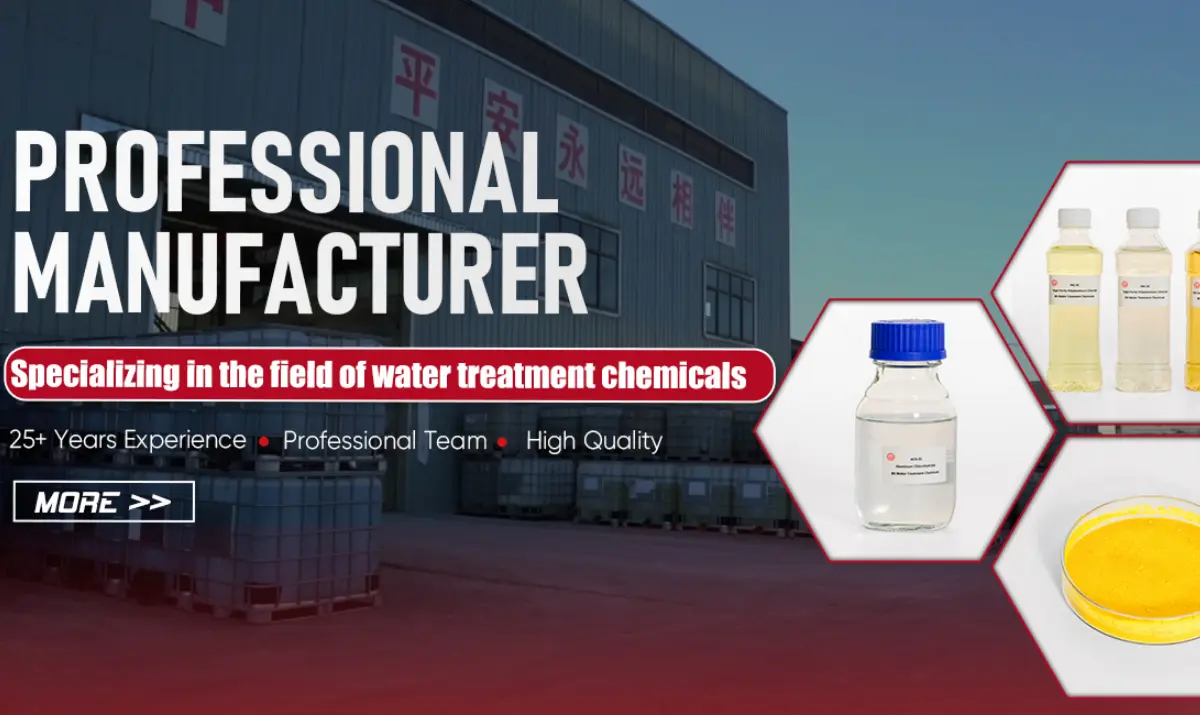
Wuxi BS Water Treatment Chemicals Co., Ltd. continues to develop its international distribution channels. We are building partnerships to support municipal and industrial treatment plants globally with tailored chemistry solutions.
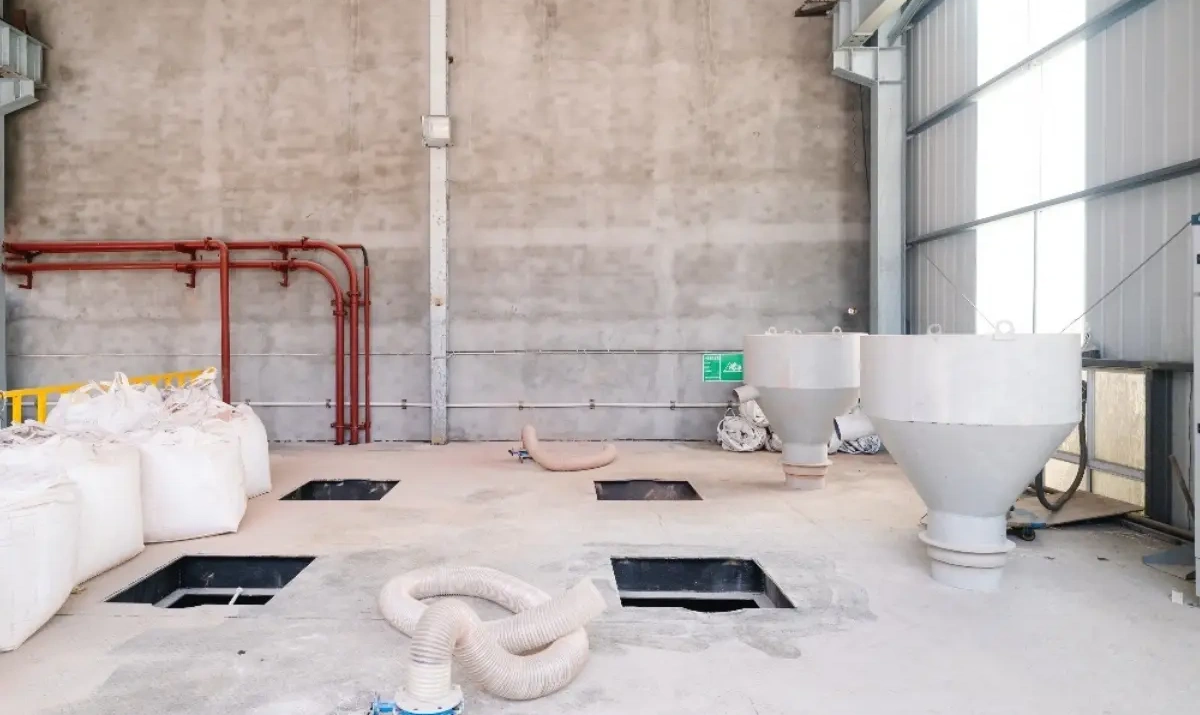
Wuxi BS Water Treatment Chemicals Co., Ltd. has deployed smart solid feeding systems. These systems automate the dry polymer dissolving process, ensuring stable dissolution rates for polyacrylamide powders.
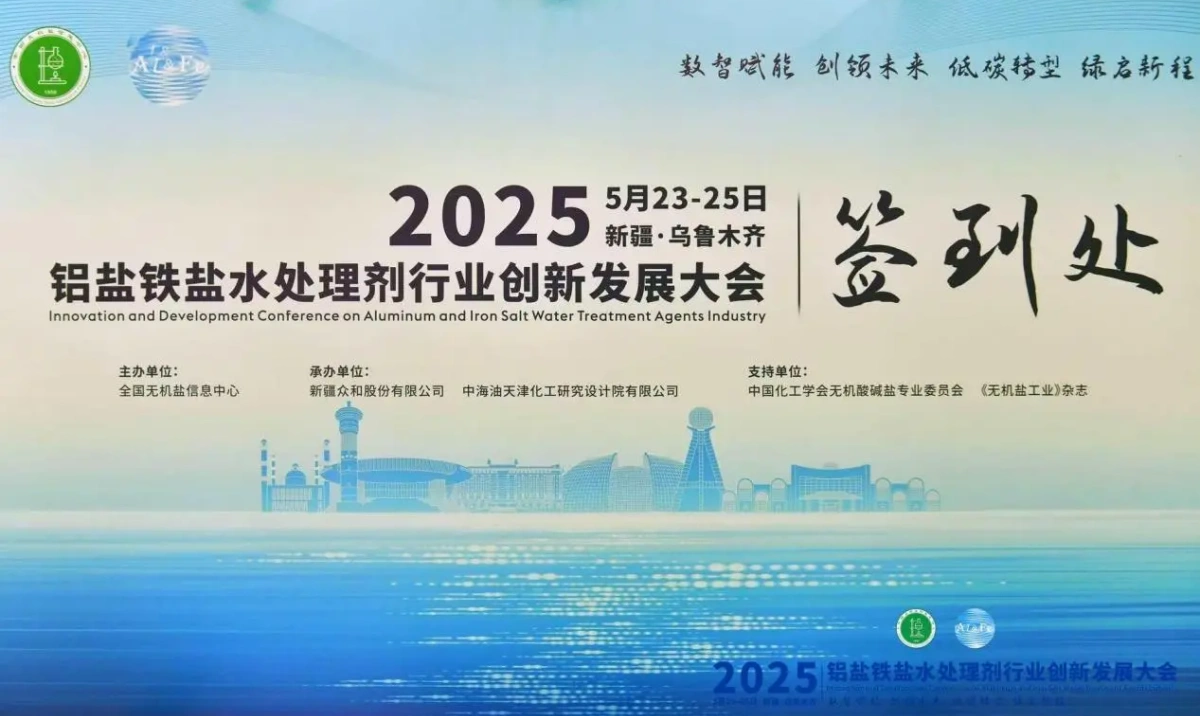
During the recent technical symposium on coagulation chemistry, Wuxi BS presented data showing how optimizing basicity ratios in PAC helps reduce secondary sludge volume during municipal wastewater treatment.
Our technical sales representatives can assist you with product selection, test samples, and bulk pricing details.
 BS Water

