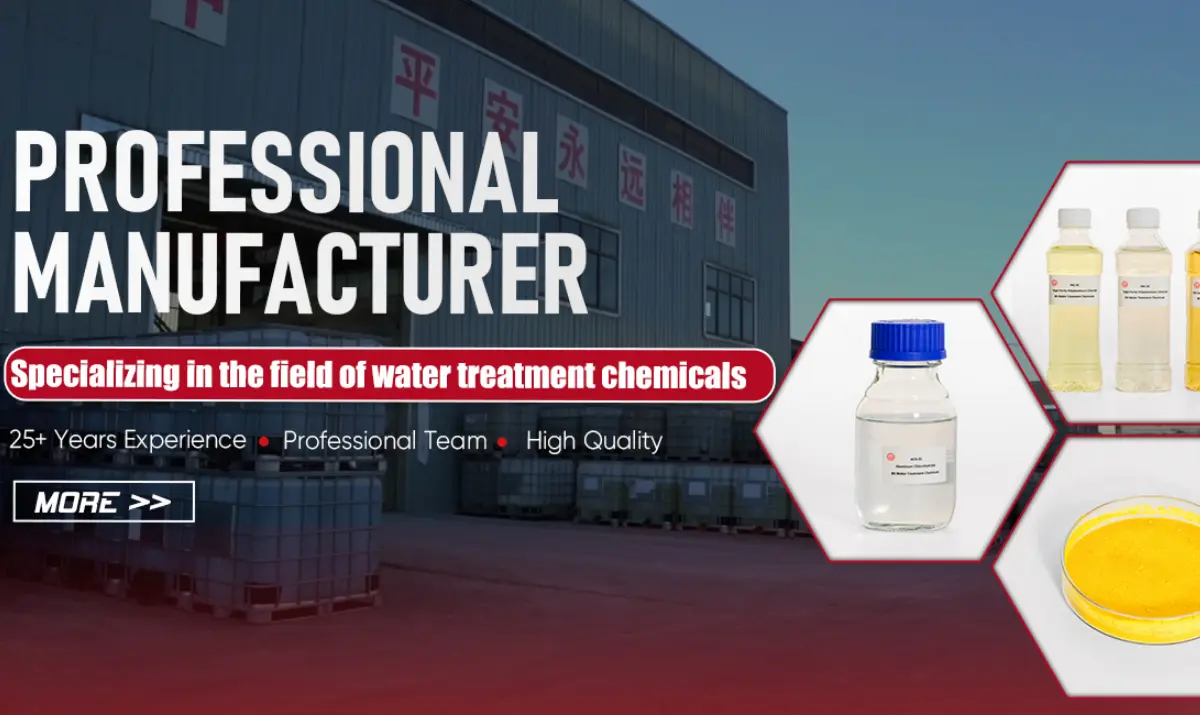
As a leading manufacturer and global supplier, Wuxi BS Water Treatment Chemicals Co., Ltd. delivers high-purity coagulants and flocculants engineered for high-performance municipal, petrochemical, paper, and textile wastewater treatment applications.
In an era defined by intensifying water scarcity, strict environmental regulations, and a global pivot toward circular economies, wastewater treatment has evolved from a regulatory compliance obligation into a core operational strategy. Modern municipal and industrial operators require highly integrated solutions that not only meet local discharge limits but also optimize operational expenditures (OPEX) and promote water recycling. As a leading Wholesale Wastewater Treatment Package Supplier and Factory, Wuxi BS Water Treatment Chemicals Co., Ltd. delivers high-performance coagulants, flocculants, and advanced water treatment agents engineered to address these complex needs.
Effective wastewater treatment relies on a synergistic combination of primary coagulants, auxiliary coagulants, and organic flocculants. Each compound plays a critical role in destabilizing colloidal suspensions, agglomerating fine particulates, and facilitating rapid phase separation.
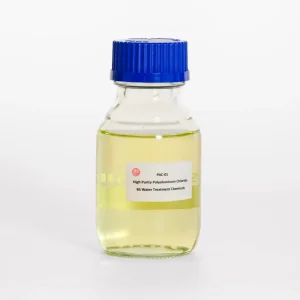
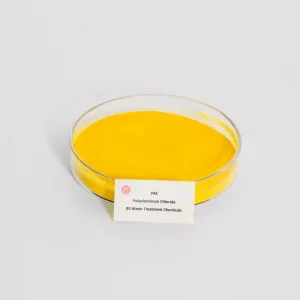
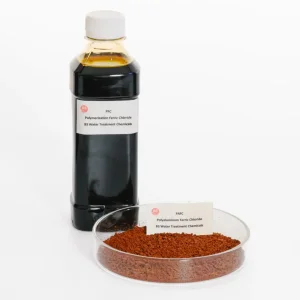
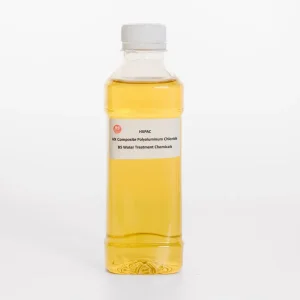
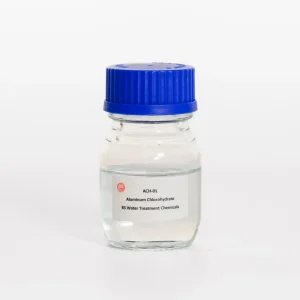
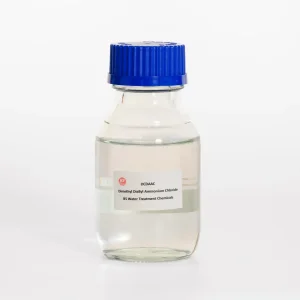
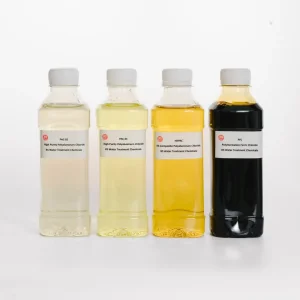
Our manufacturing complex synthesizes high-performance inorganic coagulants designed to meet diverse pH ranges, temperature conditions, and turbidity levels:
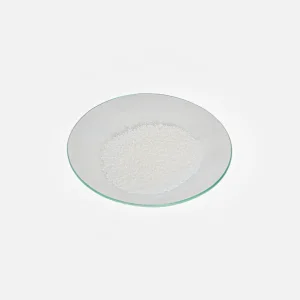
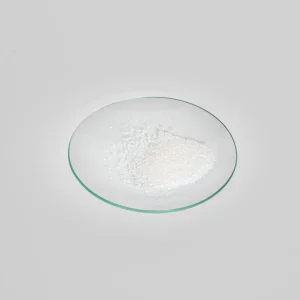
To accelerate the settling velocity of coagulated micro-flocs, we produce a comprehensive range of synthetic polyacrylamides:
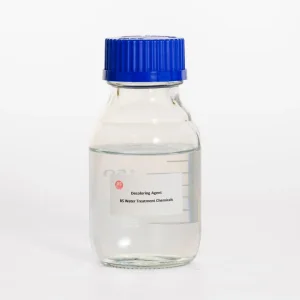
For highly complex wastewater matrixes, standard coagulants are insufficient. We offer specialized products designed for targeted contaminant extraction:
Our coagulants destabilize negatively charged colloids (like clays, silicas, and organic compounds) using highly charged cationic aluminum and ferric polymers, collapsing the electrical double layer.
High-molecular-weight polymers like APAM and CPAM adsorb onto multiple destabilized particles simultaneously, forming large, easily filterable macro-flocs.
Rapid precipitation of metal hydroxides (specifically via PAFC and ACH) traps suspended solids as they precipitate, clearing the water column rapidly.
Wuxi BS Water Treatment Chemicals Co., Ltd. operates a highly advanced chemical synthesis facility that serves as a benchmark for Industry 4.0 in China. Established in 1998, we have continually upgraded our infrastructure to ensure stable product performance and uninterrupted global supply.
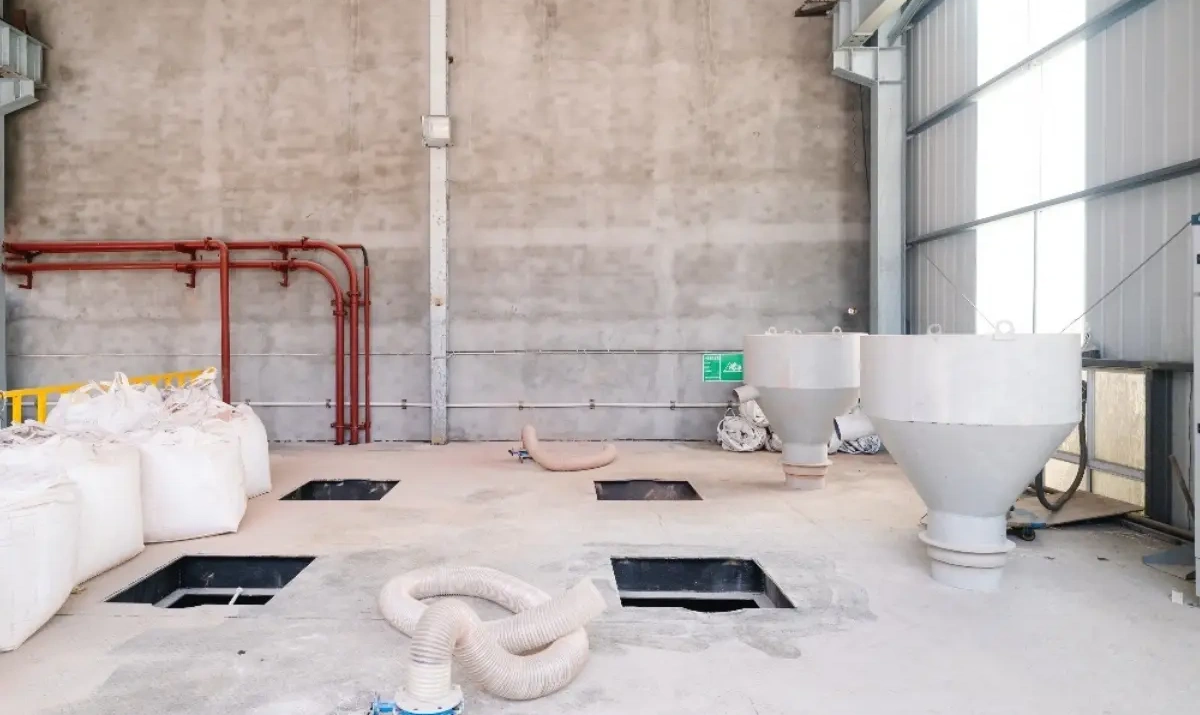
In August 2025, our factory officially launched digital intelligent solid feeding equipment and automated reactor control systems. This upgrade ensures that our synthesis processes (such as polymerization temperatures, pressure controls, and catalyst addition rates) are monitored in real-time. This level of control minimizes batch-to-batch variation, ensuring that our customers receive highly consistent active ingredient concentrations (e.g., 10%-17% PAC liquids and 30% PAC solids).
Fluctuating global shipping timelines require manufacturers to maintain robust inventory buffers. Our state-of-the-art logistics hub features a finished product warehouse holding over 20,000 tons of packaged chemicals. Coupled with our annual production capacity exceeding 500,000 tons, Wuxi BS is uniquely positioned to handle sudden increases in demand without supply chain interruptions or price spikes.
No two wastewater streams are identical. Different industries present unique chemical challenges, from high-molecular-weight organic loads in pulp and paper mills to highly complex surfactants in oilfield runoffs.
Municipalities require chemicals with high purification efficiencies and low residual concentrations. Our high-purity PAC-01 is free from heavy metal contaminants, making it ideal for municipal drinking water filtration systems. For municipal sewage dewatering, our cationic polyacrylamide (CPAM) maximizes cake dryness in belt filter presses and centrifuges, reducing disposal costs.
Oil-water emulsions present a major challenge in oil refineries and petrochemical facilities. Through the synergistic application of PDADMAC and PAFC, operators can break stubborn emulsions, precipitate emulsified oils, and clarify refinery wash-water prior to biological treatment. In addition, our anionic polymers facilitate the rapid settling of tailing slurries in upstream mining operations.
Pulp and paper mills produce massive wastewater volumes containing wood fibers, sizing agents, and fillers. ACH acts as a highly efficient retention aid and charge control agent, improving fiber retention and reducing chemical loss. In the textile industry, our Water Decoloring Agent (WDA) removes color from reactive, acid, and disperse dyes, allowing mills to recycle process water and comply with environmental discharge limits.
Ultrafiltration (UF) and Reverse Osmosis (RO) systems are prone to colloidal fouling. Utilizing specialized, high-basicity ACH and PAC formulations as pre-treatment coagulants helps remove colloidal silica and natural organic matter (NOM) before they reach the membranes. This approach extends membrane lifespan, reduces cleaning frequency, and lowers energy consumption.
Wuxi BS Water Treatment Chemicals Co., Ltd. is committed to developing sustainable, high-efficiency chemical solutions. Our R&D team works closely with partner universities and international research institutes to advance wastewater treatment technology.
Researching natural, biodegradable alternatives to synthetic polyacrylamides to minimize environmental footprints while maintaining high flocculation efficiency.
Integrating online sensors with AI-driven control loops to adjust chemical dosing rates dynamically based on real-time influent turbidity, pH, and flow variations.
Designing targeted chemical packages to maximize water recovery from challenging industrial brines, assisting plants in achieving true closed-loop recycling.
Exporting water treatment chemicals globally since 2007 requires strict adherence to international safety and quality standards. Our manufacturing processes are ISO 9001, ISO 14001, and ISO 45001 certified. We ensure that our water treatment chemical packages comply with international environmental regulations, including US EPA standards, European REACH regulations, and NSF/ANSI 60 certifications for drinking water chemicals.
We work with global distributors, local engineering partners, and logistics experts to provide tailored local support. This includes customized packaging (e.g., 25kg bags, 1000kg IBC totes, bulk liquid tankers), optimized shipping options, and technical assistance during on-site trial runs. Our technical team conducts regular "water quality diagnoses" for clients, adjusting polymer configurations to accommodate seasonal raw water variations.
The factory was established in Wuxi, Jiangsu Province, China, starting with municipal coagulants production.
The company was renamed as Wuxi Bisheng Water Treatment Agent Co., Ltd. (Wuxi BS), expanding into advanced polymer research.
Products officially entered international markets, exported globally via regional distributors.
Annual sales volume exceeded 10,000,000 USD, driven by a growing portfolio of global enterprise accounts.
Official establishment of the dedicated Foreign Trade Department, accompanied by digital smart production line upgrades.
Answers to common chemical selection and process optimization questions from our technical specialists.
Stay informed about our latest technical innovations, factory expansions, and industry collaborations.
 Sep 09, 2025
Wuxi BS Water Treatment Chemicals Co., Ltd. continues to expand its global reach. By pairing our 27 years of domestic chemical experience with a newly established foreign trade department, we are ready to support international markets with optimized logistics and custom product packaging.
Our engineering and logistics teams are ready to help you optimize your chemical treatment process and supply chain. Reach out today for a consultation or quote.
Wuxi BS Water Treatment Chemicals Co., Ltd. | Established 1998
High-purity formulations manufactured under strict quality standards for global export.
 BS Water