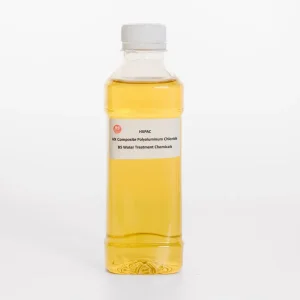
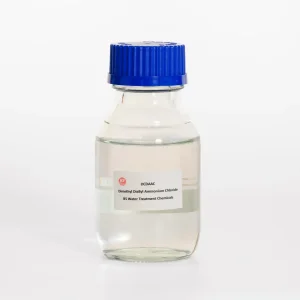
In the era of intensifying global water scarcity and rigorous environment regulations, industrial and municipal organizations are shifting from linear water consumption models to highly efficient closed-loop water reclamation networks. Successful water reclamation depends fundamentally on the optimization of solid-liquid separation phases. Advanced macromolecular chemistry—specifically high-performance coagulants and flocculants—forms the technological bedrock of these separation processes.
As a premier developer and manufacturer, Wuxi BS Water Treatment Chemicals Co., Ltd. has spent over 27 years perfecting chemical formulations that reduce total dissolved solids (TDS), Chemical Oxygen Demand (COD), Biological Oxygen Demand (BOD), and suspended particles. By stabilizing colloidal suspensions and driving high-velocity settling dynamics, our technologies empower systems such as Membrane Process Pretreatment, biological reactors, and municipal clarifiers to operate at peak thermodynamic and volumetric efficiency.
Engineered for rapid sedimentation, heavy impurity filtration, and precise molecular weight distribution to resolve critical turbidity challenges.
To achieve high-efficiency solid-liquid separation, water treatment plants rely on a dual-mechanism sequence: charge neutralization followed by polymeric bridging. In untreated wastewater, suspended organic materials, silts, and bacteria carry negative surface charges (measured as negative Zeta Potential). These electrostatic repulsive forces prevent the particles from colliding and coalescing, keeping them permanently suspended.
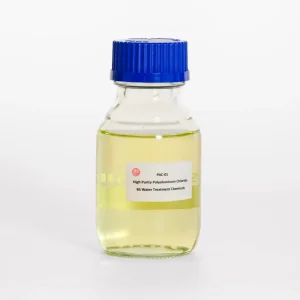
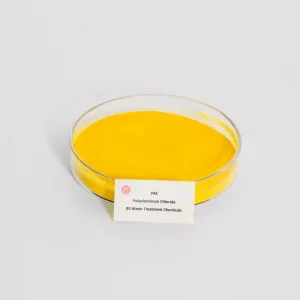
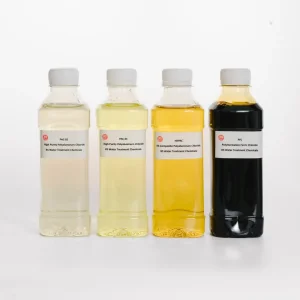
When products like Polyaluminum Chloride (PAC) or Aluminum Chlorohydrate (ACH) are dissolved in water, they release highly charged aluminum complexes. These trivalent cations ($Al^{3+}$) adsorb onto negatively charged colloidal particles, reducing the net surface charge (Zeta potential closer to zero). With electrostatic repulsion neutralized, Van der Waals attraction forces take over, causing the particles to form micro-flocs.
Once micro-flocs form, high molecular weight polymers like Polyacrylamide (PAM) are introduced. The long polymer chains attach to multiple micro-flocs simultaneously, linking them into large, heavy, macro-floc aggregates (known as "flocculation"). This massive expansion in cluster size increases the sedimentation rate exponentially, according to Stokes' Law, clearing the liquid in minutes.
| Chemical Agent Name | Predominant Charge State | Ideal pH Range | Primary Industrial Utility |
|---|---|---|---|
| Polyaluminum Chloride (PAC) | Cationic (Inorganic Polymer) | 5.0 - 9.0 | Municipal Drinking Water, Paper Sizing, Sewage Pretreatment |
| Aluminum Chlorohydrate (ACH) | Highly Cationic (83% Basicity) | 5.5 - 8.5 | Dye/Textile Wastewater, Fine Solids Separation, Deodorant Formulation |
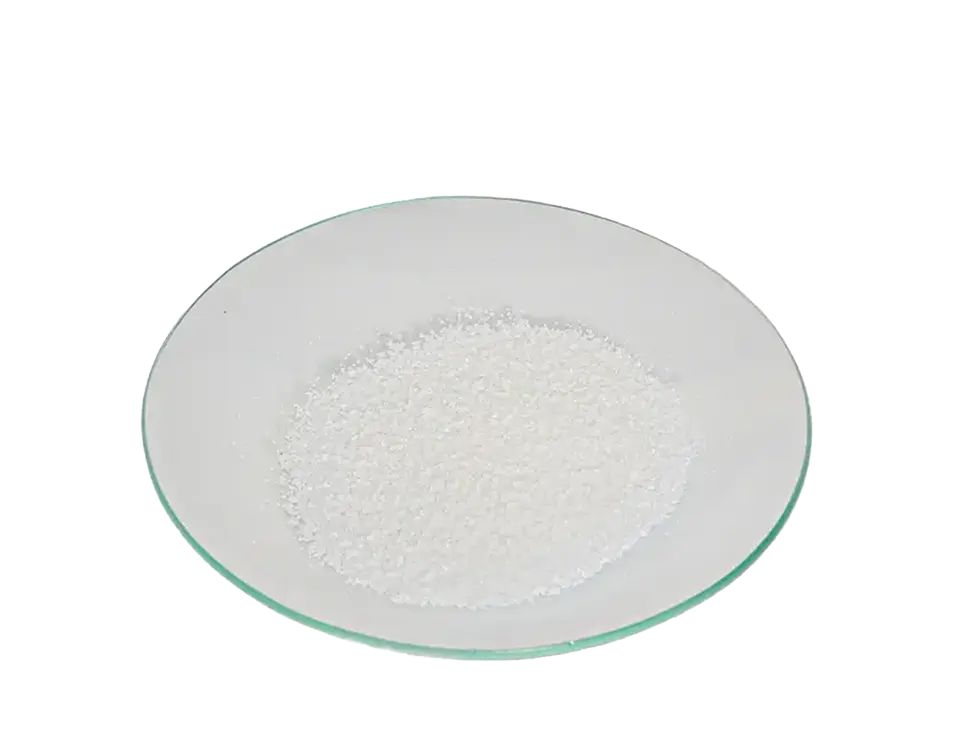
| Anionic Polyacrylamide (APAM) | Anionic (Organic Polymer) | 7.0 - 14.0 (Neutral/Alkaline) | Coal Preparation, Mining Tailings, Petroleum Mud Formulation |
| Cationic Polyacrylamide (CPAM) | Cationic (Organic Polymer) | 1.0 - 8.0 (Acidic/Neutral) | Organic Sludge Dewatering, Belt Pressing, Centrifugation |
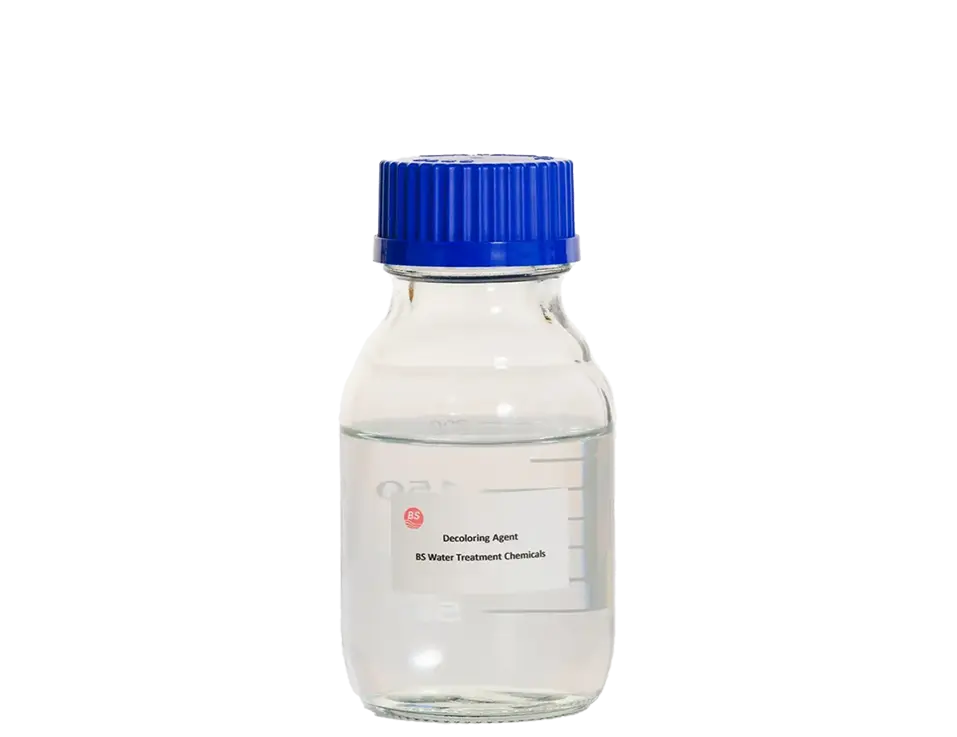
| Water Decoloring Agent (WDA) | Highly Cationic Quaternary Polymer | 3.0 - 10.0 | Highly Colored Effluents, Textile Bleaching & Printing wastewater |
| PDADMAC | Strongly Cationic Homopolymer | 4.0 - 10.0 | Anionic Trash Catcher in Paper Mills, Sludge Conditioning |
Established in 1998, Wuxi BS Water Treatment Chemicals Co., Ltd. is a globally recognized technology leader specializing in chemical synthesis for water purification. Our intelligent production lines, high-purity raw materials, and robust quality control systems ensure our agents meet exact international specifications. We serve distributors, utilities, and corporate clients in over 50 countries, engineering custom solutions that overcome local water profile fluctuations.
Different raw water sources present diverse chemical challenges. A generic solution often fails. We formulate targeted polymers to ensure low residual concentrations and high-speed throughput across these vital industries:
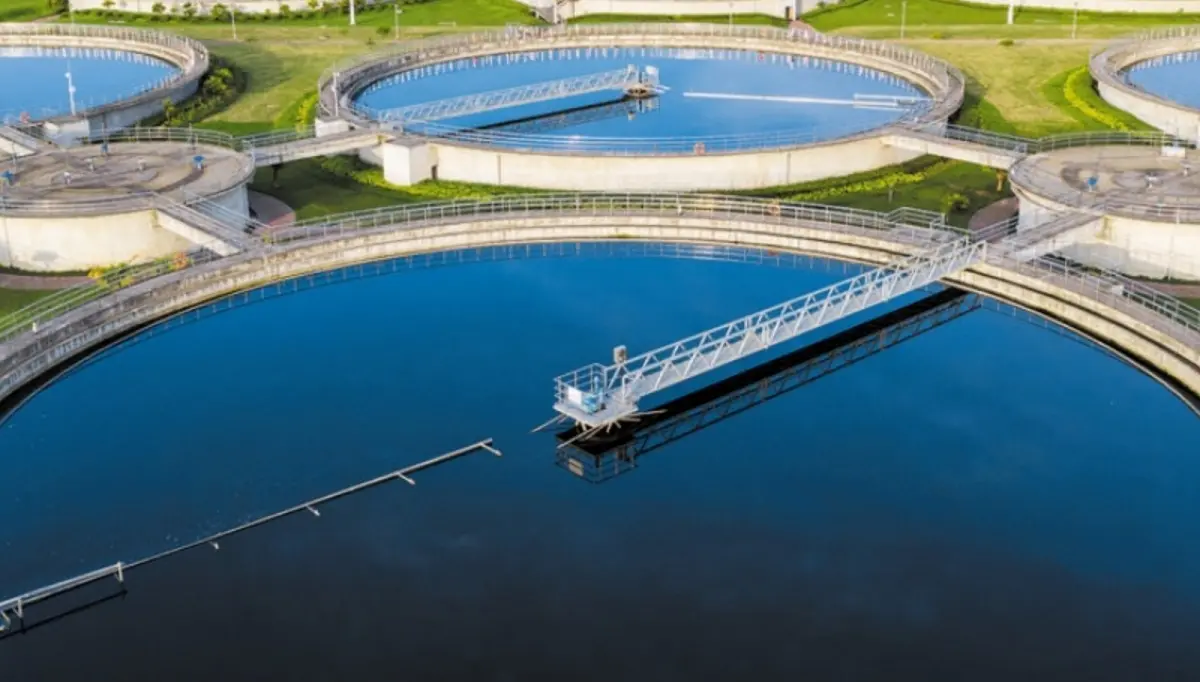
Removing phosphates, suspended organics, and heavy metals. Optimizing activated sludge systems by improving floc density and reducing biological load carryover during clarification phases.
Explore Application Details →
Supplying high-viscosity polyacrylamide additives for friction reduction in hydraulic fracturing, and providing specialized emulsion breakers for refinery wastewater and produced water recovery.
Explore Application Details →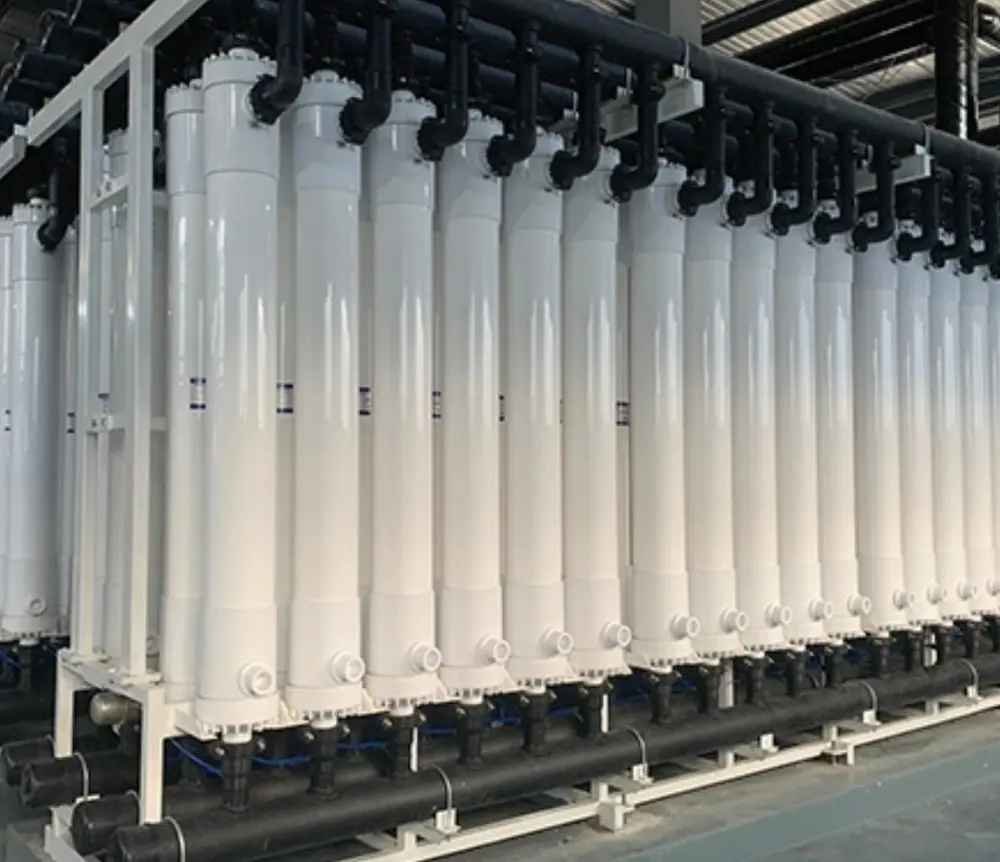
Protecting Reverse Osmosis (RO), Ultrafiltration (UF), and Nanofiltration (NF) membranes by pre-coagulating colloidal silica and organic foulants, preventing membrane fouling and degradation.
Explore Application Details →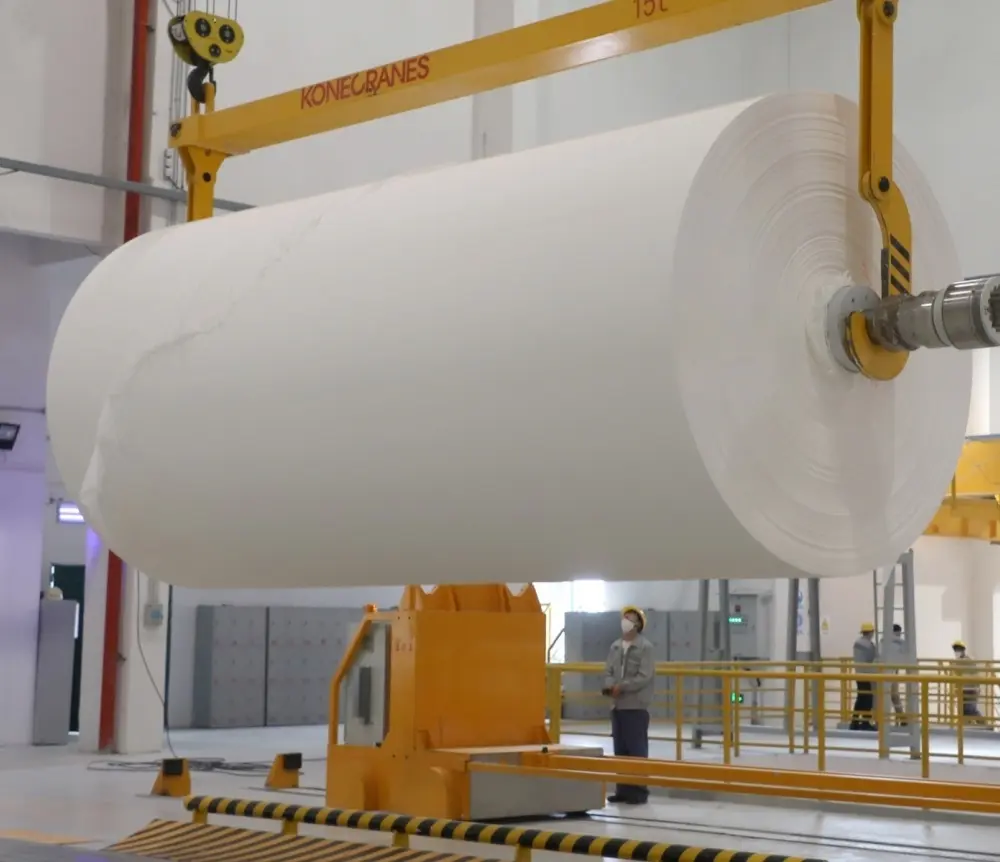
Cationic and anionic agents designed to catch anionic trash, improve paper-web retention, accelerate sheet drainage, and clean recycled process loops by flocculating white water.
Explore Application Details →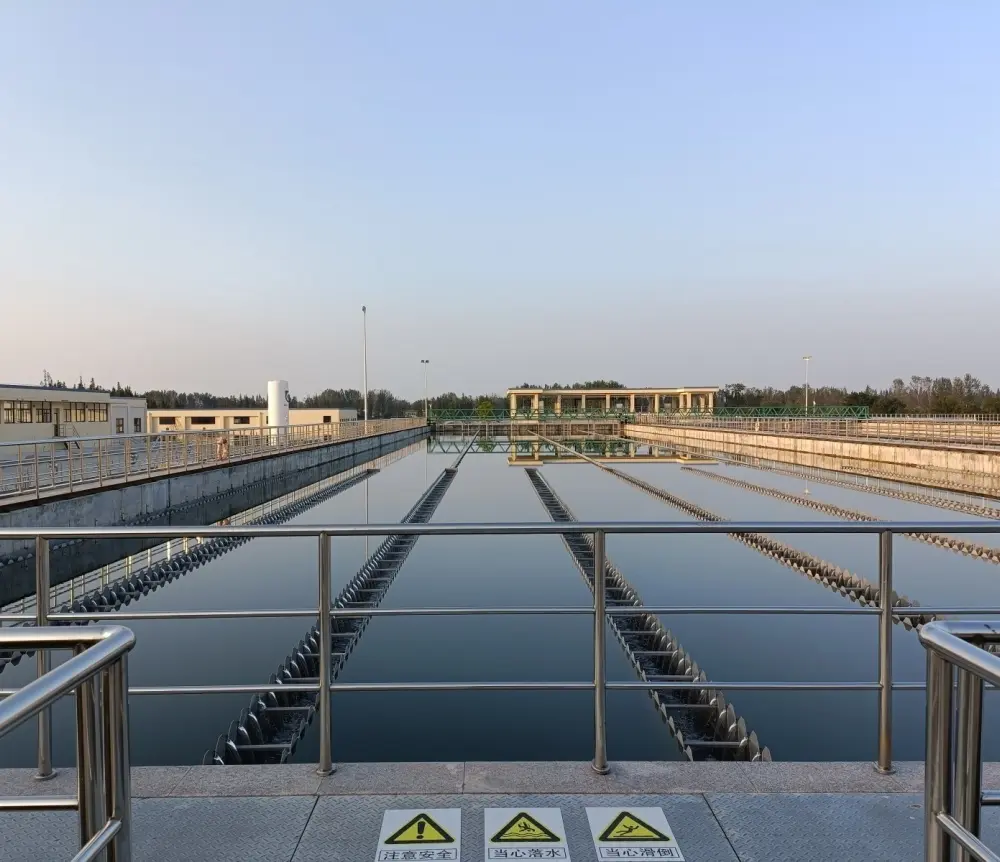
Deploying strict NSF-standard high-purity Polyaluminum Chloride and Aluminum Chlorohydrate products to remove fine turbidity, color, and pathogens from municipal intake water sources.
Explore Application Details →Partnering with a leading Chinese chemical supplier like Wuxi BS Water Treatment Chemicals offers significant supply chain resilience and technical advantages:
Using highly automated molecular synthesis and polymerization reactors to maintain constant active concentrations, batch after batch.
Our strategic location in Wuxi provides direct access to prime raw minerals and acids, buffering our supply lines against global cost shifts.
Close proximity to Shanghai port allows for rapid sea freight scheduling, securing prompt shipping times and reducing transit costs.
OEM/ODM capabilities allow adjustments to molecular weights, cationicity, and solid contents to fit specific client specifications.
To assist global municipal water companies and industrial plant engineers, we deliver tailored chemical synthesis. Our expert laboratory team performs detailed jar tests and water analysis using sample water from your facility to balance:
Over nearly three decades, Wuxi BS Water Treatment has grown from a regional chemical supplier into an international manufacturer trusted by water operators worldwide.
To ensure reliability, our plants adhere to international ISO 9001:2015, ISO 14001:2015, and ISO 45001:2018 standards. Our drinking-water-grade coagulants undergo regular testing to meet strict sanitary guidelines.
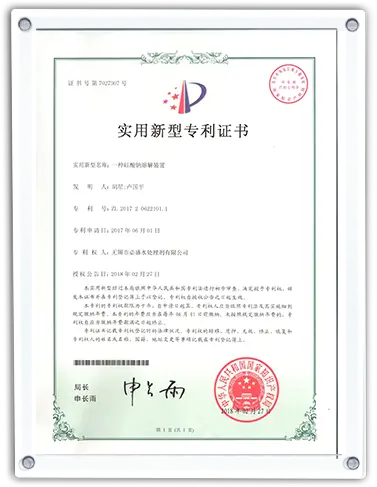
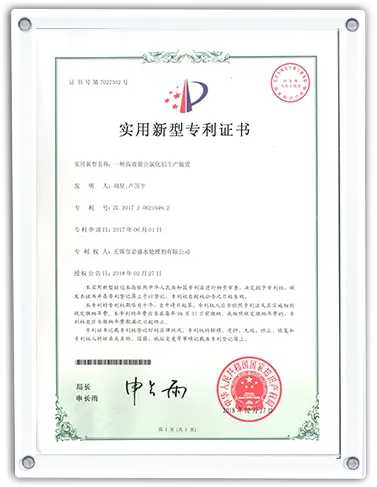
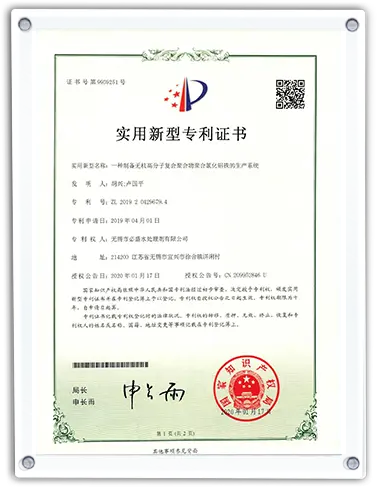
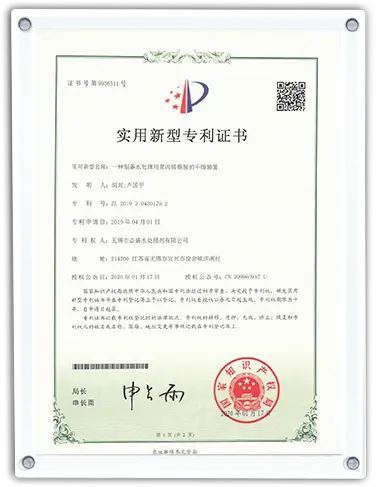
These high-efficiency chemical solutions are formulated for severe industrial wastewater profiles, ensuring high molecular weight stability and rapid settling times.
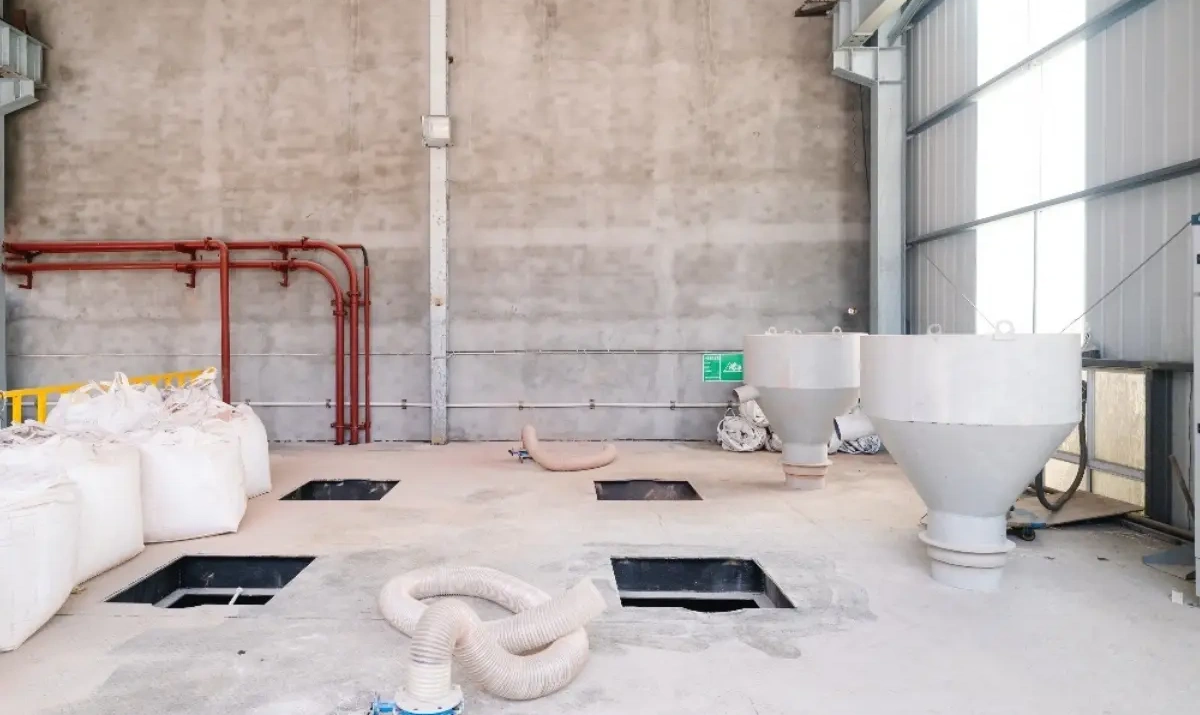
The next decade of wastewater management belongs to automated processes and zero-impurity standards. Traditional manual chemical dosing is being replaced by real-time feed systems. In August 2025, Wuxi BS Water Treatment Chemicals officially integrated digital intelligent dry feeding and liquid dosing equipment to optimize dosing precision.
Using inline sensors that monitor turbidity, flow rate, and Zeta Potential, our dosing systems adjust chemical intake dynamically. This real-time automation yields several key benefits:
By matching these digital dosing systems with our high-basicity coagulants, modern treatment plants can approach Zero-Liquid Discharge (ZLD) operational status, helping satisfy corporate sustainability targets.
Practical, detailed answers from our laboratory engineers to help guide your chemical selection.
Have technical questions, need a quotation, or want to arrange a laboratory jar test sample? Our team of chemical engineers is here to assist. Reach out directly or complete the contact form.


Request a Quotation & Chemical Sample
Read our recent articles and technical bulletins regarding water reclamation systems and polymer developments.
High-performance polymer blends developed to treat complex industrial effluents, organic sludge, and colored waste streams.
 BS Water